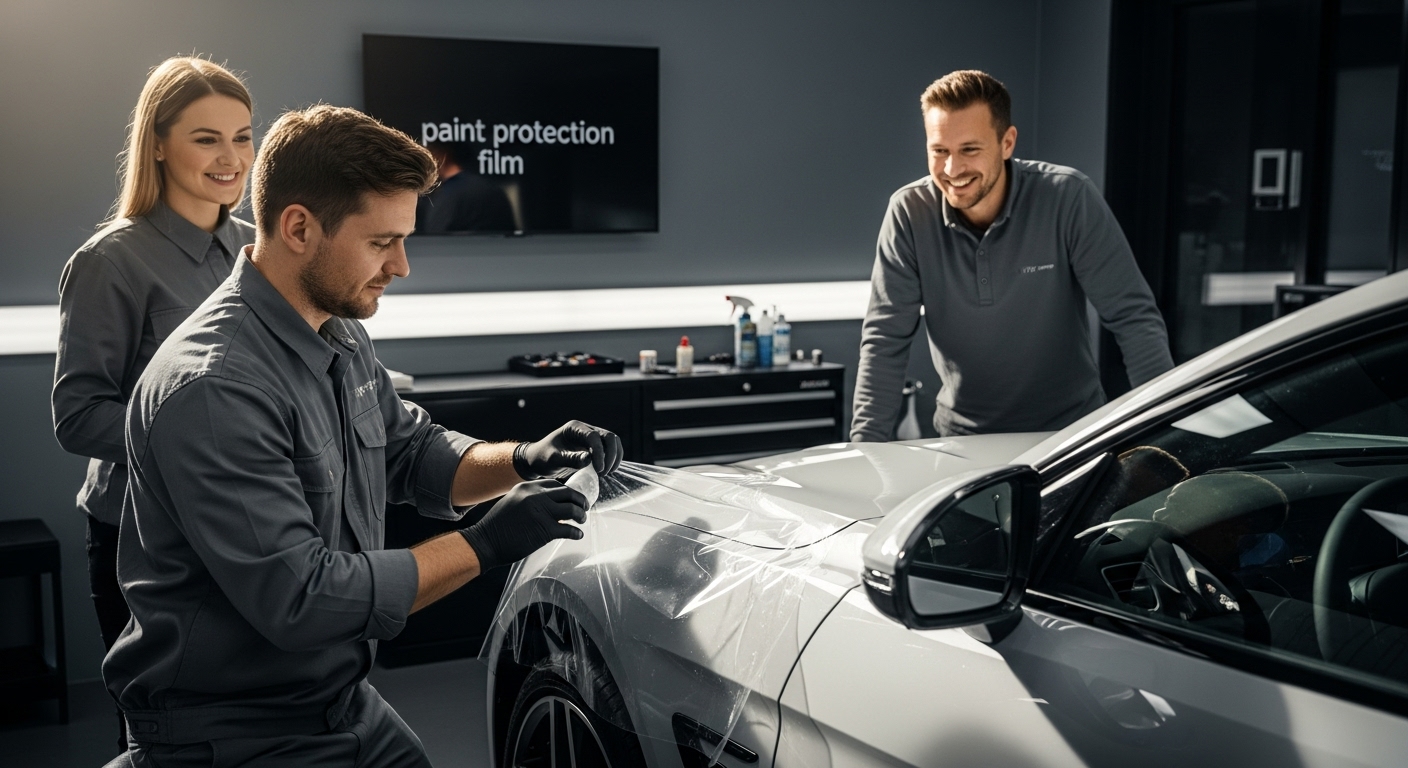
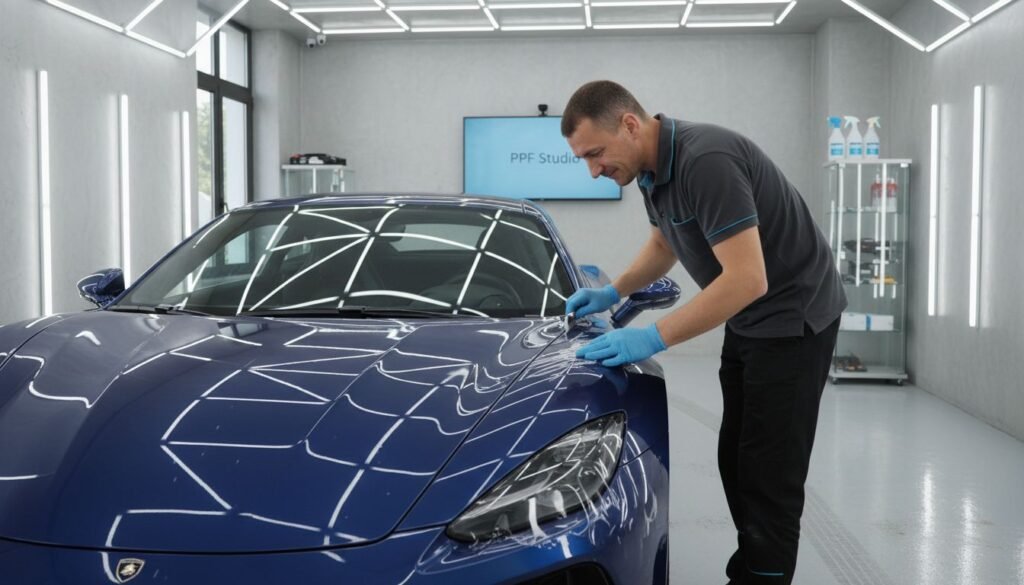
Every british car owner knows how quickly tiny chips and scratches can appear on paintwork. With road debris, bird droppings, and unpredictable weather, your vehicle faces constant threats. Industry tests show that high-quality paint protection film can reduce visible paint damage by up to 80 percent. This guide breaks down how advanced paint protection films work, why their careful installation matters, and what to consider when choosing the best option for preserving your car’s appearance and value.
Table of Contents
- Understanding Car Paint Protection Film
- Types Of Paint Protection Film Explained
- Installation Techniques And Tools Required
- Longevity, Maintenance, And Durability
- Cost Analysis And Common Mistakes
Key Takeaways
| Point | Details |
|---|---|
| Purpose of Paint Protection Film (PPF) | PPF acts as an invisible barrier protecting vehicle paint from environmental damage and wear. It absorbs impacts and prevents surface deterioration. |
| Types of PPF | Various types of PPF, such as Thermoplastic Polyurethane and self-healing films, cater to different performance and aesthetic needs, enhancing vehicle longevity. |
| Installation Importance | Proper installation is crucial; it requires meticulous preparation and expertise to avoid common mistakes that could compromise the film’s performance. |
| Maintenance Practices | Regular maintenance with gentle washing techniques can prolong PPF lifespan, ensuring maximum protection and visual appeal for the vehicle’s finish. |
Understanding Car Paint Protection Film
Paint protection film (PPF) represents an advanced automotive surface preservation technology designed to shield vehicle paintwork from environmental damage and wear. This specialised thermoplastic urethane film provides comprehensive protection against physical impacts, stone chips, insect residue, and minor abrasions that can compromise a vehicle’s aesthetic appeal.
The fundamental purpose of PPF is to create an invisible, durable barrier between the vehicle’s original paint and external elements. How PPF works involves its unique composition of polyurethane materials that can absorb and disperse kinetic energy from potential paint-damaging interactions. Typically measuring between 8-10 mil (approximately 200-250 micrometres) thick, PPF offers significantly more robust protection compared to traditional coating methods.
Key protective zones for PPF installation typically include high-impact surfaces such as:
- Vehicle bonnet
- Front wings/fenders
- Front bumper
- Side mirror casings
- Lower door sections
- Rear wheel guard areas
Professional installers recognise that strategic PPF application can dramatically extend a vehicle’s visual integrity, preserving its showroom-quality finish against daily environmental challenges. Paint protection film benefits extend beyond mere aesthetic preservation, providing long-term value for vehicle owners seeking comprehensive surface protection.
Types Of Paint Protection Film Explained
Paint protection films represent a sophisticated range of automotive surface preservation technologies, each designed to offer unique protective characteristics for vehicle paintwork. Professional installers and automotive enthusiasts recognise that selecting the right type of PPF can significantly impact a vehicle’s long-term aesthetic and protective qualities.
Vinyl wrap comparison strategies reveal multiple PPF variants tailored to specific performance requirements. Modern PPF technologies include several distinctive types:
- Thermoplastic Polyurethane (TPU) PPF: Highly flexible and adaptable to complex vehicle contours
- Thermoplastic Hybrid (TPH) PPF: Budget-friendly option with reasonable protection levels
- Polycarbonate-Infused PPF: Enhanced durability for challenging environmental conditions
Some advanced PPF variants offer specialised features. Matte and gloss PPF options provide aesthetic versatility, allowing vehicle owners to choose between sleek, reflective finishes and understated, non-reflective surfaces. Self-healing PPF represents a cutting-edge innovation, utilising nano-coating technologies to automatically repair minor scratches when exposed to heat, ensuring the film maintains its pristine appearance over extended periods.
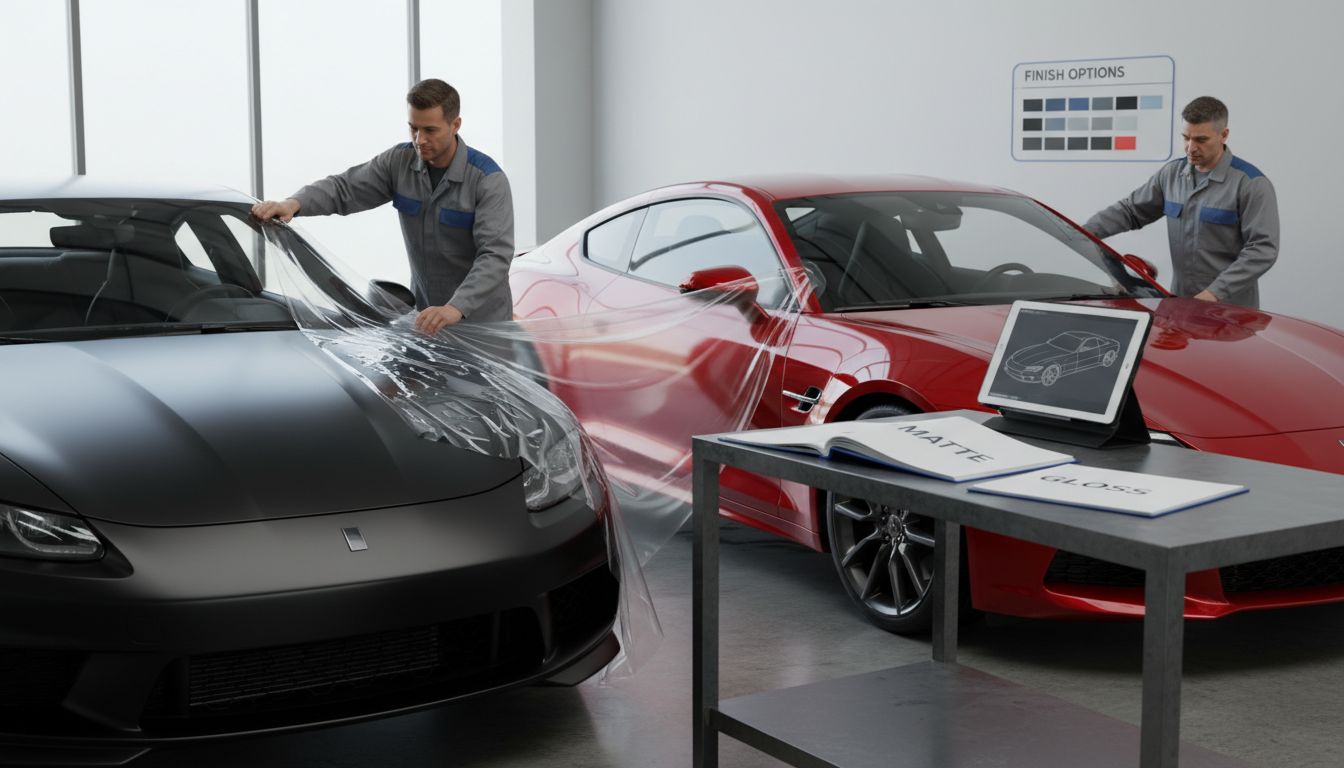
Professional installers typically recommend selecting PPF based on specific vehicle usage, environmental conditions, and aesthetic preferences. Black PPF, often used for accent areas like roofs and side mirrors, offers additional customisation possibilities. The diversity of PPF types ensures that vehicle owners can find a protection solution precisely matched to their individual requirements, balancing performance, appearance, and long-term paint preservation.
Installation Techniques And Tools Required
Paint protection film (PPF) installation demands precision, specialised skills, and a comprehensive understanding of both technique and equipment. Professional installers must navigate a complex process that requires meticulous preparation, advanced tools, and expert-level application strategies to ensure optimal vehicle surface protection.
Common installation mistakes can significantly compromise film performance, making proper technique crucial. The installation process involves several critical stages:
- Surface Preparation
- Thorough vehicle surface cleaning
- Removing existing contaminants
- Ensuring absolutely smooth surface conditions
- Precision Tools Required
- High-quality cutting plotter
- Squeegees with microfibre edges
- Professional heat gun
- Lint-free cleaning cloths
- Isopropyl alcohol solution
Professional-grade preparation involves creating an immaculate surface environment. Installers must eliminate microscopic debris, oils, and imperfections that could compromise film adhesion. The elastic urethane film requires careful handling, with professional techniques focusing on minimising air bubbles, ensuring perfect panel alignment, and maintaining consistent tension during application.
Advanced installation techniques demand extraordinary attention to detail. Professionals utilise specialised tools that enable precise film cutting, seamless panel coverage, and heat-activated conforming to vehicle contours. The process requires patience, technical expertise, and an understanding of how different film types respond to various environmental conditions and application methodologies.
Longevity, Maintenance, And Durability
Paint protection film (PPF) represents a significant investment in vehicle preservation, with professional-grade materials offering remarkable durability and performance characteristics. The longevity of PPF depends on multiple critical factors, including film quality, installation precision, environmental conditions, and ongoing maintenance strategies.
Understanding paint protection film lifespan reveals that high-quality films can protect vehicle surfaces for five to ten years when properly maintained. Key durability considerations include:
- Material composition
- Installation technique
- Environmental exposure
- Maintenance frequency
- Vehicle usage patterns
Professional-grade thermoplastic polyurethane (TPU) films offer advanced self-healing properties, automatically repairing minor scratches when exposed to heat. This innovative technology significantly extends the film’s functional lifespan, reducing long-term maintenance requirements and preserving the vehicle’s aesthetic appearance.
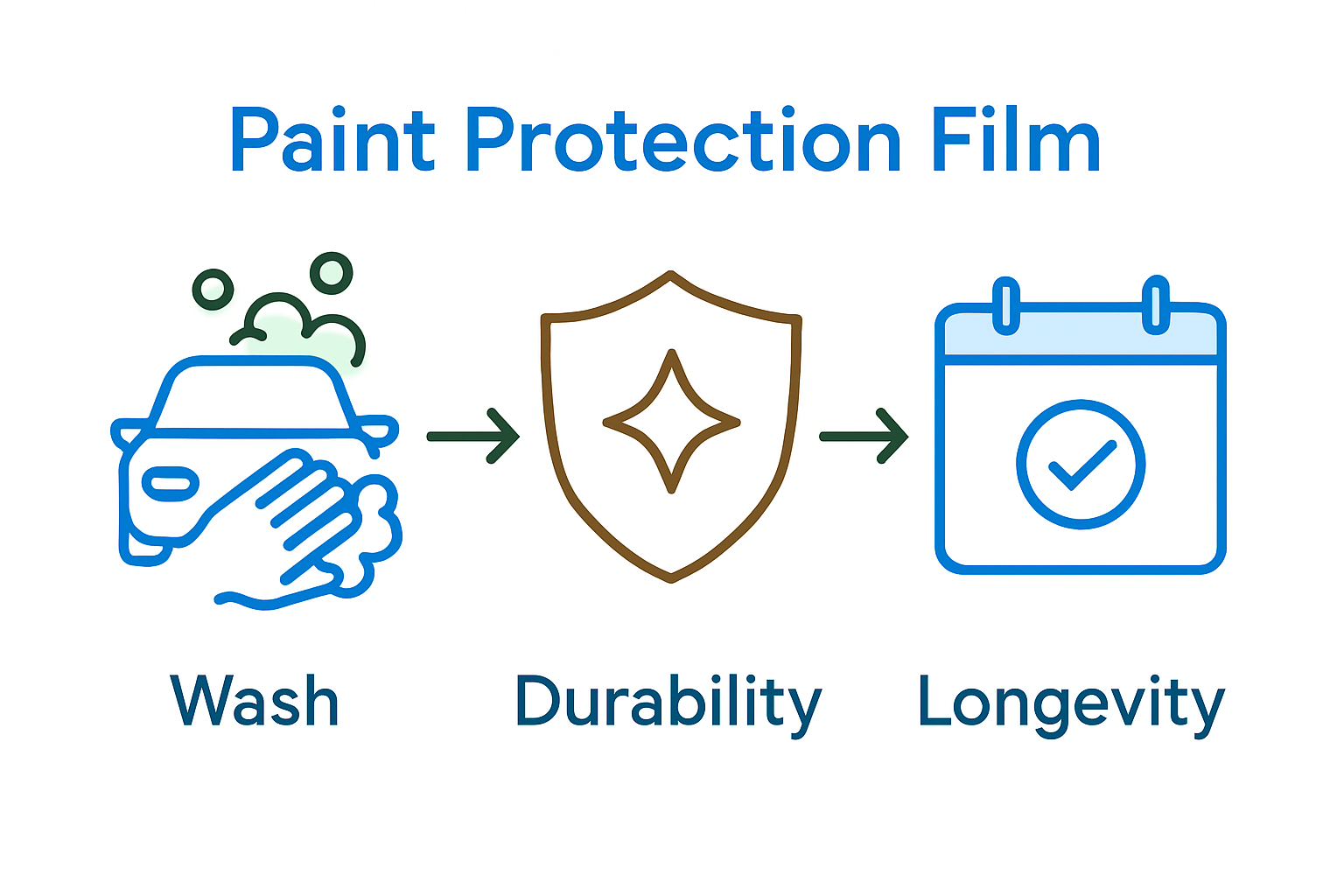
Maintenance best practices are crucial for maximising PPF performance. Professionals recommend gentle washing techniques, avoiding abrasive cleaning materials, and protecting the film from prolonged direct sunlight. Regular, careful maintenance can prevent premature degradation and ensure the paint protection film continues to provide optimal surface protection throughout its operational lifecycle.
Cost Analysis And Common Mistakes
Paint protection film (PPF) represents a significant financial investment for automotive professionals and vehicle owners, with costs varying widely based on multiple critical factors. Professional installers must carefully consider the complex economic landscape surrounding PPF application, balancing initial expenses against long-term vehicle protection benefits.
Common installation mistakes can dramatically impact overall project economics, potentially transforming a cost-effective solution into an expensive repair scenario. Typical cost considerations include:
- Film quality and material specifications
- Vehicle size and complexity
- Coverage area requirements
- Professional installation labour
- Geographical market variations
Professional-grade thermoplastic polyurethane (TPU) films offer remarkable value, with pricing typically ranging from £500 to £2,500 depending on vehicle type and comprehensive coverage. The most frequent installation errors that increase overall project costs include improper surface preparation, inconsistent film tension, and inadequate heat application techniques.
Comprehensive cost analysis extends beyond initial installation expenses. Skilled professionals understand that high-quality PPF can prevent potentially thousands of pounds in paint repair and refinishing costs, effectively functioning as a long-term protective investment for vehicle aesthetics and structural integrity. Careful selection of materials, precise installation techniques, and ongoing maintenance are crucial for maximising the economic benefits of paint protection film.
Master Your Paint Protection Film Installation with AEONCUT
Applying paint protection film effectively demands precision and expert handling to avoid common pitfalls such as air bubbles and uneven tension discussed in the guide. Whether you are a professional installer or a dedicated car enthusiast aiming to protect your vehicle’s finish, utilising the right tools is essential to overcome these challenges and achieve a flawless result. AEONCUT offers advanced pre-cut pattern software specifically designed for paint protection films to help you save time, reduce material waste and ensure precise cuts every time.
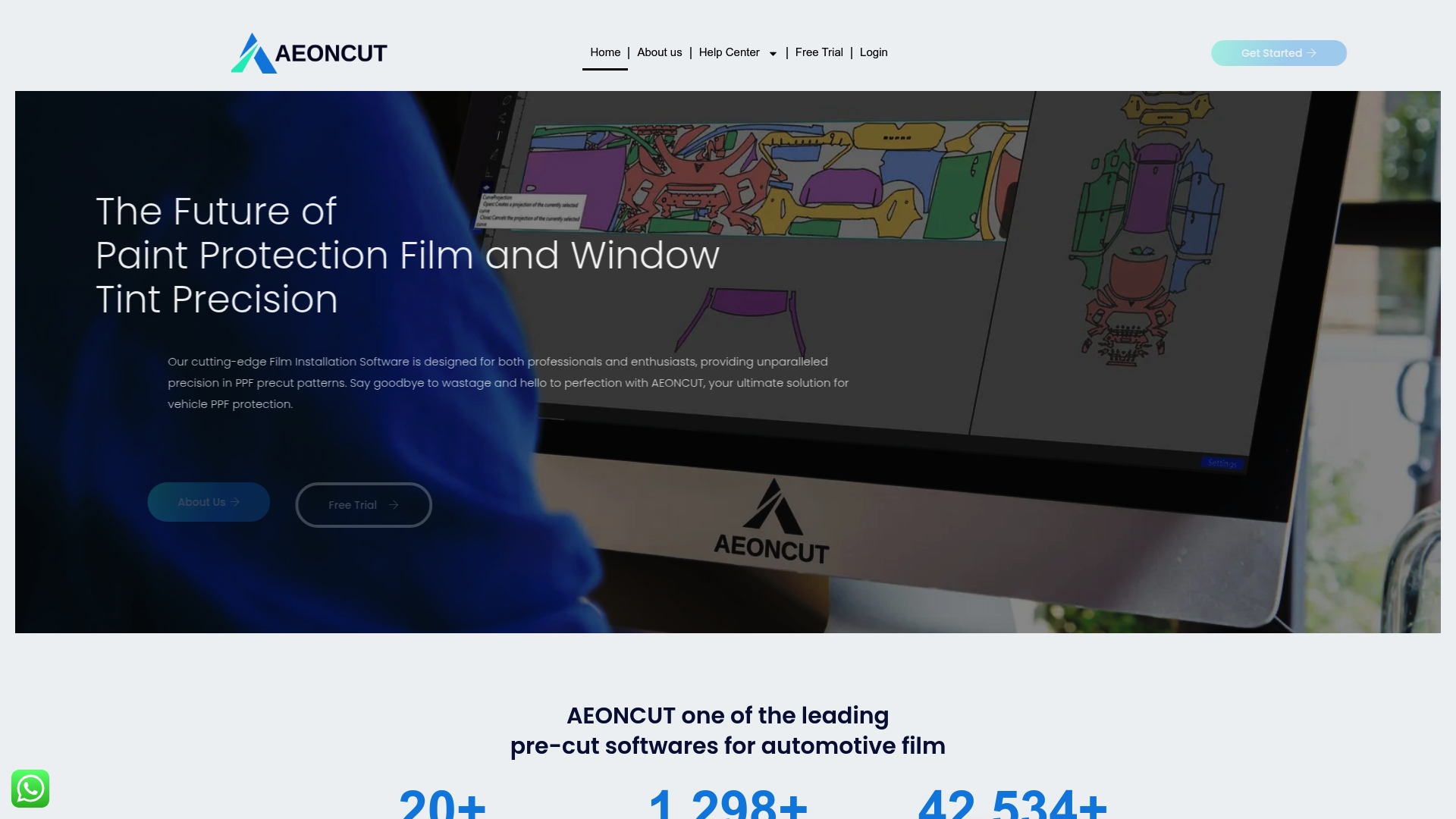
Unlock smoother installation and superior coverage by exploring the full suite of solutions on the Paint Protection Film category page. Take control of your PPF projects today and transform your workflow with AEONCUT’s cutting-edge technology. Visit aeoncutsw.com now to choose a subscription plan that suits your needs and elevate your car protection results.
Frequently Asked Questions
What is paint protection film (PPF) and how does it work?
Paint protection film (PPF) is a specialised thermoplastic urethane film designed to protect a vehicle’s paintwork from environmental damage and wear. It creates an invisible barrier that absorbs and disperses kinetic energy from impacts, helping to prevent stone chips, minor abrasions, and other contaminants from damaging the vehicle’s surface.
How long does paint protection film last?
The longevity of paint protection film can range from five to ten years, depending on factors such as the quality of the film, installation technique, environmental conditions, and ongoing maintenance. High-quality PPF can effectively protect a vehicle’s surface for many years if cared for properly.
What are the benefits of using paint protection film?
Some key benefits of PPF include extended protection from physical impacts, a preserved aesthetic appearance, and self-healing properties that can repair minor scratches when exposed to heat. The film also minimizes the need for expensive paint repairs and maintains the vehicle’s value over time.
What mistakes should I avoid during PPF installation?
Common installation mistakes to avoid include improper surface preparation, inconsistent film tension, and inadequate heat application techniques. These errors can compromise the performance of the film and increase the overall project costs. Proper techniques and attention to detail are essential for a successful installation.
Recommended
- How Does PPF Work? Guide for Car Care Pros 2025 – AEONCUT PPF Pre-cut Cutting software
- Understanding Paint Protection Film Lifespan: Insights for Professionals 2025 – AEONCUT PPF Pre-cut Cutting software
- Top Paint Protection Film Benefits for Auto Professionals 2025 – AEONCUT PPF Pre-cut Cutting software
- Clear Bra vs PPF: Key Differences for Detailing Pros 2025 – AEONCUT PPF Pre-cut Cutting software
- Paint Protection Film Pitman NJ | Car PPF Installation