Over 85 percent of British homes and vehicles rely on some form of window film for comfort and protection. Glare, overheating, fading, and privacy concerns are daily challenges in the United Kingdom’s shifting climate. Choosing the right window film is not just about looks—it directly impacts energy bills, personal well-being, and property value. This guide unpacks the science and benefits behind every major window film type, highlighting what sets each apart so British installers and property owners can make confident choices.
Table of Contents
- Dyed Window Film: Basic Glare and Privacy Control
- Metallised Window Film: Enhanced Heat and UV Protection
- Ceramic Window Film: Superior Clarity and Durability
- Carbon Window Film: Fade Resistance and Sleek Appearance
- Security Window Film: Added Strength Against Impacts
- Decorative Window Film: Custom Patterns for Style
- UV-Blocking Window Film: Protecting Interiors and Skin
Quick Summary
| Takeaway | Explanation |
|---|---|
| 1. Choose Window Film for Specific Needs | Select from dyed, metallised, ceramic, carbon, security, decorative, or UV-blocking films based on intended functionality and aesthetic requirements. |
| 2. Consider Installation Factors | Opt for films that are straightforward to install and require minimal technical expertise for a quicker turnaround on projects. |
| 3. Prioritise Quality Manufacturing | Ensure films are produced through precise methods to guarantee durability, colour stability, and consistent performance throughout their lifespan. |
| 4. Understand Performance Characteristics | Familiarise yourself with each film’s key properties like heat rejection, UV protection, and design flexibility to make informed recommendations. |
| 5. Assess Client Requirements | Tailor recommendations based on clients’ needs for aesthetics, energy efficiency, or security to enhance customer satisfaction and project success. |
1. Dyed Window Film: Basic Glare and Privacy Control
Dyed window film represents the entry level solution for vehicle and architectural window protection. These economical films provide fundamental visual comfort by reducing glare and enhancing privacy through strategic colour embedding technology.
The core mechanism of dyed window films involves precisely embedding coloured polyethylene terephthalate (PET) chips directly into the film’s structure. This manufacturing technique ensures long-lasting colour vibrancy while creating an effective barrier against solar radiation. Installers appreciate these films for their straightforward application and cost effectiveness.
By blocking up to 99% of infrared and ultraviolet rays, dyed window films deliver multiple practical benefits. They significantly reduce interior heat absorption, minimise glare for improved visibility, and provide a baseline level of privacy for vehicle and building occupants. The film’s colour-infused design allows for subtle light transmission while preventing direct sunlight penetration.
Professional installers should consider dyed window films ideal for clients seeking basic solar protection without substantial financial investment. These films work particularly well in moderate climate regions where extreme temperature control is not the primary requirement. Key performance characteristics include:
- Cost effective solar management solution
- Straightforward installation process
- Fundamental glare reduction capabilities
- Basic privacy enhancement
- Moderate heat rejection properties
When selecting dyed window films, prioritise materials manufactured through precise extrusion processes that guarantee colour stability and prevent premature discolouration. Quality manufacturing ensures the film maintains its aesthetic and functional properties throughout its serviceable lifespan.
2. Metallised Window Film: Enhanced Heat and UV Protection
Metallised window films represent a sophisticated solution for solar management, offering superior heat and ultraviolet protection through advanced metallic coating technologies. These high-performance films transform ordinary glass surfaces into sophisticated barriers against solar radiation.
The fundamental principle behind metallised window films involves precisely depositing thin metal layers onto polyester substrates, typically using aluminum or nickel-chrome alloys. By applying these metallic coatings through specialised industrial processes, manufacturers create films that reflect rather than absorb solar energy.
Professional installers value metallised window films for their exceptional thermal management capabilities. These films can reject significant amounts of infrared radiation, effectively reducing interior heat absorption and maintaining more consistent indoor temperatures. Key performance characteristics include:
- Superior heat rejection properties
- Enhanced ultraviolet radiation blocking
- Improved energy efficiency
- Reduced interior temperature fluctuations
- Extended lifespan compared to basic dyed films
The scientific deposition methods used in manufacturing ensure that metallised window films provide consistent performance. By reflecting solar radiation instead of absorbing it, these films protect interior surfaces from potential heat damage and reduce overall cooling requirements for vehicles and buildings.
When selecting metallised window films, installers should consider factors such as visible light transmission, heat rejection percentage, and specific application requirements. The advanced metallic coating technology makes these films an excellent choice for clients seeking robust solar protection and improved interior comfort.
3. Ceramic Window Film: Superior Clarity and Durability
Ceramic window films represent the pinnacle of window film technology, offering unparalleled performance and visual clarity for professional installers seeking premium solutions. These advanced films distinguish themselves through sophisticated non-metallic construction that delivers exceptional solar protection without compromising aesthetic quality.
Advanced ceramic technology enables these films to achieve remarkable solar control capabilities by incorporating microscopic ceramic particles into their structure. Unlike traditional metallised or dyed films, ceramic window films do not contain metallic elements or colour dyes, which eliminates potential signal interference and prevents discolouration over extended periods.
Key performance characteristics of ceramic window films include:
- Superior heat rejection up to 80%
- Exceptional optical clarity
- Non metallic construction
- Minimal signal interference
- Extended longevity and colour stability
- Reduced interior temperature
Professional installers appreciate ceramic window films for their remarkable thermal resistance properties. The microscopic ceramic particles provide outstanding thermal conductivity resistance, effectively blocking infrared and ultraviolet radiation while maintaining pristine visual transparency. This makes them an ideal solution for clients demanding high performance window treatments without compromising on aesthetic appeal.
When selecting ceramic window films, installers should consider factors such as total solar energy rejection, visible light transmission, and specific application requirements. Despite their higher initial cost, these films offer superior long term value through enhanced durability and performance characteristics.
4. Carbon Window Film: Fade Resistance and Sleek Appearance
Carbon window films represent a sophisticated solution for installers seeking a balance between aesthetic appeal and advanced solar protection. These innovative films distinguish themselves through a unique carbon particle construction that delivers exceptional performance without compromising visual elegance.
Advanced thermal performance is the hallmark of carbon window films, achieved through microscopic carbon particles embedded within the film’s structure. Unlike metallised alternatives, carbon films provide a non reflective matte finish that maintains a sleek and professional appearance across various applications.
Key performance characteristics of carbon window films include:
- Superior heat rejection capabilities
- Excellent ultraviolet radiation blocking
- Non metallic matte finish
- Minimal interior fading
- Enhanced thermal stability
- Reduced signal interference
Professional installers appreciate carbon window films for their remarkable fade resistance and aesthetic qualities. The carbon particle technology ensures consistent performance across automotive and architectural settings, offering clients a reliable solution that protects interior surfaces while maintaining a sophisticated visual profile.
When selecting carbon window films, installers should consider factors such as total solar energy rejection, visible light transmission, and specific application requirements. These films provide an excellent middle ground between performance and aesthetic considerations, making them a versatile choice for discerning clients seeking both functionality and style.
5. Security Window Film: Added Strength Against Impacts
Security window films represent a critical safety solution for installers seeking to enhance structural protection across residential, commercial, and automotive environments. These advanced films provide an innovative approach to mitigating potential damage from unexpected impacts and potential security threats.
Multi layered polyester constructions form the fundamental technology behind security window films, designed to hold glass fragments together during high stress situations. By creating a robust protective barrier, these films prevent glass from shattering into dangerous projectiles, significantly reducing potential injury risks.
Key performance characteristics of security window films include:
- Exceptional glass fragment retention
- Enhanced structural integrity
- Improved impact resistance
- Reduced risk of personal injury
- Protection against forced entry
- Minimised property damage potential
Professional installers appreciate security window films for their versatile protective capabilities. The clear, transparent nature of these films allows for seamless integration across various settings, providing robust protection without compromising aesthetic appeal or natural light transmission.
When selecting security window films, installers should consider factors such as thickness, tensile strength, and specific application requirements. These films offer an intelligent solution for clients prioritising safety and structural protection across diverse environments, from residential homes to high risk commercial installations.
6. Decorative Window Film: Custom Patterns for Style
Decorative window films represent a versatile solution for installers seeking to transform ordinary glass surfaces into artistic and functional design elements. These innovative films offer a flexible approach to enhancing aesthetics while providing practical benefits across residential and commercial environments.
Custom pattern technologies enable installers to replicate intricate design effects without permanent glass modifications. By utilising advanced printing and coating techniques, these films can simulate sophisticated appearances such as frosted glass, etched patterns, stained glass effects, and textured surfaces.
Key performance characteristics of decorative window films include:
Unlimited design customisation options
Quick and reversible aesthetic transformation
Enhanced privacy without structural changes
Cost effective design solutions
Minimal installation complexity
Versatility across multiple settings
Professional installers appreciate decorative window films for their remarkable aesthetic flexibility. These films provide clients with an opportunity to personalise spaces without undertaking expensive renovations, offering a creative and practical approach to interior design and architectural enhancement.
When selecting decorative window films, installers should consider factors such as light transmission, pattern complexity, durability, and specific client aesthetic preferences. These films offer an intelligent solution for transforming glass surfaces with style, creativity, and functional performance.
7. UV-Blocking Window Film: Protecting Interiors and Skin
UV-blocking window films represent a critical protective technology for modern environments, offering comprehensive defence against harmful solar radiation. These specialised films provide a sophisticated solution for protecting both interior spaces and human health from potentially damaging ultraviolet exposure.
Advanced solar radiation management involves strategically engineering window films with specific metals, dyes, and pigments that effectively reduce visible light transmission. By creating a sophisticated barrier, these films intercept and block significant portions of ultraviolet radiation before it can cause damage to interior surfaces or human skin.
Key performance characteristics of UV-blocking window films include:
- Comprehensive ultraviolet radiation protection
- Significant reduction of interior surface fading
- Minimised skin damage risk
- Temperature regulation capabilities
- Enhanced interior preservation
- Energy efficiency improvements
Professional installers appreciate UV-blocking window films for their multifunctional protective capabilities. These films offer clients a proactive approach to managing solar radiation, protecting valuable interior assets and supporting personal health through intelligent material engineering.
When selecting UV-blocking window films, installers should consider factors such as ultraviolet rejection percentage, visible light transmission, and specific application requirements. The right film can transform ordinary glass surfaces into sophisticated protective barriers that safeguard both human and material environments.
Below is a comprehensive table summarizing the key types of window films discussed in the article, highlighting their features, applications, and benefits.
| Type | Features | Best For |
|---|---|---|
| Dyed Window Film | Economical; blocks up to 99% of UV rays; simple installation; moderate privacy and heat rejection. | Basic glare reduction and privacy in moderate climates. |
| Metallised Window Film | Metallic coating; superior heat rejection; reflects solar energy; enhanced UV protection. | High-performance solar management for consistent indoor temperatures. |
| Ceramic Window Film | Non-metallic; retains clarity; superior heat rejection; longevity and colour stability. | Premium clarity and long-term performance without signal interference. |
| Carbon Window Film | Non-reflective matte finish; stable colour; strong heat and UV blocking. | Aesthetic appeal with effective solar protection. |
| Security Window Film | Multi-layered construction; enhances structure; retains glass fragments. | Safety and protection against impacts and forced entry. |
| Decorative Window Film | Custom patterns; reversible transformations; improves aesthetics. | Versatile design solutions without permanent changes. |
| UV-Blocking Window Film | Comprehensive UV protection; prevents interior fading; aids in temperature regulation. | Protecting interiors and health from UV damage. |
Elevate Your Window Film Installations with Precision Cutting Software
Understanding the distinct types of window films empowers installers to meet diverse client needs with confidence. From basic dyed films to advanced ceramic and security options, each film demands precise application for optimal performance and aesthetic impact. Challenges such as reducing glare, enhancing privacy, and ensuring perfect fit can be effectively overcome with the right tools tailored for professional installers.
Maximise your efficiency and accuracy by leveraging the advanced features of AEONCUT. Our window Tint category offers cutting-edge pre-cut patterns designed to suit multiple film types, reducing material waste and installation time.
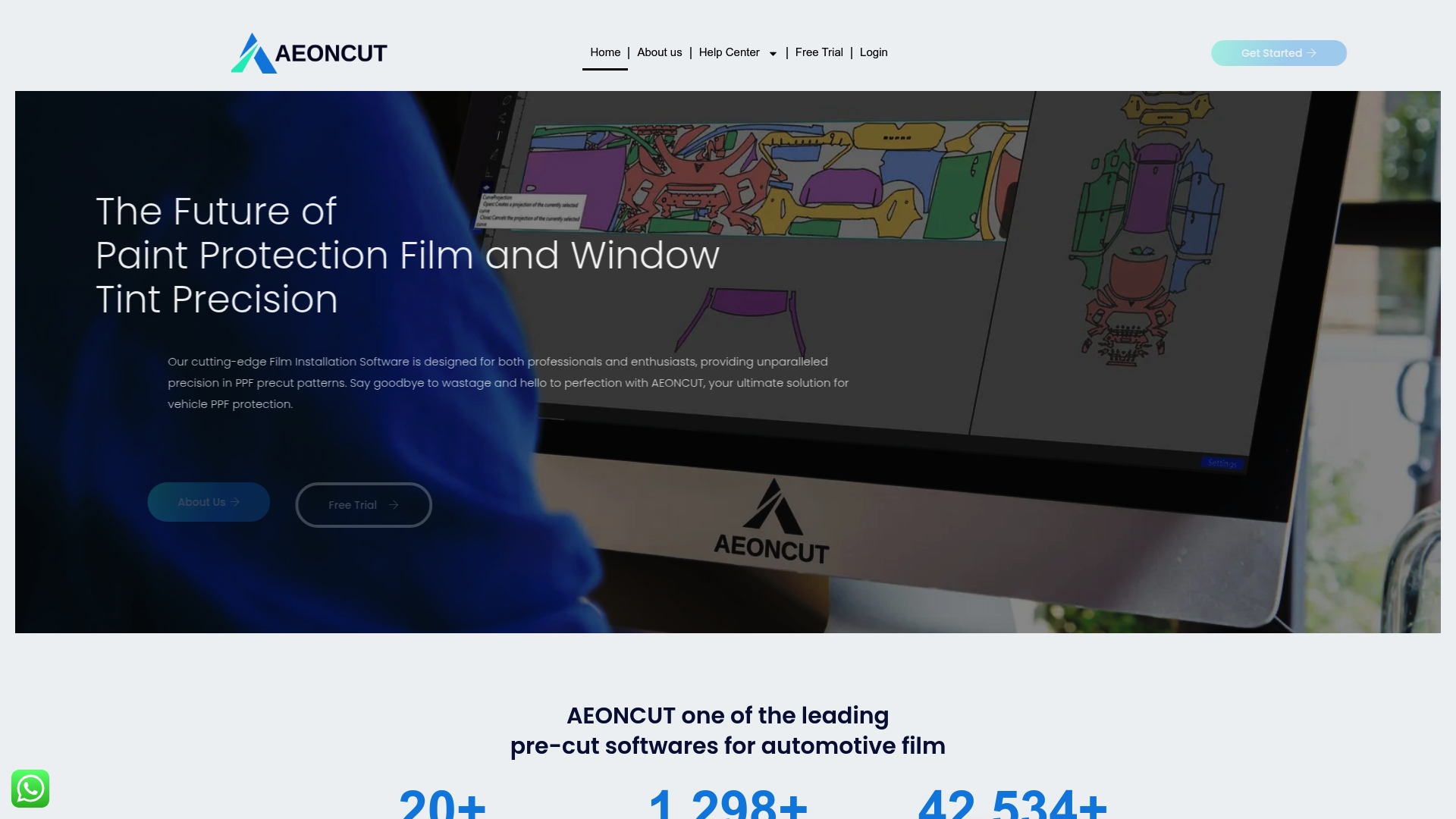
Take control of your installations with AEONCUT’s AI-driven pattern library that supports flawless fitting for a variety of films including dyed, metallised, ceramic, and security options. Access unlimited designs and cloud-based updates today at aeoncutsw.com. Discover how precision pre-cut templates can transform your workflow and boost client satisfaction. Visit window Tint – AEONCUT PPF Pre-cut Cutting software now and enhance your professionalism and profitability.
Frequently Asked Questions
What are the key benefits of using dyed window films?
Dyed window films provide basic glare reduction and privacy enhancement at a cost-effective price. Install these films for clients seeking fundamental solar protection without significant investment, particularly in moderate climates.
How do metallised window films improve energy efficiency?
Metallised window films reflect solar energy rather than absorbing it, which significantly reduces interior heat absorption. By using these films, clients can expect improved energy efficiency and more consistent indoor temperatures.
What makes ceramic window films a premium choice?
Ceramic window films offer superior optical clarity and thermal resistance without the risk of discolouration or signal interference. Choose these films for high-end applications where visual appeal and performance are key priorities.
Why are carbon window films considered aesthetically versatile?
Carbon window films feature a non-reflective matte finish that complements various design styles while providing strong solar protection. Recommend these films to clients who desire an elegant appearance alongside effective performance.
How do security window films enhance safety?
Security window films are constructed to hold glass fragments together during impacts, reducing the risks associated with shattered glass. Install these films in residential or commercial settings to improve safety against break-ins and accidents.
What design possibilities do decorative window films offer?
Decorative window films provide unlimited customisation options that can transform ordinary glass into stunning design elements. Use these films when clients want to enhance aesthetics while maintaining functionality in their spaces.
Recommended
- Types of Window Tint: Guide for Installers and Dealers 2025 – AEONCUT PPF Pre-cut Cutting software
- How to Cut Window Film: Precision Tips for Pros 2025 – AEONCUT PPF Pre-cut Cutting software
- What is Window Tint? Essential Guide for Tinting Pros 2025 – AEONCUT PPF Pre-cut Cutting software
- Tinting Curved Windows: Pro Tips and Solutions 2025 – AEONCUT PPF Pre-cut Cutting software
- 7 Best Screens for Projectors and How to Choose Wisely – Projector Display
- 7 Essential Timber Window Design Tips for UK Homes