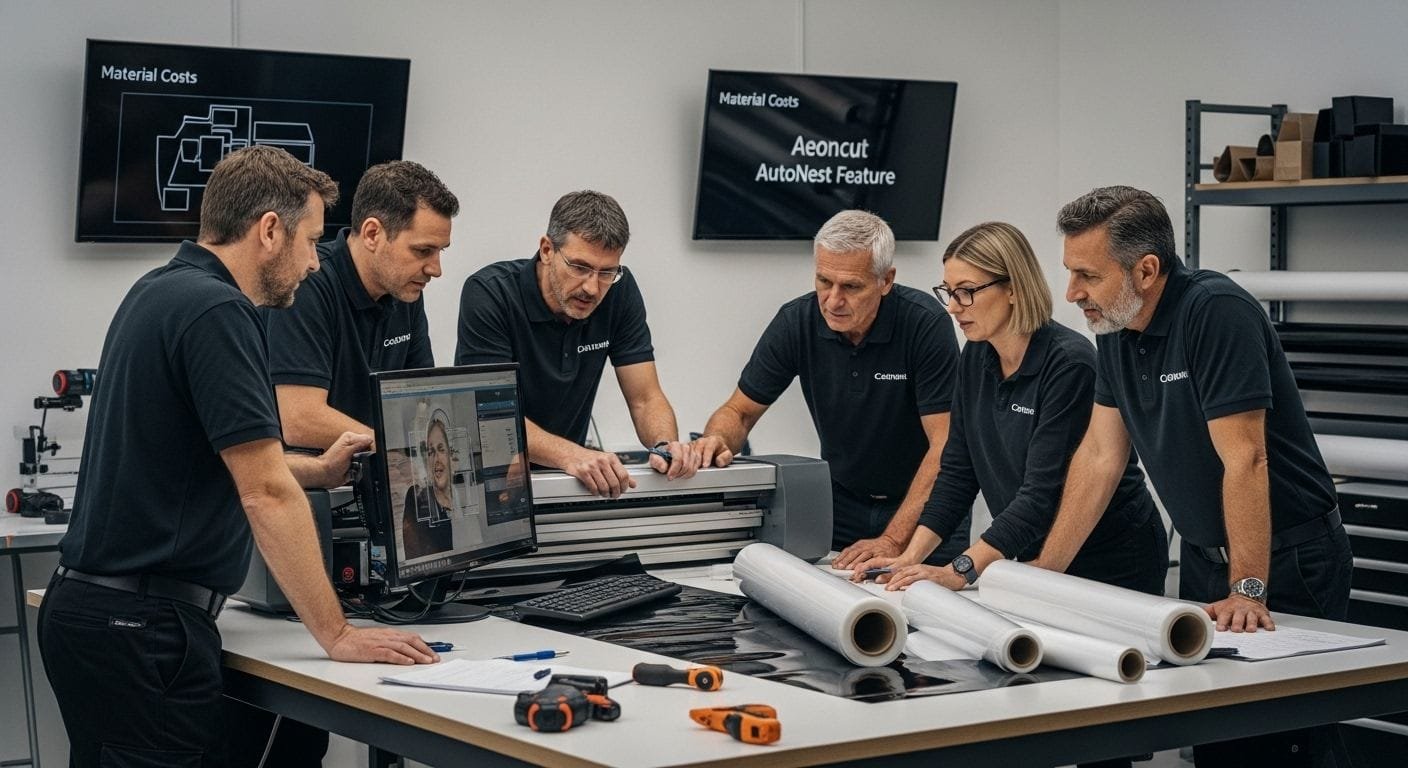
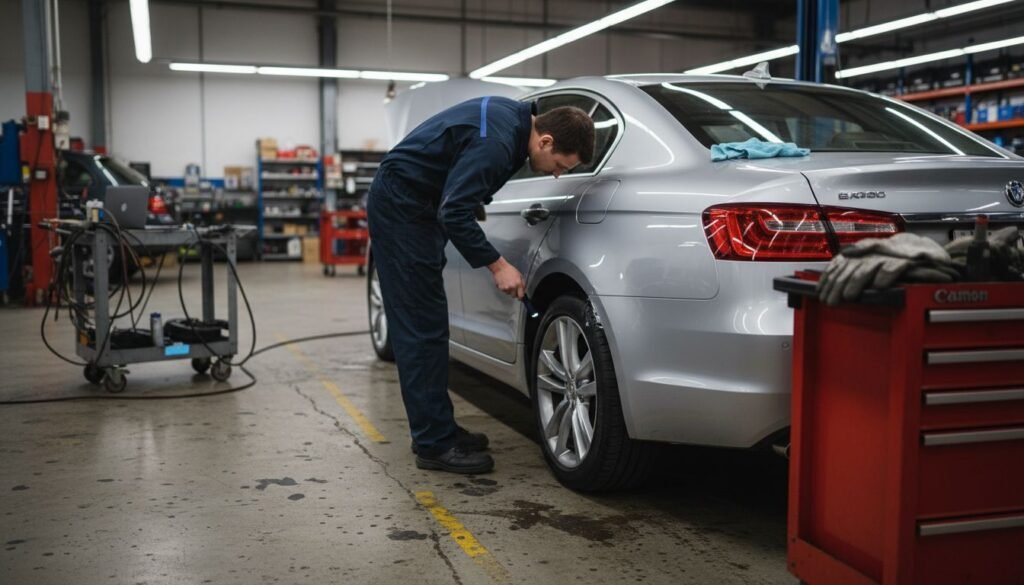
Over 80 percent of british consumers now demand higher safety standards in their vehicles, driven by rapid advances in material science. As innovations like self-driving laboratories and adaptive smart materials become reality, protecting cars goes far beyond traditional steel reinforcements. This article unpacks the newest breakthroughs reshaping automotive safety, revealing the sophisticated materials and intelligent systems that are setting new global benchmarks for british vehicle protection.
Table of Contents
- Material Science Innovations Explained
- Types of Advanced Protection Films
- How Modern Films Improve Performance
- Impact on Installation Processes and Efficiency
- Reducing Waste and Enhancing Precision
Key Takeaways
| Point | Details |
|---|---|
| Advanced Materials | Vehicle protection is enhanced through innovations in materials science, including adaptive smart materials and self-healing composites. |
| Dynamic Protection Technologies | Innovative protective films now utilise electric armour systems and double-layer constructions to actively respond to external threats. |
| Installation Efficiency | Recent advancements have transformed installation processes, allowing for faster applications and reduced material waste through AI-powered technologies. |
| Sustainability in Production | Advanced experimental approaches in material development focus on minimising waste while maximising performance through precise engineering techniques. |
Material Science Innovations Explained
Material science continues to revolutionise vehicle protection through groundbreaking technological advancements. Recent research demonstrates remarkable progress in developing intelligent materials capable of enhancing automotive safety and performance. Advanced sensor integration now allows vehicles to incorporate sophisticated protective structures that respond dynamically to environmental challenges.
The emergence of self-driving laboratories represents a significant leap forward in materials research. By leveraging computational techniques and automated experimentation, researchers can now discover and engineer materials with unprecedented energy-absorbing capabilities. Innovative structures with high energy efficiency are being developed, which promise to transform how vehicles absorb and dissipate impact forces during potential collisions.
Key innovations in material science for vehicle protection include:
- Nanotechnology-enhanced polymers with improved structural integrity
- Self-healing composite materials
- Adaptive smart materials that change properties based on external stimuli
- Lightweight yet incredibly strong carbon fibre reinforcements
These technological breakthroughs signify a profound shift in automotive engineering. By integrating advanced materials science principles, manufacturers can now develop vehicles that are not just safer, but fundamentally more intelligent and responsive to potential risks.
Types of Advanced Protection Films
Advanced protection films have revolutionised vehicle safety through sophisticated material technologies. Contemporary automotive protection solutions encompass multiple innovative film types designed to address specific performance requirements. Thermal resistance films represent a critical category, with researchers developing sophisticated double-layer patterns that effectively mitigate heat-related damage.
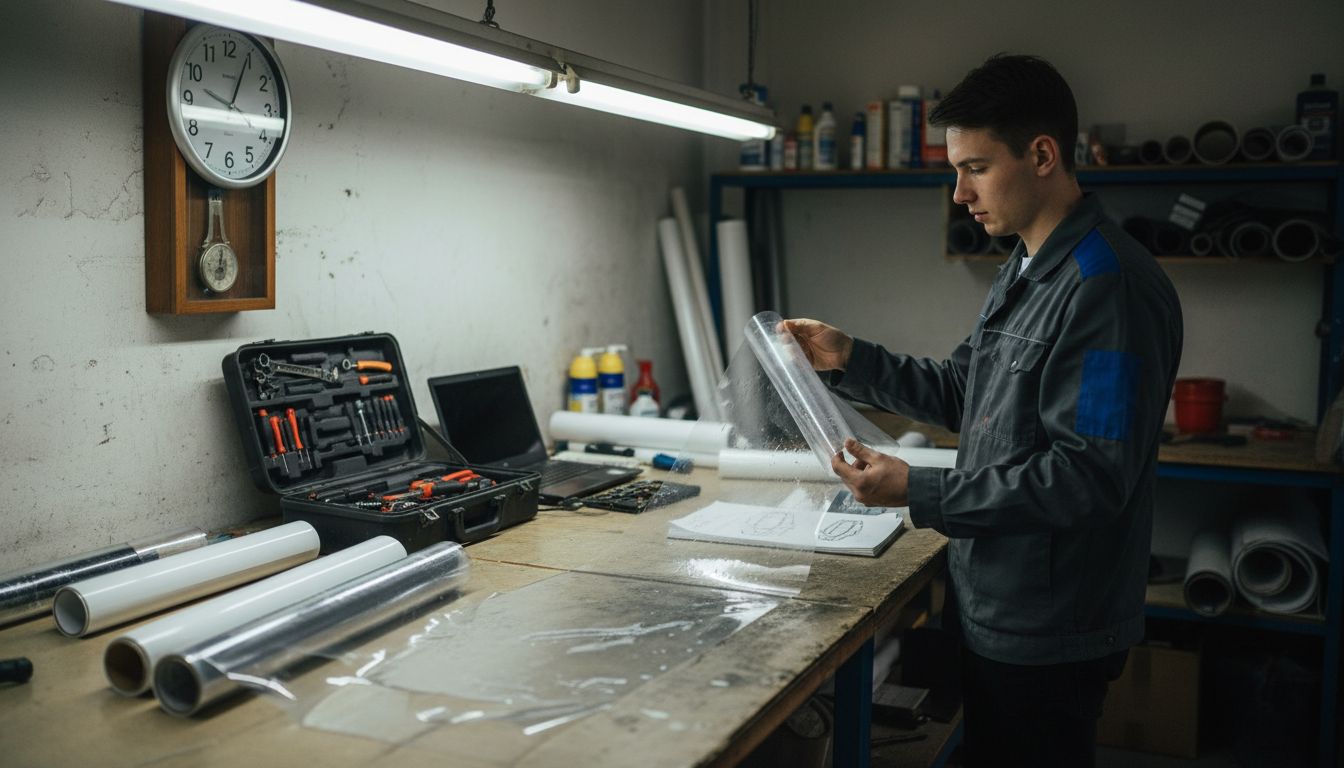
Unique protection technologies now extend beyond traditional thermal considerations. Electric armour systems demonstrate remarkable advancements in reactive protection mechanisms, utilising strong electromagnetic currents to defend against potential kinetic threats. These innovative film technologies can dynamically respond to external challenges, providing unprecedented levels of vehicle protection.
Key types of advanced protection films include:
- Ceramic thermal barrier films
- Carbon-infused heat-resistant films
- Electromagnetic defensive coatings
- Self-healing polymer protection layers
- Nanotechnology-enhanced impact-resistant films
Professional paint protection film selection requires understanding these sophisticated material technologies. By integrating cutting-edge film innovations, vehicle protection systems can now offer comprehensive defence against thermal, mechanical, and environmental challenges, transforming automotive safety standards.
How Modern Films Improve Performance
Modern automotive protection films represent a sophisticated technological breakthrough in vehicle performance enhancement. Double-layer film technologies have demonstrated remarkable capabilities in improving thermal resistance, utilising strategic combinations of ceramic, carbon, and specialised materials to create robust protective barriers.
Beyond thermal management, advanced protection systems now incorporate dynamic defensive mechanisms. Electric armour technologies exemplify this innovative approach, implementing high-voltage defensive strategies that can neutralise potential threats through sophisticated electromagnetic responses. These cutting-edge films transform vehicle protection from passive shielding to active, intelligent defence systems.
Key performance improvements enabled by modern protection films include:
- Enhanced thermal regulation
- Superior impact resistance
- Dynamic threat response capabilities
- Reduced material degradation
- Improved overall vehicle longevity
Professional paint protection film selection now requires understanding these complex material interactions. By integrating advanced protective technologies, modern vehicles can achieve unprecedented levels of safety, durability, and performance, marking a significant evolution in automotive engineering.
Impact on Installation Processes and Efficiency
Modern vehicle protection film installation has undergone a radical transformation, driven by advanced material science and precision technologies. Double-layer film installation processes now require sophisticated techniques that go beyond traditional application methods, emphasising meticulous layering and strategic material placement to maximise thermal protection and durability.
Electric armour implementation strategies demonstrate how cutting-edge protective technologies are reshaping installation workflows. These advanced systems demand highly specialised installation techniques that integrate complex electromagnetic defensive mechanisms, requiring installers to develop new skill sets and understand intricate material interactions.
Key efficiency improvements in installation processes include:
- Reduced material waste
- Faster application times
- Enhanced precision in film positioning
- Improved long-term performance predictability
- Minimised human error through technological interventions
AI-powered auto-nesting technologies are revolutionising installation efficiency, enabling professionals to optimise material usage and reduce overall project complexity. By embracing these advanced technological approaches, vehicle protection film installers can significantly enhance their operational capabilities and deliver superior protective solutions.
Reducing Waste and Enhancing Precision
Autonomous laboratory technologies are revolutionising material development processes, enabling unprecedented levels of precision in vehicle protection film manufacturing. These advanced experimental approaches allow researchers to systematically discover and optimise material structures with minimal waste, transforming traditional research and production methodologies.
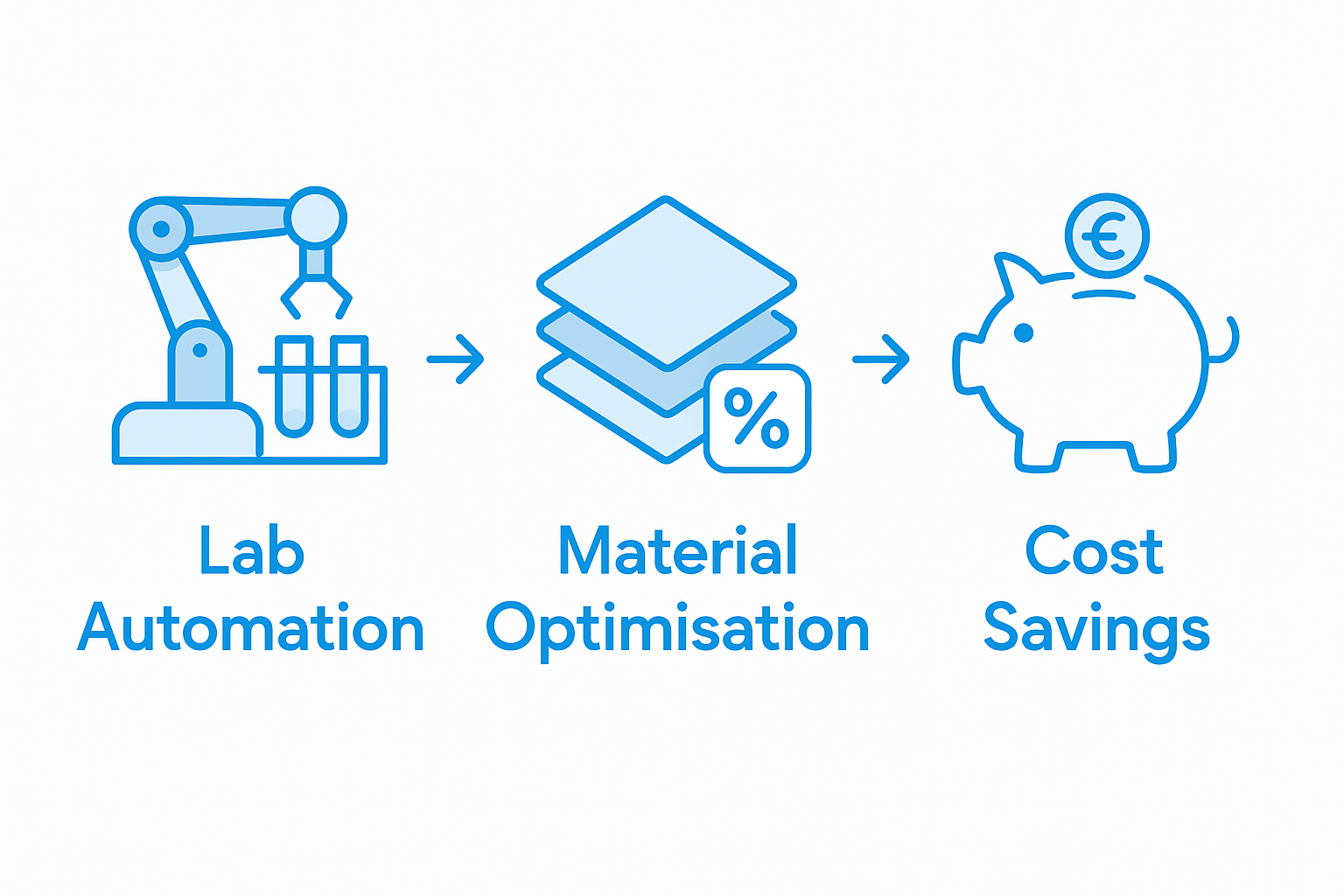
Polymer matrix composite research demonstrates how sophisticated material engineering can simultaneously enhance performance and reduce resource consumption. By implementing graded material inclusion techniques, manufacturers can now create more efficient protective systems that maximise ballistic resistance while minimising material expenditure.
Key strategies for reducing waste and improving precision include:
- Advanced computational modelling
- Automated material testing protocols
- Microscale material structure analysis
- Precise nanomaterial integration
- Intelligent waste reduction algorithms
Case studies examining material cost savings highlight the transformative potential of these technological innovations. By embracing data-driven approaches and cutting-edge research methodologies, vehicle protection film manufacturers can achieve remarkable improvements in efficiency, sustainability, and overall product performance.
Unlock Superior Vehicle Protection with Precision Cutting Technology
The article highlights key challenges in vehicle protection such as maximising material efficiency, achieving flawless application of advanced multi-layer films, and integrating intelligent materials to elevate safety and durability. If you are striving to overcome these pain points and enhance your automotive paint protection film or window tint installations, precision and efficiency are vital. Terms like double-layer films and AI-driven auto-nesting signal the need for cutting solutions that reduce waste while maintaining exact film placement.
AEONCUT software at aeoncutsw.com directly addresses these demanding requirements by offering an innovative cutting platform that combines extensive pattern libraries with AI technology to deliver precise pre-cut film patterns. This not only streamlines complex installation workflows but also significantly cuts down material waste and human error. Integrating cutting-edge software with advanced material science insights ensures your vehicle protection solutions are both smarter and more efficient.
Elevate your installation process today by exploring how professional paint protection film selection can be enhanced through precise custom cutting.
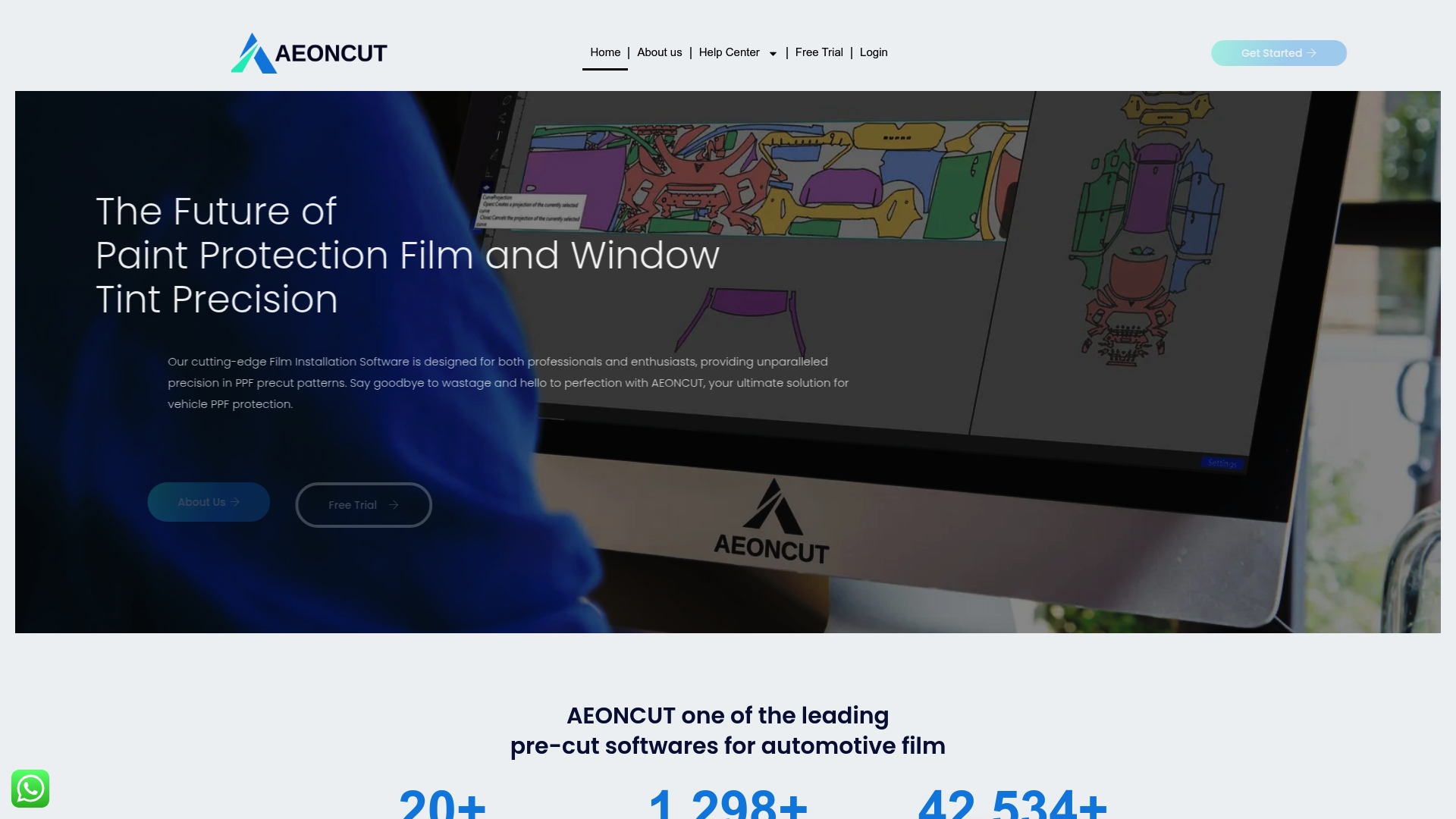
Take the next step towards flawless, waste-free film applications with AEONCUT’s high-tech software. Visit https://aeoncutsw.com now to experience unmatched precision and unlock the future of vehicle protection.
Frequently Asked Questions
What are the latest innovations in material science for vehicle protection?
Recent advancements include nanotechnology-enhanced polymers, self-healing composite materials, and adaptive smart materials that respond to external stimuli, significantly improving safety and performance in vehicles.
How do advanced protection films enhance vehicle performance?
Modern protection films utilise double-layer technologies to improve thermal resistance and incorporate dynamic defensive mechanisms, such as electric armour technologies, to provide active rather than passive protection.
What is the significance of self-driving laboratories in material science?
Self-driving laboratories facilitate automated experimentation and computational techniques that enable researchers to quickly discover and engineer materials with enhanced energy-absorbing capabilities, revolutionising vehicle protection methods.
How are installation processes affected by modern material science advancements?
The installation of advanced vehicle protection films now involves sophisticated techniques that reduce waste and application times, while also enhancing precision through technologies like AI-powered auto-nesting to optimise material usage.
Recommended
- Understanding Why Interior Protection Films Are the Next Big Trend in Car Care – AEONCUT PPF Pre-cut Cutting software
- Understanding Why Interior Protection Films Are the Next Big Trend in Car Care – AEONCUT PPF Pre-cut Cutting software
- Understanding Interior Protection Films: Benefits for Luxury Cars – AEONCUT PPF Pre-cut Cutting software
- Understanding Interior Protection Films: Benefits for Luxury Cars – AEONCUT PPF Pre-cut Cutting software
- Ceramic Plates: Materials, Edge Protection, Drop Tests – Ace Link Armor