
Every British vehicle owner knows the local roads can be relentless on a car’s paintwork. With harsh weather, flying debris, and city pollution, the need to keep vehicles looking new has never been greater. Paint protection film now shields vehicles with advanced technologies, offering a nearly invisible barrier that resists chips and minor scratches. With over 60 percent of luxury car owners investing in some form of paint protection, understanding how these films work can help anyone make smarter care decisions for their prized ride.
Table of Contents
- Defining Auto Paint Protection Film
- Comparing Film Types And Technologies
- Application Processes And Challenges
- Precision Cutting Software For Installers
- Costs, Common Mistakes, And Long-Term Value
Key Takeaways
| Point | Details |
|---|---|
| Paint Protection Film (PPF) Overview | PPF is a transparent thermoplastic urethane film designed to protect vehicle paint from environmental damage, enhancing both aesthetics and resale value. |
| Types of PPF | The market offers various PPFs, including Thermoplastic Polyurethane (TPU) and Thermoplastic Hybrid (TPH), each catering to different performance and budget needs. |
| Installation Process | Proper installation involves meticulous surface preparation and skilled application techniques to ensure long-lasting performance and visual appeal. |
| Investment Value | Although PPF represents upfront costs, it provides significant long-term savings by protecting paintwork from damage and maintaining vehicle value. |
Defining Auto Paint Protection Film
Paint Protection Film (PPF) represents a sophisticated automotive preservation technology designed to shield vehicle surfaces from environmental damage. Originally developed for military applications, this advanced protective solution has transformed how automotive professionals approach vehicle appearance and longevity.
At its core, PPF is a thin thermoplastic urethane film applied directly to a vehicle’s painted surfaces. Engineered to be virtually invisible, the film acts as a transparent barrier against numerous potential hazards. These include rock chips, insect impacts, minor abrasions, and ultraviolet radiation that can progressively degrade automotive paintwork. Professional installers carefully apply this specialised film to protect critical areas like bonnets, side mirrors, front bumpers, and door edges – regions most susceptible to potential damage.
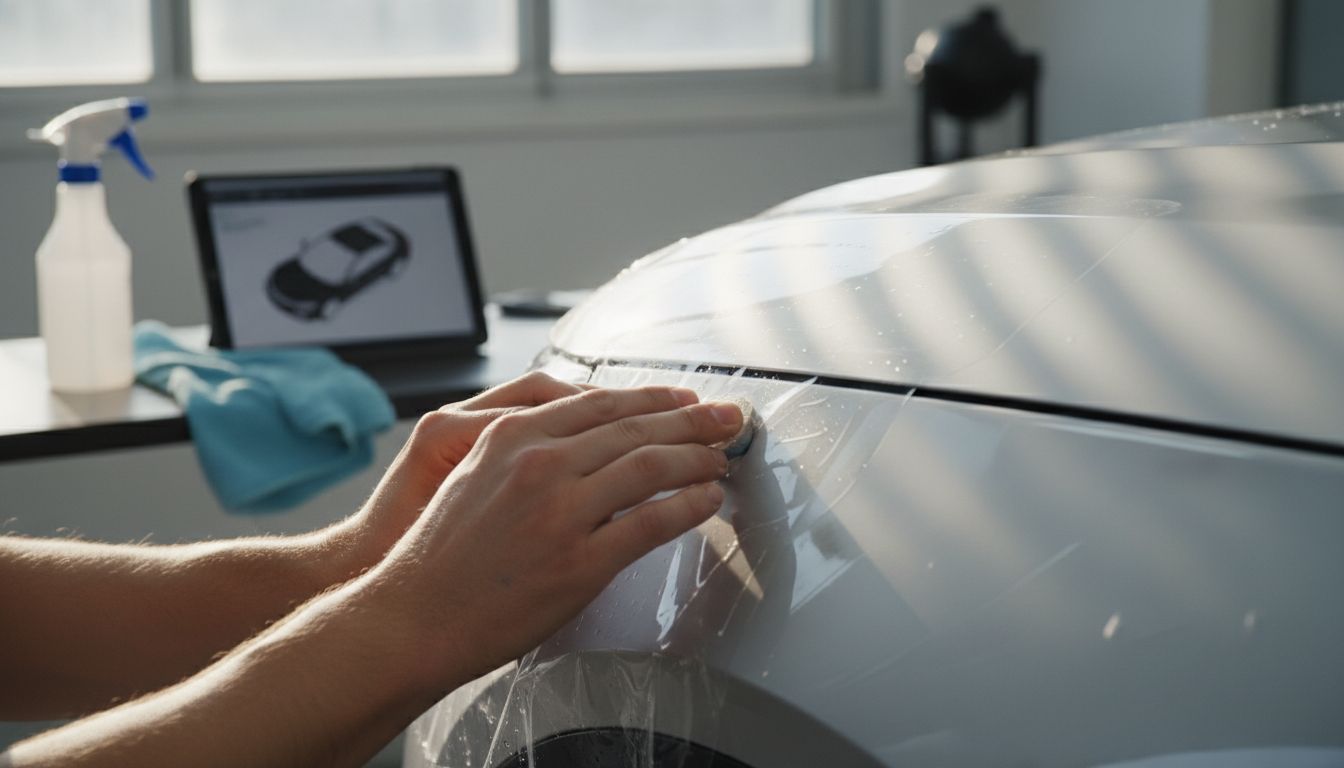
The technical composition of PPF makes it remarkably versatile. Crafted from polyurethane, the material offers exceptional resilience while maintaining optical clarity. Modern PPF variants provide self-healing properties, where minor scratches and swirl marks can disappear with exposure to heat. Professional automotive detailing businesses increasingly recognise PPF not just as a protective measure, but as a value-added service that preserves vehicle aesthetics and resale potential. The film’s ability to protect against environmental hazards makes it an indispensable solution for vehicle owners seeking long-term paint preservation.
Comparing Film Types And Technologies
The landscape of Paint Protection Film technologies has evolved dramatically, offering automotive professionals a diverse range of solutions tailored to specific performance requirements. PPF types now encompass multiple material compositions that address varying environmental challenges and protection needs.
Three primary PPF material categories dominate the market. Thermoplastic Polyurethane (TPU) films represent the pinnacle of performance, featuring exceptional durability and remarkable self-healing capabilities. These advanced films can automatically repair minor scratches when exposed to moderate heat, making them ideal for vehicles subjected to intense environmental conditions. Thermoplastic Hybrid (TPH) films provide a more economical alternative, delivering reasonable clarity and protection at a more accessible price point for budget-conscious installers and vehicle owners.
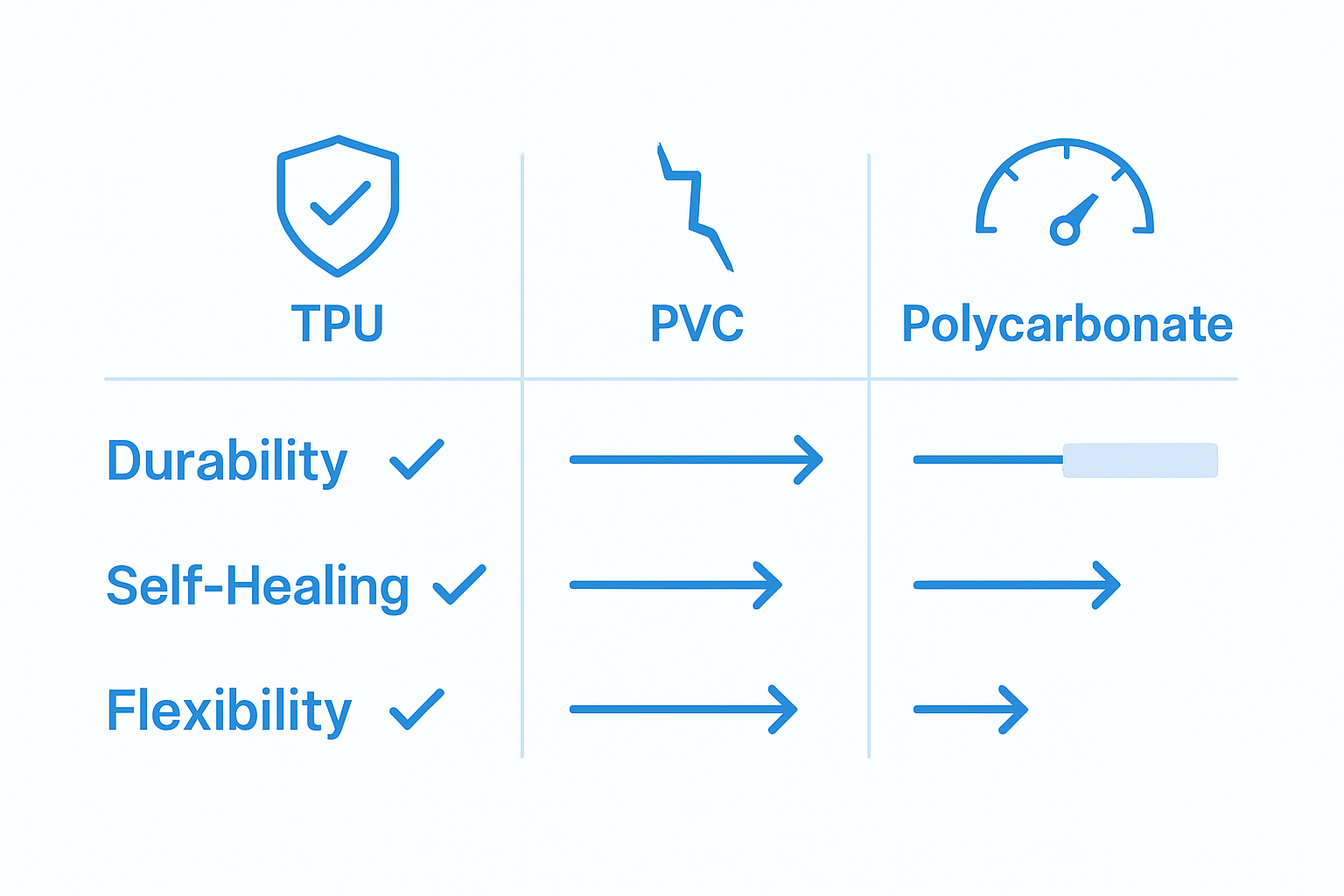
Moreover, specialised PPF technologies continue to emerge, including polycarbonate-infused variants designed for extreme protection scenarios. These cutting-edge films integrate nano-coating technologies that offer unprecedented resistance against rock chips, chemical stains, and ultraviolet degradation. Professional installers now have unprecedented flexibility in selecting film technologies that precisely match specific vehicle requirements, client expectations, and environmental challenges. The technological progression of PPF demonstrates a clear trajectory towards more intelligent, adaptive protective solutions that balance optimal performance with aesthetic preservation.
Application Processes And Challenges
Paint Protection Film installation represents a sophisticated technical process that demands precision, expertise, and meticulous attention to detail. Vehicle surface preparation involves multiple critical steps designed to ensure optimal film adhesion and long-term performance.
Professional installers begin by creating a completely sterile environment, meticulously cleaning the vehicle’s surface to remove any contaminants, oils, or microscopic debris that could compromise film application. This preparation typically involves multiple decontamination stages, including thorough washing, chemical degreasing, and clay bar treatment to create an immaculate surface. Specialised tools and techniques are essential for achieving a seamless application, with advanced installers using slip solutions, heat guns, and precision squeegees to conform the film perfectly to complex vehicle geometries.
The application process presents numerous technical challenges that require significant skill and experience. Professional installers must navigate intricate surface curves, manage potential air bubbles, and ensure precise alignment without introducing wrinkles or imperfections. Advanced techniques like pre-stretching and careful heat manipulation allow technicians to create virtually invisible protective layers that maintain the vehicle’s original aesthetic while providing robust protection against environmental damage. Mastering these complex application methods requires extensive training, sophisticated equipment, and a deep understanding of material properties and vehicle surface dynamics.
Precision Cutting Software For Installers
Precision cutting software has revolutionised the paint protection film (PPF) installation industry, transforming how professional installers approach vehicle surface protection. Cutting-edge software solutions now enable unprecedented accuracy and efficiency in pattern design and material application.
Modern cutting software leverages advanced technologies like digital templating, artificial intelligence, and comprehensive vehicle model databases to create exact film patterns. These sophisticated tools eliminate the traditional challenges of manual cutting, such as material waste, imprecise fitting, and time-consuming template creation. Professional installers can now access extensive pattern libraries that cover thousands of vehicle makes and models, allowing for rapid, precise film preparation with minimal manual intervention.
The technological capabilities of contemporary precision cutting software extend far beyond simple pattern generation. Integrated features like automatic nesting algorithms optimise material usage, reducing waste and lowering overall installation costs. Cloud-based platforms enable real-time pattern updates, ensuring installers always have access to the most current vehicle specifications. Professional-grade software also incorporates collaborative tools, allowing teams to share designs, track installation progress, and maintain consistent quality across multiple projects. This technological evolution represents a significant leap forward in automotive protection film installation, empowering professionals with tools that enhance precision, efficiency, and overall service quality.
Costs, Common Mistakes, And Long-Term Value
Paint Protection Film (PPF) represents a significant investment for automotive professionals, with costs varying considerably based on multiple critical factors. Vehicle size, coverage area, and film quality directly influence the overall pricing structure, making thorough cost analysis essential for installers and vehicle owners alike.
Professional installers must be acutely aware of common installation mistakes that can compromise the film’s effectiveness and aesthetic quality. Critical errors such as improper surface preparation, misalignment, and debris entrapment can significantly reduce PPF performance. Potential issues include visible seams, uneven edges, and potential film discoloration or premature peeling. Meticulous surface cleaning, precise alignment techniques, and using high-quality materials are fundamental to achieving optimal results and avoiding costly rework.
Despite the initial investment, PPF offers substantial long-term value for vehicle owners. By protecting the original paintwork from rock chips, UV degradation, chemical stains, and minor abrasions, the film helps maintain the vehicle’s aesthetic appeal and potential resale value. Professional-grade PPF can effectively preserve a vehicle’s exterior condition, potentially offsetting its upfront cost through reduced paint repair expenses and enhanced aesthetic longevity. Savvy automotive professionals understand that presenting PPF as a strategic investment rather than an expense is key to attracting discerning clients seeking comprehensive vehicle protection solutions.
Elevate Your Paint Protection Film Installations with Precision Cutting Software
Installing Paint Protection Film demands meticulous surface preparation, exact alignment, and perfect cuts for lasting results. The article highlights how technical challenges and high expectations for durability and aesthetics call for advanced solutions. If you aim to eliminate common mistakes like misalignment or material waste and want to offer vehicle owners outstanding long-term paint protection, leveraging cutting-edge technology is essential.
Discover how the AEONCUT platform can transform your PPF workflow. With an extensive pattern library tailored to thousands of vehicle models, AI-driven auto-nesting for efficient material use, and cloud-based updates that keep you current, AEONCUT empowers installers to deliver flawless, high-quality results every time. Explore tailored solutions specifically designed for automotive professionals on the Paint Protection Film – AEONCUT PPF Pre-cut Cutting software page.
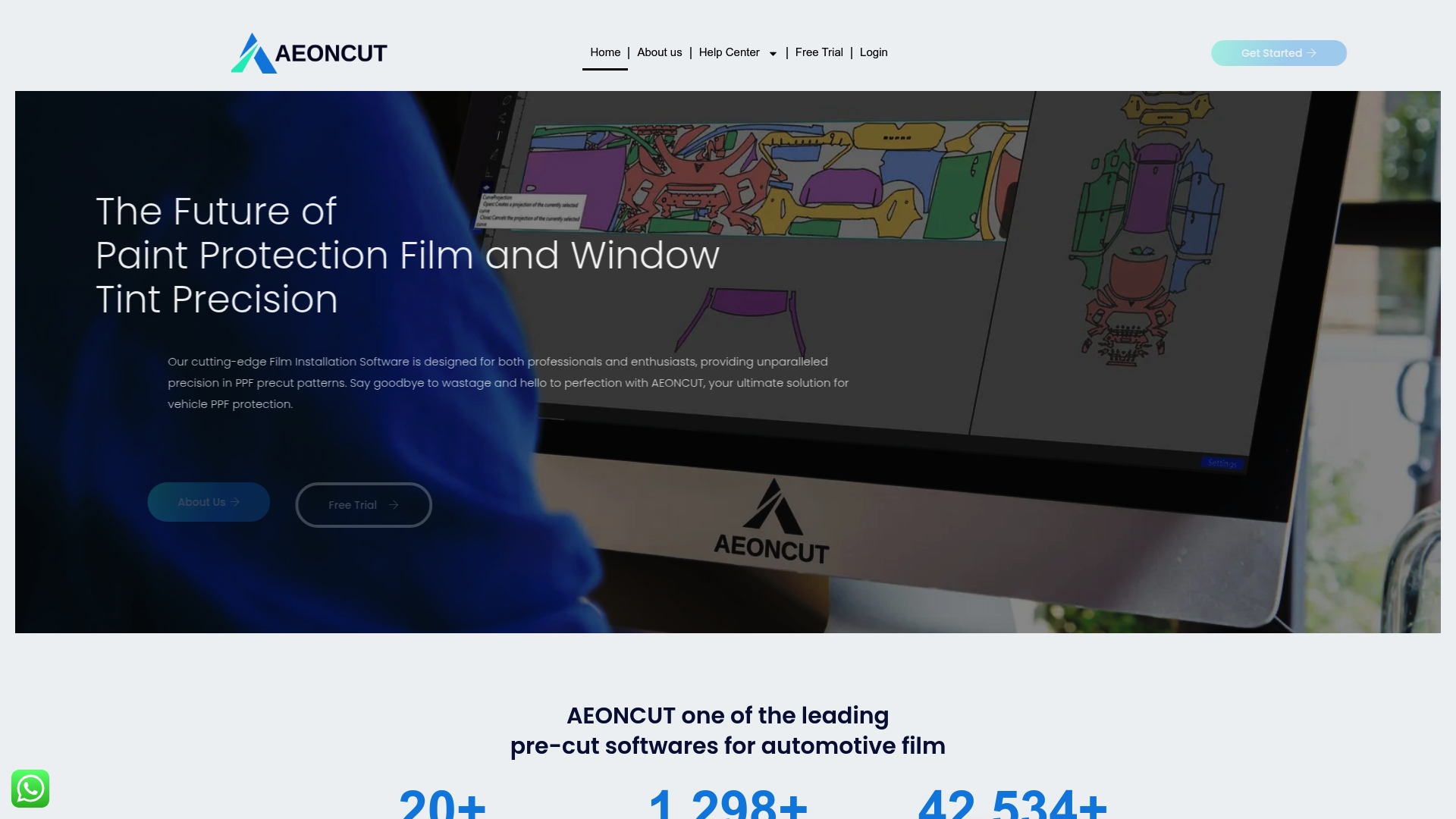
Ready to enhance precision, reduce application challenges, and increase customer satisfaction? Visit AEONCUT now to access innovative cutting software that meets the exacting standards of modern paint protection film installation. Take the next step and see why so many installers trust AEONCUT to drive efficiency and success.
Learn more about our advanced features and flexible plans in the Featured – AEONCUT PPF Pre-cut Cutting software section and ensure your expertise is backed by industry-leading technology.
Frequently Asked Questions
What is Auto Paint Protection Film (PPF)?
Paint Protection Film (PPF) is a thin thermoplastic urethane film applied to a vehicle’s painted surfaces to protect against environmental damage such as rock chips, minor abrasions, and UV degradation.
How does Paint Protection Film protect my vehicle?
PPF offers a transparent barrier that shields the vehicle’s paintwork from various hazards including insect impacts and ultraviolet radiation, thereby preserving the vehicle’s aesthetics and resale value.
What are the different types of Paint Protection Film materials?
The main types of PPF materials include Thermoplastic Polyurethane (TPU), known for its durability and self-healing properties, and Thermoplastic Hybrid (TPH) films, which provide reasonable protection at a more accessible price point.
What are common mistakes to avoid during PPF installation?
Common mistakes include improper surface preparation, misalignment of the film, and allowing debris to become trapped under the film, all of which can compromise the film’s performance and aesthetic quality.
Recommended
- Top Paint Protection Film Benefits for Auto Professionals 2025 – AEONCUT PPF Pre-cut Cutting software
- How Does PPF Work? Guide for Car Care Pros 2025 – AEONCUT PPF Pre-cut Cutting software
- Top PPF Brands in 2025: A Professional’s Buying Guide – AEONCUT PPF Pre-cut Cutting software
- Clear Bra vs PPF: Key Differences for Detailing Pros 2025 – AEONCUT PPF Pre-cut Cutting software
- Diesel Particulate Filter Maintenance for Professionals – My WordPress