Most british drivers underestimate the impact of environment and road debris on vehicle surfaces, yet studies show that up to 90 percent of exterior scratches occur from everyday driving. Protecting your vehicle goes far beyond appearance, shielding against wear, UV exposure, and loss of value. This overview uncovers common myths, highlights advanced solutions, and explains why professional installation is vital for anyone serious about keeping their british car looking and performing its best.
Table of Contents
- Inside Car Protection Defined and Debunked
- Comparing Films, Coatings, and Coverings
- How Protective Solutions Preserve Interiors
- Installation Standards and Material Quality Matters
- Avoiding Costly Mistakes and Compliance Risks
Key Takeaways
| Point | Details |
|---|---|
| Comprehensive Protection | Modern car protection utilises various technologies like Paint Protection Films and Ceramic Coatings to preserve vehicle integrity and aesthetics. |
| Professional Installation | Expertise in installation is crucial; precision and adherence to standards significantly enhance the effectiveness of protective solutions. |
| Interior Preservation | Strategies for protecting vehicle interiors include blocking UV radiation and preventing heat damage, essential for maintaining comfort and value. |
| Risk Management | Awareness of regulatory compliance and common installation mistakes is vital to mitigate financial risks and ensure long-term protection efficacy. |
Inside Car Protection Defined and Debunked
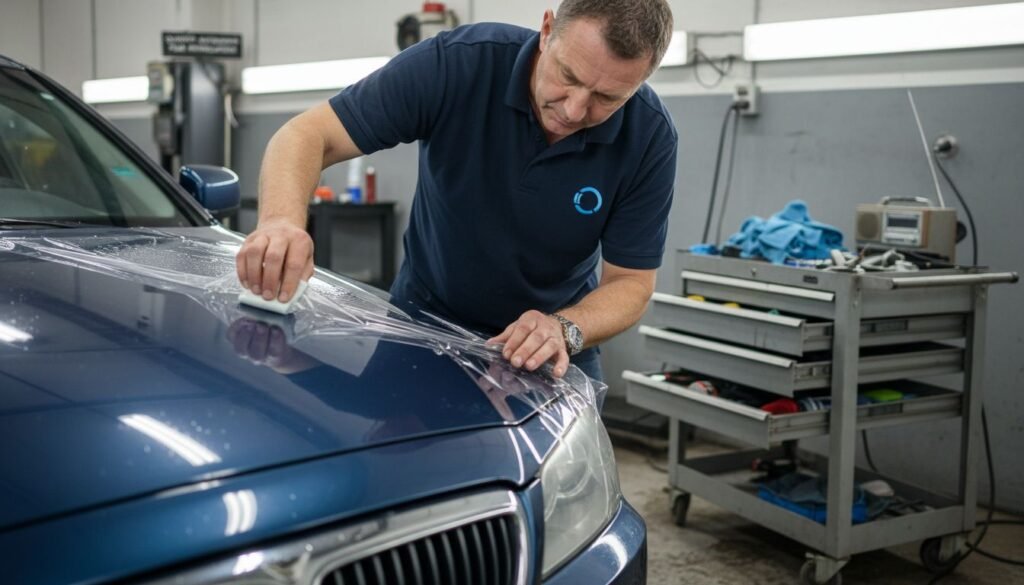
Car protection represents a sophisticated approach to preserving vehicle integrity through advanced surface treatments and protective technologies. Modern automotive protection strategies encompass multiple layers of defence, from exterior paint protection films (PPFs) to interior preservation techniques. Understanding protective film technologies reveals a complex ecosystem of materials designed to shield vehicles from environmental damage.
At its core, car protection involves strategic applications that guard against potential deterioration. Automotive professionals recognise several key protective methods, including:
- Paint Protection Films (PPF): Transparent polyurethane layers applied to vehicle surfaces
- Window Tinting: Specialised films reducing UV radiation and heat transmission
- Interior Fabric Sealants: Chemical treatments preventing stains and wear
- Ceramic Coatings: Nano-ceramic layers providing enhanced surface resistance
The misconception that car protection is merely cosmetic overlooks its substantive functional benefits. Advanced window film technologies not only enhance aesthetic appeal but also provide critical protection against ultraviolet radiation, temperature fluctuations, and potential structural degradation. Professional installers understand that these protective measures represent long-term investments in vehicle preservation, potentially extending automotive lifespans and maintaining resale values.
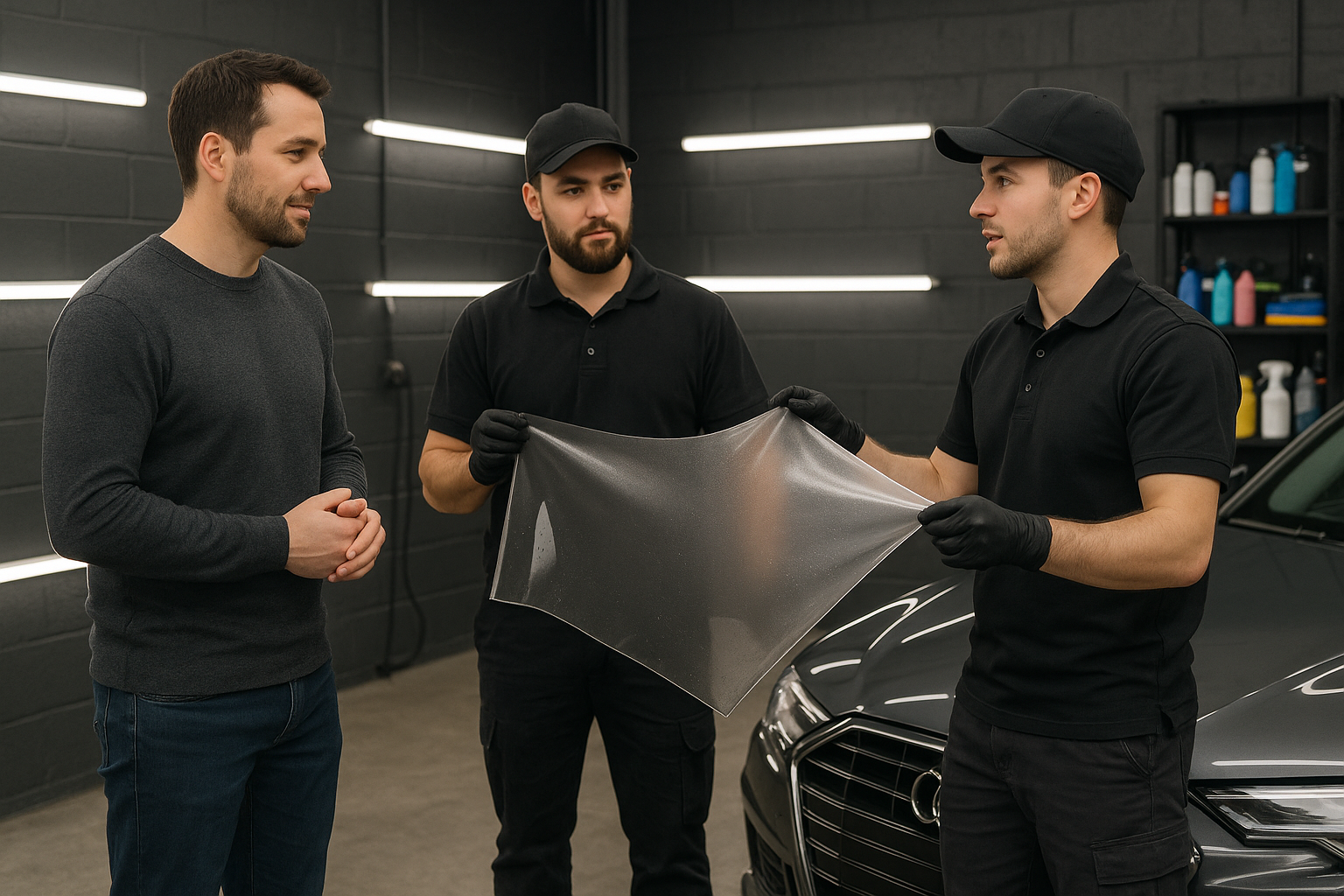
Professional detailing experts recognise protection as a nuanced discipline requiring precise application and deep technical understanding. While consumer-grade solutions exist, professional-grade protective treatments offer superior durability, precision, and comprehensive coverage. The distinction lies not just in material quality, but in expert application techniques that maximise protective potential and ensure seamless integration with existing vehicle surfaces.
Comparing Films, Coatings, and Coverings
The automotive protection landscape comprises diverse technologies designed to shield vehicles from environmental challenges and aesthetic degradation. Automotive film technologies represent a sophisticated ecosystem of protective solutions, each offering unique advantages in preserving vehicle surfaces and interiors.
Three primary protective approaches dominate the market:
- Paint Protection Films (PPF): Transparent polyurethane layers providing direct surface protection
- Ceramic Coatings: Nano-ceramic treatments creating durable, hydrophobic surface barriers
- Vinyl Wraps: Decorative and protective coverings offering aesthetic and functional benefits
Each technology presents distinct characteristics tailored to specific automotive preservation needs. High-performance coating technologies have evolved to deliver remarkable durability, with ceramic coatings offering exceptional hardness and optical clarity that surpass traditional protective methods. Professional installers recognise that selection depends on multiple factors including environmental exposure, aesthetic preferences, and budgetary constraints.
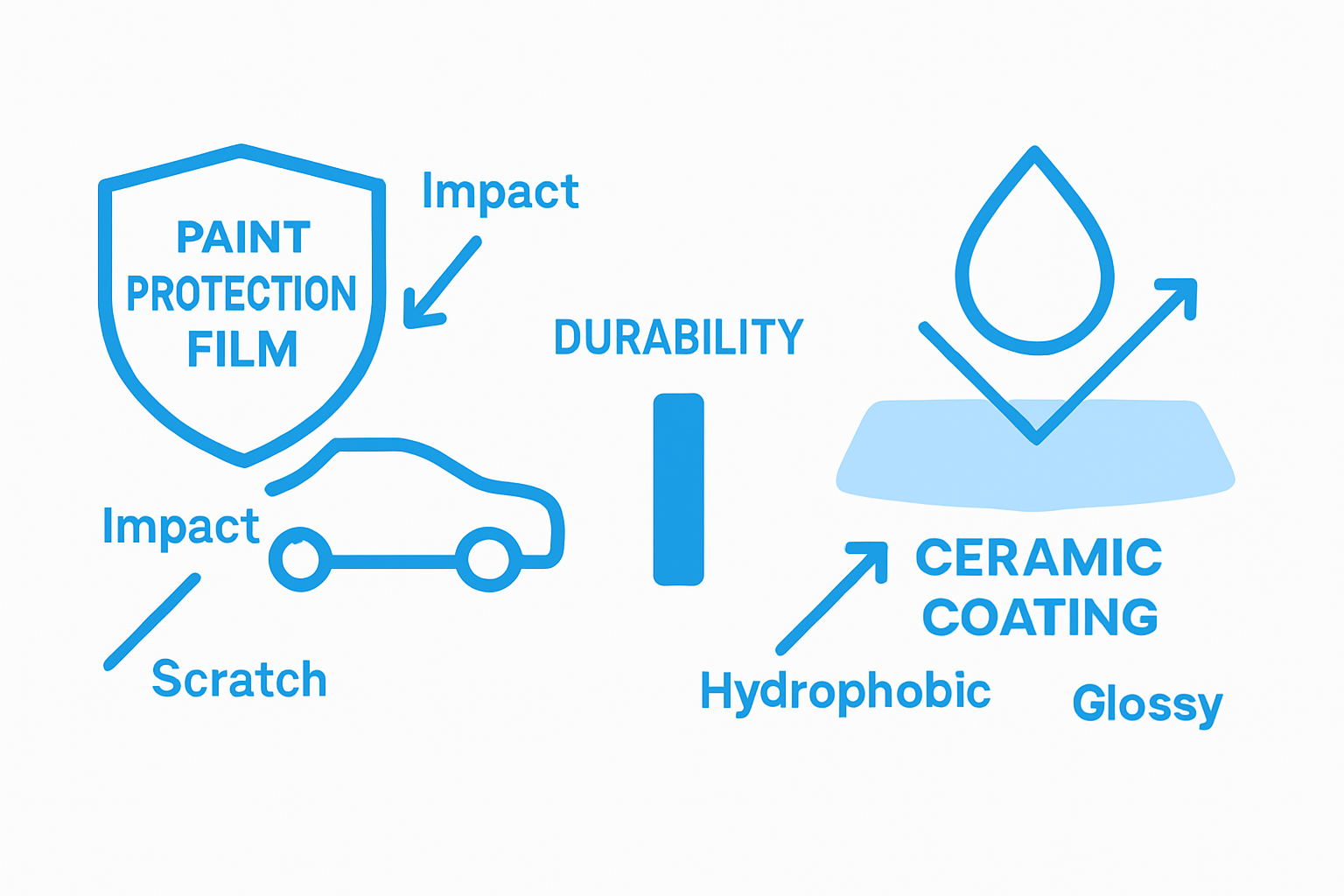
The comparative analysis reveals nuanced performance metrics. Paint protection films excel in impact resistance, ceramic coatings provide superior chemical protection, and vinyl wraps offer maximum aesthetic flexibility. Automotive professionals must evaluate these technologies holistically, understanding that optimal protection involves layered strategies rather than singular interventions. The future of vehicle preservation lies in integrated approaches that combine multiple protective technologies to deliver comprehensive surface management.
How Protective Solutions Preserve Interiors
Vehicle interior preservation represents a sophisticated approach to maintaining automotive value and passenger comfort. Advanced window film technologies have revolutionised how professionals protect vehicle interiors from environmental degradation, offering comprehensive defence against multiple damaging factors.
The primary mechanisms of interior protection involve strategic interventions targeting key vulnerability points:
- UV Radiation Blocking: Preventing upholstery and dashboard discolouration
- Heat Reduction: Minimising thermal stress on interior materials
- Surface Scratch Prevention: Protecting high-contact areas from abrasion
- Material Integrity Maintenance: Preserving original aesthetic and functional qualities
Paint protection film applications now extend beyond exterior surfaces, with specialised treatments designed to shield critical interior zones such as dashboards, seat backs, and door sills. Professional installers recognise that these protective solutions represent more than cosmetic enhancements—they are essential investments in long-term vehicle preservation.
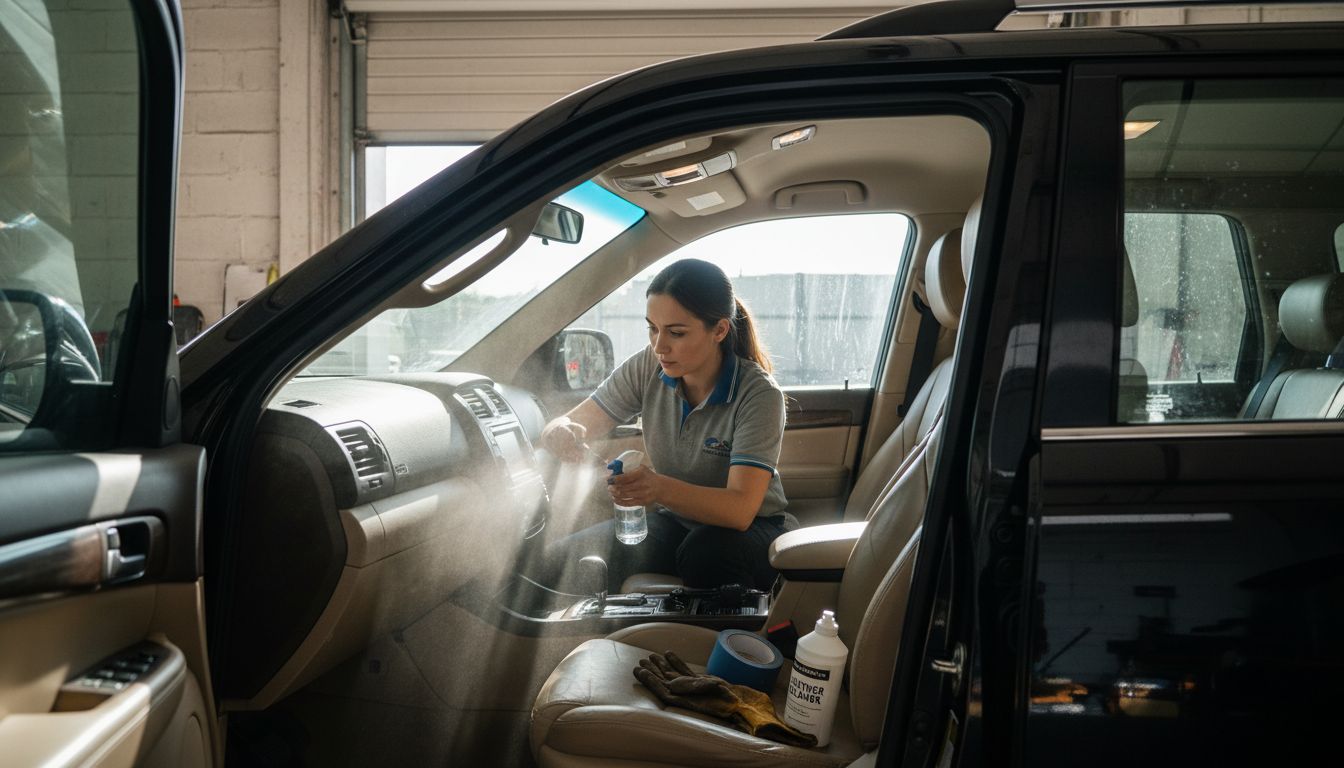
The evolving landscape of interior protection demonstrates a holistic approach to automotive maintenance. By combining multiple protective technologies—window films, surface coatings, and precision-applied protective membranes—professionals can create comprehensive defence systems that not only preserve aesthetic appeal but also maintain structural integrity. The result is a meticulously protected interior that resists degradation, maintains value, and provides optimal comfort for vehicle occupants.
Installation Standards and Material Quality Matters
Professional installation represents the critical intersection between advanced protective technologies and optimal vehicle preservation. Comprehensive installation standards dictate that precision and expertise are paramount in applying protective films, with each application representing a nuanced technical intervention.
Key considerations for professional-grade installation include:
- Surface Preparation: Meticulous cleaning and decontamination
- Film Alignment: Precise positioning with minimal dimensional tolerance
- Adhesive Quality: Using professional-grade bonding agents
- Environmental Controls: Maintaining ideal temperature and humidity
- Application Technique: Minimising air bubbles and potential imperfections
High-performance material selection emerges as a critical factor in determining long-term protective efficacy. Professional installers understand that material properties directly influence durability, optical clarity, and protective capabilities. The thickness of protective films, quality of adhesives, and molecular composition represent sophisticated engineering decisions that transcend simple aesthetic considerations.
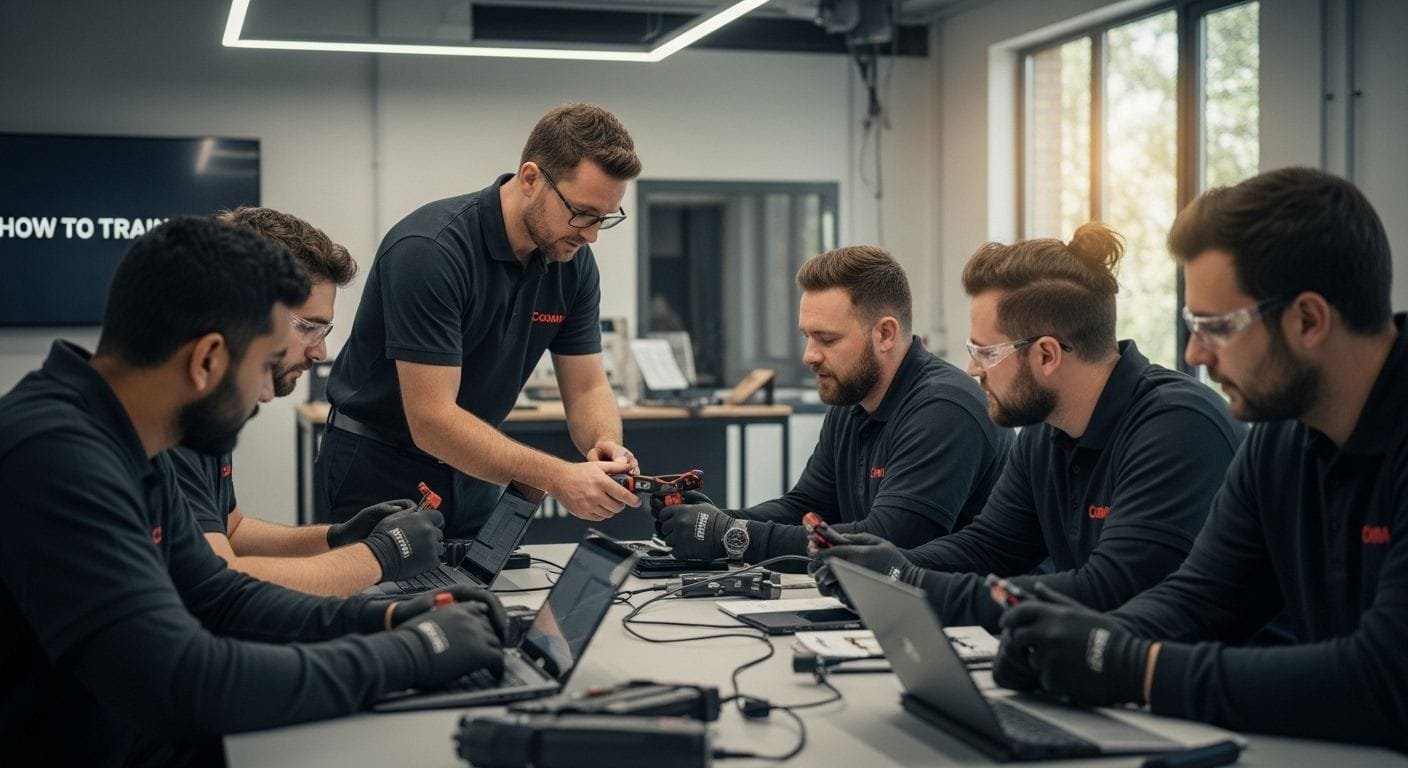
Ultimately, installation standards reflect a holistic approach to automotive protection. The interplay between advanced materials, precision application techniques, and professional expertise determines the effectiveness of protective solutions. Successful implementations require continuous training, investment in high-quality tools, and a deep understanding of emerging technologies in surface protection.
Avoiding Costly Mistakes and Compliance Risks
Automotive protection strategies require meticulous attention to detail and comprehensive understanding of potential pitfalls. Window film installation guidelines reveal critical considerations that professionals must navigate to prevent expensive errors and legal complications.
Common mistakes that can compromise protection and lead to significant financial risks include:
- Non-Compliant Material Selection: Choosing films that violate local regulations
- Improper Surface Preparation: Neglecting thorough cleaning and decontamination
- Incorrect Application Techniques: Introducing air bubbles or misalignment
- Inadequate Quality Control: Failing to verify material integrity post-installation
- Insufficient Documentation: Neglecting to maintain precise installation records
Professional paint protection standards emphasise the critical importance of understanding regulatory landscapes and industry best practices. Professional installers must remain continuously educated about evolving technological requirements, regional legal restrictions, and emerging material specifications to mitigate potential liability risks.
Risk mitigation demands a proactive, systematic approach. Successful automotive protection professionals invest in ongoing training, maintain rigorous quality control protocols, and develop comprehensive documentation processes. By implementing structured verification mechanisms and staying current with industry developments, installers can effectively minimise financial exposure while delivering superior protective solutions to their clients.
Elevate Vehicle Protection with Precision Cutting Solutions
Inside the realm of car protection, safety and long-term value depend heavily on expert application and the use of high-quality protective materials. Whether focusing on intricate paint protection films or advanced window tints, installers face challenges like exact film alignment, minimising waste, and ensuring flawless installations that guard against UV radiation, heat, and abrasion. AEONCUT empowers professionals and enthusiasts alike to overcome these hurdles by delivering precision pre-cut patterns designed for superior fit and finish. Explore efficient workflows that safeguard vehicle aesthetics and maximise protection benefits.
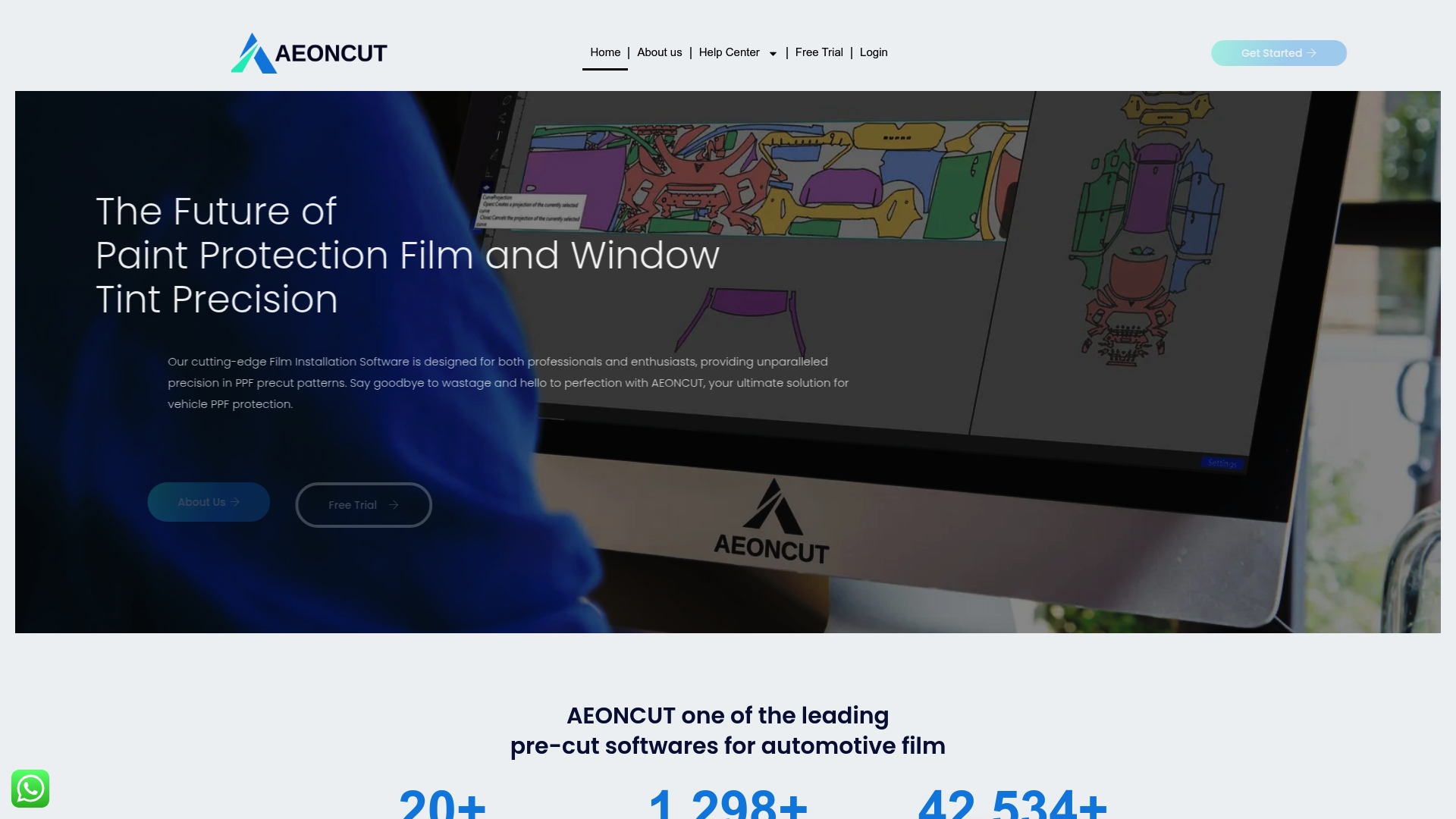
Discover how AEONCUT’s leading-edge software enhances your installation process with extensive pattern libraries, AI-driven auto-nesting, and cloud-based updates tailored for both Paint Protection Film – AEONCUT PPF Pre-cut Cutting software and window Tint – AEONCUT PPF Pre-cut Cutting software. Don’t let guesswork compromise your professional results or your customers’ vehicle investment. Step into the future of automotive protection with AEONCUT—visit https://aeoncutsw.com today to start your subscription and experience precision that preserves value and enhances safety.
Frequently Asked Questions
What are car protection films, and how do they work?
Car protection films, also known as paint protection films (PPF), are transparent polyurethane layers applied to the vehicle’s exterior surfaces. They provide a barrier against scratches, chips, and environmental damage, preserving the paint’s integrity.
How does ceramic coating differ from paint protection film?
Ceramic coatings are nano-ceramic treatments that create a durable, hydrophobic barrier on the vehicle’s surface, offering superior chemical protection and water repellency. In contrast, paint protection films provide a physical layer of protection against impacts and abrasions.
Can window tinting really help with vehicle interior preservation?
Yes, window tinting not only enhances privacy and aesthetics but also blocks harmful UV radiation, which helps prevent upholstery and dashboard discolouration. Additionally, it reduces heat buildup inside the vehicle, protecting interior materials from thermal stress.
What factors should I consider when choosing a protective solution for my vehicle?
When selecting a protective solution, consider environmental exposure (like sun and weather), your aesthetic preferences, the level of durability required, and your budget. A combination of protective technologies may offer the best results for comprehensive vehicle preservation.
Recommended
- Understanding Why Interior Protection Films Are the Next Big Trend in Car Care – AEONCUT PPF Pre-cut Cutting software
- Top Paint Protection Film Benefits for Auto Professionals 2025 – AEONCUT PPF Pre-cut Cutting software
- Understanding Interior Protection Films: Benefits for Luxury Cars – AEONCUT PPF Pre-cut Cutting software
- Understanding Why Interior Protection Films Are the Next Big Trend in Car Care – AEONCUT PPF Pre-cut Cutting software
- Injector Cleaning Benefits for Diesel Pros: 2025 Guide – My WordPress