
Every British car owner knows how unpredictable the local weather can be, with rain, grit, and salted roads causing countless scratches each year. Protecting your vehicle’s paint goes beyond just washing and waxing, especially when the average repair for exterior paint damage can exceed £300. Learning about modern car protection films helps British drivers confidently defend their vehicles against everyday hazards while ensuring a showroom finish and greater resale value.
Table of Contents
- Defining Car Exterior Protection Film Types
- Choosing The Right PPF For Each Vehicle
- Core Features: Material Performance Explained
- Professional Installation Versus DIY Application
- Risks, Costs, And Common Application Mistakes
Key Takeaways
| Point | Details |
|---|---|
| Understanding PPF Types | Various Paint Protection Film types offer different levels of protection, including conventional, self-healing, hydrophobic, and ceramic-infused films tailored to specific needs. |
| Optimal PPF Selection | Choosing the right PPF involves assessing vehicle characteristics, environmental factors, and individual protection requirements for the best results. |
| Professional vs. DIY Installation | Professional installation ensures superior application quality and protection, whereas DIY methods carry higher risks of damage and inadequate coverage. |
| Costs and Risks of PPF Installation | The financial commitment for PPF can range from £500 to £5,000, with potential pitfalls including improper application techniques affecting performance and aesthetics. |
Defining Car Exterior Protection Film Types
Paint Protection Film (PPF) represents a sophisticated automotive preservation technology designed to shield vehicle exteriors from environmental damage. Paint protection film, also known as clear bra, is a transparent thermoplastic urethane membrane engineered to protect automotive surfaces against potential harm.
Typically, PPF is strategically applied to high-impact regions of a vehicle that are most susceptible to damage. These vulnerable areas include the front bumper, hood, side mirrors, fenders, rocker panels, lower doors, and rear wheel guards. Professional installers focus on these zones because they experience the most significant exposure to potential abrasions, stone chips, insect impacts, and road debris.
The automotive protection film market presents several distinct types catering to different protective requirements:
- Conventional PPF: Standard transparent film offering basic protection
- Self-healing PPF: Advanced films with thermal properties that can repair minor scratches automatically
- Hydrophobic PPF: Films with water-repellent properties providing additional surface protection
- Ceramic-infused PPF: Hybrid films combining ceramic coating technologies for enhanced durability
While traditional front-end bras offered basic coverage, modern PPF technologies represent a quantum leap in vehicular surface protection. These sophisticated films provide near-invisible defence against environmental challenges, maintaining a vehicle’s pristine aesthetic while preserving its long-term value and appearance.
Choosing the Right PPF for Each Vehicle
Selecting the appropriate Paint Protection Film (PPF) requires careful consideration of vehicle-specific characteristics, environmental conditions, and individual protection needs. Professionals recognise that a one-size-fits-all approach rarely delivers optimal results, necessitating a nuanced selection process that accounts for multiple critical factors.
The fundamental criteria for PPF selection encompass several key dimensions. Vehicle type, paint condition, typical usage environment, and anticipated protection level all play pivotal roles in determining the most suitable film. Training programmes for installation emphasise the importance of understanding these intricate selection parameters to ensure comprehensive vehicular surface protection.
Critical factors influencing PPF selection include:
- Vehicle Usage Patterns
- Daily commuter vehicles
- Weekend performance cars
- Off-road or rugged terrain vehicles
- Environmental Exposure
- Urban environments with high pollution
- Coastal regions with salt and moisture
- Desert or extreme temperature zones
- Protection Requirements
- Basic scratch resistance
- Advanced self-healing capabilities
- Comprehensive chemical and UV protection
Professional installers typically recommend a comprehensive assessment that includes:
- Detailed vehicle surface analysis
- Client’s specific protection expectations
- Budget considerations
- Long-term maintenance capabilities
Ultimately, the right PPF represents a strategic investment in vehicular preservation. By meticulously matching film characteristics to specific automotive requirements, owners can achieve superior protection, maintain aesthetic appeal, and protect their vehicle’s long-term value.
Core Features: Material Performance Explained
Paint Protection Film (PPF) represents a sophisticated technological solution engineered to deliver exceptional vehicular surface preservation through advanced material science. Modern PPF technologies incorporate complex multilayered compositions designed to withstand environmental challenges while maintaining aesthetic integrity and protective capabilities.

Paint Protection Film Installation Guidelines reveal critical performance metrics that distinguish high-quality films from standard protective solutions. Professional-grade films demonstrate remarkable resilience, maintaining clarity after 1,000 impact cycles and exhibiting zero edge lifting under repeated mechanical stress.
The core material performance characteristics of premium PPF include:
- Mechanical Resilience
- Impact resistance
- Scratch protection
- Elasticity and self-healing properties
- Chemical Stability
- UV radiation resistance
- Oxidation prevention
- Chemical contaminant protection
- Optical Qualities
- Transparency maintenance
- Minimal surface distortion
- Colour preservation
Detailed performance assessments, such as those conducted by Autoplex Restyling Centers, demonstrate remarkable long-term effectiveness. Their comprehensive documentation reveals that professional-grade PPF installations maintain approximately 95% of their protective capabilities after five years, underscoring the material’s exceptional durability and engineering sophistication.
Ultimately, understanding PPF material performance requires recognising it as a complex interplay of advanced polymer engineering, precision manufacturing, and strategic protective design. Professionals select films not merely based on initial appearance, but on their proven ability to withstand sustained environmental challenges while preserving vehicular aesthetic and structural integrity.
Professional Installation Versus DIY Application
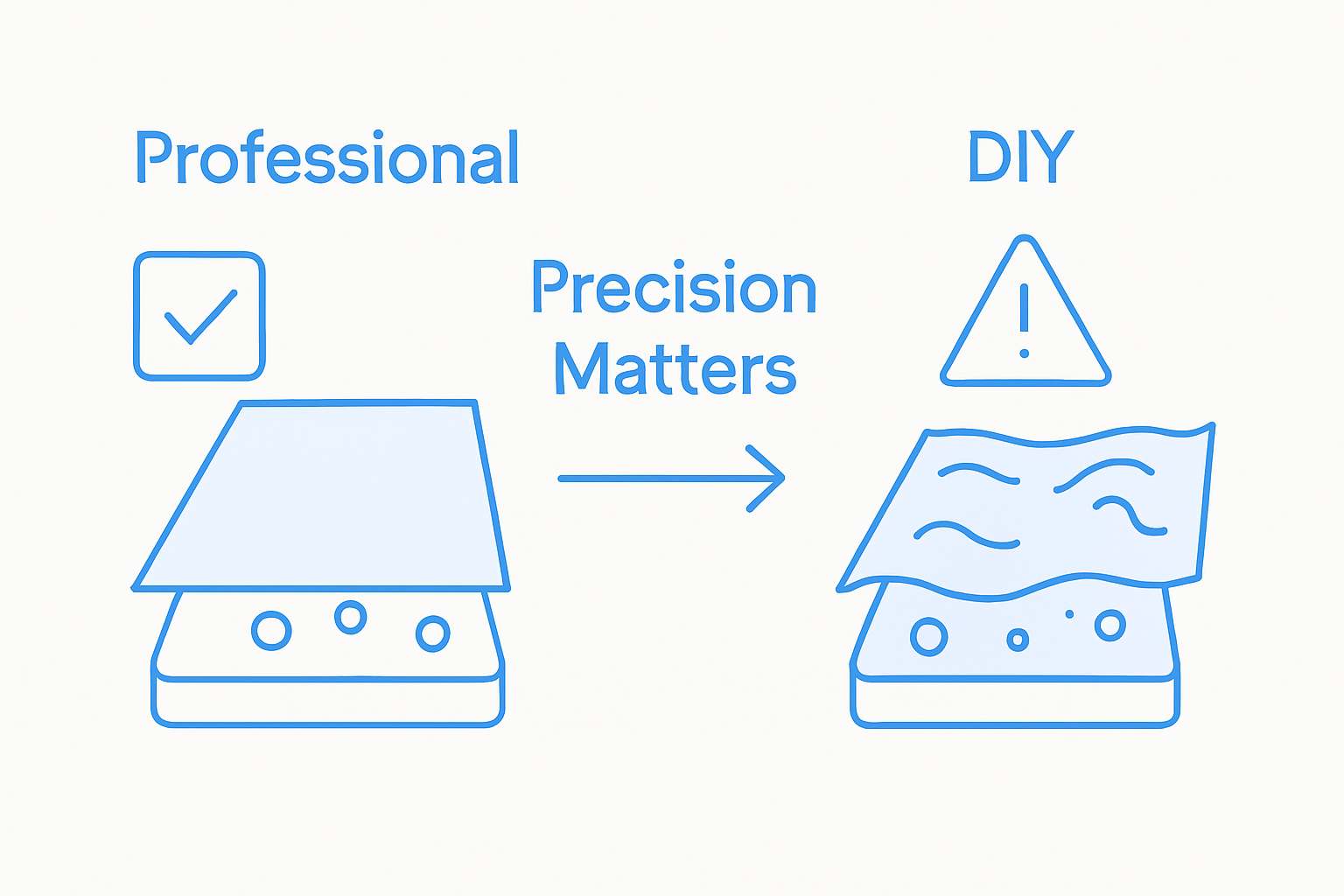
Paint Protection Film (PPF) installation represents a nuanced technical process where professional expertise dramatically influences final outcomes. While do-it-yourself enthusiasts might feel tempted to undertake PPF application independently, the intricate skills required often separate exceptional results from mediocre protective coverage.
Professional PPF installation techniques involve sophisticated methodologies that extend far beyond simple film placement. Professionals utilise specialised heat guns to conform films precisely to complex vehicle surfaces, applying strategic techniques that prevent common issues like unsightly stretch marks or improper adhesion.
Key differences between professional and DIY PPF application include:
- Professional Installation Advantages
- Precise surface preparation
- Advanced film manipulation techniques
- Specialised equipment utilisation
- Guaranteed uniform application
- DIY Application Limitations
- Higher risk of air bubbles
- Potential film damage during installation
- Inconsistent surface coverage
- Limited technical understanding
According to Sailifilm’s comprehensive installation guide, successful PPF application demands intricate skills including:
- Precise pattern cutting
- Wet application methodology
- Strategic heat application
- Meticulous surface alignment
While DIY enthusiasts may save initial costs, professional installation ensures superior protective coverage, minimises potential damage, and ultimately provides more reliable long-term vehicular surface preservation. The investment in professional expertise translates directly into enhanced protection and aesthetic quality.
Risks, Costs, and Common Application Mistakes
Paint Protection Film (PPF) installation involves significant financial investment and technical complexity that demands careful consideration. Vehicle owners must navigate potential pitfalls ranging from substantial monetary expenses to technical challenges that could compromise the protective film’s effectiveness and aesthetic quality.
The financial spectrum of PPF application varies considerably, with professional installations typically ranging from £500 to £5,000 depending on vehicle size, film quality, and coverage extent. Installation guidelines highlight critical post-application considerations that significantly impact long-term performance and durability.
Common application mistakes include:
- Preparation Errors
- Inadequate surface cleaning
- Insufficient paint decontamination
- Skipping crucial surface preparation steps
- Application Technical Failures
- Improper film alignment
- Trapped air bubbles
- Uneven film tension
- Incorrect temperature during installation
- Post-Installation Mistakes
- Premature washing
- Using inappropriate cleaning products
- Neglecting recommended curing periods
Specific risks associated with PPF installation encompass:
- Potential paint damage during removal
- Reduced film effectiveness from improper techniques
- Aesthetic inconsistencies
- Compromised protective capabilities
Professional installers recommend waiting at least 72 hours before washing the vehicle post-installation to ensure proper film setting and adhesion. Understanding these nuanced risks helps vehicle owners make informed decisions about protecting their automotive investment through strategic PPF application.
Achieve Flawless Car Exterior Protection with Precision Cutting Software
Installing Paint Protection Film requires exactness to avoid common issues like misalignment and air bubbles that compromise durability and appearance. The article highlights how professional installation techniques and precise surface preparation are crucial for optimal results. Whether you are a professional installer or a dedicated car enthusiast seeking perfect coverage with minimal waste and maximum efficiency, AEONCUT offers the next-level solution.
With the AEONCUT cutting software, you gain instant access to extensive, highly accurate pre-cut pattern libraries tailored specifically for Paint Protection Film – AEONCUT PPF Pre-cut Cutting software. This technology ensures every cut fits precisely to your vehicle model, reducing material waste and installation errors. Supported by cloud-based updates and AI-driven auto-nesting, AEONCUT empowers you to maintain professional-grade standards with confidence.
Experience how precision matters most in protecting your vehicle by visiting AEONCUT today. Explore tailored plans that fit your needs, boost installation quality, and protect your investment efficiently. Don’t compromise on your vehicle’s appearance or your workflow—start using AEONCUT and elevate your window Tint – AEONCUT PPF Pre-cut Cutting software and PPF application now.
Frequently Asked Questions
What is Paint Protection Film (PPF)?
Paint Protection Film (PPF), also known as clear bra, is a transparent thermoplastic urethane membrane designed to protect vehicle exteriors from environmental damage, such as scratches, stone chips, and road debris.
How do I choose the right type of PPF for my vehicle?
Choosing the right PPF involves considering factors like your vehicle usage patterns, environmental exposure, and the level of protection you require. Professionals recommend assessing your vehicle’s surface, protection expectations, and long-term maintenance capabilities to select the most suitable film.
What are the differences between conventional and self-healing PPF?
Conventional PPF offers basic protection against abrasions and scratches, while self-healing PPF is equipped with thermal properties that allow it to automatically repair minor scratches, maintaining its clear appearance and protective qualities over time.
Can I install PPF myself, or should I hire a professional?
While DIY installation of PPF is possible, it often leads to issues like air bubbles and uneven coverage. Professional installation ensures precise surface preparation and application techniques, resulting in superior protection and aesthetics for your vehicle.
Recommended
- Clear Bra vs PPF: Key Differences for Detailing Pros 2025 – AEONCUT PPF Pre-cut Cutting software
- How Does PPF Work? Guide for Car Care Pros 2025 – AEONCUT PPF Pre-cut Cutting software
- Understanding Interior Protection Films: Benefits for Luxury Cars – AEONCUT PPF Pre-cut Cutting software
- Understanding Why Interior Protection Films Are the Next Big Trend in Car Care – AEONCUT PPF Pre-cut Cutting software
- Heavy Duty Floor Protection: A Practical Guide to Safe, Durable Floori – Mats4U USA
- Durable Wood Protection – Timber Windows & Wooden Doors – ATW