Over 60 percent of British car owners report early signs of interior wear within the first three years. For professional automotive wrap installers and detailing business owners, tackling the challenge of maintaining pristine cabin surfaces is crucial to customer retention and service credibility. This guide uncovers advanced car interior protection coating solutions that deliver proven material compatibility, enhanced performance, and lasting satisfaction for clients across all markets.
Table of Contents
- Defining Car Interior Protection Coating
- Types Of Coating And Material Compatibility
- Key Benefits And Performance Features
- Professional Application Versus Diy Methods
- Costs, Maintenance, And Longevity Factors
- Common Risks And Mistakes To Avoid
Key Takeaways
| Point | Details |
|---|---|
| Coating Functionality | Car interior protection coatings create a molecular-level shield to prevent environmental damage and maintain interior aesthetics. |
| Material Compatibility | Selecting coatings tailored to specific materials like leather and plastics is essential for achieving optimal performance and durability. |
| Professional Application Advantage | Professional application ensures expert techniques and high-quality products, resulting in superior durability compared to DIY methods. |
| Long-term Investment Considerations | Evaluating total costs, including maintenance and potential reapplication intervals, is vital for understanding the true value of interior protection coatings. |
Defining car interior protection coating
Car interior protection coating represents a sophisticated automotive preservation technology designed to shield vehicle interiors from environmental damage, wear, and degradation. These advanced protective solutions are engineered to create a robust barrier across multiple surface types, ensuring long-lasting aesthetic and functional preservation.
At its core, car interior protection coating functions as a molecular-level shield that enhances surface resistance against contaminants and environmental stressors. The coating technology can be applied to diverse interior materials including leather, vinyl, rubber, carpeting, metal, and plastic surfaces, providing comprehensive protection. By forming an invisible yet durable protective layer, these coatings prevent staining, minimise UV damage, resist abrasion, and maintain the original appearance of interior components.
Modern automotive protection coatings represent a significant technological advancement in vehicle maintenance. Comprehensive academic research reveals multiple coating categories including ceramic, graphene, and hybrid formulations, each offering unique protective characteristics. These sophisticated treatments go beyond traditional methods by delivering molecular-level protection that actively resists environmental degradation while preserving the vehicle’s interior aesthetic and structural integrity.
Pro tip: When selecting an interior protection coating, prioritise professional-grade solutions that offer comprehensive material compatibility and demonstrate proven long-term performance through independent testing and manufacturer certifications.
Types of coating and material compatibility
Automotive interior protection coatings encompass a diverse range of technological solutions designed to address the complex material requirements of modern vehicle interiors. Global research reveals multiple coating technologies tailored to specific surface characteristics and performance demands, reflecting the sophisticated engineering behind contemporary protective treatments.
The primary coating categories include soft-touch polyurethane, hard polyurethane, polycarbonate-based scratch-resistant formulations, water-based systems, UV-curable technologies, and antimicrobial treatments. Each type offers unique advantages for different interior materials such as synthetic leather, engineered composites, textiles, and various plastic surfaces. Automotive material specialists emphasise the critical importance of matching specific coating technologies with appropriate substrate materials to ensure optimal performance and durability.
Modern coating technologies have significantly evolved to address environmental and performance concerns. Manufacturers now prioritise VOC-free formulations that provide comprehensive protection while maintaining the aesthetic and tactile qualities of interior surfaces. Advanced coatings must simultaneously resist UV degradation, minimise scratching, prevent staining, and maintain material flexibility across diverse environmental conditions.
Pro tip: When evaluating interior protection coatings, request comprehensive material compatibility testing data and confirm the coating’s performance across temperature ranges and exposure conditions.
Below is a comparison of common types of car interior protection coatings and their main advantages:
| Coating Type | Major Benefit | Typical Application Areas |
|---|---|---|
| Ceramic | Superior stain resistance | Leather, plastics, vinyl |
| Graphene | Enhanced UV and chemical defence | High-heat or sun-exposed surfaces |
| Soft-touch Polyurethane | Preserved tactile feel | Dashboards, touchpoints |
| Antimicrobial Treatment | Reduces microbial build-up | Frequently touched interior zones |
| Polycarbonate-based Scratch | Minimises surface scratching | Displays, consoles, trims |
Key benefits and performance features
Interior protection coatings represent a sophisticated technological solution designed to transform automotive interior maintenance and preservation. Advanced surface treatment technologies offer multiple performance features that significantly enhance vehicle interior durability and aesthetic longevity, addressing critical challenges faced by vehicle owners and professional detailers.
The primary performance features encompass multiple protective mechanisms. Nanoceramic formulations create hydrophobic surfaces that actively repel dirt, liquids, and environmental contaminants, providing comprehensive protection against staining and degradation. These advanced coatings deliver remarkable benefits including UV resistance, enhanced wear protection, simplified cleaning processes, and remarkable self-healing properties that maintain interior surfaces’ pristine appearance over extended periods.
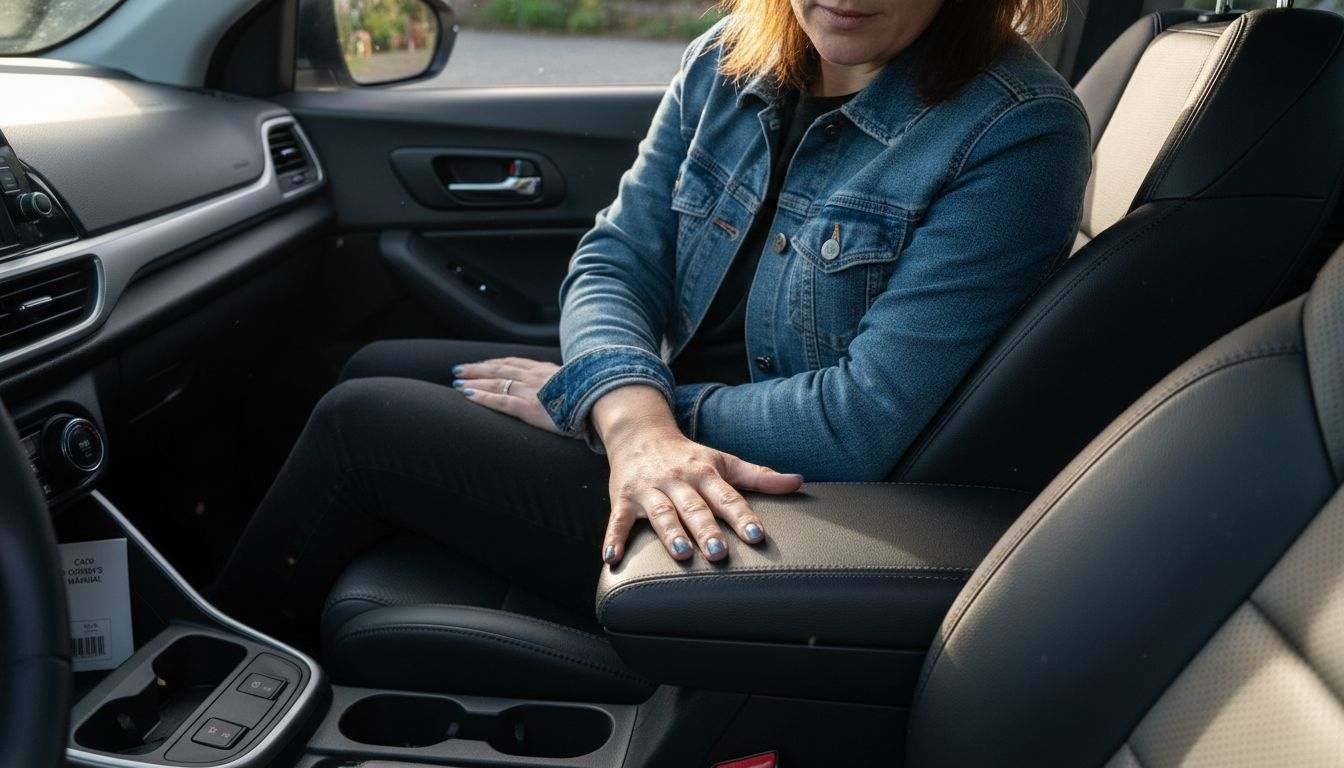
Technological innovations in surface protection have dramatically expanded coating capabilities. Modern formulations now offer microscopic protective layers that resist scratching, minimise colour fading, prevent cracking, and maintain material flexibility across diverse environmental conditions. The result is a scientifically engineered solution that not only protects but actively preserves the vehicle’s interior aesthetic and structural integrity, effectively extending the asset’s visual appeal and market value.
Pro tip: Prioritise multi-layer protection coatings that demonstrate comprehensive testing across temperature variations and provide detailed performance certification documentation.
Professional application versus DIY methods
Interior protection coating application represents a nuanced process with significant performance variations between professional and do-it-yourself approaches. Comparative analysis reveals substantial differences in technique, product quality, and long-term protective outcomes, highlighting the critical importance of expertise in achieving optimal results.
Professional applications distinguish themselves through meticulous surface preparation, advanced technical knowledge, and access to high-grade specialised products. Automotive coating experts consistently demonstrate superior durability and finish compared to DIY methods, primarily due to refined application techniques and comprehensive understanding of material interactions. Professional installers employ precise environmental controls, utilise advanced tools, and possess in-depth understanding of substrate compatibility, ensuring comprehensive and uniform coating coverage.
Do-it-yourself approaches, while potentially cost-effective, carry significant risks of improper application. Challenges include uneven coating distribution, insufficient surface preparation, potential material damage, and reduced protective performance. Hobbyists and vehicle owners attempting DIY applications must invest considerable time in research, acquire specialised equipment, and develop technical skills to approach professional-grade results. The learning curve can be steep, with potential costly mistakes that might compromise the vehicle’s interior aesthetic and protective integrity.
Pro tip: Consider scheduling a professional consultation to assess your specific interior protection requirements before committing to a DIY approach.
Here is a summary of professional vs DIY application of car interior protection coatings:
| Aspect | Professional Application | DIY Application |
|---|---|---|
| Expertise Required | Trained, experienced technicians | Self-taught, may lack practice |
| Product Quality | Access to specialist products | Off-the-shelf consumer products |
| Typical Outcome | Uniform, lasting protection | Risk of uneven or weak coverage |
| Common Challenges | Higher up-front cost | Possible mistakes, steep learning |
Costs, maintenance, and longevity factors
Automotive interior protection coatings represent a significant investment with complex economic considerations. Global market research reveals multiple cost drivers influencing pricing, including technological innovation, regulatory compliance, and material selection, creating a nuanced economic landscape for vehicle owners and professional installers.
The longevity of interior protection coatings depends on multiple critical factors, including material composition, application technique, and environmental exposure. Advanced testing protocols, such as accelerated Xenon testing, help qualify coatings with extended durability and performance benchmarks, enabling manufacturers to provide more accurate lifecycle predictions. Water-based polyurethane and polycarbonate formulations have emerged as preferred technologies, offering superior gloss retention, color stability, and resistance to environmental degradation.
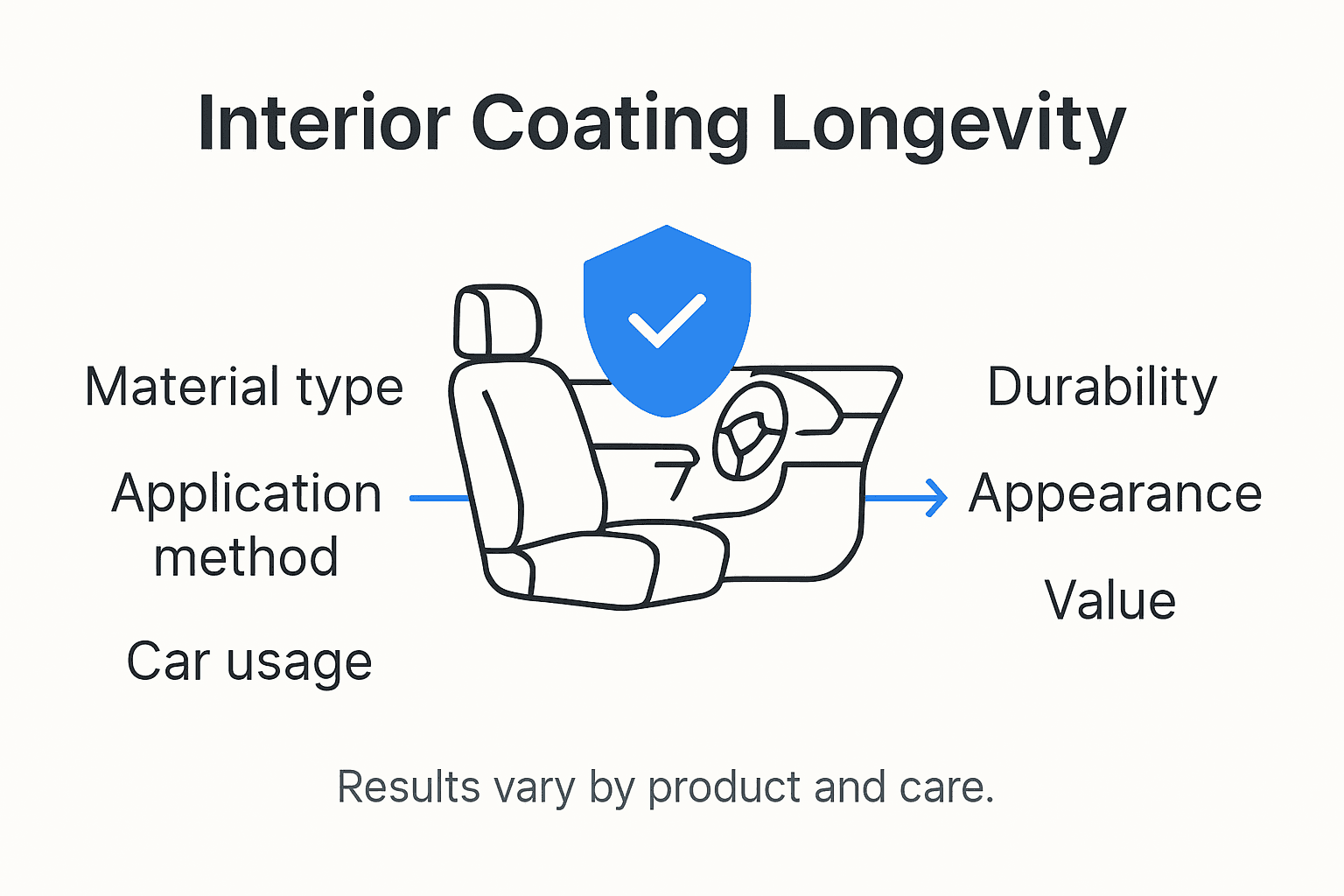
Maintenance requirements vary significantly across different coating technologies, with professional-grade solutions typically offering more robust protection and easier long-term care. Emerging automotive segments, particularly electric vehicles, present unique challenges that demand increasingly sophisticated coating technologies capable of withstanding complex thermal and environmental stressors. Vehicle owners must consider not just initial application costs, but also long-term maintenance expenses, potential reapplication intervals, and the specific protective benefits offered by different coating technologies.
Pro tip: Request comprehensive performance documentation and accelerated ageing test results when evaluating interior protection coating options to understand true long-term value and maintenance requirements.
Common risks and mistakes to avoid
Automotive interior protection coating processes involve complex technical challenges that can lead to significant performance failures if not approached with precision and expertise. Research into volatile organic compounds and coating technologies reveals multiple potential risks associated with improper application and product selection, highlighting the critical importance of understanding potential pitfalls.
Ceramic and protective coatings present nuanced challenges, particularly when applied to sensitive interior materials like leather and specialised surfaces. Common mistakes include inadequate surface preparation, using incompatible chemical formulations, and applying coatings without understanding material-specific requirements. These errors can result in permanent damage such as material stiffness, discoloration, reduced breathability, and compromised structural integrity of interior components.
Professional installers and vehicle owners must be vigilant about potential risks, including improper chemical interactions, uneven application techniques, and environmental exposure limitations. Critical considerations involve understanding substrate compatibility, managing application temperature and humidity, selecting appropriate coating technologies for specific materials, and implementing rigorous quality control procedures. Misunderstandings about coating performance can lead to unrealistic expectations and premature coating degradation.
Pro tip: Always conduct comprehensive material compatibility testing and consult manufacturer specifications before applying any interior protection coating to ensure optimal performance and prevent potential damage.
Elevate Your Vehicle’s Interior Protection with Precision Cutting Solutions
Protecting your car’s interior with advanced coatings requires more than just quality products. Precision in application is essential to ensure maximum longevity and value, especially when dealing with delicate surfaces and complex materials highlighted in the article. Professional installers and enthusiasts alike face challenges in aligning protective films accurately to interior panels. This is where AEONCUT’s cutting-edge software can transform your process, offering exact pre-cut patterns designed to match every contour with minimal material waste and impeccable accuracy.
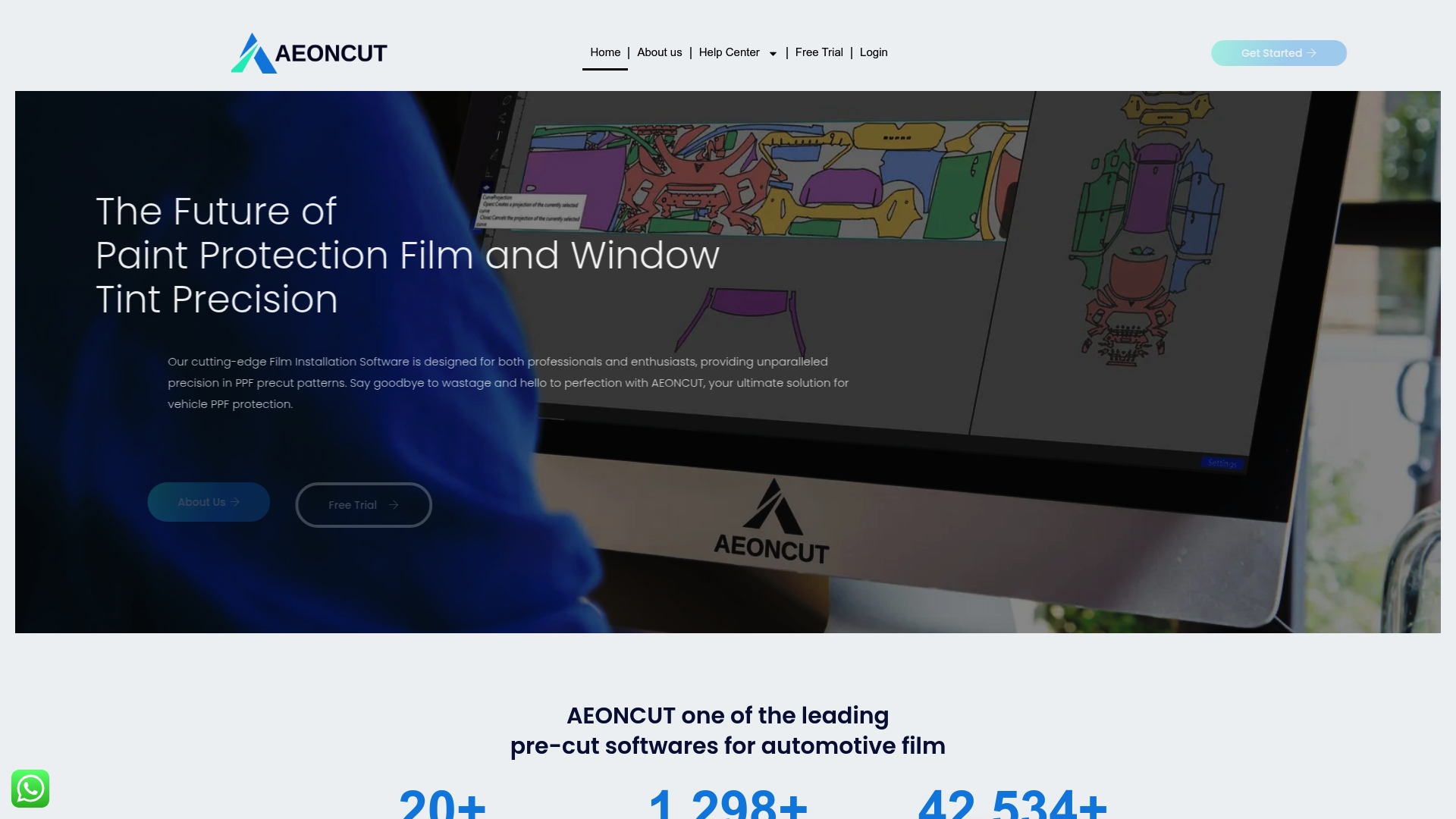
Ready to take your interior protection efforts further with unmatched efficiency and precision? Explore our comprehensive solutions tailored for paint protection film and explore our specialised Paint Protection Film category for expertly crafted cutting patterns. For additional customisation opportunities including window shades that complement interior care, visit the window Tint section. Start enhancing your professional or DIY installations today by visiting AEONCUT and experience the next level of vehicle protection precision.
Frequently Asked Questions
What is car interior protection coating?
Car interior protection coating is a sophisticated solution designed to shield vehicle interiors from damage, wear, and degradation. It creates a molecular-level barrier that protects various materials such as leather, vinyl, and textiles from stains, UV damage, and abrasion.
What are the main types of coatings available for car interiors?
The primary types of coatings include ceramic, graphene, soft-touch polyurethane, antimicrobial treatments, and polycarbonate-based scratch-resistant formulations. Each type offers unique protective benefits tailored to specific materials and performance needs.
How does professional application differ from DIY methods for interior coatings?
Professional applications utilise advanced techniques, high-quality products, and thorough surface preparation, leading to superior durability and finish. DIY methods often risk uneven application and damage due to lack of expertise and access to specialist tools and products.
What factors influence the longevity and maintenance of car interior protection coatings?
Longevity is affected by the coating’s material composition, application method, and environmental exposure. Maintenance requirements also vary, with professional-grade solutions generally offering easier long-term care and reduced need for reapplication.
Recommended
- Understanding Why Interior Protection Films Are the Next Big Trend in Car Care – AEONCUT PPF Pre-cut Cutting software
- Understanding Why Interior Protection Films Are the Next Big Trend in Car Care – AEONCUT PPF Pre-cut Cutting software
- Understanding Interior Protection Films: Benefits for Luxury Cars – AEONCUT PPF Pre-cut Cutting software
- Understanding Interior Protection Films: Benefits for Luxury Cars – AEONCUT PPF Pre-cut Cutting software
- Injector Cleaning Benefits for Diesel Pros: 2025 Guide – My WordPress