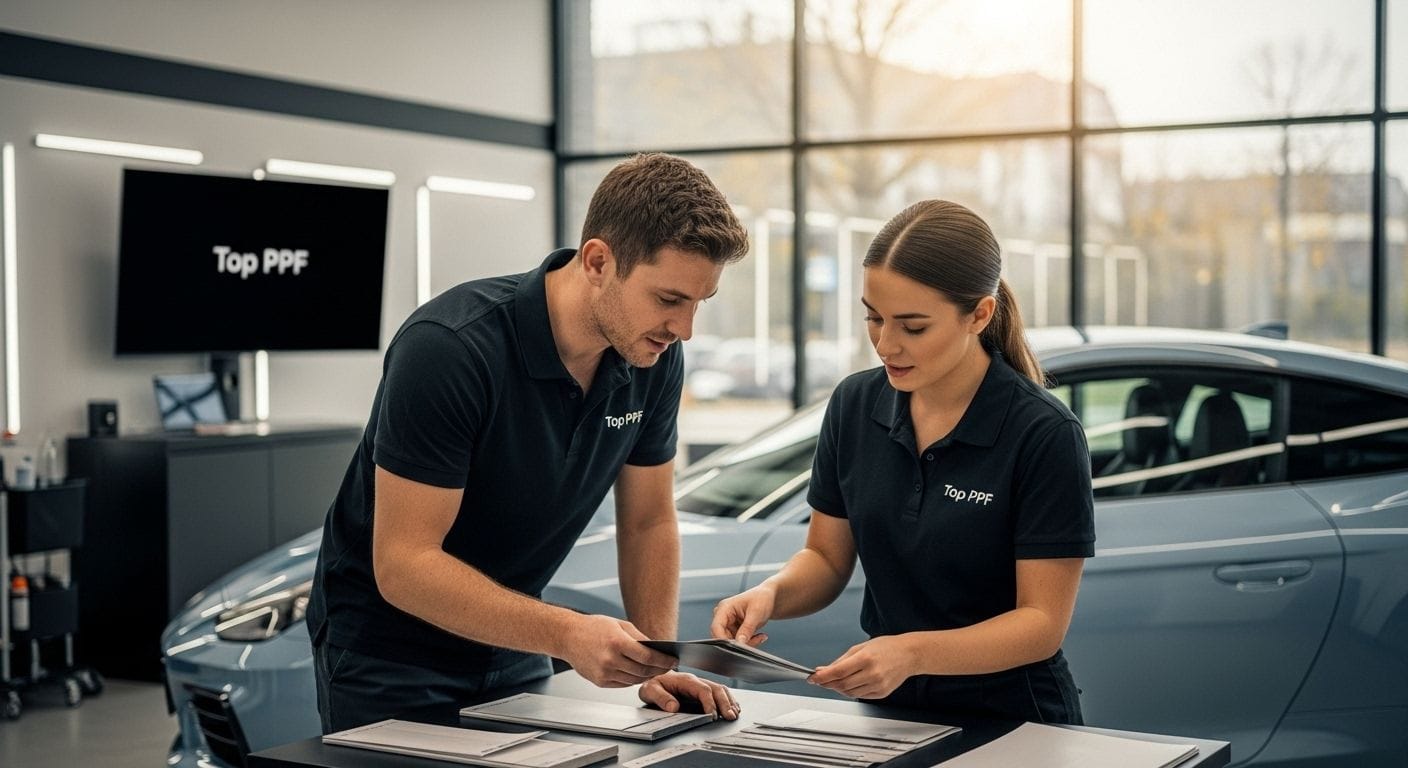
Most professional PPF installers know that advanced software can cut material waste by up to 25 percent on every project. In a competitive market stretching from American dealerships to British luxury garages, precision and efficiency are the keys to growth and client satisfaction. This guide breaks down the core principles of full car PPF, coverage types, installation challenges, and the exact technology that empowers you to deliver flawless protection while reducing costs.
Table of Contents
- Defining Full Car PPF And Core Principles
- Types Of Coverage And Key Film Variations
- How Full Car PPF Works In Practice
- Pricing, Value, And ROI Considerations
- Common Pitfalls And Professional Solutions
- Software’s Role In Precision And Efficiency
Key Takeaways
| Point | Details |
|---|---|
| Full Car PPF Provides Comprehensive Protection | Full Car Paint Protection Film covers all vehicle surfaces, safeguarding against environmental damage and minor impacts. |
| Advanced Films Offer Enhanced Features | PPF technologies include self-healing properties and varying material compositions for improved durability and ease of maintenance. |
| Professional Installation is Crucial | Precise application ensures optimal adhesion and performance, reducing the risk of common installation errors. |
| Cost Considerations Reflect Value | Investing in quality PPF can significantly enhance a vehicle’s resale value and reduce long-term maintenance costs. |
Defining Full Car PPF and Core Principles
Paint Protection Film (PPF) represents a sophisticated technological solution for comprehensive vehicle paint preservation. This transparent thermoplastic urethane film serves as an advanced protective barrier designed to shield automotive surfaces from environmental damage and minor physical impacts.
The core principles of full car PPF centre on a multi-layered engineering approach that delivers exceptional protection. Fundamentally, PPF comprises three critical layers: a top urethane-based coating providing scratch resistance and gloss, a polymer impact-absorption layer, and a specialised adhesive backing. These layers work synergistically to create a robust defence mechanism against stone chips, insect residue, minor abrasions, and ultraviolet radiation.
Full car PPF goes beyond localised panel protection by offering comprehensive coverage across the entire vehicle. Professional installers apply the film meticulously to vulnerable areas including bonnet, wings, bumpers, side mirrors, and headlight surrounds. The film’s remarkable self-healing properties mean that minor scratches can effectively disappear when exposed to moderate heat, maintaining the vehicle’s pristine aesthetic appearance.
Pro tip: When selecting a PPF solution, prioritise films with proven multi-layer construction and documented self-healing capabilities to ensure maximum long-term paint protection.
Types of Coverage and Key Film Variations
Paint protection film coverage represents a nuanced spectrum of automotive preservation strategies, ranging from targeted panel protection to comprehensive vehicle shielding. Coverage options strategically address different protection requirements, with professional installers typically focusing on high-impact zones that experience maximum environmental stress.
PPF variations encompass several distinct categories, each engineered with unique performance characteristics. The primary coverage types include:
- Partial Front Coverage: Protecting critical front-facing surfaces
- Full Front Coverage: Comprehensive protection for entire front-facing vehicle sections
- Full Vehicle Wrap: Total exterior surface protection
Film technologies have evolved significantly, introducing advanced material compositions such as wax coatings, ceramic treatments, and innovative graphene-based formulations. Graphene and ceramic-based films demonstrate superior durability, offering enhanced resistance against UV radiation, chemical contaminants, and mechanical abrasions.
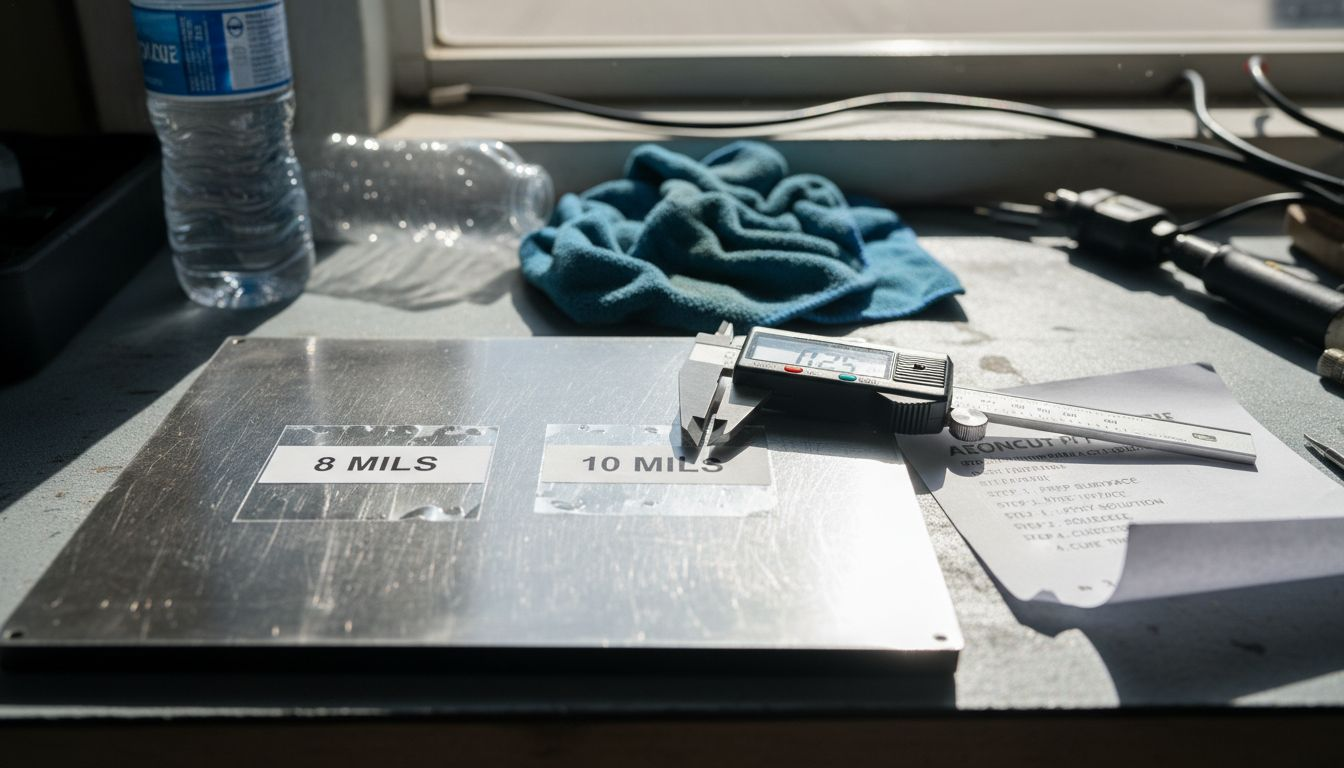
Professional-grade PPF products typically range from 8-10 mils thickness, providing robust protection against rock impacts at speeds up to 120 mph. These premium films often incorporate self-healing properties and carry extended warranties ranging from 7-10 years, representing a significant investment in long-term vehicle preservation.
Pro tip: Select PPF coverage that matches your specific driving conditions, prioritising high-impact areas like bonnets and front wings for maximum protective efficiency.
The table below summarises advanced PPF technologies and their key features:
| Technology Type | Distinguishing Feature | Main Benefit |
|---|---|---|
| Standard Urethane | Multi-layer impact absorption | Reliable everyday protection |
| Ceramic-Coated | Enhanced hydrophobic property | Easier cleaning and care |
| Graphene-Infused | Exceptional abrasion resistance | Longer lasting appearance |
Here is a comparison of primary PPF coverage types and their typical advantages:
| Coverage Type | Areas Protected | Cost Range (UK, approx.) | Typical Buyer Scenario |
|---|---|---|---|
| Partial Front | Bonnet edge, front bumper, mirrors | £1,500–£2,500 | Commuters on motorways |
| Full Front | Entire bonnet, wings, bumper | £2,500–£4,000 | Sports car or executive owners |
| Full Vehicle Wrap | All exterior painted surfaces | £4,500–£6,000+ | Collectors and long-term keepers |
How Full Car PPF Works in Practice
Paint Protection Film (PPF) installation is a meticulous process requiring precision, specialised skills, and a controlled environment. The practical application involves several critical steps, beginning with comprehensive surface preparation that ensures optimal film adhesion and performance.
The installation process typically follows these key stages:
- Surface Preparation
- Thorough vehicle washing
- Chemical decontamination
- Paint correction if required
- Complete surface drying
- Film Application
- Positioning pre-cut or bulk PPF
- Using slip solutions for precise placement
- Carefully aligning with vehicle contours
- Finishing Techniques
- Squeegeeing to remove air bubbles
- Tucking and wrapping film edges
- Applying controlled heat for improved conformity
Professional installers utilise specialised techniques to ensure the film’s multi-layered composition creates a sacrificial protective barrier. The application requires technical expertise, with installers carefully managing moisture, air bubbles, and film tension to achieve seamless coverage.
Post-installation, vehicles require a curing period, typically several days, during which owners must avoid high-pressure washing to allow complete adhesion and activate the film’s self-healing properties.
Pro tip: Allow your newly installed PPF to cure undisturbed for at least 48 hours, avoiding car washes and minimising unnecessary surface contact to ensure optimal adhesion and performance.
Pricing, Value, and ROI Considerations
Paint Protection Film (PPF) represents a strategic investment in vehicle preservation, with pricing structures that vary significantly based on coverage and quality. Cost analysis reveals substantial variation in installation expenses, ranging from approximately £1,500 for partial front coverage to over £6,000 for comprehensive full vehicle applications.
The financial considerations of PPF extend far beyond initial installation costs. Key pricing factors include:
Coverage Extent
- Partial front protection
- Full front coverage
- Complete vehicle wrapping
Film Quality Variations
- Entry-level films
- Mid-range professional options
- Premium high-durability selections
Return on investment materialises through multiple channels, including reduced paint repair expenses, enhanced resale value, and long-term aesthetic preservation. Professional-grade PPF can effectively defer costly repainting and maintain higher vehicle condition grades, making it an astute financial strategy for discerning vehicle owners.
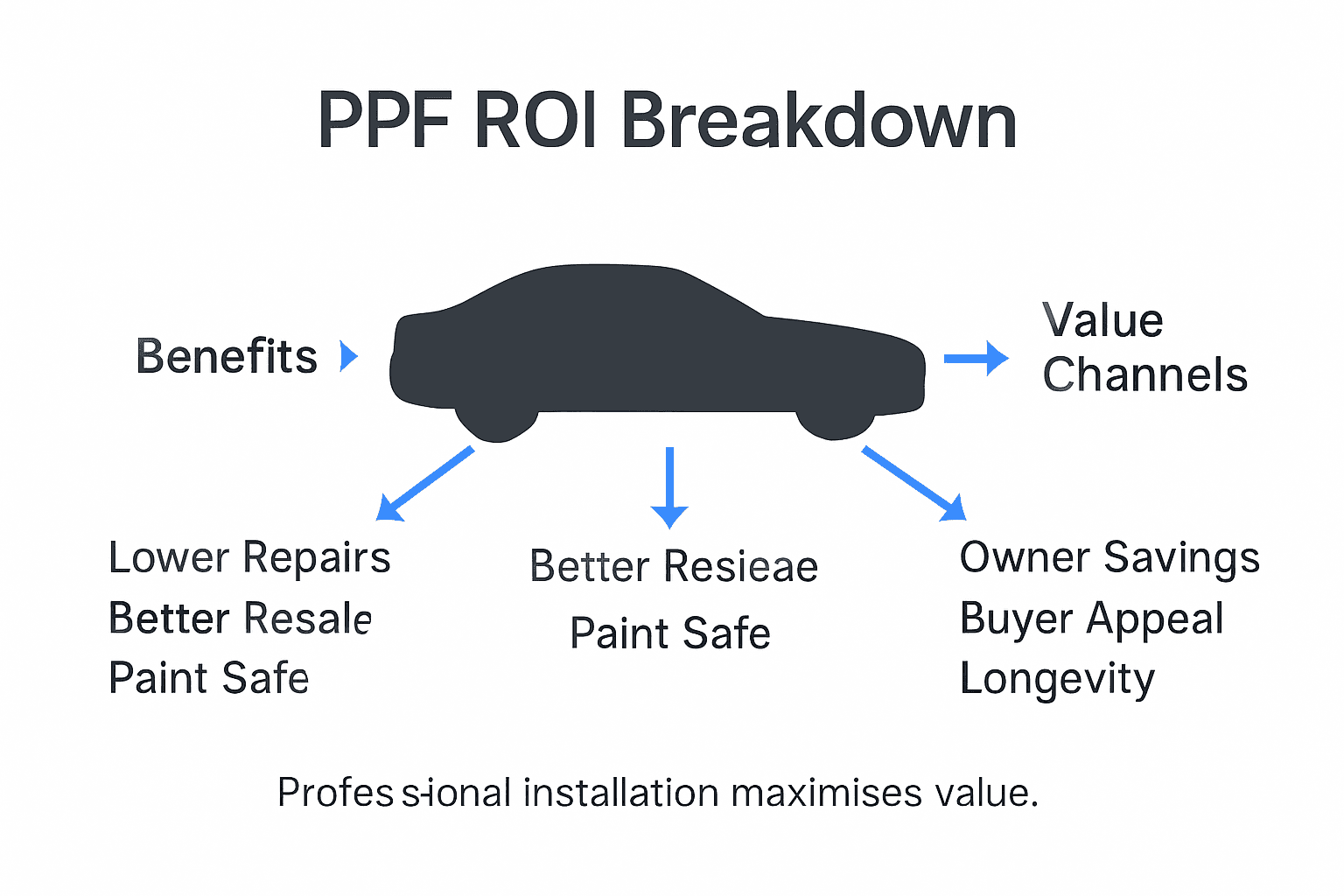
While dealerships might not directly appraise PPF value, private buyers consistently demonstrate willingness to pay premium prices for vehicles with immaculate paint preservation. The indirect financial benefits become particularly pronounced for owners maintaining vehicles over extended periods, where pristine exterior conditions translate directly into superior market positioning.
Pro tip: Consider obtaining multiple quotes from certified installers, comparing film quality, warranty terms, and total coverage to maximise your PPF investment’s long-term value.
Common Pitfalls and Professional Solutions
Paint Protection Film (PPF) installation demands exceptional precision, with numerous potential challenges threatening successful application. Professional installers must navigate a complex landscape of potential complications that can compromise film performance and vehicle aesthetics.
Common PPF installation pitfalls include:
Surface Contamination
- Residual dirt and oils
- Insufficient cleaning protocols
- Inadequate paint preparation
Application Technical Challenges
- Misalignment during placement
- Trapped air bubbles
- Uneven film tension
- Improper edge tucking
Professional solutions require a methodical, multi-step approach addressing each potential failure point. This involves rigorous surface preparation techniques including thorough washing, clay bar treatment, and isopropyl alcohol wipe-downs to ensure pristine substrate conditions. Precision cutting using computer-aided design (CAD) software and specialised plotters enables accurate template generation, minimising potential misalignment risks.
Skilled installers leverage advanced techniques such as slip solutions for film repositioning, strategic squeegee pressure application, and post-installation edge wrapping to guarantee seamless, bubble-free coverage. These professional interventions transform potentially problematic installations into flawless protective treatments that maintain vehicle aesthetics and long-term paint integrity.
Pro tip: Invest in comprehensive training and high-quality tools, recognising that precision equipment and skilled technique are fundamental to avoiding costly PPF installation mistakes.
Software’s Role in Precision and Efficiency
Paint Protection Film (PPF) installation has been fundamentally transformed by advanced software technologies that revolutionise precision and workflow efficiency. Modern cutting software provides comprehensive solutions that address multiple critical aspects of professional PPF application.
Key technological advantages include:
Precision Template Generation
- Vehicle-specific pattern databases
- Accurate cutting templates
- Customisable design options
Workflow Optimisation
- Automated pattern nesting
- Material waste reduction
- Faster installation processes
- Standardised quality control
Advanced software platforms offer intelligent features that go beyond traditional cutting techniques. These tools leverage extensive vehicle databases, enabling installers to access precise pre-cut patterns for virtually every make and model. The integration of artificial intelligence allows for sophisticated pattern optimization, ensuring maximum material utilization and minimising potential waste.
Professional-grade PPF software transforms installation from a manual, error-prone process to a streamlined, data-driven approach. Real-time updates, extensive vehicle libraries, and intuitive interfaces empower installers to deliver consistently superior results, reducing human error and improving overall service quality.
Pro tip: Invest in software solutions that offer regular updates and comprehensive vehicle model databases to maintain cutting-edge installation precision and efficiency.
Elevate Your Full Car PPF Installation with Precision and Efficiency
The challenge of achieving flawless full car paint protection film installation lies in balancing meticulous coverage with minimised material waste and maximised value. This article highlights the importance of multi-layered, self-healing films applied flawlessly to protect vehicles from environmental and physical damage. If you are aiming to reduce risks such as misalignment, air bubbles, and inconsistent film tension while delivering exceptional results, embracing advanced PPF software tools is essential.
Unlock greater control over your projects with AEONCUT’s innovative solutions. Our platform provides extensive PPF precut pattern libraries, AI-driven auto-nesting for material efficiency, and precision cutting options designed specifically for professional installers and serious enthusiasts focused on full vehicle coverage. Step into the future of automotive protection with our Paint Protection Film category offering complete support through reliable, up-to-date templates and workflow optimisation.
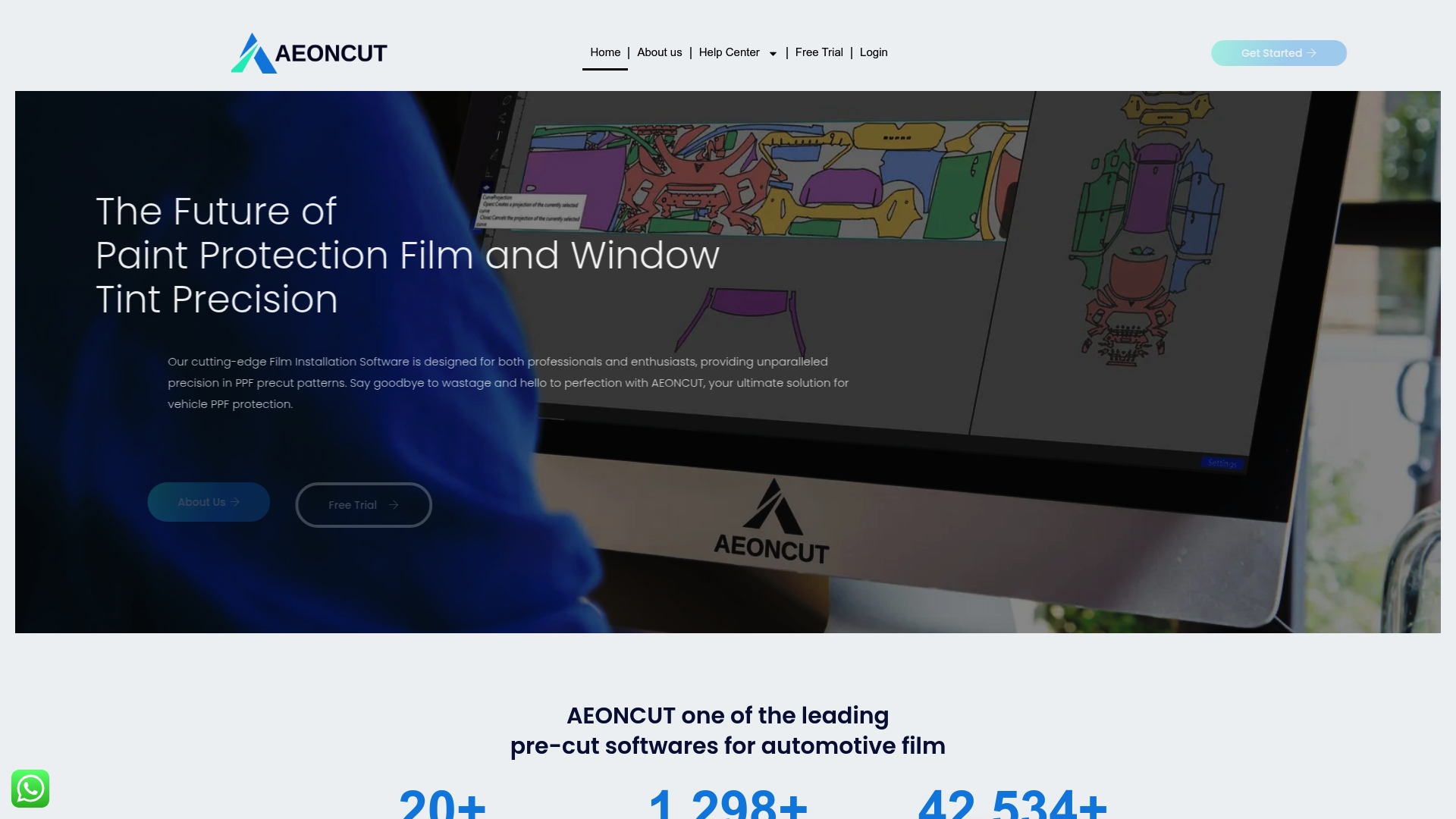
Don’t leave your PPF application to chance. Visit https://aeoncutsw.com now to discover how AEONCUT software can minimise installation risks, drive efficiency, and maximise the value of your paint protection projects. Take the next step today for sharper, faster, and more consistent full car PPF results.
Frequently Asked Questions
What is Full Car PPF and how does it work?
Full Car PPF, or Paint Protection Film, is a transparent thermoplastic urethane film applied to a vehicle’s exterior surfaces to protect against scratches, stone chips, and environmental damage. It works through a multi-layer construction that absorbs impacts and has self-healing properties to maintain a visually appealing finish.
What are the benefits of using Paint Protection Film?
The benefits of Paint Protection Film include enhanced protection against minor abrasions, UV radiation, and contaminants, as well as maintaining the vehicle’s aesthetic value over time. Additionally, it can prevent costly paint repairs and may ultimately enhance the vehicle’s resale value.
How long does Paint Protection Film typically last?
The lifespan of Paint Protection Film can range from 7 to 10 years, depending on the quality of the film and the conditions to which the vehicle is exposed. Professional-grade films with self-healing properties offer extended durability and protection.
What are the common pitfalls during PPF installation?
Common pitfalls during PPF installation include surface contamination, improper film alignment, trapped air bubbles, and uneven tension. These issues can be mitigated with thorough surface preparation, precise application techniques, and trained professionals using advanced tools for optimal results.
Recommended
- Top Paint Protection Film Benefits for Auto Professionals 2025 – AEONCUT PPF Pre-cut Cutting software
- Building a PPF Business in 2025: From Tools to First Clients – AEONCUT PPF Pre-cut Cutting software
- Building a PPF Business in 2025: From Tools to First Clients – AEONCUT PPF Pre-cut Cutting software
- Building a PPF Business in 2025: From Tools to First Clients – AEONCUT PPF Pre-cut Cutting software