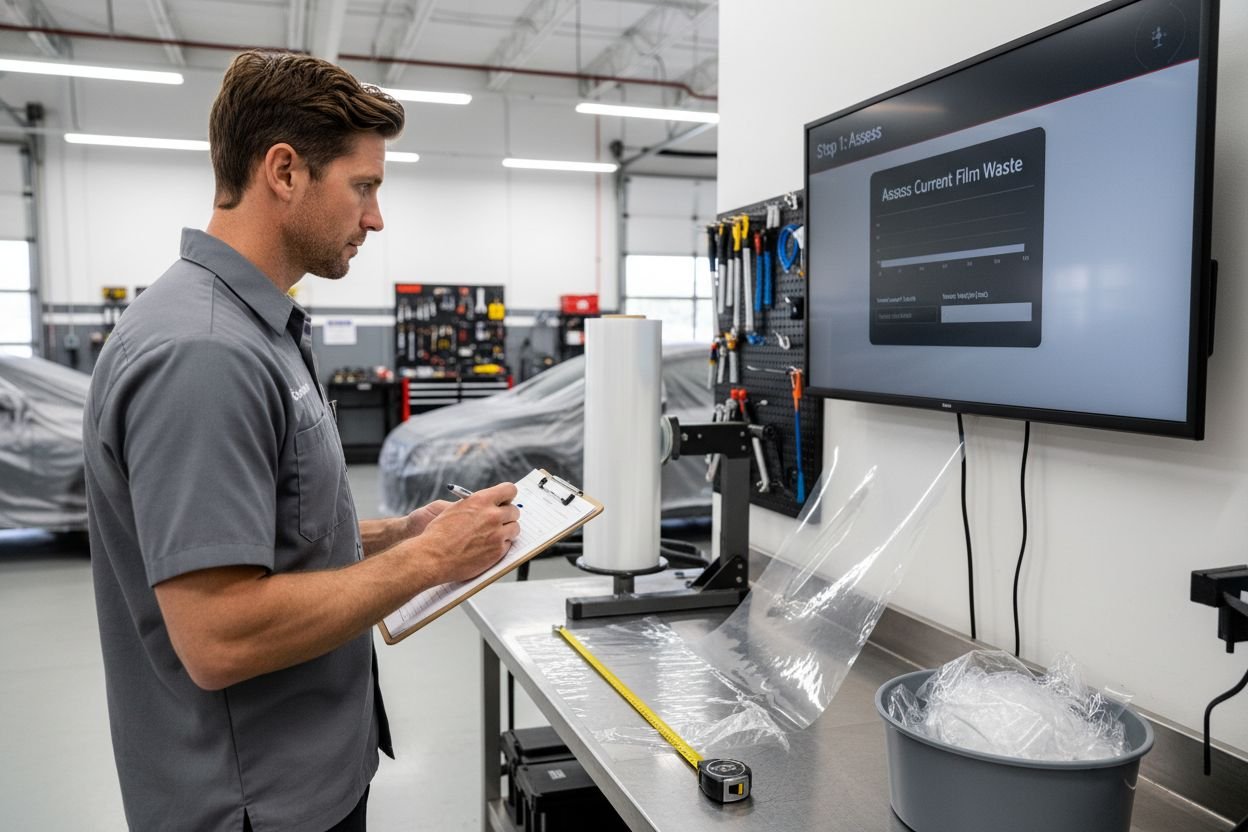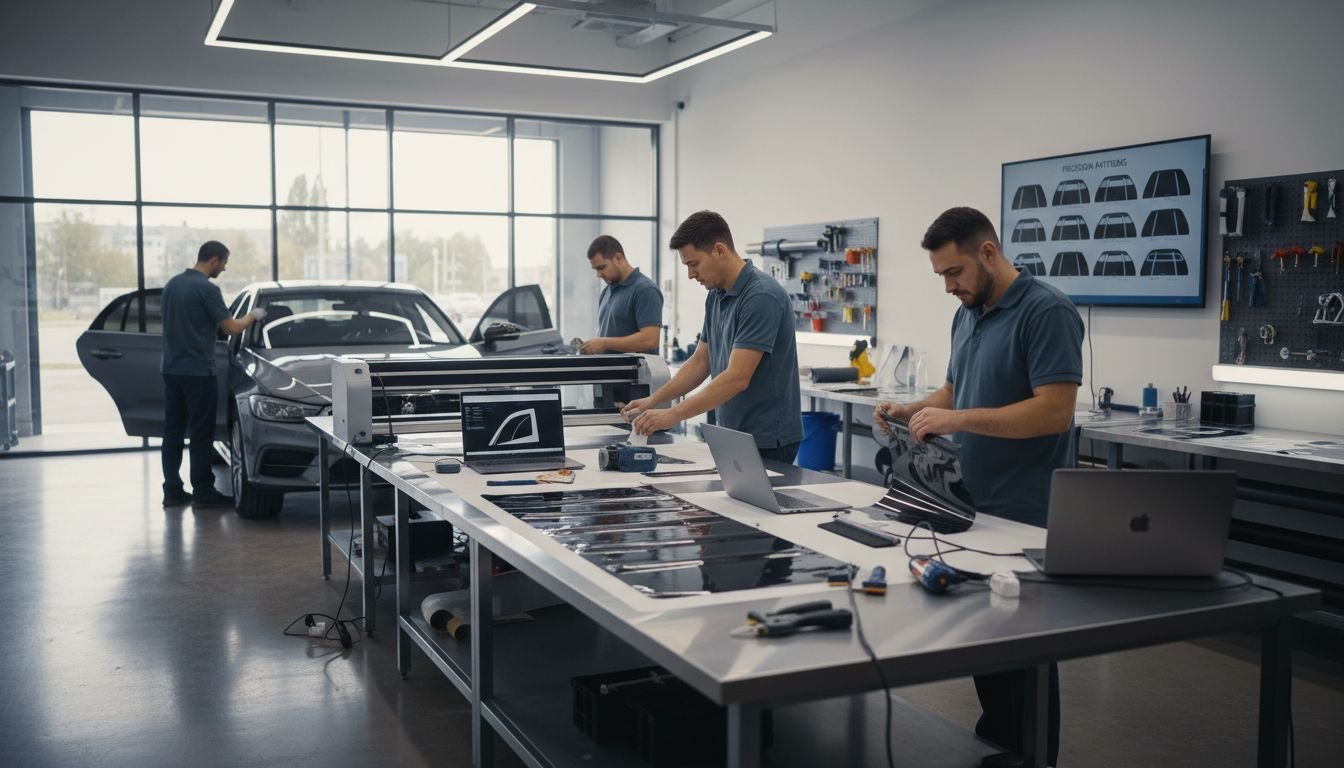
Most professional PPF installers in North America face a dilemma when choosing between advanced Paint Protection Film and cutting-edge coating systems—especially as british and American technologies keep evolving at a rapid pace. With over 80 percent of clients now requesting long-term, minimal-maintenance solutions, the differences between these protective options matter more than ever for maximizing efficiency and reducing material waste. This guide will clarify what sets high-quality PPF and coatings apart so your projects consistently deliver top-tier results while meeting modern demands.
Table of Contents
- Defining PPF And Coating Solutions
- Application Methods And Industry Innovations
- Durability, Protection, And Maintenance Needs
- Cost, Longevity, And Value Analysis
- How To Choose For Client Demands
Key Takeaways
| Point | Details |
|---|---|
| Differences in Protection | Paint Protection Film (PPF) offers robust physical protection, while coatings provide a thin, molecular-level shield. |
| Advancements in Application | Modern methods have improved the precision and effectiveness of both PPF and coating applications. |
| Cost Analysis Considerations | Understanding the total lifecycle costs is crucial for assessing the economic benefits of PPF versus coatings. |
| Client-Centric Recommendations | Detailed client consultations are essential for tailoring protective solutions to individual vehicle needs and usage. |
Defining PPF and Coating Solutions
Paint Protection Film (PPF) and protective coatings represent two distinct technologies designed to safeguard automotive surfaces, each offering unique protective characteristics for professional installers. PPF is a clear thermoplastic urethane film specifically engineered to shield painted surfaces from environmental damages like stone chips, bug splatters, and minor abrasions.
While PPF provides a physical barrier of transparent film directly applied to vehicle panels, protective coatings function differently. Coatings are complex systems composed of polymers, pigments, and additives designed to alter surface properties such as adhesion, gloss, and corrosion resistance. These liquid-applied solutions create a microscopic protective layer that chemically bonds with the underlying surface, offering enhanced durability and aesthetic improvements.
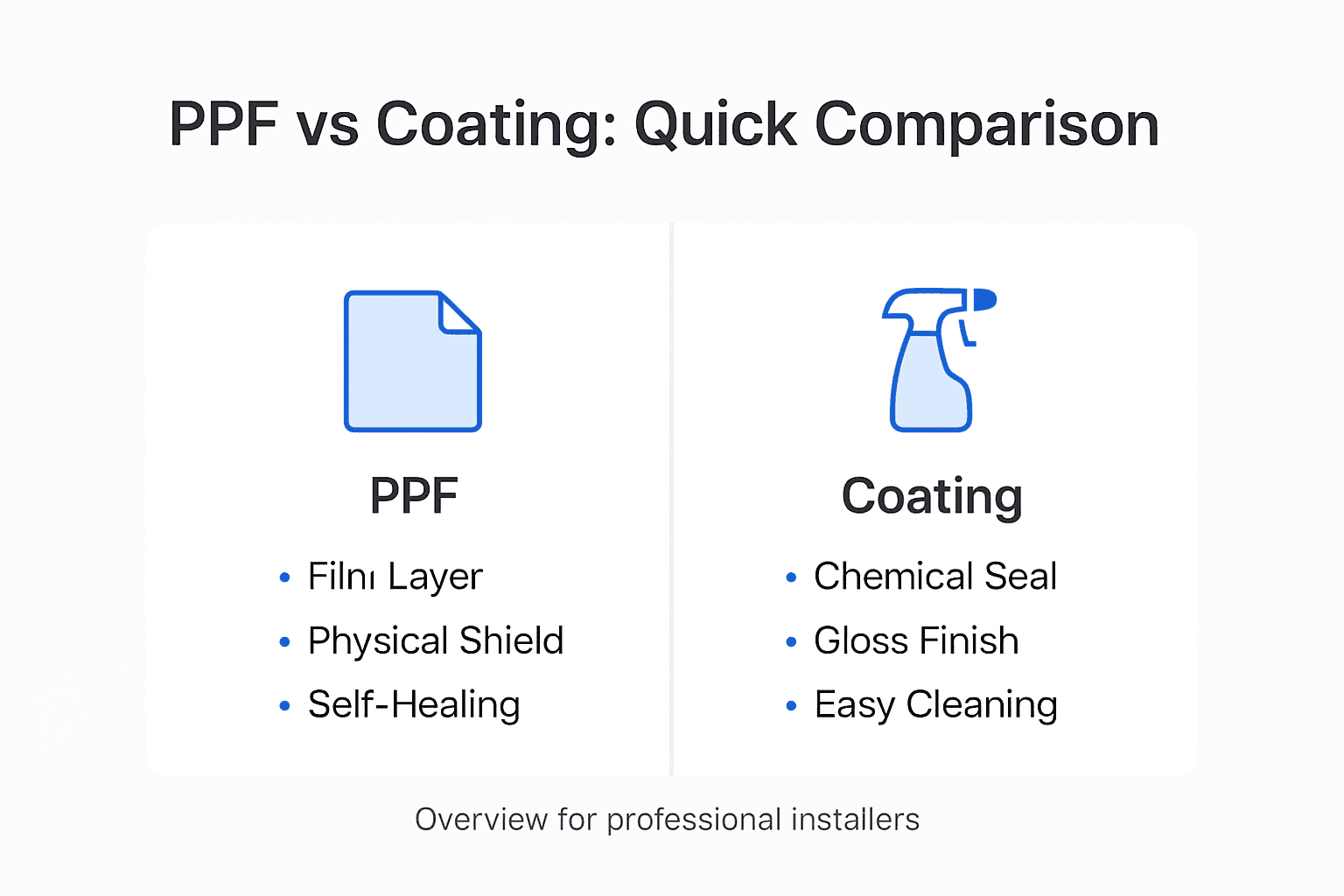
Understanding the core differences between PPF and coatings is crucial for automotive professionals. PPF offers robust physical protection through its thick, self-healing film, whereas coatings provide a thin but highly resilient molecular-level shield. Professional installers must consider factors like application complexity, durability, maintenance requirements, and client expectations when recommending these protective solutions.
Pro Tip: When selecting between PPF and coatings, always conduct a thorough vehicle surface assessment and discuss specific client protection needs to recommend the most appropriate solution.
Here is a concise comparison of Paint Protection Film (PPF) and advanced protective coatings for vehicles:
| Aspect | Paint Protection Film (PPF) | Protective Coatings (e.g., Ceramic) |
|---|---|---|
| Core Material | Thermoplastic urethane | Polymers with additives |
| Application Type | Physical film, cut and installed | Liquid applied, chemically bonded |
| Protection Style | Thick physical barrier | Thin molecular shield |
| Self-healing Ability | Present, heat-activated | Generally absent |
| Typical Longevity | 5-10 years with care | 2-5 years, depends on type |
| Client Preference | High-impact, long-term protection | Gloss enhancement, easier cleaning |
Application Methods and Industry Innovations
Modern automotive protective technologies have witnessed remarkable advancements in application methods, with sophisticated coating processes emerging across physical and chemical deposition techniques. These innovative approaches include thermal spraying, electrophoretic deposition, and micro-arc oxidation, enabling the creation of highly specialised protective layers that offer superior performance beyond traditional application methods.
For Paint Protection Film (PPF) and coating installations, professionals now have access to increasingly precise application techniques. Systematic investigations into coating application methods have revealed nuanced approaches like dipping, spraying, and specialised stencil techniques that provide more uniform and consistent protection. These methods are particularly crucial in automotive environments where precision and durability are paramount.
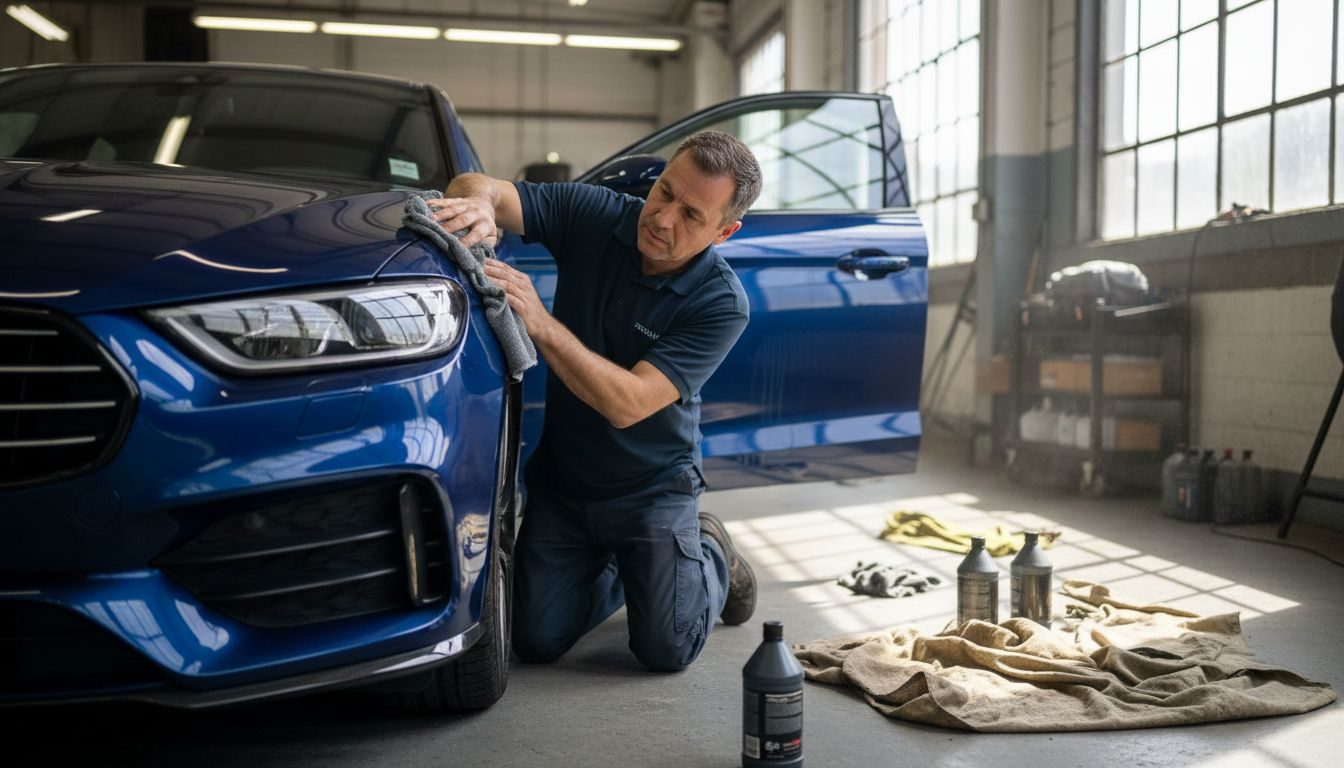
Industry innovations are driving significant improvements in protective film and coating technologies. Emerging techniques now focus on developing multifunctional coatings with smart capabilities such as self-healing properties, enhanced corrosion resistance, and nano-scale protective layers. Professional installers must stay updated on these technological advancements to provide cutting-edge protection solutions that meet increasingly sophisticated client expectations.
Pro Tip: Invest in continuous training and equipment upgrades to master the latest PPF and coating application techniques, ensuring your workshop remains at the forefront of automotive protection technologies.
Durability, Protection, and Maintenance Needs
Paint Protection Film (PPF) demonstrates remarkable durability through its sophisticated multi-layer polymer composition. The science behind PPF’s self-healing properties reveals an advanced system of elastomeric polymers that actively reorganise to minimise surface damage, providing automotive professionals with a robust protective solution that adapts and recovers from minor environmental challenges.
Unlike traditional coatings, PPF offers comprehensive protection against various environmental stressors. Its specialised urethane polymer structure includes integrated UV inhibitors that prevent yellowing and material degradation, ensuring long-term aesthetic and functional preservation. Professional installers appreciate PPF’s ability to resist scratches, minor abrasions, ultraviolet radiation, and environmental pollutants, making it a superior choice for clients seeking comprehensive vehicle protection.
Maintenance requirements for PPF differ significantly from standard protective coatings. Automotive professionals must emphasise gentle cleaning techniques, avoiding harsh chemical treatments that could compromise the film’s integrity. Regular maintenance involves using specialised cleaning solutions, minimising direct mechanical abrasion, and understanding the film’s temperature-sensitive self-healing mechanisms to maximise its protective capabilities and extend its operational lifespan.
Pro Tip: Recommend clients use microfibre cloths and pH-neutral cleaning solutions when maintaining PPF, and advise against high-pressure washing or abrasive cleaning techniques that might compromise the film’s protective properties.
Cost, Longevity, and Value Analysis
Paint Protection Film (PPF) and protective coatings represent significant investments for automotive professionals, requiring comprehensive lifecycle costing analysis to evaluate true economic value. This approach goes beyond simple upfront expenses, considering total installed costs including labour, supervision, materials, and long-term maintenance requirements that impact overall financial performance.
Life-cycle cost analysis frameworks provide critical insights into the economic decision-making process for protective solutions. While high-performance protective films might present higher initial investments, they frequently demonstrate superior value through reduced recurring maintenance costs and extended operational lifespans. Automotive professionals must consider probabilistic models that integrate real-time degradation data and adaptive maintenance strategies to make informed financial decisions.
The comparative value between PPF and traditional coatings hinges on multiple factors beyond immediate price points. Performance metrics such as durability, self-healing capabilities, UV resistance, and environmental adaptability play crucial roles in determining long-term cost-effectiveness. Professional installers should educate clients about the nuanced economic benefits of premium protective solutions, emphasising how slightly higher upfront costs translate into substantial savings through minimised repair and replacement expenses.
Pro Tip: Develop transparent cost comparisons for clients that highlight total lifecycle expenses, demonstrating how investing in high-quality PPF can provide significant economic advantages over traditional protective coating approaches.
The following table summarises the main cost and maintenance implications for each protection method:
| Factor | Paint Protection Film (PPF) | Protective Coating |
|---|---|---|
| Initial Investment | Higher upfront cost | Moderate initial cost |
| Maintenance Effort | Gentle cleaning advised | Frequent washing recommended |
| Lifecycle Expenses | Lower long-term repair costs | Higher touch-up frequency |
| Economic Benefit | Better for frequent exposure | Suits low-impact environments |
How to Choose for Client Demands
Professional installers must navigate complex decision-making processes when recommending protective solutions tailored to specific client vehicle requirements. Understanding the nuanced trade-offs between Paint Protection Film (PPF) and traditional coatings involves carefully evaluating client priorities such as budget, protection level, maintenance capabilities, and anticipated vehicle usage.
Automotive protective technologies differ fundamentally in material composition and functional characteristics, presenting distinct advantages for various client scenarios. PPF offers superior physical protection with self-healing properties, making it ideal for vehicles exposed to high-impact environments or driven in challenging conditions. Ceramic coatings, conversely, provide enhanced surface hardness and hydrophobic properties, appealing to clients prioritising aesthetic improvements and easier maintenance.
Successful recommendation strategies require comprehensive client consultations that explore detailed usage patterns, environmental exposure, and long-term protection expectations. Installers should develop systematic assessment frameworks that consider factors like vehicle type, parking conditions, driving frequency, and client maintenance willingness. By presenting clear comparisons of PPF and coating performance characteristics, professionals can guide clients towards solutions that optimally balance protection, appearance, and financial investment.
Pro Tip: Develop a structured client questionnaire that systematically captures vehicle usage details, enabling precise protective solution recommendations tailored to individual client needs and preferences.
Elevate Your PPF Installations with Precision and Ease
Dealing with the crucial differences between Paint Protection Film and coatings demands not only skill but also the right tools to deliver perfect results every time. Professional installers face challenges such as ensuring precise cuts, minimising material waste, and adapting to unique vehicle surfaces to provide clients with durable, high-impact protection. Our AEONCUT solutions address these pain points by offering an extensive library of accurate, customizable pre-cut patterns designed specifically for PPF installation. This enables installers to maximise efficiency and satisfaction while meeting demanding client expectations for superior protection and finish.
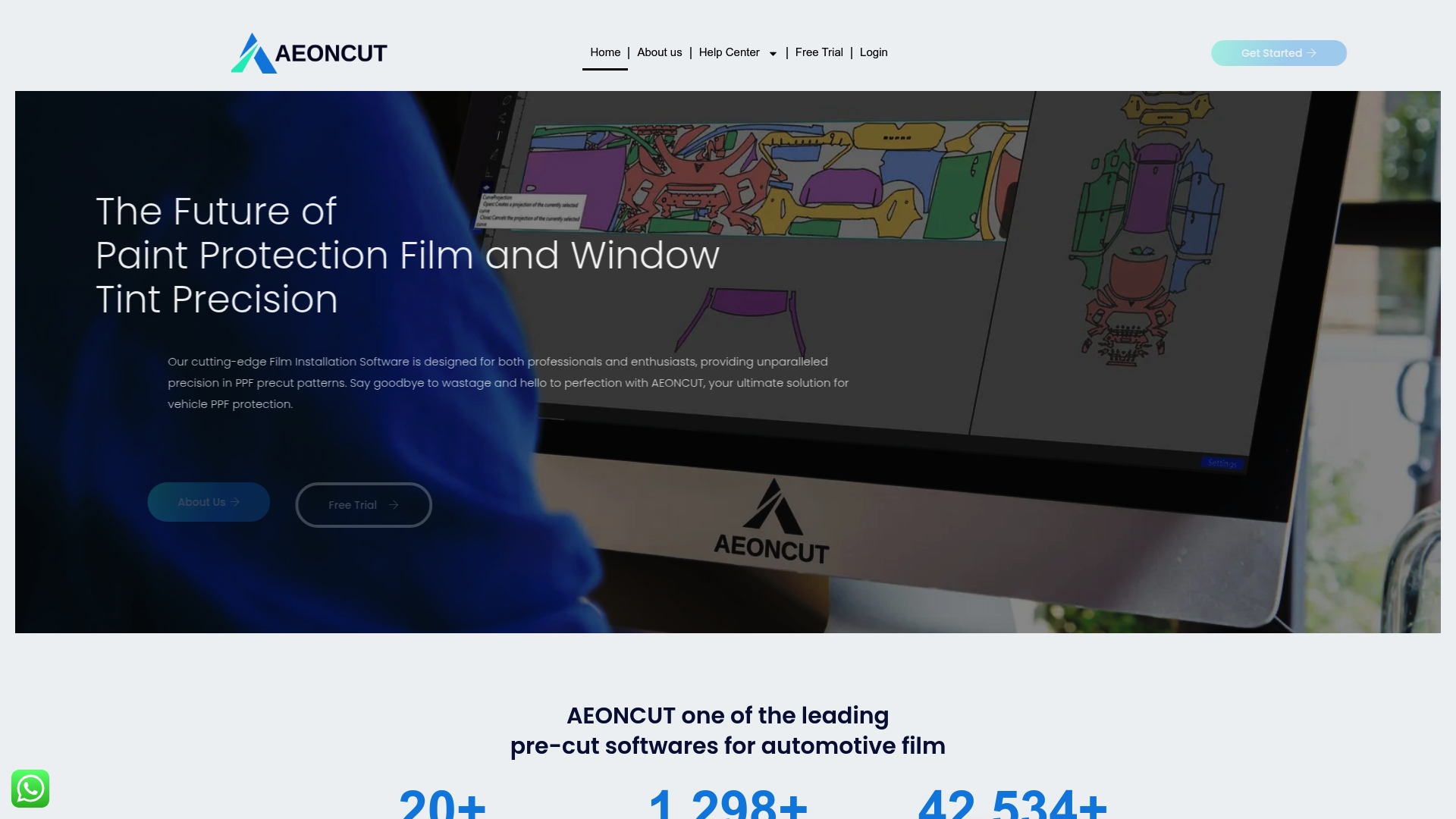
Experience the power of the leading PPF software – AEONCUT PPF Pre-cut Cutting software combined with top-tier Paint Protection Film – AEONCUT PPF Pre-cut Cutting software patterns. Start transforming your workflow today with subscriptions tailored for professionals who demand reliability and innovation. Visit AEONCUT now and bring precision cutting and cutting-edge technology into your workshop for outstanding client results.
Frequently Asked Questions
What is the main difference between Paint Protection Film (PPF) and protective coatings?
PPF is a clear thermoplastic urethane film that provides a physical barrier against environmental damage, while protective coatings are liquid-applied solutions that chemically bond to surfaces, offering a thin but durable shield.
How long can I expect Paint Protection Film (PPF) to last compared to protective coatings?
PPF typically lasts between 5-10 years with proper care, whereas protective coatings generally last 2-5 years depending on the type and environmental conditions.
Does Paint Protection Film (PPF) have self-healing properties?
Yes, PPF has self-healing capabilities that allow it to recover from minor abrasions when exposed to heat, making it advantageous for high-impact environments.
What maintenance is required for Paint Protection Film (PPF) compared to coatings?
PPF requires gentle cleaning with pH-neutral products and should avoid harsh chemicals, while coatings may require regular washing and might need more frequent touch-ups to maintain their appearance.
Recommended
- PPF Versus Ceramic Coating: Best Choice for Automotive Pros 2025 – AEONCUT PPF Pre-cut Cutting software
- Matte PPF vs Gloss PPF: Professional Comparison 2025 – AEONCUT PPF Pre-cut Cutting software
- Matte PPF vs Gloss PPF: Professional Comparison 2025 – AEONCUT PPF Pre-cut Cutting software
- Matte PPF vs Gloss PPF: Professional Comparison 2025 – AEONCUT PPF Pre-cut Cutting software