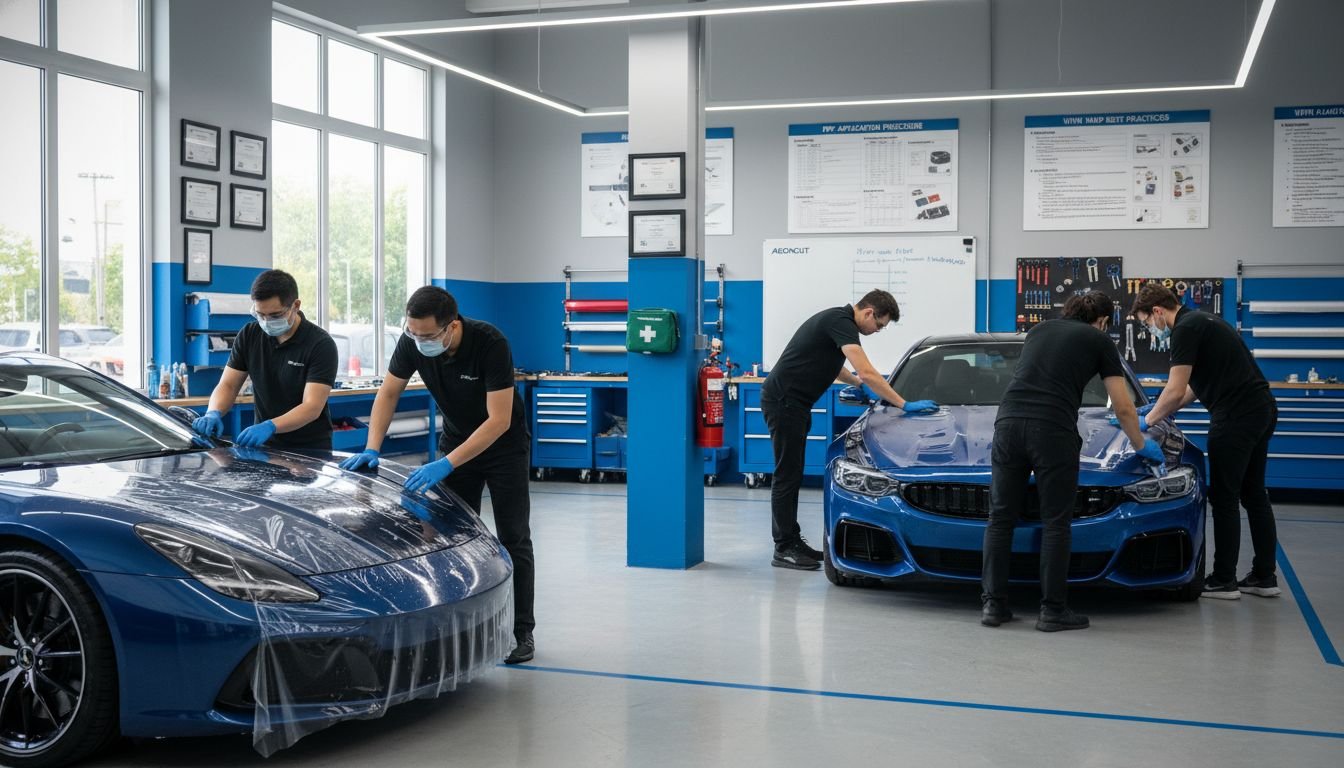
Over 90% of British drivers are exposed to ultraviolet rays inside their vehicles daily, yet most factory glass only blocks a fraction of this harmful radiation. For professional installers, mastering advanced UV protection film applications means healthier clients and pristine interiors while reducing costly material waste. This overview demystifies cutting-edge film technologies and reveals performance factors that set premium installations apart worldwide.
Table of Contents
- Defining Car Window UV Protection Film
- Types And Categories Of UV Protection Films
- How UV Protection Films Work
- Global Legal Regulations And Compliance
- Risks, Installation Pitfalls, And Alternative Solutions
Key Takeaways
| Point | Details |
|---|---|
| UV Protection Films are Essential for Vehicles | They block harmful ultraviolet radiation and protect both occupants and vehicle interiors from damage. |
| Types of Films Vary in Performance | Dyed, metallic, ceramic, and hybrid films each offer different levels of UV blocking and durability. |
| Compliance with Local Regulations is Crucial | Each region has specific tinting laws that must be followed to avoid legal issues. |
| Professional Installation is Key | Proper installation techniques can prevent performance issues and ensure long-term effectiveness of the film. |
Defining car window UV protection film
Car window UV protection film is a specialised thin layer of polyester material designed to block harmful ultraviolet radiation from penetrating vehicle glass. Automotive glass has inherent limitations in blocking UV rays, particularly through tempered side and rear windows that permit significant UVA transmission. These protective films serve as critical barriers against solar radiation, offering comprehensive defence for vehicle occupants and interiors.
The primary function of UV protection films involves strategically absorbing or reflecting ultraviolet wavelengths using advanced multi-layered technologies. Multi-layered polyester laminates with embedded UV-absorbing agents often incorporate ceramic, metallic, or nano-carbon coatings to enhance protection. These sophisticated materials work by intercepting harmful radiation before it can penetrate the glass, significantly reducing potential skin damage risks and preventing interior upholstery degradation.
UV protection films offer multiple benefits beyond radiation blocking. They improve driving comfort by reducing glare, minimising heat transmission, and providing an additional safety layer that helps hold glass fragments together during potential accidents. Professional installers can select from various film types with different opacity levels, UV blocking percentages, and aesthetic characteristics to match specific vehicle and customer requirements.
Pro tip: When selecting a UV protection film, always verify the specific ultraviolet radiation blocking percentage and ensure it meets professional automotive industry standards for comprehensive protection.
Types and categories of UV protection films
UV protection films for automotive windows can be categorised into several distinct types based on their composition, performance characteristics, and specific protective capabilities. Professional installers typically work with window tint types designed for different automotive applications, each offering unique advantages for vehicle protection and aesthetic preferences.
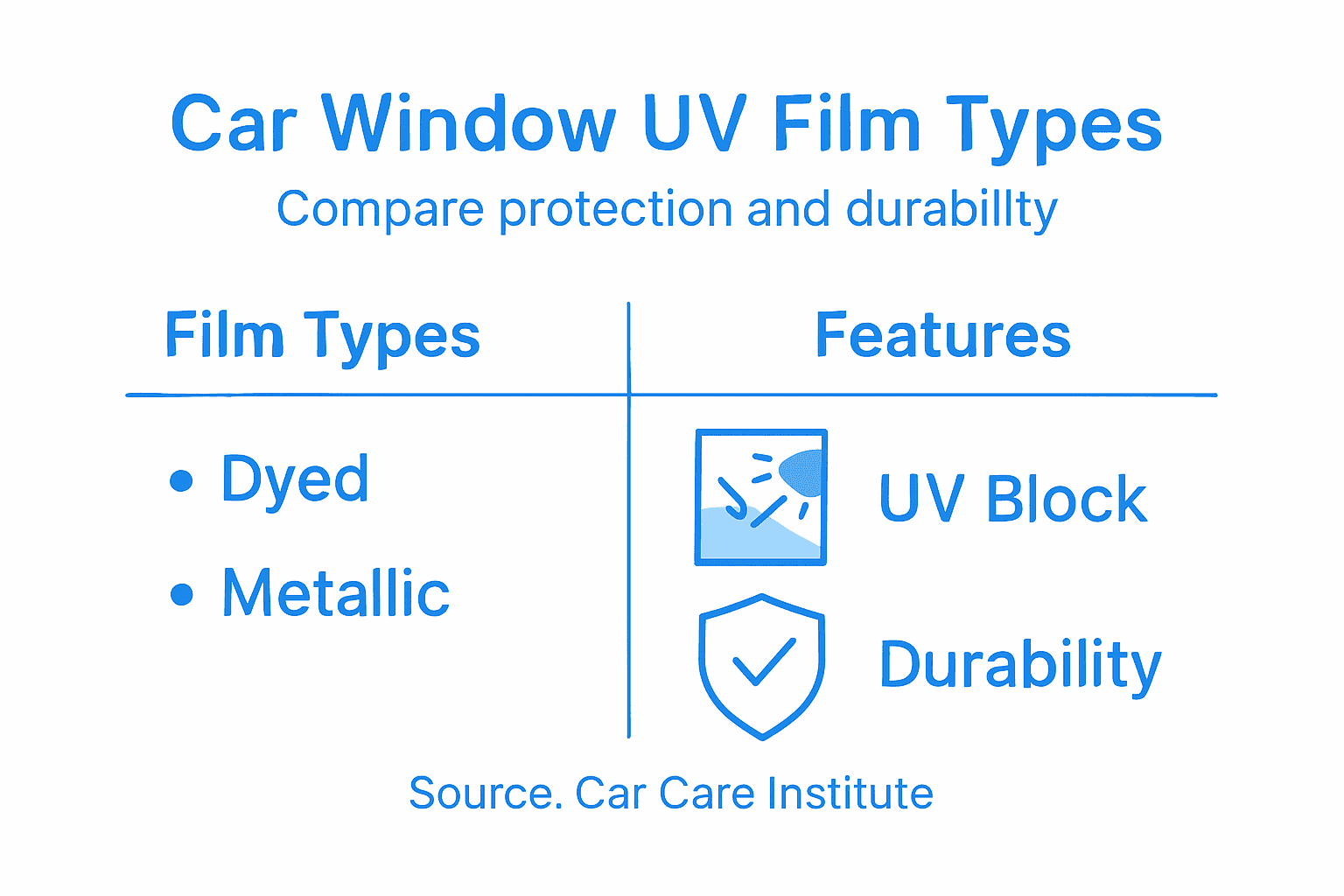
The primary categories of UV protection films include dyed films, metallic films, ceramic films, and hybrid compositions. Dyed films represent the most basic type, using a layer of dye to absorb solar radiation and provide minimal UV protection. Metallic films incorporate microscopic metal particles that reflect ultraviolet rays, offering enhanced heat rejection and durability. Ceramic films represent the most advanced technology, utilising non-metallic ceramic nanoparticles that provide superior UV blocking, heat reduction, and optical clarity without interfering with electronic signals.
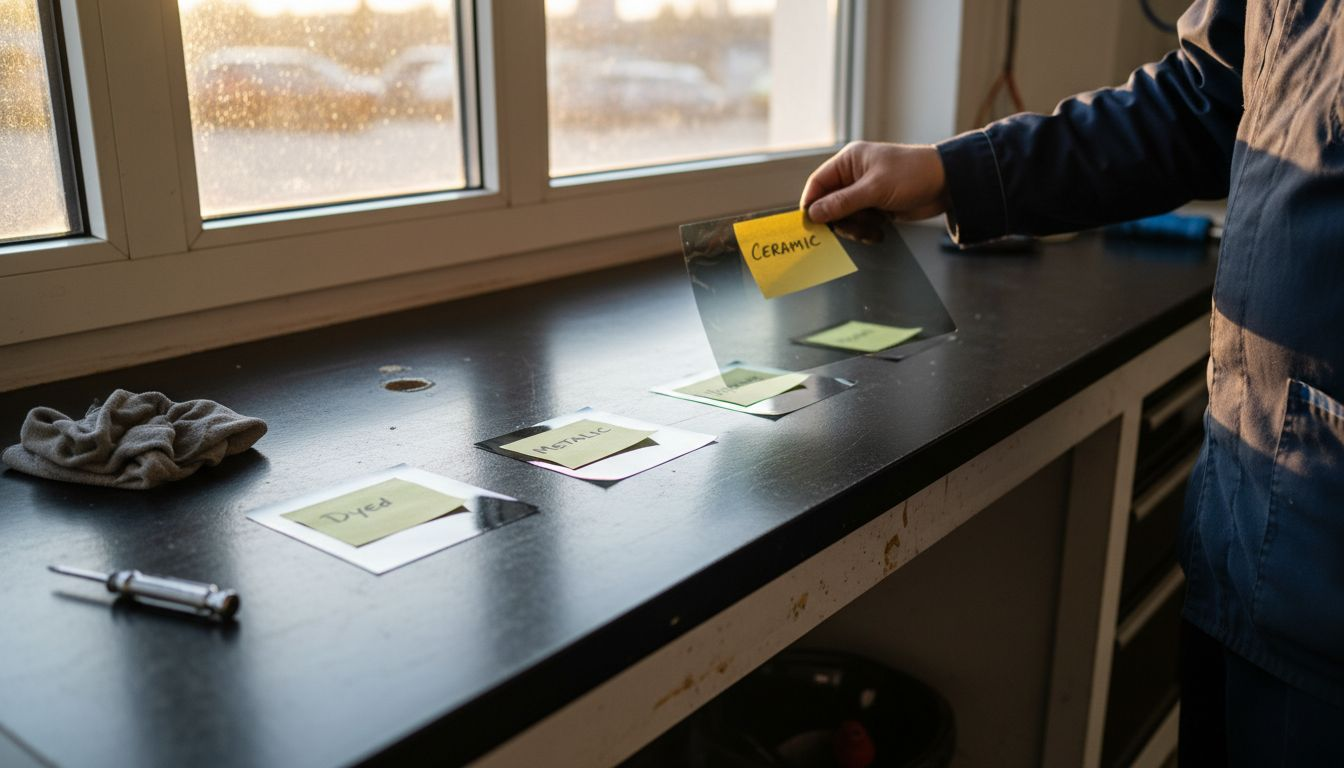
Each film category presents distinct performance metrics that professional installers must consider. Dyed films are the most economical but offer limited protection, while metallic films provide excellent heat rejection but may interfere with radio and GPS signals. Ceramic films represent the premium option, delivering exceptional UV protection, heat reduction, and signal transparency. Hybrid films combine multiple technologies to balance performance, cost, and aesthetic requirements, making them increasingly popular among discerning vehicle owners seeking comprehensive protection.
To clarify the distinctions among common car window UV protection film types, examine the key attributes below:
| Film Type | UV Blocking Efficiency | Signal Interference Risk | Durability |
|---|---|---|---|
| Dyed | Moderate (up to 50-70%) | None | Prone to fading |
| Metallic | High (up to 90%) | Possible | Very robust |
| Ceramic | Exceptional (over 99%) | None | Highly resilient |
| Hybrid | High (over 90%) | Minimal | Improved longevity |
Pro tip: Always recommend ceramic films for clients prioritising maximum UV protection and long-term interior preservation, as these advanced materials offer the most comprehensive defence against solar radiation.
How UV protection films work
UV protection films operate through sophisticated molecular engineering that creates a robust barrier against harmful solar radiation. Specialized microscopic particles distribute throughout the film, strategically designed to either absorb or reflect ultraviolet wavelengths before they can penetrate vehicle glass and damage interior surfaces or occupants.
The fundamental mechanism involves multi-layer polyester films embedded with advanced UV-absorbing compounds that can block up to 99% of UVA and UVB radiation. Different film technologies employ unique approaches to radiation management: ceramic particles provide superior heat reflection and UV blocking, while metallic particles create a reflective surface that redirects solar energy. These microscopic particles are precisely distributed to ensure comprehensive protection without compromising optical clarity or visible light transmission.
Technological variations in UV protection films determine their effectiveness and performance characteristics. Ceramic-based films represent the most advanced solution, utilising non-metallic nanoparticles that offer exceptional UV rejection, minimal signal interference, and superior heat reduction. Carbon-based films provide an alternative technology with similar protective capabilities, creating a molecular shield that prevents ultraviolet radiation from causing interior material degradation and potential skin damage during extended driving periods.
Pro tip: Select UV protection films with documented blocking percentages above 95% and verify the manufacturer’s scientific testing data to ensure comprehensive radiation protection for vehicle interiors.
Global legal regulations and compliance
Automotive window film regulations demonstrate significant international variation, with comprehensive tinting laws governing film installation across different jurisdictions. Each region establishes unique standards measuring visible light transmission (VLT), reflectivity, and placement restrictions to balance vehicle safety, driver visibility, and occupant protection.
Standards typically mandate specific requirements for different vehicle windows. Front windscreen regulations generally permit minimal tinting, usually restricting modifications to a narrow strip above the manufacturer’s AS-1 line. Front side windows commonly require higher VLT percentages, often mandating transparency levels around 70%, while rear and back windows may allow darker tint configurations. Professional installers must meticulously verify local regulations, as non-compliance can result in substantial fines, vehicle inspection failures, and potential legal complications.
International regulatory frameworks increasingly recognise advanced window films that combine safety and protective technologies. Many regions now incorporate standards recognising films with additional safety features, such as impact resistance and ultraviolet radiation blocking. Certification processes have become more sophisticated, with enforcement agencies utilising digital measurement tools to assess film transparency and reflectivity. Professional installers must maintain comprehensive knowledge of regional variations, understanding that compliance requirements can differ dramatically between countries and even between individual provinces or states.
For a quick reference of global car window film legal requirements, see the regulatory comparison:
| Region | Front Windscreen Limitations | Side Window VLT Requirement | Rear Window Tint Flexibility |
|---|---|---|---|
| United Kingdom | Only upper strip permitted | Minimum 70% VLT | Generally unrestricted |
| Australia | Strip above AS-1 line permitted | Minimum 35% VLT | Greater tint allowed |
| United States | Varies by state; usually limited | Typically 50-70% VLT | Often more lenient |
| Germany | Strip or full ban on windscreen | Strict 70% VLT | Variable by jurisdiction |
Pro tip: Always obtain current local regulatory documentation and invest in calibrated tint measurement devices to ensure precise compliance with regional window film standards.
Risks, installation pitfalls, and alternative solutions
UV protection film installation presents numerous technical challenges that can compromise performance and aesthetic quality. Common installation risks include air bubbles, dust contamination, and improper cutting, which can dramatically reduce film effectiveness and longevity. Professional installers must maintain meticulous workspace cleanliness, utilise precise cutting techniques, and employ specialised tools to minimise these potential defects.
Quality variations in UV protection films significantly impact long-term performance and protection. Lower-grade products may experience rapid degradation, including premature fading, shrinkage, and reduced UV blocking capabilities. Ceramic and high-performance multilayer films offer superior durability, with advanced molecular structures that resist environmental stressors. Professional installers should prioritise high-quality materials from reputable manufacturers, understanding that initial investment in premium films prevents costly future replacements and maintains optimal vehicle protection.
Alternative solutions exist for vehicle UV protection, though they often compromise comprehensive coverage. UV-blocking sprays provide temporary protection but lack the durability and comprehensive shielding of professional films. Factory-installed tinting offers limited protection, typically blocking only a fraction of harmful radiation compared to aftermarket solutions. For comprehensive protection, professionally installed multilayer UV films remain the most effective strategy, offering superior radiation blocking, heat reduction, and interior preservation.
Pro tip: Always conduct a thorough surface preparation and use professional-grade squeegees with microfibre edges to minimise air bubbles and ensure seamless window film installation.
Enhance Your Car Window UV Protection Film Installation with Precision Cutting Software
Ensuring effective car window UV protection film installation requires precision and accuracy to avoid common pitfalls such as bubbles, dust contamination, and improper cutting that can reduce film performance. This article highlights the importance of selecting advanced films like ceramic types and maintaining meticulous installation techniques to maximise UV blocking efficiency and vehicle interior safety. If you are a professional installer or a serious car enthusiast aiming for flawless application and superior results, it is essential to streamline your workflow with technology that guarantees minimal waste and perfect fit.
Discover how AEONCUT’s cutting-edge pre-cut pattern software empowers you to achieve outstanding outcomes. With an extensive library of window patterns, cloud-based updates, and AI-driven auto-nesting, you can reduce errors and save valuable time during installation. Whether you specialise in premium UV protection films or want to expand your service offering, explore the benefits of integrating digital precision in your process at window Tint – AEONCUT PPF Pre-cut Cutting software.
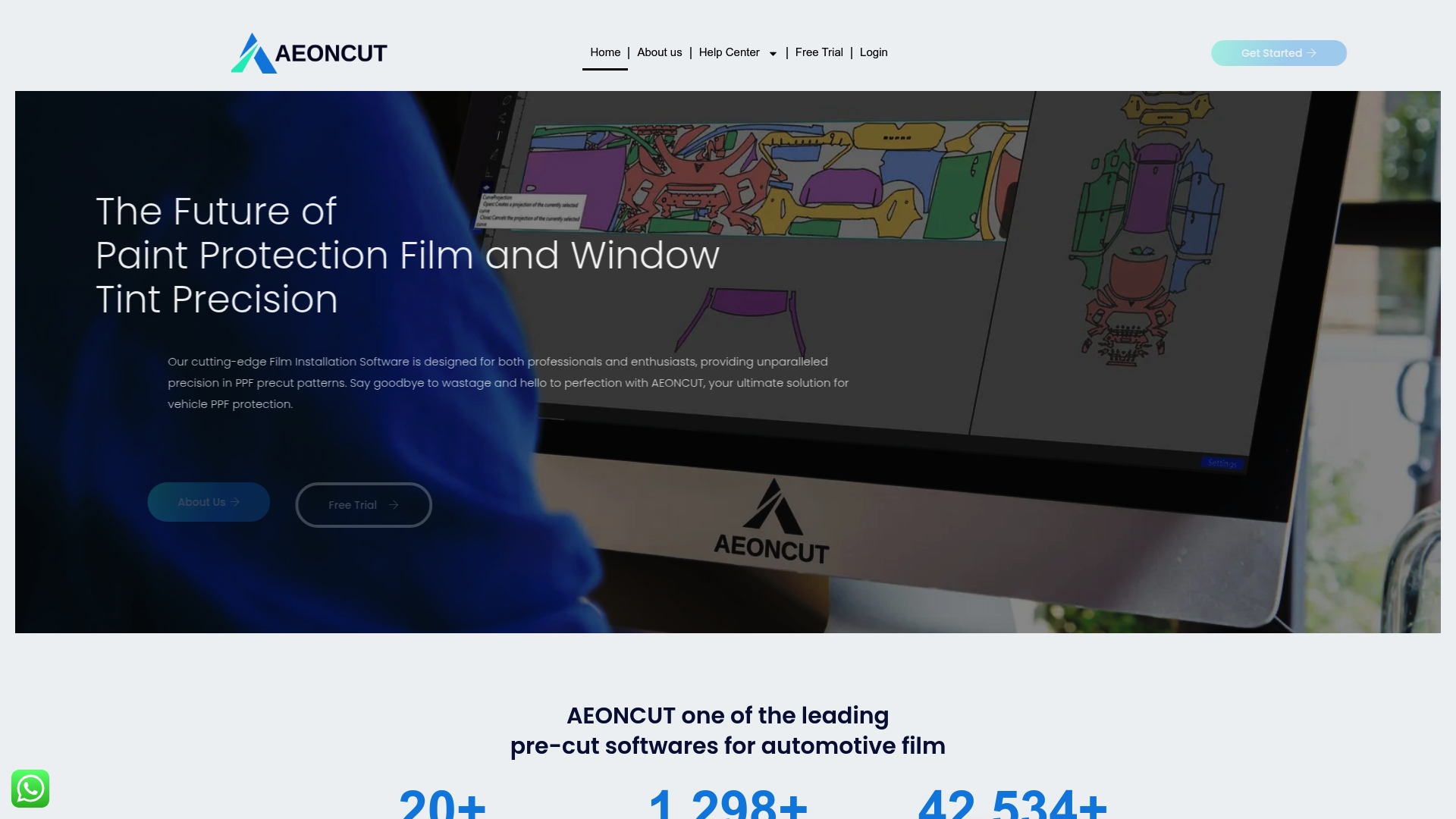
Take the next step to elevate your vehicle protection services and ensure your customers receive the safest, most effective UV protection film installations. Visit aeoncutsw.com today to learn more about flexible subscription plans and start transforming your tinting projects with the ultimate precision software. For detailed insights and updates, explore our uncategorised – AEONCUT PPF Pre-cut Cutting software section and stay ahead of industry standards.
Frequently Asked Questions
What is car window UV protection film?
Car window UV protection film is a specialized polyester layer designed to block harmful ultraviolet radiation from entering through vehicle glass, protecting both occupants and interiors from UV damage.
How do UV protection films work?
UV protection films operate by using advanced multi-layer technologies that absorb or reflect ultraviolet radiation before it can penetrate the glass, significantly reducing potential skin damage and protecting the interior of the vehicle.
What are the different types of UV protection films available for cars?
The main types of UV protection films include dyed films, which offer basic UV protection, metallic films that reflect UV rays, ceramic films with high UV blocking and heat reduction capabilities, and hybrid films that combine multiple technologies for optimal performance.
What are the benefits of using ceramic UV protection films?
Ceramic UV protection films provide exceptional UV filtering (over 99%), superior heat rejection, and maintain optical clarity without interfering with electronic signals, making them the best option for long-term interior preservation and driver comfort.
Recommended
- Understanding The Science of UV & IR Rejection in Automotive Window Films – AEONCUT PPF Pre-cut Cutting software
- Understanding The Science of UV & IR Rejection in Automotive Window Films – AEONCUT PPF Pre-cut Cutting software
- Understanding The Science of UV & IR Rejection in Automotive Window Films – AEONCUT PPF Pre-cut Cutting software
- Understanding The Science of UV & IR Rejection in Automotive Window Films – AEONCUT PPF Pre-cut Cutting software
- Blog | Optyx Auto Studio