Most British automotive detailing specialists face constant pressure to protect car interiors against harsh sunlight and everyday wear. With over 90 percent of high-end vehicles now featuring advanced plastic components, ensuring lasting durability has become an industry standard. This guide explores the latest protective solutions that help professionals maintain flawless surfaces, improve customer satisfaction, and deliver results trusted by European, Canadian, and American clients.
Table of Contents
- Defining Car Interior Plastic Protection
- Plastic Protection Film Types And Uses
- Key Characteristics Of Protective Solutions
- Professional Installation Process Explained
- Risks, Costs And Common Pitfalls To Avoid
Key Takeaways
| Point | Details |
|---|---|
| Importance of Protection | Car interior plastic protection is crucial for preserving both the aesthetic and functional integrity of automotive interiors. |
| Film Types Matter | Different protective films offer specialised benefits; selecting the right film based on the specific plastic type is essential. |
| Professional Installation | Proper installation techniques significantly impact the longevity and effectiveness of protection films, making professional expertise vital. |
| Awareness of Risks | Understanding potential installation risks and material compatibility is key to ensuring the effectiveness of the protective solutions applied. |
Defining car interior plastic protection
Car interior plastic protection represents a specialised approach to preserving the structural integrity and aesthetic quality of automotive interior surfaces. This strategic process involves applying advanced protective technologies to shield plastic components from environmental degradation, mechanical wear, and aesthetic damage.
The fundamental objective of interior plastic protection is to defend against multiple forms of potential damage. Polymer-based protective films are engineered to resist scratches, scuffs, ultraviolet radiation, and chemical exposure that can compromise plastic surfaces. These protective solutions typically involve thermoplastic urethane materials designed to self-heal minor abrasions while maintaining visual clarity and surface performance.
Automotive interior plastics face unique challenges from constant usage, temperature fluctuations, and direct sunlight exposure. Tailored protection strategies consider specific environmental conditions and usage patterns, ensuring that protective treatments address the precise degradation risks for different plastic components. Professional detailing specialists recognise that each vehicle interior presents distinct protection requirements based on materials, usage intensity, and environmental conditions.
Professional Tip: Always conduct a thorough surface assessment and choose protection films specifically matched to your vehicle’s unique interior plastic composition and anticipated usage conditions.
Plastic protection film types and uses
Automotive plastic protection films encompass a diverse range of specialised materials designed to safeguard vehicle interior surfaces from environmental and mechanical damage. Paint Protection Films (PPF) represent a sophisticated technological solution that offers comprehensive defence against potential deterioration of automotive plastics.
The primary categories of protective films include thermoplastic urethane-based solutions, which are engineered with unique performance characteristics. Polymer-specific protective coatings are meticulously developed to address the distinct chemical compositions of different plastic materials such as ABS, polycarbonate, and polyurethane. These films provide targeted protection by offering specific benefits like ultraviolet radiation resistance, scratch prevention, and chemical stability.
Different protection film types serve specialised purposes within automotive interiors. Transparent self-healing films can protect dashboard surfaces from sun damage, while more robust solutions defend high-contact areas like gear shifts and steering wheel surfaces from wear and abrasion. Professional-grade films are typically classified into categories based on thickness, flexibility, and specific protective properties, allowing detailing specialists to select precisely matched solutions for individual vehicle requirements.
The following table summarises core differences among common interior plastic protective film types:
| Film Type | Key Benefit | Typical Application Area |
|---|---|---|
| Thermoplastic urethane (TPU) | Self-healing and flexibility | Dashboards, curved trim |
| Polymer-specific coatings | Chemical resistance | High-contact buttons and panels |
| Multi-layered professional | Maximum durability, UV shield | Steering wheels, gear shifts |
Professional Tip: Select protection films that are specifically engineered for the exact polymer type of your vehicle’s interior surfaces to ensure maximum durability and aesthetic preservation.
Key characteristics of protective solutions
Protective solutions for automotive interior plastics represent a sophisticated blend of advanced material science and engineering designed to combat environmental and mechanical degradation. Protective films demonstrate remarkable performance characteristics that extend far beyond simple surface coverage, offering comprehensive preservation of vehicle interior materials.
The critical characteristics of high-performance protective solutions include exceptional transparency, remarkable flexibility, and advanced self-healing properties. These solutions must seamlessly conform to complex surface geometries without introducing visual distortions or compromising the original aesthetic. Restoration capabilities include UV protection and hydrophobic properties that actively replenish lost surface oils and create a robust barrier against environmental contaminants, dirt accumulation, and potential chemical damage.
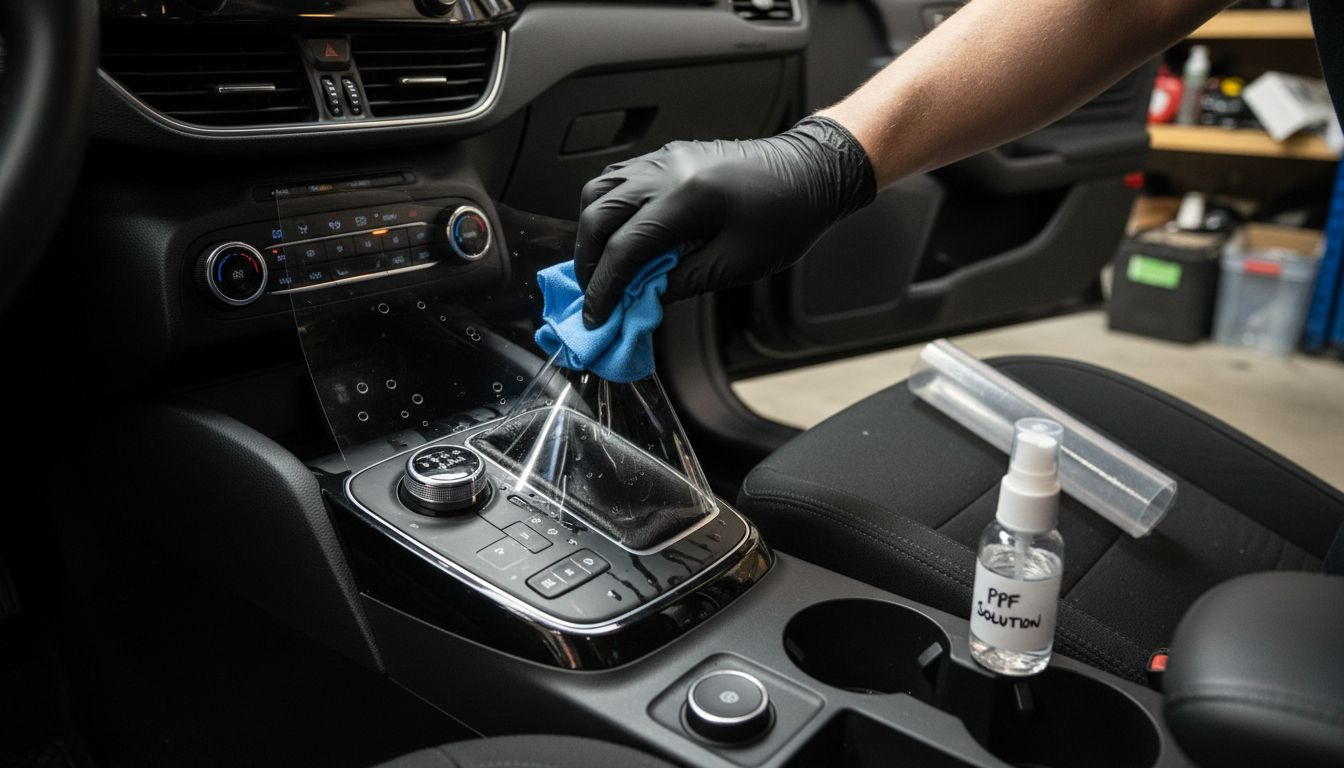
Professional-grade protective solutions are engineered with multi-layered approaches that address specific performance requirements. These include resistance to ultraviolet radiation, prevention of colour fading, mitigation of scratch potential, and maintenance of surface integrity under varying temperature conditions. Detailing specialists prioritise solutions that offer long-term durability, minimal maintenance requirements, and the ability to preserve the original texture and appearance of automotive interior plastics.
Professional Tip: Conduct comprehensive surface compatibility testing before application to ensure the protective film integrates perfectly with specific plastic substrates and environmental conditions.
Professional installation process explained
Professional installation of automotive interior plastic protection films requires meticulous preparation and precision techniques that transform raw protective materials into seamless, durable surface coverings. Comprehensive surface preparation techniques are fundamental to ensuring optimal film adhesion and long-term performance.
The installation process begins with comprehensive surface decontamination, involving multiple critical steps. Technicians thoroughly clean the interior plastic surfaces, removing all residual oils, dust, and microscopic contaminants that could compromise film adhesion. Specialised cleaning solutions and microfibre cloths are used to create an immaculate surface, followed by precise moisture and temperature control to guarantee optimal application conditions.
Professional application standards dictate the use of sophisticated tools and techniques during film application. Certified installers employ professional-grade heat guns, precision squeegees, and alignment tools to ensure the protective film conforms perfectly to complex surface geometries. The application process involves carefully stretching and positioning the film, using controlled heat to activate adhesive properties and eliminate air bubbles, thus creating a virtually invisible protective layer that maintains the original surface aesthetic.
Professional Tip: Invest in ongoing training and certification to stay current with the latest film technologies and application techniques, as precision and expertise are crucial to achieving superior protection results.
Risks, costs and common pitfalls to avoid
Automotive plastic protection involves complex considerations beyond simple surface application, with multiple potential risks that can significantly impact long-term performance and investment value. Protection film installation risks encompass a range of technical and material challenges that demand professional expertise and strategic planning.
The primary risks include improper installation techniques that lead to aesthetic and functional compromises. Common pitfalls include air bubble formation, film peeling, uneven application, and premature degradation. Professional detailers must carefully select films compatible with specific plastic substrates, understanding that not all protective solutions perform identically across different interior surfaces. Incorrect material selection can result in discolouration, reduced protective capabilities, and potential damage to the original surface.
Chemical additive considerations present additional complexity in protective film selection. Advanced automotive professionals must evaluate not just physical performance but potential environmental and health implications. Some protective films contain chemical additives like phthalates or bisphenols that might migrate from the material, raising concerns about long-term exposure and sustainability. Cost considerations extend beyond initial installation, encompassing material quality, durability, and potential replacement expenses.
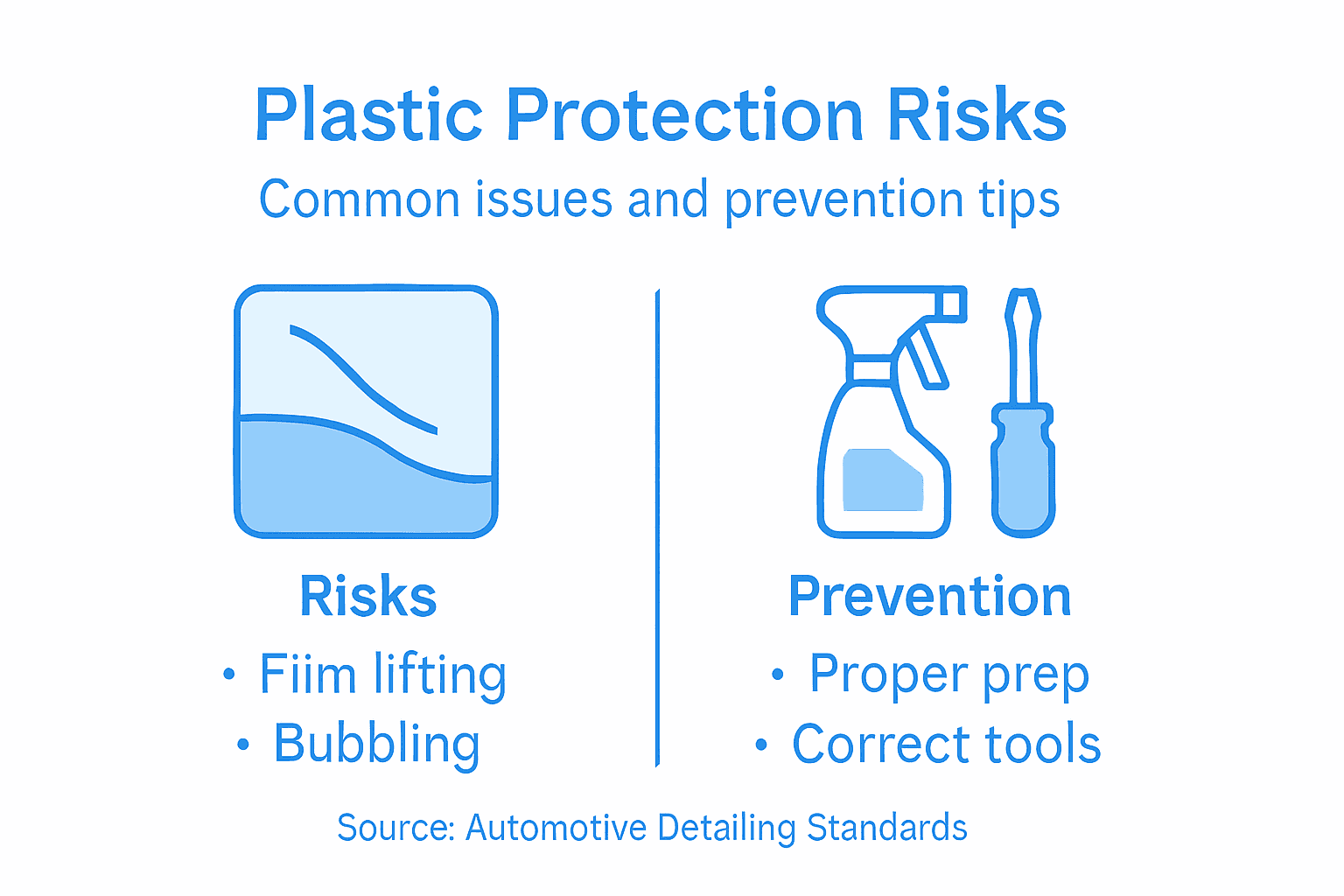
This table outlines potential risks, associated costs, and strategies to prevent pitfalls during protective film installation:
| Potential Risk | Typical Cost Impact | Prevention Strategy |
|---|---|---|
| Air bubble formation | Extra removal or repair fees | Careful application with precision tools |
| Incompatible film selection | Surface damage, replacement | Pre-installation compatibility testing |
| Chemical additive migration | Health or legal concern | Choose certified, low-toxicity materials |
| Premature film degradation | Early replacement needed | Invest in higher-quality products |
Professional Tip: Conduct comprehensive material compatibility testing and maintain detailed documentation of film performance to mitigate potential risks and justify protection investments.
Enhance Your Car Interior Plastic Protection with Precision Cutting Solutions
Protecting automotive interior plastics from scratches, UV damage and wear demands not only advanced protective films but also exact pattern precision for seamless application. The article highlights the challenges of selecting and installing specialised protection films tailored to different plastic substrates and complex vehicle interior geometries. This is where professional-grade cutting software becomes essential to maximise durability while minimising errors such as air bubbles and misalignment.
With AEONCUT, discover a cutting-edge platform designed for automotive paint protection film professionals and enthusiasts focused on efficiency and accuracy. Our software features an extensive library of pre-cut patterns specifically tailored for protective films, enabling installers to achieve perfect fits on dashboards, gear shifts and trim surfaces. Benefit from cloud-based updates and AI-driven auto-nesting for optimised material usage and flawless results. Gain the confidence to avoid common pitfalls by ensuring films conform precisely to every curve and detail of your vehicle’s interior plastics.
Explore our Paint Protection Film category for targeted solutions that enhance film application workflows.
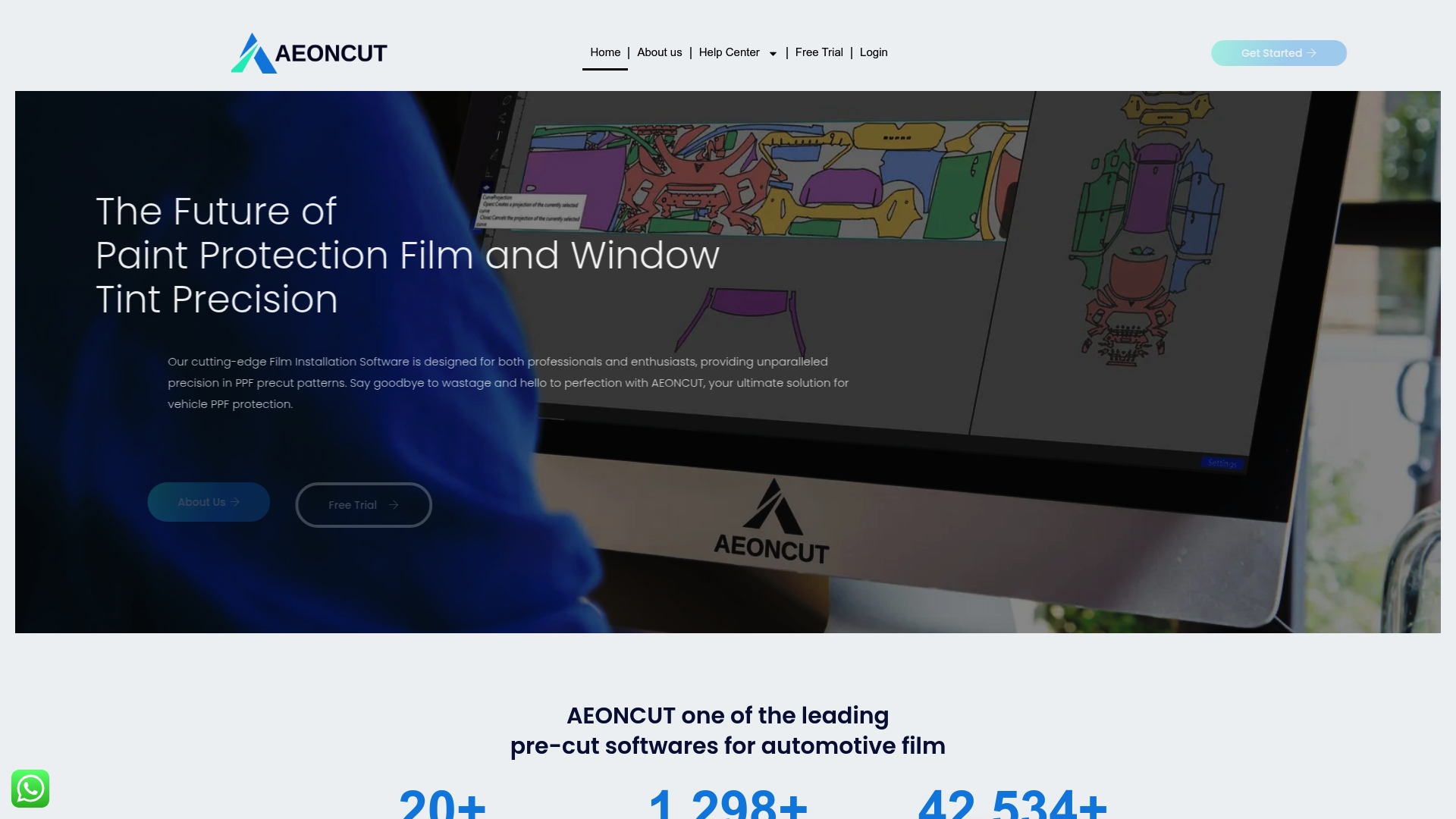
Don’t leave your vehicle’s interior protection to chance. Leverage AEONCUT’s precision pre-cut software to unlock flawless film application and long-lasting aesthetics today. Visit aeoncutsw.com to start your subscription and access essential resources including tutorials and pattern libraries that empower you to deliver professional installation results every time.
Frequently Asked Questions
What is car interior plastic protection?
Car interior plastic protection involves applying specialised protective technologies to shield automotive plastic surfaces from environmental and mechanical damage. This helps preserve both the structural integrity and aesthetic quality of the interiors.
What are the different types of plastic protection films available for automotive interiors?
Common types of plastic protection films include thermoplastic urethane (TPU), which is self-healing and flexible, and polymer-specific coatings that offer chemical resistance. Each type serves specialised purposes based on the areas of application in the vehicle interior.
How does a professional installation of protective films differ from DIY methods?
Professional installation involves meticulous surface preparation, use of advanced tools, and precise application techniques, ensuring optimal adhesion and long-lasting performance. DIY methods may lack the expertise, potentially leading to issues such as air bubble formation and uneven application.
What are potential risks associated with car interior plastic protection films?
Risks include improper installation leading to aesthetic issues, air bubble formation, and chemical additive migration from certain films, which may raise health concerns. Choosing compatible, high-quality products and professional installation can mitigate these risks.
Recommended
- Understanding Interior Protection Films: Benefits for Luxury Cars – AEONCUT PPF Pre-cut Cutting software
- Understanding Interior Protection Films: Benefits for Luxury Cars – AEONCUT PPF Pre-cut Cutting software
- Understanding Why Interior Protection Films Are the Next Big Trend in Car Care – AEONCUT PPF Pre-cut Cutting software
- Understanding Interior Protection Films: Benefits for Luxury Cars – AEONCUT PPF Pre-cut Cutting software
- Role of Coatings in Longevity – Extending Asset Lifespans