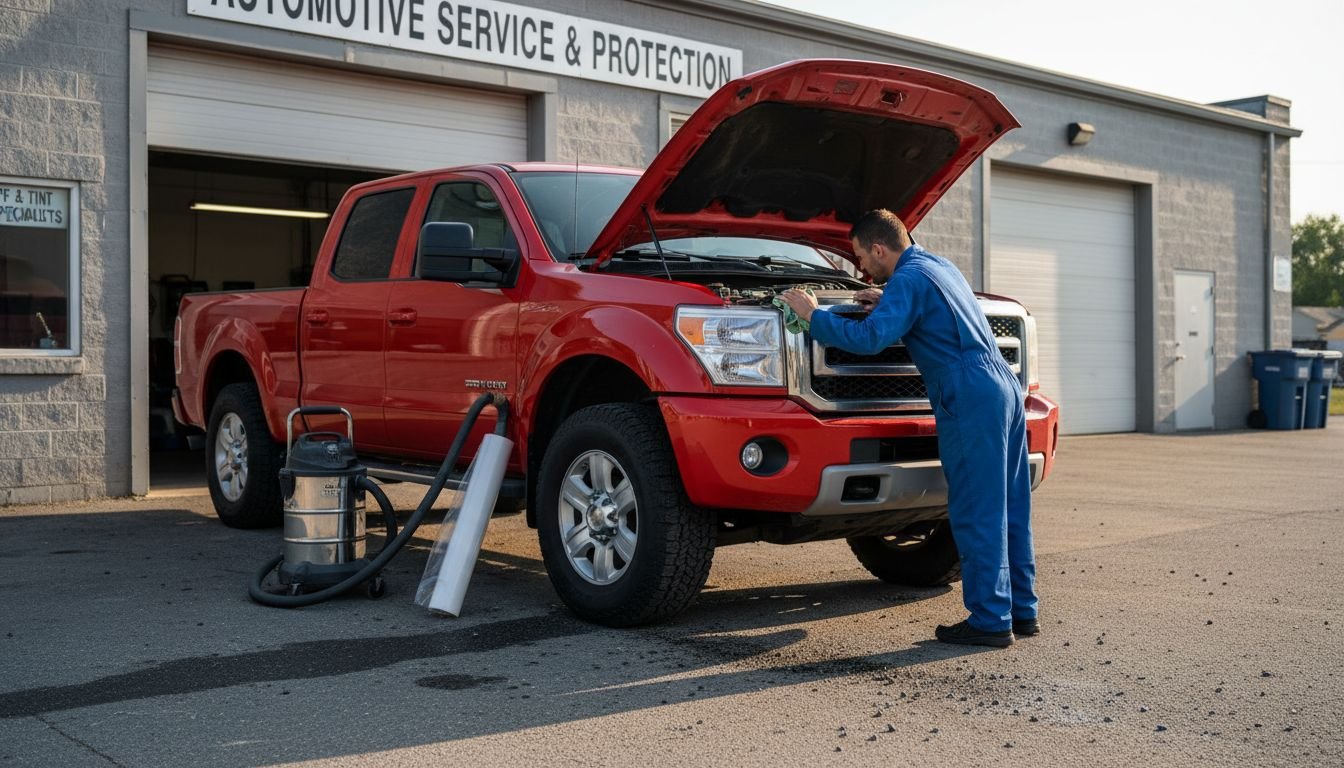
Most british installers recognize that UV window tint is more than a luxury—it is a crucial shield for both vehicle interiors and occupant health. With advanced films proven to block up to 99 percent of ultraviolet rays, professional craftsmanship matters now more than ever. For automotive window tint installers who demand accuracy and efficiency, learning how to leverage modern software ensures every cut is precise, every installation flawless, and material waste drops to an absolute minimum.
Table of Contents
- Defining UV Window Tint And Its Key Benefits
- Comparing Types Of UV Window Tint Film
- How UV Protection Films Work On Vehicles
- Legal Compliance And Regional Tint Laws
- Common Installation Challenges And Avoiding Errors
- UV Window Tint Versus Other Vehicle Protection Options
Key Takeaways
| Point | Details |
|---|---|
| UV Window Tint Benefits | UV window tint provides critical protection against harmful solar radiation, significantly reducing health risks and preserving vehicle interiors. |
| Film Types Comparison | Different types of UV window tints vary in performance; ceramic and carbon films offer the best UV protection and durability. |
| Legal Compliance | Understanding local tinting regulations is essential to avoid penalties and ensure safety on the road. |
| Professional Installation | Proper installation techniques and thorough surface preparation are crucial for achieving optimal film performance and longevity. |
Defining UV Window Tint and Its Key Benefits
UV window tint represents a sophisticated protective solution for automotive glass that goes far beyond aesthetic enhancement. At its core, this specialised film provides critical defence against harmful solar radiation, delivering significant benefits for vehicle occupants and interior preservation. Blocking ultraviolet rays remains the primary function of these advanced window treatments.
The scientific mechanism behind UV window tint involves sophisticated materials engineered to absorb and reflect solar radiation. Polyester-based films embedded with specialised UV-blocking agents can prevent up to 99% of harmful ultraviolet wavelengths from penetrating vehicle windows. This technology offers multifaceted protection by reducing potential health risks associated with prolonged sun exposure while simultaneously preserving vehicle interiors from premature degradation.
Key benefits of professional UV window tinting include:
- Substantial skin cancer risk reduction
- Prevention of interior fabric and dashboard fading
- Significant glare reduction
- Enhanced thermal comfort
- Improved vehicle aesthetic appearance
Professional Tip: Select window tints with certified UV protection ratings and ensure professional installation to maximise performance and longevity.
Comparing Types of UV Window Tint Film
Window tint technology has evolved significantly, offering professional installers multiple options for UV protection. Different tint compositions provide unique performance characteristics that cater to specific automotive protection requirements, making selection a critical decision for installers seeking optimal client outcomes.
The primary categories of UV window tint films include dyed, metalized, hybrid, ceramic, and carbon variations. Dyed films represent the most basic technology, absorbing heat and reducing glare but typically offering limited UV protection and prone to fading over time. Metalized films incorporate metallic particles that reflect heat and ultraviolet radiation more effectively, though they can potentially interfere with electronic signals in modern vehicles.
Advanced film technologies provide superior protection and performance:
- Ceramic Films: Utilise inorganic ceramic particles
- Highest UV and infrared rejection rates
- Minimal electronic signal interference
- Excellent thermal insulation properties
- Longer durability compared to traditional films
Carbon Films offer another sophisticated option, providing robust UV blocking with excellent thermal insulation and a distinctive non-metallic matte finish. These films prevent heat transfer while maintaining a sleek, professional appearance that appeals to discerning vehicle owners.
Professional Tip: Always recommend ceramic or carbon films for clients seeking maximum UV protection and long-term performance.
Here is a comparison of the main types of UV window tint films available for automotive use:
| Film Type | Durability | UV Blocking Efficiency | Impact on Electronics |
|---|---|---|---|
| Dyed | Prone to fading over time | Basic, lower protection | No interference |
| Metalised | Moderate, may degrade | Good, blocks more UV rays | Can disrupt signals |
| Hybrid | Improved over basic types | Balanced UV reduction | Minor possible interference |
| Ceramic | Long-lasting, highly stable | Excellent, up to 99% blocked | No signal disruption |
| Carbon | Very durable, retains colour | Superior, blocks most UV | No interference |
How UV Protection Films Work on Vehicles
UV protection films represent a sophisticated technological solution for automotive glass, utilising advanced materials to shield vehicle occupants from harmful solar radiation. Vehicle window UV protection operates through a complex mechanism of absorption and reflection, strategically preventing ultraviolet rays from penetrating the glass surface.
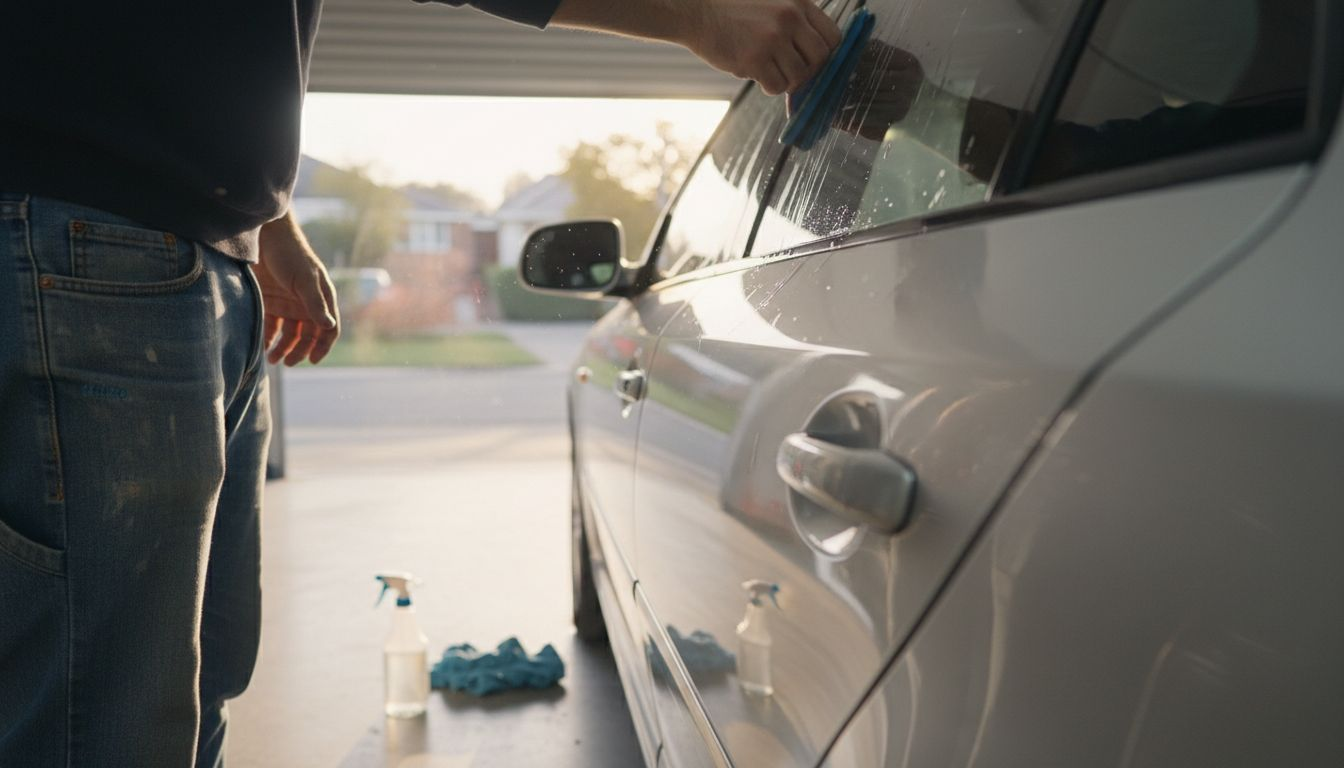
The fundamental composition of these protective films involves polyester-based substrates embedded with specialised UV-absorbing agents. These agents are engineered to intercept and neutralise both UVA and UVB radiation wavelengths before they can pass through the vehicle’s windows. Modern formulations often incorporate additional technologies like ceramic or nano-coated layers, which enhance the film’s durability and heat rejection capabilities while maintaining optimal optical clarity.
Key mechanisms of UV protection include:
- Molecular absorption of ultraviolet wavelengths
- Reflection of solar radiation
- Prevention of thermal energy transmission
- Minimisation of interior material degradation
- Reduction of occupant skin cancer risks
Advanced films provide multilayered protection by not only blocking ultraviolet radiation but also reducing solar heat and glare. Side and rear windows, typically constructed from tempered glass, are particularly vulnerable to UVA transmission, making specialised film applications crucial for comprehensive protection.
Professional Tip: Select window films with ceramic or nano-enhanced technologies to maximise UV protection and ensure long-term vehicle interior preservation.
Legal Compliance and Regional Tint Laws
Navigating the complex landscape of vehicle window tinting regulations requires professional installers to develop comprehensive understanding of regional legal requirements. Dark tint laws demonstrate significant variation across different jurisdictions, with specific rules designed to maintain public safety and driver visibility.
Regulatory frameworks typically concentrate on defining permissible visible light transmission (VLT) percentages for different vehicle windows. Most regions implement more stringent restrictions on front windscreen and driver-side window tinting to ensure adequate visibility and emergency service personnel safety. These regulations often specify precise percentage limits, with front windows generally requiring higher transparency compared to rear and side windows.
Key considerations for legal compliance include:
- Precise VLT percentage measurements
- Window-specific tinting restrictions
- Potential medical exemption provisions
- Local jurisdiction variations
- Potential penalties for non-compliance
Professional installers must remain vigilant about potential legal consequences, which can range from monetary fines to mandatory vehicle inspections and potential insurance complications. Understanding local regulations becomes critical, as non-compliance can result in significant financial and professional repercussions for both the installer and the vehicle owner.
Professional Tip: Always verify current local tinting regulations and maintain updated documentation of permissible VLT percentages for each vehicle window type.
Common Installation Challenges and Avoiding Errors
Professional window tint installers encounter numerous technical challenges that can compromise the quality and longevity of their work. Window tint installation mistakes frequently stem from inadequate preparation and rushed application techniques, which can lead to significant performance and aesthetic issues.
The critical preparation phase involves multiple precise steps to ensure optimal film adhesion and appearance. Comprehensive surface preparation requires thorough cleaning using specialised ammonia-free solutions, ensuring complete removal of contaminants, oils, and residues that could prevent proper film attachment. Environmental conditions play a crucial role, with dust, temperature, and humidity directly impacting installation quality. Installers must work in controlled environments with stable temperatures and minimal airborne particles to prevent bubbling, peeling, and premature film degradation.
Common installation challenges include:
- Surface contamination
- Improper cleaning techniques
- Temperature and humidity variations
- Incorrect film selection
- Uneven pressure application
- Air bubble formation
- Poor edge trimming
Technical precision demands systematic approaches, including using appropriate application solutions, maintaining consistent pressure, and employing professional-grade tools. Slow, methodical application techniques allow installers to manage film placement, minimise air pocket formation, and ensure seamless, professional results that meet both aesthetic and functional requirements.
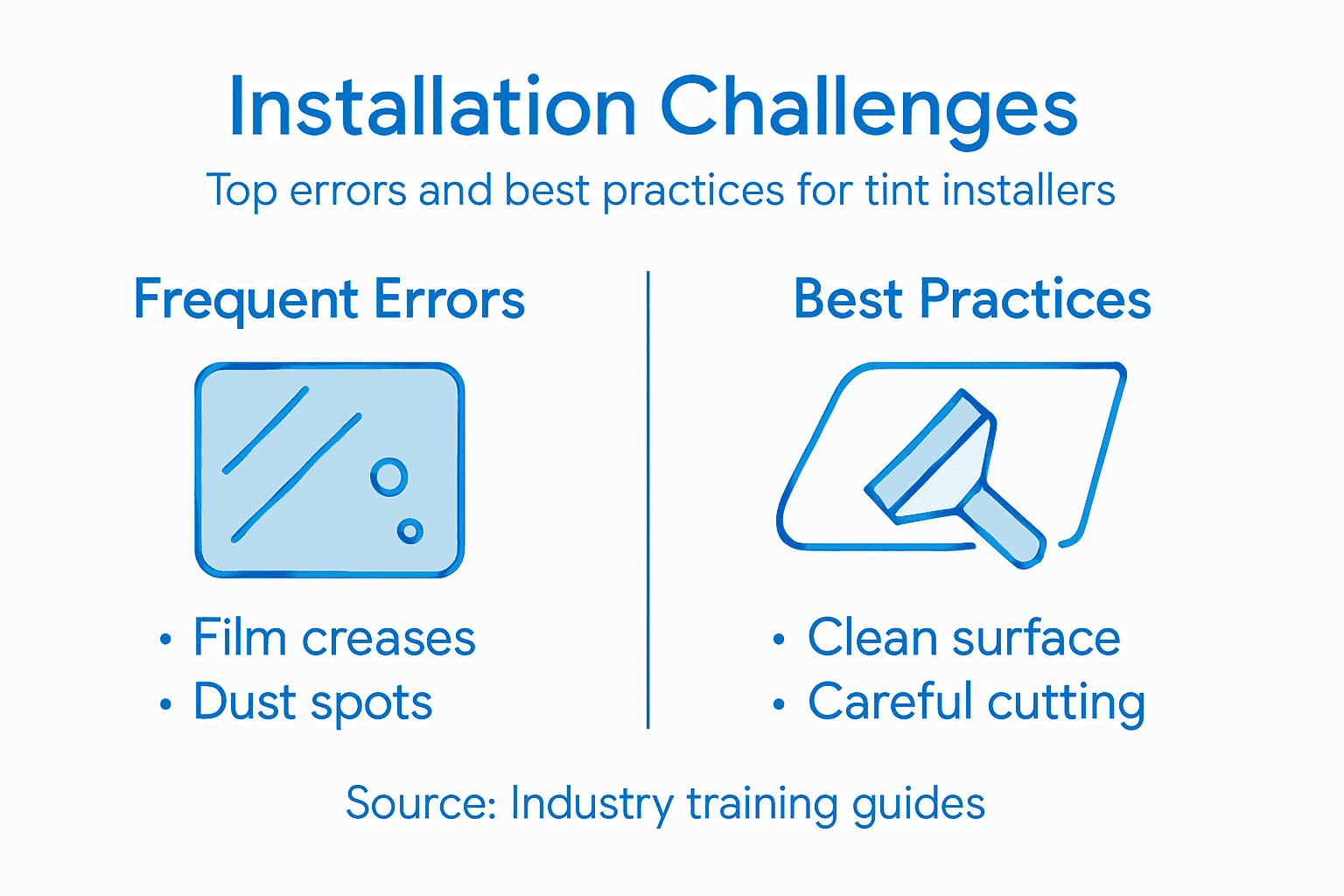
Professional Tip: Invest in high-quality microfibre cloths and specialised cleaning solutions to create an immaculate surface before film application.
UV Window Tint Versus Other Vehicle Protection Options
Vehicle protection technologies offer diverse solutions for preserving automotive aesthetics and functionality. Window tint films versus alternative protections represent a nuanced landscape of specialised automotive preservation techniques, each targeting specific environmental challenges and performance requirements.
Paint protection films (PPF) and ceramic coatings serve distinct purposes compared to UV window tints. While PPF protects exterior surfaces from physical damage like scratches and debris, window tints primarily focus on filtering ultraviolet radiation, reducing interior heat, and protecting vehicle occupants. Ceramic coatings enhance exterior surface durability but do not address window-related UV exposure or interior preservation concerns.
Comparative advantages of UV window tints include:
- Comprehensive ultraviolet ray blockage
- Interior fade prevention
- Occupant health protection
- Glare reduction
- Enhanced privacy
- Thermal comfort improvement
- Cost-effective retrofit solution
Unlike permanent glass treatments, window tint films offer remarkable flexibility, allowing straightforward replacement and upgrading. They can block up to 99% of harmful rays while providing customisable aesthetic and functional benefits that static glass treatments cannot match.
Professional Tip: Recommend window tint films as a versatile, adaptable solution that provides superior protection and can be easily updated to meet changing client needs.
This table summarises how UV window tint compares to other common vehicle protection options:
| Protection Solution | Main Purpose | Coverage Area | Notable Benefit |
|---|---|---|---|
| UV Window Tint | Filters light, blocks radiation | Windows only | Protects occupants & interior |
| Paint Protection Film | Shields from scratches & debris | Exterior painted surfaces | Prevents paint damage |
| Ceramic Coating | Enhances surface durability | Exterior paint, wheels | Eases cleaning, resists stains |
Elevate Your UV Window Tint Installations with Precision Cutting Solutions
Achieving flawless UV window tint application demands precision and attention to detail to avoid common installation challenges such as air bubbles and uneven edges. The article highlights the importance of professional-grade tools and meticulous methods to maximise performance and longevity. Harnessing advanced cutting software like AEONCUT can transform the installation process by providing exact pre-cut patterns that ensure minimal material waste and perfect fit every time. This is especially crucial when working with sophisticated films like ceramic or carbon variants that require meticulous handling for optimal results.
Discover how AEONCUT’s high-tech platform supports installers in delivering superior quality finishes with efficiency and confidence. Explore our specialised window Tint category featuring extensive pattern libraries and customisable designs.
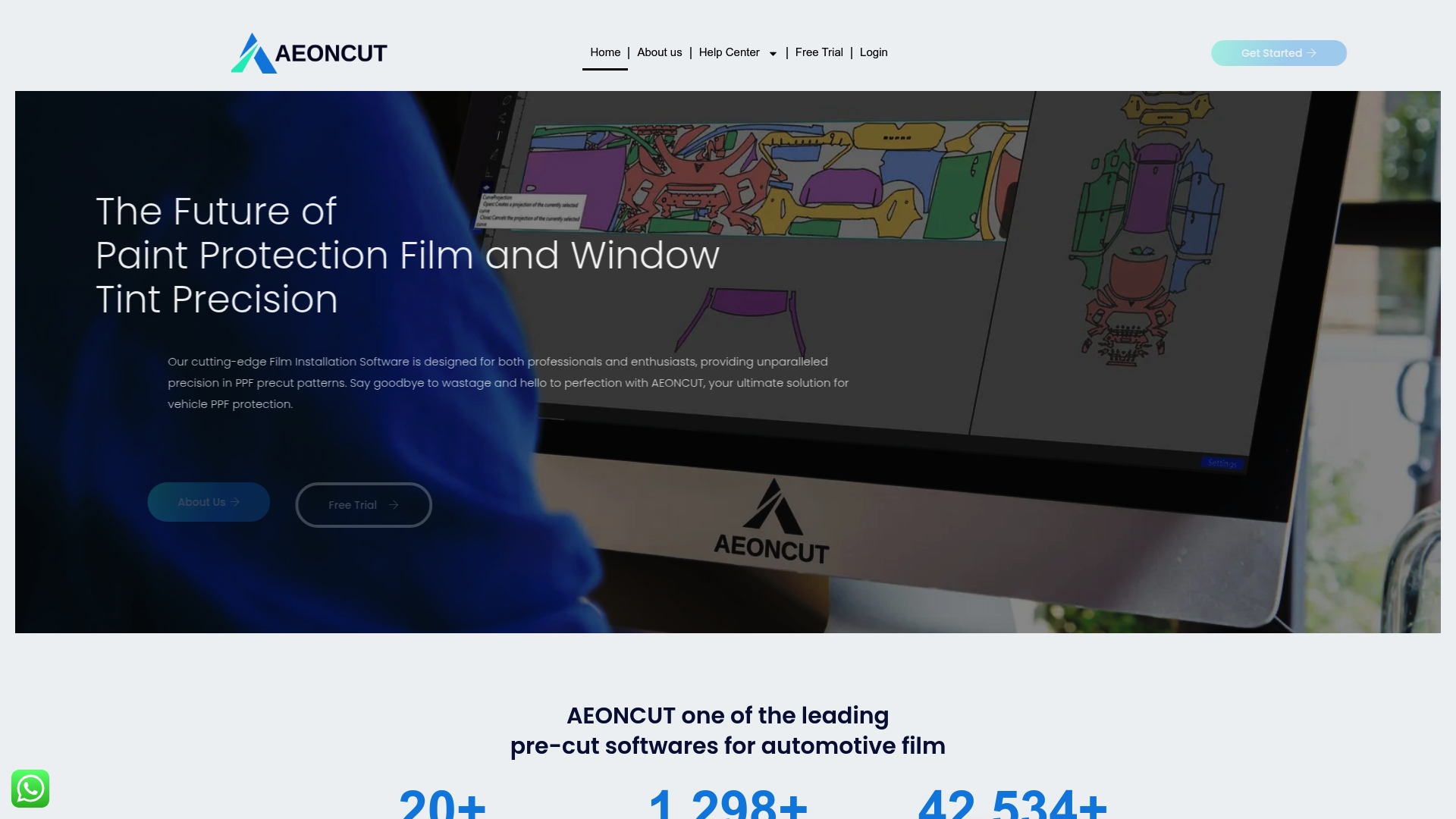
Take the next step towards enhancing your installation precision and customer satisfaction. Visit AEONCUT’s website today to access cutting-edge software solutions tailored for professional UV window tint installers. With features like AI-driven auto-nesting and cloud-based updates, AEONCUT empowers you to meet client demands swiftly and accurately. Start your subscription now and revolutionise your tinting workflow.
Frequently Asked Questions
What is UV window tint, and how does it work?
UV window tint is a protective film applied to automotive glass designed to block harmful ultraviolet (UV) radiation. It works by absorbing and reflecting solar radiation, preventing up to 99% of UV rays from penetrating vehicle windows, thereby protecting occupants and preserving interior materials.
What are the key benefits of installing UV window tint?
The primary benefits of UV window tint include significant reduction in skin cancer risks, prevention of interior fabric and dashboard fading, glare reduction, enhanced thermal comfort, and improved vehicle appearance.
How do different types of UV window tint films compare?
There are several types of UV window tint films, including dyed, metalized, hybrid, ceramic, and carbon films. Ceramic and carbon films offer the highest UV protection and durability, while dyed films provide basic heat reduction but limited UV shielding. Metalized films reflect heat effectively but may interfere with electronic signals.
What installation challenges should I be aware of?
Common installation challenges include surface contamination, temperature and humidity variations, incorrect film selection, and air bubble formation. Proper preparation and technique are essential for achieving seamless results and ensuring the longevity of the film.
Recommended
- Types of Window Tint: Guide for Installers and Dealers 2025 – AEONCUT PPF Pre-cut Cutting software
- How Window Tint Works: Essential Guide for Auto Professionals 2025 – AEONCUT PPF Pre-cut Cutting software
- What is Window Tint? Essential Guide for Tinting Pros 2025 – AEONCUT PPF Pre-cut Cutting software
- How to Read Tint Percentage: A Practical Guide for 2025 – AEONCUT PPF Pre-cut Cutting software