
Most british and European vehicle tint regulations place strict limits on reflectivity, yet demand for precision mirror tint solutions is rising among professional installers globally. Achieving a flawless finish and minimizing material waste hinge on the right tools and technology. With over 80% of installation errors traced to poor pattern cutting or incorrect film alignment, this guide highlights how advanced mirror tint and software-driven methods help installers worldwide deliver efficient, compliant, and high-quality results.
Table of Contents
- Defining Mirror Window Tint For Vehicles
- Types And Applications In Automotive Use
- Installation Methods And Precision Software
- Legal Regulations And Regional Restrictions
- Common Pitfalls And Professional Best Practices
Key Takeaways
| Point | Details |
|---|---|
| Importance of Mirror Window Tint | Mirror window tint enhances privacy, reduces solar heat, and protects against UV rays while maintaining visibility for occupants. |
| Variety of Tint Types | Different automotive window tint types offer unique characteristics and benefits, including dyed, metalized, hybrid, carbon, ceramic, and crystalline options. |
| Installation Precision | Professional installation requires meticulous preparation and the use of advanced cutting software to minimise errors and optimise material use. |
| Understanding Legal Regulations | Installers must stay informed about local and regional tinting regulations to ensure compliance and avoid penalties. |
Defining Mirror Window Tint for Vehicles
Mirror window tint represents a sophisticated automotive glass modification technology designed to transform vehicle windows into highly reflective surfaces. Mirror tint works through a specialised polyester-based material that creates a unique visual effect while providing substantial functional benefits for vehicle owners and drivers.
At its core, mirror window tint is engineered to manipulate light transmission through glass, creating a one-way viewing experience. From the exterior, the window appears like a mirror, reflecting sunlight and preventing outsiders from seeing inside the vehicle. Conversely, occupants maintain a clear, unobstructed view of their surroundings from within. This optical engineering allows for enhanced privacy and significant solar heat reduction.
The functional advantages of mirror window tint extend beyond aesthetic appeal. By blocking substantial amounts of solar radiation, these specialised films help maintain cooler interior temperatures, reduce glare, and protect vehicle occupants from harmful ultraviolet rays. Professional installers appreciate mirror tint for its ability to provide thermal insulation and create a more comfortable driving environment without compromising visibility.
Top Tip: When selecting mirror window tint, always verify local vehicle regulations to ensure compliance with legal reflectivity and transparency standards.
Types and Applications in Automotive Use
Automotive window tinting encompasses a diverse range of film technologies designed to meet various performance requirements. Automotive window tint films include several distinct categories, each offering unique characteristics and benefits for vehicle owners and professional installers.
The primary types of automotive window tint films include dyed, metalized, hybrid, carbon, ceramic, and crystalline options. Dyed tints represent the most affordable solution, providing aesthetic enhancement and basic solar protection. Metalized films incorporate metallic particles to improve heat reflection and structural strength, though they may potentially interfere with electronic signals. Hybrid tints combine dye and metallic elements to achieve a balanced performance profile that mitigates some traditional limitations.
Advanced tint technologies like carbon and ceramic films have revolutionised automotive window protection. Carbon tints excel at blocking infrared radiation and maintaining consistent performance over time, while ceramic films utilise nano-technology to deliver premium heat rejection, superior UV protection, and exceptional clarity. These high-performance options are particularly valued by professional installers seeking optimal thermal management and long-term durability for their clients.
Here’s a concise comparison of the main automotive window tint types and their unique strengths:
| Tint Type | Key Advantage | Performance Limitation |
|---|---|---|
| Dyed | Budget-friendly option | Lower heat rejection |
| Metalized | Enhanced durability | May affect electronics |
| Hybrid | Balanced performance | Still moderate reflection |
| Carbon | High infrared blocking | Higher cost than basic tints |
| Ceramic | Superior clarity & UV block | Most expensive choice |
| Crystalline | Maximum transparency | Reduced privacy effect |
Pro Tip: When selecting window tint for automotive applications, always consider the specific performance requirements of different vehicle types and local regulatory standards.
Installation Methods and Precision Software
Mirror window tint installation requires meticulous precision and sophisticated technological support to achieve optimal results. Professional installers rely on advanced cutting software to ensure accurate, seamless application across different vehicle models and window configurations.
The installation process involves several critical steps that demand technical expertise and specialised equipment. Initially, professional installers must carefully prepare the vehicle’s windows by thoroughly cleaning and removing any existing contaminants, ensuring a pristine surface for tint application. Precise measurement and template creation are crucial, with modern software technologies enabling digital pattern generation that accounts for unique vehicle window geometries, minimising material waste and reducing installation errors.
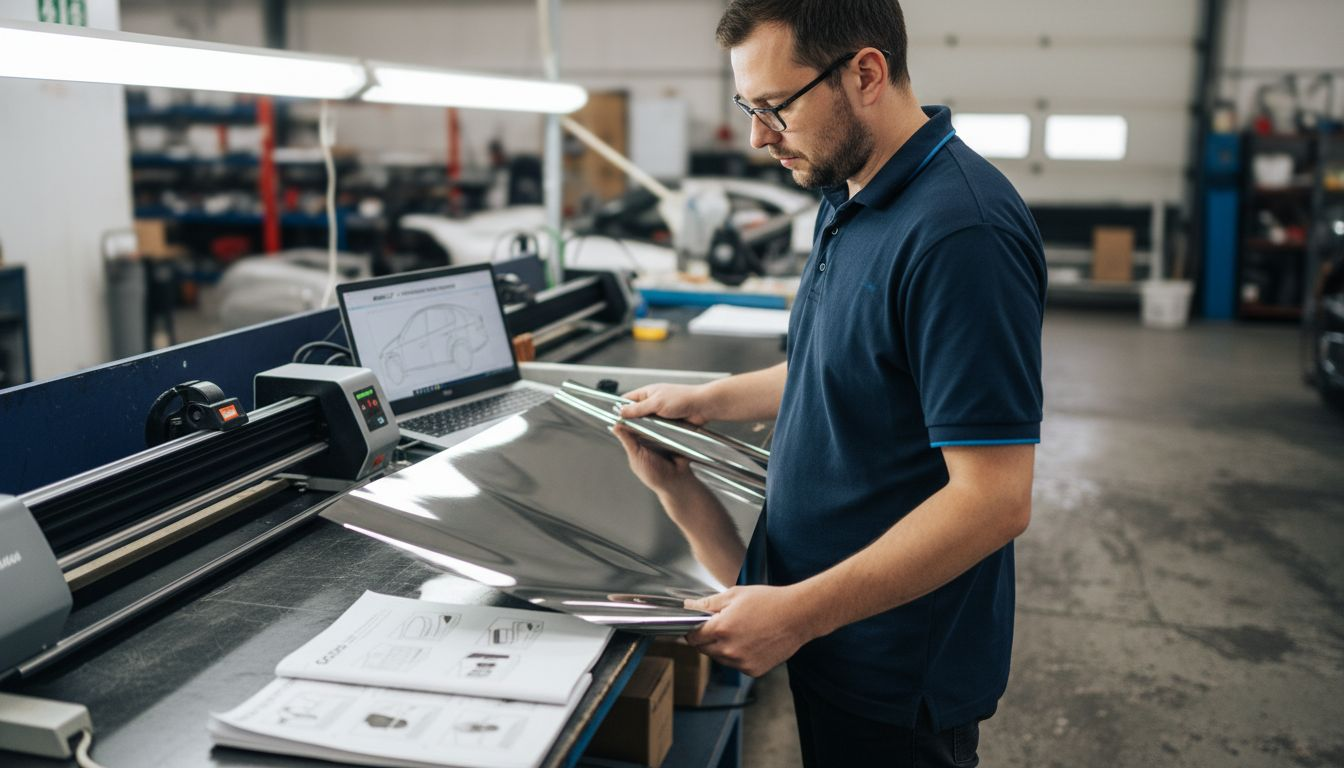
Precision cutting software has transformed window tint installation from a manual, error-prone process to a highly automated and accurate procedure. Advanced digital tools provide comprehensive pattern libraries, allowing installers to select pre-configured templates or create custom designs tailored to specific vehicle makes and models. These technologies integrate computer-aided design principles with automotive-specific algorithms, enabling professionals to achieve near-perfect film placement with minimal adjustment and material consumption.
Pro Tip: Invest in high-quality digital cutting software that offers extensive vehicle pattern libraries and allows for real-time customisation to maximise installation efficiency and precision.
Legal Regulations and Regional Restrictions
Window tint regulations represent a complex landscape of regional legal requirements that professional installers must navigate carefully. European window tint laws vary significantly between countries, creating substantial challenges for automotive professionals seeking compliance across different jurisdictions.
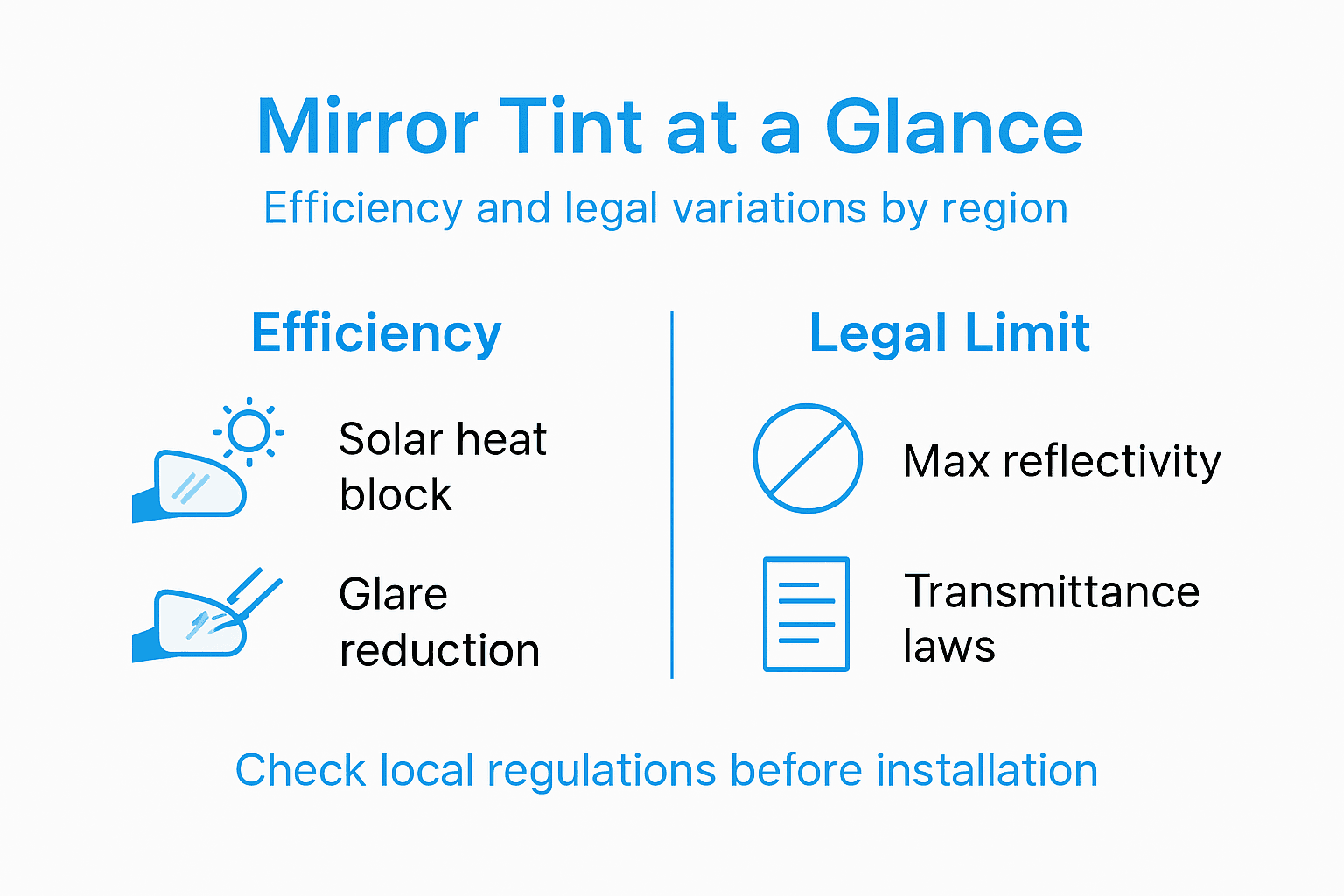
Most regions impose strict regulations concerning window tint transparency, reflectivity, and application areas. Typical restrictions focus on front side windows, windscreens, and rear windows, with specific light transmittance requirements designed to ensure driver visibility and road safety. Many jurisdictions mandate a minimum of 70% light transmittance for front side windows, effectively prohibiting highly reflective or mirror-like tints that could impair driver vision or create potential safety hazards.
Beyond transparency regulations, legal frameworks often address additional aspects of window tinting. These may include restrictions on tint colour, reflectivity levels, and specific zones where tinting is permitted or prohibited. Professional installers must remain continuously informed about local and national regulations, understanding that non-compliance can result in significant penalties, including vehicle inspection failures, monetary fines, and potential mandatory tint removal. International drivers and vehicle owners face additional complexity, as tint regulations can dramatically differ between neighbouring regions and countries.
To better understand the challenges of window tint regulations, see this summary of key factors affecting compliance:
| Regulatory Area | Typical Restriction | Installer Impact |
|---|---|---|
| Front Side Windows | Minimum 70% light transmittance | Limits highly reflective tints |
| Rear Windows | Often less strict | More flexibility |
| Tint Colour | May be regulated or prohibited | Check for local policies |
| Reflectivity | Maximum allowed reflectivity specified | Mirror tint often restricted |
| Penalties for Non-compliance | Fines, re-inspection, tint removal | Risk of costly errors |
Pro Tip: Always verify local window tinting regulations with official automotive authorities before installation to prevent potential legal complications and ensure full regulatory compliance.
Common Pitfalls and Professional Best Practices
Window tint installation demands precision and expertise, with numerous potential challenges that can compromise the final result. Professional installers must navigate multiple critical considerations to ensure high-quality, long-lasting tint applications.
Critical pitfalls often emerge from inadequate preparation and technical inexperience. Surface contamination represents a primary risk, as even microscopic dust particles or residual oils can create bubbles, prevent proper adhesion, and ultimately lead to premature film failure. Professionals must meticulously clean window surfaces using specialised cleaning solutions, ensuring a completely contaminant-free environment. Equally important is selecting the appropriate tint film for specific vehicle requirements, considering factors such as heat rejection, durability, and legal transparency standards.
Technical expertise extends beyond initial application, encompassing comprehensive understanding of material properties and environmental interactions. Temperature and humidity significantly impact tint installation, with extreme conditions potentially causing adhesive failure or uneven application. Skilled professionals invest in controlled installation environments, utilise high-quality tools, and employ precise cutting techniques that minimise material waste and ensure seamless film placement. Continuous training and staying updated with emerging technologies and regional regulations are essential for maintaining professional standards and delivering exceptional results.
Pro Tip: Invest in ongoing professional development and regularly calibrate your installation tools to maintain consistently high-quality window tint applications.
Elevate Your Mirror Window Tint Installation with Precision Cutting Software
Mirror window tint installations demand absolute precision to meet both functional efficiency and stringent legal requirements discussed in the article. Challenges like exact pattern matching for varied vehicle models, minimising material waste, and ensuring compliance with local reflectivity and transparency standards can overwhelm installers. With the necessity to conform to complex regional regulations and achieve flawless film application, a reliable, advanced cutting software solution becomes indispensable.
Discover how AEONCUT transforms your workflow with accurate pre-cut patterns tailored for mirror tints and all automotive window films. window Tint – AEONCUT PPF Pre-cut Cutting software equips professionals and enthusiasts with a comprehensive pattern library, AI-driven layout optimisation, and cloud-based updates that ensure up-to-date compliance and enhanced efficiency.
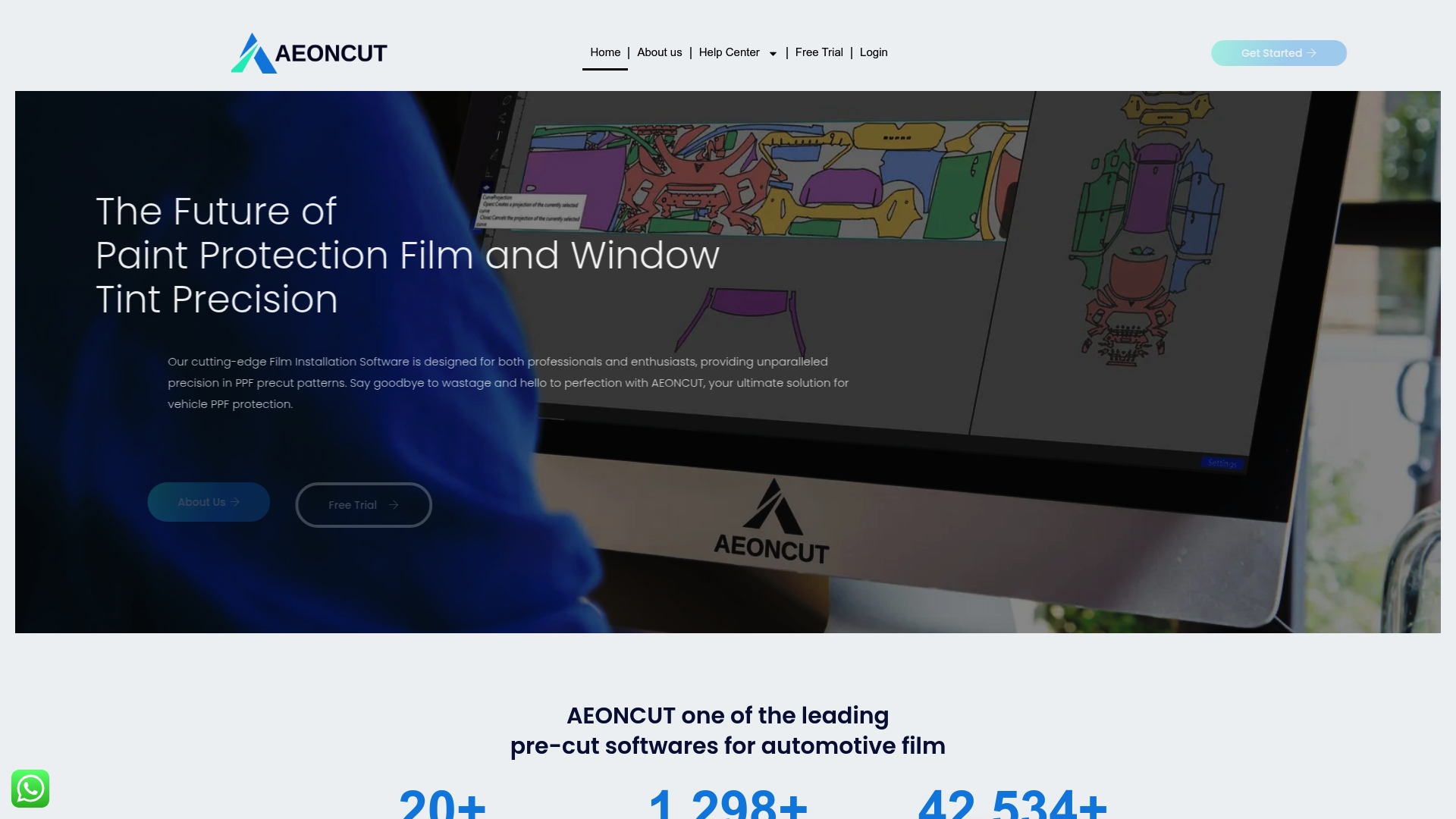
Take control of your tint projects today by exploring AEONCUT software at aeoncutsw.com. Improve accuracy, reduce costly errors from manual cutting, and stay ahead of legal complexities with a tool designed specifically for high-quality automotive tint applications.
Frequently Asked Questions
What are the benefits of using mirror window tint on vehicles?
Mirror window tint offers enhanced privacy by creating a reflective exterior that conceals the interior from outside view. It also provides significant solar heat reduction, glare reduction, and protection from harmful UV rays, contributing to a more comfortable and safer driving experience.
How does mirror window tint differ from other types of window tints?
Mirror window tint primarily reflects light, creating a one-way viewing experience, whereas other tints like dyed or ceramic may focus more on solar protection or aesthetic purposes. Mirror tints are noted for their privacy features, while types like carbon or ceramic are praised for their durability and UV blocking capacity.
What are the legal requirements for mirror window tint?
Legal regulations typically require that front side windows allow a minimum of 70% light transmittance, often prohibiting highly reflective or dark tints. It’s essential for vehicle owners to check their local regulations, as non-compliance can lead to fines or mandatory removal of the tint.
What common mistakes should be avoided during mirror window tint installation?
Key mistakes include inadequate surface cleaning before application, which can lead to bubbles and poor adhesion. Additionally, failing to consider environmental conditions such as temperature and humidity can result in adhesive issues. Professional installers should ensure proper preparation and utilise quality tools to achieve optimal results.
Recommended
- How to Read Tint Percentage: A Practical Guide for 2025 – AEONCUT PPF Pre-cut Cutting software
- How to Read Tint Percentage: A Practical Guide for 2025 – AEONCUT PPF Pre-cut Cutting software
- How to Read Tint Percentage: A Practical Guide for 2025 – AEONCUT PPF Pre-cut Cutting software
- How to Read Tint Percentage: A Practical Guide for 2025 – AEONCUT PPF Pre-cut Cutting software
- 5 Reasons to Invest in Professional Window Tinting – CDC Detailing