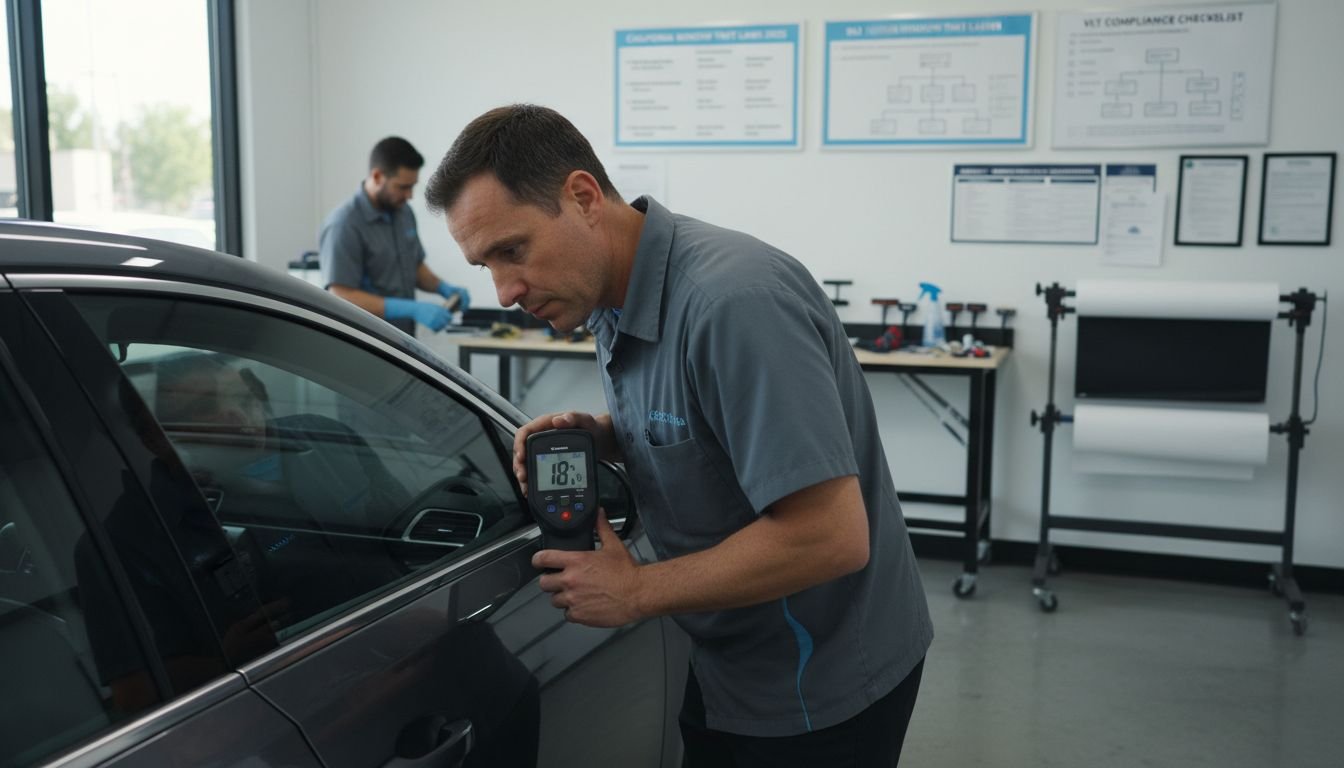
Most British installers know that a single misstep during paint protection film application can lead to costly rework and customer complaints. With clear car paint protection film now rated as a top choice for preserving automotive finishes, understanding advanced installation methods is crucial for professionals worldwide. This guide highlights essential techniques and material insights to help auto detailing businesses achieve seamless results and ensure every vehicle leaves the shop with flawless, durable protection.
Table of Contents
- Defining Clear Car Paint Protection Film
- Main Types And Material Differences
- How Paint Protection Film Works
- Professional Installation And Real-World Use
- Comparing Costs And Alternative Solutions
- Common Installation Pitfalls And Risk Mitigation
Key Takeaways
| Point | Details |
|---|---|
| Clear Paint Protection Film (PPF) | PPF is an advanced technology designed to protect vehicle paint by absorbing impacts and preventing damage from environmental factors. |
| Professional Installation | Proper installation by skilled technicians is crucial for maximising PPF effectiveness and ensuring long-term protection. |
| Material Variants | Different types of PPF, including standard clear, satin clear, and hybrid, offer varying aesthetics and protective capabilities tailored to specific needs. |
| Cost Considerations | While PPF provides the highest level of physical protection, alternative solutions like ceramic coatings and waxing offer different benefits and price points for vehicle owners. |
Defining clear car paint protection film
Clear car paint protection film (PPF) represents an advanced automotive preservation technology designed to shield vehicle paintwork from environmental damage. Originally developed for military helicopter rotor blades, PPF has transformed into a sophisticated protective solution for automotive enthusiasts and professional detailers. Automotive protective films are engineered from thermoplastic urethane, providing an invisible yet robust barrier against road-based hazards.
The core purpose of clear PPF is creating a sacrificial protective layer that absorbs impact and prevents direct damage to a vehicle’s original paintwork. This multilayered transparent film acts as a resilient shield against various potential paint threats, including stone chips, insect splatter, minor abrasions, and environmental contaminants. Transparent multilayered protective technology enables vehicle owners to maintain their car’s pristine appearance while providing comprehensive surface protection.
Professional-grade PPF typically consists of multiple sophisticated layers, each serving a specific protective function. The primary layers include:
- Top clear coat: Offers UV resistance and self-healing properties
- Middle polyurethane layer: Provides primary impact absorption
- Adhesive layer: Ensures secure and precise application to vehicle surfaces
- Release liner: Facilitates smooth installation by professional technicians
Modern PPF technologies have significantly advanced beyond their original military applications, now offering unprecedented levels of protection, flexibility, and aesthetic preservation for automotive surfaces.
Pro tip: Always ensure professional installation to maximise PPF effectiveness and prevent potential bubbling or improper adhesion during application.
Main types and material differences
Clear car paint protection films represent a sophisticated range of protective technologies, with distinct material compositions designed to address various automotive preservation needs. Primarily manufactured from thermoplastic polyurethane (TPU) and thermoplastic hybrid (TPH) materials, these films offer professionals multiple options for vehicle surface protection. Each variant provides unique characteristics tailored to specific aesthetic and protective requirements.
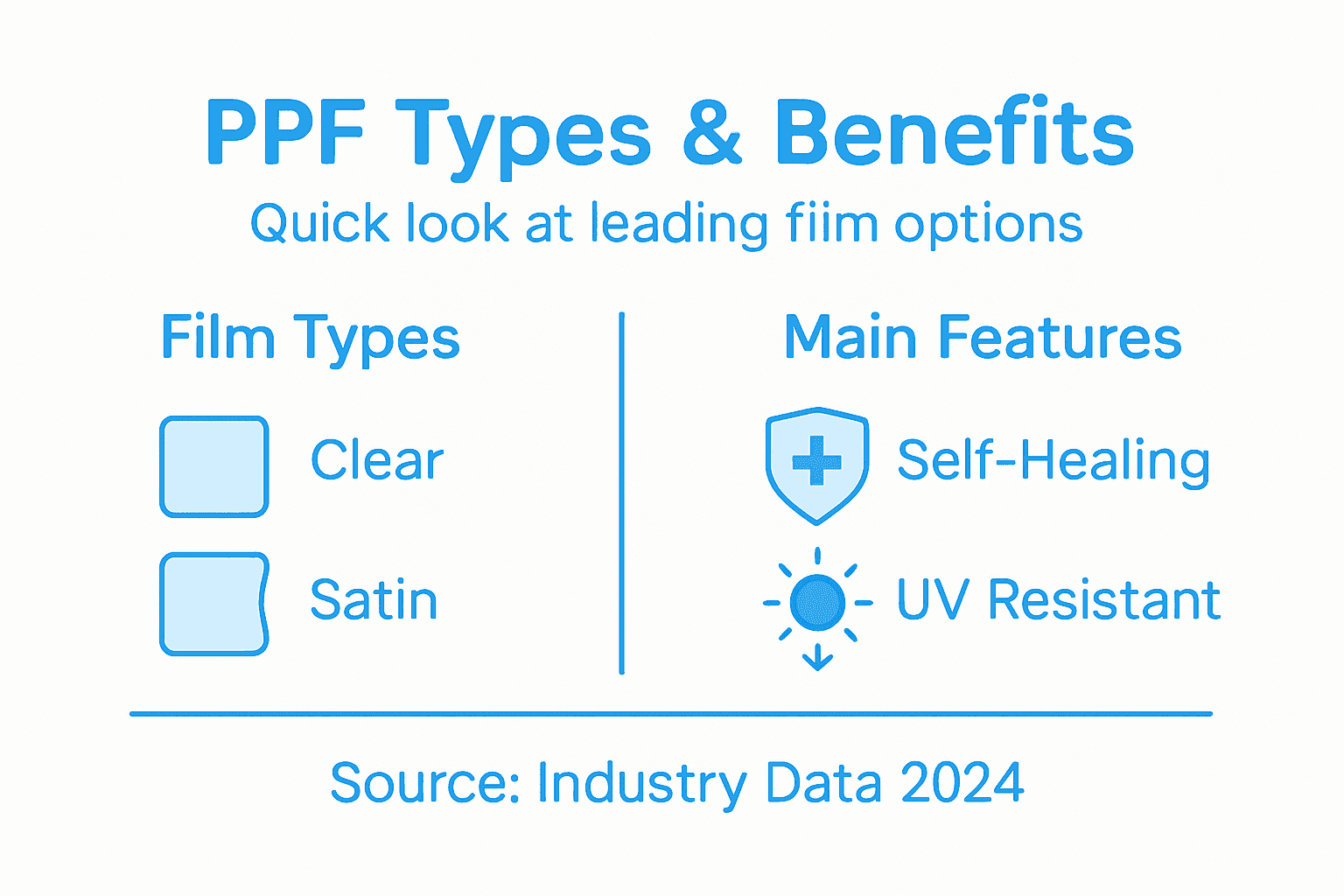
The primary types of clear paint protection film include standard clear, satin clear, and hybrid variants. Standard clear PPF provides comprehensive protection for high-impact areas, maintaining the vehicle’s original paint appearance. Satin clear PPF introduces a modern matte finish, appealing to car enthusiasts seeking a more understated aesthetic. Hybrid variants combine protection with advanced optical properties, offering enhanced flexibility and durability.
Material differences between PPF types are critical for professional installers to understand. Key distinguishing factors include:
- Thickness: Ranging from 6 to 8 mils
- Material composition: TPU or TPH
- Surface finish: Gloss, satin, or matte
- Self-healing capabilities
- UV resistance
- Adhesive technology
Automotive protection technologies continue to evolve, with modern films featuring advanced attributes like self-healing topcoats that can eliminate minor scratches under heat application. The selection of appropriate PPF depends on specific vehicle requirements, environmental conditions, and desired aesthetic outcomes.
Here is a concise comparison of clear PPF types and their intended use cases:
| Film Type | Typical Application Area | Finish Style | Recommended For |
|---|---|---|---|
| Standard Clear | High-impact zones, exterior | Glossy, invisible | Daily drivers, fleets |
| Satin Clear | All body panels, enthusiasts | Matte, modern | Luxury or show vehicles |
| Hybrid | Complex contours, details | Custom, flexible | Custom jobs, innovation |
Pro tip: Evaluate each film’s specific characteristics and manufacturer specifications to match the most appropriate protection solution for different vehicle types and client expectations.
How paint protection film works
Paint protection film operates through a sophisticated multilayered mechanism designed to shield automotive surfaces from environmental damage. Automotive surface protection technologies employ a complex structure primarily composed of thermoplastic polyurethane with specialised protective characteristics. The film functions as a sacrificial barrier, strategically absorbing and dispersing impact energy from road debris, minor abrasions, and environmental contaminants.
The core functionality of paint protection film involves multiple defensive strategies. Its topcoat features elastomeric properties that enable remarkable self-healing capabilities, allowing the film to reorganise molecular structures under heat exposure and effectively repair light surface scratches. UV inhibitors integrated within the film prevent yellowing and material degradation, ensuring long-term aesthetic preservation of the vehicle’s paintwork.
Key protective mechanisms of paint protection film include:
- Impact absorption and energy dispersion
- Scratch resistance and self-healing properties
- Chemical contaminant protection
- UV radiation blocking
- Preservation of original paint vibrancy
Transparent protective layers work by creating a resilient shield that intercepts potential damage before it reaches the vehicle’s actual paint surface. This sacrificial approach means the film absorbs scratches, chips, and chemical stains that would otherwise permanently damage the underlying paintwork, effectively extending the vehicle’s aesthetic longevity and maintaining its pristine appearance.
Pro tip: Regularly inspect and maintain paint protection film to ensure maximum effectiveness and leverage its self-healing capabilities by exposing minor scratches to moderate heat.
Professional installation and real-world use
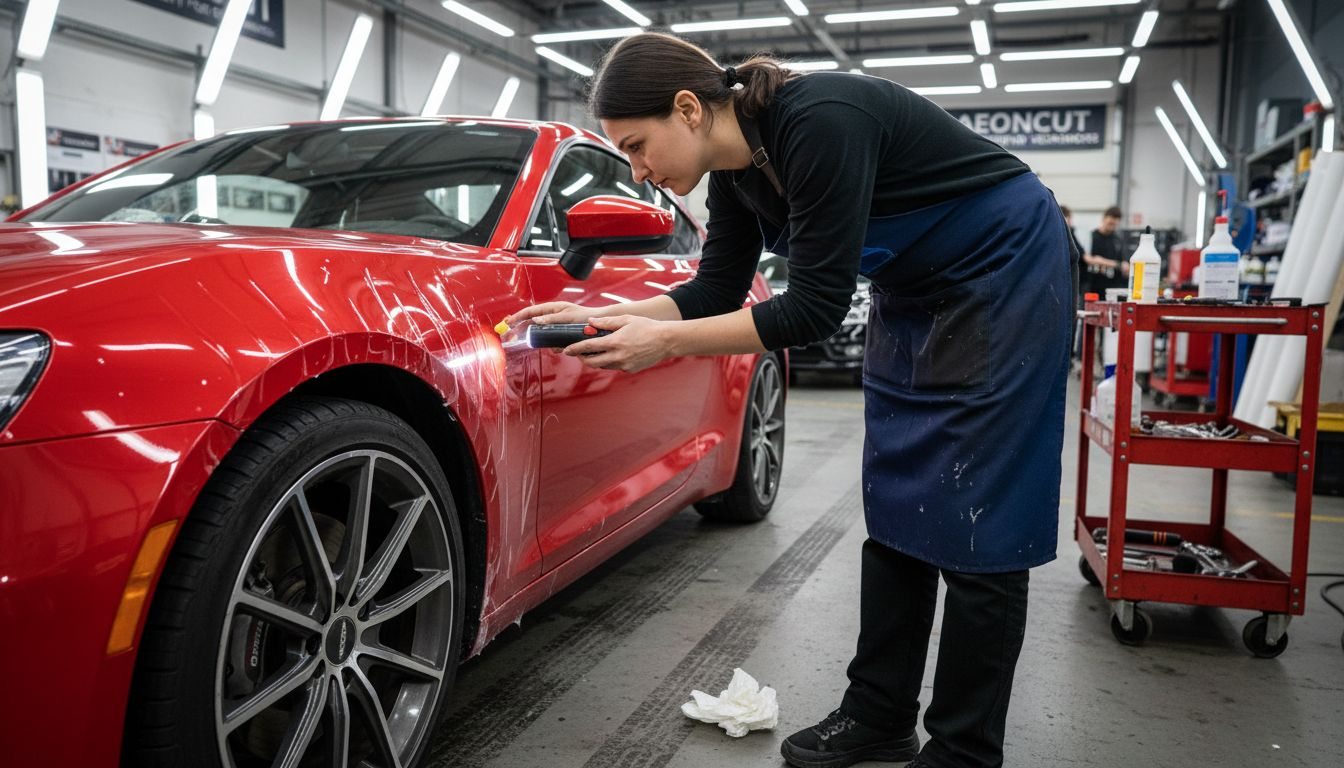
Professional paint protection film installation demands exceptional precision and meticulous preparation. The process begins with comprehensive surface preparation, including thorough washing, clay bar treatment, and chemical decontamination to ensure optimal film adhesion. Skilled technicians employ custom-cut film patterns specifically designed for individual vehicle models, allowing for seamless coverage and maximum protection.
The installation technique requires advanced technical expertise and specialised tools. Professionals utilise professional-grade squeegees to eliminate air bubbles, carefully conforming the film to complex vehicle contours through strategic heat application. Critical areas such as hoods, bumpers, and side mirrors receive particular attention, as these regions experience the most significant environmental stress and potential impact damage.
Key considerations during professional PPF installation include:
- Precise surface preparation
- Custom pattern matching
- Bubble-free application techniques
- Heat manipulation for contour fitting
- Edge sealing and alignment
- Minimal visual distortion
Vehicle protection strategies demonstrate that professional installation significantly enhances long-term protective performance. Well-applied paint protection film can maintain vehicle aesthetics for years, providing a robust defence against chips, scratches, and environmental contaminants. Fleet managers and automotive enthusiasts particularly value this preservation technique for maintaining vehicle resale value and aesthetic appeal.
Pro tip: Invest in ongoing training and stay updated with the latest film technologies to ensure consistently superior installation results and client satisfaction.
Comparing costs and alternative solutions
Paint protection film pricing dynamics reveal a complex landscape of protective solutions with varying cost considerations. The investment in paint protection technologies ranges significantly, influenced by coverage area, film quality, and installation complexity. Full vehicle wraps represent the most comprehensive option, commanding higher prices compared to targeted protection for high-impact zones like bonnets and front bumpers.
Comparing alternative automotive surface protection methods demonstrates nuanced trade-offs between cost, durability, and protective capabilities. Ceramic coatings offer chemical and UV resistance but lack the physical impact protection of paint protection film. Waxing provides temporary aesthetic enhancement but requires frequent reapplication and delivers minimal substantive protection against environmental challenges.
Comparative protection method characteristics include:
- Paint protection film (PPF)
- Highest physical impact resistance
- Longer-term protection
- Higher upfront investment
- Ceramic coatings
- Chemical and UV resistance
- Minimal physical impact protection
- More affordable initial application
- Traditional waxing
- Temporary aesthetic enhancement
- Minimal protective capabilities
- Lowest cost solution
- Requires frequent reapplication
Automotive protection strategy considerations suggest that budget-conscious clients might opt for partial PPF coverage, targeting the most vulnerable vehicle areas. This approach provides a balanced compromise between comprehensive protection and financial practicality, allowing professional installers to offer flexible solutions matching diverse client requirements.
Pro tip: Develop tiered service packages that offer partial and full PPF coverage to accommodate different client budgets and protection needs.
Common installation pitfalls and risk mitigation
Paint protection film installation challenges represent complex technical processes with numerous potential points of failure. Professional installers must navigate intricate surface preparation requirements, ensuring complete contaminant removal and creating optimal adhesion conditions. Microscopic debris, oils, or unaddressed paint imperfections can catastrophically compromise film performance, leading to premature lifting, bubbling, or aesthetic degradation.
Critical installation risks emerge from multiple technical and environmental factors. Improper cutting techniques might result in exposed film edges vulnerable to peeling, while inconsistent heat application can create uneven surface conformance. Ambient temperature, humidity levels, and workspace cleanliness substantially influence installation quality, demanding meticulous control of environmental conditions during application.
Key installation risk mitigation strategies include:
- Comprehensive surface decontamination
- Precise digital cutting templates
- Professional-grade lubrication techniques
- Controlled environmental conditions
- Systematic air bubble elimination
- Careful heat manipulation
- Thorough edge sealing
- Detailed post-installation inspection
Professional installation protocols emphasise the importance of ongoing training and technological awareness. Advanced installers continuously update their techniques, utilising cutting-edge digital templates, air-release technologies, and sophisticated application methods to minimise installation risks and ensure superior protective outcomes.
Here is a summary of common installation risks and effective mitigation approaches:
| Installation Risk | Underlying Cause | Mitigation Strategy |
|---|---|---|
| Bubbling or lifting | Poor cleaning or prep | Deep decontamination, inspection |
| Edge peeling | Improper cutting or sealing | Digital templates, full edge seal |
| Visible distortions | Uneven heat or pressure applied | Controlled heat, advanced tools |
| Early film degradation | Subpar workspace or materials | Use certified film, clean space |
Pro tip: Invest in regular professional training and maintain a meticulously clean installation workspace to dramatically reduce potential paint protection film application errors.
Elevate Your Paint Protection Film Workflow with Precision Cutting Solutions
Clear car paint protection film demands flawless application to prevent issues like bubbling and lifting highlighted in the article. Professional installers and serious enthusiasts know that precision, minimal waste, and tailored fit patterns are crucial for achieving the flawless finish that protects vehicles effectively. AEONCUT’s advanced software streamlines this challenge by providing an extensive library of pre-cut PPF patterns designed for exact vehicle contours, allowing users to save valuable installation time and reduce costly errors.
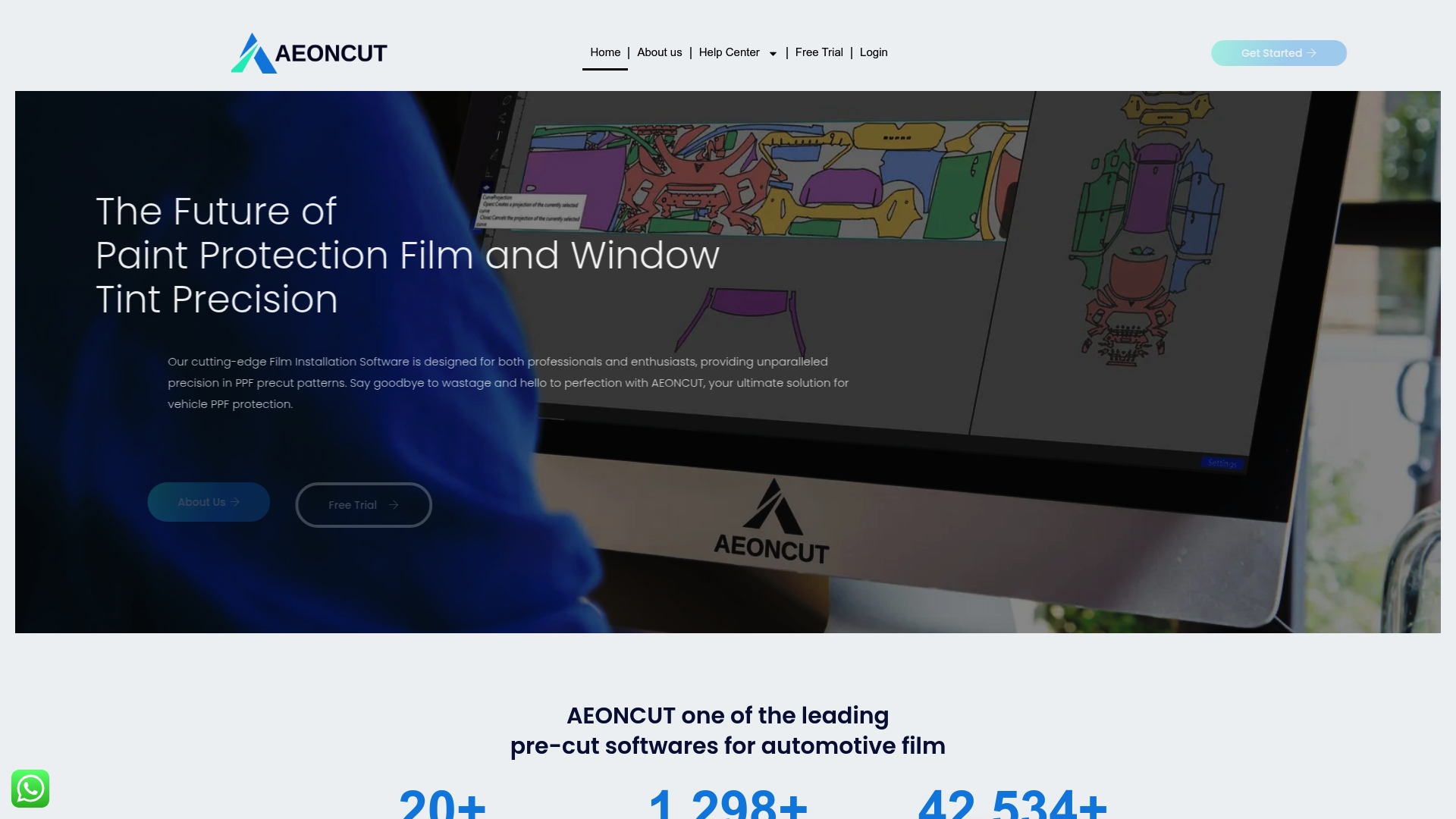
Discover how AEONCUT’s innovative platform enhances your paint protection film projects with features like AI-driven auto-nesting and cloud updates. Whether you specialise in full vehicle wraps or targeted high-impact zone coverage, AEONCUT supports you with cutting-edge tools built specifically for the demands of professional paint protection film installers. Explore our Paint Protection Film category to see how AEONCUT can power up your workflow today. Visit AEONCUT to start your subscription and gain instant access to unlimited patterns, expert support, and ongoing updates designed to keep you at the forefront of precision vehicle protection.
Frequently Asked Questions
What is clear car paint protection film?
Clear car paint protection film (PPF) is a transparent film designed to shield a vehicle’s paint from environmental damage, including stone chips, minor abrasions, and chemical contaminants. It serves as a sacrificial barrier that absorbs impact and protects the original paintwork.
How does paint protection film work?
Paint protection film operates through a multilayered structure that absorbs and disperses impact energy from debris and scratches. It features self-healing capabilities that allow minor scratches to disappear when exposed to heat, along with providing UV protection to prevent yellowing.
What are the different types of paint protection film available?
The main types of paint protection film include standard clear, satin clear, and hybrid variants. Standard clear PPF offers gloss and invisible protection, satin clear gives a modern matte finish, and hybrid types provide advanced optical properties while being flexible and durable.
How is paint protection film installed?
Professional installation involves meticulous surface preparation, including washing and decontaminating the vehicle, followed by custom-cut film application. Technicians use advanced tools and techniques to ensure a bubble-free and seamless fit, particularly on high-impact zones like hoods and bumpers.
Recommended
- How Does PPF Work? Guide for Car Care Pros 2025 – AEONCUT PPF Pre-cut Cutting software
- Top Paint Protection Film Benefits for Auto Professionals 2025 – AEONCUT PPF Pre-cut Cutting software
- Clear Bra vs PPF: Key Differences for Detailing Pros 2025 – AEONCUT PPF Pre-cut Cutting software
- Clear Bra vs PPF: Key Differences for Detailing Pros 2025 – AEONCUT PPF Pre-cut Cutting software
- Do auta Raypath – zestawy do czyszczenia auta | Przestrzeń Od Nowa Sklep