Precision is everything for mobile vehicle wrap technicians who face unpredictable environments and rising material costs on every job. The evolution of paint protection film technology brings durable, self-healing, and hydrophobic protection directly to the client, but flawless application demands more than skill. Access to high-precision software solutions empowers professionals worldwide to minimise waste, accelerate workflow, and consistently achieve factory-quality results even onsite.
Table of Contents
- Defining Mobile Paint Protection Film Solutions
- Types of Paint Protection Film and Key Differences
- Precision Cutting and Digital Pattern Technology
- Benefits of Cloud-Based PPF Software for Installers
- Cost Efficiency, Mistakes to Avoid, and Best Practices
Key Takeaways
| Point | Details |
|---|---|
| Mobile PPF Solutions | Mobile paint protection film provides advanced defence against environmental damage, utilising self-healing and hydrophobic properties for superior surface protection. |
| Types of PPF | Understanding differences among gloss, matte, self-healing, and custom films is crucial for recommending the best options to clients based on their needs. |
| Precision Cutting Technology | Digital pattern technology enhances installation accuracy, reducing waste and ensuring a perfect fit for various vehicle models. |
| Cloud-Based Software Benefits | Cloud technology improves workflow efficiency through instant pattern updates and remote collaboration, allowing mobile installers to optimise their operations. |
Defining Mobile Paint Protection Film Solutions
Mobile paint protection film (PPF) represents a sophisticated automotive preservation technology designed to shield vehicle surfaces from environmental damage. These advanced protective polymer systems provide comprehensive defence against scratches, chips, ultraviolet radiation, and environmental contaminants.
The core functionality of mobile PPF solutions revolves around professional-grade transparent films constructed from sophisticated thermoplastic urethane materials. These films are engineered with multilayered compositions featuring self-healing top coatings and hydrophobic properties that enable superior surface protection. Mobile PPF services distinguish themselves by bringing expert installation directly to customers, eliminating traditional shop-based constraints and offering unprecedented convenience for vehicle owners.
Key characteristics of mobile PPF solutions include:
- Precise application techniques
- High-performance polymer materials
- Advanced surface preparation protocols
- Onsite installation capabilities
- Professional-grade protective technologies
These mobile solutions leverage cutting-edge materials science to deliver pristine film applications that preserve original factory paint finishes with exceptional durability. Mobile PPF services represent a technological evolution in automotive surface protection, combining scientific innovation with professional installation expertise.
Pro tip: Always ensure your mobile installation workspace is clean, temperature-controlled, and free from dust particles to guarantee optimal PPF adhesion and performance.
Types of Paint Protection Film and Key Differences
Paint protection film (PPF) technologies offer diverse options for automotive surface preservation, ranging from distinctive finish types that cater to different aesthetic and protective requirements. Professional installers must understand the nuanced characteristics of each PPF variant to recommend optimal solutions for vehicle owners.
The primary PPF categories include gloss, matte, self-healing, and specialised custom films. Gloss films maintain the vehicle’s original paint shine, providing high transparency and a sleek appearance. These films are engineered to preserve the factory finish while offering robust protection against environmental contaminants. Matte films, by contrast, deliver a sophisticated satin finish that transforms the vehicle’s visual profile, reducing glare and creating a more understated aesthetic.
Advanced PPF technologies introduce additional performance dimensions:
- Self-healing films featuring top coatings that automatically repair minor scratches
- Hydrophobic variants with enhanced water-repellent properties
- Coloured and patterned options for aesthetic customisation
- Specialised films with increased impact resistance
Key differences between PPF types extend beyond visual characteristics, encompassing critical performance metrics such as durability, self-repair capabilities, and long-term protective efficacy. Installers must carefully evaluate film compositions, considering factors like thickness, elasticity, and UV resistance to match client expectations and vehicle requirements.
Here’s a side-by-side comparison of common paint protection film types and their core benefits:
| PPF Type | Visual Effect | Main Benefit | Typical Use Case |
|---|---|---|---|
| Gloss | High transparency, shine | Preserves factory finish | Luxury and new vehicles |
| Matte | Satin, reduced glare | Modern aesthetic transformation | Custom styling projects |
| Self-healing | Transparent finish | Automatic scratch repair | High-usage and commuter cars |
| Custom/Coloured | Unique patterns, colours | Enhanced impact protection | Personalised or fleet vehicles |
Pro tip: Always conduct a comprehensive surface evaluation and discuss client aesthetic preferences before recommending a specific paint protection film type to ensure optimal satisfaction and performance.
Precision Cutting and Digital Pattern Technology
Modern mobile paint protection film (PPF) installation demands unprecedented precision, with digital pattern technology revolutionising how professionals approach vehicle surface protection. Custom PPF patterns have transformed the installation landscape, enabling technicians to achieve millimetre-perfect applications across diverse vehicle models.
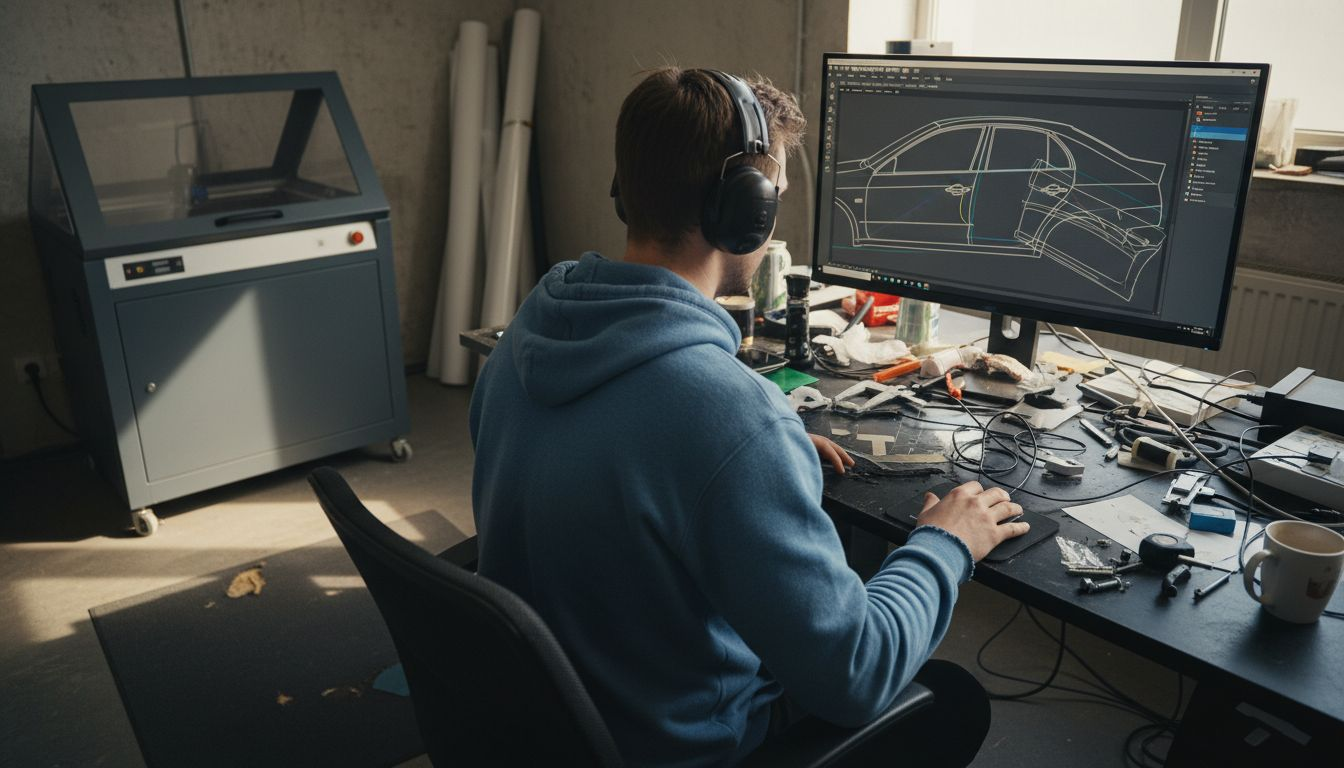
Digital pattern technology represents a quantum leap in automotive surface protection, utilising advanced computer-aided design (CAD) software and high-precision cutting machines. These systems generate exact vehicle-specific templates that account for minute contours, panel gaps, and complex geometric shapes. Unlike traditional manual cutting methods, digital technologies eliminate human error, ensuring consistent film placement and minimising material waste.
Key components of precision digital cutting include:
- Advanced vector mapping technologies
- Computer-generated three-dimensional vehicle models
- Algorithmic pattern generation
- Real-time template adjustment capabilities
- Micrometre-level cutting precision
The integration of artificial intelligence and machine learning further enhances digital pattern technologies, enabling continuous improvement in pattern accuracy. Professional installers can now access extensive digital libraries of pre-configured patterns, dramatically reducing preparation time and increasing overall installation efficiency. This technological evolution shifts the installer’s role from manual cutter to precision technician, emphasising skill in application rather than template creation.
For reference, these key digital pattern technologies drive modern mobile PPF installation precision:
| Technology Feature | Function | Impact on Installation |
|---|---|---|
| CAD Software | Generates vehicle templates | Ensures accurate fit |
| AI/Machine Learning | Refines cutting algorithms | Improves pattern quality |
| Vector Mapping | Defines complex contours | Reduces manual adjustments |
| Template Libraries | Stores pre-made patterns | Speeds up preparation phase |
Pro tip: Invest time in mastering digital cutting software interfaces and regularly update your pattern libraries to maintain cutting-edge installation capabilities.
Benefits of Cloud-Based PPF Software for Installers
Cloud-based paint protection film (PPF) software represents a transformative technological solution for mobile installers, offering unprecedented flexibility and efficiency in vehicle protection workflows. PPF cutting software has evolved dramatically, enabling professionals to access comprehensive pattern libraries and cutting-edge design tools from anywhere with internet connectivity.
Cloud technology fundamentally reshapes how PPF installers manage their operations, providing real-time synchronisation across multiple devices and locations. Professional technicians can now access comprehensive vehicle pattern databases, update design templates instantaneously, and collaborate seamlessly regardless of physical location. This digital infrastructure eliminates traditional barriers of geographical constraints, allowing mobile installers to maintain a sophisticated, technologically advanced workflow without substantial hardware investments.
Key advantages of cloud-based PPF software include:
- Instant pattern library updates
- Cross-device synchronisation
- Remote collaboration capabilities
- Reduced hardware infrastructure requirements
- Automatic software version management
- Scalable storage solutions
- Enhanced data security protocols
The integration of artificial intelligence and machine learning within cloud platforms further augments installation precision. These intelligent systems continuously analyse installation data, refine cutting patterns, and provide predictive insights that help installers optimise their techniques. By leveraging cloud technologies, mobile PPF professionals can transform their operational model, shifting from traditional manual processes to a dynamic, data-driven approach that maximises efficiency and client satisfaction.
Pro tip: Select cloud-based PPF software with robust security features and comprehensive backup systems to protect your valuable design templates and client information.
Cost Efficiency, Mistakes to Avoid, and Best Practices
Successful mobile paint protection film (PPF) installation demands a strategic approach that balances precision, efficiency, and cost management. Common installer mistakes can significantly impact material costs, project profitability, and overall business reputation.
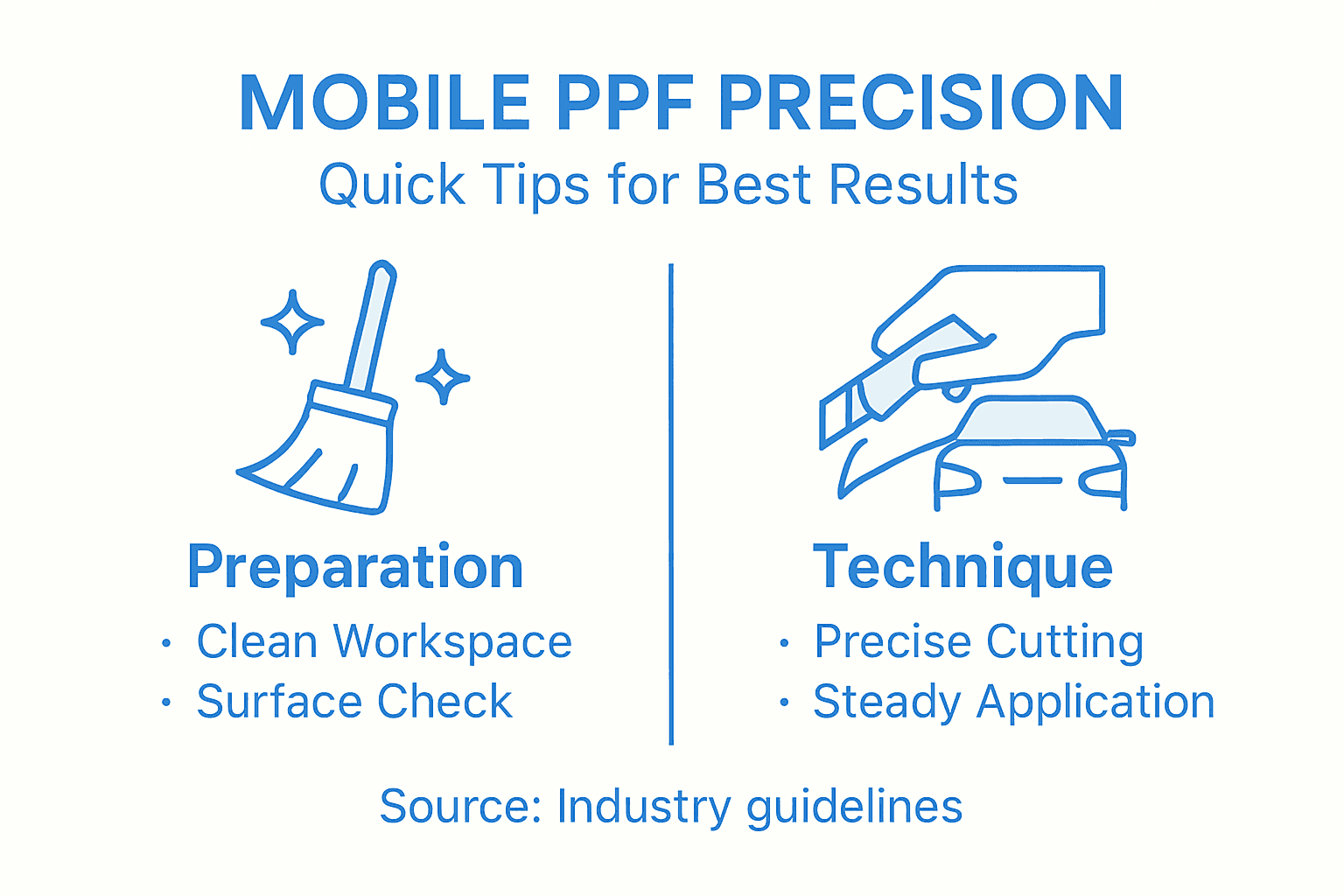
Cost efficiency in PPF installation begins with meticulous preparation and precision. Material waste reduction represents a critical factor for mobile installers, who must optimise every square centimetre of film. Advanced digital cutting technologies, precise surface preparation, and systematic workflow management can dramatically minimise unnecessary expenditure. Professional installers should invest time in developing standardised processes that reduce rework, minimise film wastage, and enhance overall installation quality.
Key strategies for cost-effective PPF installation include:
- Implementing comprehensive surface cleaning protocols
- Utilising advanced digital pattern cutting technologies
- Maintaining temperature and humidity-controlled workspaces
- Regularly calibrating cutting equipment
- Developing systematic edge sealing techniques
- Investing in high-quality, versatile film materials
- Creating efficient workflow management systems
Mobile PPF professionals must anticipate potential installation challenges by understanding common failure points. Temperature fluctuations, inadequate surface preparation, and improper film alignment can lead to adhesive failures, bubbling, and premature film lifting. By developing a proactive approach that emphasises precision, continuous learning, and technological adaptation, installers can minimise costly errors and build a reputation for exceptional service quality.
Pro tip: Create a detailed installation checklist that covers surface preparation, environmental conditions, and film application steps to ensure consistent, high-quality results.
Elevate Your Mobile Paint Protection Film Installations with AEONCUT
Mobile PPF installers face challenges like achieving millimetre-perfect cuts and minimising costly material waste while working onsite. Precision, efficiency and access to the latest vehicle-specific digital patterns are crucial to delivering flawless results and maximising profitability. By integrating advanced concepts such as AI-driven pattern generation and cloud-based updates, you can transform your workflow and stay ahead in this competitive industry.
Discover how the Paint Protection Film – AEONCUT PPF Pre-cut Cutting software empowers professional installers with extensive pattern libraries, real-time synchronisation and customisable designs. 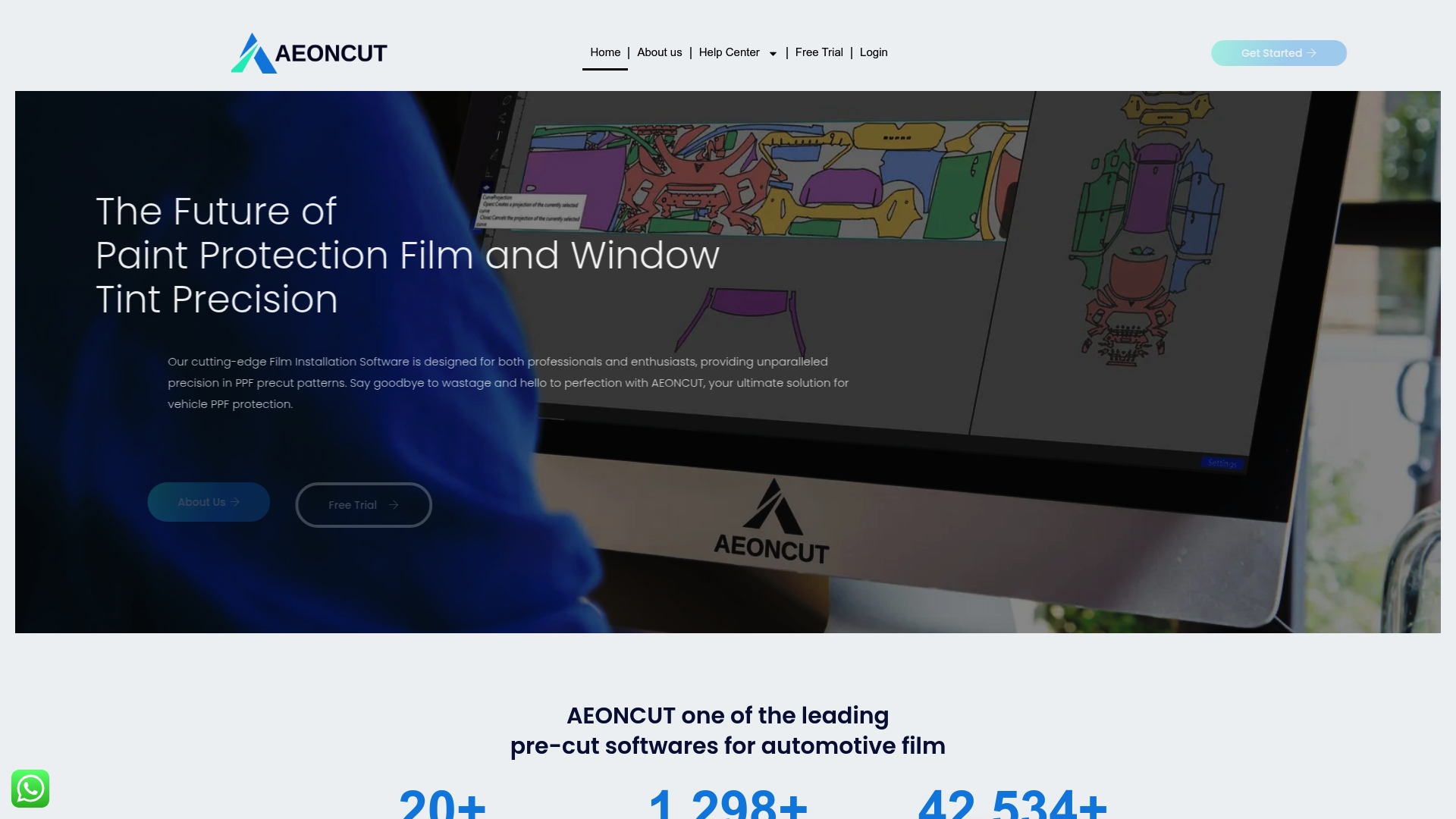
Take control of your mobile PPF business today. Visit https://aeoncutsw.com to explore flexible subscription plans tailored for your needs and access resources that sharpen your expertise. Invest in the future of your installations and deliver exceptional quality on every vehicle.
Frequently Asked Questions
What is mobile paint protection film (PPF)?
Mobile paint protection film (PPF) is a protective polymer technology that shields vehicle surfaces from scratches, chips, UV radiation, and environmental contaminants.
How do different types of paint protection film (PPF) vary in performance and appearance?
PPF types include gloss, matte, self-healing, and custom films. Gloss films preserve the original shine, matte films provide a satin finish, self-healing films can repair minor scratches, and custom films offer unique colours and patterns.
What are the benefits of using digital pattern technology for PPF installation?
Digital pattern technology allows for millimetre-perfect applications by generating vehicle-specific templates, greatly reducing human error and ensuring consistent film placement.
How can cloud-based PPF software improve the efficiency of installers?
Cloud-based PPF software enhances efficiency by providing real-time access to pattern libraries, enabling remote collaboration, synchronising data across devices, and offering automatic updates, ultimately streamlining workflows for mobile installers.
Recommended
- Common Mistakes in PPF Installation and How to Avoid Them – AEONCUT PPF Pre-cut Cutting software
- How Does PPF Work? Guide for Car Care Pros 2025 – AEONCUT PPF Pre-cut Cutting software
- PPF for Motorcycles: 2025 Guide for Installers & Detailers – AEONCUT PPF Pre-cut Cutting software
- Matte PPF vs Gloss PPF: Professional Comparison 2025 – AEONCUT PPF Pre-cut Cutting software