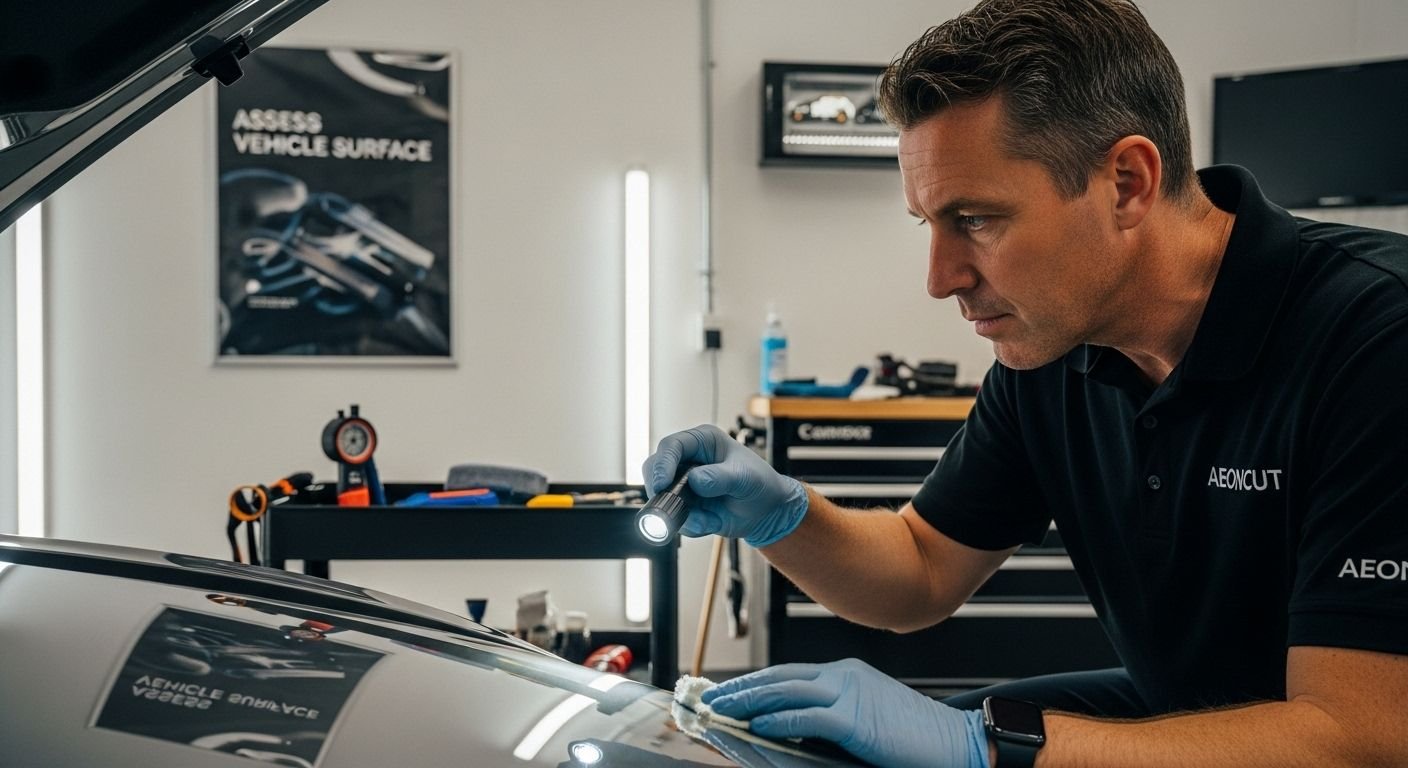
Protecting vehicle interiors is a daily challenge for professional installers aiming to exceed customer expectations. Constant exposure to dirt, moisture, and ultraviolet rays can quickly degrade even premium upholstery. By mastering car interior fabric protection, technicians not only preserve material integrity but also deliver longer-lasting, flawless results that reflect expert workmanship. This guide explores sophisticated approaches and proven solutions that help specialists stay ahead in the competitive global market.
Table of Contents
- Car Interior Fabric Protection Explained
- Types Of Fabric Protection Solutions Available
- Professional Application Methods And Technologies
- Longevity, Maintenance, And Customer Experience
- Common Mistakes And How To Avoid Them
Key Takeaways
| Point | Details |
|---|---|
| Importance of Fabric Protection | Protecting car interiors involves techniques that extend the lifespan and maintain the quality of various upholstery materials. |
| Types of Protection Solutions | Several fabric protection solutions are available, such as silicone-based coatings and nano-technology sprays, each offering unique benefits. |
| Professional Application Techniques | Successful protection requires specialised equipment and precise methods to ensure thorough preparation and application. |
| Customer Benefits | Professional fabric protection enhances stain resistance, cleaning efficiency, and overall aesthetic appeal, positively impacting vehicle value. |
Car Interior Fabric Protection Explained
Car interior fabric protection involves strategic techniques and treatments designed to maintain vehicle upholstery integrity, cleanliness, and aesthetic appeal. Professionals understand that protecting interior fabrics goes far beyond simple cleaning—it requires comprehensive preservation strategies that shield surfaces from potential damage.
Motor vehicle interiors are constantly exposed to challenging environmental factors such as dirt, moisture, ultraviolet radiation, and mechanical wear. Protective films create essential barrier layers that mitigate these risks, extending the lifespan of interior materials and maintaining their original quality. These protective treatments work across multiple fabric types, including:
- Cloth upholstery
- Leather surfaces
- Vinyl components
- Synthetic fabric blends
- Carpet and floor coverings
Comprehensive interior fabric protection typically involves several key methodologies. Regular cleaning techniques play a critical role in maintaining fabric integrity, including:
- Consistent vacuuming to remove particulate matter
- Steam cleaning for deep fabric sanitisation
- Gentle soap applications for targeted stain removal
- Specialised conditioning treatments for leather surfaces
Professional installers recognise that effective fabric protection requires understanding material-specific requirements and implementing tailored preservation strategies. By applying scientifically developed protective treatments, they can significantly enhance the durability and appearance of vehicle interiors.
Pro tip: Invest in high-quality, fabric-specific cleaning solutions and conduct periodic protective treatments to maintain optimal interior condition and prevent long-term degradation.
Types Of Fabric Protection Solutions Available
Fabric protection solutions represent a critical technological approach to preserving vehicle interior materials, offering professionals multiple strategies for maintaining upholstery quality and longevity. These sophisticated treatments provide comprehensive defence against environmental challenges and potential damage.
Fabric protection technologies encompass a diverse range of specialised solutions designed to address specific material protection needs. Professionals can select from several primary categories of protective treatments:
- Silicone-based coatings: Provide water-resistant barriers
- Fluoropolymer repellents: Create advanced stain-blocking layers
- Nano-technology sprays: Offer microscopic protective shields
- Ceramic-infused treatments: Enhance durability and resistance
These protection solutions work through innovative mechanisms that fundamentally alter fabric surface properties. Stain repellent treatments function by creating invisible molecular barriers that prevent liquids and dirt from penetrating fabric fibres, thereby simplifying maintenance and extending material lifespan.
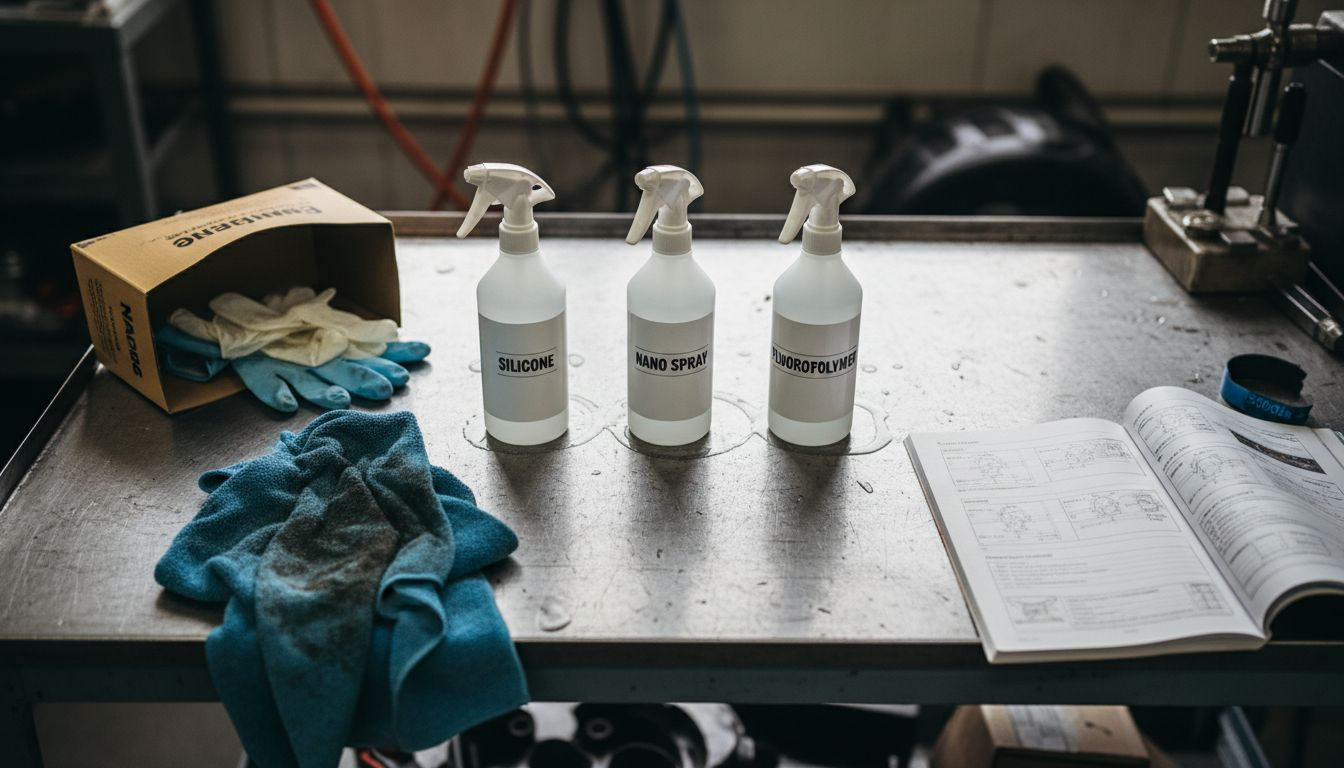
Professional installers must understand the nuanced differences between protection solutions, considering factors such as fabric composition, environmental exposure, and intended usage. Different materials—leather, cloth, synthetic blends—require tailored approaches to ensure optimal preservation and performance.
This table highlights the differences between key fabric protection technologies and their typical applications:
| Protection Technology | Core Benefit | Suitable Materials | Typical Durability |
|---|---|---|---|
| Silicone-based coatings | Water resistance | Cloth, carpet | 6-12 months |
| Fluoropolymer repellents | Stain blocking | Cloth, vinyl | 9-18 months |
| Nano-technology sprays | Microscopic shielding | Synthetic blends | 12-24 months |
| Ceramic-infused treatments | Enhanced durability | Leather, premium fabric | 18-36 months |
Selecting the appropriate fabric protection solution demands comprehensive knowledge of material science and applied chemistry.
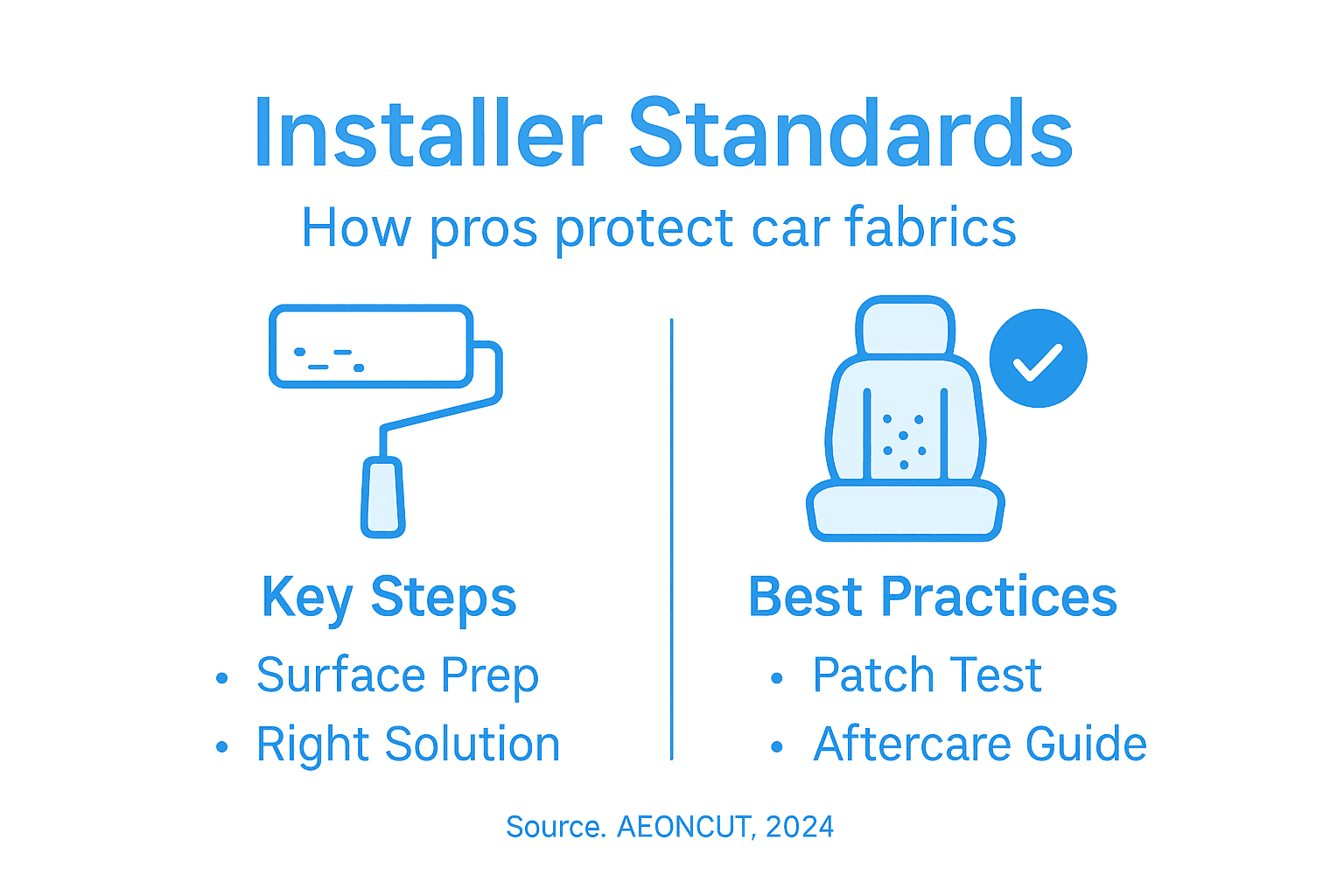
Pro tip: Always conduct a small patch test with new protective treatments to verify compatibility and ensure no adverse reactions with specific fabric types.
Professional Application Methods And Technologies
Professional fabric protection demands precision, expertise, and sophisticated technological approaches that go far beyond simple surface treatments. Installers must navigate complex processes that require technical skill, specialised equipment, and deep understanding of material interactions.
Professional application techniques involve intricate surface preparation methods that are critical to achieving optimal protection. These sophisticated approaches include:
- Comprehensive surface cleaning protocols
- Precise chemical treatment procedures
- Advanced adhesive application techniques
- Controlled environmental conditioning
Modern protective film technologies have revolutionised interior fabric preservation through innovative application methodologies. Professional installers utilise specialised cleaning machines that ensure pristine surface preparation before applying protective treatments, including:
- High-pressure steam cleaning systems
- Fabric extraction equipment
- Microscopic debris removal tools
- Precision spray application devices
Successful fabric protection requires mastering both technological skills and material science principles.
The complexity of professional application extends beyond simple product application. Technicians must understand fabric composition, evaluate environmental stress factors, and select appropriate protective technologies that maintain material integrity while providing comprehensive defence against potential damage.
Pro tip: Invest in ongoing training and equipment calibration to ensure consistent, high-quality protective film application across different fabric types and vehicle interiors.
Longevity, Maintenance, And Customer Experience
Fabric protection longevity represents a complex interplay between professional application techniques, ongoing maintenance practices, and customer expectations. Successful interior preservation demands a strategic approach that addresses both technical performance and client satisfaction.
Fabric protection maintenance strategies require systematic processes that extend protective treatments’ effectiveness. Critical maintenance elements include:
- Regular vacuuming protocols
- Periodic professional cleaning
- Avoiding harsh chemical treatments
- Monitoring environmental exposure
- Implementing gentle cleaning techniques
Customer satisfaction hinges on understanding the tangible benefits of professional fabric protection. Professional services deliver comprehensive interior preservation that directly impacts vehicle value and aesthetic appeal through:
- Stain resistance capabilities
- Enhanced cleaning efficiency
- Extended interior material lifespan
- Improved resale potential
Professional fabric protection transforms vehicle maintenance from a burden to a strategic investment.
Technical expertise combined with transparent communication creates exceptional customer experiences. Installers must educate clients about maintenance requirements, set realistic expectations, and demonstrate the long-term value of professional protective treatments.
Below is a summary of customer benefits linked to professional fabric protection services:
| Customer Benefit | How It Improves Experience | Long-Term Impact |
|---|---|---|
| Stain resistance | Keeps upholstery looking new | Protects resale value |
| Easier cleaning | Saves time for owners | Less frequent deep cleans |
| Extended material lifespan | Reduces wear and tear | Lower replacement costs |
| Enhanced aesthetics | Maintains premium appearance | Boosts vehicle desirability |
Pro tip: Develop a comprehensive aftercare guide for clients that outlines specific maintenance instructions tailored to their vehicle’s unique fabric protection treatment.
Common Mistakes And How To Avoid Them
Fabric protection errors can significantly compromise the effectiveness and durability of vehicle interior treatments. Professionals must understand the most common pitfalls to maintain high-quality standards and protect client investments.
Cleaning technique mistakes represent a critical area of potential failure for installers. Common errors include:
- Over-saturating fabrics during cleaning
- Using inappropriate chemical treatments
- Neglecting pre-treatment vacuuming
- Applying protection to already stained surfaces
- Failing to allow sufficient drying time
Professional fabric protection strategies emphasise the importance of systematic preparation and meticulous application. Key mistakes to avoid involve:
- Skipping comprehensive surface preparation
- Using non-compatible protection products
- Ignoring manufacturer-specific guidelines
- Rushing the application process
- Neglecting client education about maintenance
Technical precision separates professional results from amateur attempts.
Successful fabric protection requires a holistic approach that combines technical expertise, product knowledge, and client communication. Installers must develop a comprehensive understanding of material interactions, chemical compatibility, and environmental factors that influence protection effectiveness.
Pro tip: Develop a standardised pre-treatment checklist that ensures consistent, thorough surface preparation before applying any protective treatments.
Elevate Your Car Interior Fabric Protection With Precision Cutting Solutions
Protecting delicate car interiors demands more than careful cleaning and expert application. The challenge lies in combining tailored fabric protection treatments with flawless surface preparation and precise application techniques that installers can confidently trust. Pain points such as inconsistent product performance, material waste, and time-consuming pattern creation can undermine the high standards installers aim to uphold when raising fabric preservation quality.
AEONCUT offers a game-changing solution for professional installers seeking to optimise their workflow and craftsmanship. With its extensive library of pre-cut patterns for Paint Protection Film and window Tint, AEONCUT empowers you to achieve ultra-precise fabric protection coverage while minimising waste and errors. These features perfectly complement the scientific approach to fabric protection detailed in the article by ensuring your protective films and material coverings align flawlessly with every vehicle’s interior surfaces.
Ready to revolutionise your fabric protection installations and deliver higher quality results faster than ever? Explore AEONCUT now at aeoncutsw.com to access professional-grade cutting software designed specifically for automotive preservation needs. Don’t let inefficiencies compromise your work, act today to boost your precision, efficiency and customer satisfaction.
Frequently Asked Questions
What methods are used in car interior fabric protection?
Comprehensive fabric protection typically involves techniques such as consistent vacuuming, steam cleaning, gentle soap applications for stain removal, and specialised conditioning treatments for leather surfaces.
What types of fabric protection solutions are available for vehicle interiors?
Available fabric protection solutions include silicone-based coatings, fluoropolymer repellents, nano-technology sprays, and ceramic-infused treatments. Each provides varying levels of water resistance, stain blocking, and durability.
How can I maintain the effectiveness of my fabric protection treatment?
To maintain effectiveness, implement regular vacuuming, periodic professional cleaning, avoid harsh chemical treatments, and monitor environmental exposure. Gentle cleaning techniques should also be employed to prolong the protective treatment’s lifespan.
What are the common mistakes to avoid when applying fabric protection?
Common mistakes include over-saturating fabrics, using inappropriate chemical treatments, neglecting pre-treatment vacuuming, applying protection to already stained surfaces, and rushing the application process, which can compromise the treatment’s effectiveness.
Recommended
- Understanding Why Interior Protection Films Are the Next Big Trend in Car Care – AEONCUT PPF Pre-cut Cutting software
- Understanding Interior Protection Films: Benefits for Luxury Cars – AEONCUT PPF Pre-cut Cutting software
- Understanding Why Interior Protection Films Are the Next Big Trend in Car Care – AEONCUT PPF Pre-cut Cutting software
- Understanding Interior Protection Films: Benefits for Luxury Cars – AEONCUT PPF Pre-cut Cutting software
- Car Wrapping London | Vehicle Wrapping London | Promo Signs LTD