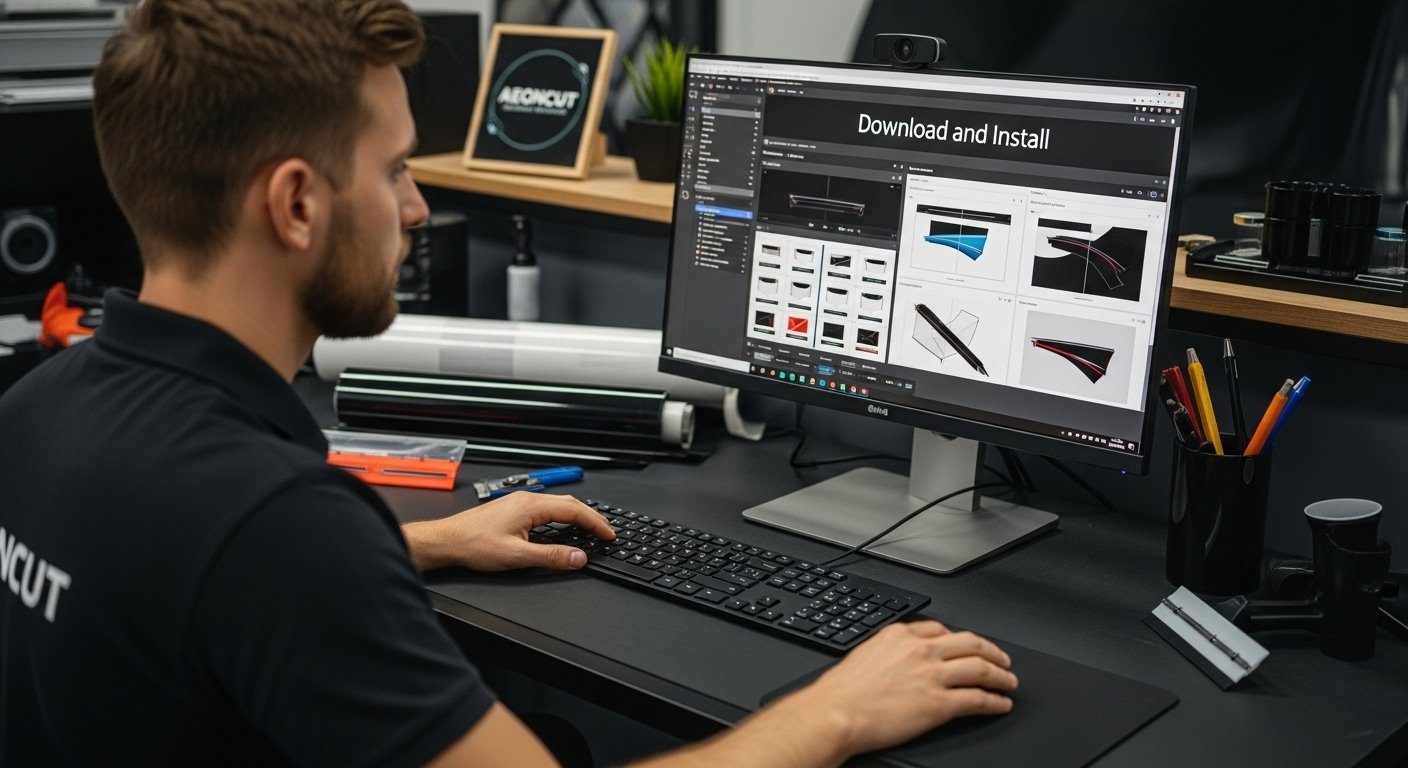
Protecting luxury vehicles from chips, scratches, and environmental damage is a constant challenge for professional detailers. With premium cars often sporting delicate paint finishes, finding a reliable solution that truly preserves both appearance and value is crucial. Leading technologies like thermoplastic polyurethane and advanced cutting software are changing the way paint protection film is applied, promising stronger barriers and more precise fits.
This guide reveals expert insights that can help you choose top-quality materials, prepare flawless surfaces, and achieve lasting protection. You will discover practical techniques and smart resources that set your results apart from the competition. Get ready to learn actionable steps for superior paint protection film installation and maintenance that make every job easier and more impressive.
Table of Contents
- 1. Choose High-Quality Paint Protection Films
- 2. Understand Vehicle Surface Preparation Essentials
- 3. Utilise Advanced Cutting Software for Precision
- 4. Minimise Material Waste with Accurate Pre-Cuts
- 5. Master Edge Sealing for Long-Lasting Protection
- 6. Stay Updated with Cloud-Based Pattern Libraries
- 7. Offer Customisable Solutions for Client Needs
Quick Summary
| Takeaway | Explanation |
|---|---|
| 1. Choose high-quality films | Invest in advanced materials like TPU or PVC for optimal paint protection and durability. |
| 2. Prioritise surface preparation | Conduct thorough cleaning and decontamination to ensure proper adhesion and performance of the film. |
| 3. Utilise cutting software for efficiency | Implement advanced software for precise cutting patterns, minimising waste and enhancing installation quality. |
| 4. Master edge sealing techniques | Use controlled heat and pressure for effective edge sealing to prevent moisture and dirt ingress. |
| 5. Offer custom solutions | Tailor film options to meet individual client needs, considering vehicle usage and aesthetic preferences. |
1. Choose High-Quality Paint Protection Films
Selecting the right paint protection film is crucial for professional automotive detailing and long-lasting vehicle preservation. With the European paint protection film market growing rapidly, understanding film quality has never been more important.
Professional installers must prioritise films manufactured from advanced materials like thermoplastic polyurethane (TPU) and polyvinyl chloride (PVC). These high-performance materials offer exceptional protective characteristics:
- Remarkable durability against environmental damage
- Superior flexibility for complex vehicle contours
- Outstanding resistance to UV radiation
- Exceptional abrasion and impact protection
- Long-lasting preservation of original paint finish
The automotive sector demands films that provide comprehensive protection. Advanced paint protection technologies now incorporate self-healing properties that can automatically repair minor surface scratches.
High-quality paint protection films are not an expense but an investment in vehicle longevity and aesthetic preservation.
When evaluating paint protection films, professionals should assess key performance metrics such as:
- Material composition
- Thickness and transparency
- UV resistance ratings
- Manufacturer warranty
- Independent testing certifications
Professional tip: Always request material specification sheets and conduct your own adhesion and durability tests before committing to a specific paint protection film brand.
2. Understand Vehicle Surface Preparation Essentials
Paint protection film (PPF) application demands precision and meticulous surface preparation for optimal results. Mechanical and chemical decontamination methods are critical for ensuring a flawless installation.
Professional installers must understand that surface preparation is far more complex than basic cleaning. It involves a comprehensive approach to creating the perfect foundation for paint protection film:
- Thorough removal of dirt and contaminants
- Elimination of existing wax and grease
- Identification and treatment of surface imperfections
- Creation of an ideal bonding environment
The preparation process involves several strategic steps:
- Initial comprehensive vehicle washing
- Chemical degreasing of surfaces
- Clay bar treatment for deep contaminant removal
- Inspection for scratches and paint defects
- Final solvent wipe to ensure pristine surface conditions
A perfectly prepared surface is the foundation of exceptional paint protection film installation.
Advanced techniques like panel moisture measurement and surface tension testing can help professionals validate their preparation quality. Understanding how different automotive surfaces respond to preparation methods ensures superior PPF adhesion and longevity.
Professional tip: Invest in high-quality microfibre towels and professional-grade surface preparation solutions to guarantee consistent, exceptional results.
3. Utilise Advanced Cutting Software for Precision
Advanced cutting software represents a transformative breakthrough in paint protection film (PPF) installation for automotive professionals. PPF cutting software technologies have revolutionised precision and efficiency in vehicle customisation.
Modern cutting software solutions deliver unprecedented accuracy by eliminating manual cutting risks and optimising material usage:
- Instant access to 100,000+ vehicle template database
- Real-time digital pattern updates
- Precise computer-generated cutting patterns
- Minimal material waste
- Enhanced installation consistency
Professionals can leverage digital technologies to streamline their workflow through sophisticated pattern recognition algorithms. These intelligent systems analyse vehicle specifications and generate exact film templates with millimetre-perfect precision.
Precision cutting software transforms guesswork into guaranteed perfection.
Key advantages of adopting advanced cutting software include:
- Reduced installation time
- Decreased material expenses
- Improved customer satisfaction
- Enhanced professional reputation
- Scalable workflow management
By integrating intelligent cutting technologies, automotive professionals can dramatically improve their service quality and operational efficiency.
Professional tip: Regularly update your cutting software database to ensure you have the most current vehicle templates and cutting patterns.
4. Minimise Material Waste with Accurate Pre-Cuts
Minimising material waste is a critical consideration for professional paint protection film (PPF) installers seeking to improve operational efficiency and sustainability. Pre-cut PPF software technologies have transformed waste reduction strategies in automotive customisation.
Modern precision cutting solutions offer multiple advantages for reducing unnecessary film expenditure:
- Optimal pattern nesting algorithms
- Exact vehicle-specific measurements
- Minimal film scrap generation
- Enhanced cost-efficiency
- Improved ecological sustainability
Professionals can leverage intelligent software to dramatically reduce material waste through sophisticated digital cutting strategies:
- Upload precise vehicle measurements
- Utilise automated nesting technologies
- Generate optimised cutting patterns
- Minimise leftover film segments
- Track material consumption metrics
Intelligent pre-cut technologies transform material management from wasteful to highly strategic.
By implementing advanced digital cutting approaches, automotive professionals can simultaneously reduce expenses and environmental impact. Precise digital templating ensures maximum film utilisation while maintaining exceptional installation quality.
Professional tip: Regularly calibrate your cutting software and maintain an updated vehicle template database to ensure maximum material efficiency.
5. Master Edge Sealing for Long-Lasting Protection
Mastering edge sealing techniques is fundamental for ensuring paint protection film longevity and maintaining a factory-quality finish.
Advanced heat sealing methods are crucial for preventing premature film failure.
Professional installers must understand the critical nuances of precise edge treatment to protect vehicle paintwork:
- Prevent moisture and dirt ingress
- Eliminate edge lifting risks
- Create seamless protective barriers
- Enhance film adhesion durability
- Maintain aesthetic appearance
Successful edge sealing involves multiple strategic techniques:
- Controlled heat application
- Precise pressure techniques
- Careful edge wrapping
- Strategic use of specialised tools
- Systematic quality inspection
Edge sealing represents the critical difference between amateur and professional paint protection film installation.
The key to exceptional edge sealing lies in understanding thermal activation principles and using professional-grade equipment. Proper technique involves gradually heating film edges while simultaneously applying consistent pressure to create a permanent protective bond.
Professional tip: Invest in a high-quality digital heat gun with adjustable temperature controls and practice consistent pressure techniques to achieve perfect edge seals.
6. Stay Updated with Cloud-Based Pattern Libraries
Cloud-based pattern libraries represent a transformative technological advancement for paint protection film professionals seeking efficiency and precision. Digital pattern marketplace technologies have revolutionised automotive film installation workflows.
Modern cloud-based pattern libraries deliver unprecedented advantages for automotive professionals:
- Instant access to thousands of vehicle templates
- Real-time pattern updates and synchronisation
- Seamless cross-device collaboration
- Reduction of material waste
- Enhanced installation accuracy
Professional installers can leverage cloud technologies through strategic implementation:
- Subscribe to reputable digital pattern services
- Ensure consistent internet connectivity
- Train team members on digital platform usage
- Regularly update pattern libraries
- Implement quality control checks
Cloud-based pattern libraries transform installation precision from manual guesswork to digital excellence.
By embracing digital pattern technologies, automotive professionals can significantly streamline their workflow. The ability to retrieve, edit and share complex vehicle templates across multiple platforms represents a fundamental shift in paint protection film installation methodologies.
Professional tip: Invest time in understanding your cloud-based pattern library’s advanced features like Quick Nest and Pattern Ghost to maximise efficiency and reduce material waste.
7. Offer Customisable Solutions for Client Needs
The automotive paint protection market demands flexible solutions that cater to diverse client requirements. Performance film customisation strategies have transformed how professionals approach vehicle protection.
Professional installers must understand the breadth of customisable film technologies available:
- Self-healing film properties
- Hydrophobic surface treatments
- Enhanced stain resistance
- Advanced abrasion protection
- Tailored aesthetic finishes
Customer-centric approaches involve comprehensive consultation and personalised recommendations:
- Assess individual vehicle usage patterns
- Understand client aesthetic preferences
- Evaluate environmental exposure conditions
- Recommend targeted protection solutions
- Provide transparent performance expectations
Truly professional paint protection transcends one-size-fits-all approaches.
Successful customisation requires deep technical knowledge and the ability to translate client needs into precise film protection strategies. This involves understanding substrate materials, environmental challenges, and emerging protective technologies.
Professional tip: Develop a detailed client consultation framework that systematically captures vehicle protection requirements and matches them with appropriate film technologies.
Below is a comprehensive table summarising the key strategies and considerations for professional paint protection film (PPF) application, as discussed in the article.
| Aspect | Key Details | Benefits |
|---|---|---|
| Material Selection | Use high-quality films made from TPU or PVC with features like self-healing, abrasion resistance, and UV protection. | Ensures durability, preserves aesthetics, and enhances vehicle longevity. |
| Surface Preparation | Undertake meticulous cleaning, decontamination, and defect correction before film application. | Promotes strong adhesion and ensures flawless results. |
| Cutting Technologies | Utilise advanced cutting software with extensive vehicle templates and accurate patterns. | Enhances precision, reduces time, and minimises material waste. |
| Minimising Material Waste | Apply pre-cut PPF software leveraging optimised nesting algorithms and precise measurements. | Increases environmental sustainability and improves cost efficiency. |
| Edge Sealing Techniques | Employ controlled heat application and pressure to create seamless edge bonding. | Prevents peeling, ensures aesthetic integrity, and prolongs film lifespan. |
| Digital Pattern Libraries | Incorporate cloud-based database access for the latest vehicle template updates. | Enables team collaboration and maintains installation accuracy. |
| Customisation for Clients | Offer tailored solutions including hydrophobic, self-healing, and aesthetic finishes based on user needs. | Meets diverse customer requirements and enhances client satisfaction. |
Enhance Your Paint Protection Film Installations with AEONCUT Cutting Software
Mastering professional car paint protection demands precision, efficiency and minimal material waste as highlighted in the “7 Best New Car Paint Protection Tips for Professionals”. Key challenges such as achieving perfect surface preparation, precision cutting and minimising film scrap are directly addressed through innovative digital solutions. Empower your workflow with AEONCUT’s advanced PPF software – AEONCUT PPF Pre-cut Cutting software designed specifically for automotive paint protection film installers.
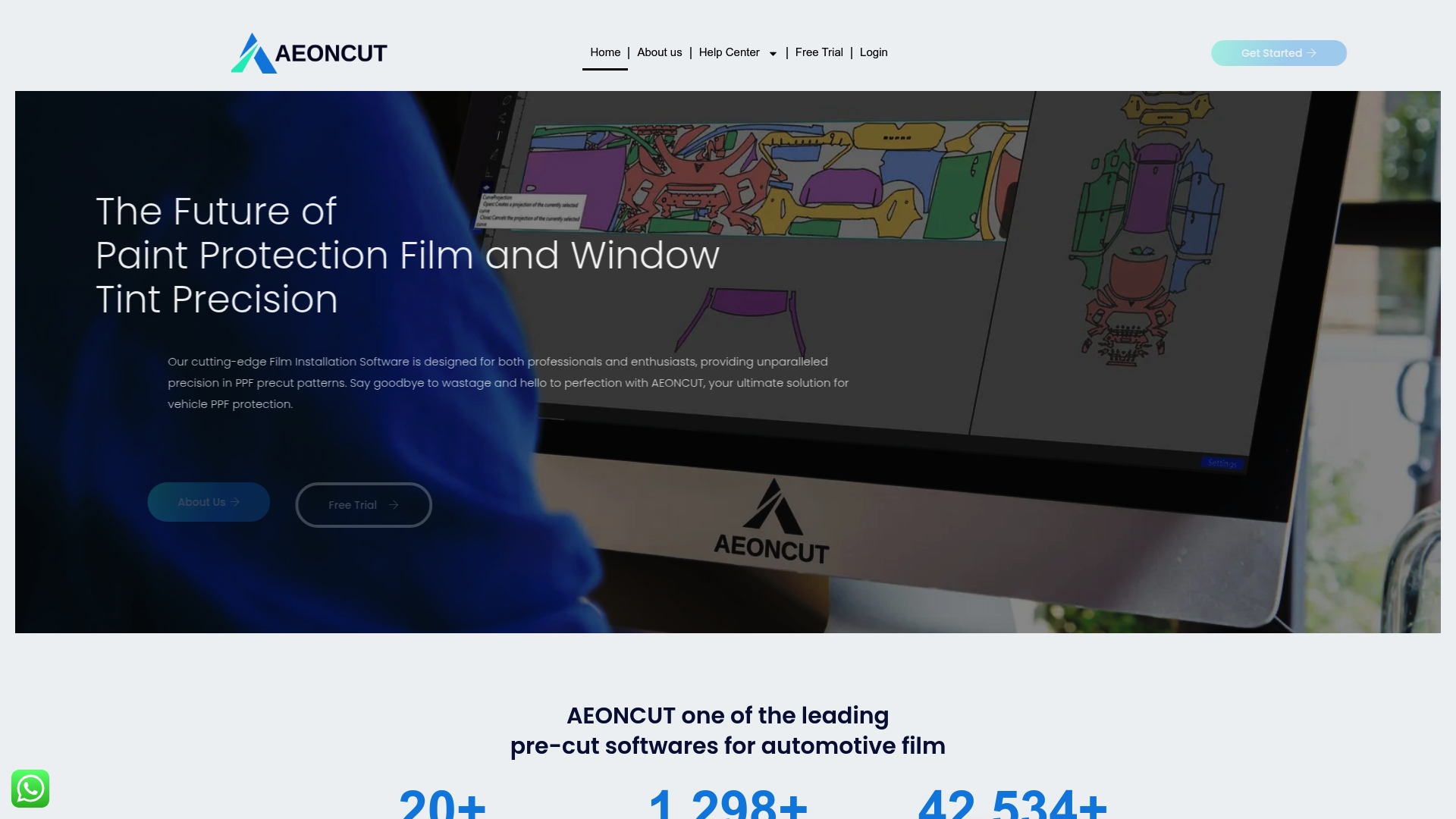
Discover how our comprehensive platform delivers access to thousands of precise PPF precut pattern – AEONCUT PPF Pre-cut Cutting software templates with cloud-based updates and AI-driven nesting algorithms. Whether you are a seasoned professional or an ambitious enthusiast, AEONCUT helps you reduce cutting errors, accelerate installation times and protect vehicle finishes flawlessly. Take your paint protection process to the next level by visiting https://aeoncutsw.com and start your subscription today to ensure every film application is seamless and stress-free.
Frequently Asked Questions
What is the best material for paint protection films?
High-quality paint protection films are typically made from advanced materials like thermoplastic polyurethane (TPU) and polyvinyl chloride (PVC). Choose films that offer superior flexibility, UV resistance, and abrasion protection to ensure longevity and maintain your vehicle’s original finish.
How essential is surface preparation before applying paint protection film?
Surface preparation is crucial before applying paint protection film. Thoroughly clean the vehicle, remove contaminants, and ensure a flawless surface to enhance film adhesion and durability for optimal protection.
What cutting software should I use for paint protection film installation?
Utilise advanced cutting software designed for paint protection film installation, which provides access to vehicle templates and optimises material usage. Implementing precision cutting technology can significantly reduce installation time and material waste by ensuring accurate film application.
How can I minimise material waste while applying paint protection film?
Minimise material waste by using precision cutting solutions that optimise film layout and reduce scrap generation. Regularly calibrate your cutting software and analyse material consumption metrics to enhance efficiency, aiming for waste reduction by approximately 20%.
What techniques should I employ for effective edge sealing of paint protection film?
Master edge sealing techniques by applying controlled heat and consistent pressure during installation. This prevents moisture ingress and edge lifting, ensuring a long-lasting bond that maintains the vehicle’s aesthetic appeal.
How often should I update my pattern library for paint protection film?
Regularly update your pattern library at least once a month to ensure access to the latest vehicle templates and cutting patterns. This practice improves installation accuracy and reduces material waste by ensuring compatibility with current vehicle models.
Recommended
- Top Paint Protection Film Benefits for Auto Professionals 2025 – AEONCUT PPF Pre-cut Cutting software
- Top PPF Brands in 2025: A Professional’s Buying Guide – AEONCUT PPF Pre-cut Cutting software
- How Does PPF Work? Guide for Car Care Pros 2025 – AEONCUT PPF Pre-cut Cutting software
- Top PPF Brands in 2025: A Professional’s Buying Guide – AEONCUT PPF Pre-cut Cutting software