
Precision is everything when working on high-value vehicle customisation, and choosing the right transparent window film can make all the difference. As professionals in automotive PPF and window film installation, you face growing demand for solutions that keep interiors bright while controlling heat and UV exposure. Discover how high visible light transmittance with over 70 percent and ultraviolet blocking above 90 percent delivers a unique balance of clarity, protection, and efficiency for both your workshop and your clients’ vehicles.
Table of Contents
- What Is Transparent Window Film?
- Types Of Transparent Window Film Explained
- Key Performance Benefits And Features
- Installation Process And Professional Tools
- Legal Standards And Global Compliance
- Common Challenges And Avoidable Mistakes
Key Takeaways
| Point | Details |
|---|---|
| Performance Benefits | Transparent window films optimise energy efficiency by providing high visible light transmittance while blocking significant UV and near-infrared radiation. |
| Types of Films | There are four main types of transparent window films: Solar Control, Decorative, Safety/Security, and Smart Dynamic, each tailored for specific applications. |
| Installation Best Practices | Professional installation involves meticulous preparation and the use of specialised tools to ensure optimal performance and aesthetic quality. |
| Compliance Standards | Adherence to global safety and environmental regulations is crucial for transparent window film manufacturers and installers to ensure public safety and build quality. |
What Is Transparent Window Film?
Transparent window film represents an advanced engineering solution designed to optimise window performance while maintaining visual clarity. These sophisticated materials are engineered to selectively control solar radiation, offering remarkable benefits for energy efficiency and indoor comfort. Spectrally selective composite films provide an innovative approach to managing light and thermal transmission through glass surfaces.
The core functionality of transparent window film centres on its ability to manipulate electromagnetic radiation across different wavelengths. Key performance characteristics include:
- High visible light transmittance (>70%)
- Ultraviolet radiation blocking (>90%)
- Near-infrared radiation reduction (>70%)
- Hydrophobic surface properties
- Enhanced durability for exterior applications
Modern transparent window films represent more than simple surface treatments; they are sophisticated technological solutions engineered to balance natural lighting with thermal management. These advanced materials dynamically interact with solar energy, allowing visible light to pass through while strategically blocking heat-generating wavelengths. Thermochromic smart window technologies can even adapt their optical properties in response to temperature changes, further optimising energy performance.
Professional installers and architects increasingly recognise transparent window films as critical components in sustainable building design. By reducing indoor temperatures and minimising heat transfer, these films contribute significantly to reduced energy consumption and improved environmental performance.
Pro tip: When selecting transparent window film, prioritise spectrally selective compositions that offer balanced light transmission and thermal control.
Types Of Transparent Window Film Explained
Transparent window films represent a diverse technological landscape with multiple specialised categories designed to address specific performance requirements. Transparent window films can be comprehensively categorised into four primary functional groups, each offering unique benefits for different applications.
The primary types of transparent window films include:
- Solar Control Films: Engineered to reduce heat gain and block harmful ultraviolet rays
- Decorative Films: Designed to enhance privacy and provide aesthetic architectural solutions
- Safety/Security Films: Constructed to strengthen glass and improve structural integrity
- Smart Dynamic Films: Advanced technologies that dynamically adapt to environmental conditions
Each film type represents a sophisticated solution tailored to specific performance requirements. Solar control films work by reflecting or absorbing solar radiation, effectively minimising heat transmission through glass surfaces. Smart films like thermochromic technologies offer even more advanced capabilities, dynamically adjusting their optical properties in response to temperature changes.
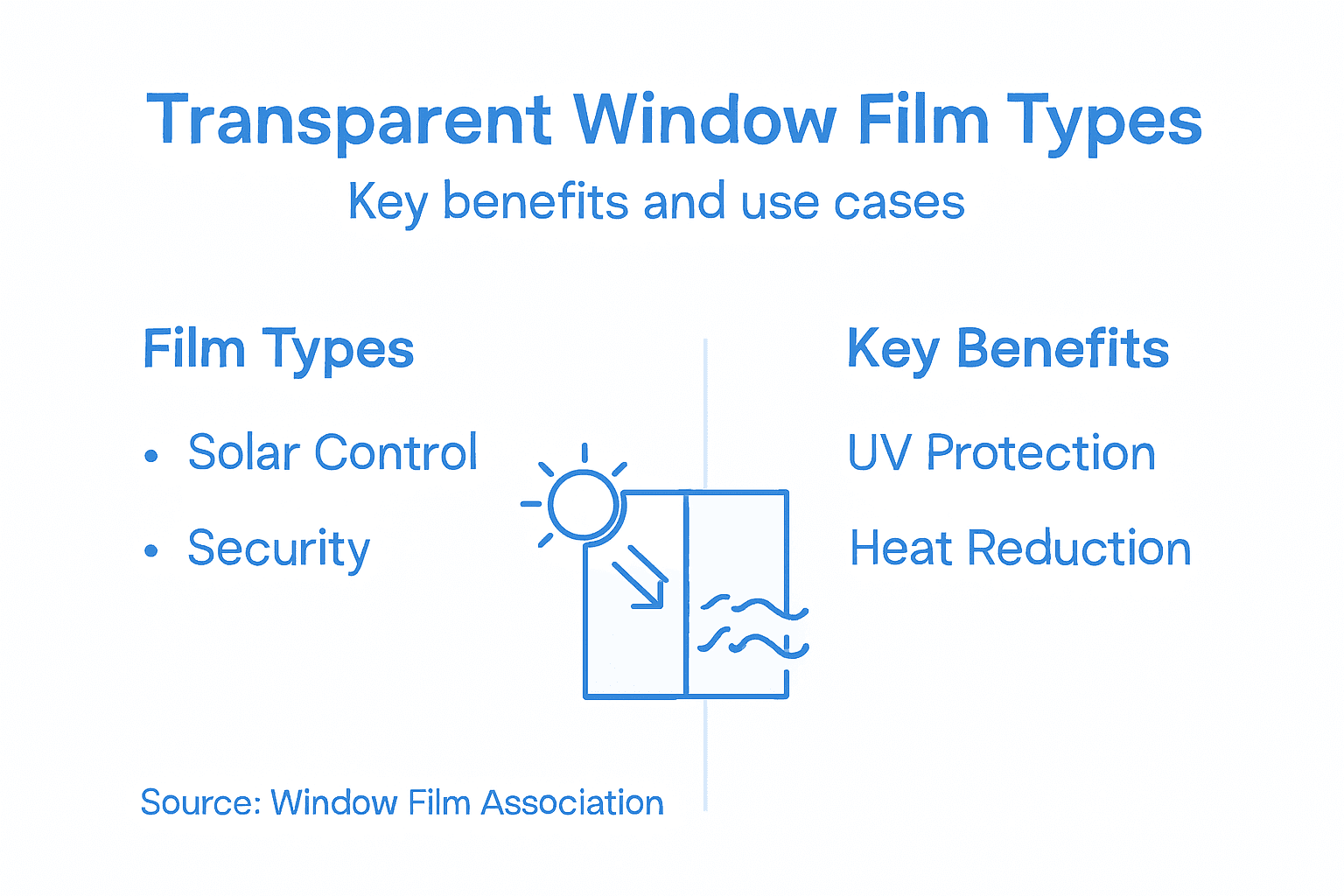
The selection of transparent window film depends on multiple factors including thermal performance, aesthetic preferences, security requirements, and energy efficiency goals. Professional installers must carefully evaluate each film’s specific characteristics, such as visible light transmittance, solar energy rejection, glare reduction, and fade protection to recommend the most suitable solution.
Here is a concise comparison of the main types of transparent window film and their optimal uses:
| Film Type | Specialised Benefit | Ideal Application |
|---|---|---|
| Solar Control | Maximum heat rejection, UV defence | Commercial facades |
| Decorative | Privacy with visual appeal | Office partitions |
| Safety/Security | Shatter resistance, impact safety | Shopfronts, schools |
| Smart Dynamic | Automated thermal/adaptive control | Advanced green buildings |
Pro tip: Always conduct a comprehensive performance assessment of window film types, considering environmental conditions, building orientation, and specific functional requirements before making a final selection.
Key Performance Benefits And Features
High-performance transparent window films represent a sophisticated technological solution designed to optimise building energy efficiency while maintaining exceptional visual clarity. These advanced materials offer a remarkable combination of functional capabilities that address multiple environmental and architectural requirements simultaneously.
Key performance benefits of transparent window films include:
- Radiation Control: Blocking 90% of ultraviolet rays
- Thermal Management: Reducing indoor temperature and heat transmission
- Light Transmission: Maintaining high visible light transparency (>70%)
- Surface Protection: Incorporating hydrophobic properties for self-cleaning
- Energy Efficiency: Enabling significant annual energy savings
The most advanced transparent thermochromic window films demonstrate extraordinary dynamic performance. These intelligent materials can self-regulate their optical properties, automatically adjusting solar heat transmission based on ambient temperature. This adaptive capability ensures optimal thermal insulation without compromising natural daylight or occupant views.
Multifunctional Performance Characteristics
Professional installers appreciate these films for their comprehensive performance metrics. Beyond basic solar control, modern transparent window films offer nuanced benefits including glare reduction, improved thermal comfort, and enhanced building sustainability. The films’ ability to selectively manage solar radiation while preserving visual transparency represents a significant technological advancement in architectural materials.
Pro tip: Always conduct comprehensive performance testing and assess environmental conditions before selecting a specific transparent window film to ensure optimal energy efficiency and comfort.
Installation Process And Professional Tools
Professional transparent window film installation demands precision, expertise, and a systematic approach to ensure optimal performance and aesthetic quality. The process requires meticulous preparation and specialised techniques that distinguish professional results from amateur attempts.
Essential professional tools for transparent window film installation include:
- Cleaning Equipment:
- Lint-free microfibre cloths
- Isopropyl alcohol (IPA) solutions
- Anti-static cleaning sprays
- Application Tools:
- Professional-grade squeegees
- Sharp craft knives
- Straight edges and measuring tapes
- Spray bottles with application fluid
- Safety Equipment:
- Protective gloves
- Dust masks
- Safety glasses
Proper installation techniques involve a carefully orchestrated sequence of steps. The process begins with comprehensive surface preparation, including thorough cleaning to remove dust, oils, and potential contaminants. Professional installers meticulously inspect glass surfaces, ensuring they are completely clean and free from imperfections that could compromise film adhesion.
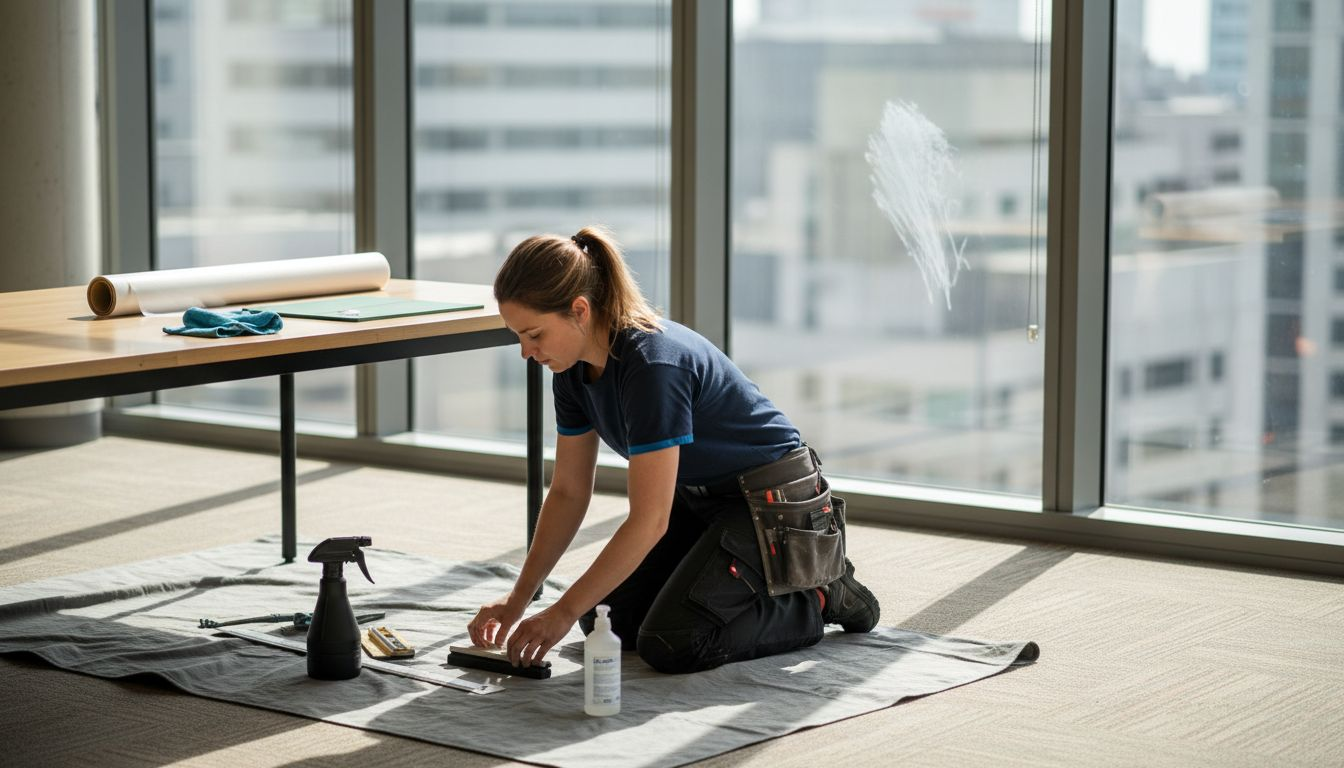
The application method requires exceptional skill and attention to detail. Installers use wet application techniques, carefully positioning the film and systematically removing air bubbles using specialised squeegees. The film is positioned from one edge, with precise pressure applied to eliminate wrinkles and ensure perfect adhesion. Final steps include careful trimming of excess material and allowing the film to cure under controlled environmental conditions.
Pro tip: Invest in high-quality professional tools and maintain a dust-free, temperature-controlled environment to achieve flawless transparent window film installations.
Legal Standards And Global Compliance
Workplace safety regulations mandate comprehensive requirements for transparent window films across various international jurisdictions. These legal frameworks establish critical standards to ensure public safety, structural integrity, and environmental performance in architectural and automotive applications.
Key global compliance standards encompass:
- Safety Regulations:
- UK Workplace Health and Safety Regulations
- European Safety Glass Standards
- International Impact Resistance Classifications
- Performance Certifications:
- EN 356 (Resistance Against Manual Attacks)
- EN 12600 (Impact Test Classification)
- ISO 16933 (Air-Blast Loading Resistance)
- Environmental Standards:
- Fire Classification EN 13501-1
- Durability Performance Metrics
- Environmental Impact Assessments
European Window Film Association guidelines provide comprehensive frameworks for assessing transparent window film compliance. Professional installers must navigate complex regulatory landscapes that vary significantly across different regions, requiring in-depth understanding of local and international safety requirements.
The multifaceted nature of legal compliance demands rigorous testing and certification. Manufacturers and installers must demonstrate adherence to stringent standards addressing structural integrity, safety performance, thermal efficiency, and environmental sustainability. These regulations protect end-users while establishing professional benchmarks for quality and reliability.
Pro tip: Maintain current documentation of international safety certifications and conduct periodic compliance audits to ensure ongoing regulatory adherence.
Common Challenges And Avoidable Mistakes
Professional window film installation requires meticulous attention to detail and sophisticated technical skills. Even experienced professionals can encounter significant challenges that compromise the quality and performance of transparent window films.
Common installation challenges include:
- Surface Preparation Issues:
- Inadequate glass cleaning
- Presence of dust and contaminants
- Uneven surface conditions
- Application Technical Errors:
- Incorrect measurement techniques
- Poor bubble elimination methods
- Improper film handling
- Environmental Complications:
- Installation during extreme temperatures
- Direct sunlight exposure
- High humidity environments
Critical installation mistakes frequently result from rushed processes and insufficient technical expertise. Professional installers must develop precise techniques to mitigate risks such as air bubble entrapment, film crinkling, and edge damage. Careful preparation, controlled application environments, and methodical approach are essential to achieving optimal results.
The table below outlines common installation challenges alongside their practical solutions:
| Challenge | Likely Cause | Recommended Solution |
|---|---|---|
| Bubbles under film | Poor air extraction | Use high-quality squeegee |
| Wrinkles or crinkles | Incorrect application | Apply film with moderate heat |
| Poor adhesion | Dusty surfaces | Deep clean prior to install |
| Edge peeling | Improper alignment | Measure and trim precisely |
Successful transparent window film installation demands comprehensive understanding of material properties, environmental constraints, and sophisticated application techniques. Professionals must continuously refine their skills, invest in high-quality tools, and maintain rigorous quality control standards to deliver exceptional performance and client satisfaction.
Pro tip: Create a systematic pre-installation checklist covering surface preparation, environmental conditions, and equipment readiness to minimise potential installation errors.
Elevate Your Transparent Window Film Installations with Precision Cutting Solutions
Achieving flawless transparent window film performance demands meticulous surface preparation, precise measurement, and expert application techniques as described in this article. One of the greatest challenges professionals face is eliminating errors such as bubbles, wrinkles, and poor adhesion that compromise both aesthetic and functional goals. The solution lies in combining advanced film technologies with cutting-edge precision tools that enhance accuracy and efficiency throughout every installation.
That is where window Tint – AEONCUT PPF Pre-cut Cutting software revolutionises your workflow. Designed specifically for the tint and paint protection industry, AEONCUT offers a vast library of pre-cut patterns that ensures each transparent window film matches your exact glass dimensions. This level of precision minimises material waste and reduces costly mistakes while streamlining your entire installation process.
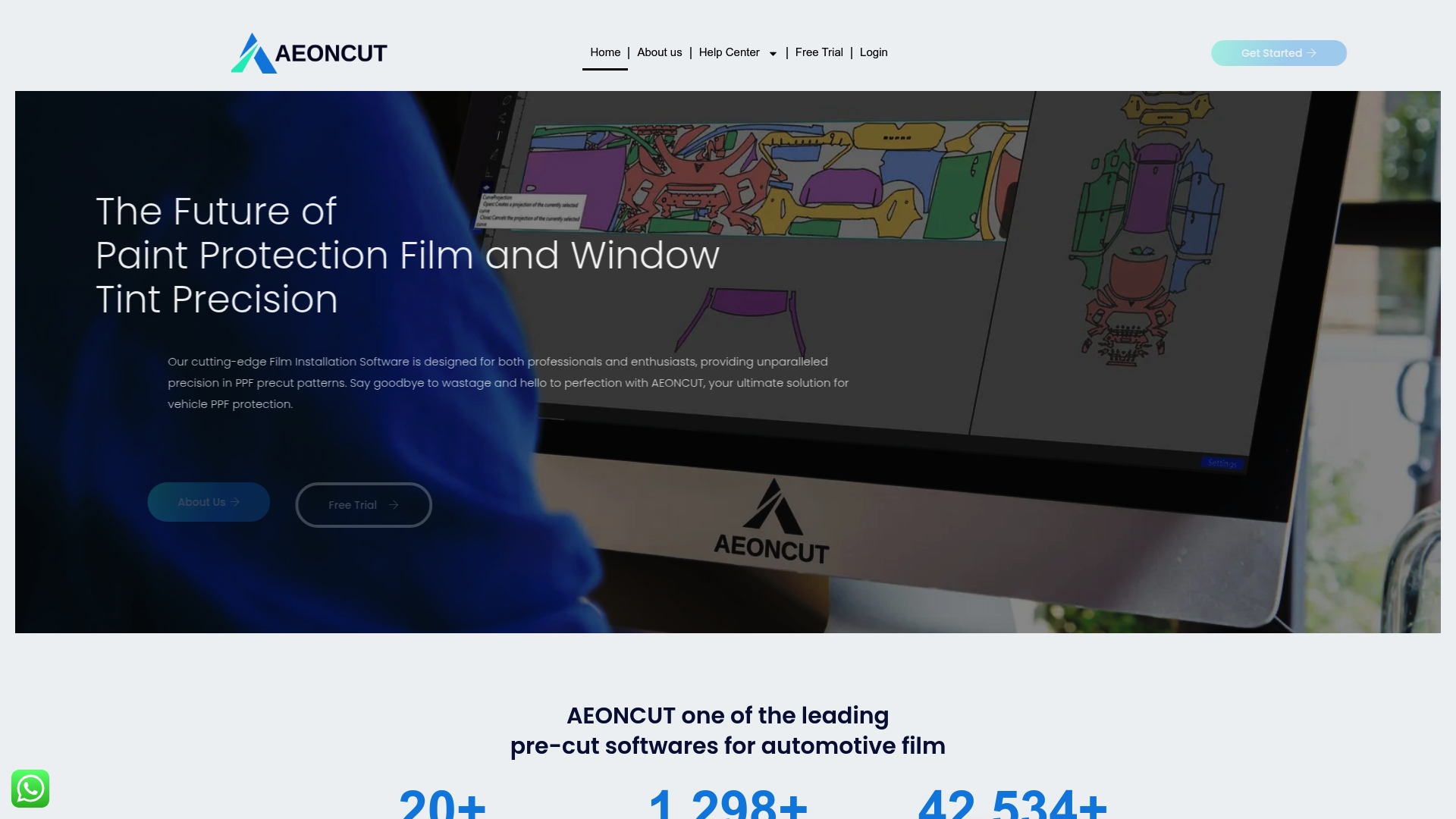
Empower your team or yourself with AEONCUT’s state-of-the-art features like AI-driven auto-nesting and cloud updates to stay ahead in delivering superior solar control and smart film solutions. Visit https://aeoncutsw.com now to explore subscription plans tailored for professional installers and enthusiasts who demand performance and precision in every cut. Experience how combining premium transparent window film knowledge with AEONCUT’s technological advantage transforms your next project.
Frequently Asked Questions
What is transparent window film?
Transparent window film is a sophisticated material designed to optimise window performance by controlling solar radiation while allowing high visible light transmission. It offers benefits such as energy efficiency, thermal management, and UV protection.
What are the different types of transparent window films?
The main types of transparent window films include solar control films, decorative films, safety/security films, and smart dynamic films. Each type serves specific purposes, such as heat reduction, privacy enhancement, structural integrity, or adaptive thermal control.
How does the installation process for transparent window film work?
The installation process involves thorough cleaning of the glass surface, precise measurement and cutting of the film, and careful application using specialised tools to ensure optimal adhesion and eliminate air bubbles. Professional installation is recommended for best results.
What are the benefits of using high-performance transparent window films?
High-performance transparent window films provide significant benefits, including blocking over 90% of ultraviolet rays, reducing indoor temperatures, maintaining high levels of visible light transmission, and enhancing energy efficiency, leading to lower energy consumption in buildings.
Recommended
- Types of Window Tint: Guide for Installers and Dealers 2025 – AEONCUT PPF Pre-cut Cutting software
- How to Cut Window Film: Precision Tips for Pros 2025 – AEONCUT PPF Pre-cut Cutting software
- Cutting Tint: Master the Art of Precision Tinting Techniques – AEONCUT PPF Pre-cut Cutting software
- What is Window Tint? Essential Guide for Tinting Pros 2025 – AEONCUT PPF Pre-cut Cutting software