Every professional installer recognises that modern vehicle owners demand both superior protection and driving comfort. Standard car glass simply does not block the full spectrum of harmful ultraviolet rays or manage interior heat with the precision today’s clients expect. By integrating multi-functional polyester-based automotive sun protection film into your service, you not only shield passengers from damaging UVA and UVB radiation but also deliver energy efficiency and enhanced interior preservation. Understanding these films’ advanced features and best practices can transform installation results and customer experiences.
Table of Contents
- Car Glass Sun Protection Film Explained
- Types of Automotive Sun Protection Film
- How Sun Protection Film Protects Vehicles
- Installation Process for Professionals
- Legal Regulations and Compliance Worldwide
- Performance, Durability and Common Pitfalls
Key Takeaways
| Point | Details |
|---|---|
| UV Protection | Automotive sun protection films block up to 99% of harmful UV rays, safeguarding passenger health and prolonging vehicle interior longevity. |
| Heat Management | These films significantly reduce heat buildup, enhancing driving comfort and improving fuel efficiency by lowering air conditioning dependency. |
| Safety Enhancement | By reinforcing glass integrity and minimising glare, sun protection films improve overall driving safety during various conditions. |
| Professional Installation Recommended | For optimal performance and durability, professional installation is advised, ensuring compliance with regulatory standards and preventing common pitfalls. |
Car Glass Sun Protection Film Explained
Car glass sun protection film represents a sophisticated automotive technology designed to shield vehicle occupants from harmful solar radiation while enhancing overall driving comfort. These multi-functional polyester-based protective layers serve multiple critical purposes beyond simple window coverage.
The primary function of automotive sun protection films involves blocking harmful ultraviolet (UV) radiation that standard vehicle glass cannot completely prevent. Protecting against UV radiation is crucial for both passenger health and vehicle interior preservation. These advanced films typically offer comprehensive protection by:
- Blocking up to 99% of UVA and UVB rays
- Reducing interior heat transmission
- Preventing premature fabric and upholstery fading
- Minimising glare for improved driving safety
- Holding glass fragments together during potential impacts
Modern sun protection films are engineered with precision, utilising advanced materials that provide superior performance compared to traditional window treatments. Professional-grade films incorporate multiple layers of specialised polymers and metallic compounds designed to maximise solar rejection while maintaining optimal optical clarity.
Technical composition of these films typically involves multi-layered polyester structures with meticulously applied ceramic or metallic nano-particles. These microscopic elements work synergistically to deflect and absorb solar energy, transforming potentially harmful radiation into manageable thermal levels.
Pro tip: When selecting automotive sun protection film, prioritise professional-grade options with verified UV rejection ratings and manufacturer warranties to ensure long-term performance and protection.
Types of Automotive Sun Protection Film
Automotive sun protection films represent a sophisticated technology with multiple variants designed to meet diverse vehicle owner requirements. Diverse window film technologies offer unique performance characteristics that cater to specific protection and aesthetic needs.
The primary categories of automotive sun protection films include:
Dyed Films:
- Most economical option
- Basic heat and UV blockage
- Prone to fading over time
- Lower durability compared to advanced options
Metalized Films:
- Effective heat reflection
- Potential signal interference issues
- Provides stronger solar rejection
- Metallic appearance
Carbon Films:
- Durable matte finish
- No signal interference
- Consistent heat rejection
- Enhanced aesthetic appeal
Ceramic Films:
- Superior heat rejection
- Advanced nano-technology
- Exceptional UV blocking
- No signal disruption
- Premium performance
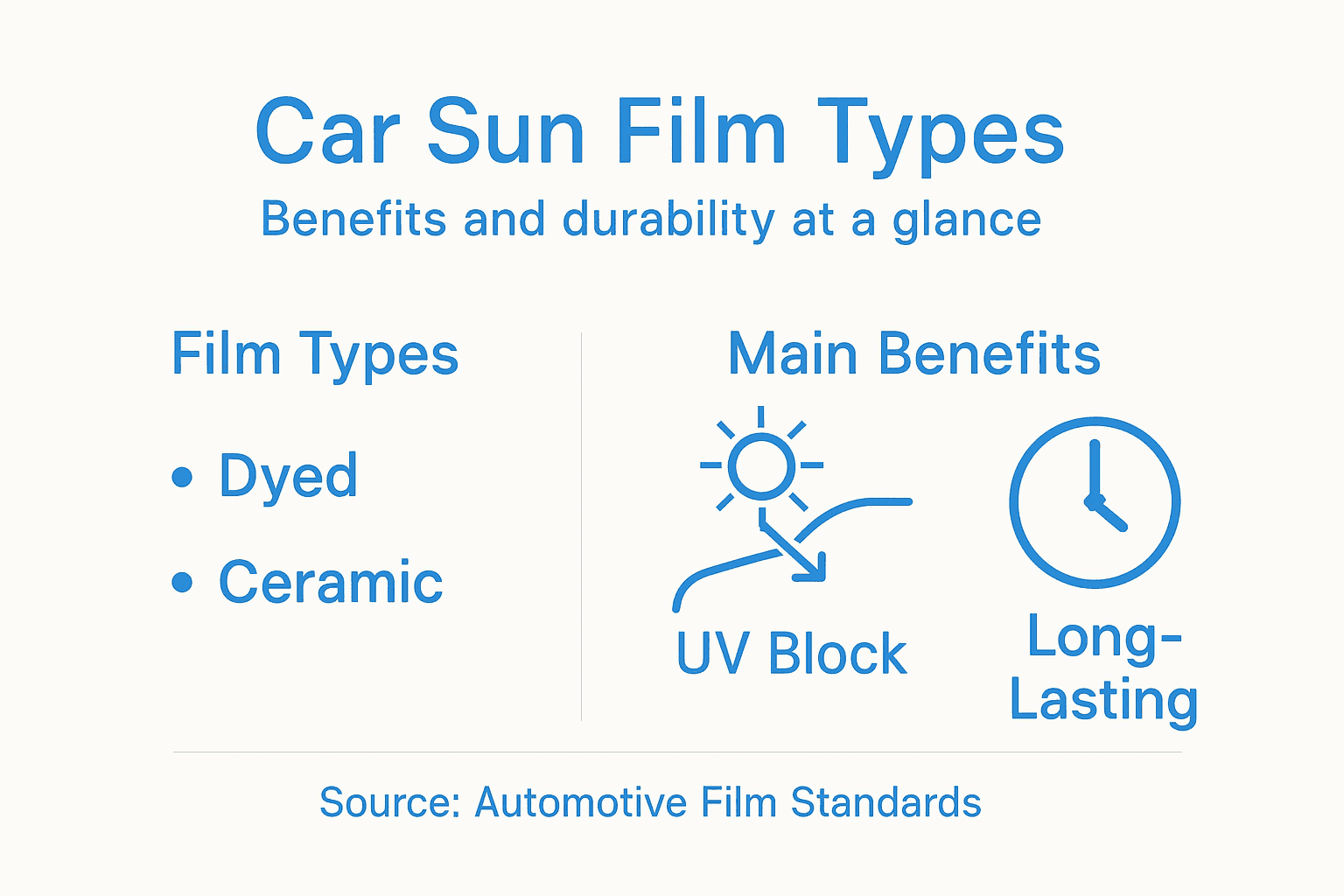
Manufacturers like 3M offer sophisticated film technologies that further subdivide these categories. Their product lines include specialised series such as Crystalline, Ceramic IR, Color Stable, and Obsidian, each engineered to provide targeted performance characteristics.
Here is a comparison of major types of automotive sun protection film:
| Film Type | Appearance | Signal Interference | Lifespan and Durability |
|---|---|---|---|
| Dyed | Tinted, basic | No interference | Fades quickly, low lifespan |
| Metalised | Shiny, reflective | Possible issues | Good heat protection, can discolour |
| Carbon | Matte, dark | No interference | Resists fading, long-lasting |
| Ceramic | Clear or light tint | None | Superior durability, premium protection |
The selection of an appropriate sun protection film depends on multiple factors including budget, desired performance, vehicle type, and personal aesthetic preferences. Professional installers recommend evaluating specific requirements like heat rejection, UV protection, signal compatibility, and long-term durability before making a final selection.
Pro tip: Consult professional automotive window film specialists who can provide personalised recommendations based on your specific vehicle and environmental conditions.
How Sun Protection Film Protects Vehicles
Automotive sun protection films serve as a sophisticated defence mechanism for vehicles, offering comprehensive protection against multiple environmental challenges. Shielding vehicles from UV radiation involves a multi-layered approach that safeguards both vehicle interior and occupants.
The primary protective mechanisms of sun protection films include:
UV Radiation Blocking:
- Absorbs and reflects harmful UVA and UVB rays
- Prevents material degradation in vehicle interiors
- Protects upholstery, dashboard, and trim from sun damage
- Reduces colour fading and material breakdown
Heat Management:
- Reduces interior temperature buildup
- Minimises air conditioning dependency
- Improves overall vehicle fuel efficiency
- Creates more comfortable driving environments
Safety Enhancement:
- Reinforces glass structural integrity
- Mitigates potential glass shattering
- Reduces glare for improved driver visibility
- Provides an additional layer of protection during impacts
Material Preservation represents a critical aspect of sun protection film functionality. By blocking harmful solar radiation, these advanced films prevent premature ageing of vehicle interiors, maintaining aesthetic and functional qualities of upholstery, dashboards, and other interior components.
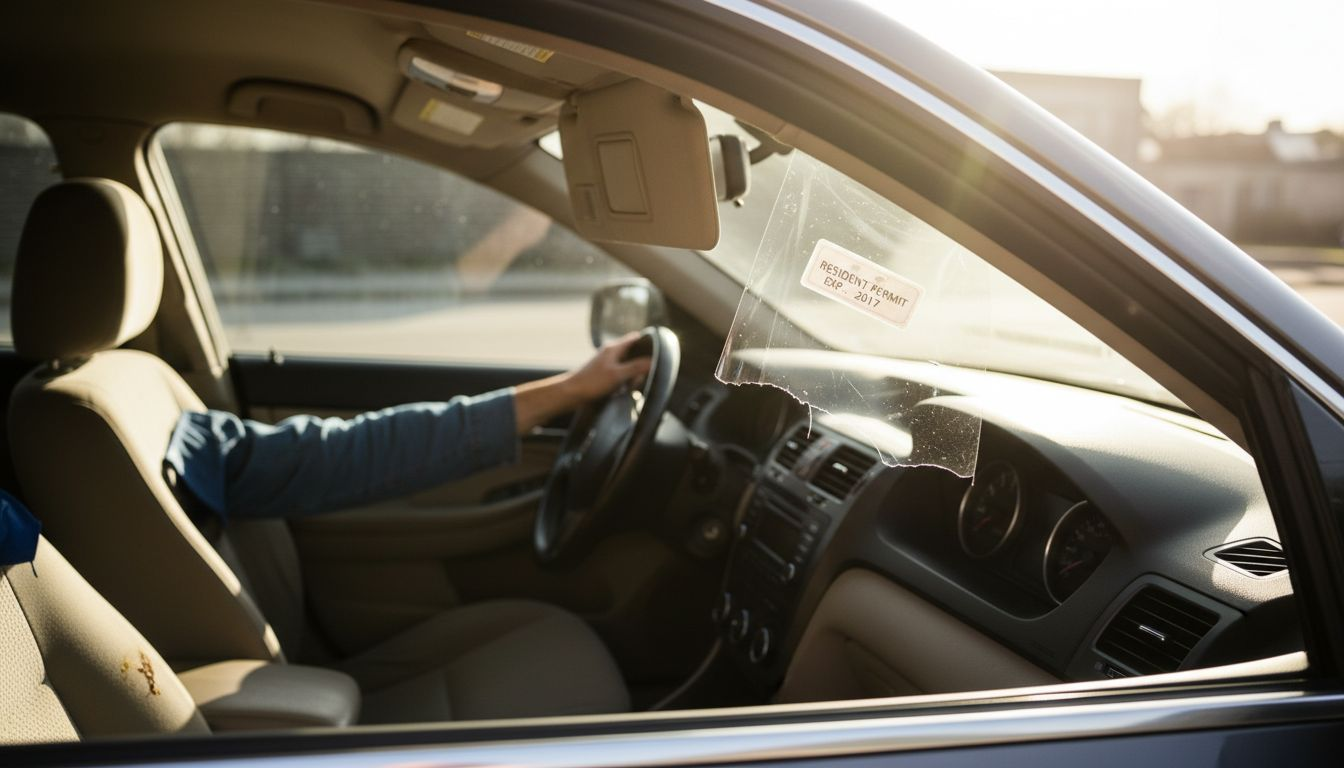
Technological innovations in film composition now enable more sophisticated protection strategies. Modern films utilise nano-technology and specialised polymers that offer superior heat rejection, UV blocking, and durability compared to traditional window treatments.
Pro tip: Invest in professional-grade window films with verified UV rejection ratings to ensure maximum long-term protection for your vehicle’s interior and occupants.
Installation Process for Professionals
Professional automotive sun protection film installation demands precision, technical expertise, and meticulous attention to detail. Window film installation techniques require a systematic approach to ensure optimal performance and customer satisfaction.
The comprehensive installation process encompasses several critical stages:
Preparation Stage:
- Thoroughly clean vehicle glass surfaces
- Remove any existing adhesive residues
- Inspect glass for structural integrity
- Ensure working environment is dust-free and temperature-controlled
Measurement and Cutting:
- Use precise measuring tools
- Create accurate film templates
- Account for window curvature and dimensions
- Minimise material waste during cutting
Application Techniques:
- Apply film using wet method to prevent air bubbles
- Utilise professional-grade squeegees
- Work methodically from centre to edges
- Remove excess water and air carefully
Curing and Finishing:
- Allow adequate drying time
- Ensure complete adhesion
- Trim excess film with precision
- Conduct final quality inspection
Technical Considerations play a crucial role in successful film installation. Professionals must understand material properties, environmental factors, and application techniques to guarantee optimal film performance and longevity.
Modern installation practices increasingly incorporate advanced technologies like computer-aided cutting systems and specialised training programmes to enhance precision and efficiency.
Pro tip: Invest in continuous professional development and stay updated with the latest installation techniques and technological advancements in sun protection film technology.
Legal Regulations and Compliance Worldwide
Automotive sun protection film regulations represent a complex global landscape with significant variations across different jurisdictions. Vehicle window film legal standards require meticulous understanding to ensure professional compliance and safety.
Global Regulatory Considerations typically focus on several critical parameters:
Visible Light Transmission (VLT):
- Minimum percentage requirements for windscreens
- Separate standards for side and rear windows
- Ensures driver visibility and safety
- Prevents excessive light reduction
Reflectivity Restrictions:
- Limits on metallic film reflectiveness
- Prevents potential glare hazards
- Regulates light reflection percentages
- Maintains road safety standards
UV Protection Standards:
- Mandatory minimum UV blocking percentages
- Verifiable performance metrics
- Consistent heat rejection requirements
- Professional certification protocols
Geographical Variations demonstrate significant regulatory diversity. Regional compliance requirements differ substantially, with countries like India implementing strict Central Motor Vehicle (CMV) Rules specifying precise VLT percentages for different vehicle windows.
Below is a summary of primary regulatory considerations for automotive window films worldwide:
| Parameter | Common Requirement | Reason for Regulation |
|---|---|---|
| Visible Light Transmission (VLT) | Minimum percentage for visibility | Ensures safe driving vision |
| Reflectivity | Maximum reflective index | Reduces external glare hazards |
| UV Block Percentage | Specified UV rejection rate | Protects passenger health |
| Certification | Professional documentation | Confirms compliance and quality |
Professional installers must navigate these complex legal frameworks, understanding that non-compliance can result in substantial penalties, vehicle inspection failures, and potential legal challenges. Continuous education and staying updated with regional regulatory changes become paramount for maintaining professional standards.
Pro tip: Maintain comprehensive documentation of film specifications and regularly review local regulatory updates to ensure ongoing compliance with regional vehicle window film standards.
Performance, Durability and Common Pitfalls
Automotive sun protection films represent a complex technological solution with nuanced performance characteristics and potential challenges. Automotive film performance standards require comprehensive understanding to ensure optimal long-term protection and functionality.
Performance Metrics encompass multiple critical dimensions:
UV Protection:
- Blocking harmful ultraviolet radiation
- Preventing interior material degradation
- Maintaining consistent protection over time
- Reducing potential health risks
Heat Rejection:
- Minimising interior temperature increases
- Reducing air conditioning dependency
- Improving overall vehicle comfort
- Enhancing energy efficiency
Durability Challenges vary significantly across different film technologies. Film longevity and installation risks present several potential pitfalls professional installers must anticipate:
- Potential Issues:
- Premature film fading
- Bubbling and peeling
- Discolouration
- Reduced effectiveness over time
Common Installation Errors can dramatically compromise film performance. Professional installers must meticulously avoid mistakes such as inadequate surface preparation, improper cutting techniques, and incorrect application methods that compromise film integrity.
Technological advancements, particularly in ceramic film compositions, have significantly improved durability and performance, offering more robust protection against environmental challenges and maintaining aesthetic quality over extended periods.
Pro tip: Select high-quality film technologies and invest in continuous professional training to mitigate potential performance and durability challenges.
Elevate Your Car Glass Sun Protection Film Installation with Precision Cutting Software
The challenge of achieving flawless automotive sun protection film installation lies in precision cutting and adhering to stringent performance and compliance standards. Professional installers and enthusiasts alike seek solutions that minimise material waste, ensure perfect fitment on complex vehicle glass contours, and deliver high durability with no compromise on aesthetic appeal. The terms heat rejection, UV protection, durability, and compliance are critical in this field, making accuracy and efficiency paramount for long-lasting results.
Unlock your full potential by leveraging the AEONCUT cutting software designed specifically for automotive window tinting projects. Whether you specialise in advanced ceramic or carbon films, or simply seek to enhance your workflow, our software offers extensive pattern libraries, AI-driven auto-nesting for minimal waste, and cloud-based updates that keep you ahead of the latest vehicle models.
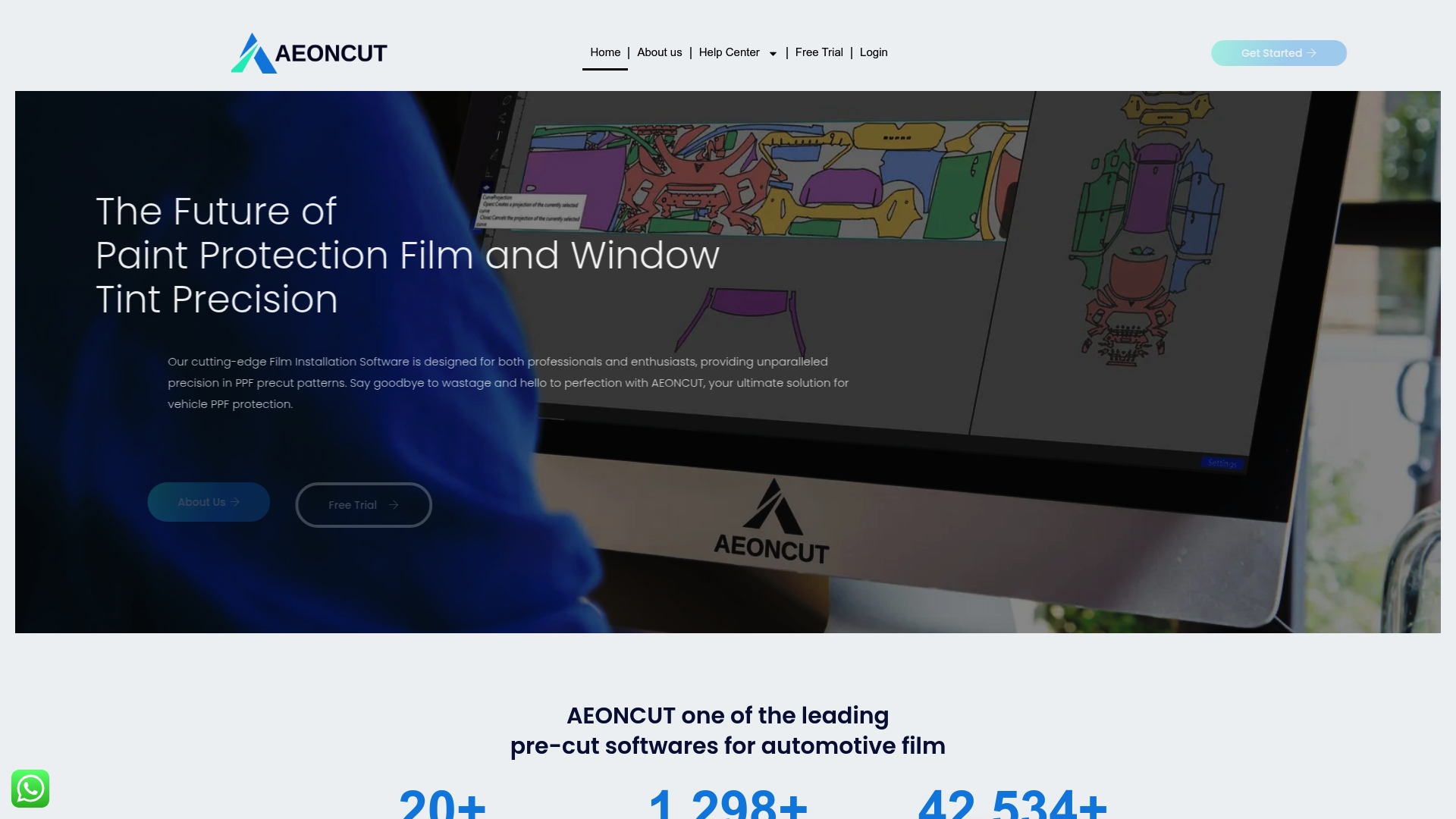
Discover the difference that precise, custom pre-cut patterns can make in your installations today. Explore our dedicated window Tint – AEONCUT PPF Pre-cut Cutting software category for tailored solutions. Step confidently into enhanced efficiency and uncompromised quality by visiting https://aeoncutsw.com and experiencing our proven technology. Your next flawless sun protection film application awaits.
Frequently Asked Questions
What are the main benefits of using car glass sun protection film?
Using car glass sun protection film provides several benefits, including blocking up to 99% of harmful UVA and UVB rays, reducing heat transmission, preventing interior fading, minimising glare for safer driving, and reinforcing glass structural integrity.
What types of automotive sun protection films are available?
There are several types of automotive sun protection films, including dyed films, metalized films, carbon films, and ceramic films. Each type has unique characteristics regarding heat rejection, signal interference, appearance, and durability, allowing vehicle owners to choose based on their specific needs.
How does installation of sun protection film impact its performance?
The installation process is critical for performance; professional installation ensures that the film adheres properly, preventing issues like bubbling or peeling. Proper preparation, measurement, and application techniques are essential for optimal film longevity and effectiveness.
What should I consider when selecting a sun protection film for my vehicle?
When selecting a sun protection film, consider factors such as UV protection ratings, heat rejection capabilities, potential signal interference, aesthetic preferences, and the film’s durability. Consulting with professionals can help you make an informed choice based on your specific vehicle and environmental conditions.
Recommended
- Types of Window Tint: Guide for Installers and Dealers 2025 – AEONCUT PPF Pre-cut Cutting software
- How Window Tint Works: Essential Guide for Auto Professionals 2025 – AEONCUT PPF Pre-cut Cutting software
- Understanding The Science of UV & IR Rejection in Automotive Window Films – AEONCUT PPF Pre-cut Cutting software
- Understanding The Science of UV & IR Rejection in Automotive Window Films – AEONCUT PPF Pre-cut Cutting software