Every professional installer knows the pressure when a vehicle inspection deadline approaches and the smallest oversight could mean costly delays. Passing each assessment smoothly is not only about technical skill but about having the right processes in place from thorough documentation to flawless surface preparation. This practical guide delivers clear, actionable steps designed for professionals aiming to achieve consistent compliance and excellence in every inspection, with key tips for maintaining a meticulous standard at every stage of the process. Stay ahead with professional documentation and industry-approved methods that set your work apart.
Table of Contents
- Step 1: Assess Vehicle Condition And Documentation
- Step 2: Prepare Surfaces With Proper Cleaning Methods
- Step 3: Apply PPF And Tint Using Precision Patterns
- Step 4: Check Installation For Defects And Accuracy
- Step 5: Verify Compliance With Inspection Standards
- Step 6: Submit Vehicle For Final Inspection Approval
Quick Summary
| Key Message | Explanation |
|---|---|
| 1. Gather Essential Documentation | Collect registration, inspection records, and maintenance logs for compliance verification. |
| 2. Ensure Comprehensive Cleaning | Follow meticulous cleaning protocols to create a pristine surface for PPF installation. |
| 3. Apply PPF with Precision | Use professional techniques for accurate film application, minimising defects and bubbles. |
| 4. Conduct Thorough Quality Checks | Inspect for imperfections meticulously to ensure optimal performance and appearance. |
| 5. Maintain Regulatory Compliance | Keep detailed records and understand regulations to uphold professional standards in installations. |
Step 1: Assess Vehicle Condition and Documentation
Successfully passing vehicle inspections requires meticulous preparation and comprehensive understanding of regulatory requirements. Professional paint protection film (PPF) installers must conduct thorough initial assessments to ensure vehicles meet all necessary safety and compliance standards.
When preparing for vehicle inspection, start by gathering all critical documentation, including registration, previous inspection records, and maintenance logs. These documents are essential for demonstrating regulatory compliance. Begin with a systematic exterior and interior examination, focusing on key components that inspectors will evaluate:
- Vehicle identification number (VIN) verification
- Bodywork condition and potential damage
- Paint surface integrity
- Tyre condition and tread depth
- Windscreen and window glass quality
- Safety equipment functionality
Each inspection requires detailed documentation that uniquely identifies the vehicle and records its current condition. Professional installers should create comprehensive digital or physical checklists that cover every aspect of the vehicle, ensuring no critical detail is overlooked. Pay special attention to components that directly impact safety and regulatory standards.
Accurate and complete documentation is the foundation of a successful vehicle inspection.
Professional documentation involves more than just taking notes. Capture high-resolution photographs of the vehicle from multiple angles, documenting any existing wear, potential issues, or modifications. These images serve as crucial evidence during the inspection process and can help prevent potential disputes.
Here’s a summary of key professional documentation types and their impact on vehicle inspections:
| Documentation Type | Purpose | Impact on Inspection |
|---|---|---|
| Registration Certificate | Confirms legal ownership | Essential for compliance checks |
| Maintenance Logs | Tracks service history | Demonstrates ongoing upkeep |
| Inspection Records | Documents past inspection status | Validates previous compliance |
| High-Resolution Photos | Evidence of vehicle condition | Reduces dispute risks |
| Digital Backups | Safeguards original records | Ensures continuity and security |
Professional recommendation: Always maintain a digital backup of all vehicle inspection documents and create redundant storage systems to protect against potential loss of critical paperwork.
Step 2: Prepare Surfaces with Proper Cleaning Methods
Effective surface preparation is critical for successful paint protection film (PPF) installation, ensuring optimal adhesion and long-lasting results. Professional installers must follow precise cleaning techniques that remove all contaminants and create an ideal surface for film application.
Begin by thoroughly cleaning metal surfaces using standardised techniques. This involves a systematic approach that eliminates dirt, oils, and microscopic debris that could compromise film adhesion. Your cleaning process should include:
- Washing with high-quality automotive detergents
- Using microfibre cloths to prevent surface scratching
- Employing professional-grade cleaning solutions
- Removing all residual wax and polish
- Checking surface for any remaining contaminants
Professional cleaning requires more than just superficial washing. You need to create a completely pristine surface environment. Use isopropyl alcohol as a final cleaning agent to remove any remaining oils or microscopic particles. Pay special attention to edges, panel gaps, and hard-to-reach areas where contaminants often accumulate.
Meticulous surface preparation determines the quality and longevity of PPF installation.
Careful technique matters more than aggressive cleaning. Gentle, systematic cleaning prevents potential surface damage while ensuring maximum film adhesion. Use light, consistent pressure and clean in a methodical pattern to guarantee comprehensive surface preparation.
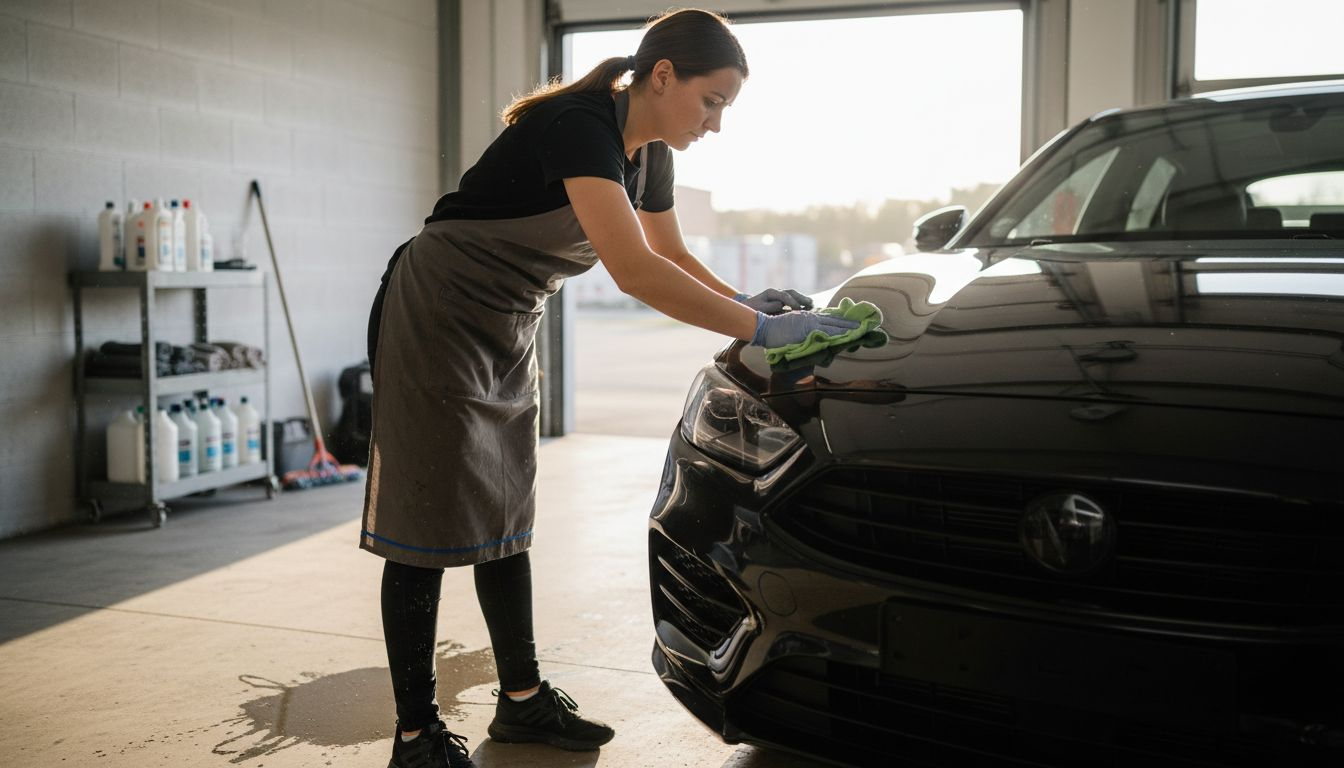
Professional recommendation: Always maintain a consistent, clean workspace and use fresh microfibre cloths for each vehicle to prevent cross-contamination and ensure optimal surface preparation.
Step 3: Apply PPF and Tint Using Precision Patterns
Precision is paramount when applying paint protection film (PPF) and window tints, requiring meticulous attention to detail and professional-grade techniques. Professional installers must master the art of applying thermoplastic urethane films with exceptional accuracy and minimal defects.
Begin by selecting the most appropriate precision cutting patterns for your specific vehicle model. Your application process should include:
- Carefully aligning pre-cut film patterns
- Checking for precise edge matching
- Using professional squeegee techniques
- Minimising air bubbles and wrinkles
- Ensuring complete surface coverage
- Maintaining consistent tension during application
Professional installation demands more than technical skill. You need to understand how different vehicle surfaces require unique approaches. Thermoplastic urethane films demand gentle yet firm handling, with particular attention to complex contours and high-impact areas like bonnets, mudguards, and front panels.
Perfect PPF installation requires patience, precision, and professional technique.
Careful technique matters more than speed. Work systematically, using light, consistent pressure and maintaining a clean, dust-free environment. Take your time to ensure each section of the film is applied smoothly and accurately.
Professional recommendation: Always work in a temperature-controlled environment between 18-24 degrees Celsius and use professional-grade application tools to ensure optimal PPF and tint installation.
For quick reference, here is a comparison of surface preparation and installation environments for optimal PPF application:
| Factor | Surface Preparation | Installation Environment |
|---|---|---|
| Cleanliness Requirement | Pristine, contaminant-free | Dust-free, organised |
| Tool Type | Fresh microfibre cloths, alcohol | Temperature-controlled, squeegees |
| Quality Impact | Maximises film adhesion | Reduces defects and bubbles |
| Professional Approach | Systematic, gentle cleaning | Consistent, precise application |
Step 4: Check Installation for Defects and Accuracy
Ensuring the highest quality paint protection film (PPF) installation requires a systematic and comprehensive defect inspection process. Professional installers must develop a keen eye for detecting even the most subtle imperfections that could compromise the film’s performance and appearance.
Begin by implementing rigorous vehicle inspection procedures that cover every aspect of the PPF application. Your comprehensive inspection checklist should include:
- Checking for air bubbles and trapped particles
- Verifying edge alignment and adhesion
- Examining surface tension and smoothness
- Inspecting for colour consistency and transparency
- Measuring film coverage precision
- Validating edge sealing quality
Professional-level inspection goes beyond visual assessment. Utilise both natural and artificial lighting to reveal potential defects that might be invisible under standard conditions. Systematic defect detection requires patience and a methodical approach, paying special attention to high-stress areas and complex vehicle contours.
Perfection in PPF installation is achieved through meticulous and systematic inspection.
Document your findings comprehensively, using high-resolution photographs to record any potential issues. This documentation serves both as a quality control measure and potential reference for future improvements in your installation technique.
Professional recommendation: Use a calibrated light source and magnifying glass during your final inspection to identify even the most minute imperfections that could compromise the film’s performance.
Step 5: Verify Compliance with Inspection Standards
Ensuring your paint protection film (PPF) installation meets professional and regulatory standards is crucial for maintaining your business’s reputation and client trust. Professional installers must navigate complex compliance requirements with precision and expertise.
Begin by understanding international vehicle inspection protocols that govern PPF installations. Your comprehensive compliance verification should include:
- Reviewing current industry certification standards
- Checking local regulatory requirements
- Verifying material quality certifications
- Documenting installation specifications
- Confirming technical performance metrics
- Cross-referencing manufacturer guidelines
Professional compliance goes beyond simple documentation. You must develop a systematic approach that demonstrates your commitment to meeting or exceeding industry standards. Regulatory alignment requires continuous education and proactive quality management, ensuring every installation meets the highest professional benchmarks.
Compliance is not just about passing inspections, but about delivering exceptional professional standards.
Maintain detailed records of each installation, including material specifications, application techniques, and quality control measurements. These documents serve as critical evidence of your professional diligence and technical expertise.
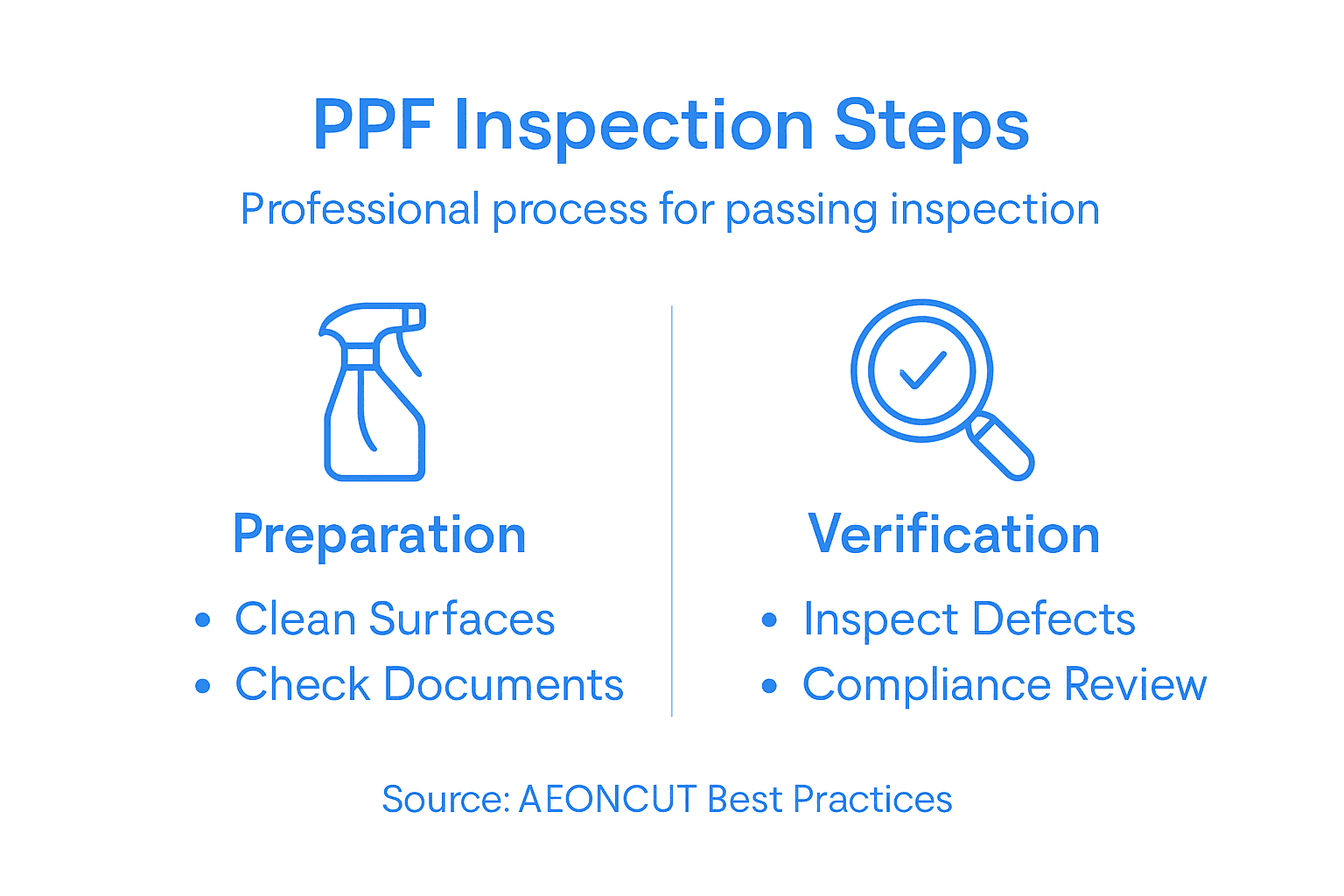
Professional recommendation: Develop a standardised compliance checklist that can be consistently applied across all your PPF installations, reducing variability and ensuring uniform quality.
Step 6: Submit Vehicle for Final Inspection Approval
The final stage of your paint protection film (PPF) installation involves navigating the critical process of vehicle inspection and certification. Professional installers must approach this stage with meticulous attention to detail and a comprehensive understanding of regulatory requirements.
Begin by preparing comprehensive vehicle inspection documentation for submission. Your final approval preparation should include:
- Gathering all installation documentation
- Organising digital and physical inspection records
- Preparing vehicle modification evidence
- Compiling material certification details
- Creating a comprehensive inspection portfolio
- Verifying all required paperwork
Professional submission requires more than simply presenting documents. You must demonstrate a systematic approach that showcases your technical expertise and commitment to quality. Regulatory compliance involves presenting a clear, organised narrative of the vehicle’s modification and protection process.
Successful final approval depends on thorough documentation and professional presentation.
Prepare to answer potential inspector queries with confidence, providing detailed explanations about your PPF installation techniques, material selections, and quality assurance processes. Your professionalism during this stage can significantly impact the final inspection outcome.
Professional recommendation: Create a digital and physical backup of all inspection documents, ensuring you have multiple copies in case of unexpected administrative requirements.
Elevate Your PPF Installation to Pass Every Vehicle Inspection
Passing vehicle inspections demands unmatched precision in assessing vehicle conditions, meticulous surface preparation, and flawless film application as outlined in the article. Pain points such as minimising defects, ensuring perfect edge alignment, and maintaining comprehensive documentation are critical challenges for professional installers striving for compliance and quality.
AEONCUT software directly addresses these issues by delivering highly accurate pre-cut PPF and tint patterns crafted to fit specific vehicle models. Its extensive pattern libraries, AI-driven auto-nesting, and cloud-based updates empower you to reduce material waste and confidently achieve flawless coverage. With AEONCUT, you can streamline your workflow, enhance installation precision, and uphold the professional standards essential for passing inspections.
Explore how AEONCUT’s cutting-edge technology can transform your installation process and help you overcome the exact challenges mentioned in this article. Experience increased efficiency and consistency with comprehensive support and tutorial resources designed for professional installers.
Take control of your PPF inspections today by visiting AEONCUT Software.
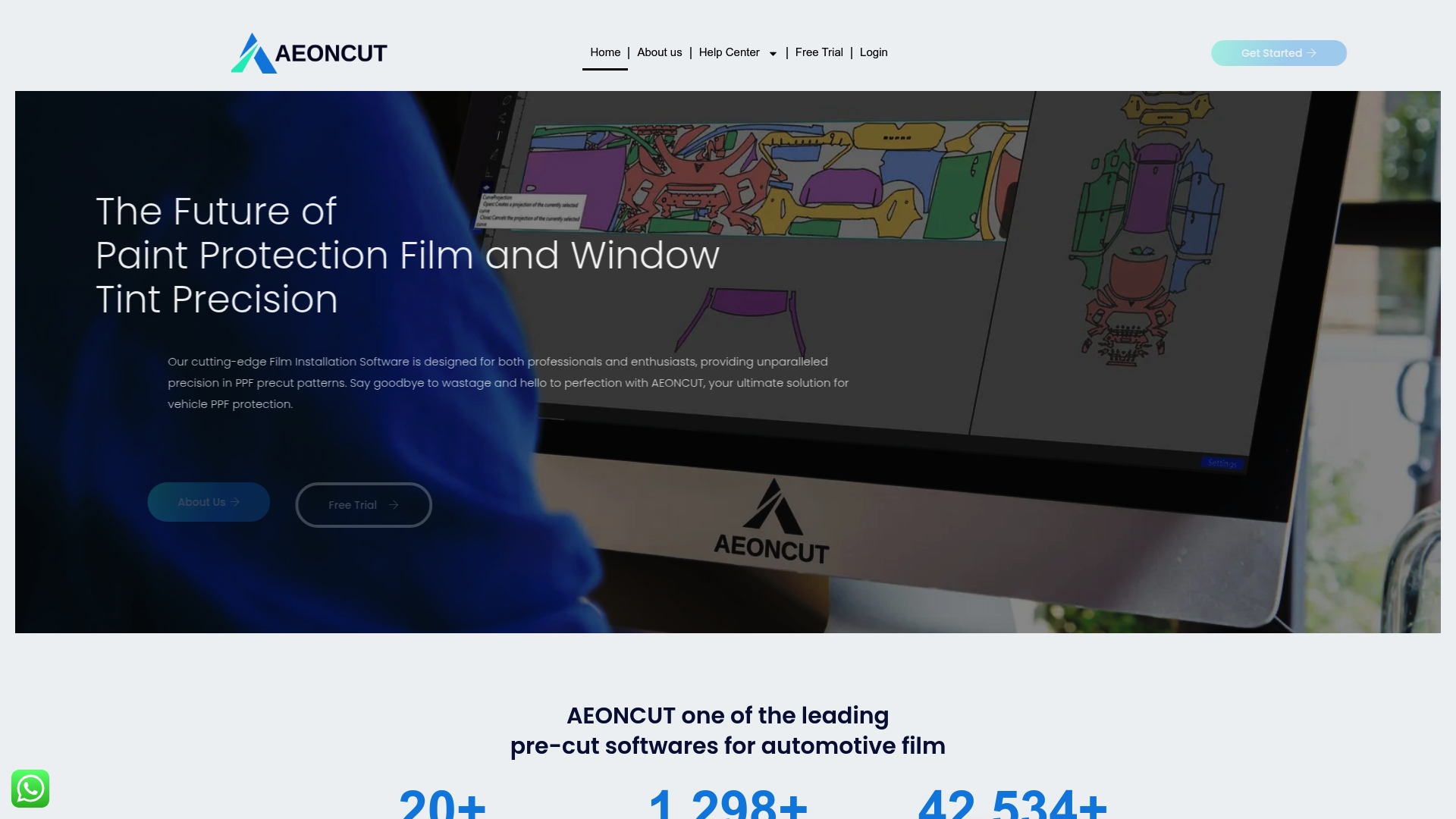
Discover the difference precise cutting solutions make and ensure your next vehicle inspection is a success. Start your free trial or subscription now and experience the professional edge you deserve.
Frequently Asked Questions
How can I prepare my vehicle for a PPF inspection?
To prepare your vehicle for a PPF inspection, gather all critical documentation such as registration and previous inspection records. Create a systematic checklist to assess both the exterior and interior condition of the vehicle, focusing on key components that inspectors will evaluate.
What cleaning methods should I use before applying PPF?
Before applying PPF, use high-quality automotive detergents and microfibre cloths to clean the surfaces, ensuring there is no dirt or oil left. Finish with isopropyl alcohol to guarantee a pristine surface for optimal film adhesion.
What steps should I follow during PPF application?
During PPF application, carefully align the pre-cut film patterns and check for precise edge matching while minimising air bubbles. Apply the film using professional squeegee techniques, ensuring complete surface coverage and consistent tension throughout the process.
How do I check for defects after PPF installation?
To check for defects after PPF installation, conduct a thorough inspection for air bubbles, edge alignment, and surface smoothness. Document any imperfections with high-resolution photographs to assist in quality control and future improvements.
What should I include in my compliance verification for PPF installations?
Your compliance verification should include a review of industry certification standards, local regulatory requirements, and installation specifications. Maintain detailed records of materials used and techniques applied to demonstrate adherence to compliance standards.
How can I successfully submit my vehicle for final inspection approval?
To submit your vehicle for final inspection approval, organise all installation documentation and preparation records into a comprehensive inspection portfolio. Be ready to answer inspector queries confidently and present all required paperwork systematically.
Recommended
- How Does PPF Work? Guide for Car Care Pros 2025 – AEONCUT PPF Pre-cut Cutting software
- Building a PPF Business in 2025: From Tools to First Clients – AEONCUT PPF Pre-cut Cutting software
- Building a PPF Business in 2025: From Tools to First Clients – AEONCUT PPF Pre-cut Cutting software
- PPF for Motorcycles: 2025 Guide for Installers & Detailers – AEONCUT PPF Pre-cut Cutting software
- EEZ | Mobile Auto Care | Gibraltar