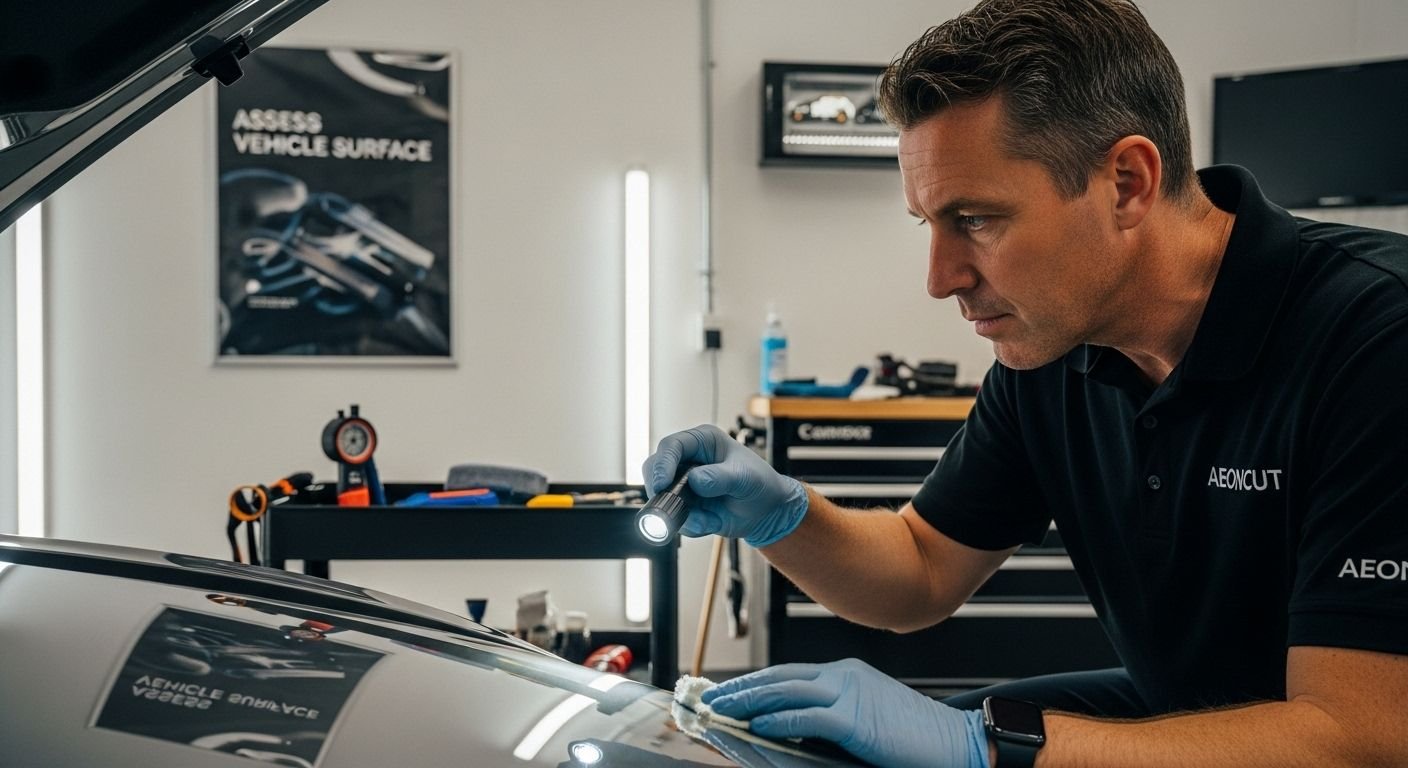
Every professional installer in the automotive PPF and window tint sector knows that even the best jobs can result in dissatisfied customers. As complaints rise with greater technology and customer expectations, handling these situations well becomes a critical factor for trust and client loyalty. By building a structured framework and embracing transparent dialogue, you can turn complaints into opportunities for positive change and lasting customer satisfaction—keeping your business strong and your reputation intact.
Table of Contents
- Step 1: Prepare a Proactive Response Framework
- Step 2: Listen and Document Customer Issues Accurately
- Step 3: Communicate Solutions and Set Expectations
- Step 4: Implement Resolution and Confirm Satisfaction
Quick Summary
| Key Insight | Explanation |
|---|---|
| 1. Establish multiple complaint channels | Provide customers various ways to report issues, including email, phone, and online forms to prevent missed complaints. |
| 2. Document complaints meticulously | Use a standardised form to record customer concerns in detail, ensuring clarity for future analysis and resolution. |
| 3. Communicate clearly with customers | Present solutions with specific timelines and options, fostering trust and reducing anxiety during the resolution process. |
| 4. Confirm customer satisfaction consistently | After resolving issues, ask for feedback directly, ensuring both parties are satisfied with the outcome and fostering loyalty. |
| 5. Assign a complaints coordinator | Daily management by a dedicated team member ensures consistency in complaint handling and accurate trend reporting. |
Step 1: Prepare a Proactive Response Framework
Building a proactive response framework means setting up a system that catches problems before they escalate into angry customer complaints. Rather than waiting for dissatisfaction to reach you, you’ll create the structures and processes that allow you to respond quickly and thoughtfully when issues do arise.
Start by establishing what clear, structured complaint handling processes look like for your specific PPF and tint installation business. This means deciding how complaints will flow through your operation from the moment a customer reaches out.
Define your response channels. Your customers need multiple ways to contact you about problems. Consider what works best for your operation:
- Email for detailed concerns with photos or documentation
- Phone calls for urgent issues requiring immediate discussion
- Online forms on your website for structured feedback
- In-person conversations at your workshop for customers who prefer face-to-face resolution
- Text or messaging apps for quick check-ins
Having multiple channels means fewer complaints slip through the cracks because customers can choose what feels natural to them.
Create a clear escalation pathway. Not every complaint needs your personal attention immediately, but every complaint needs to go somewhere specific. Decide who handles first contact—perhaps a team member trained in listening and documentation. Establish when and how issues move up to you or senior staff if they’re not resolved quickly.
Set specific timeframes for acknowledgment. Aim to respond within 24 hours, even if the full resolution takes longer. This simple gesture—showing the customer you’ve heard them—prevents frustration from multiplying.
Your framework should transform complaints into actionable intelligence that strengthens your installation practices and builds customer loyalty over time.
Document everything. Create templates for recording complaints, the steps taken, and outcomes. This gives you data to spot patterns. If multiple customers complain about edge lifting on curved panels, that’s valuable intelligence pointing to a technique adjustment or material issue.
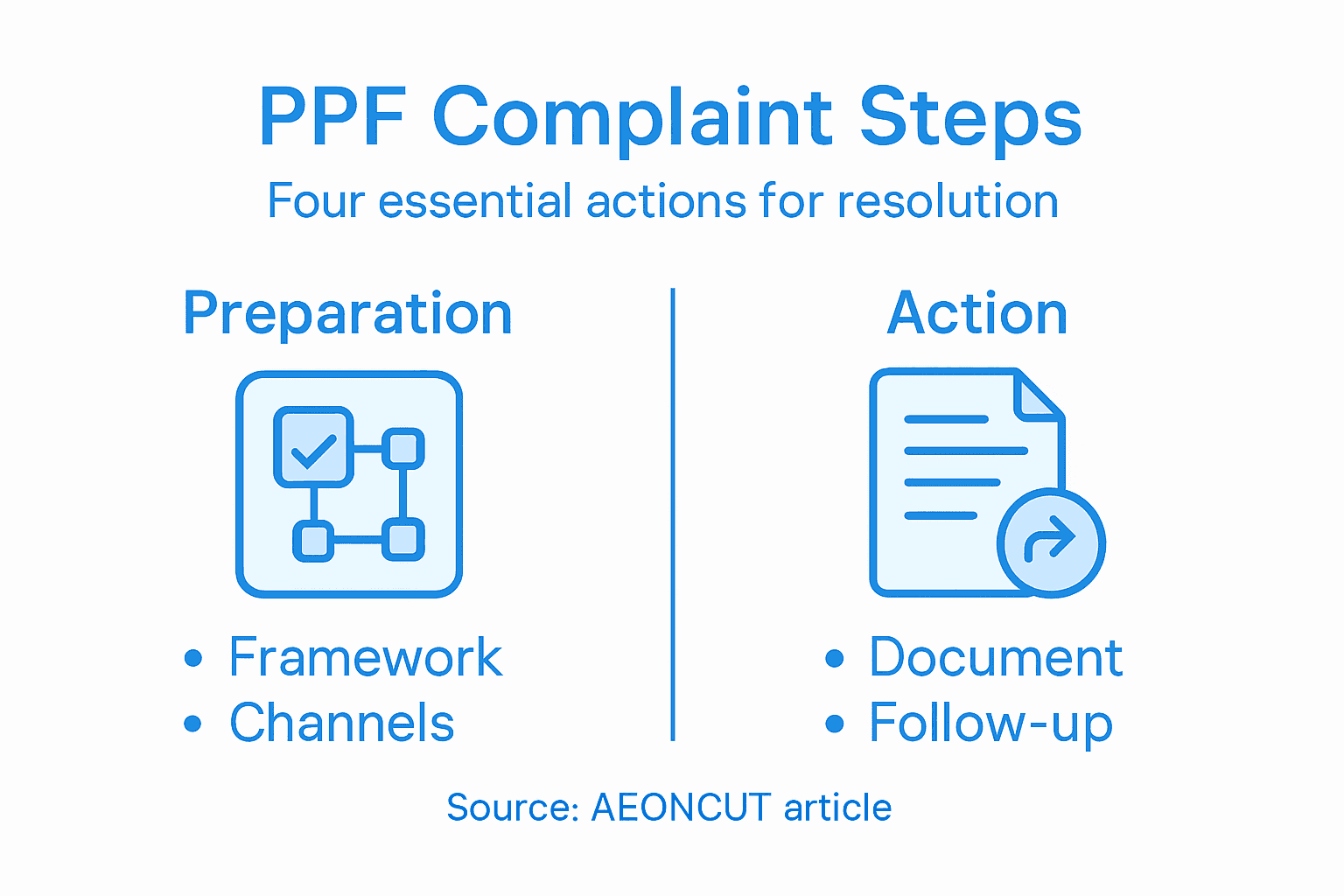
Pro tip: Assign one team member as your complaints coordinator who maintains this framework consistently, tracks all communications, and reports trends to your leadership monthly—this single role prevents complaints from falling through gaps and gives you reliable data on what matters most to your customers.
Below is a summary of escalation and communication pathways for effective complaint handling:
| Pathway Type | Who Is Involved | Ideal Use Scenario |
|---|---|---|
| Initial Response | Trained staff or coordinator | For most new complaints |
| Escalation | Senior technician or owner | For complex, unresolved cases |
| Written Follow-up | Any staff member | To confirm next steps and agreements |
| Direct Customer Feedback | Customer with coordinator | Post-resolution satisfaction check |
Step 2: Listen and Document Customer Issues Accurately
When a customer brings a complaint to you, your first job is to truly listen rather than jump straight to defending your work or offering solutions. Listening carefully allows you to understand what actually happened from their perspective, which is often different from what you think occurred.
Start by asking open-ended questions that let the customer explain fully. Rather than “Did the edge lift?”, try “Can you describe what you’ve noticed with the film?” This approach gives you richer information and makes the customer feel heard. Take notes as they talk, capturing their exact words about when the problem started, where it is on the vehicle, and how it affects their satisfaction.
Create a standardised documentation form for recording these details. Your form should capture the essentials:
- Customer name, contact details, and vehicle information
- Date the complaint was made and when the issue was first noticed
- Exact description of the problem in the customer’s own words
- Location on the vehicle (front bumper, hood, driver’s side windows)
- Photos or videos showing the issue clearly
- Any relevant installation conditions (weather, temperature, humidity)
- Previous communications or attempts at resolution
Accurate documentation with comprehensive recording of complaint details forms the foundation for proper analysis and resolution. Without these specifics, you’ll struggle to identify patterns or determine whether the issue stems from installation technique, material quality, or customer handling after installation.
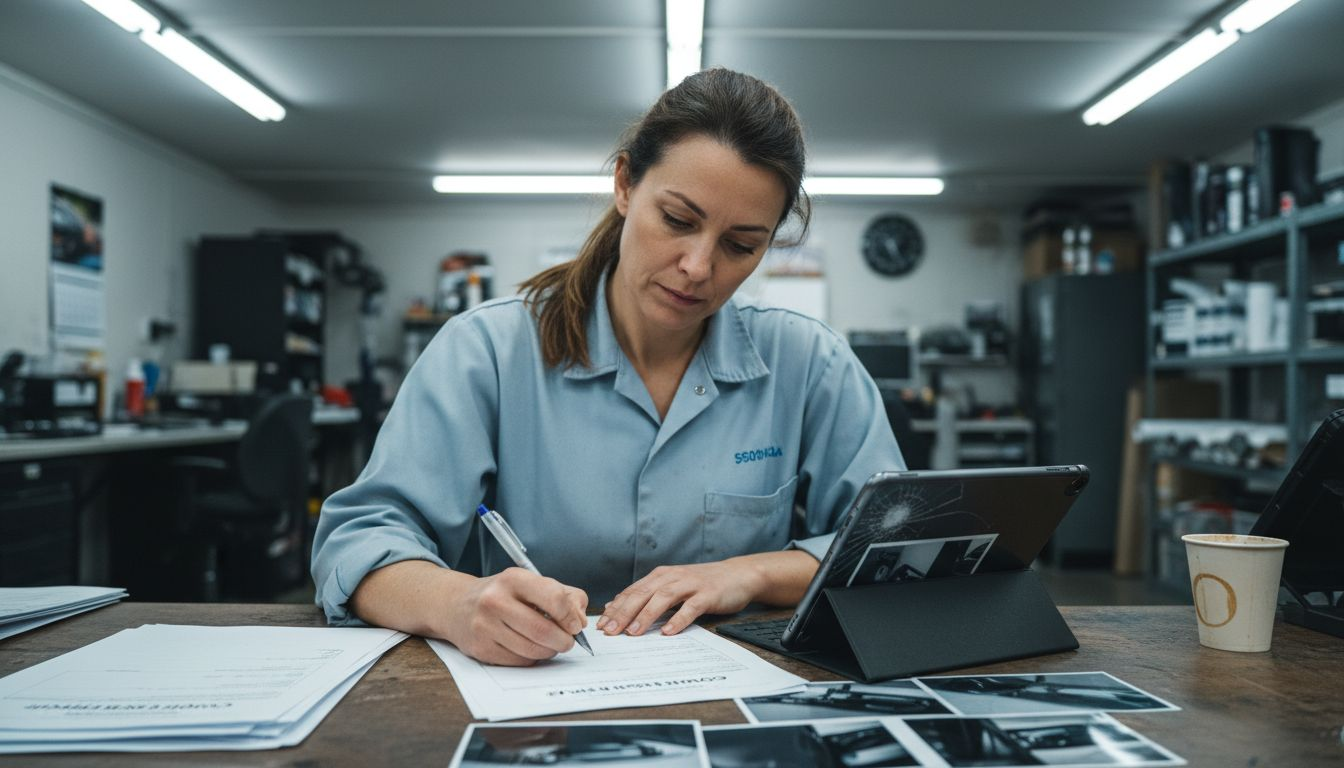
Document everything that happens next. Record when you respond, what you offer to fix it, whether the customer accepts, and the outcome. This creates a historical record that protects both you and your customer, and it reveals trends across multiple complaints.
Here’s how documentation quality impacts complaint resolution effectiveness:
| Documentation Quality | Impact on Resolution | Risk Exposure |
|---|---|---|
| Comprehensive, detailed | Enables clear decisions and trend analysis | Minimises repeat issues and disputes |
| Partial or inconsistent | Leads to ambiguous outcomes | Increases likelihood of unresolved issues |
| No structured recording | Makes resolution subjective | High chance of missed patterns and errors |
Ask clarifying questions without being defensive. If a customer says the film is “peeling”, does that mean complete separation or just a tiny edge lift? Are there visible contaminants underneath? Is the vehicle exposed to extreme conditions? These specifics change how you’ll address the problem.
Thorough documentation transforms a single complaint into valuable data that improves your processes and prevents similar issues for future customers.
Pro tip: Take photos of the problem directly from the customer’s vehicle during the complaint conversation, with date stamps and notes written on the images themselves—this visual record prevents disagreements later and gives your team clear reference points for the repair.
Step 3: Communicate Solutions and Set Expectations
Once you understand the issue, your next move is presenting a clear path forward. Customers feel anxious when complaints hang in limbo, so transparent and empathetic dialogue about what happens next builds trust and reduces frustration.
Start by offering realistic options rather than a single “take it or leave it” solution. Perhaps you can repair the affected area on-site, or the film needs replacement under warranty. Maybe the issue stems from customer handling post-installation, requiring education rather than repair. Present what you can actually deliver, not what sounds perfect.
Be specific about timelines. “We’ll fix it soon” creates anxiety. Instead say: “I can repair that edge lift on your driver’s side door next Tuesday at 2pm, and it should take about 45 minutes.” Customers want concrete details they can plan around.
Explain your process clearly. Tell them exactly what you’ll do to resolve the issue:
- What materials or techniques you’ll use
- How long the repair or replacement will take
- Whether they need to leave the vehicle with you
- Any aftercare instructions or waiting time before the film sets properly
- What happens if the same problem occurs again
Acknowledge their frustration genuinely. Say “I understand this wasn’t what you expected” rather than “Don’t worry, it’s not a big deal.” Your empathy demonstrates you value their experience.
Confirm next steps in writing. A quick email or text summarising what you’ve agreed—the solution, the date, the cost if applicable—prevents misunderstandings later. This written record also protects you both.
Setting clear expectations about timelines and outcomes increases satisfaction and reduces the likelihood of escalation or negative reviews.
Provide a contact method for updates. Let them know they can text you with questions or to confirm the appointment. Accessibility reduces anxiety about being ignored.
Be honest about limitations. If you can’t fully restore the vehicle’s condition, say so upfront rather than creating false hope. Customers respect honesty more than overpromising.
Pro tip: Create a simple one-page solution summary document with the problem description, your proposed fix, timeline, cost if any, and your contact details—hand this to the customer or email it immediately, as it becomes a reference point that prevents miscommunication and gives the customer something tangible showing you’ve taken their issue seriously.
Step 4: Implement Resolution and Confirm Satisfaction
Now comes the action phase. You’ve listened, documented, and communicated—now you actually fix the problem. Execute the solution you promised with the same care you put into the original installation. Sloppy repair work will only deepen the customer’s frustration.
Follow your agreed process exactly. If you said you’d repair the edge lift with heat and squeegee technique, do that methodically. If you’re replacing film, use the same application standards as the original installation. The customer is watching closely now, so precision matters more than speed.
Keep the customer informed during the work. A quick text or call saying “I’m starting the repair now” or “The new film is setting, you’ll be ready to pick up at 4pm” prevents them from wondering if you’ve forgotten about them.
Before handing the vehicle back, complete these checks:
- Inspect the repaired area thoroughly under different lighting angles
- Run your hand over edges and seams to confirm they’re smooth
- Check that the film adheres properly with no bubbles or wrinkles
- Verify the repair matches the rest of the film for colour consistency
- Test any moving parts if applicable (windows, doors)
Now comes the critical part: asking for confirmation that they’re satisfied. Don’t assume silence means approval. Systematically collect feedback and confirm satisfaction to ensure the resolution meets their expectations.
Ask directly: “Does this look right to you? Are you happy with how we’ve resolved this?” Give them space to speak. If they express concern, listen and address it immediately rather than rushing them out.
Provide written confirmation of the completed work. This might be a simple form stating what was repaired, the date, and warranty terms. A photo of the completed work gives both of you a record.
Confirming satisfaction closes the complaint loop and transforms a negative experience into proof that you stand behind your work.
Discuss aftercare and warranty. Clarify whether the repair is covered under warranty, how long it lasts, and what conditions might void it. Transparency prevents future disputes.
Pro tip: Follow up with a brief message 3-5 days after completing the repair asking how the vehicle is performing—this demonstrates genuine care and catches any issues before they become complaints, whilst building the relationship beyond the initial problem.
Elevate Your PPF Installations with Precision and Enhanced Customer Satisfaction
Handling customer complaints effectively starts with eliminating avoidable issues through accuracy and efficiency in your PPF and tint applications. The article emphasises the importance of thorough documentation, clear communication, and setting realistic expectations—all of which can be supported by using high-precision tools to minimise installation errors in the first place. AEONCUT cutting software from aeoncutsw.com provides advanced solutions with pre-cut patterns designed to reduce material waste and ensure consistent quality, helping installers avoid common issues like edge lifting or wrinkles that often trigger complaints.
Empower your installation process today by integrating AEONCUT’s extensive pattern libraries and AI-driven auto-nesting technology. This means fewer callbacks, smoother repairs, and stronger customer trust built on reliability and professionalism. Discover how AEONCUT can transform your workflow and support your complaint handling strategy by visiting AEONCUT Cutting Software and exploring expert resources like tutorials and customer testimonials. Take control of your PPF business success now with tools that help you deliver exceptional results and build lasting client satisfaction.
Frequently Asked Questions
How can I create a proactive response framework for handling customer complaints in PPF installation?
To establish a proactive response framework, identify clear complaint handling processes tailored to your business. Define multiple response channels, such as email, phone, and online forms, to enable customers to reach out easily.
What steps should I take to accurately document customer issues during a complaint?
When a customer raises a complaint, listen carefully and ask open-ended questions to gather detailed information. Use a standardised documentation form to record essential details, ensuring you capture the customer’s description, location of the issue, and any relevant photos.
How do I communicate solutions to customers after resolving their complaints?
Present clear and realistic options for resolution, outlining specific timelines and processes involved. Following your proposed actions, confirm next steps in writing, so customers have a tangible reference to avoid any misunderstandings.
What should I do to ensure customer satisfaction after a complaint resolution?
After implementing the solution, ask the customer directly if they are satisfied with the outcome. Follow up with a brief message 3-5 days later to check on the vehicle’s performance and demonstrate your ongoing commitment to their satisfaction.
What common mistakes should I avoid when handling customer complaints?
Avoid becoming defensive during discussions and ensure that you do not make assumptions about the customer’s experience. Ensure that all documentation is comprehensive and consistently recorded, as incomplete records can lead to unresolved issues.
Recommended
- Building a PPF Business in 2025: From Tools to First Clients – AEONCUT PPF Pre-cut Cutting software
- Building a PPF Business in 2025: From Tools to First Clients – AEONCUT PPF Pre-cut Cutting software
- Building a PPF Business in 2025: From Tools to First Clients – AEONCUT PPF Pre-cut Cutting software
- Building a PPF Business in 2025: From Tools to First Clients – AEONCUT PPF Pre-cut Cutting software
- Top 7 Ways Insurance Companies Cheat
- Feedback Client : Clé De Croissance Pour Les Commerçants
- Complaints Procedure – Mayiclaim