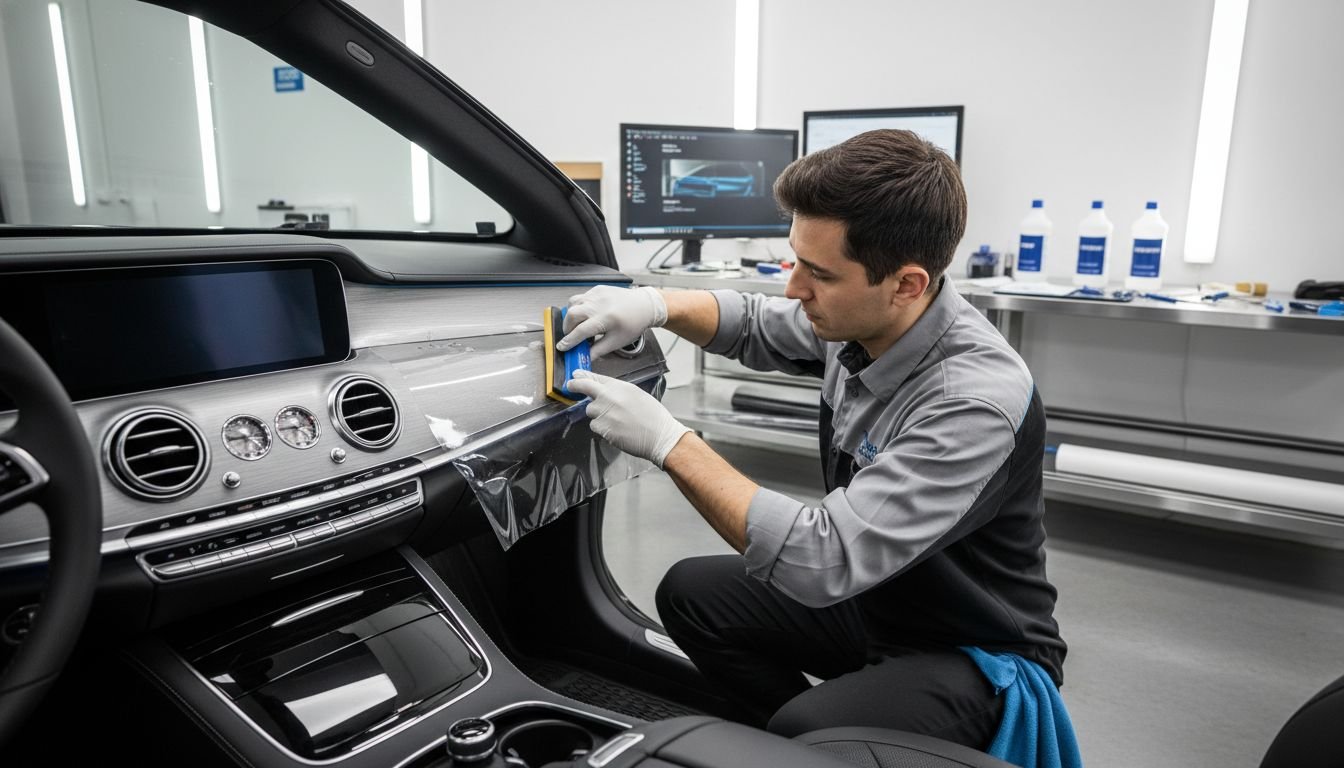
Every year, car owners pour thousands into paint repairs, yet even a small rock can ruin a flawless finish. Protecting a vehicle’s exterior is more than a cosmetic concern, especially when industry research shows that paint protection film can preserve resale value by up to 15 percent. For anyone serious about long-term vehicle care, understanding what paint protection film is and how it works sets the stage for smarter investments and fewer costly surprises down the road.
Table of Contents
- Defining Paint Protection Film and Its Purpose
- Common Types of Paint Protection Films
- Typical Installation and Maintenance Process
- Main Disadvantages and Practical Limitations
- Comparing PPF to Other Paint Protection Options
- Cost Implications and Long-Term Considerations
Key Takeaways
| Point | Details |
|---|---|
| Paint Protection Film (PPF) | PPF is a thermoplastic urethane film designed to protect vehicle paint from environmental damages and has been widely accepted by OEMs. |
| Types of PPF | PPF comes in various forms, including clear, self-healing, matte, and high gloss films, each catering to different aesthetic and protective needs. |
| Installation and Maintenance | Professional installation is critical for optimal performance, requiring careful application and specific maintenance practices to ensure durability. |
| Cost and Value | While the upfront cost for PPF can be significant, its long-term benefits include potential resale value enhancement and reduced repair costs. |
Defining Paint Protection Film and Its Purpose
Paint Protection Film (PPF) represents a sophisticated automotive surface preservation technology designed to shield vehicle paintwork from environmental damage. Originally developed for military applications, this advanced protective solution has evolved into an essential product for automotive professionals and enthusiasts seeking comprehensive paint preservation.
According to Wikipedia, PPF is a thermoplastic urethane film strategically applied to painted surfaces to defend against potential damages like stone chips, bug splatters, and minor abrasions. Its versatility extends beyond automobiles, finding applications in diverse sectors including airplanes, recreational vehicles, motorcycles, electronics, and mobile device screens. Notably, PPF has received widespread OEM approval from virtually all car manufacturers, underscoring its reliability and effectiveness.
The film’s origins are particularly fascinating. As documented by CFT Films, paint protection film was initially engineered for aircraft propeller blade protection. Its fundamental design philosophy centers on creating a flexible polymer capable of deflecting impacts while maintaining an aesthetically pleasing, virtually invisible protective layer. In the automotive realm, PPF serves multiple critical functions:
- Surface Impact Protection: Shields paint from rock chips, scratches, and minor abrasions
- Environmental Defense: Resists damage from UV rays, bird droppings, tree sap, and chemical contaminants
- Preservation of Aesthetic Quality: Maintains the vehicle’s original paint appearance and gloss
- Long-Term Cost Savings: Reduces potential repair and repainting expenses
For professionals in the automotive customization industry, understanding PPF’s technical capabilities is crucial. How Does PPF Work? Guide for Car Care Pros 2025 provides deeper insights into the intricate mechanics of this revolutionary protective technology.
Common Types of Paint Protection Films
Paint Protection Films (PPF) are not a one-size-fits-all solution. Professional automotive protection specialists understand that different film types cater to varying aesthetic and protective requirements. Modern PPF technologies offer remarkable diversity to meet specific vehicle protection needs.
According to Elov PPF, contemporary paint protection films demonstrate exceptional versatility. They are now highly conformable and optically clear, available in multiple thicknesses and color variations. The most advanced products feature multi-layered constructions with sophisticated self-healing top coats capable of reforming after scratches, maintaining exceptional clarity for over a decade.
Professional-grade PPF can be categorized into several primary types:
- Clear Protective Films: Standard transparent films offering basic paint protection
- Self-Healing Films: Advanced multilayer films with top coats that automatically repair minor scratches
- Matte Finish Films: Designed for professionals seeking non-glossy, understated vehicle appearances
- High Gloss Films: Enhancing and preserving the original paint’s reflective qualities
As documented by Avery Dennison, high-performance paint protection films are constructed from enhanced polyurethane. These premium films provide exceptional scratch resistance, self-healing properties, and supreme visual finishes while remaining virtually invisible.
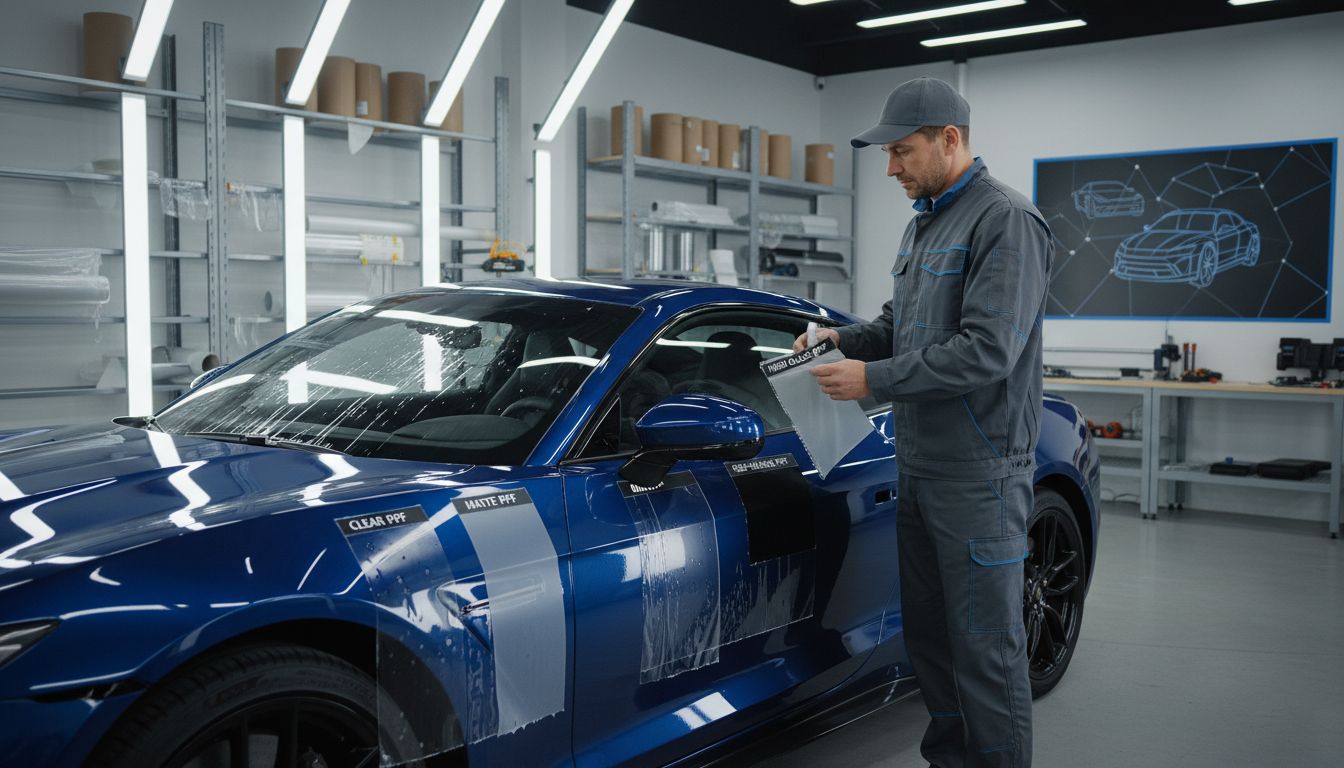
For automotive professionals seeking comprehensive insights into PPF selection, the Matte PPF vs Gloss PPF: Professional Comparison 2025 offers an in-depth exploration of film finish characteristics and their practical applications.
Typical Installation and Maintenance Process
Paint Protection Film installation represents a precision-driven process that demands exceptional skill and professional expertise. Professional automotive detailers and installers must navigate a complex series of steps to ensure optimal film application and long-term vehicle protection.
According to Wikipedia, paint protection film is typically installed by certified trained professionals who source supplies from specialized distributors. The installation strategically focuses on high-impact vehicle areas most vulnerable to damage, including:
- Hood
- Front fenders
- Front bumper
- Side view mirrors
- Rocker panels
- Lower door sections
- Rear guards behind wheels
Professional installation requires meticulous surface preparation, precise film cutting, and expert application techniques. Each vehicle presents unique challenges, demanding installers possess advanced skills in film manipulation, surface cleaning, and seamless integration.
Maintenance is equally critical for preserving PPF effectiveness. As documented by Elov PPF, these protective films require specialized care. Critical maintenance guidelines include:
- Avoiding automated car washes
- Preventing pressure washing
- Exclusively using hand-washing techniques
- Protecting film edges from potential damage
These maintenance protocols are essential to maintaining the film’s integrity and preventing premature degradation. For automotive professionals seeking comprehensive installation guidance, Common Mistakes in PPF Installation and How to Avoid Them offers invaluable insights into best practices and potential pitfalls during the application process.
Main Disadvantages and Practical Limitations
Paint Protection Film (PPF) represents an advanced automotive preservation technology, but like any protective solution, it comes with inherent limitations that professional installers and vehicle owners must carefully consider. Understanding these potential drawbacks is crucial for making informed decisions about paint protection strategies.
According to HL Wrap, paint protection film presents several significant disadvantages that professionals should be aware of:
- High Upfront Cost: Substantial initial investment required
- Visible Edges or Seams: Potential aesthetic imperfections during installation
- Professional Installation Requirement: Specialized skills needed for proper application
- Limited Damage Protection: Not completely damage-proof
- Time-Intensive Application: Extended installation and curing periods
Professional installers must recognize that PPF is not a universal solution. The film requires meticulous application and ongoing maintenance to preserve its protective qualities. Critical considerations include potential yellowing over time, edge lifting, and the necessity for precise, expert installation techniques.
While PPF offers significant paint protection benefits, it’s not infallible. Factors such as environmental exposure, improper washing techniques, and installation quality can compromise the film’s effectiveness.
Automotive professionals must set realistic client expectations, emphasizing that PPF provides enhanced protection but cannot guarantee absolute paint preservation.
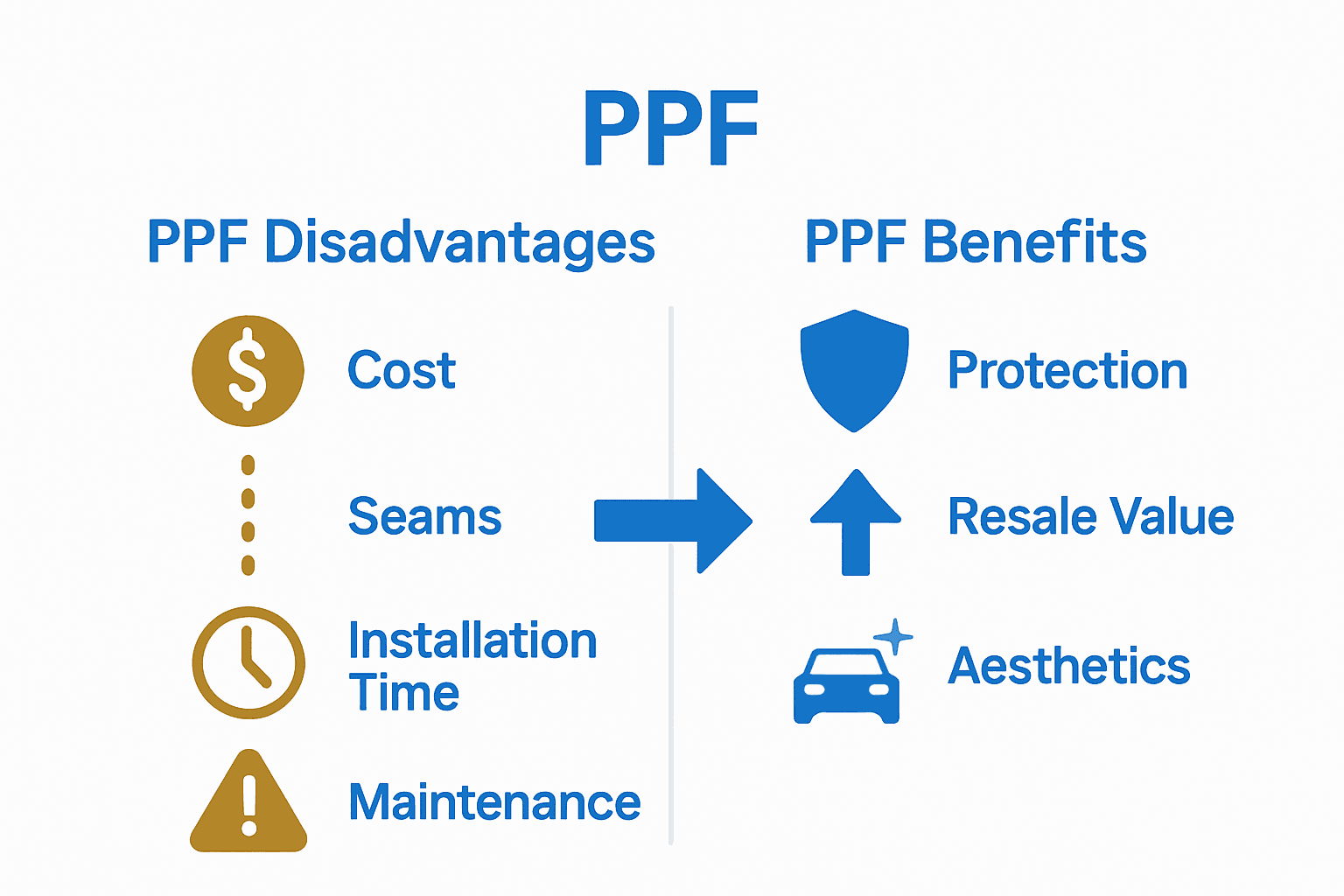
For automotive professionals seeking deeper insights into managing PPF limitations, the Clear Bra vs PPF: Key Differences for Detailing Pros 2025 offers comprehensive comparative analysis to help navigate potential challenges in paint protection strategies.
Comparing PPF to Other Paint Protection Options
Paint Protection Film (PPF) represents one of several advanced automotive surface preservation technologies, each with unique strengths and limitations. Professional automotive detailers and vehicle protection specialists must understand the nuanced differences between these protection methods to recommend the most appropriate solution for specific client needs.
Comparing PPF with alternative protection options reveals critical distinctions:
Ceramic Coating
- Provides chemical bonding protection
- Thinner application
- More permanent, but less impact-resistant
- Lower upfront cost
Wax and Sealants
- Temporary protection
- Requires frequent reapplication
- Minimal impact resistance
- Most economical short-term solution
Nano Coatings
- Microscopic protective layer
- Enhanced chemical resistance
- Limited physical impact protection
- Less expensive than PPF
Professional installers must recognize that each protection method offers distinct advantages. PPF remains superior for physical impact protection, providing comprehensive coverage against rock chips, scratches, and environmental damages. While alternative solutions offer aesthetic enhancement, they cannot match PPF’s robust protective capabilities.
For automotive professionals seeking comprehensive insights into protection technology comparisons, the PPF Versus Ceramic Coating: Best Choice for Automotive Pros 2025 provides an in-depth analysis of these protective strategies, helping installers make informed recommendations tailored to individual vehicle requirements.
Cost Implications and Long-Term Considerations
Paint Protection Film represents a significant investment for automotive professionals and vehicle owners, requiring careful financial analysis beyond the initial application cost. Understanding the comprehensive economic landscape of PPF involves evaluating multiple financial dimensions that extend far beyond the upfront expense.
The total cost of ownership for PPF includes several critical financial considerations:
Initial Installation Costs
- Professional-grade films range from £1,500-£5,000
- Full vehicle coverage typically more expensive
- Partial coverage options available for budget-conscious clients
Maintenance Expenses
- Specialized cleaning products
- Professional detailing recommendations
- Potential repair or replacement of damaged sections
Long-Term Value Preservation
- Potential increase in vehicle resale value
- Protection against paint degradation
- Reduced future repair and refinishing expenses
Professional installers must communicate that while PPF represents a substantial initial investment, it offers significant long-term economic benefits. The film’s ability to prevent paint damage, maintain vehicle aesthetics, and potentially increase resale value makes it a strategic financial decision for discerning vehicle owners.
For automotive professionals seeking detailed financial analysis and strategic insights, the PPF Versus Ceramic Coating: Best Choice for Automotive Pros 2025 provides comprehensive comparative information to help clients make informed economic decisions about paint protection strategies.
Overcoming Paint Protection Film Challenges with Precision Cutting Solutions
Understanding the disadvantages of paint protection film such as high upfront costs, visible edges, and the demand for expert installation reveals just how vital precision and efficiency are in successful PPF application. When these challenges cause frustration or doubt, aligning with the right tools can transform the process. AEONCUT’s advanced cutting software offers automotive professionals and serious enthusiasts the ability to minimise material waste, achieve exact pre-cut patterns, and produce flawless installations that address common pitfalls like edge lifting and seams.
Experience the advantage of utilising Paint Protection Film – AEONCUT PPF Pre-cut Cutting software to streamline your workflow and elevate quality.
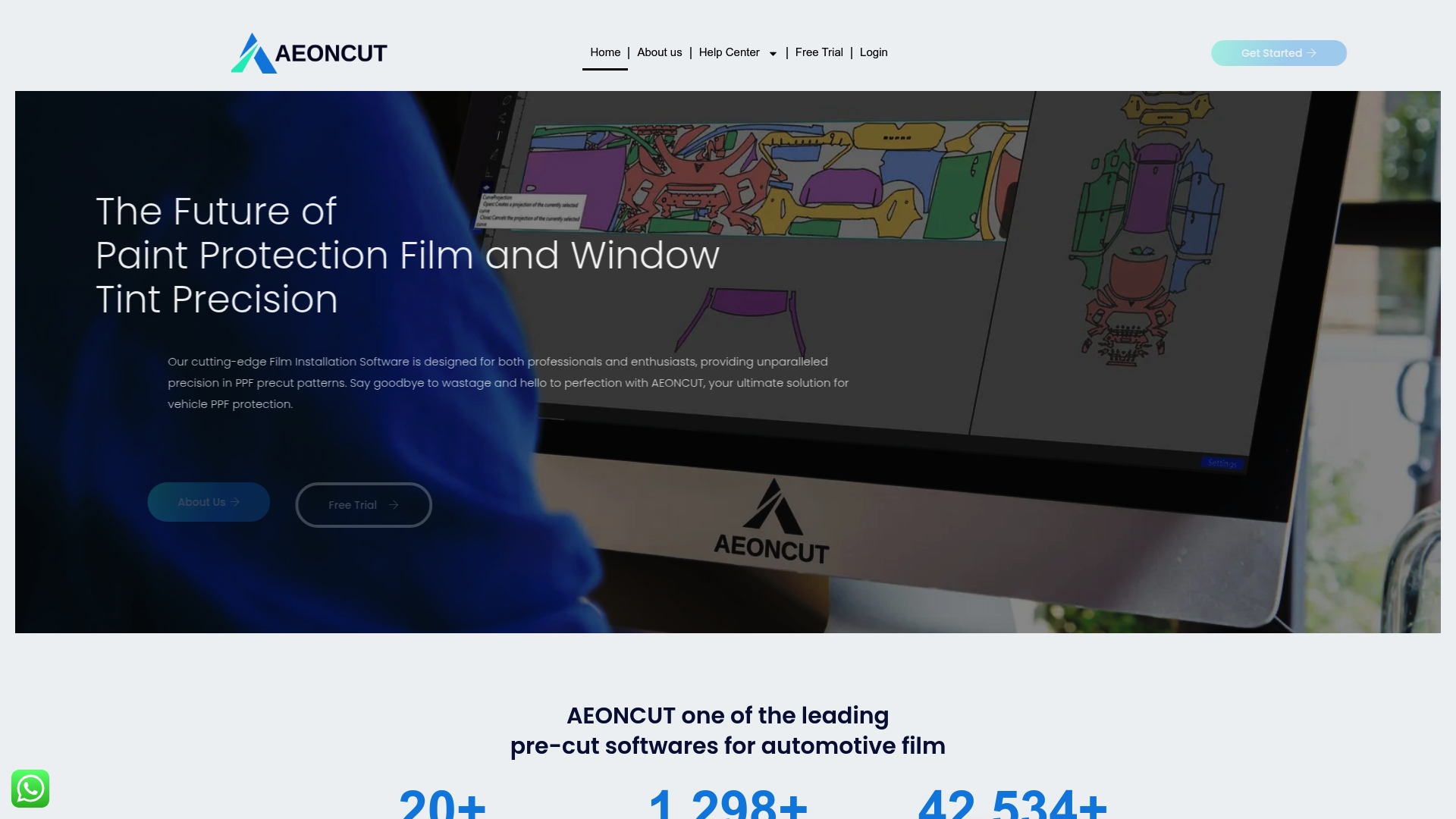
Elevate your installation precision today with AEONCUT. Visit aeoncutsw.com to explore subscription options and access extensive pattern libraries that empower you to overcome typical PPF limitations swiftly and professionally. Don’t let installation hurdles hold you back—take control now and deliver superior protection results for your clients with AEONCUT’s cutting-edge technology. For insights on related automotive solutions, check out our Featured – AEONCUT PPF Pre-cut Cutting software and discover new ways to enhance your service quality.
Frequently Asked Questions
What are the main disadvantages of paint protection film?
Paint protection film (PPF) has several drawbacks, including high upfront costs, visible edges or seams post-installation, the necessity for professional installation, limited damage protection, and the time-intensive nature of the application process.
How does paint protection film compare to ceramic coatings?
While paint protection film offers superior physical impact protection against scratches and chips, ceramic coatings provide chemical bonding protection but are thinner and less impact-resistant. PPF generally requires a higher initial investment than ceramic coatings.
Is maintenance necessary for paint protection film, and what does it involve?
Yes, maintaining paint protection film is crucial. It involves avoiding automated car washes and pressure washing, using hand-washing techniques, and protecting the film edges from potential damage to preserve its integrity and effectiveness.
Can paint protection film yellow over time?
Yes, paint protection film can experience yellowing over time due to environmental exposure and lack of proper maintenance. It’s important for vehicle owners to choose high-quality films and adhere to maintenance guidelines to minimize this issue.
Recommended
- How Does PPF Work? Guide for Car Care Pros 2025 – AEONCUT PPF Pre-cut Cutting software
- Understanding Paint Protection Film Lifespan: Insights for Professionals 2025 – AEONCUT PPF Pre-cut Cutting software
- Clear Bra vs PPF: Key Differences for Detailing Pros 2025 – AEONCUT PPF Pre-cut Cutting software
- Clear Bra vs PPF: Key Differences for Detailing Pros 2025 – AEONCUT PPF Pre-cut Cutting software