Over 80 percent of British clients report that their choice of service provider depends on trust as much as technical skill. For anyone working in vehicle protection, understanding how trust works is more than just a business advantage. Misconceptions about what actually builds client confidence can hold back even the most skilled professionals. This guide explores the real building blocks of trust and highlights practical steps to create lasting, meaningful client relationships.
Table of Contents
- Defining Client Trust And Misconceptions
- Types Of Trust: Rational Versus Emotional
- Transparent Communication And Onboarding
- Delivering Reliability And Protecting Data
- Leveraging Feedback And Social Proof
- Avoiding Common Trust Pitfalls
Key Takeaways
| Point | Details |
|---|---|
| Understanding Trust Dynamics | Client trust is built through a combination of technical expertise and emotional reliability, requiring transparent communication and consistent performance. |
| Rational vs. Emotional Trust | Professionals must balance rational trust, based on measurable skills, with emotional trust, rooted in interpersonal connections and authenticity. |
| Importance of Transparent Communication | Clear communication during onboarding is vital to establishing lasting client relationships and setting realistic expectations. |
| Avoiding Trust Erosion | Maintaining trust requires ongoing effort to prevent common pitfalls such as inconsistent communication and lack of follow-up on client feedback. |
Defining Client Trust And Misconceptions
Trust represents a complex psychological contract between professionals and clients that extends far beyond simple transactional interactions. Understanding trust dynamics requires recognising that clients do not merely evaluate technical competence, but also assess emotional reliability and perceived authenticity.
At its core, client trust involves willingness to be vulnerable based on positive expectations about an installer’s capabilities and character. Professionals in the vehicle protection industry must comprehend that trust is multidimensional, encompassing technical expertise, transparent communication, consistent performance, and genuine care for client outcomes.
Common misconceptions about building client trust often revolve around believing technical skills alone guarantee client confidence. Research suggests that trust formation involves nuanced psychological processes that extend well beyond professional competence. Key misconceptions include:
- Assuming technical perfection automatically generates trust
- Believing price is the primary determinant of client perception
- Underestimating the importance of personalised communication
- Neglecting post-service relationship management
Successful trust-building requires installers to recognise that clients seek reassurance through consistent, transparent interactions that demonstrate both professional capability and genuine human connection. By understanding these subtle psychological dynamics, professionals can develop more meaningful, long-lasting client relationships that transcend mere commercial transactions.
Types Of Trust: Rational Versus Emotional
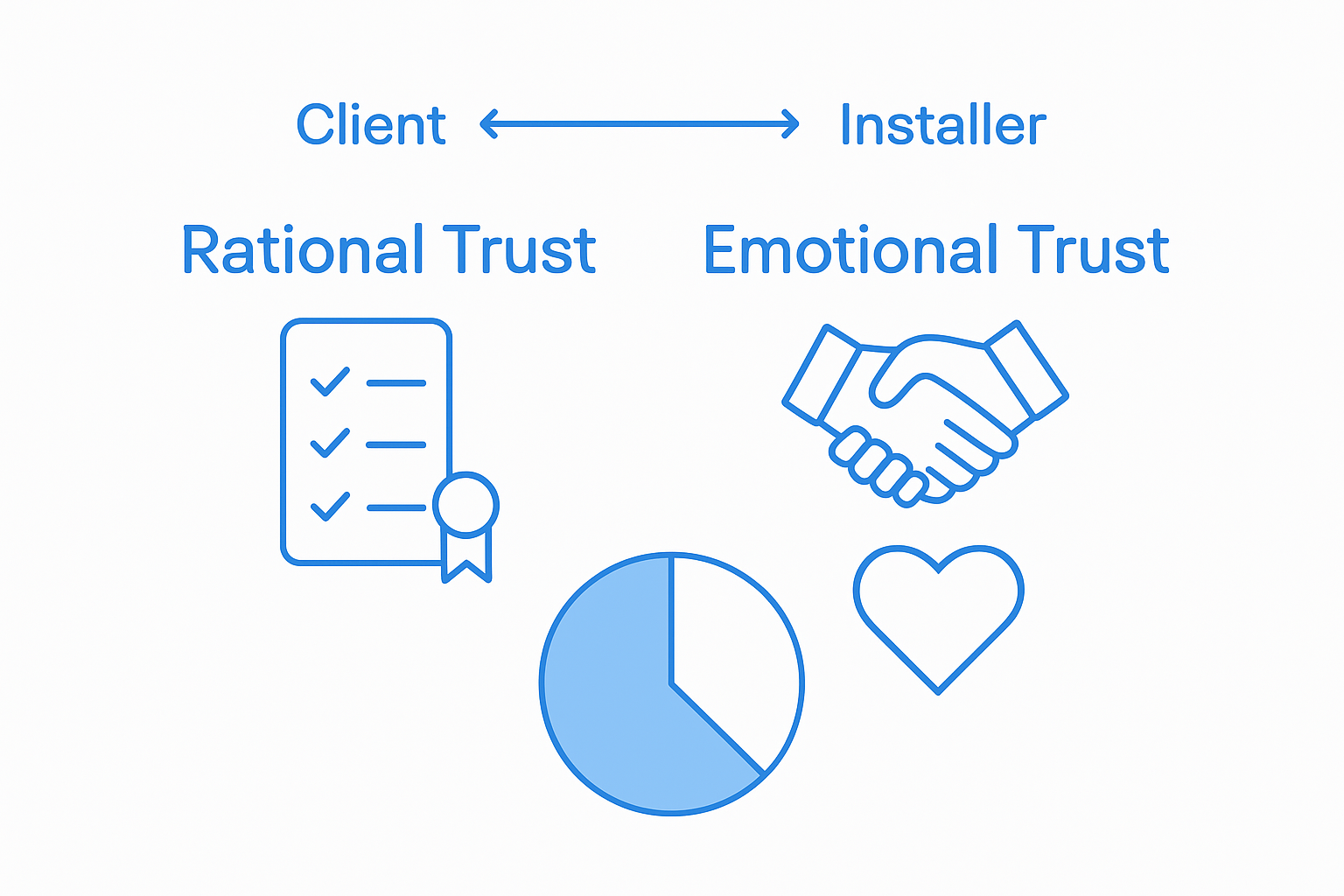
Understanding trust requires recognising its dual nature: rational trust and emotional trust, two interconnected yet distinctly different psychological mechanisms that drive professional relationships. These trust types represent complementary approaches to building client confidence in the vehicle protection industry.
Rational trust emerges from cognitive evaluations that focus on measurable competence, professional credentials, and demonstrable performance metrics. In the context of vehicle protection, this means clients assess an installer’s technical skills, equipment quality, precision of work, and proven track record of successful installations.
Emotional trust, conversely, stems from interpersonal connections and perceived authenticity. Psychological research suggests that trust formation involves nuanced strategic and moralistic components that extend beyond pure rational calculation. For installers, this translates to demonstrating genuine care, active listening, transparent communication, and consistent reliability.
Key distinctions between rational and emotional trust include:
Rational Trust Indicators:
- Documented professional qualifications
- Precise technical capabilities
- Transparent pricing structures
- Verifiable client testimonials
Emotional Trust Indicators:
- Personalised client interactions
- Empathetic communication
- Consistency in service delivery
- Proactive problem resolution
Successful professional relationships require harmonising both trust dimensions. Installers who balance technical expertise with genuine human connection create robust, lasting client relationships that transcend transactional interactions.
Transparent Communication And Onboarding
Transparent communication represents the foundational cornerstone of establishing robust client relationships in the vehicle protection industry. Effective onboarding processes transform initial interactions from mere transactional exchanges into meaningful professional connections that build lasting trust and mutual understanding.
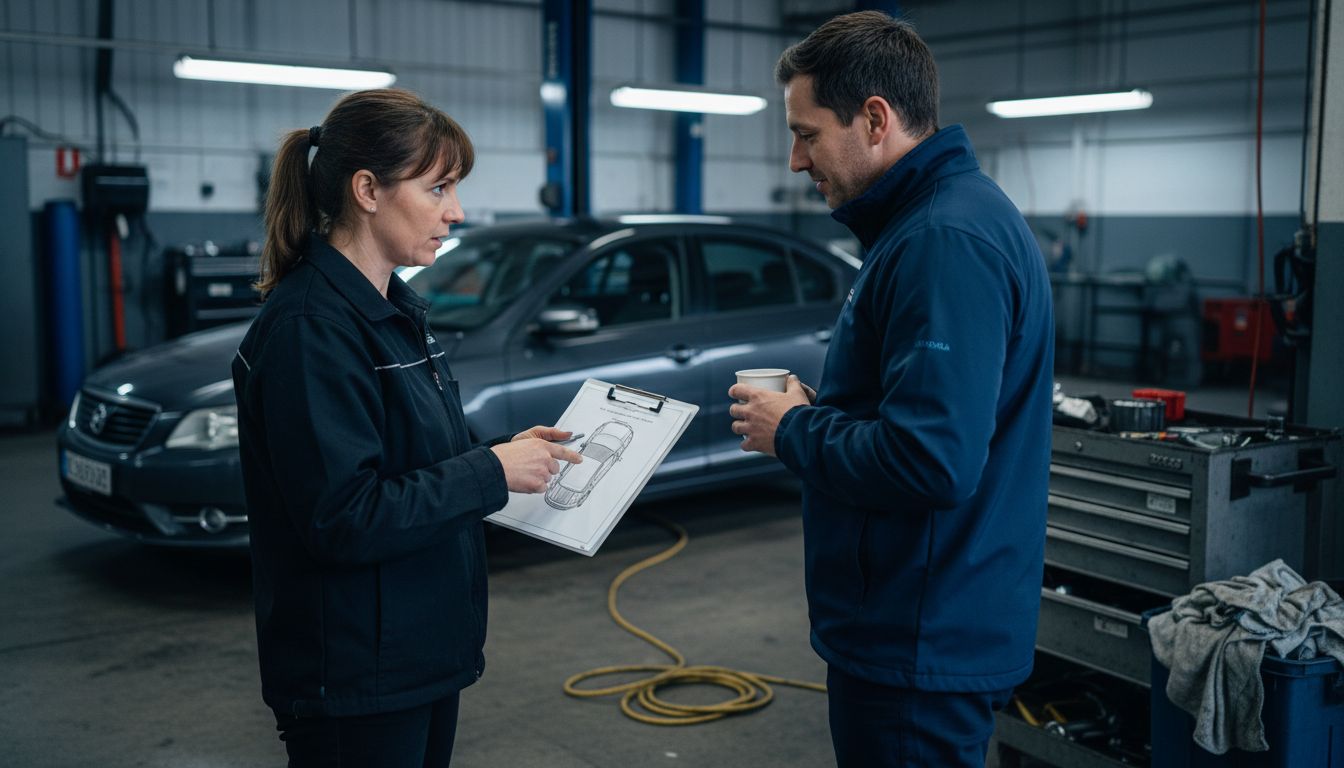
Research indicates that clear, honest communication during initial client interactions dramatically increases the likelihood of long-term client engagement. For vehicle protection installers, this means creating comprehensive, straightforward communication strategies that demystify technical processes and set realistic expectations from the first point of contact.
Transparent communication involves multiple strategic approaches that go beyond simple information sharing. Key elements include:
- Comprehensive initial consultation processes
- Detailed explanation of technical procedures
- Clear pricing and service scope documentation
- Proactive updates throughout service delivery
- Accessible channels for client queries and concerns
Successful onboarding requires installers to balance technical expertise with genuine, approachable communication. By creating an environment of openness, professionals can transform potential client apprehension into confidence, establishing a strong foundation for long-term professional relationships that extend far beyond a single service interaction.
Delivering Reliability And Protecting Data
Reliability in vehicle protection services represents a multifaceted commitment that extends beyond technical performance into comprehensive client assurance. Professional installers must consistently demonstrate their capability to deliver precise, dependable services while simultaneously protecting client information with rigorous data management protocols.
Research confirms that trust intentions are deeply connected to service reliability and data protection strategies, highlighting the critical nature of maintaining both technical excellence and robust information security. For vehicle protection professionals, this means developing comprehensive systems that guarantee consistent quality and safeguard sensitive client details throughout service interactions.
Competence and value systems play pivotal roles in establishing client trust, with data protection emerging as a fundamental aspect of professional credibility. Key reliability and data protection strategies include:
- Implementing secure digital record-keeping systems
- Establishing clear data confidentiality policies
- Utilising encrypted communication channels
- Conducting regular security audits
- Providing transparent information about data handling practices
- Training staff in strict confidentiality protocols
Successful client relationships in vehicle protection are built upon a foundation of unwavering reliability and demonstrable commitment to data privacy. By prioritising both technical precision and information security, professionals can create an environment of trust that reassures clients and distinguishes their services in a competitive marketplace.
Leveraging Feedback And Social Proof
Social proof functions as a powerful mechanism for building client trust in vehicle protection services, transforming individual experiences into compelling narratives that resonate with potential customers. Professional installers who strategically collect, curate, and communicate client feedback create a transparent ecosystem of validation and credibility.
Research demonstrates that systematically incorporating client testimonials significantly enhances trust and commitment, providing potential clients with tangible evidence of service quality and reliability. For vehicle protection professionals, this means developing comprehensive feedback collection strategies that capture authentic client experiences and showcase genuine service outcomes.
Effective feedback mechanisms go beyond simple testimonial collection, requiring nuanced approaches to gathering, presenting, and leveraging client perspectives. Key strategies for maximising social proof include:
- Implementing structured feedback surveys
- Creating video testimonial programmes
- Developing comprehensive review management systems
- Showcasing quantitative performance metrics
- Highlighting long-term client relationships
- Sharing before-and-after transformation narratives
Successful social proof integration transforms client experiences from isolated interactions into powerful, interconnected narratives of professional excellence. By thoughtfully presenting authentic client journeys, vehicle protection installers can build a compelling reputation that attracts and reassures potential clients through genuine, verifiable evidence of their service quality.
Avoiding Common Trust Pitfalls
Trust erosion represents a delicate challenge in vehicle protection services, where professional reputation can be compromised by seemingly minor missteps. Successful installers must develop a sophisticated understanding of potential trust-undermining behaviours and proactively design strategies to prevent their occurrence.
Philosophical research reveals that trust involves complex psychological mechanisms beyond simple transactional interactions, highlighting the nuanced nature of client relationships. Professional installers must recognise that trust is not a static condition but a dynamic process requiring continuous maintenance and deliberate cultivation of positive interactions.
Systematic research demonstrates multiple critical pitfalls that can rapidly undermine client confidence, with specific risks including:
- Inconsistent communication patterns
- Overpromising and underdelivering
- Lack of transparency about service limitations
- Neglecting post-service follow-up
- Insufficient personalisation of client interactions
- Failing to acknowledge and rectify service errors promptly
- Displaying unprofessional or inconsistent behaviour
Mitigating trust risks requires a holistic approach that integrates proactive communication, consistent performance, and genuine commitment to client satisfaction. By developing robust systems that anticipate potential misunderstandings and address them preemptively, vehicle protection professionals can create resilient client relationships built on mutual respect and demonstrated reliability.
Elevate Client Trust With Precision And Transparency
Building lasting client trust is essential for any vehicle protection installer seeking to stand out in a competitive market. This article highlights how transparent communication, reliability, and emotional connection form the core of effective trust-building. One of the biggest challenges installers face is consistently delivering flawless technical performance while fostering genuine relationships that reassure clients.
At aeoncutsw.com, we understand these crucial trust dynamics. Our AEONCUT software offers precise pre-cut patterns that improve installation accuracy, reduce material waste, and enhance operational efficiency. By leveraging our cloud-based updates and AI-driven auto-nesting features, installers can maintain transparent workflows and uphold the highest professional standards that clients expect. Explore detailed tutorials and real client testimonials that demonstrate how embracing innovative technology can transform your service reliability and strengthen emotional trust.
Experience how combining cutting-edge software with authentic client engagement can take your trust-building efforts to the next level. Visit AEONCUT cutting software now to discover solutions tailored for professional installers and serious car enthusiasts eager to boost confidence, reduce errors, and establish transparent client relationships.
Ready to reinforce your credibility and build unshakable client confidence today Visit AEONCUT cutting software to start your journey towards excellence with precision tools that truly support trust and reliability in every installation.
Frequently Asked Questions
What are the key components of building client trust in vehicle protection services?
Building client trust relies on a combination of technical expertise, transparent communication, consistent performance, and genuine care for client outcomes. Installers should prioritise these elements to foster meaningful relationships.
How do rational trust and emotional trust differ in client relationships?
Rational trust is based on measurable competence and professional credentials, while emotional trust stems from interpersonal connections and perceived authenticity. Both are essential for establishing robust client relationships.
What role does transparent communication play in the onboarding process?
Transparent communication is crucial during onboarding as it helps demystify technical processes, set realistic expectations, and foster confidence in the client-installer relationship, enhancing long-term engagement.
How can feedback and social proof contribute to building client trust?
Collecting and showcasing genuine client feedback through testimonials and performance metrics provides potential clients with tangible evidence of service quality, significantly enhancing trust and commitment.
Recommended
- How to Train New Installers Using Aeoncut Tutorials Effectively – AEONCUT PPF Pre-cut Cutting software
- How to Train New Installers Using Aeoncut Tutorials Effectively – AEONCUT PPF Pre-cut Cutting software
- How to Train New Installers Using Aeoncut Tutorials Effectively – AEONCUT PPF Pre-cut Cutting software
- Common Mistakes in PPF Installation and How to Avoid Them – AEONCUT PPF Pre-cut Cutting software
- Understanding Building Social Proof for Brands and Shoppers | Prodcast
- How to Develop Brand Identity That Attracts Clients
- Understanding B2B Brand Building Explained for SaaS and Startups – Kadima