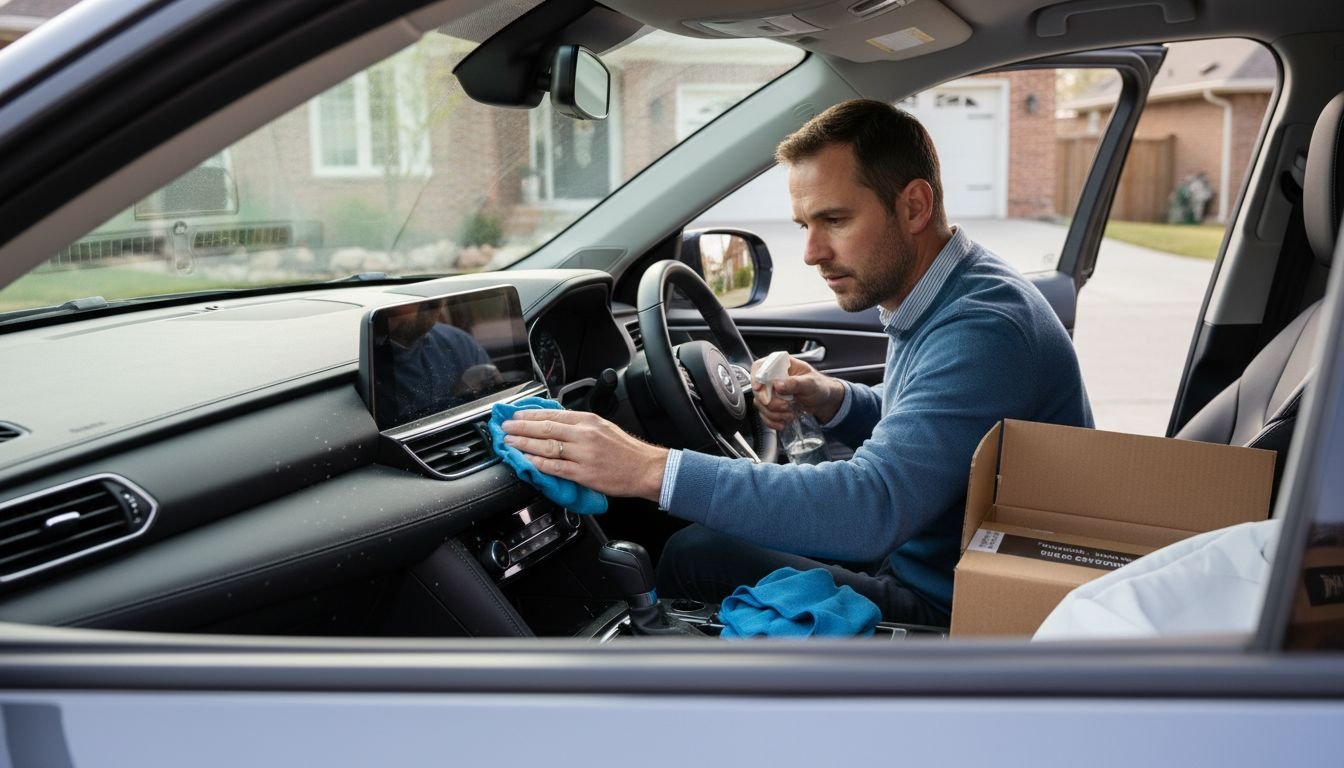
More than 85 percent of british auto detailing shops report rising demand for expert car interior and exterior protection services. Keeping vehicles pristine is no longer just about appearance but about safeguarding value against harsh climates and daily wear worldwide. By understanding new protection materials and digital installation tools, professionals like you can meet high client expectations and set your services apart in this rapidly evolving industry.
Table of Contents
- Defining Car Interior Exterior Protection
- Types Of Protection Films And Materials
- Role Of Cutting Software In Application
- Installation Workflows And Best Practices
- Common Mistakes And Costly Errors To Avoid
- Enhancing Client Service With Technology
Key Takeaways
| Point | Details |
|---|---|
| Comprehensive Protection Strategy | Car interior and exterior protection focuses on utilising advanced materials to safeguard against environmental damage and wear. |
| Importance of Surface Preparation | Thorough preparation is essential for effective film adhesion and long-lasting protection outcomes. |
| Technology Integration | Cutting software and AI enhance precision in film application, reducing errors and material waste. |
| Client Engagement Through Technology | Implementing digital tools improves client communication, providing transparency and personalised service. |
Defining Car Interior Exterior Protection
Car interior and exterior protection represents a comprehensive approach to safeguarding automotive surfaces against environmental damage, wear, and aesthetic degradation. This strategy combines advanced materials and techniques designed to preserve a vehicle’s structural integrity and visual appeal.
At its core, protection involves applying specialised films and treatments to both interior and exterior surfaces. Paint protection films represent a critical technology in this domain, utilising thermoplastic urethane to shield painted surfaces from stone chips, insect impacts, and minor abrasions. These films are engineered to create an invisible barrier that maintains the original paintwork’s pristine condition.
Exterior protection extends beyond paint films to include comprehensive treatments like window films, which serve multiple protective functions. These thin laminate coverings, constructed from polyethylene terephthalate, provide solar control, enhance safety, and offer security benefits. They can be categorised by their specific technical performance, including variations like dyed, metallized, ceramic, and nano-level treatments.
Interior protection focuses on preserving cabin surfaces against UV radiation, heat damage, and general wear. This involves selecting appropriate materials and applying protective coatings that resist fading, cracking, and degradation of upholstery, dashboards, and trim components.
Pro Tip: Regular professional assessment of protection film conditions can help identify early signs of wear and ensure continuous, optimal vehicle surface preservation.
Types Of Protection Films And Materials
Protection films for automotive surfaces encompass a diverse range of advanced materials designed to shield vehicles from environmental and mechanical damage. These specialised solutions incorporate various technologies and compositions, each tailored to address specific protective requirements for different automotive surfaces.
Exterior protection materials typically include paint protection films constructed from thermoplastic urethane, which offer superior defence against stone chips and minor abrasions. Metallised films represent another critical category, featuring polymer bases coated with thin metal layers that provide enhanced durability and reduced permeability to environmental factors like light and moisture.
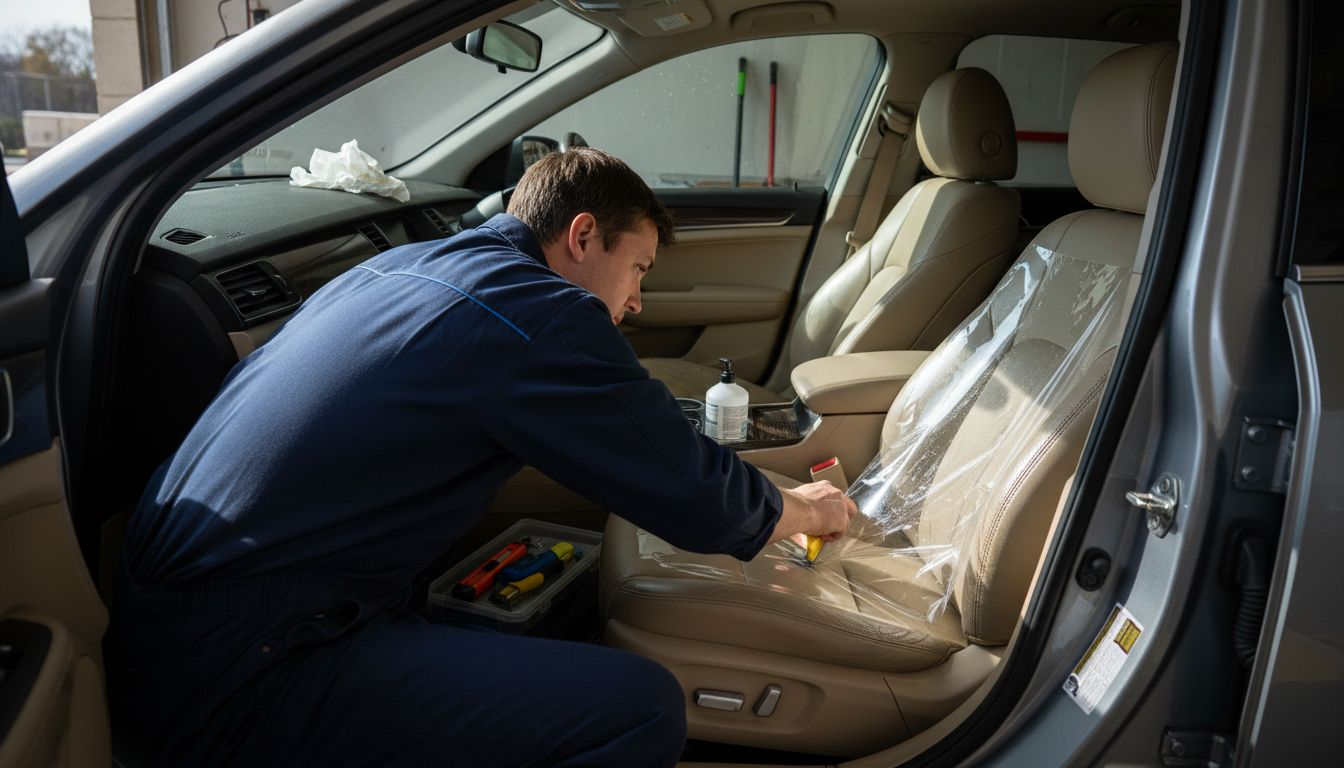
Interior protection materials focus on preserving cabin surfaces through advanced anti-scratch coatings, which utilise specialised additives and fillers to resist physical degradation. These protective layers are engineered to mitigate damage from UV exposure, heat, and regular usage, maintaining the aesthetic and structural integrity of upholstery, dashboards, and trim components.
Modern protection films can be categorised into several primary types:
- Ceramic-based films
- Polyurethane films
- Self-healing films
- Nano-ceramic composites
- Hybrid protection materials
Each material offers unique advantages, with selection depending on specific vehicular requirements, environmental conditions, and desired longevity of protection.
Here is a comparison of popular automotive protection film types highlighting their main advantages and ideal uses:
| Film Type | Key Benefit | Ideal Application |
|---|---|---|
| Ceramic-based films | Superior UV resistance | Hot, sunny climates |
| Polyurethane films | High impact protection | Paintwork, exteriors |
| Self-healing films | Scratch recovery | High-traffic areas |
| Nano-ceramic composites | Advanced heat rejection | Windows, interiors |
| Hybrid materials | Balanced durability and clarity | Versatile protection |
Pro Tip: Consult automotive protection specialists to match the most appropriate film material with your specific vehicle make, model, and usage patterns.
Role Of Cutting Software In Application
Cutting software has revolutionised the automotive protection film installation process, transforming traditional manual techniques into precise, efficient digital workflows. These sophisticated technological solutions enable professionals to achieve unprecedented levels of accuracy and customisation when applying protective films to vehicles.
PPF cutting software represents a critical technological advancement that addresses several key challenges in film application. By providing pre-programmed vehicle-specific templates, these digital tools eliminate human error, reduce material waste, and dramatically decrease installation time. Advanced algorithms can generate exact pattern matching for different vehicle makes and models, ensuring seamless coverage across complex surface geometries.
The core functionalities of modern cutting software include:
- Precise digital pattern generation
- Automatic material optimisation
- Vehicle-specific template libraries
- Real-time pattern adjustment capabilities
- Compatibility with multiple film types
Moreover, artificial intelligence integration has further enhanced cutting software capabilities. AI-powered auto-nesting technologies now enable installers to maximise material usage, reducing waste and improving overall economic efficiency. These intelligent systems can automatically arrange cutting patterns to minimise material consumption while maintaining optimal film placement.
Pro Tip: Always update your cutting software regularly to access the latest vehicle templates and technological improvements for maximum precision and efficiency.
Installation Workflows And Best Practices
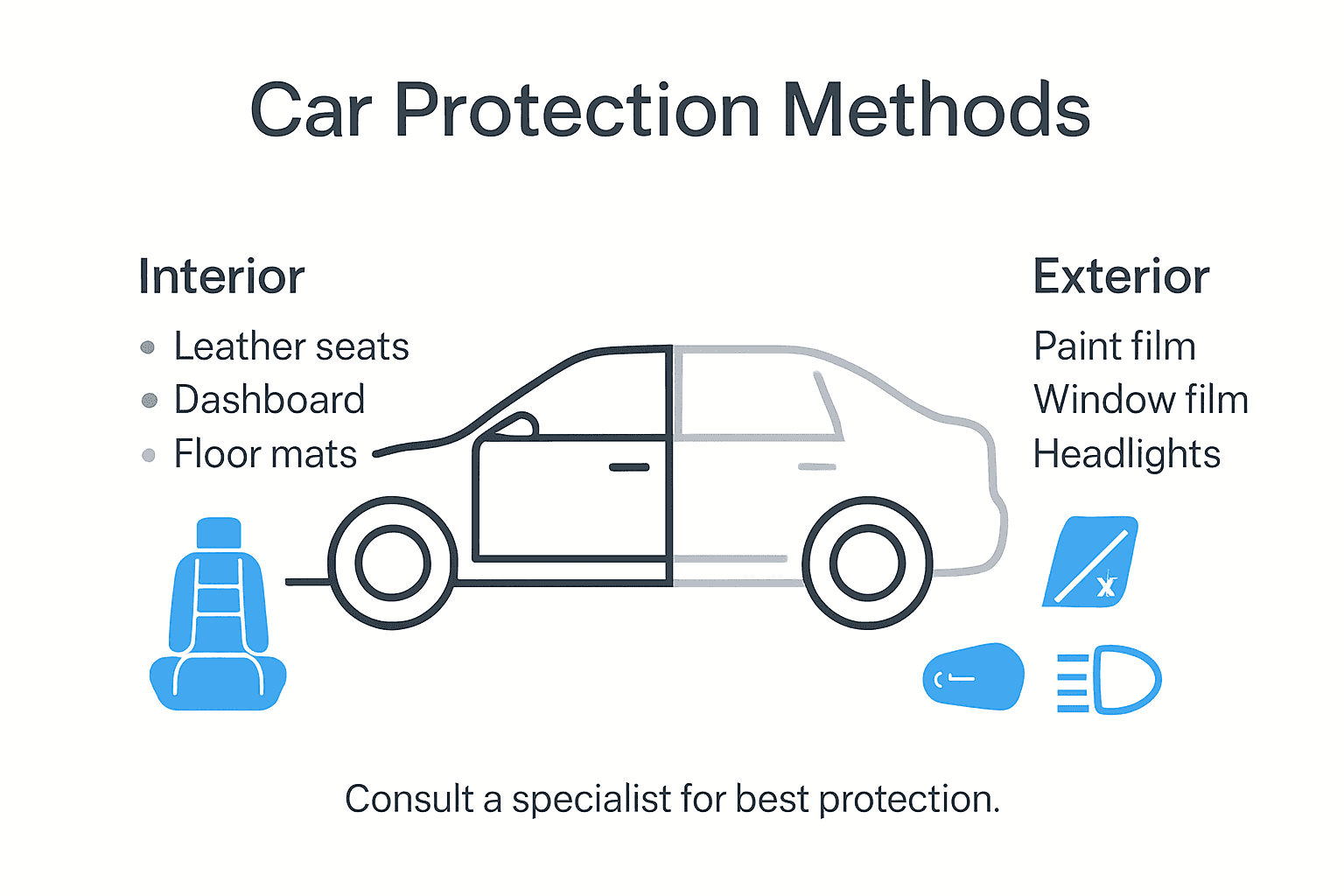
Professional installation workflows represent the cornerstone of successful automotive protection film applications, combining technical precision with systematic approaches that ensure optimal results. These comprehensive processes demand meticulous preparation, strategic material selection, and advanced application techniques to achieve superior protection and aesthetic outcomes.
The initial stages of installation require careful surface preparation, which involves comprehensive vehicle protection strategies that go beyond simple cleaning. Professional installers must thoroughly decontaminate surfaces, removing all residual waxes, oils, and microscopic debris that could compromise film adhesion. This preparation typically involves multiple steps:
- Comprehensive surface degreasing
- Clay bar treatment
- Isopropyl alcohol final wipe
- Precise environmental condition assessment
Protection film selection demands understanding critical material characteristics such as flexibility, elasticity, self-healing properties, and UV resistance. Professionals must evaluate film specifications against specific vehicular requirements, considering factors like climate exposure, usage patterns, and desired longevity.
Advanced installation techniques emphasise systematic approaches that minimise potential errors. This includes utilising precision cutting software, maintaining consistent tension during application, and employing specialised squeegee techniques that prevent air bubbles and ensure seamless film integration. Professional installers often develop muscle memory and technique through extensive practice and continuous skill refinement.
Successful installation also requires maintaining an optimal workspace environment, including:
- Controlled temperature (typically 20-25°C)
- Minimal dust contamination
- Adequate lighting
- Proper humidity levels
- Clean, organised workstation
Pro Tip: Invest in ongoing training and technique refinement, as protection film installation is a skill that continuously evolves with technological advancements.
Common Mistakes And Costly Errors To Avoid
Professional automotive protection film installation requires precision and expertise, with numerous potential pitfalls that can compromise the final result. Understanding these common mistakes helps professionals mitigate risks and deliver superior protection for vehicle surfaces.
One of the most critical errors occurs during initial surface preparation. Inadequate surface protection strategies can lead to premature film failure, with common mistakes including:
- Insufficient cleaning and decontamination
- Skipping crucial surface preparation steps
- Applying films in suboptimal environmental conditions
- Neglecting to remove existing waxes and sealants
- Using inappropriate cleaning products
Material selection and terminology represent another significant area prone to costly errors. Professionals must understand the nuanced differences between film types, including:
- Polyurethane versus polyvinyl chloride compositions
- Gloss versus matte finish characteristics
- Thickness and durability variations
- Self-healing versus standard film properties
Technical application errors can dramatically reduce film effectiveness and aesthetic quality. These include:
- Improper tension during film application
- Introducing air bubbles and contamination
- Incorrect squeegee technique
- Inadequate edge sealing
- Stretching film beyond recommended limits
Additionally, installers frequently underestimate the importance of continuous training and equipment maintenance. Outdated techniques and poorly maintained tools can lead to substandard results that compromise vehicle protection.
Pro Tip: Regularly invest in professional training and stay updated with the latest film technologies and application techniques to minimise installation errors.
To help avoid costly errors, consider how precision software and modern workflows contribute to successful installations:
| Factor | Risk When Neglected | Benefit When Optimised |
|---|---|---|
| Digital cutting software | Misfitted or wasted material | Exact fit, minimal waste |
| Professional surface prep | Adhesion failure | Long-lasting, seamless protection |
| Controlled workspace | Contamination, poor results | Pristine, bubble-free application |
| Ongoing technician training | Outdated methods, poor finish | Consistent quality, fewer installation issues |
Enhancing Client Service With Technology
Technology-driven client service has become a transformative force in the automotive protection film industry, enabling professionals to deliver unprecedented levels of personalisation, transparency, and precision. By integrating advanced digital tools, installers can create more engaging, informative, and customised experiences for their clients.
Advanced vehicle interaction design represents a critical approach to enhancing client engagement through technological innovations. Modern protection film businesses are leveraging digital platforms to streamline communication, provide real-time project updates, and offer comprehensive visualisation tools that help clients understand the protection process.
Key technological strategies for enhancing client service include:
- Digital consultation platforms
- Virtual film simulation technologies
- Automated progress tracking systems
- Personalised protection recommendations
- Interactive material selection interfaces
- Detailed digital documentation and warranty management
Professional installers are increasingly adopting software solutions that transform client interactions from transactional experiences to collaborative partnerships. These technologies enable precise communication about protection film options, expected outcomes, and long-term vehicle maintenance strategies.
Moreover, technological integration extends beyond client communication. Advanced cutting software, AI-powered pattern recognition, and cloud-based project management systems allow installers to demonstrate technical expertise and commitment to quality. These tools provide clients with confidence in the precision and professionalism of the protection film application process.
Pro Tip: Implement a comprehensive digital client onboarding process that combines interactive consultations, real-time visualisation tools, and transparent project tracking to differentiate your service offering.
Elevate Your Vehicle Protection with Precision Cutting Software
Achieving long-lasting car interior and exterior protection depends on precise film application and expert installation workflows. This article highlights the need for meticulous surface preparation, advanced film materials, and the elimination of costly errors through modern technology. The challenge many installers face is ensuring seamless coverage that protects paintwork and interior surfaces against environmental damage while optimising material use and reducing waste.
AEONCUT offers the perfect solution to these critical challenges. Our cutting-edge Paint Protection Film and window Tint software feature extensive vehicle-specific templates and AI-driven auto-nesting technology designed to maximise efficiency and accuracy. With AEONCUT, professionals and serious enthusiasts can achieve impeccable fits that protect every curve and contour of a vehicle, minimise material waste, and enhance overall installation quality.
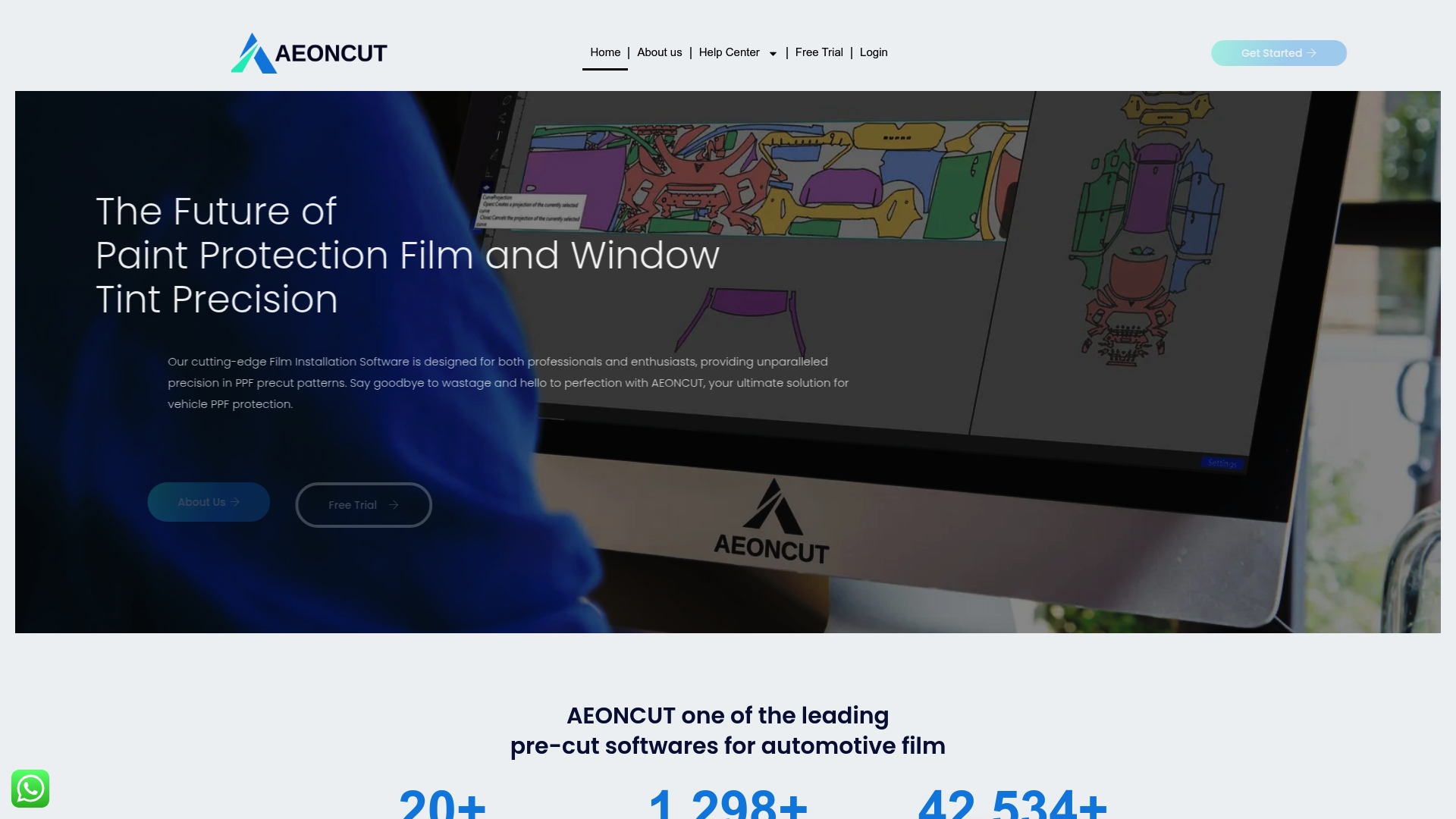
Ready to reduce installation errors and deliver premium protection results that last? Discover how AEONCUT transforms your workflow with powerful customisation and precision tools. Visit aeoncutsw.com now to start your free trial and access unlimited patterns for your next protection film project.
Frequently Asked Questions
What is car interior and exterior protection?
Car interior and exterior protection involves applying specialised films and treatments to shield a vehicle’s surfaces from environmental damage, wear, and aesthetic degradation, using advanced materials like paint protection films and window films.
How do paint protection films work?
Paint protection films work by creating an invisible barrier made from thermoplastic urethane, which protects painted surfaces from stone chips, insect impacts, and minor abrasions, thereby maintaining the paintwork’s pristine condition.
What are the different types of protective films available for vehicles?
The main types of protective films include ceramic-based films, polyurethane films, self-healing films, nano-ceramic composites, and hybrid materials, each offering unique advantages tailored to specific applications and environmental conditions.
Why is professional installation important for protection films?
Professional installation is crucial as it ensures precise surface preparation, the application of advanced techniques, and optimal environmental conditions, all of which contribute to the longevity and effectiveness of the protective films.
Recommended
- Understanding Why Interior Protection Films Are the Next Big Trend in Car Care – AEONCUT PPF Pre-cut Cutting software
- Understanding Why Interior Protection Films Are the Next Big Trend in Car Care – AEONCUT PPF Pre-cut Cutting software
- Understanding Why Interior Protection Films Are the Next Big Trend in Car Care – AEONCUT PPF Pre-cut Cutting software
- Understanding Interior Protection Films: Benefits for Luxury Cars – AEONCUT PPF Pre-cut Cutting software
- Surface Treatment Process for Durable Infrastructure Results