
Finding the balance between competitive pricing and superior results is a challenge every American window tint installer faces. Choosing the right tint materials not only affects client satisfaction but also shapes your professional reputation in local markets. Whether you seek proven heat rejection, up to 99 percent ultraviolet protection, or better application reliability, this guide explores high-quality yet affordable film options and key insights to help you offer outstanding service without overspending.
Table of Contents
- What Car Window Tinting Is And Isn’t
- Types Of Window Tint Film Explained
- How Tinting Is Professionally Installed
- Legal Restrictions By State Or Region
- Actual Cost Breakdown And Pricing Models
- Common Mistakes And Maximising Profit
Key Takeaways
| Point | Details |
|---|---|
| Window Tinting Benefits | Window tinting significantly reduces harmful UV radiation, interior temperatures, and glare while enhancing passenger privacy and safety. |
| Legal Compliance | Professionals must adhere to strict regulations regarding film darkness and type to ensure safety and legality of modifications. |
| Film Types and Performance | Different film categories (Dyed, Metalized, Carbon, and Ceramic) offer varied heat rejection and durability, influencing pricing structures. |
| Professional Installation | Proper installation requires meticulous preparation, specialised tools, and a controlled environment for optimal results and customer satisfaction. |
What Car Window Tinting Is and Isn’t
Car window tinting is a specialised automotive customisation technique involving the application of thin polyester-based films to vehicle windows. Unlike car wrapping, which modifies exterior paintwork, window tinting specifically targets glass surfaces to modify light transmission and enhance vehicle performance. Professional tinting techniques involve precise film application that serves multiple functional purposes.
The primary objectives of window tinting extend far beyond aesthetic enhancement. Key functional benefits include:
- Blocking up to 99% of harmful ultraviolet radiation
- Reducing interior vehicle temperatures
- Minimising glare for improved driving safety
- Enhancing passenger privacy
- Providing additional structural glass protection during accidents
Window tinting is not a universal, unrestricted modification. Automotive professionals must navigate strict governmental regulations concerning film darkness, particularly for front-side windows and windscreens. These legal constraints ensure adequate visibility and road safety standards are maintained.
Professional window tinting requires precision, understanding of materials, and compliance with local automotive glass modification regulations.
Key distinctions exist between legitimate window tinting and improper modifications. Proper tinting involves:
- Using high-quality, professionally manufactured films
- Ensuring precise, bubble-free application
- Maintaining legal light transmission percentages
- Selecting films appropriate for specific vehicle types
Pro tip: Always verify local regulations and obtain professional installation to guarantee optimal performance and legal compliance.
Types of Window Tint Film Explained
Window tint films represent a sophisticated range of technological solutions for automotive glass modification, with each type offering unique performance characteristics. Professional tinting technologies have evolved to provide installers with multiple options tailored to specific client requirements and budgetary constraints.
The primary categories of window tint films include:
Dyed Films: Most economical option
- Lowest cost
- Limited heat rejection
- Provides basic privacy
- Prone to fading over time
Metalized Films: Enhanced durability and heat reflection
- Contains metallic particles
- Strong heat rejection capabilities
- Strengthens glass structure
- Potential electronic signal interference
Hybrid Films: Balanced performance compromise
- Combines dyed and metallic layers
- Moderate heat rejection
- Reduced signal interference
- Mid-range pricing
Carbon Films: Advanced thermal management
- Excellent heat absorption
- No signal interference
- Maintains colour stability
- Superior infrared radiation blocking
Ceramic Films: Premium performance solution
- Highest heat rejection
- Maximum UV protection
- No electronic signal disruption
- Superior clarity and durability
Professional window tint selection requires understanding specific film characteristics and matching them to client needs.
Each film type presents unique advantages, with pricing directly correlating to performance capabilities. Ceramic films represent the pinnacle of window tinting technology, offering unparalleled protection and performance, albeit at a significantly higher investment point.
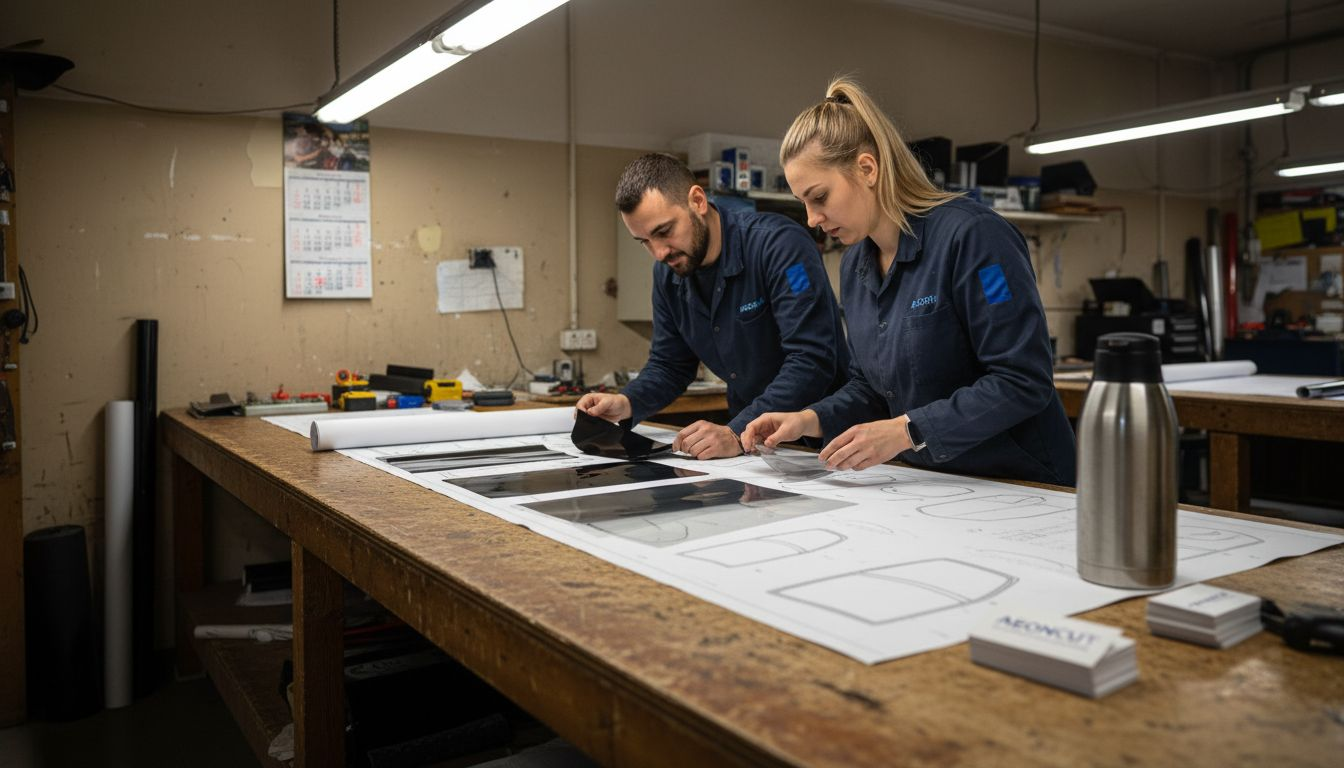
Comparative Performance Metrics:
Here is a summary of how different tint film types compare on critical factors:
| Tint Film Type | Thermal Performance | Colour Stability | Technology Impact |
|---|---|---|---|
| Dyed | Basic heat reduction | Prone to fading | Entry-level protection |
| Metalised | Strong heat reflection | May change over time | Can block radio signals |
| Hybrid | Moderate heat control | Improved over dyed | Balanced characteristics |
| Carbon | Excellent absorption | Consistent appearance | No tech disruption |
| Ceramic | Maximum temperature control | Highest durability | Signal-friendly, premium |
- Heat Rejection: Ceramic > Carbon > Hybrid > Metalized > Dyed
- Cost: Dyed < Hybrid < Metalized < Carbon < Ceramic
- Signal Interference: Dyed/Carbon/Ceramic = Minimal, Metalized = High
Pro tip: Always recommend film types based on specific client requirements, considering budget, performance needs, and local regulations.
How Tinting Is Professionally Installed
Professional window tint installation is a meticulous craft requiring precision, specialised equipment, and extensive technical expertise. Professional tinting procedures demand a controlled environment and systematic approach to ensure optimal results and long-lasting performance.
The comprehensive installation process encompasses several critical stages:
Preparation Stage:
- Thoroughly clean vehicle windows
- Remove existing tint (if applicable)
- Inspect glass for imperfections
- Gather specialised tools and materials
Measurement and Cutting:
- Use digital templates for exact window shape
- Precision cut window film
- Ensure perfect film dimensions
- Allow minimal material wastage
Application Techniques:
- Apply slip solution to glass
- Carefully position film
- Squeegee to remove air bubbles
- Shape film to window contours
Specialised Tools Required:
- Professional-grade squeegees
- Heat guns
- Precision razor blades
- Slip solution
- Microfibre cleaning cloths
- Digital cutting templates
Professional window tint installation requires extraordinary attention to detail and technical precision.
Modern tinting techniques involve advanced heat shrinking methods to accommodate complex window curves and ensure seamless film application. Installers must maintain a dust-free, controlled environment to prevent contamination during the installation process.
Successful window tinting demands not just technical skill but also an understanding of film characteristics, legal regulations, and customer expectations. Professionals must balance aesthetic considerations with performance requirements while maintaining strict quality standards.
Pro tip: Invest in continuous training and stay updated with the latest window tinting technologies and techniques to maintain your competitive edge.
Legal Restrictions by State or Region
Window tinting regulations represent a complex landscape of legal requirements that vary dramatically across different jurisdictions. Window tinting laws are designed to balance vehicle aesthetic preferences with critical safety considerations, making comprehensive understanding essential for professional installers.
Key Regulatory Parameters typically include:
Visible Light Transmission (VLT) Percentages:
- Front windscreen restrictions
- Front side window limitations
- Rear side window allowances
- Rear window tinting permissions
Reflectivity Constraints:
- Maximum reflective film percentage
- Restrictions on metallic or mirrored finishes
- Anti-glare considerations
Colour Restrictions:
- Prohibited tint colours
- Limitations on colour intensity
- Potential medical exemptions
State Variation Factors:
- Safety visibility requirements
- Climate considerations
- Local traffic regulations
- Law enforcement perspectives
- Regional vehicle usage patterns
Professional installers must navigate a complex regulatory environment with precision and expertise.
Medical exemptions provide another critical layer of complexity in window tinting regulations. Some jurisdictions allow darker tints for individuals with specific medical conditions, requiring additional documentation and certification.
Enforcement mechanisms range from initial vehicle inspection failures to potential fines and mandatory tint removal. Penalties can be substantial, underscoring the importance of rigorous compliance with local regulations.
Pro tip: Always verify current local regulations and maintain detailed documentation of tint specifications to protect your professional reputation.
Actual Cost Breakdown and Pricing Models
Window tinting pricing represents a nuanced ecosystem influenced by multiple interconnected factors. Window tinting costs fluctuate significantly based on vehicle characteristics, film quality, and installation complexity, requiring professional installers to develop sophisticated pricing strategies.
Pricing Factors for Professional Installers:
Vehicle Size Categories:
- Compact cars: Lower cost range
- Sedans: Standard pricing tier
- SUVs: Premium pricing tier
- Luxury/exotic vehicles: High-end pricing
Film Quality Tiers:
- Dyed films: Budget option
- Metalized films: Mid-range performance
- Carbon films: Advanced performance
- Ceramic films: Premium segment
Typical Price Ranges:
Sedan Window Tinting
- Dyed/Carbon Films: £150-£350
- Ceramic Films: £350-£500
SUV/Large Vehicle Tinting
- Dyed/Carbon Films: £250-£450
- Ceramic Films: £400-£650
Luxury/Exotic Vehicle Tinting
- Complex Installations: £500-£1,200
Professional pricing strategies must balance customer expectations with material and labour costs.
Additional cost considerations include geographic location, labour rates, and supplementary services such as old tint removal, which can incrementally increase total project pricing. Installers must remain flexible while maintaining profitability.
Successful pricing models incorporate comprehensive assessments of material costs, labour time, overhead expenses, and market competitive positioning. Transparent pricing that communicates value helps build customer trust and long-term business sustainability.
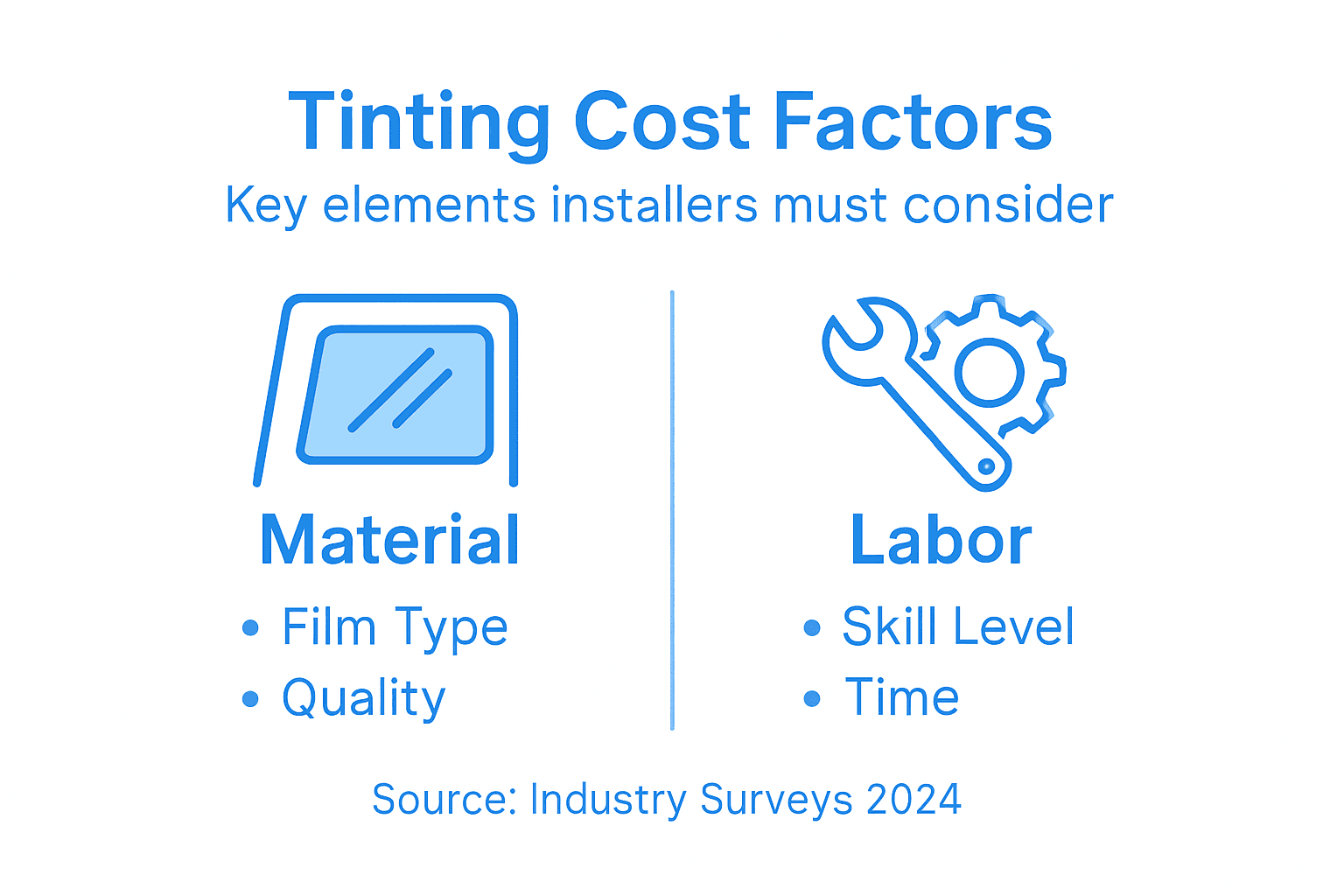
This table provides a practical breakdown of cost influences for window tinting services:
| Factor | Typical Impact | Business Consideration |
|---|---|---|
| Vehicle size | Larger means higher cost | Adjust pricing tiers |
| Film quality | Premium equals expensive | Offer variety for clients |
| Installation complexity | More time, more labour | Charge for expertise |
| Geographic location | Regional variation | Adapt to local rates |
Pro tip: Develop tiered pricing packages that clearly demonstrate value proposition and differentiate your service from competitors.
Common Mistakes and Maximising Profit
Window tinting professionals must navigate a complex landscape of technical challenges and business opportunities. Common installation mistakes can significantly impact both reputation and profitability, making precision and strategic thinking paramount.
Critical Mistakes to Avoid:
Preparation Failures:
- Insufficient glass cleaning
- Neglecting dust control
- Skipping surface inspection
- Working in unsuitable environmental conditions
Technical Installation Errors:
- Inaccurate film cutting
- Trapping air bubbles
- Poor film alignment
- Inadequate heat shrinking
Business Management Mistakes:
- Ignoring legal restrictions
- Underpricing services
- Lacking professional warranties
- Limited ongoing training
Profit Maximisation Strategies:
- Invest in high-quality training programmes
- Use premium film materials
- Develop comprehensive service packages
- Offer value-added services
- Maintain strict quality control
Sustainable business growth requires continuous learning and adaptability.
Successful window tinting businesses differentiate themselves through exceptional technical skills, customer service, and strategic pricing models. Professionals must balance technical expertise with business acumen, understanding that each installation represents an opportunity to build long-term client relationships.
Maximising profit involves more than technical precision; it requires a holistic approach to service delivery, continuous skills enhancement, and proactive business management. Installers who consistently demonstrate reliability and quality will naturally command premium pricing.
Pro tip: Create tiered service packages that showcase your expertise and provide clear value propositions to potential clients.
Streamline Your Window Tinting Business with Precision Cutting Software
Understanding the key factors affecting car window tinting costs is crucial for professional installers aiming to optimise profitability while delivering high-quality results. Challenges such as material waste, installation complexity, and varying vehicle sizes can quickly impact your bottom line. With AEONCUT’s advanced window Tint – AEONCUT PPF Pre-cut Cutting software, you gain access to precision-cut patterns that reduce labour time and minimise costly errors, enabling you to offer competitive pricing without compromising on quality.
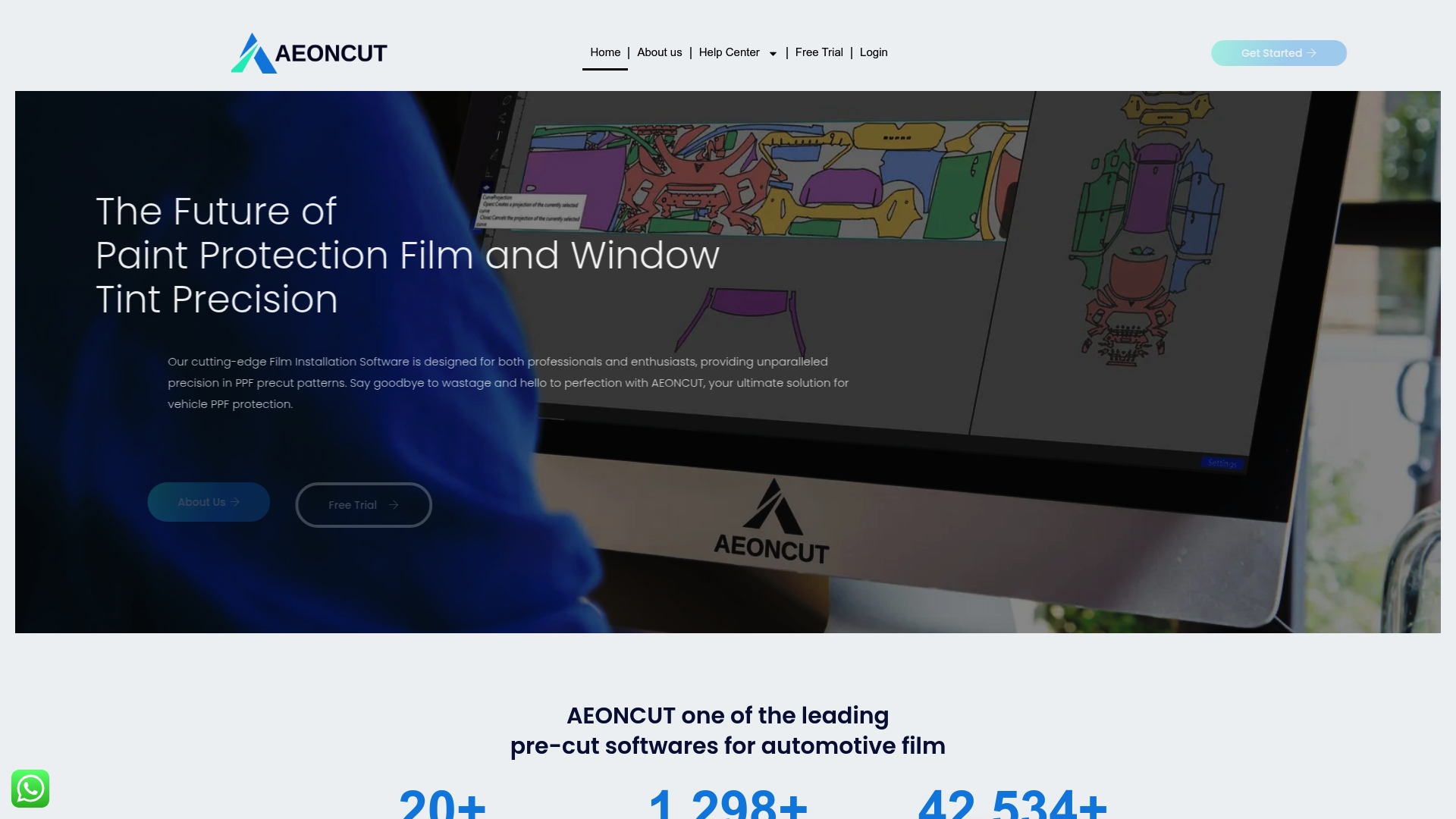
Take control of your tinting projects today by harnessing cutting-edge technology trusted by professionals. Visit AEONCUT’s homepage to explore how intuitive, cloud-updated pattern libraries and AI-driven auto-nesting can boost your efficiency and client satisfaction. Don’t let inaccurate cutting and material waste erode your profit margins. Embrace the future of automotive customisation now with AEONCUT.
Frequently Asked Questions
What factors influence the cost of car window tinting?
The cost of car window tinting is influenced by factors such as vehicle size, film quality, installation complexity, and geographic location. Larger vehicles and premium films typically result in higher costs.
How do different types of window tint films compare in terms of cost and performance?
Window tint films vary in cost and performance. Dyed films are the most economical but offer basic privacy and limited heat rejection. Carbon and metalized films provide better performance at mid-range prices, while ceramic films, though expensive, offer superior protection and durability.
What are the potential additional costs associated with car window tinting?
Additional costs for car window tinting may include old tint removal, which can increase total project pricing. Installers may also need to consider labour rates that vary by geographic location and the complexity of the installation.
How can installers ensure they are pricing their services competitively?
Installers should develop tiered pricing packages that clearly communicate value. Assessing material costs, labour time, and market competitiveness, along with offering comprehensive service packages, can help maintain profitability and attract clients.
Recommended
- Cost of Window Tinting: 2025 Guide for Installers – AEONCUT PPF Pre-cut Cutting software
- Types of Window Tint: Guide for Installers and Dealers 2025 – AEONCUT PPF Pre-cut Cutting software
- What is Window Tint? Essential Guide for Tinting Pros 2025 – AEONCUT PPF Pre-cut Cutting software
- How Window Tint Works: Essential Guide for Auto Professionals 2025 – AEONCUT PPF Pre-cut Cutting software