For every professional window tint installer, maintaining the perfect balance between sun protection and natural light is a constant challenge. The rise of advanced window glass sun protection film technology brings a new level of efficiency to automotive and architectural applications. With the ability to block about 99% of harmful UV rays while allowing daylight to pass through, these films deliver robust protection against premature skin ageing and material degradation. Discover how innovative film solutions help reduce waste, optimise workflow, and meet global installation standards.
Table of Contents
- Window Glass Sun Protection Film Explained
- Key Types And Performance Differences
- How Sun Protection Films Work
- Installation Methods And Precision Tools
- Legal Standards And Industry Regulations
- Common Pitfalls And Cost Considerations
Key Takeaways
| Point | Details |
|---|---|
| UV Protection | Window glass sun protection films can block up to 99% of harmful UV radiation while maintaining natural light transmission. |
| Installation Importance | Professional installation is crucial for optimal performance; improper application can lead to reduced effectiveness and hidden costs. |
| Film Variations | Different types of films, such as ceramic, metallised, and dyed, offer varying levels of protection, performance, and cost. |
| Regulatory Compliance | Adhering to legal standards and industry regulations is essential for safety and effectiveness in film installation. |
Window Glass Sun Protection Film Explained
Window glass sun protection film represents a sophisticated solution for blocking harmful ultraviolet (UV) radiation while maintaining natural light transmission. Ultraviolet window films are engineered thin polyester materials specifically designed to inhibit dangerous solar radiation from penetrating glass surfaces.
These advanced protective films function through a complex mechanism of selectively controlling solar radiation. By integrating specialised UV light inhibitors during manufacturing, these films can block approximately 99% of harmful UVA and UVB rays. This technological approach allows significant sun protection without compromising visual transparency or aesthetic appearance.
Key features of window glass sun protection films include:
- Blocks 99% of harmful UV radiation
- Maintains natural light transmission
- Reduces interior heat gain
- Protects skin and furnishings from sun damage
- Applicable to homes, offices, and vehicles
Professional installers recognise these films as critical for preventing premature skin aging, reducing skin cancer risks, and protecting interior surfaces from solar degradation. Window design technologies now integrate these thin protective coatings to enhance overall glass performance and energy efficiency.
Pro tip: When selecting window sun protection film, always verify the UV blocking percentage and confirm professional installation for optimal performance.
Key Types and Performance Differences
Window glass sun protection films represent a sophisticated technology with multiple performance variations designed to address specific environmental and protective requirements. Window insulation films primarily fall into two critical categories: solar control films and convection control films, each offering unique protective characteristics for professional installers and property owners.
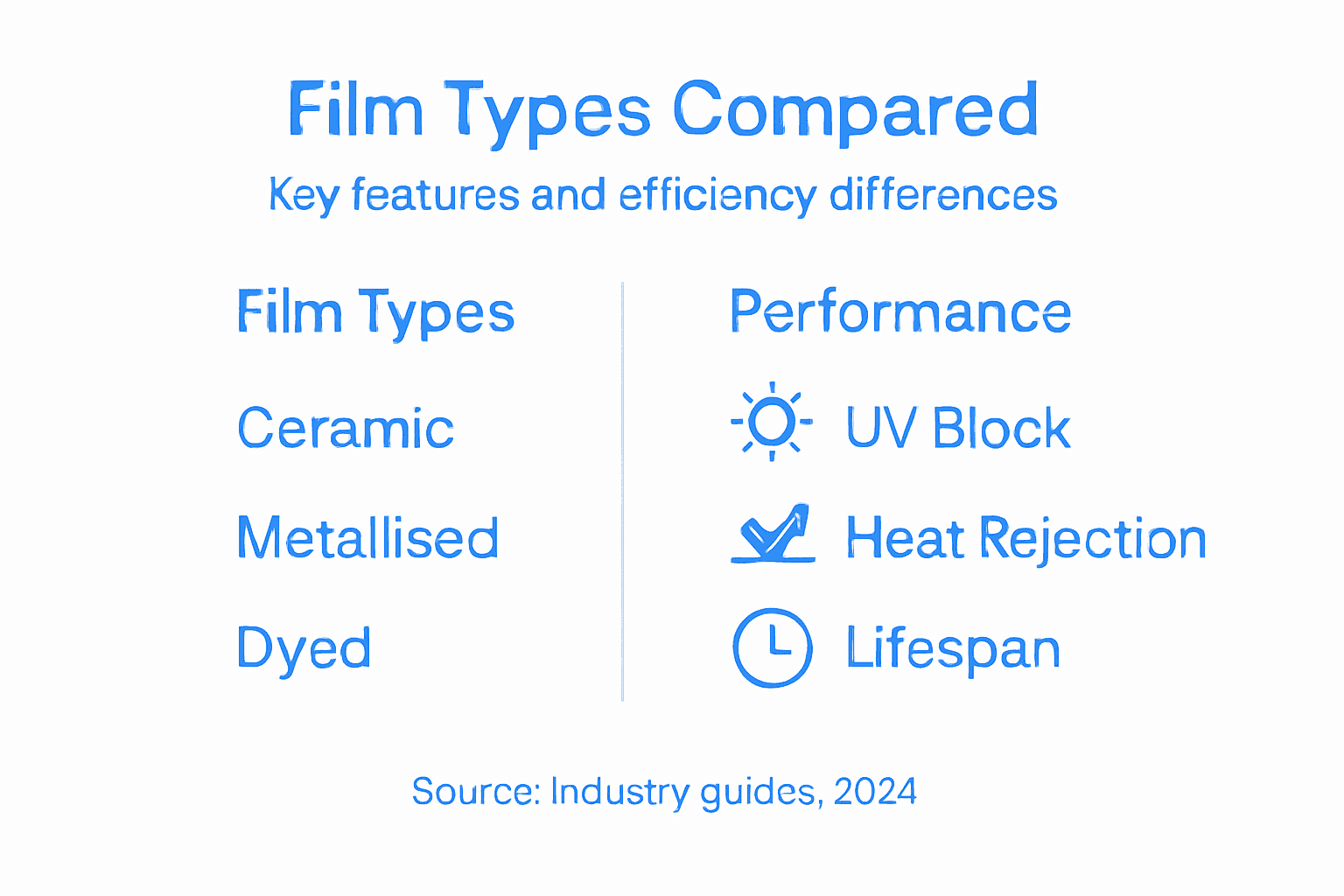
Solar control films demonstrate remarkable versatility, incorporating advanced technologies such as tinted, dyed, and metallized compositions. Performance-enhancing coatings enable these films to achieve exceptional UV reduction capabilities, with most high-quality variants blocking up to 99% of harmful radiation. The composition determines critical performance metrics like solar heat gain coefficients and visible light transmittance.
Key performance variations in window sun protection films include:
- Ceramic Films
- Superior infrared blocking
- Enhanced heat rejection
- Minimal colour distortion
- Metallised Films
- High reflectivity
- Excellent solar control
- Reduced interior heat gain
- Dyed Films
- Cost-effective solution
- Basic UV protection
- Limited heat rejection capabilities
Professional-grade window films balance radiation protection, thermal efficiency, and aesthetic considerations, making them crucial for comprehensive building performance management.
The selection of appropriate window film depends on specific environmental conditions, architectural requirements, and desired performance outcomes. Factors such as geographical location, building orientation, and interior temperature management play significant roles in determining the most suitable film type.
Pro tip: Always conduct a comprehensive site assessment and consult technical specifications to match window film performance with specific environmental requirements.
How Sun Protection Films Work
Window glass sun protection films employ sophisticated mechanisms to block harmful radiation while maintaining visual transparency. UV window films work through a complex process of absorbing and reflecting ultraviolet and infrared radiation before it penetrates interior spaces, creating a protective barrier against solar energy transmission.
The fundamental science behind these films involves multiple protective layers designed to intercept different types of solar radiation. Unlike ordinary glass, which permits some ultraviolet rays to pass through, specialized sun protection films contain advanced UV inhibitors and infrared reflective components. Skin cancer prevention mechanisms are particularly crucial, as these films block UVA rays that can penetrate deep into skin layers and cause genetic damage.
Key functional characteristics of sun protection films include:
- Absorption of ultraviolet radiation
- Reflection of infrared heat
- Preservation of visible light transmission
- Reduction of interior temperature
- Minimisation of skin cancer risk
Professional-grade window films represent a sophisticated intersection of material science and radiation management, offering comprehensive protection beyond traditional glass barriers.
The performance of sun protection films depends on several critical factors, including material composition, layer thickness, and specific manufacturing techniques. Ceramic and metallised films offer different levels of protection, with some variants blocking up to 99% of harmful radiation while maintaining optimal light transmission.
Pro tip: Select window films with comprehensive spectral protection ratings and verify professional installation to ensure maximum radiation blocking efficiency.
Installation Methods and Precision Tools
Window film installation demands exceptional attention to detail and specialised techniques to ensure optimal performance and appearance. Solar and UV window films require comprehensive surface preparation and precise application methods to achieve professional-grade results.
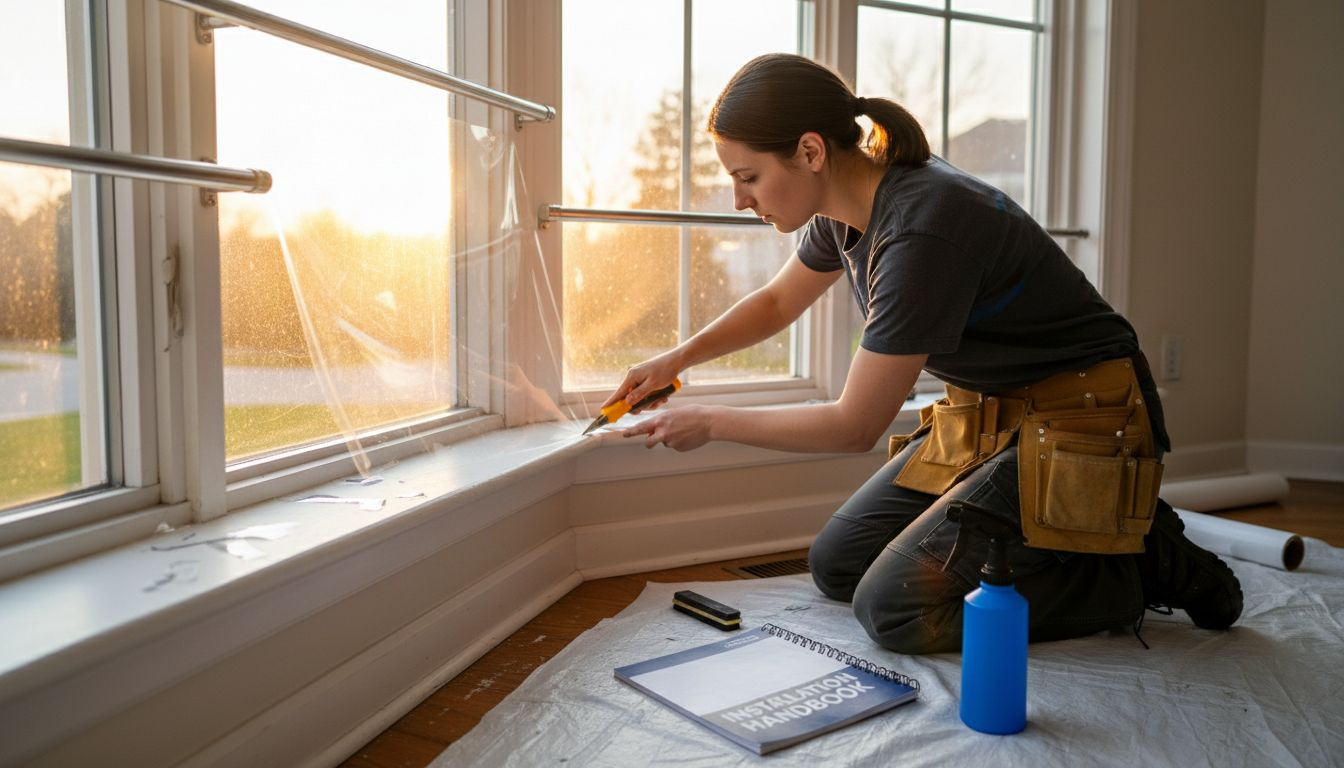
The installation process involves multiple critical stages, beginning with thorough surface cleaning and preparation. Professional installers utilise sophisticated techniques including specialised soap solutions, precision squeegee tools, and advanced cutting equipment to ensure seamless film application. Window film application requires meticulous surface treatment, with careful removal of dust, debris, and potential contaminants that could compromise adhesion and final appearance.
Essential installation tools and equipment include:
- High-quality microfibre cleaning cloths
- Professional-grade squeegee tools
- Precision cutting blades
- Heat guns for conforming films
- Measuring and alignment guides
- Spray bottle with soap solution
- Surface preparation cleaning solutions
Professional installation techniques represent the intersection of technical skill, specialised equipment, and precise methodological approach.
Advanced installers recognise that successful window film application extends beyond basic tools, requiring deep understanding of material properties, environmental conditions, and specific film characteristics. Factors such as ambient temperature, humidity, and surface geometry significantly impact installation quality and long-term film performance.
Pro tip: Invest in continuous training and maintain a comprehensive toolkit to consistently achieve professional-grade window film installations.
Legal Standards and Industry Regulations
Window glass sun protection films are subject to rigorous legal frameworks and industry standards that ensure performance, safety, and quality across multiple jurisdictions. Glass and glazing industry standards developed by organisations like ASTM and NFRC establish comprehensive guidelines for testing, certification, and compliance of protective window films.
These regulatory mechanisms encompass multiple critical performance parameters, including UV filtration, solar heat gain coefficients, durability, and safety benchmarks. International Building Code regulations provide detailed specifications that window film manufacturers and installers must meet to ensure occupant safety, energy efficiency, and structural integrity.
Key regulatory considerations include:
- UV radiation transmission limits
- Solar heat gain coefficient thresholds
- Impact resistance standards
- Thermal performance requirements
- Safety glazing compliance
- Energy efficiency metrics
- Material durability specifications
Comprehensive legal standards represent a critical mechanism for protecting consumers and maintaining high-quality technical performance across the window film industry.
Regulatory compliance varies significantly across different geographical regions, with local building codes and environmental regulations introducing additional nuanced requirements. Professional installers must remain continuously updated on evolving standards, ensuring that their installations meet the most current legal and technical specifications.
Summary of major regulatory and industry standards for window films:
| Standard/Body | Focus Areas | Impact on Installations |
|---|---|---|
| ASTM International | Safety, durability, UV limits | Mandatory compliance in UK/EU |
| NFRC | Energy performance metrics | Influences building certification |
| International Building Code | Glazing safety, fire resistance | Sets minimum safety benchmarks |
| Local government standards | Environmental, energy codes | Regional requirements vary |
Pro tip: Maintain comprehensive documentation of product certifications and stay informed about regional regulatory updates to ensure consistent compliance.
Common Pitfalls and Cost Considerations
Window film investments require careful financial and technical analysis to ensure optimal performance and long-term value. Window insulation film costs vary significantly based on film technology, installation complexity, and potential energy savings, making comprehensive evaluation crucial for professional decision-making.
UV protection film selection involves navigating multiple potential pitfalls that can compromise installation quality and overall effectiveness. Professional installers must remain vigilant about technical nuances that can dramatically impact film performance, durability, and client satisfaction.
Key cost and performance considerations include:
- Film Type Variations
- Ceramic films: Higher upfront cost
- Metallic films: Moderate price point
- Dyed films: Most economical option
- Performance Factors
- UV blocking percentage
- Heat rejection capabilities
- Optical clarity
- Durability and lifespan
- Potential Hidden Costs
- Improper installation expenses
- Potential window seal damage
- Replacement and maintenance
- Energy efficiency modifications
Professional window film selection transcends simple price comparisons, requiring comprehensive lifecycle analysis and performance evaluation.
Cost considerations extend beyond initial installation, encompassing potential long-term energy savings, reduced HVAC expenses, and protection of interior furnishings. Advanced ceramic and metallised films, while more expensive initially, can provide superior thermal performance and UV protection, potentially delivering significant financial benefits over time.
Here’s how common window film types differ in cost, durability, and performance:
| Film Type | Estimated Cost Range | Typical Lifespan | UV & Heat Performance |
|---|---|---|---|
| Ceramic | Highest (£60-£120/m²) | 10-15 years | Exceptional UV and IR block |
| Metallised | Moderate (£35-£70/m²) | 8-12 years | Excellent heat reduction |
| Dyed | Lowest (£20-£40/m²) | 3-5 years | Basic UV, limited heat |
Pro tip: Conduct thorough cost-benefit analysis using multi-year projection models to accurately assess window film investment potential.
Enhance Your Window Tinting Efficiency with AEONCUT
Understanding the complexities behind window glass sun protection film installation reveals the critical need for precision and professional-grade tools. Whether you are tackling ceramic, metallised, or dyed film types, achieving flawless application with minimal waste directly impacts the protective performance and client satisfaction. The challenges of surface preparation, perfect alignment, and accurate cutting are magnified without the right technology to support your workflow.
Discover how AEONCUT’s window tint software transforms these challenges into seamless processes.
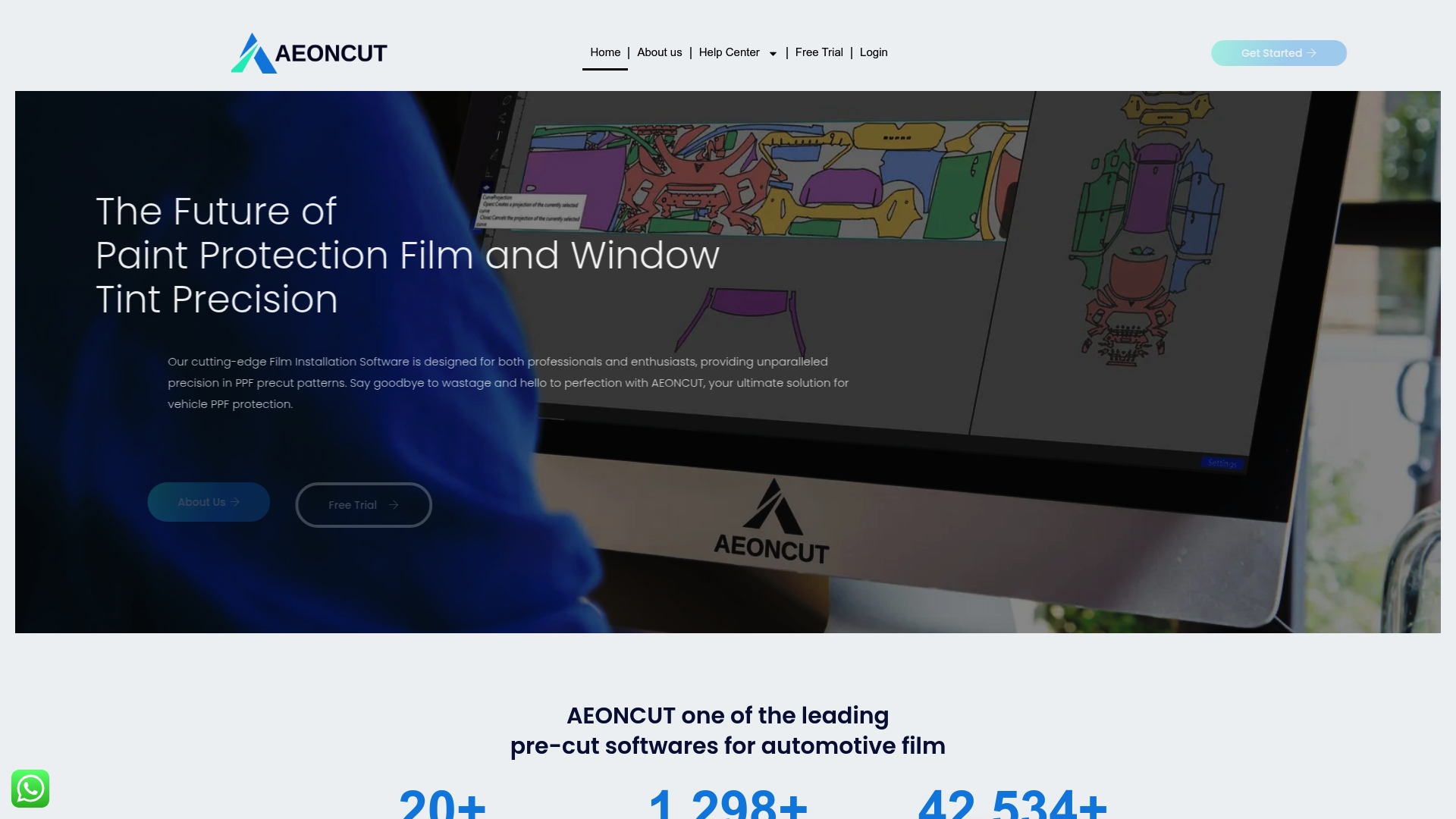
Maximise your efficiency and accuracy with AEONCUT’s extensive pre-cut pattern libraries and AI-driven auto-nesting designed specifically for window tint installers. Act now to benefit from precise cuts that reduce material waste and elevate installation quality. Visit aeoncutsw.com to explore subscription plans and take the first step towards professional-grade window tinting solutions. For insights into additional applications, browse our uncategorised category as well.
Frequently Asked Questions
How does window glass sun protection film work?
Window glass sun protection film blocks harmful ultraviolet (UV) radiation while maintaining natural light transmission. It uses advanced UV inhibitors and infrared reflective components to absorb and reflect solar radiation, protecting interior spaces from excessive heat and harmful rays.
What are the different types of window glass sun protection films available?
The main types of window glass sun protection films include ceramic films, metallised films, and dyed films. Ceramic films offer superior infrared blocking and minimal colour distortion, while metallised films provide excellent solar control with high reflectivity. Dyed films are the most economical option but offer basic UV protection with limited heat rejection capabilities.
How can I ensure proper installation of window sun protection film?
To ensure optimal performance and appearance, professional installation is crucial. This includes proper surface cleaning, using quality tools, and paying attention to ambient conditions such as temperature and humidity. Investing in trained professionals can significantly improve installation quality and longevity of the film.
What factors should be considered when choosing window sun protection film?
When selecting window sun protection film, consider factors like UV blocking percentage, heat rejection capabilities, film type, aesthetic preferences, and specific environmental conditions of your building. Conducting a comprehensive site assessment is recommended to match the film performance with these requirements.
Recommended
- Types of Window Tint: Guide for Installers and Dealers 2025 – AEONCUT PPF Pre-cut Cutting software
- Understanding The Science of UV & IR Rejection in Automotive Window Films – AEONCUT PPF Pre-cut Cutting software
- Understanding Preventing Interior Fading: How Window Tint Works – AEONCUT PPF Pre-cut Cutting software
- How Window Tint Works: Essential Guide for Auto Professionals 2025 – AEONCUT PPF Pre-cut Cutting software