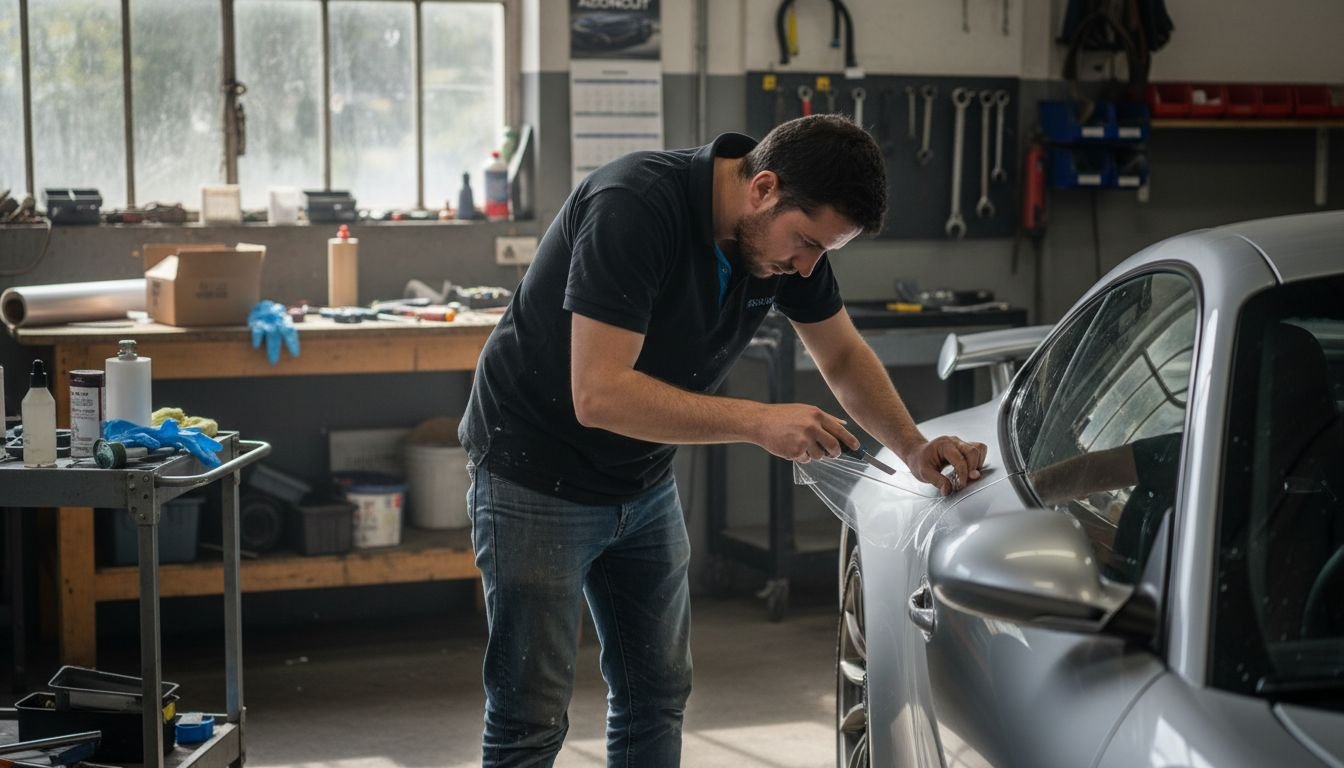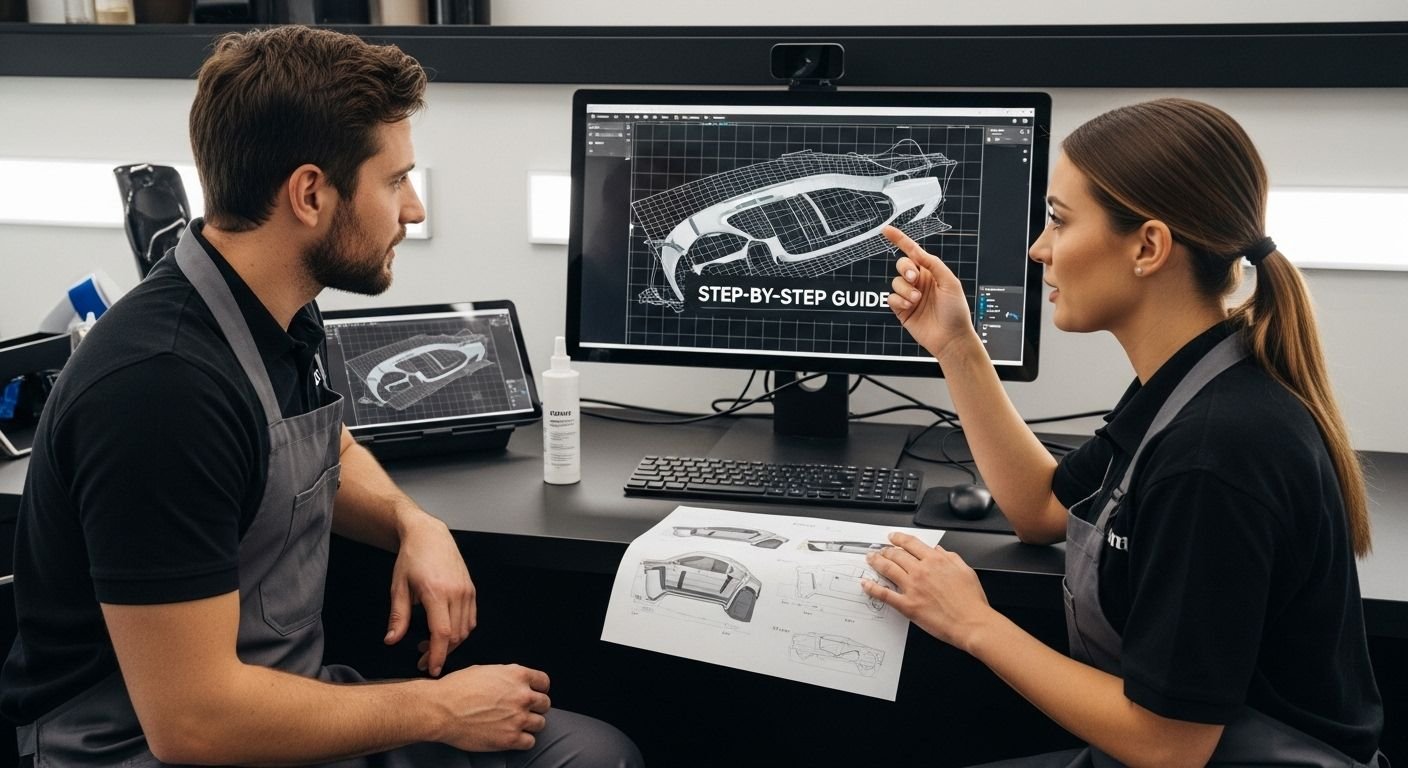
Selecting the right window tint for a vehicle can feel like a balancing act between visual appeal, comfort, and durability. Professionals and enthusiasts alike know that modern tinting transforms both style and function. With choices ranging from dyed films to advanced ceramic options, each type offers unique advantages for heat reduction, privacy, and long-term interior protection. This guide breaks down the primary tint technologies and performance metrics to help you find the most effective solution for your climate and usage needs.
Table of Contents
- Window Tinting Explained: Types And Benefits
- Comparing Window Tint Film Technologies
- Understanding VLT Rating And Regulations
- Selecting Tint For Climate And Usage Needs
- Professional Vs DIY Application Methods
- Common Window Tinting Mistakes To Avoid
Key Takeaways
| Point | Details |
|---|---|
| Window Tint Types | Different window tint films offer varied durability, heat rejection, and visual appearance, catering to specific needs. |
| Benefits Beyond Aesthetics | Window tinting enhances comfort, reduces UV exposure, and improves safety by preventing glass shattering. |
| Legal Compliance | Understanding local regulations regarding VLT is crucial to avoid fines and ensure safe driving. |
| Professional vs DIY | Professional installation is recommended for complex tints to ensure quality, while DIY may lead to installation errors. |
Window tinting explained: types and benefits
Window tinting represents a sophisticated automotive modification that offers far more than aesthetic enhancement. At its core, window tinting involves applying a thin, specialised film to vehicle windows, creating a transformative layer of protection and functionality. Vehicle window tinting techniques provide remarkable benefits across multiple domains.
Modern window tints come in several primary variations, each delivering unique performance characteristics:
- Dyed Films: Budget-friendly option providing basic heat and glare reduction
- Metalized Films: Enhanced durability with superior heat rejection
- Carbon Films: Matte finish with excellent heat blocking capabilities
- Ceramic Films: Premium option offering maximum heat and UV protection
- Hybrid Films: Combination approach blending multiple film technologies
The functional benefits of window tinting extend well beyond simple visual appeal. Professional-grade tints can reduce interior temperatures by up to 60%, block approximately 99% of harmful ultraviolet rays, and significantly enhance vehicle safety by preventing glass shattering during impacts.
The following table summarises key performance factors of modern window tint types, helping clarify suitability for different users:
| Tint Type | Durability | Signal Interference | Visual Appearance |
|---|---|---|---|
| Dyed | Lower, fades over time | No interference | Muted, dark finish |
| Metalised | High, scratch resistant | Can affect electronics | Slightly reflective |
| Carbon | Very durable | No interference | Matte, non-reflective |
| Ceramic | Exceptional | No interference | Clear or neutral shade |
| Hybrid | Good, balances features | Minimal risk | Low reflection |
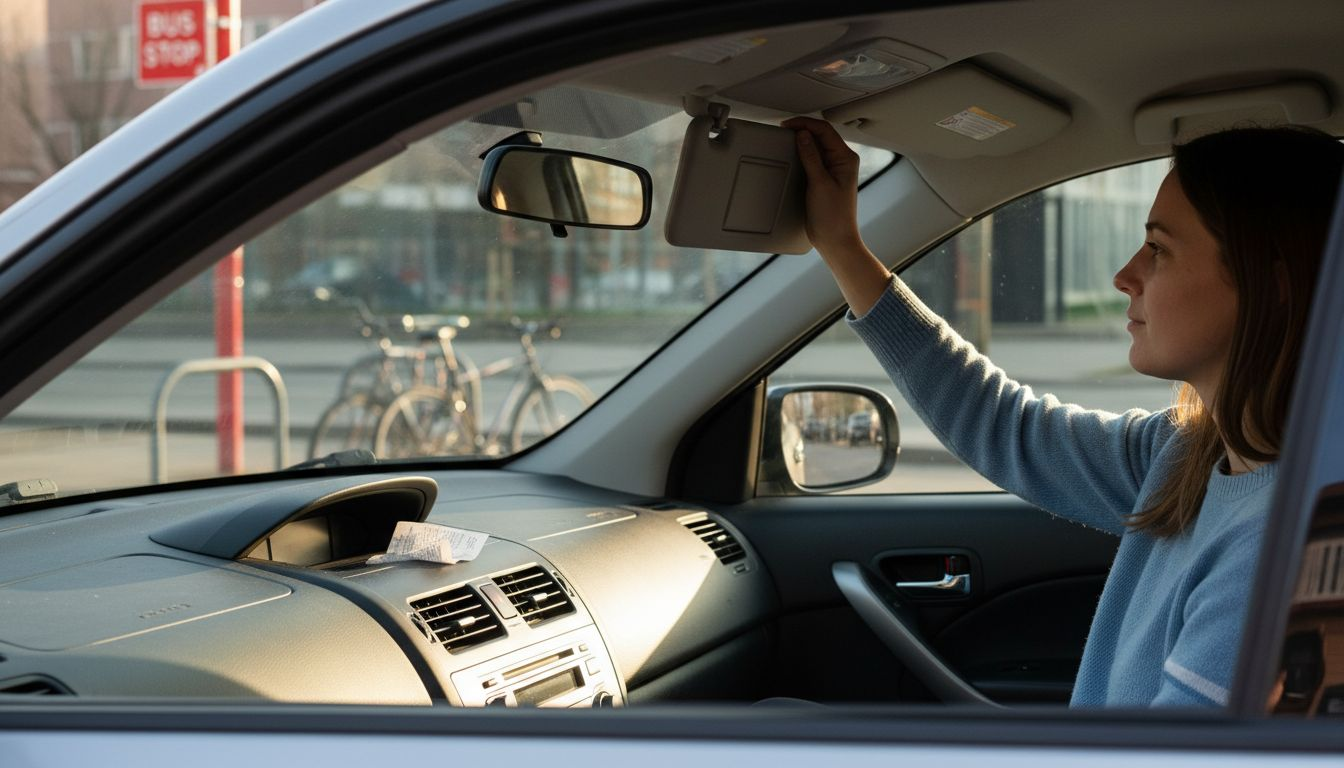
Privacy and Comfort: Window tints create an additional layer of personal space, reducing external visibility and managing interior temperature. Thermal and visual comfort studies demonstrate that appropriate tinting can dramatically improve occupant experience.
Longevity Considerations: High-quality window tints protect vehicle interiors from sun damage, preventing dashboard cracking, seat fabric fading, and preserving upholstery integrity. This protective function represents a significant long-term investment in vehicle maintenance.
Pro Tip: Always consult local regulations regarding permissible window tint darkness levels to ensure legal compliance and avoid potential traffic violations.
Comparing window tint film technologies
Window tinting technologies have evolved significantly, offering automotive enthusiasts and professionals a range of sophisticated film options with distinct performance characteristics. Ceramic window tinting technologies represent the pinnacle of modern window film engineering, providing remarkable protection and functionality.
The primary window tint film technologies include:
Ceramic Films: Non-metallic, non-reflective with exceptional durability
- Block 70-85% infrared rays
- Eliminate 99% of ultraviolet radiation
- Superior heat rejection capabilities
Nano-Ceramic Films: Advanced particle technology with enhanced performance
- Utilise smaller ceramic particles
- Block up to 90% infrared radiation
- Maintain high visual transparency
Magnetron Films: High-end multi-layer vacuum-deposited technology
- Exceptional infrared blocking (up to 99%)
- Superior durability and optical clarity
- Significantly higher production costs
Performance Metrics: Each film technology offers unique advantages in thermal management, signal transmission, and longevity. Window film performance variations demonstrate that material selection dramatically influences energy efficiency and comfort.
Advanced window tinting technologies continue to push boundaries, balancing critical factors like solar heat gain, ultraviolet protection, and visible light transmittance. Professional installers and vehicle owners now have unprecedented options for customising their window protection strategies.
Pro Tip: Consult professional installers who can provide precise recommendations based on your specific vehicle model and environmental conditions.
Understanding VLT rating and regulations
Visible Light Transmission (VLT) represents a critical measurement in window tinting, determining the percentage of light permitted through vehicle windows. Federal safety standards mandate specific VLT requirements to ensure driver visibility and road safety.
Key aspects of VLT regulations include:
Percentage Standards
- Front windscreen: Typically 70% minimum light transmission
- Front side windows: Often restricted to 24-70% VLT
- Rear windows: Generally more lenient restrictions
Legal Considerations
- Regulations vary by state and jurisdiction
- Cumulative tint includes factory and aftermarket films
- Potential consequences for non-compliance:
- Financial penalties
- Mandatory tint removal
- Vehicle inspection failures
Medical Exemptions: Some jurisdictions provide special dispensation for individuals requiring additional window protection, allowing lower VLT percentages with appropriate documentation.
Window tinting law variations demonstrate the complexity of navigating regional regulations. Professional installers understand these nuanced requirements and can provide precise guidance tailored to specific locations.
Understanding VLT ratings helps vehicle owners make informed decisions, balancing aesthetic preferences with legal compliance and safety considerations.
Pro Tip: Always verify local regulations before applying window tint, as requirements can change and vary significantly between regions.
Selecting tint for climate and usage needs
Selecting the ideal window tint requires careful consideration of environmental conditions and specific usage requirements. Climate-specific window tint selection involves understanding how various film technologies perform across different temperature and humidity ranges.
Key climate considerations include:
Hot Desert Environments
- High Total Solar Energy Rejection (TSER) films recommended
- Ceramic or metallized films preferred
- 5-20% Visible Light Transmission (VLT) for maximum heat reduction
Cold Climate Regions
- Lighter tints allowing more light transmission
- Focus on heat retention capabilities
- Moderate solar gain beneficial
Humid and Mixed Environments
- Balanced performance films
- Moderate heat rejection
- Adaptable to temperature fluctuations
Performance Metrics: Window tint technology evaluation involves analysing critical parameters such as Solar Heat Gain Coefficient (SHGC), Total Solar Energy Rejection (TSER), and ultraviolet protection. Professional installers recommend spectrally selective films that block infrared radiation while maintaining visible light transmission.
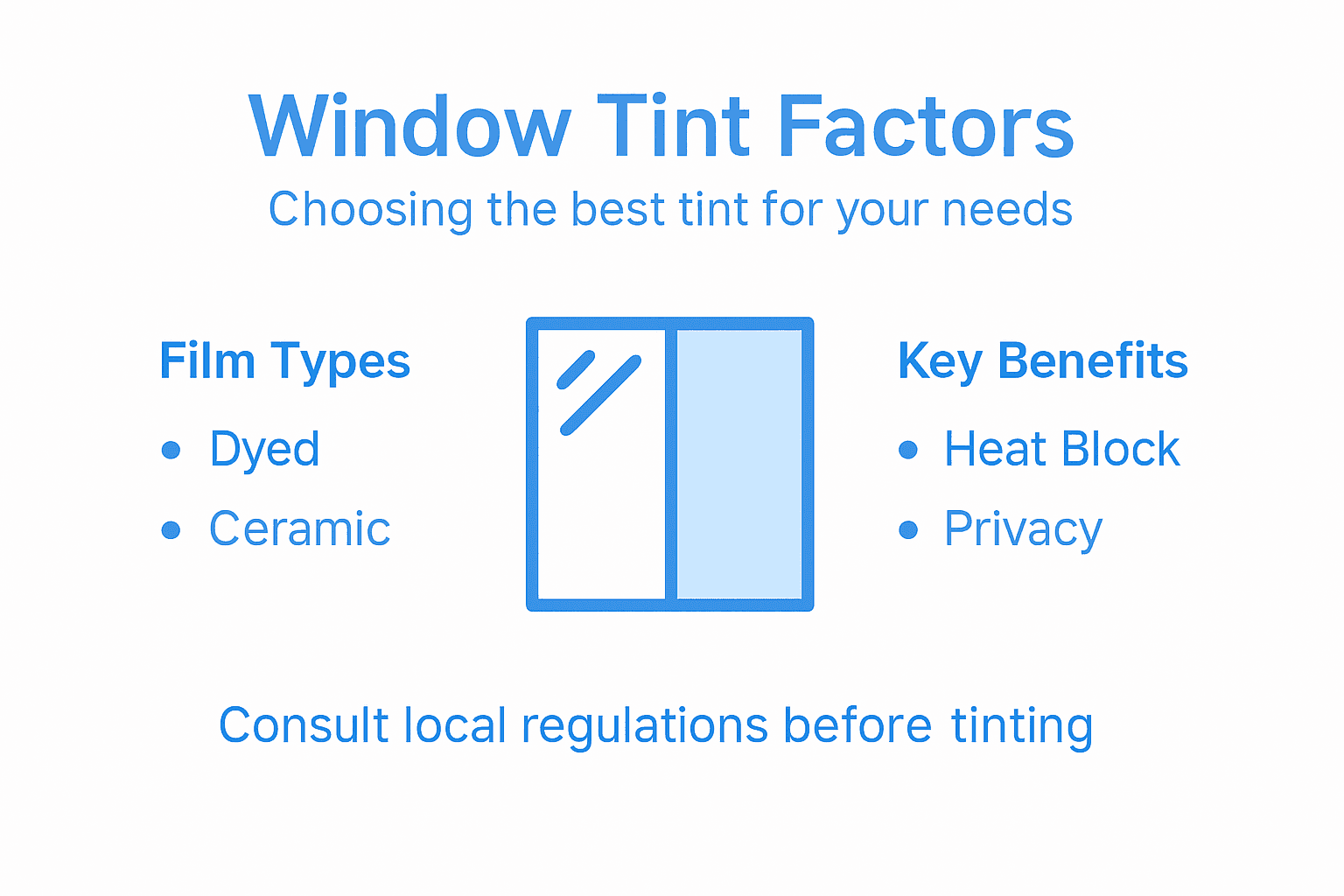
Understanding these nuanced factors helps vehicle owners make informed decisions, balancing aesthetic preferences with functional requirements across diverse environmental conditions.
Below is a quick guide to matching window tint films with climate needs for optimal comfort and protection:
| Climate Type | Recommended Technology | Key Benefit |
|---|---|---|
| Hot and Sunny | Ceramic, Metalised | Maximum heat rejection |
| Cold and Dim | Light Dyed, Hybrid | Higher light transmission |
| Humid or Mixed | Carbon, Hybrid | Balanced heat control |
Pro Tip: Consult local professionals who can provide personalised recommendations based on your specific vehicle and regional climate characteristics.
Professional vs DIY application methods
Window tinting presents vehicle owners with a critical choice between professional installation and do-it-yourself approaches. Professional window tinting insights reveal significant differences in technique, quality, and long-term performance.
Key comparison points include:
Professional Installation
- Expert surface preparation
- Precise application techniques
- High-quality specialised films
- Legal compliance verification
- Comprehensive warranty coverage
DIY Application
- Lower initial cost
- Personal control of process
- Requires significant skill
- Higher risk of installation errors
- Potential for costly mistakes
Technical Challenges: Window tinting application complexities involve multiple technical considerations. Professional installers possess specialised training addressing nuanced challenges like preventing air bubbles, managing film tension, and ensuring seamless glass coverage.
While DIY approaches might seem financially attractive, the potential for imperfect application can compromise both aesthetic and functional window tint performance. Professionals bring expertise, specialised tools, and understanding of intricate film characteristics that amateur installers often lack.
Pro Tip: Invest in professional installation for complex vehicle window configurations or premium film technologies to ensure optimal performance and longevity.
Common window tinting mistakes to avoid
Window tinting requires precision and expertise, with numerous potential pitfalls that can compromise installation quality and performance. Common tinting error prevention highlights critical areas where vehicle owners and installers frequently encounter challenges.
Key mistakes to avoid include:
Film Selection Errors
- Choosing incorrect film type for specific needs
- Mismatching film properties with intended benefits
- Ignoring climate and vehicle-specific requirements
Technical Installation Problems
- Poor surface preparation
- Insufficient cleaning before application
- Creating air bubbles during installation
- Uneven film tension
Legal and Compliance Issues
- Overlooking regional tinting regulations
- Exceeding permitted visible light transmission limits
- Failing to verify local legal requirements
Installation Nuances: Window film application complexities demonstrate that successful tinting involves more than simply applying film. Professional installers understand intricate details like surface cleanliness, precise cutting techniques, and managing film properties.
Understanding these potential errors helps vehicle owners make informed decisions, whether choosing professional installation or attempting a do-it-yourself approach. Careful research and preparation can significantly reduce the risk of costly mistakes.
Pro Tip: Always consult professional installers or detailed manufacturer guidelines before attempting window tint installation to minimise potential errors.
Choose the Perfect Window Tint with Precision Cutting Software
Selecting the right window tint involves balancing legal regulations, climate needs, and film technology performance. The article highlights common challenges like matching Visible Light Transmission (VLT) ratings to your region and choosing tint types that improve comfort while reducing heat and UV damage. If you are a professional installer or a passionate DIY enthusiast, these decisions also couple with the need for flawless application and minimal waste to achieve a clean and effective finish.
This is where AEONCUT’s cutting-edge window Tint software empowers you. Our platform offers precise pre-cut patterns tailored specifically for each vehicle make and model, ensuring you select and apply the ideal tint without guesswork or costly errors. With features like AI-driven auto-nesting and cloud-based updates, you optimise material use and maintain professional standards every time.
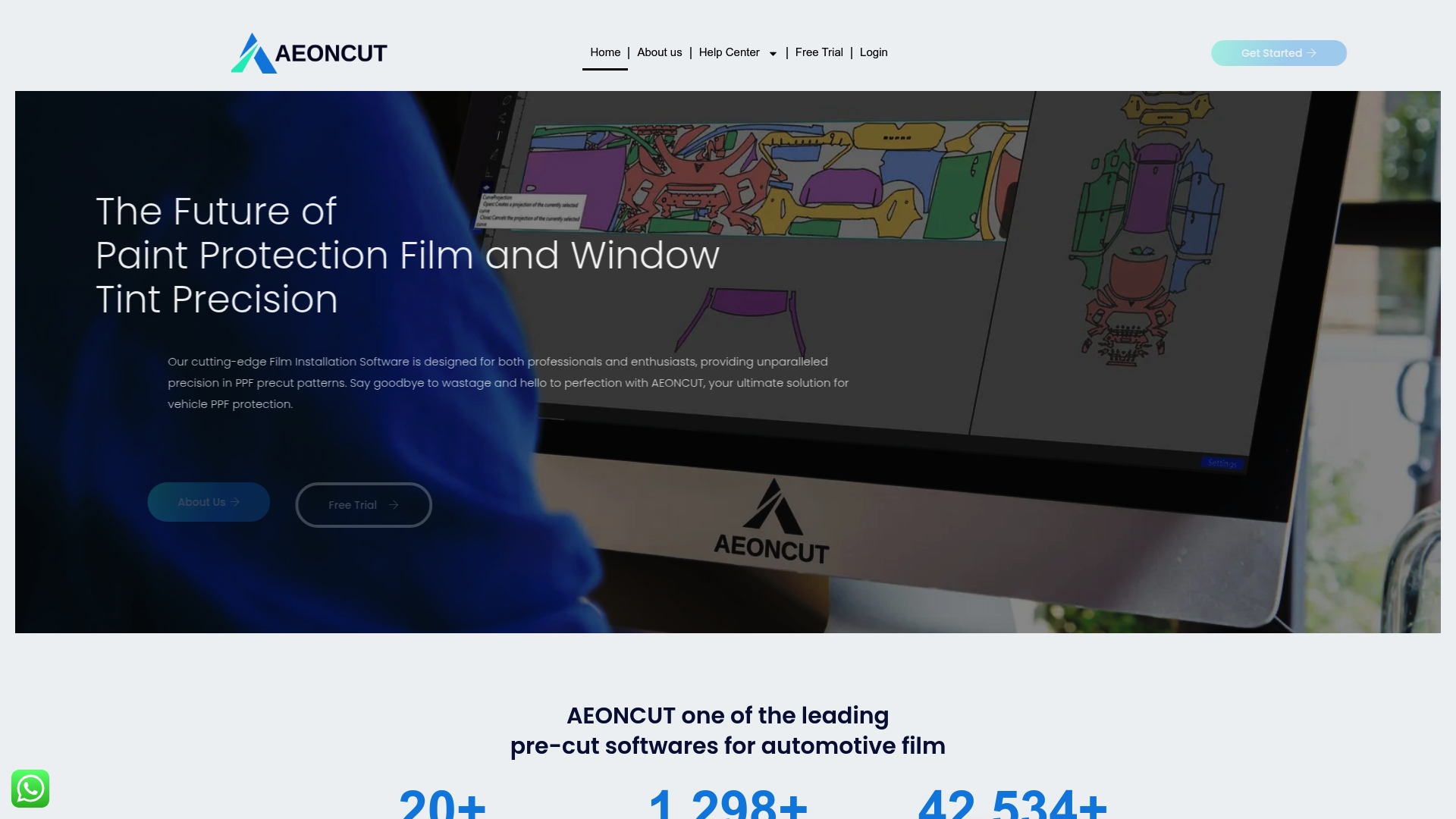
Discover how AEONCUT’s precision tools can simplify your window tint selection and installation process. Take control of every step from choosing the right film technology to perfect pattern alignment. Visit AEONCUT PPF Pre-cut Cutting software now and elevate your tinting projects with reliable, high-accuracy solutions designed for today’s automotive needs.
Frequently Asked Questions
What are the different types of window tint films available for vehicles?
Modern window tint films include Dyed Films, Metalised Films, Carbon Films, Ceramic Films, and Hybrid Films, each offering unique benefits such as heat rejection, durability, and visual appearance.
How does the Visible Light Transmission (VLT) rating impact my window tint choices?
The VLT rating indicates the percentage of light that can pass through the windows. Different regulations typically require a minimum VLT percentage for front windshields and side windows to ensure driver visibility and safety.
What factors should I consider when selecting window tint for my climate?
Consider the solar heat rejection and light transmission properties of the tint film. For hot environments, opt for films with high heat rejection, while in colder regions, lighter tints that allow more light may be preferable.
Is professional installation worth it compared to DIY window tinting?
Yes, professional installation typically ensures better quality, compliance with local regulations, and fewer installation errors compared to DIY, which may lead to issues like air bubbles and uneven application.
Recommended
- Types of Window Tint: Guide for Installers and Dealers 2025 – AEONCUT PPF Pre-cut Cutting software
- 2025 Guide to Window Tint Colour Options for Industry Pros – AEONCUT PPF Pre-cut Cutting software
- What is Window Tint? Essential Guide for Tinting Pros 2025 – AEONCUT PPF Pre-cut Cutting software
- How Window Tint Works: Essential Guide for Auto Professionals 2025 – AEONCUT PPF Pre-cut Cutting software
- Understanding the Safest Color Cars for You | ReVroom