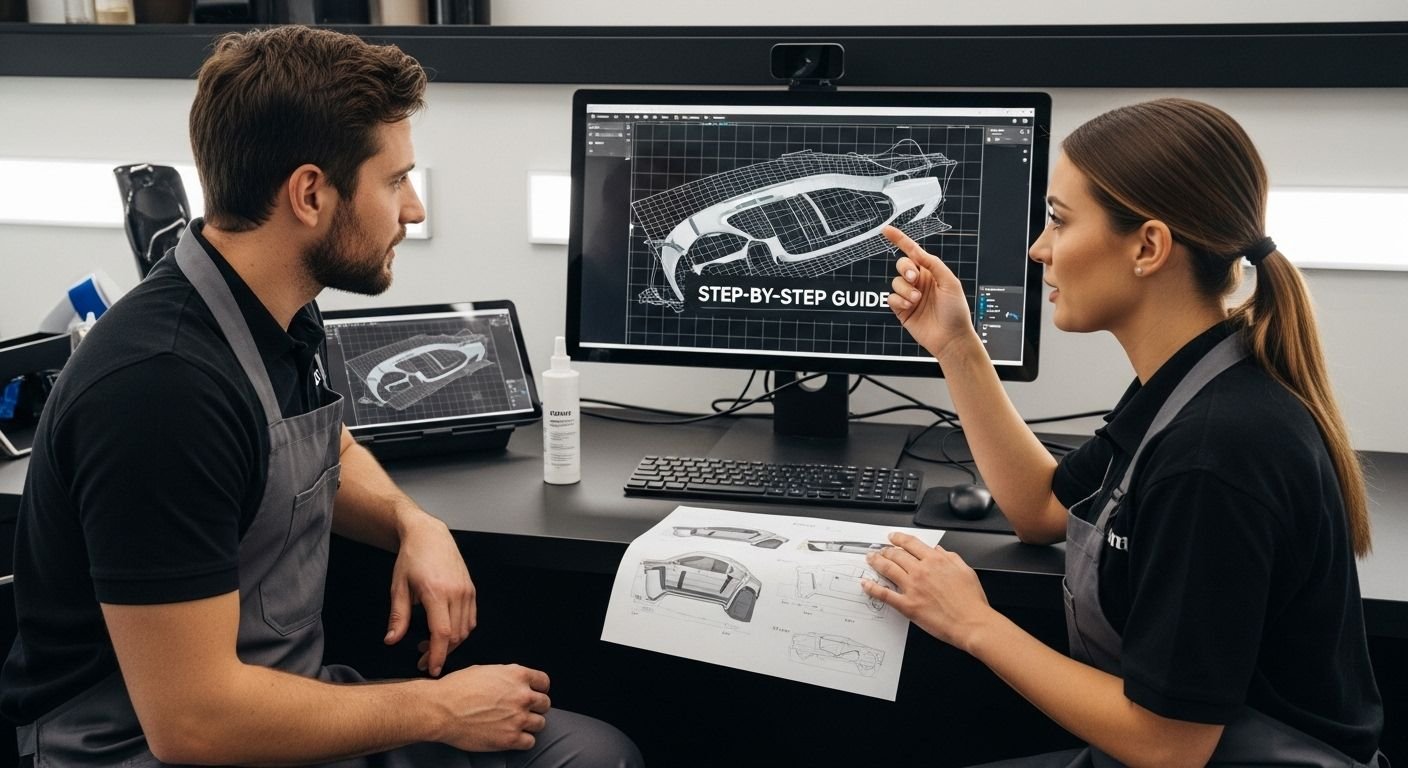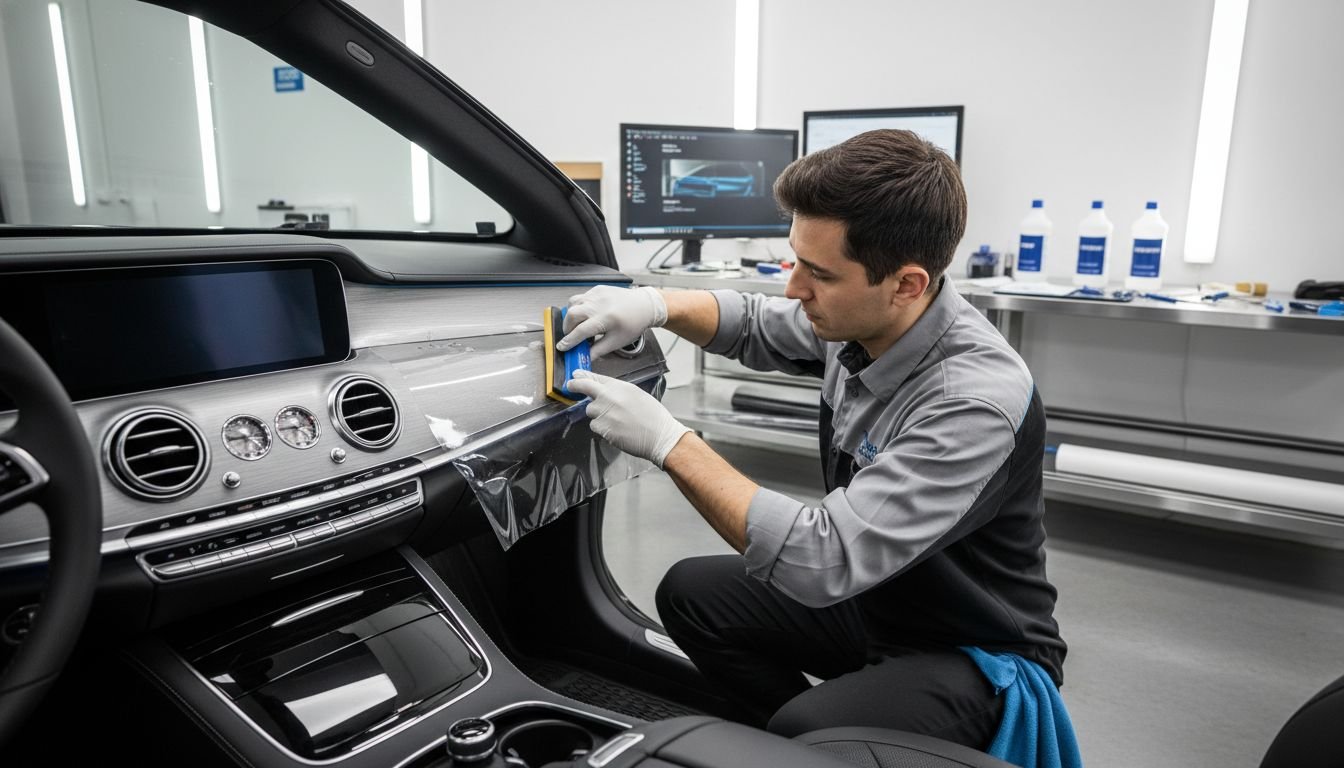
Protecting automotive paint from relentless sunlight can feel like a never-ending battle, especially for those who pride themselves on flawless finishes. UV radiation does more than dull the shine—it breaks down the paint’s structure, leading to oxidation, fading, and clear coat damage that impact both appearance and value. Professionals know that offering advanced UV protection sets their services apart, and this guide outlines the latest coatings and films to help you deliver lasting results your clients will appreciate.
Table of Contents
- Car Paint UV Damage Explained Clearly
- Types of UV Protection Solutions Compared
- How Protection Films and Coatings Work
- Choosing for Climate, Vehicle, and Budget
- Installer Insights: Best Practices and Mistakes
Key Takeaways
| Point | Details |
|---|---|
| UV Radiation Threat | Ultraviolet radiation significantly damages automotive paint through molecular degradation, affecting both aesthetics and protection. |
| Colour Sensitivity | Dark paint colours degrade faster under UV exposure compared to lighter shades, which offer slightly better resistance. |
| Effective Protection Solutions | High-quality protective treatments, such as ceramic coatings and paint protection films, create vital barriers against UV damage. |
| Proper Installation | Professional installation techniques are crucial for maximising the effectiveness and longevity of paint protection films. |
Car Paint UV Damage Explained Clearly
Ultraviolet (UV) radiation represents a significant and often underestimated threat to automotive paint surfaces, causing progressive and permanent damage through molecular degradation. Ultraviolet rays penetrate the clear coat and systematically break down the paint’s fundamental molecular structure, initiating a complex process of photodegradation that compromises both aesthetic and protective qualities.
The scientific mechanism behind UV damage involves several critical stages of paint deterioration:
- Molecular bond breakdown in paint pigments
- Oxidation of surface layers
- Progressive colour fading
- Structural weakening of protective clear coat
- Increased surface porosity and vulnerability
Specifically, different colours respond differently to UV exposure. Darker paint colours absorb more ultraviolet radiation, which accelerates the degradation process and results in more pronounced fading and damage. Lighter colours demonstrate marginally better UV resistance due to their reduced heat and radiation absorption characteristics.
The following table summarises how various automotive paint colours respond to UV exposure and the typical signs of damage:
| Paint Colour Shade | UV Absorption Level | Typical Damage Signs |
|---|---|---|
| Dark (black, navy) | High | Severe fading, rapid oxidation |
| Medium (red, blue) | Moderate | Noticeable dulling, moderate cracking |
| Light (white, silver) | Low | Minor fading, slower degradation |
Paint Protection becomes crucial in mitigating these destructive processes. Professional-grade protective solutions like ceramic coatings, specialised waxes, and paint protection films create critical barriers that intercept and deflect harmful ultraviolet radiation before it can compromise the vehicle’s paintwork.
Pro tip: Invest in high-quality UV-resistant protective treatments and park your vehicle in shaded areas whenever possible to minimise direct sunlight exposure.
Types of UV Protection Solutions Compared
Modern automotive UV protection encompasses several sophisticated solutions, each offering unique advantages and performance characteristics. Advanced paint protection solutions have evolved significantly, providing professionals with multiple options to safeguard vehicle paintwork against ultraviolet degradation.
The primary UV protection solutions include:
Wax Coatings
- Most affordable option
- Easy application
- Limited durability
- Short-term UV protection
Synthetic Sealants
- Longer lasting protection
- Better UV resistance
- More consistent performance
- Moderate pricing
Ceramic Coatings
- Superior hardness
- Exceptional hydrophobicity
- Advanced scratch resistance
- Professional-grade UV protection
Graphene Coatings
- Emerging technology
- Exceptional thermal stability
- Advanced durability potential
- Higher cost, ongoing research
Paint Protection Films (PPF)
- Robust physical barrier
- Comprehensive UV protection
- Self-healing properties
- Professional installation required
Ceramic coatings represent the most advanced current technology, creating a hard, hydrophobic surface with superior protection against ultraviolet radiation. These professional-grade solutions provide significantly more comprehensive defence compared to traditional waxing methods, offering enhanced durability and molecular-level paint preservation.
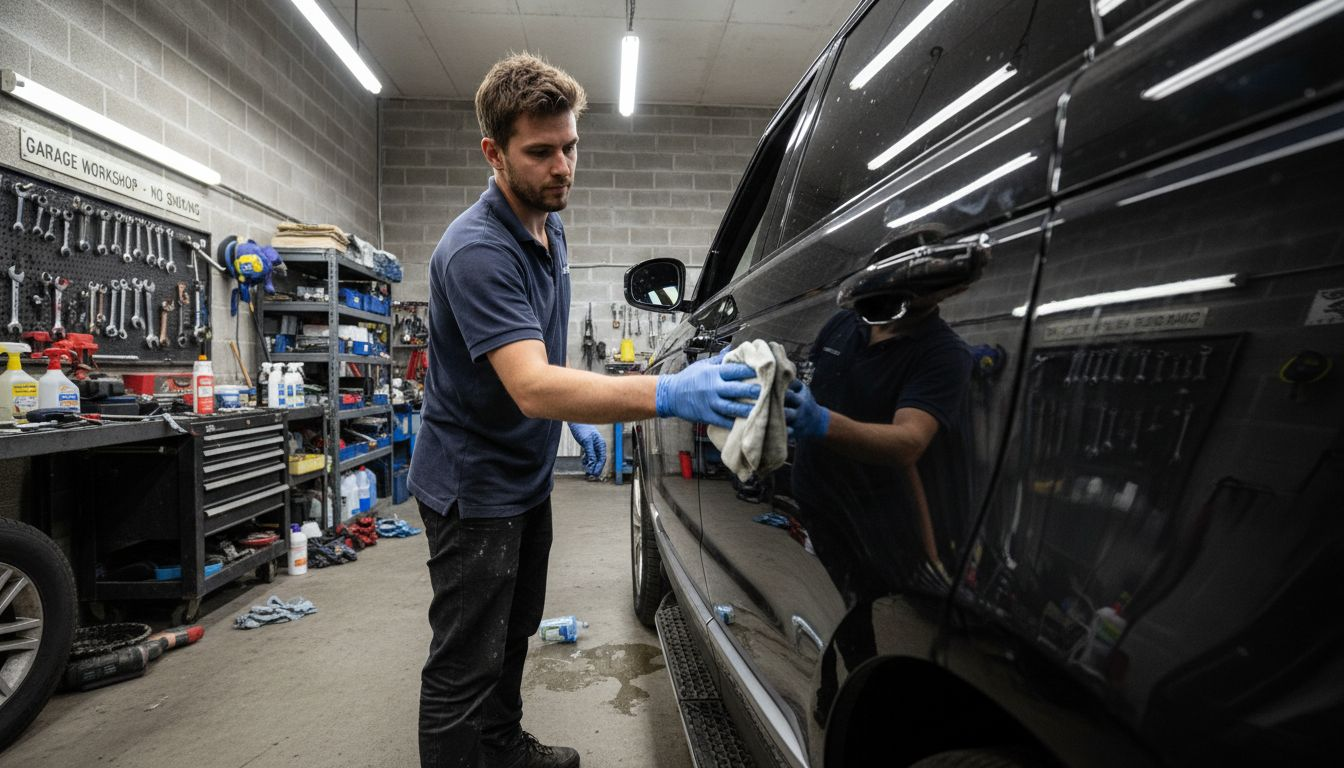
Emerging technologies like graphene coatings demonstrate promising characteristics, potentially revolutionising UV protection with their advanced thermal stability and comprehensive protective capabilities. However, these solutions remain in developmental stages and require further environmental and cost-effectiveness evaluations.
This table compares key UV protection solutions, helping guide your selection based on effectiveness and usage:
| Protection Type | UV Barrier Strength | Maintenance Needs | Best For |
|---|---|---|---|
| Wax Coating | Low | Frequent reapplication | Owners seeking affordability |
| Synthetic Sealant | Moderate | Seasonal application | Daily use in mild climates |
| Ceramic Coating | High | Minimal, long-lasting | Maximum, long-term protection |
| Paint Protection Film | Very High | Professional inspection | Vehicles in harsh environments |
Pro tip: Consult automotive protection specialists to determine the most suitable UV protection solution for specific vehicle types, paint conditions, and environmental exposure.
How Protection Films and Coatings Work
Paint protection technologies function like sophisticated sunscreen for automotive surfaces, creating intricate barriers that shield vehicle paintwork from destructive ultraviolet radiation. These advanced solutions operate through complex molecular mechanisms designed to prevent paint degradation and preserve aesthetic quality.
The primary protective technologies include:
Ceramic Coatings
- Molecular-level bonding
- Permanent protective layer
- Exceptional UV resistance
- Hydrophobic characteristics
Paint Protection Films (PPF)
- Multi-layer thermoplastic construction
- Self-healing top coat
- Comprehensive impact protection
- Flexible UV blocking mechanism
Spray Sealants
- Temporary protective layer
- Quick application
- Moderate UV resistance
- Cost-effective solution
The underlying science involves creating a molecular barrier that prevents ultraviolet rays from penetrating the clear coat. Different protection methods utilise unique approaches: ceramic coatings chemically bond with paint surfaces, while PPF creates a physical shield that absorbs and disperses potentially damaging radiation.
Modern protection technologies distinguish between UVA and UVB rays, providing targeted defence mechanisms. UVA rays cause deep molecular degradation leading to long-term fading, whereas UVB rays primarily damage surface layers. Professional-grade solutions comprehensively block both radiation types, significantly extending paint longevity and maintaining vehicle aesthetic integrity.
Pro tip: Combine multiple protection strategies and schedule regular professional inspections to maximise your vehicle’s UV defence capabilities.
Choosing for Climate, Vehicle, and Budget
UV protection strategies demand careful consideration of multiple critical factors, ensuring optimal paint preservation across diverse environmental and usage conditions. Professional automotive protection requires a nuanced approach that balances vehicle type, environmental exposure, and financial constraints.
Vehicle and climate considerations include:
Hot Climate Needs
- Ceramic or graphene coatings
- High durability requirements
- Frequent reapplication
- Enhanced UV resistance
Moderate Climate Options
- Paint sealants
- Periodic wax treatments
- Moderate UV protection
- Cost-effective solutions
Vehicle Usage Categories
- Daily drivers: Frequent, robust protection
- Show cars: Premium, long-lasting coatings
- Commercial vehicles: Easy maintenance solutions
- Classic cars: Preservation-focused treatments
Budget plays a fundamental role in determining appropriate protection levels. Entry-level options like spray sealants and traditional waxes provide basic UV defence at lower price points, while professional-grade ceramic and graphene coatings represent significant investments with superior long-term protection. High-end solutions offer enhanced durability, hydrophobic properties, and comprehensive paint preservation.
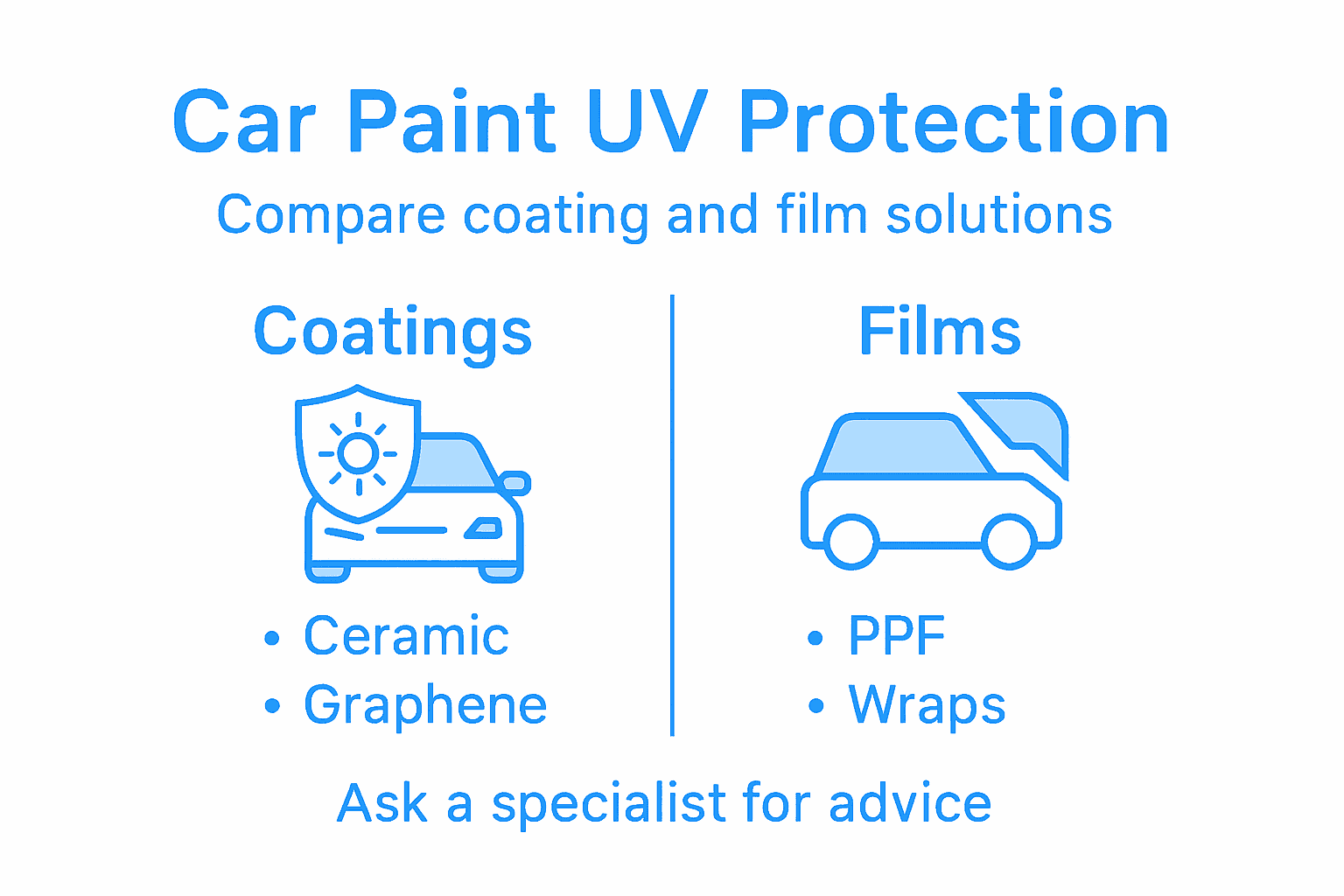
Professional-grade protective technologies differentiate themselves through molecular bonding, self-healing capabilities, and targeted defence mechanisms. The selection process demands careful evaluation of environmental challenges, vehicle usage patterns, and financial considerations to achieve optimal paint preservation.
Pro tip: Consult automotive protection specialists who can conduct a comprehensive assessment of your specific vehicle requirements and recommend tailored UV protection strategies.
Installer Insights: Best Practices and Mistakes
Paint protection film installation represents a complex process demanding extraordinary precision and professional expertise. Automotive protection specialists must navigate numerous technical challenges to ensure optimal film application and long-term vehicle surface preservation.
Critical installation considerations include:
Surface Preparation
- Complete removal of contaminants
- Thorough cleaning and degreasing
- Eliminating wax and polish residues
- Ensuring pristine surface conditions
Environmental Control
- Maintaining consistent temperature
- Managing humidity levels
- Creating controlled workspace
- Minimising dust and particulates
Application Techniques
- Using professional-grade squeegees
- Applying correct slip solutions
- Precise pattern cutting
- Careful edge sealing
Common installation mistakes can significantly compromise UV protection and film longevity. Rushing the application process, neglecting surface preparation, and working in uncontrolled environments frequently lead to suboptimal results such as air bubbles, poor adhesion, and premature film degradation. Professional installers emphasise methodical approaches that prioritise meticulous surface preparation and controlled application environments.
Advanced installers understand that successful paint protection film application transcends technical skill, requiring comprehensive knowledge of material science, environmental interactions, and precise application methodologies. Continuous training, investment in high-quality tools, and adherence to manufacturer specifications distinguish exceptional automotive protection professionals.
Pro tip: Invest in regular professional training and maintain a consistently controlled installation environment to elevate your paint protection film application standards.
Protect Your Vehicle Paint with Precision and Confidence
Ultraviolet radiation can deeply damage your car’s paint and clear coat causing fading, oxidation and costly repairs. The article highlights how advanced protection solutions like paint protection films and ceramic coatings form essential barriers against this relentless UV exposure. However, achieving the best results depends heavily on precise application and perfectly cut patterns tailored to each vehicle’s unique contours.
That is where AEONCUT stands out. Our Paint Protection Film – AEONCUT PPF Pre-cut Cutting software delivers cutting-edge pre-cut patterns helping professional installers and car enthusiasts eliminate waste and ensure flawless PPF installation. With features like AI-driven auto-nesting and a vast library of vehicle patterns you get accuracy and efficiency that maximise UV defence durability while preserving your vehicle’s showroom finish.
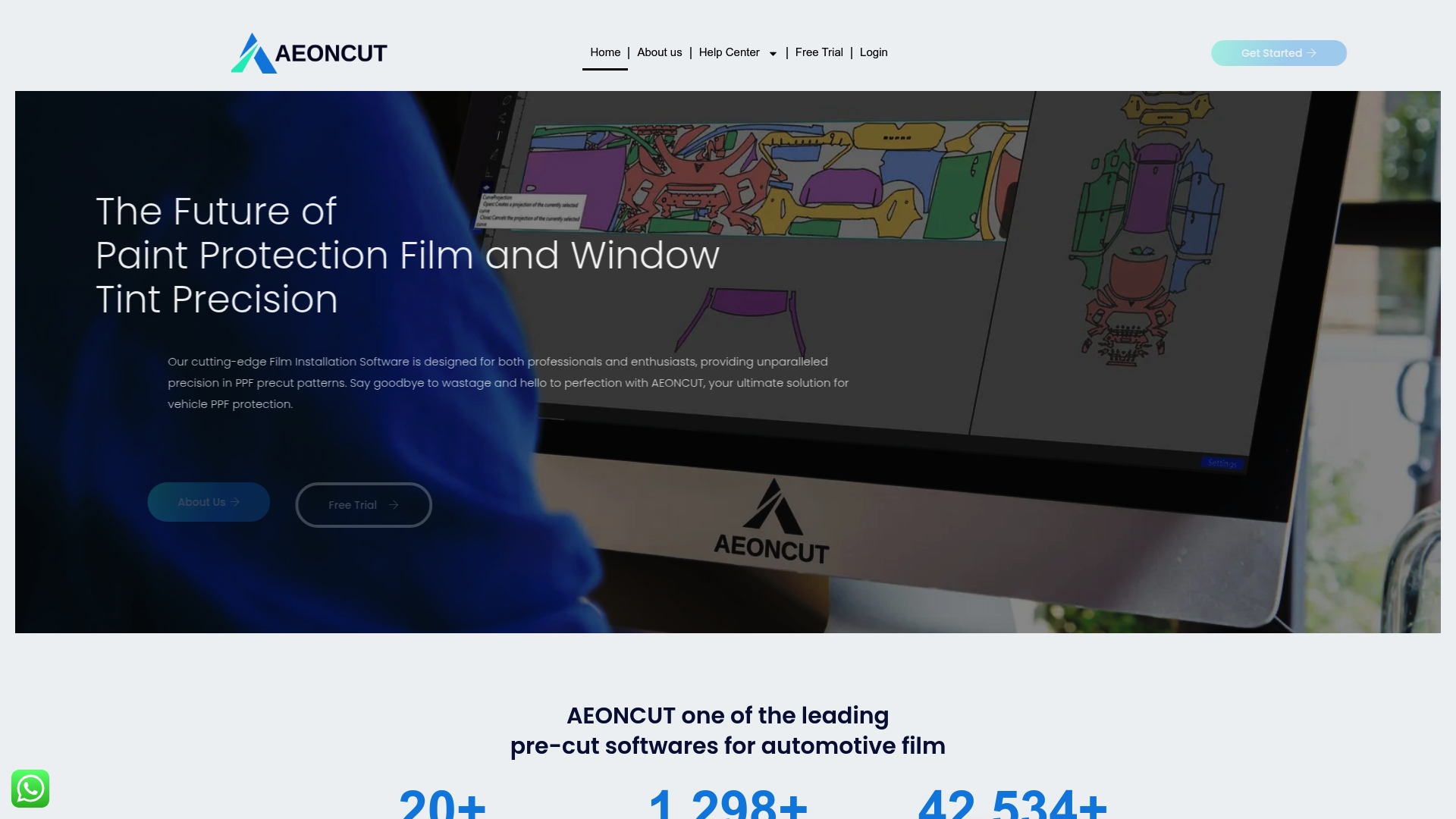
Take control of your paint protection process today by choosing AEONCUT’s innovative software. Explore our solutions at aeoncutsw.com and see how you can elevate your PPF installations with precision-tailored cutting patterns that guard your vehicle against UV damage. Combine superior protection strategies with AEONCUT’s technology to extend your vehicle’s life and keep your paint looking flawless.
Frequently Asked Questions
What causes UV damage to car paint?
Ultraviolet radiation causes progressive damage through molecular degradation of paint surfaces, breaking down molecular bonds, leading to fading, oxidation, and increased surface porosity.
How do different paint colours respond to UV exposure?
Darker paint colours absorb more UV radiation, resulting in severe fading and rapid oxidation, while lighter colours show marginally better UV resistance due to reduced radiation absorption.
What are the best UV protection solutions for automotive paint?
The best UV protection solutions include ceramic coatings for their superior durability, synthetic sealants for moderate protection, and paint protection films for robust surface barriers against UV rays.
How can I maintain UV protection on my vehicle?
Regularly inspect the protective solutions on your vehicle, consider professional applications for higher-grade protection, and park in shaded areas when possible to minimise direct sunlight exposure.
Recommended
- Top Paint Protection Film Benefits for Auto Professionals 2025 – AEONCUT PPF Pre-cut Cutting software
- Understanding Preventing Interior Fading: How Window Tint Works – AEONCUT PPF Pre-cut Cutting software
- How Does PPF Work? Guide for Car Care Pros 2025 – AEONCUT PPF Pre-cut Cutting software
- Understanding The Science of UV & IR Rejection in Automotive Window Films – AEONCUT PPF Pre-cut Cutting software
- Sunscreen with Zinc Oxide: The Ultimate Solution for Sun Protection – Claribelskincare.com