Over 80% of British vehicle owners report concerns about fading upholstery and interior damage over time. The inside of a car faces tough conditions, from UV rays to daily wear and spills, making long-term maintenance a real challenge. Upgrading to advanced interior vehicle protection does more than just preserve appearance. It brings peace of mind and extends the life of your investment with modern solutions that combine technology and expert application.
Table of Contents
- Defining Interior Vehicle Protection Solutions
- Types of Protective Films and Materials
- Precision Cutting: Digital Versus Manual Methods
- Costs, Waste, and Efficiency in Application
- Frequent Mistakes and Correct Installation Practices
Key Takeaways
| Point | Details |
|---|---|
| Comprehensive Protection Methods | Modern vehicle protection employs advanced technologies such as window films, surface coatings, and car boot liners to safeguard interiors against wear and aesthetic decline. |
| Digital Cutting Advantages | Digital cutting methods enhance precision and reduce material waste compared to traditional manual techniques, leading to improved efficiency in film application. |
| Critical Installation Practices | Proper surface preparation and careful temperature control are essential to prevent common installation failures and ensure effective adhesion of protective films. |
| Cost-Effective Strategies | Implementing intelligent pattern nesting and sustainable materials can significantly lower costs and environmental impact while optimising resource usage in automotive applications. |
Defining Interior Vehicle Protection Solutions
Interior vehicle protection represents a comprehensive approach to maintaining a vehicle’s internal environment, safeguarding its surfaces from damage, wear, and aesthetic deterioration. Professional installers and automotive enthusiasts recognise that modern protection solutions go far beyond traditional methods, incorporating advanced technologies and precision materials to preserve vehicle interiors.
Modern interior protection involves multiple strategic approaches, with window films playing a critical role in defence mechanisms. These thin laminate films installed on glass surfaces provide substantial benefits including UV protection, heat reduction, and enhanced privacy. Typically constructed from polyethylene terephthalate (PET), these films offer remarkable clarity and tensile strength while defending against environmental challenges.
Comprehensive interior protection solutions now encompass several key elements:
- Surface Coatings: Advanced ceramic and nano-ceramic treatments that create invisible protective layers
- Protective Films: Transparent films applied to high-wear areas like dashboards, centre consoles, and door panels
- Car Boot Liners: Synthetic mats designed to shield trunk spaces from dirt, spills, and potential damage
- Window Tinting: Strategic film applications reducing interior temperature and preventing upholstery fading
Professional installers understand that each vehicle requires a tailored approach, considering factors like usage patterns, environmental conditions, and specific material compositions. By integrating multiple protection strategies, automotive professionals can significantly extend a vehicle’s interior longevity and maintain its pristine aesthetic quality.
Types of Protective Films and Materials
Interior vehicle protection technologies have evolved dramatically, with paint protection films (PPF) representing a sophisticated approach to preserving automotive surfaces. These advanced materials, typically constructed from thermoplastic urethane, offer comprehensive defence against environmental damages like stone chips, bug splatters, and minor abrasions.

Window Films represent another critical category of protective materials. Categorised by their complex construction components, these films range from dyed and pigmented to metallized, ceramic, and nano variants. Each type serves specific protective functions, including solar control, privacy enhancement, and safety improvements for automotive environments.
Key types of protective films include:
- Thermoplastic Urethane Films: Highly flexible protective layers with superior impact resistance
- Ceramic Protective Films: Advanced materials offering exceptional heat rejection and durability
- Nano-Ceramic Coatings: Microscopic protective layers providing invisible yet robust surface protection
- Hybrid Protection Films: Combining multiple material technologies for comprehensive defence
Professional installers understand that selecting the appropriate film depends on multiple factors, including vehicle usage, environmental conditions, and specific protection requirements. By carefully matching protective materials to individual vehicle needs, automotive care professionals can significantly extend surface longevity and maintain aesthetic quality.
Precision Cutting: Digital versus Manual Methods
In the rapidly evolving automotive protection industry, cutting techniques have transformed dramatically, with digital methods increasingly replacing traditional manual approaches. Vinyl wrap technologies now incorporate advanced features like microscopic glass beads and air channels, enabling more sophisticated and precise film applications that were impossible with manual cutting techniques.
Digital Cutting Methods represent the pinnacle of precision in vehicle protection film installation. These computerised systems leverage sophisticated software algorithms to generate exact patterns, minimising material waste and ensuring consistently perfect fitment. Professional installers can now programme precise cutting specifications that account for minute vehicle surface variations, a level of accuracy impossible to achieve through traditional hand-cutting techniques.
Key differences between digital and manual cutting methods include:
- Accuracy: Digital methods offer micrometre-level precision
- Repeatability: Computerised systems can reproduce identical patterns consistently
- Material Efficiency: Reduced waste through optimised cutting paths
- Complexity Handling: Ability to manage intricate design requirements
Protective film manufacturers emphasise the critical importance of precise application methods to ensure optimal protection and aesthetic outcomes. Professional installers increasingly recognise that digital cutting technologies provide superior results, transforming vehicle protection from a skilled craft to a precise technological process.
Costs, Waste, and Efficiency in Application
Modern automotive protection strategies prioritise material efficiency and cost-effectiveness, recognising that precision directly impacts financial performance. Protective film manufacturers are increasingly designing solutions to reduce waste and optimise material usage, transforming traditional approaches to vehicle film application.

Material Waste Reduction has become a critical focus for professional installers. Advanced digital cutting technologies enable precise pattern generation that minimises scrap material, significantly lowering overall project expenses. By implementing intelligent nesting algorithms and computer-assisted design, professionals can reduce material consumption by up to 30% compared to traditional manual cutting methods.
Key strategies for improving efficiency include:
- Intelligent Pattern Nesting: Maximising material usage through algorithmic placement
- Precision Cutting: Reducing material waste through exact measurements
- Digital Templating: Creating perfect fit patterns with minimal excess
- Sustainable Material Selection: Choosing films with optimal performance and minimal environmental impact
Innovative coating technologies are further driving efficiency in automotive applications, with some advanced solutions reducing resource consumption dramatically. For instance, water-based polyurethane textile coatings can decrease water usage by up to 95%, demonstrating how technological advancements are simultaneously improving cost-effectiveness and environmental sustainability in vehicle protection.
Frequent Mistakes and Correct Installation Practices
Vehicle protection film installation demands exceptional precision and technical expertise, with even minor errors potentially compromising the entire protective application. Vehicle vinyl wrap installations require meticulous attention to prevent issues like air bubbles and misalignment, making professional-grade techniques crucial for achieving flawless results.
Surface Preparation represents the most critical stage of film application. Professional installers recognise that thorough cleaning and environmental control are fundamental to preventing common installation failures. Contamination, temperature variations, and improper handling can introduce microscopic imperfections that compromise film adhesion and long-term performance.
Common installation mistakes include:
- Inadequate Surface Cleaning: Leaving microscopic debris that prevents proper film adhesion
- Incorrect Temperature Control: Applying films in unsuitable environmental conditions
- Rushed Application: Not allowing sufficient time for precise positioning
- Improper Tension Management: Stretching or overworking the protective material
Window film installation requires precision to avoid potential issues like bubbling and peeling, emphasising the importance of systematic, methodical approaches. Successful professionals invest significant time in training, understanding that technical skill and patience are the true differentiators between amateur and expert-level vehicle protection installations.
Elevate Your Interior Vehicle Protection with Precision Cutting
Interior vehicle protection demands exactness and efficiency to safeguard surfaces while minimising waste. This article highlights common challenges such as material waste, the need for precise digital cutting, and flawless application — all vital factors for extending vehicle longevity and maintaining aesthetic quality. Professionals and enthusiasts alike face the critical goal of combining advanced protection films with perfect fitment to ensure superior results.
Unlock greater control and accuracy through AEONCUT’s specialised software solutions for Paint Protection Film and Window Tint.
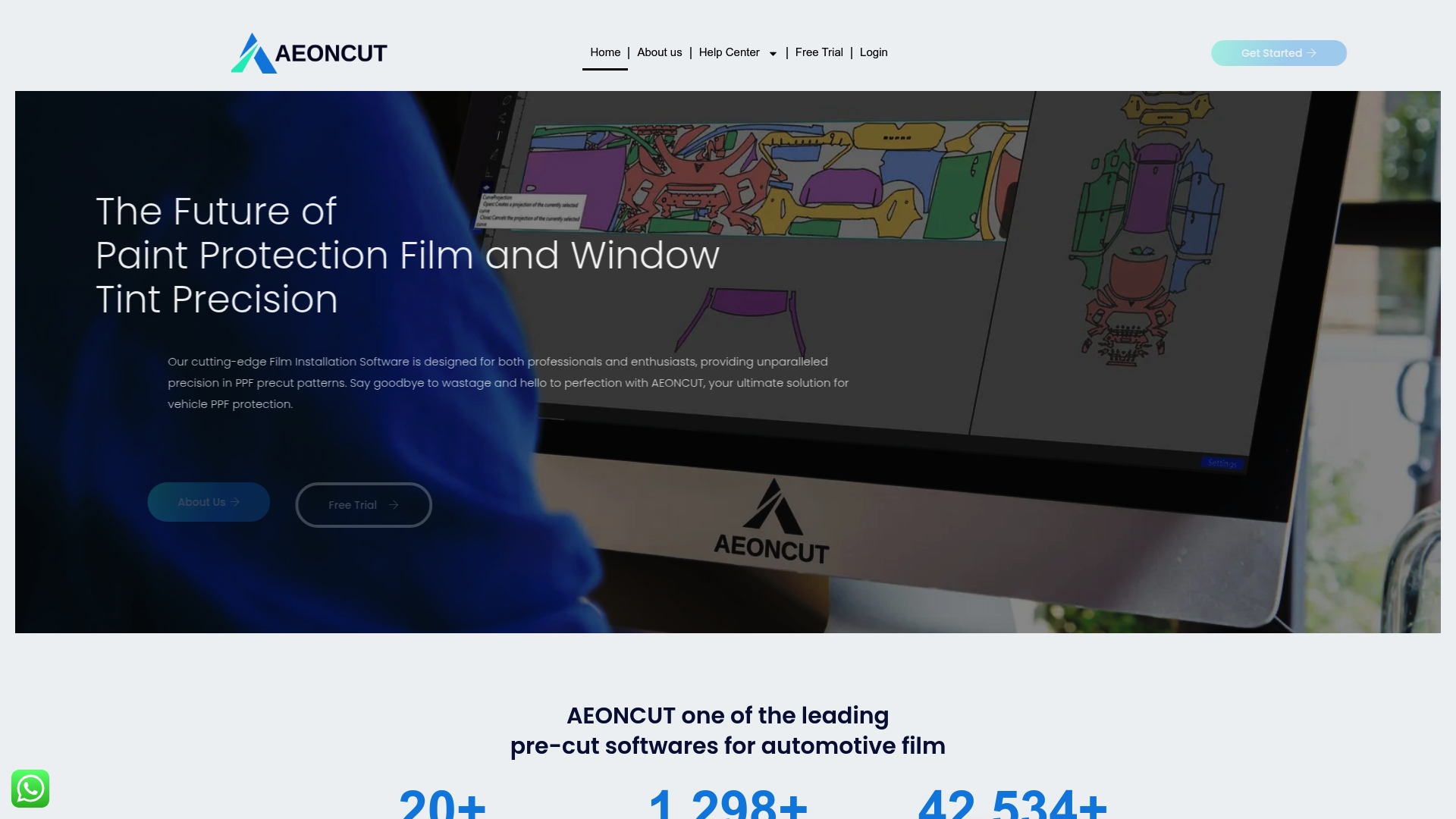
Experience the difference that pre-cut pattern precision, AI-driven auto-nesting, and cloud-based updates can make for your vehicle protection projects. Join industry leaders using AEONCUT’s cutting-edge platform to reduce waste, enhance efficiency, and achieve flawless installations every time. Don’t wait to transform your car care with the most innovative pattern cutting technology at aeoncutsw.com. Get started today for a smarter, more exact approach to interior vehicle protection.
Frequently Asked Questions
What are the benefits of interior vehicle protection solutions?
Interior vehicle protection solutions safeguard surfaces from damage, wear, and aesthetic deterioration. They include advanced materials like window films, surface coatings, and protective films that enhance UV protection, heat reduction, and improve overall interior longevity.
How do window films contribute to vehicle interior protection?
Window films are thin laminate films applied to glass surfaces that offer UV protection, heat reduction, and increased privacy while maintaining optical clarity and tensile strength against environmental challenges.
What are the different types of protective films for vehicles?
The main types of protective films include thermoplastic urethane films for impact resistance, ceramic protective films for heat rejection, nano-ceramic coatings for surface protection, and hybrid protection films that combine various material technologies for comprehensive defence.
Why is digital cutting preferred over manual cutting in vehicle film installation?
Digital cutting provides micrometre-level precision, consistency in patterns, reduced material waste, and the ability to manage intricate designs effectively. This technological advancement significantly enhances the accuracy and efficiency of protective film applications.
Recommended
- Understanding Why Interior Protection Films Are the Next Big Trend in Car Care – AEONCUT PPF Pre-cut Cutting software
- Understanding Why Interior Protection Films Are the Next Big Trend in Car Care – AEONCUT PPF Pre-cut Cutting software
- Understanding Interior Protection Films: Benefits for Luxury Cars – AEONCUT PPF Pre-cut Cutting software
- Understanding Why Interior Protection Films Are the Next Big Trend in Car Care – AEONCUT PPF Pre-cut Cutting software
- Injector Cleaning Benefits for Diesel Pros: 2025 Guide – My WordPress