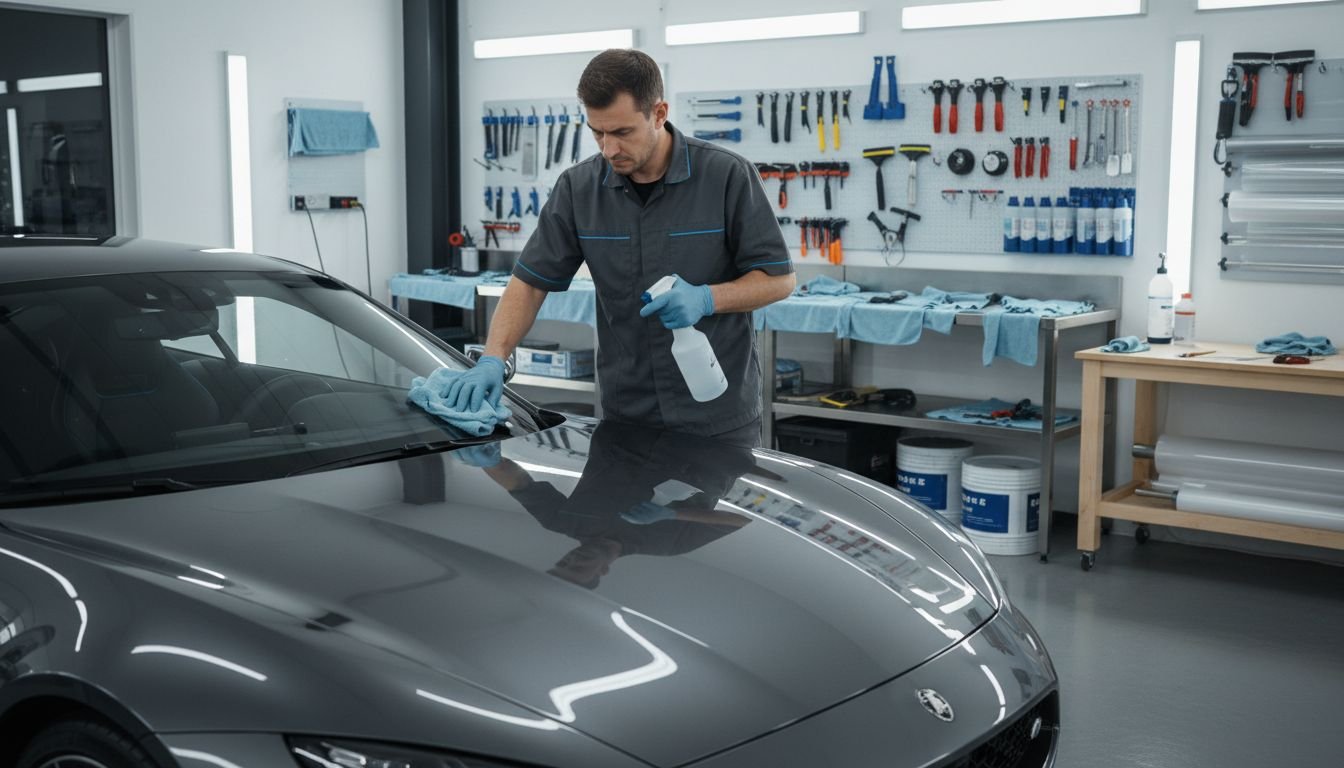
Every British rider wants their motorcycle to stay flawless, yet even careful use leads to paint damage from gravel, bugs, and UV rays. Protecting your pride and joy is not just about looks—over time, exposure can lower a bike’s value and erode its finish. Motorcycle protection film delivers a virtually invisible layer that preserves both style and structure, combining advanced material science with lasting surface security every British motorcyclist can appreciate.
Table of Contents
- Defining Motorcycle Protection Film Applications
- Comparing Types Of Protection Film Solutions
- Key Properties And Performance Factors
- Professional Installation Versus Diy Approach
- Common Pitfalls And Avoidable Mistakes
Key Takeaways
| Point | Details |
|---|---|
| Importance of Professional Installation | Engaging professional installers ensures optimal application, preserving the motorcycle’s aesthetic and providing comprehensive surface protection. |
| Material Choices Matter | Selecting the right film type—such as Ceramic-Infused or Self-Healing—enhances durability and protection based on specific riding conditions. |
| Key Performance Metrics | Factors like film thickness and UV resistance significantly affect the longevity and effectiveness of motorcycle protection films. |
| Avoid Common Mistakes | Proper surface preparation and understanding application techniques are crucial to prevent installation errors that compromise protection. |
Defining Motorcycle Protection Film Applications
Motorcycle Protection Film (MPF) represents a specialised transparent layer designed to shield motorcycle surfaces from environmental damage, road debris, and minor abrasions. Paint protection technologies have evolved significantly, offering precise coverage for complex motorcycle geometries.
These advanced films provide comprehensive protection across multiple motorcycle areas, including:
- Fuel tank surfaces
- Fairings and panels
- Side covers
- Fender regions
- High-impact zones prone to scratching
The primary function of motorcycle protection films involves creating an invisible barrier that preserves the original paintwork’s integrity. Professional-grade films utilise advanced polymer technologies that resist ultraviolet degradation, chemical staining, and mechanical wear. Professional installers recognise these films as critical for maintaining motorcycle aesthetic and resale value.
Modern Motorcycle Protection Films are engineered with remarkable characteristics. They feature self-healing properties that minimise surface micro-scratches, excellent transparency that maintains the original paint colour, and adaptive adhesive systems enabling precise application across curved motorcycle surfaces. These technical attributes ensure comprehensive protection without compromising the motorcycle’s visual appeal.
Pro Tip: Always clean motorcycle surfaces thoroughly and use professional installation techniques to prevent air bubbles and ensure optimal film adhesion during application.
Comparing Types Of Protection Film Solutions
Motorcycle Protection Films encompass diverse material compositions, each offering unique performance characteristics for vehicle preservation. Protective film technologies have evolved significantly, presenting motorcycle owners with sophisticated options for surface defence.
The primary protection film categories include:
- Polyurethane Films: Standard grade, cost-effective solution
- Ceramic-Infused Films: Superior thermal resistance and durability
- Hydrophobic Films: Enhanced water-repellent properties
- Self-Healing Films: Advanced polymer systems that minimise surface scratches
Professional-grade Protection Films distinguish themselves through advanced material engineering. Manufacturer-specific kits like 3M VentureShield demonstrate precision tailoring for specific motorcycle brands, ensuring comprehensive coverage and optimal protection. Professional installers evaluate films based on criteria such as thickness, transparency, UV resistance, and adhesive quality.
Here is a concise comparison to help select the ideal motorcycle protection film:
| Film Type | Primary Benefit | Best Use Case |
|---|---|---|
| Polyurethane | Cost-effective coverage | Everyday surface protection |
| Ceramic-Infused | Superior heat resistance | High-performance motorcycles |
| Hydrophobic | Enhanced water repellency | Wet climates, easy cleaning |
| Self-Healing | Minimises visible scratches | Frequent high-impact areas |
Specialised film solutions now incorporate cutting-edge technologies that transcend basic protection. Ceramic-enhanced films, for instance, offer remarkable thermal conductivity resistance and molecular-level surface protection. These advanced formulations provide motorcyclists with multi-layered defence against environmental degradation, UV exposure, chemical contaminants, and mechanical abrasions.
Pro Tip: When selecting protection films, prioritise professional-grade materials with manufacturer warranties and verified performance specifications to ensure long-term motorcycle surface preservation.
Key Properties And Performance Factors
Motorcycle Protection Films represent sophisticated technological solutions with multiple critical performance metrics. Advanced thermal resistance research reveals that material composition significantly impacts protective capabilities, with ceramic-infused films demonstrating superior environmental resilience.
Key performance factors for motorcycle protection films include:
- Thickness: Ranging from 120-220 microns
- Transparency: High optical clarity
- Durability: Resistance to mechanical abrasions
- UV Protection: Blocking harmful solar radiation
- Chemical Resistance: Preventing staining and degradation
Material Performance involves complex interactions between polymer structures and external environmental conditions. Manufacturer-specific protection kits like 3M VentureShield exemplify precision engineering, offering tailored solutions that address specific motorcycle surface vulnerabilities. Professional installers assess films through rigorous performance criteria, evaluating factors such as adhesive strength, elasticity, and long-term protective capabilities.
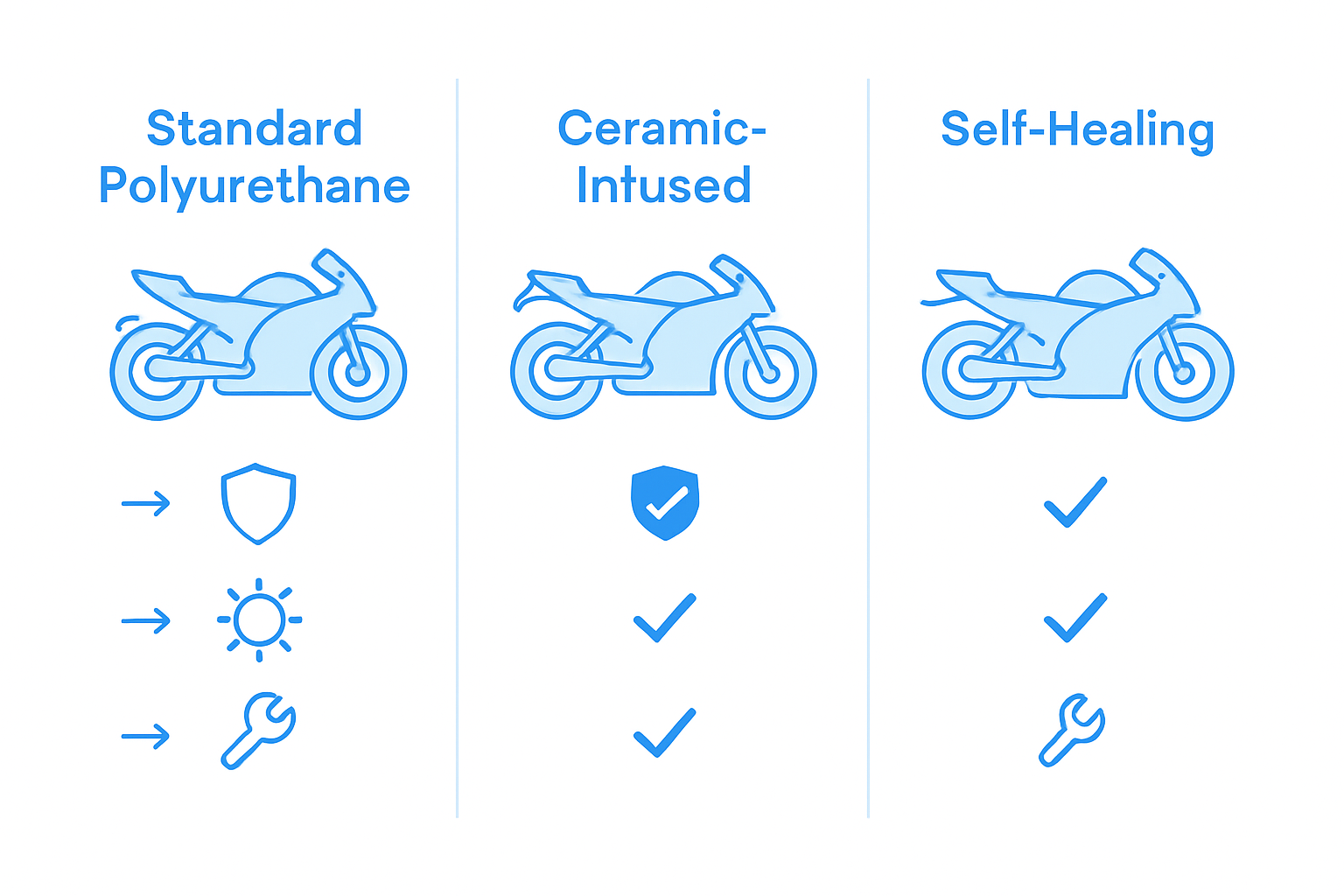
Thermal management represents a critical aspect of film performance. Ceramic-enhanced films provide exceptional thermal conductivity resistance, creating a molecular-level barrier against temperature fluctuations and environmental stress. These advanced formulations prevent paint degradation by dispersing heat and minimising thermal expansion potential, thereby preserving the motorcycle’s aesthetic and structural integrity.
Explore essential factors affecting protection film longevity and effectiveness:
| Performance Factor | Reason It Matters | Impact on Motorcycle |
|---|---|---|
| Film Thickness | Influences resilience | Better shield versus impact |
| Optical Clarity | Maintains original appearance | Paintwork cleanliness |
| UV Protection | Prevents fading and yellowing | Paint remains vibrant |
| Chemical Resistance | Blocks stains from contaminants | Easier cleaning, longer life |
Pro Tip: Conduct comprehensive surface preparation and use professional-grade application techniques to maximise protection film performance and ensure optimal adhesion and longevity.
Professional Installation Versus DIY Approach
Professional motorcycle protection film installation represents a sophisticated technical process requiring precision and specialised expertise. Protective film technologies demand meticulous application techniques that differentiate professional outcomes from amateur attempts.
Key distinctions between professional and DIY approaches include:
- Professional Installation:
- Controlled environment
- Specialised tools
- Guaranteed precision
- Comprehensive surface preparation
- DIY Installation:
- Limited technical knowledge
- Potential for surface damage
- Higher risk of bubbling
- Inconsistent coverage
Professional installers leverage advanced techniques that transcend basic application methods. Their expertise involves complex surface assessment, precise film alignment, and seamless integration that minimises potential imperfections. Trained technicians understand molecular interactions between protective films and motorcycle surfaces, ensuring optimal adhesion and long-term durability.
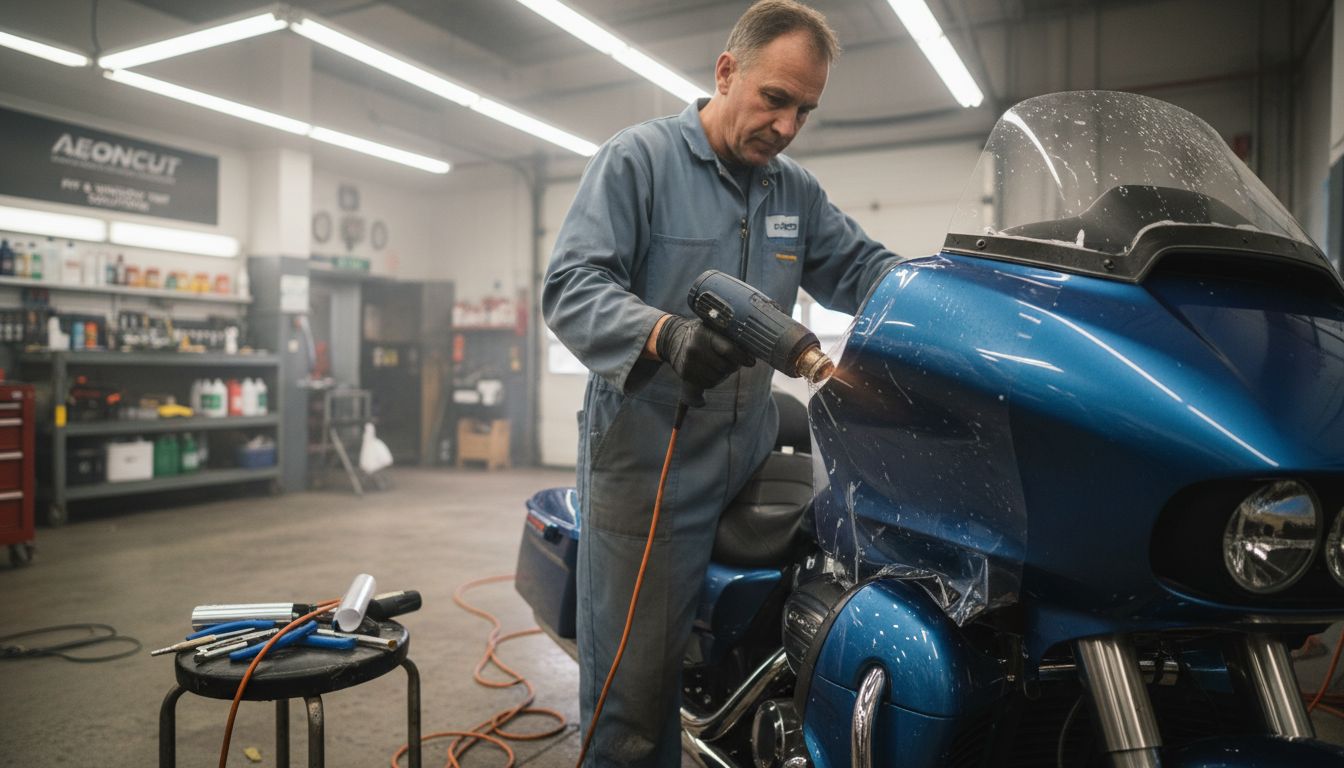
Technical competence separates professional installations from amateur efforts. While DIY enthusiasts might save initial costs, professional services provide comprehensive protection that preserves motorcycle aesthetics and structural integrity. Specialised installers utilise diagnostic tools, environment-controlled workspaces, and advanced application techniques that guarantee superior protection outcomes.
Pro Tip: Invest in professional installation for complex motorcycle surfaces, particularly those with intricate geometries or premium paint finishes to ensure maximum protective performance.
Common Pitfalls And Avoidable Mistakes
Motorcycle protection film installation requires precision and technical understanding. Advanced protective film technologies demand meticulous attention to prevent costly errors that can compromise surface integrity.
Critical installation mistakes to avoid include:
- Surface Preparation Errors:
- Inadequate cleaning
- Presence of dust or debris
- Skipping decontamination processes
- Application Technical Mistakes:
- Improper film tension
- Incorrect temperature conditions
- Uneven stretching
- Poor edge alignment
Installation challenges often stem from insufficient technical knowledge and rushing the process. Inexperienced installers frequently underestimate the complexity of achieving seamless film application. Microscopic imperfections can emerge from uncontrolled environmental conditions, inappropriate tool selection, or limited understanding of film material properties.
Professional installers recognise that motorcycle protection films require sophisticated techniques beyond simple adhesion. Thermal management, precise cutting, and understanding polymer behaviour are crucial for preventing common defects like bubbling, peeling, and uneven coverage. Successful application demands comprehensive training, specialised equipment, and a methodical approach that considers surface geometry and material interactions.
Pro Tip: Invest in professional-grade cleaning solutions and microfibre cloths specifically designed for paint protection film preparation to minimise contaminant risks during installation.
Enhance Motorcycle Protection Film Precision with AEONCUT Software
Achieving flawless motorcycle protection film application requires precision and expert handling to avoid common pitfalls like bubbling, misalignment, or wasted material. This article highlights the importance of professional-grade protection films combined with meticulous installation techniques to preserve your motorcycle’s finish and value. Whether working with ceramic-infused, polyurethane, or self-healing films, optimising cut patterns specifically for your motorcycle’s design is key to a flawless fit.
Unlock next-level accuracy and efficiency by leveraging the powerful Paint Protection Film – AEONCUT PPF Pre-cut Cutting software. AEONCUT’s cloud-based platform offers extensive pattern libraries and AI-driven auto-nesting to minimise waste and ensure perfect contours for all motorcycle protection films. Professional installers and serious enthusiasts can benefit from streamlined workflows combined with customisable designs. Take the guesswork out of your next project and protect your motorcycle with precision-engineered cut solutions available through PPF software – AEONCUT PPF Pre-cut Cutting software. Discover more and upgrade your installation standards today at https://aeoncutsw.com.
Frequently Asked Questions
What is motorcycle protection film and what does it do?
Motorcycle protection film (MPF) is a transparent layer designed to protect motorcycle surfaces from environmental damage, road debris, and minor abrasions. It creates an invisible barrier that maintains the integrity of the original paintwork.
What are the different types of motorcycle protection films available?
The primary types of motorcycle protection films include polyurethane films for cost-effective coverage, ceramic-infused films for superior durability, hydrophobic films for enhanced water repellency, and self-healing films that minimise visible scratches.
How does professional installation differ from a DIY approach for applying protection film?
Professional installation involves specialised tools, controlled environments, and precise techniques that ensure optimal adhesion and coverage. In contrast, DIY installations might lead to mistakes such as bubbling or uneven application due to a lack of technical expertise.
What are the key benefits of using professional-grade motorcycle protection films?
Professional-grade motorcycle protection films provide improved thickness, transparency, UV protection, and chemical resistance, ensuring long-term surface preservation. They are engineered for specific motorcycle brands, guaranteeing a tailored fit and full coverage.
Recommended
- PPF for Motorcycles: 2025 Guide for Installers & Detailers – AEONCUT PPF Pre-cut Cutting software
- How Does PPF Work? Guide for Car Care Pros 2025 – AEONCUT PPF Pre-cut Cutting software
- Understanding Interior Protection Films: Benefits for Luxury Cars – AEONCUT PPF Pre-cut Cutting software
- Clear Bra vs PPF: Key Differences for Detailing Pros 2025 – AEONCUT PPF Pre-cut Cutting software
- Diesel Particulate Filter Maintenance for Professionals – My WordPress