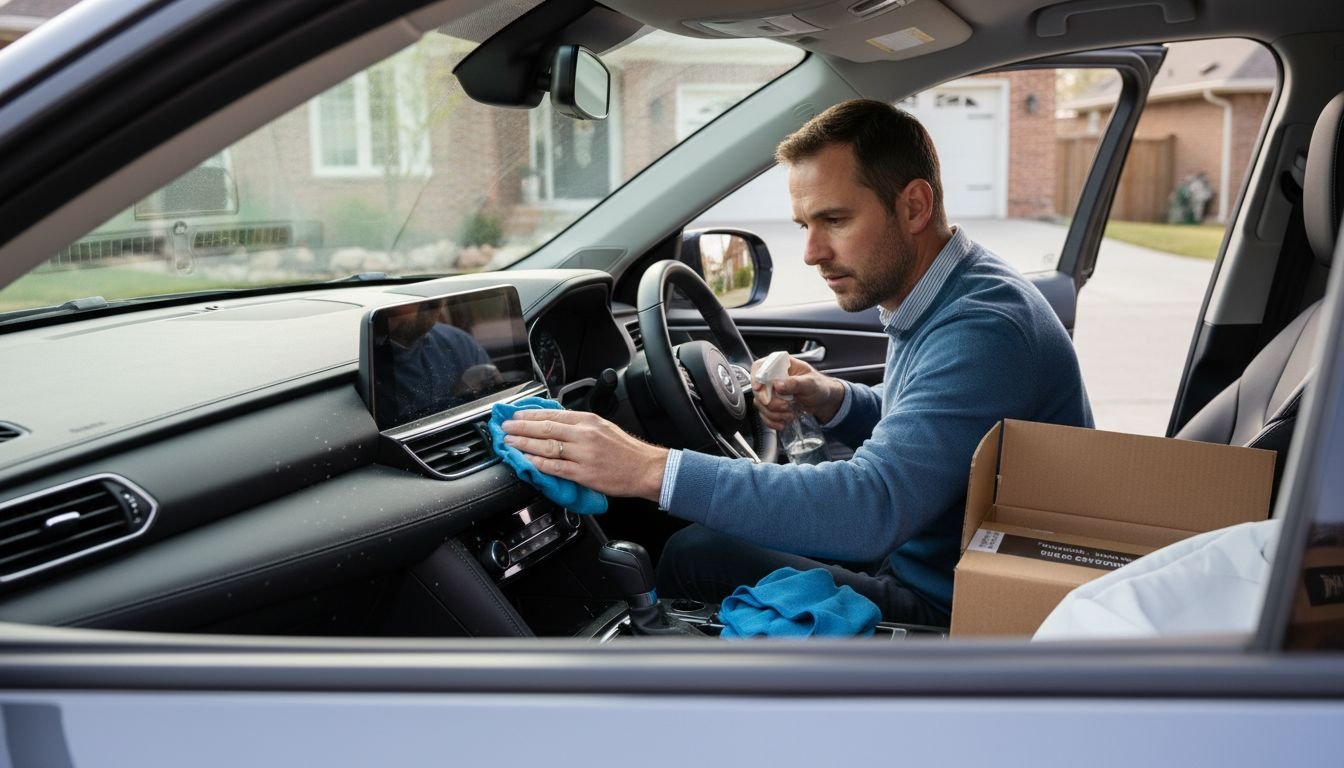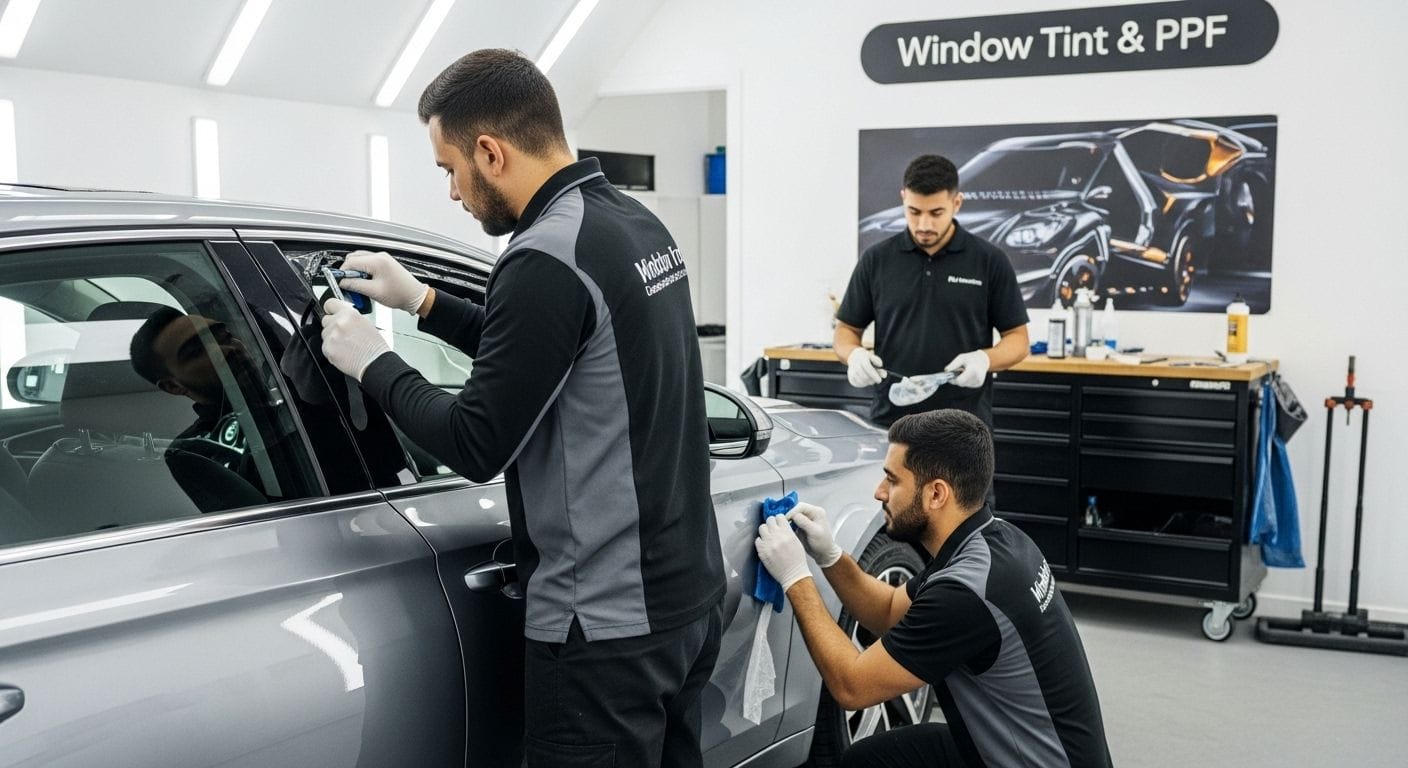
Over 80 percent of british auto detailing businesses now recommend layered car paint treatments to meet rising customer demands. Advanced paint technologies are transforming how professionals protect vehicles from ultraviolet rays, chemical damage, and daily wear. Understanding each coating’s strengths matters more than ever for installers aiming to deliver premium results and secure repeat business. This guide uncovers practical methods and critical details to help experts achieve exceptional finishes and customer loyalty.
Table of Contents
- Defining Car Paint Treatment And Core Concepts
- Comparing Paint Protection Film And Coatings
- Modern Application Methods And Technologies
- Essential Installer Tools And Pattern Software
- Costs, Common Risks, And Mistakes To Avoid
Key Takeaways
| Point | Details |
|---|---|
| Importance of Surface Preparation | Thorough surface preparation is crucial for optimal paint protection performance and longevity. Failing to prepare can lead to adhesion issues and decreased durability. |
| Selection of Coating Technologies | Different protective coatings, such as wax, ceramic, and graphene, offer varied benefits and durability; understanding their attributes is essential for effective application. |
| Advanced Application Techniques | Employing modern application technologies, like robotic spraying and electrostatic processes, enhances precision and reduces material waste, improving overall installation quality. |
| Common Installation Mistakes | Awareness of potential errors during installation, such as inadequate cleaning and bubble entrapment, can minimise risks and enhance client satisfaction through quality craftsmanship. |
Defining Car Paint Treatment and Core Concepts
Automotive paint treatment represents a sophisticated process designed to protect and enhance a vehicle’s exterior finish through strategic layering and protective technologies. Modern automotive paint systems consist of multiple intricate layers including primer, basecoat, and clearcoat, each serving a critical functional purpose in preserving the vehicle’s aesthetic and structural integrity.
The fundamental objective of car paint treatment involves creating a robust protective barrier against environmental degradation, UV radiation, chemical contaminants, and mechanical damage. Contemporary automotive coatings utilise water-based acrylic polyurethane enamels applied with precision robotic technologies, representing a significant advancement from historical paint formulations. The primer layer provides essential corrosion resistance and improves paint adhesion, while the basecoat delivers colour and visual character, and the clearcoat offers critical protection from ultraviolet exposure.
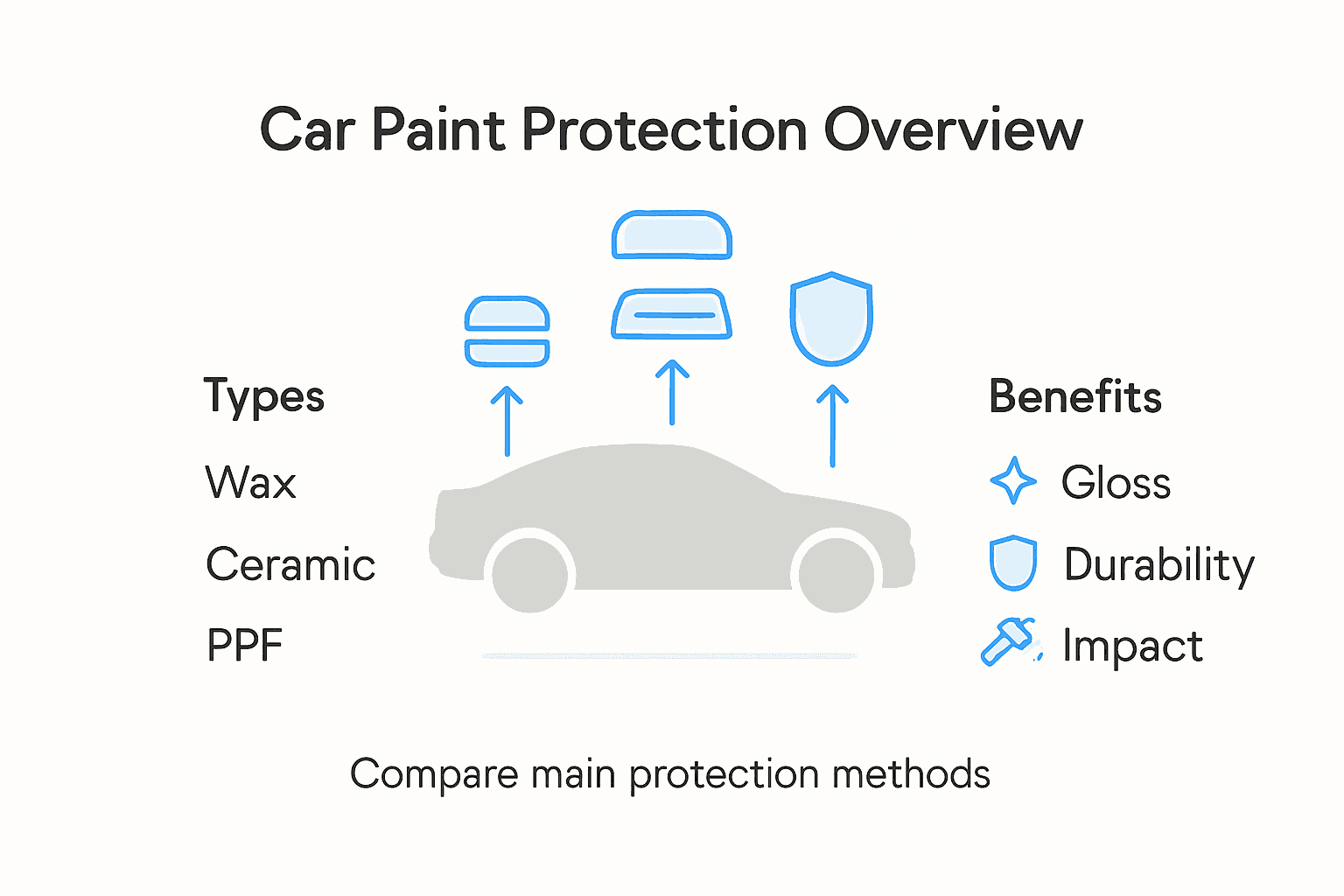
Different protective coating technologies present unique advantages and limitations. Automotive paint protection research highlights multiple categories including traditional wax, advanced ceramic coatings, emerging graphene-based solutions, and hybrid formulations. Wax coatings offer affordable and straightforward application but provide limited durability, whereas ceramic coatings deliver superior hardness, hydrophobic properties, and enhanced resistance to scratches, corrosion, and ultraviolet degradation.
Here is a quick comparison of traditional wax, ceramic coatings, and graphene-based solutions for car paint protection:
| Protection Type | Main Advantage | Typical Longevity | Ideal Application Scenario |
|---|---|---|---|
| Traditional wax | Easy to apply, low cost | 1–3 months | Regular DIY maintenance |
| Ceramic coating | Superior durability and gloss | 2–5 years | Long-term professional protection |
| Graphene coatings | Advanced chemical resistance | 3–7 years | High-end, innovation-focused clients |
Pro tip: Always ensure thorough surface preparation before applying any paint protection treatment to maximise coating performance and longevity.
Comparing Paint Protection Film and Coatings
Paint protection technologies offer distinct approaches to preserving a vehicle’s exterior, with Paint Protection Film (PPF) and ceramic coatings representing two premier solutions for automotive surface preservation. Advanced protective technologies demonstrate unique characteristics that address different aspects of vehicular protection, making the selection process critical for automotive professionals seeking optimal results.
Paint Protection Film (PPF) distinguishes itself through its robust physical defence capabilities. Constructed from thick transparent elastomeric polymers, PPF provides exceptional impact absorption against road debris, gravel strikes, and mechanical abrasions. Its self-healing properties enable minor scratches to recover when exposed to heat, creating a dynamic protective layer that maintains the vehicle’s pristine appearance. Professional installers appreciate PPF’s ability to absorb direct physical impacts without compromising the underlying paint structure.
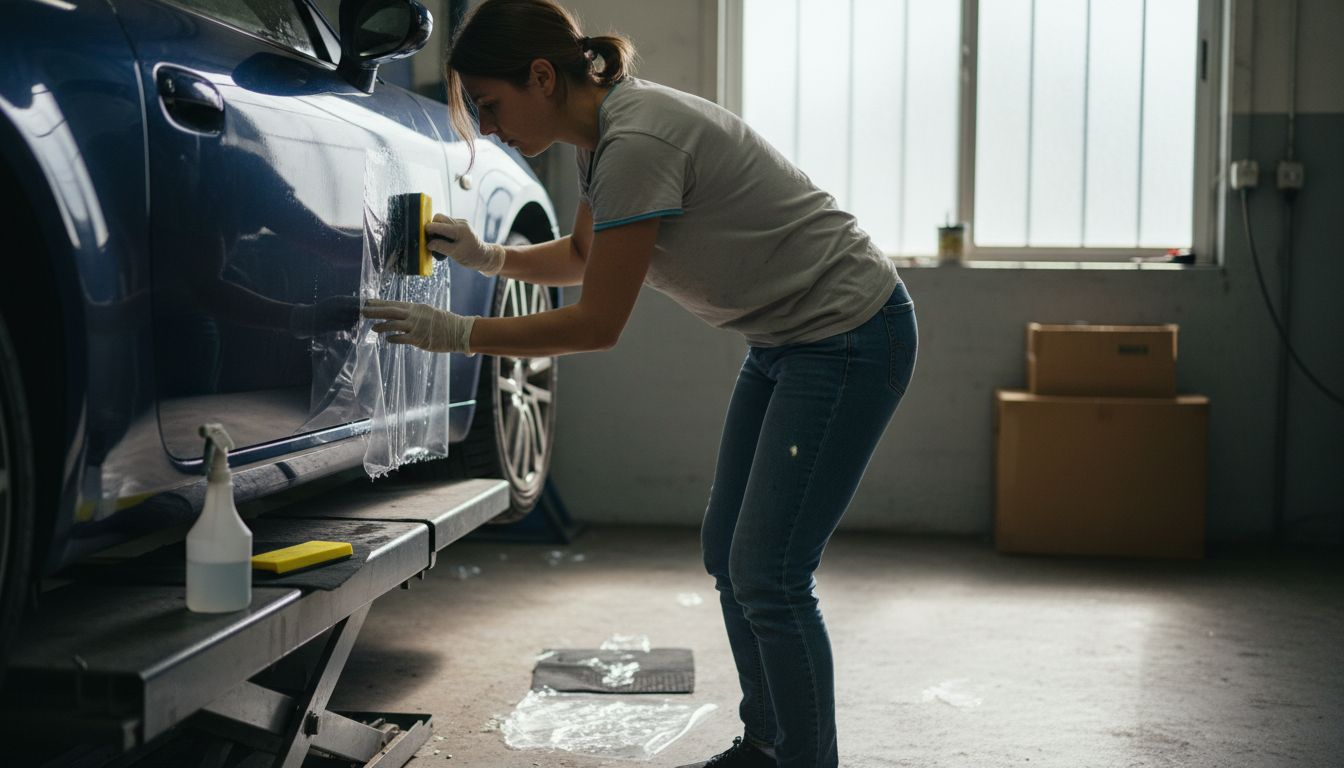
Ceramic coatings, by contrast, offer a chemically bonded protective layer that transforms the vehicle’s clear coat into a hard, glass-like surface. These liquid polymer treatments create comprehensive protection against environmental contaminants, delivering remarkable hydrophobic properties, enhanced UV resistance, and superior chemical defence. While PPF excels in physical protection, ceramic coatings prioritise aesthetic maintenance and long-term surface preservation, providing a glossy finish that repels dirt, water, and potential chemical damage.
Pro tip: Consider combining PPF for physical impact protection with ceramic coating for enhanced aesthetic maintenance to achieve comprehensive vehicular surface defence.
Modern Application Methods and Technologies
Automotive paint protection has evolved dramatically, with cutting-edge application technologies transforming the precision and quality of surface treatments. The modern approach begins with sophisticated body preparation techniques that ensure optimal coating adhesion and long-term durability, moving far beyond traditional manual application methods.
The initial stage involves comprehensive surface preparation, including meticulous degreasing and cleaning processes. Electrodeposition coating provides critical corrosion resistance, creating a foundational protective layer. Advanced application technologies now incorporate electrostatic spraying, airless, and High Volume Low Pressure (HVLP) spraying methods, which dramatically improve paint adhesion while minimising material waste. Professional installers utilise robotic spraying systems that guarantee consistent layer thickness and unprecedented precision.
Emerging automotive paint protection research highlights revolutionary developments in coating technologies. Nanomaterial integration and multifunctional coating compositions are pushing the boundaries of protection, with self-healing smart coatings and zero-VOC biodegradable formulations representing the cutting edge of automotive surface treatment. Sophisticated thermal curing processes and AI-driven quality control systems ensure each application meets exacting standards of durability and aesthetic excellence.
Pro tip: Invest in continuous training and stay updated with the latest application technologies to maintain a competitive edge in automotive paint protection services.
Essential Installer Tools and Pattern Software
Professional paint protection film (PPF) installers require a sophisticated arsenal of tools and technologies to deliver precision and efficiency in automotive surface treatment. Top-tier PPF and tint cutting software has become increasingly crucial in transforming installation workflows, offering unprecedented accuracy and material optimization.
The modern PPF installation toolkit encompasses a range of specialised instruments designed to ensure flawless application. Precision cutting machines, digital pattern design software, infrared heat guns, squeegees with varied edge geometries, and advanced surface preparation tools form the core of a professional installer’s equipment. Computerised cutting systems enable installers to generate custom-fit patterns with millimetre-level precision, dramatically reducing material waste and installation time.
Technological advancements have revolutionised pattern software capabilities, introducing features like cloud-based pattern libraries, AI-driven design optimization, and real-time vehicle model database updates. Professional-grade software now integrates advanced nesting algorithms that maximize material usage, provide instant pattern previews, and support complex multi-piece installations across diverse vehicle models. These digital tools not only enhance installation efficiency but also standardize quality across different vehicles and installer skill levels.
Pro tip: Regularly update your pattern software and invest in comprehensive training to leverage the latest technological innovations in PPF installation.
Costs, Common Risks, and Mistakes to Avoid
Paint protection film (PPF) installation involves intricate technical processes with substantial financial implications and potential risks for automotive professionals. Common PPF installation mistakes can significantly impact the final product quality, client satisfaction, and overall business reputation.
The most critical risks emerge during the installation process, where technical precision is paramount. Inadequate surface preparation represents a fundamental error that can compromise film adhesion and longevity. Professional installers must execute meticulous cleaning protocols, utilizing automotive-specific detergents, clay bars, and isopropyl alcohol wipe-downs to ensure an immaculate surface. Critical risks include trapping air bubbles, misaligning the film, creating wrinkles, and improper edge trimming, which can render the entire installation ineffective and necessitate costly remediation.
For reference, here are common PPF installation errors and their consequences:
| Common Mistake | Consequence | Prevention Strategy |
|---|---|---|
| Inadequate surface cleaning | Poor adhesion, film lift-off | Use clay bar and proper degreasers |
| Air bubble entrapment | Visible blemishes, reduced life | Squeegee with steady pressure |
| Incorrect edge trimming | Edges peel or catch debris | Trim precisely with sharp blades |
| Uncontrolled environment | Dust, debris under film | Work in clean, climate-controlled area |
Professional training and expert guidance dramatically reduce installation failure rates. Beginners frequently underestimate the complexity of PPF application, often selecting low-quality films, mismetering cutting patterns, and exposing installations to environmental contaminants. Controlled installation environments, proper water management during application, and comprehensive understanding of film characteristics are essential to mitigating risks and ensuring superior protective outcomes.
Pro tip: Invest in continuous professional development and maintain a dust-controlled workspace to minimise installation errors and protect your business’s reputation.
Elevate Your Car Paint Treatment with Precision Cutting Solutions
Protecting and enhancing your vehicle’s paint demands more than just quality coatings and careful preparation. Precise pattern cutting plays a vital role in ensuring flawless Paint Protection Film (PPF) application, eliminating common issues such as air bubbles, misalignment, and edge peeling. This article highlights the importance of surface preparation, advanced coatings, and professional installation techniques to boost vehicle longevity and value.
AEONCUT PPF Pre-cut Cutting software offers automotive professionals and enthusiasts an unmatched advantage through expertly crafted pre-cut patterns designed to reduce installation time, minimise material waste, and improve accuracy.
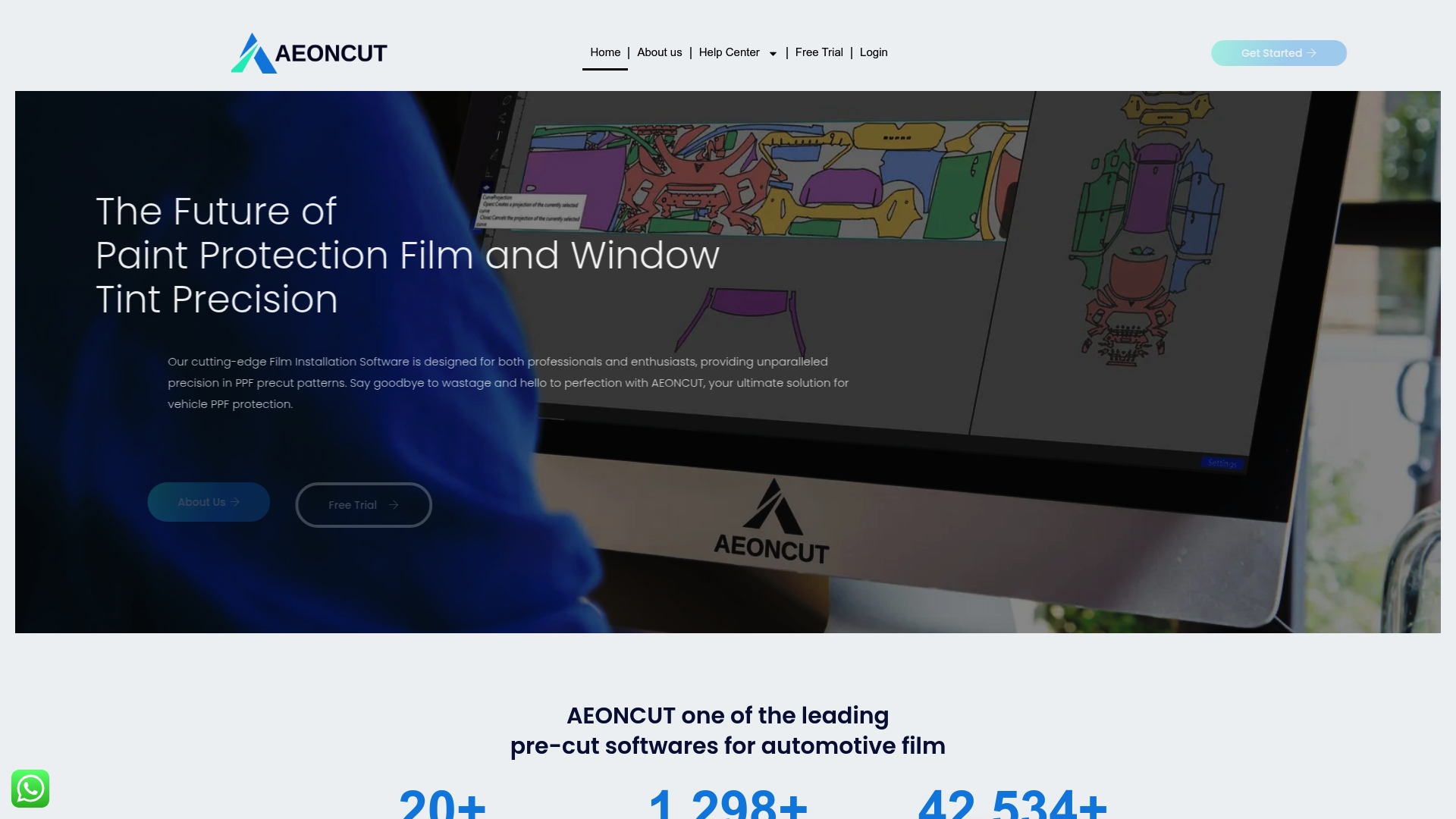
Discover how integrating AEONCUT’s cloud-based pattern library and AI-driven auto-nesting technology can transform your paint protection workflow today. Take control of the installation process to ensure every vehicle receives the high-quality, long-lasting protection it deserves. Visit AEONCUT now and explore our innovative solutions or browse our Featured tools to stay ahead in the automotive paint protection industry.
Frequently Asked Questions
What is car paint treatment?
Car paint treatment is a sophisticated process designed to protect and enhance a vehicle’s exterior finish. It involves applying multiple layers including primer, basecoat, and clearcoat, which serve to preserve aesthetic quality and structural integrity.
What are the benefits of ceramic coatings compared to traditional wax?
Ceramic coatings offer superior durability and gloss compared to traditional wax. They typically last 2–5 years, providing excellent resistance to scratches, corrosion, and UV degradation, whereas wax needs to be reapplied every 1–3 months and has limited durability.
How do Paint Protection Film (PPF) and ceramic coatings differ in terms of protection?
PPF provides robust physical defence against impacts and abrasions, making it ideal for protecting against road debris. In contrast, ceramic coatings chemically bond to the clear coat to offer long-term protection against environmental contaminants, enhancing aesthetic maintenance and providing a glossy finish.
What common mistakes should be avoided during PPF installation?
Common mistakes during PPF installation include inadequate surface cleaning, trapping air bubbles, incorrect edge trimming, and working in uncontrolled environments. These errors can lead to poor adhesion, visible blemishes, and compromised durability. Proper training and meticulous preparation can help mitigate these risks.
Recommended
- Top Paint Protection Film Benefits for Auto Professionals 2025 – AEONCUT PPF Pre-cut Cutting software
- Understanding Paint Protection Film Lifespan: Insights for Professionals 2025 – AEONCUT PPF Pre-cut Cutting software
- PPF Versus Ceramic Coating: Best Choice for Automotive Pros 2025 – AEONCUT PPF Pre-cut Cutting software
- How Does PPF Work? Guide for Car Care Pros 2025 – AEONCUT PPF Pre-cut Cutting software