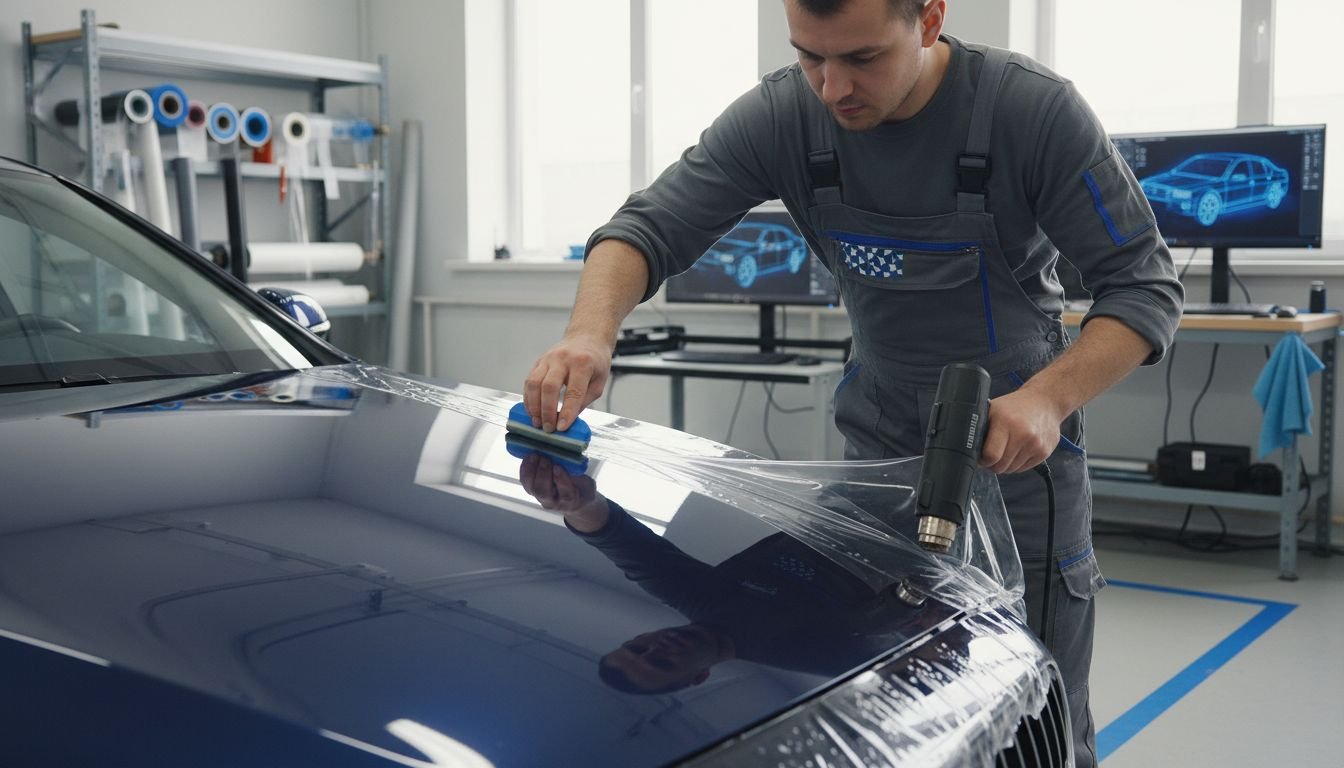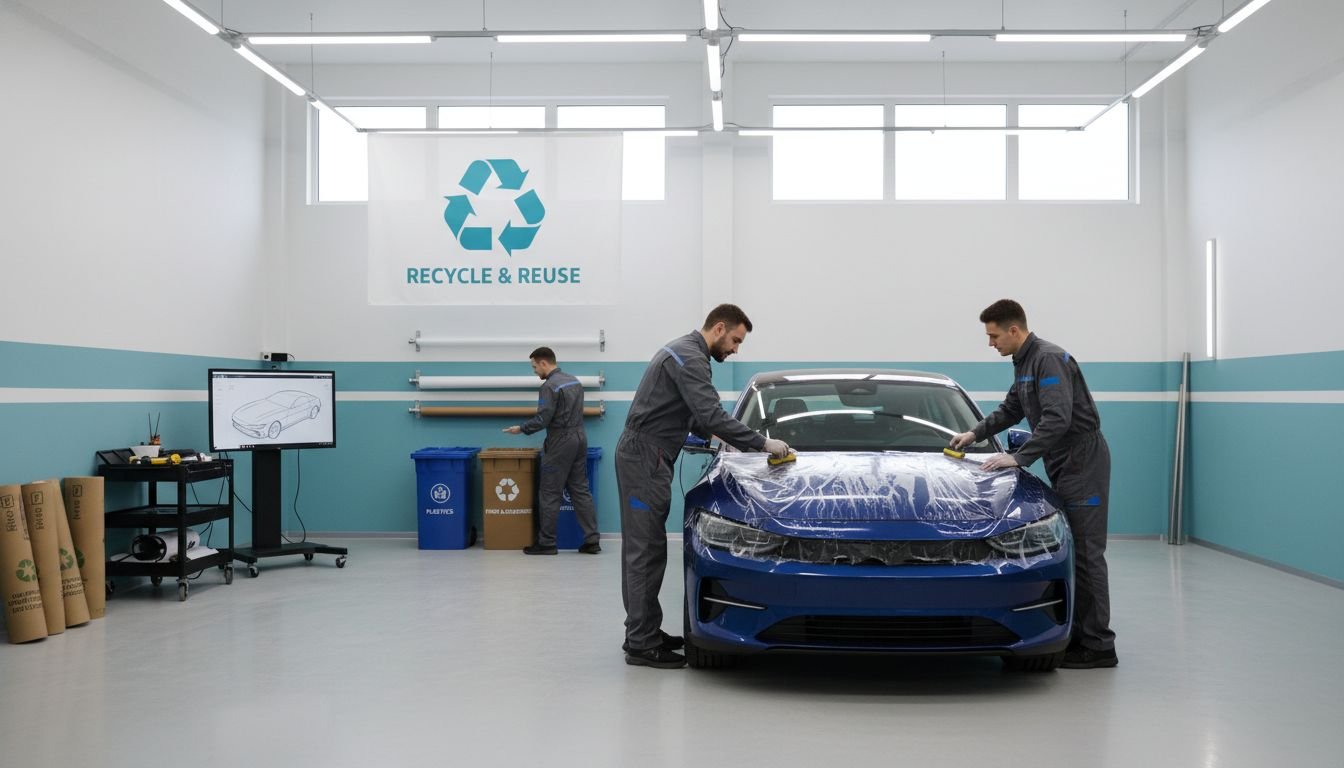
Protecting a client’s vehicle interior goes beyond mere aesthetics—it demands expert strategies that preserve value and withstand everyday hazards. As modern automotive fabrics and coatings evolve to deliver heightened safety, comfort, and durability, installers face growing pressure to deliver seamless, long-lasting results with minimal material waste. Whether focusing on advanced protective coatings or cutting-edge application techniques, this guide arms you with insights to help elevate your interior protection services while reducing costly errors and waste.
Table of Contents
- What Interior Car Protection Involves
- Major Types of Interior Car Protection
- Evaluating Performance And Material Compatibility
- Installation Approaches And Application Techniques
- Mistakes, Risks, And Product Limitations
Key Takeaways
| Point | Details |
|---|---|
| Comprehensive Protection Strategy | Interior car protection is essential for preserving surfaces against damage, UV radiation, and wear, ultimately maintaining the vehicle’s resale value. |
| Diverse Protection Methods | Various methods, including protective films, ceramic coatings, and fabric sealants, offer tailored defence for different interior materials. |
| Importance of Professional Application | Proper installation techniques and material compatibility assessments are crucial for maximising the effectiveness of protective treatments. |
| Awareness of Limitations | Protective treatments require ongoing maintenance and reassessment, as no solution provides indefinite protection against wear and degradation. |
What Interior Car Protection Involves
Interior car protection represents a comprehensive approach to preserving vehicle interior surfaces and materials against damage, wear, and environmental degradation. Automotive interior fabrics have evolved dramatically, integrating advanced technologies to enhance safety, durability, and aesthetic appeal.
The core objectives of interior car protection encompass multiple strategic elements:
- Preventing material degradation
- Reducing wear and tear
- Maintaining original aesthetic quality
- Protecting against UV radiation
- Minimising environmental damage
- Preserving vehicle resale value
Modern interior protection strategies involve sophisticated techniques including specialised protective films, treatments, and coatings designed to shield different surfaces like leather, fabric, vinyl, and plastic components. These advanced solutions provide multilayered defence against potential damage sources such as sunlight exposure, heat, moisture, and physical abrasion.
Professional installers utilise precision techniques to apply protective layers that are nearly invisible while offering robust defence. Protective treatments can repel liquids, resist staining, and create a barrier against ultraviolet radiation that typically causes interior materials to fade or degrade prematurely.
Pro tip: Consider professional interior protection treatments as a strategic investment that can potentially extend your vehicle’s interior lifespan by several years.
Major Types of Interior Car Protection
Automotive interior protection encompasses several sophisticated approaches designed to preserve vehicle surfaces and materials. Automotive coatings have evolved to provide comprehensive defence against environmental and physical degradation, offering vehicle owners multiple protective strategies.
The primary categories of interior car protection include:
- Protective Films: Transparent layers applied to high-wear surfaces
- Ceramic Coatings: Advanced chemical treatments for surface preservation
- Fabric Sealants: Specialised treatments for textile surfaces
- Leather Conditioners: Protective treatments for leather upholstery
- UV Blocking Solutions: Materials preventing sun-related damage
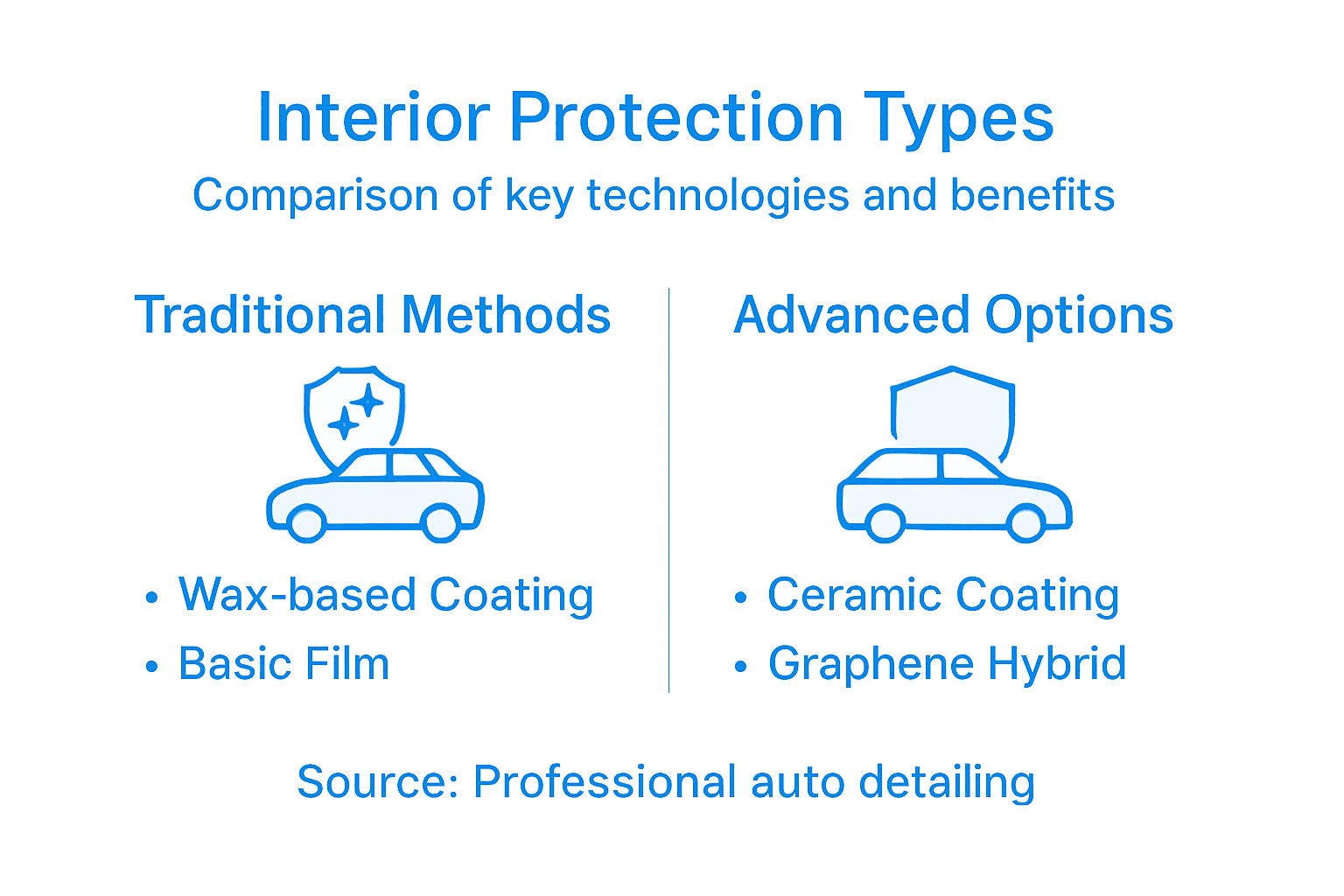
Wax-based Coatings represent the most basic protection method, offering affordable and straightforward application. These coatings provide a fundamental barrier against minor scratches and environmental contaminants, though they typically have limited durability compared to more advanced solutions.
Ceramic Coatings represent a significant technological advancement in interior protection. These sophisticated treatments offer exceptional hardness, hydrophobic properties, and robust resistance against UV degradation. While more expensive and complex to apply, ceramic coatings provide substantially longer-lasting protection compared to traditional wax-based alternatives.
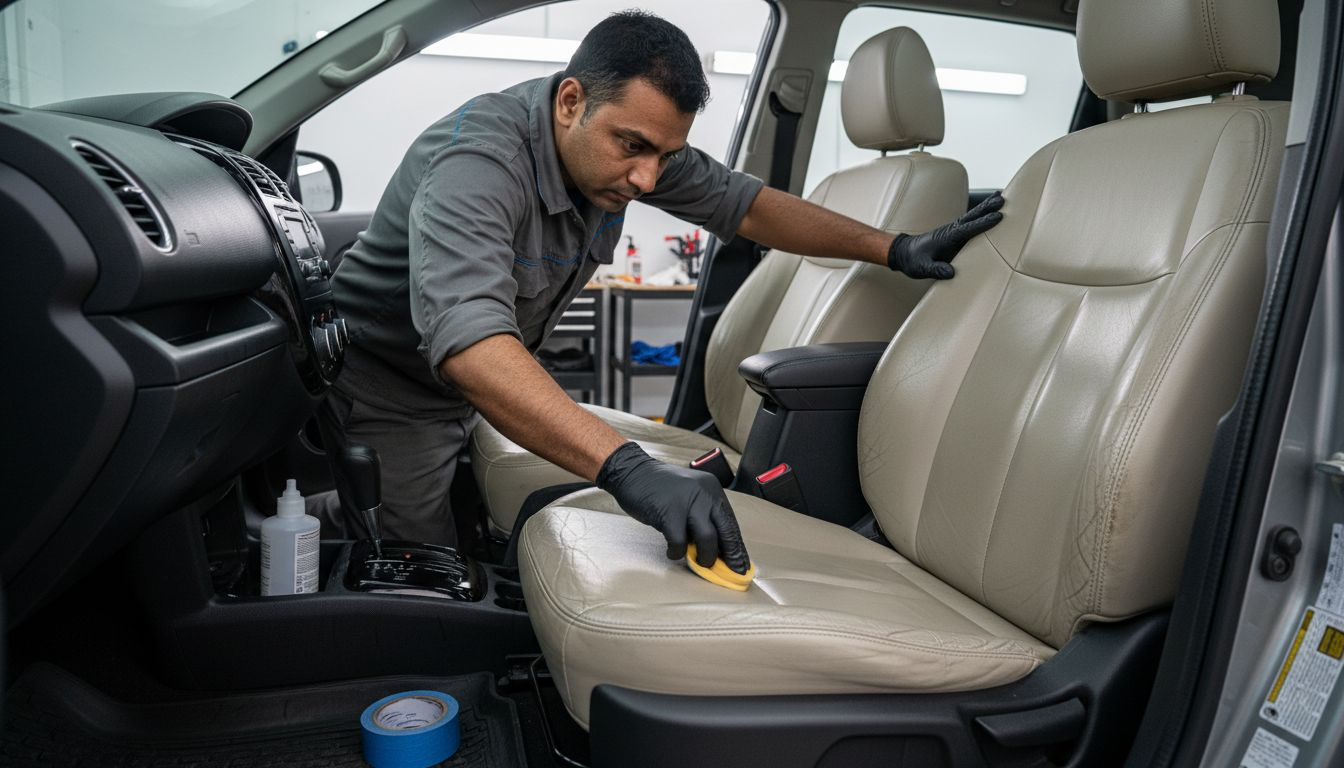
Emerging graphene-based and hybrid coatings are pushing the boundaries of interior protection technology. These innovative materials promise multifunctional benefits, including enhanced thermal stability, self-healing properties, and superior resistance to wear and environmental stress.
Here is a comparison of popular interior car protection methods and their unique benefits:
| Protection Method | Primary Benefit | Longevity | Typical Application Cost |
|---|---|---|---|
| Wax-based Coating | Basic scratch resistance | Short-term (6–12 months) | Low (£30–£80) |
| Ceramic Coating | Superior UV and abrasion defence | Long-term (2–5 years) | Moderate (£200–£600) |
| Graphene Hybrid Coating | Enhanced thermal stability | Extended (3–7 years) | High (£400–£1,200) |
| Fabric Sealant | Improved stain protection | Medium-term (1–2 years) | Low (£40–£100) |
Pro tip: Consult professional installers who can recommend the most suitable interior protection treatment based on your specific vehicle’s materials and usage patterns.
Evaluating Performance and Material Compatibility
Interior car protection requires meticulous assessment of both coating performance and material interactions. Performance evaluation of protection coatings demands comprehensive analysis across multiple critical parameters to ensure optimal preservation of vehicle interiors.
Key evaluation criteria for interior protection treatments include:
- Chemical composition analysis
- Surface adhesion characteristics
- Resistance to environmental stressors
- Compatibility with different material substrates
- Long-term durability measurements
- Visual aesthetic preservation
The assessment process involves rigorous testing of protective treatments across several fundamental performance dimensions. Hardness measurements determine the coating’s ability to resist physical abrasion, while hydrophobic properties evaluate water and liquid repellence. Critical parameters like scratch resistance and UV defence provide comprehensive insights into the treatment’s protective capabilities.
Material compatibility represents a crucial aspect of interior protection evaluation. Different upholstery materials – including leather, vinyl, and synthetic fabrics – require tailored protection strategies. Professional installers must carefully analyse how protective treatments interact with specific surface compositions, ensuring that the coating enhances rather than damages the underlying material.
Advanced evaluation techniques now incorporate sophisticated diagnostic tools that measure microscopic changes in material structure, thermal stability, and chemical bonding. These precision assessments help identify the most appropriate protection strategies for specific vehicle interior environments.
Pro tip: Request comprehensive material compatibility testing reports from protection treatment manufacturers before application to guarantee optimal performance and preservation.
Installation Approaches and Application Techniques
Successful interior car protection demands precise installation techniques that ensure comprehensive coverage and long-lasting performance. How to Train New Installers effectively involves understanding multiple critical application methodologies.
Primary installation approaches for interior protection treatments include:
- Precision surface preparation
- Temperature-controlled application
- Controlled humidity environments
- Systematic material handling
- Microscopic inspection techniques
- Graduated application methods
Surface preparation represents the foundational stage of any successful installation. Professionals must thoroughly clean and degrease the interior surfaces, removing microscopic contaminants that could compromise coating adhesion. This process typically involves specialised cleaning solutions, lint-free cloths, and methodical cleaning techniques that eliminate potential barriers to effective treatment.
Application techniques require extraordinary precision and professional-grade equipment. Installers must maintain consistent pressure, temperature, and humidity levels during the treatment process. Advanced tools like precision applicators, infrared temperature sensors, and microscopic inspection equipment help ensure uniform coverage and optimal bonding between the protective layer and the underlying surface.
Modern installation processes increasingly leverage technology-driven approaches. Digital mapping, computer-aided design, and advanced software tools enable installers to create highly customised protection strategies that account for unique vehicle interior geometries and specific material requirements.
The table below outlines critical factors influencing effective interior protection installation:
| Key Installation Factor | Impact on Durability | Professional Recommendation |
|---|---|---|
| Surface Cleanliness | Maximises coating adhesion | Use specialty cleaners before application |
| Temperature Regulation | Prevents premature curing | Apply in climate-controlled area |
| Material Adaptation | Avoids surface incompatibility | Evaluate specific interior materials |
| Equipment Precision | Ensures even layer coverage | Employ calibrated tools and sensors |
Pro tip: Invest in continuous training and calibration of installation equipment to maintain consistent, high-quality protection application across different vehicle interiors.
Mistakes, Risks, and Product Limitations
Interior car protection treatments are not infallible, and understanding potential pitfalls is crucial for maintaining optimal vehicle preservation. Product limitations in car interior protection reveal complex challenges that demand professional attention and strategic management.
Common mistakes and risks in interior protection include:
- Inadequate surface preparation
- Incorrect application techniques
- Using incompatible chemical treatments
- Overlooking manufacturer-specific instructions
- Neglecting regular maintenance
- Applying treatments in unsuitable environmental conditions
Application errors can severely compromise the effectiveness of protective treatments. Professional installers must carefully avoid common pitfalls such as applying treatments too thickly, which can create uneven surfaces, or using harsh chemicals that might damage underlying materials. Overheating during application can also permanently alter material properties, rendering the protective layer ineffective.
Product limitations manifest through gradual performance degradation. Even high-quality protective treatments experience reduced effectiveness over time, with factors like UV exposure, frequent use, and environmental stress contributing to material breakdown. Vehicle owners must understand that these treatments are not permanent solutions but rather strategic interventions requiring periodic reassessment and potential reapplication.
Technological advances continue to mitigate these risks, with emerging protective technologies offering more robust, longer-lasting solutions. However, realistic expectations remain crucial – no single treatment can provide indefinite protection against all potential forms of interior wear and damage.
Pro tip: Schedule periodic professional inspections to assess the ongoing effectiveness of your interior protection treatments and identify potential maintenance requirements.
Protect Your Car Interior with Precision and Efficiency
Maintaining your vehicle’s interior against wear and costly repairs demands not only the right protective treatments but also flawless application tools. This article highlights the challenges of ensuring material compatibility, achieving durable coatings, and preventing premature fading. If you are a professional installer or an automotive enthusiast seeking to elevate your car protection results, AEONCUT offers cutting-edge solutions perfectly aligned with these needs.
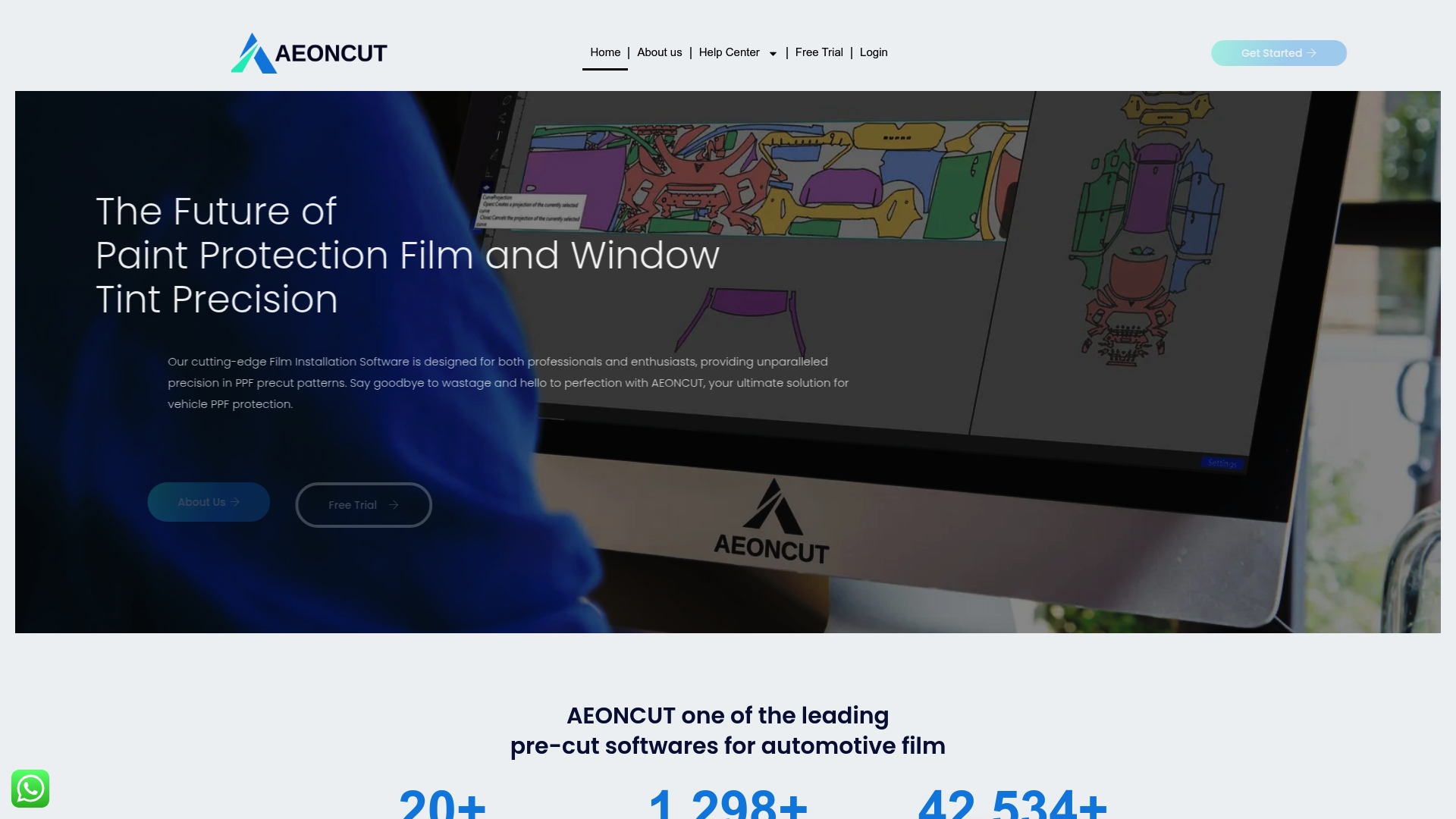
Discover how AEONCUT’s advanced software for Paint Protection Film – AEONCUT PPF Pre-cut Cutting software and window Tint – AEONCUT PPF Pre-cut Cutting software empowers you to deliver precise pre-cut patterns that reduce material waste and ensure perfect fitment. This precision directly contributes to longer-lasting interior and exterior protection. Take control of your installations with AEONCUT’s cloud-based, AI-driven technology today and experience the difference in efficiency and quality. Visit https://aeoncutsw.com now to choose the plan that best suits your professional goals and start minimising costly repairs with confidence.
Frequently Asked Questions
What are the main benefits of interior car protection?
Interior car protection helps prevent material degradation, reduces wear and tear, maintains the original aesthetic quality, protects against UV radiation, minimises environmental damage, and preserves vehicle resale value.
How do ceramic coatings differ from wax-based coatings for interior protection?
Ceramic coatings offer superior UV and abrasion defence, providing long-lasting protection (2-5 years), while wax-based coatings offer basic scratch resistance for a short term (6-12 months) and are generally less durable.
Why is surface preparation crucial for applying interior protection treatments?
Surface preparation is essential as it maximises coating adhesion by removing contaminants that can compromise the effectiveness of protective treatments, ensuring the best performance and longevity.
What common mistakes should be avoided when applying interior protection treatments?
Common mistakes include inadequate surface preparation, incorrect application techniques, using incompatible chemical treatments, overlooking manufacturer-specific instructions, and neglecting regular maintenance, all of which can reduce the effectiveness of the protection.
Recommended
- Understanding Interior Protection Films: Benefits for Luxury Cars – AEONCUT PPF Pre-cut Cutting software
- Understanding Why Interior Protection Films Are the Next Big Trend in Car Care – AEONCUT PPF Pre-cut Cutting software
- Understanding Interior Protection Films: Benefits for Luxury Cars – AEONCUT PPF Pre-cut Cutting software
- Understanding Interior Protection Films: Benefits for Luxury Cars – AEONCUT PPF Pre-cut Cutting software
- Car Wrapping London | Vehicle Wrapping London | Promo Signs LTD
- Strojové čistenie garáží: Ako sa zbaviť oleja a soli z áut
- Prevleke za avto | megamiska.eu