Trying to budget for car window tinting can leave you puzzled by a wide range of prices and confusing choices. With costs heavily influenced by your location, film type, installer expertise, and even your vehicle size, it is easy to pay more than you should or settle for the wrong option. There is more to the final price than just sticker shock—regional market conditions, local legal regulations, and material quality all come into play.
This guide will show you how to make smart, cost-effective decisions for your specific situation. You will discover the key factors that shape window tinting prices, plus tips to help you compare options with confidence. Each point will reveal a practical strategy or insight so you get the best outcome for your car and your wallet.
Table of Contents
- 1. Understanding Regional Price Variations
- 2. Factors Affecting Tinting Prices
- 3. Comparing Professional And DIY Costs
- 4. Choosing Film Types For Cost Efficiency
- 5. How Vehicle Size Impacts Price
- 6. Negotiating Supplier Deals
- 7. Using Software Tools For Accurate Quotes
Quick Summary
| Takeaway | Explanation |
|---|---|
| 1. Regional prices vary significantly | Car window tinting prices can fluctuate by up to 40% based on geographical location due to market dynamics. |
| 2. Material and vehicle factors impact costs | Window film type, vehicle size, and the number of windows are key considerations affecting overall tinting expenses. |
| 3. Professional installation offers long-term benefits | Investing in professional services ensures quality application and compliance, reducing the risk of costly errors in DIY projects. |
| 4. Film choice influences value | Selecting the right window tint film affects performance and durability, which impacts long-term cost efficiency. |
| 5. Negotiation and technology improve pricing | Effective supplier negotiations and advanced software tools can enhance price accuracy and reduce costs for installers. |
1. Understanding Regional Price Variations
Car window tinting prices are far from uniform across different regions. Your location plays a crucial role in determining how much you will pay for professional window tinting services.
Local market dynamics significantly influence pricing structures. Regional market conditions create substantial variations in window tinting costs due to several key factors:
- Labour rates: Different regions have varying wage standards
- Cost of living: Urban centres typically charge higher prices
- Local demand: Areas with more automotive customisation interest see competitive pricing
- Legal regulations: Tint darkness restrictions impact installation complexity
Your geographical location can cause window tinting prices to fluctuate by up to 40% compared to national averages.
Professional installers adjust their pricing based on:
- Local overhead expenses
- Competition in the marketplace
- Regional supply chain costs
- Specialised market expertise
To navigate these variations effectively, research local prices and request multiple quotes from reputable installers in your specific region.
Professional Advice: Always compare at least three professional quotes to understand the true regional pricing landscape and ensure you receive fair market rates.
2. Factors Affecting Tinting Prices
Window tinting prices are not a one-size-fits-all proposition. Understanding the various elements that influence the final cost will help you make an informed decision about your vehicle’s window treatment.
Multiple factors contribute to the overall expense of car window tinting. These range from material selection to vehicle-specific requirements:
- Window film type: Premium ceramic films cost more than standard dyed options
- Vehicle size: Larger vehicles require more material and labour
- Number of windows: Complete vehicle coverage increases total price
- Legal restrictions: Local tinting regulations impact installation complexity
Professional window tinting involves more than simply applying a film layer.
Key pricing considerations include:
- Material quality and performance
- Vehicle make and model specifics
- Complexity of installation
- Local market rates for professional services
The complexity of window tinting means that prices can vary dramatically based on these interconnected factors. Some installations might require additional preparation or specialised techniques.
Professional Advice: Request detailed quotes from multiple installers and compare not just price but also the quality of materials and installation expertise.
3. Comparing Professional and DIY Costs
Deciding between professional window tinting and a do-it-yourself approach involves more than just comparing price tags. Each option presents unique advantages and potential pitfalls for vehicle owners.
The cost spectrum for window tinting ranges dramatically. Professional tinting services typically range from £150 to £800 depending on vehicle size and film quality.
Professional Installation Advantages:
- Guaranteed quality with expert application
- Comprehensive warranties against defects
- Compliance with local tinting regulations
- Precise and even film placement
Professional installation ensures a flawless finish that DIY methods rarely achieve.
DIY Costs and Considerations:
- Kit prices between £50 to £100
- High risk of imperfect application
- No professional warranty coverage
- Potential need for costly corrections
Key Cost Factors include material quality, vehicle complexity, and installer expertise. DIY might seem cheaper initially but can result in expensive mistakes.
Professional Advice: Invest in professional tinting if you value long-term quality over short-term savings, especially for complex vehicle window configurations.
4. Choosing Film Types for Cost Efficiency
Window tinting involves more than selecting the cheapest option. Your film choice directly impacts long-term value and vehicle protection.
Window tint film selection ranges from budget-friendly to premium solutions with distinct performance characteristics.
Tint Film Types by Cost and Performance:
- Dyed Films: Lowest cost, limited heat rejection
- Metalized Films: Moderate pricing, improved heat blocking
- Carbon Films: Better heat rejection, moderate price
- Ceramic Films: Premium option with superior performance
The most expensive film is not always the most cost-effective solution.
Cost Efficiency Considerations:
- Initial purchase price
- Long-term durability
- Heat rejection capabilities
- UV protection levels
Key Performance Metrics include material longevity, heat reduction, and potential energy savings. Ceramic films might seem expensive initially but often provide better value over time.
Professional Advice: Calculate the total cost of ownership by considering film durability and performance, not just the upfront installation price.
5. How Vehicle Size Impacts Price
Window tinting costs are not uniform across different vehicle types. The size of your vehicle plays a significant role in determining the total installation expense.
Vehicle window surface area directly influences tinting prices through material and labour requirements.
Vehicle Size Price Breakdown:
- Sedans: Smallest windows, lowest tinting cost
- Coupes: Compact design, moderate pricing
- SUVs: Larger windows, higher material costs
- Vans and Trucks: Most expensive tinting option
Larger vehicles require more film and increased installation time.
Pricing Factors by Vehicle Category:
- Total window surface area
- Number of individual windows
- Window complexity and shape
- Labour time required
Key Cost Determinants include glass surface measurements and installation intricacy. Expect price variations of 50-200% between compact and larger vehicle models.
Professional Advice: Request specific quotes based on your exact vehicle make and model to get the most accurate pricing estimate.
6. Negotiating Supplier Deals
Successful window tinting businesses understand that strategic supplier negotiations can dramatically reduce operational costs. Your ability to negotiate effectively directly impacts your pricing and profitability.
Automotive tinting film markets offer multiple opportunities for cost reduction through intelligent purchasing strategies.
Negotiation Strategy Elements:
- Bulk purchasing reduces per-unit film costs
- Long-term contracts provide pricing stability
- Relationship management unlocks preferential terms
- Volume commitments create leverage with suppliers
Strategic negotiations can reduce material costs by up to 25 percent.
Key Negotiation Approaches:
- Research current market rates
- Understand supplier profit margins
- Demonstrate consistent business potential
- Request volume-based discounts
Key Negotiation Principles include understanding market dynamics and presenting your business as a valuable long-term partner. Suppliers are more likely to offer competitive rates to reliable customers.
Professional Advice: Develop comprehensive market knowledge and build strong relationships with multiple suppliers to create competitive negotiation environments.
7. Using Software Tools for Accurate Quotes
Technology has transformed how window tinting professionals generate precise customer quotes. Modern software solutions offer unprecedented accuracy in estimating installation costs.
Window tinting quote tools help businesses streamline their pricing strategies with remarkable efficiency.
Key Software Capabilities:
- Automated measurements for precise film requirements
- Vehicle database with comprehensive model specifications
- Regional pricing integration
- Regulatory compliance checks
Digital tools eliminate guesswork from pricing calculations.
Quote Generation Process:
- Input vehicle make and model
- Select desired tint specification
- Review automated cost breakdown
- Generate professional quote document
Key Technological Advantages include reduced estimation time, improved accuracy, and enhanced customer transparency. Software tools provide installers with data-driven pricing strategies.
Professional Advice: Invest in robust software solutions that offer comprehensive vehicle databases and real-time pricing updates to maintain competitive pricing structures.
Below is a comprehensive table summarising the key points discussed in the article regarding factors and considerations pertinent to car window tinting costs and options.
| Aspect | Details | Considerations |
|---|---|---|
| Regional Price Variations | Costs vary by region based on market factors | Labour rates, cost of living, and demand impact pricing |
| Factors Influencing Costs | Material type, vehicle size, number of windows | Select based on budget, legal compliance, and desired performance |
| Professional VS DIY Options | Professional services offer quality and warranties; DIY is less costly but riskier | Consider complexity of the job and potential corrective expenses |
| Choosing Film Types | Various films offer distinct features and performance | Balance initial cost with long-term benefits such as UV protection |
| Impact of Vehicle Size | Larger vehicles are more expensive due to increased materials | Obtain specific quotes for accurate estimation |
| Negotiating Supplier Rates | Leverage bulk orders, contracts, and relationships to reduce costs | Research and build partnerships for optimal negotiation |
| Utilising Software Tools | Employ technology for accurate pricing and efficiency | Automated calculations enhance precision and customer trust |
Unlock Precise Window Tinting Efficiency with AEONCUT’s Advanced Software
Navigating the complex pricing landscape of car window tinting demands precision and efficiency. From understanding regional price variations to selecting the ideal film type and factoring in vehicle size, installers and enthusiasts alike face challenges that impact both cost and quality. AEONCUT’s window Tint – AEONCUT PPF Pre-cut Cutting software provides a transformative solution by delivering accurate pre-cut patterns that minimise material waste and reduce labour time. This empowers professionals and DIY users to maintain competitive pricing while ensuring flawless application.
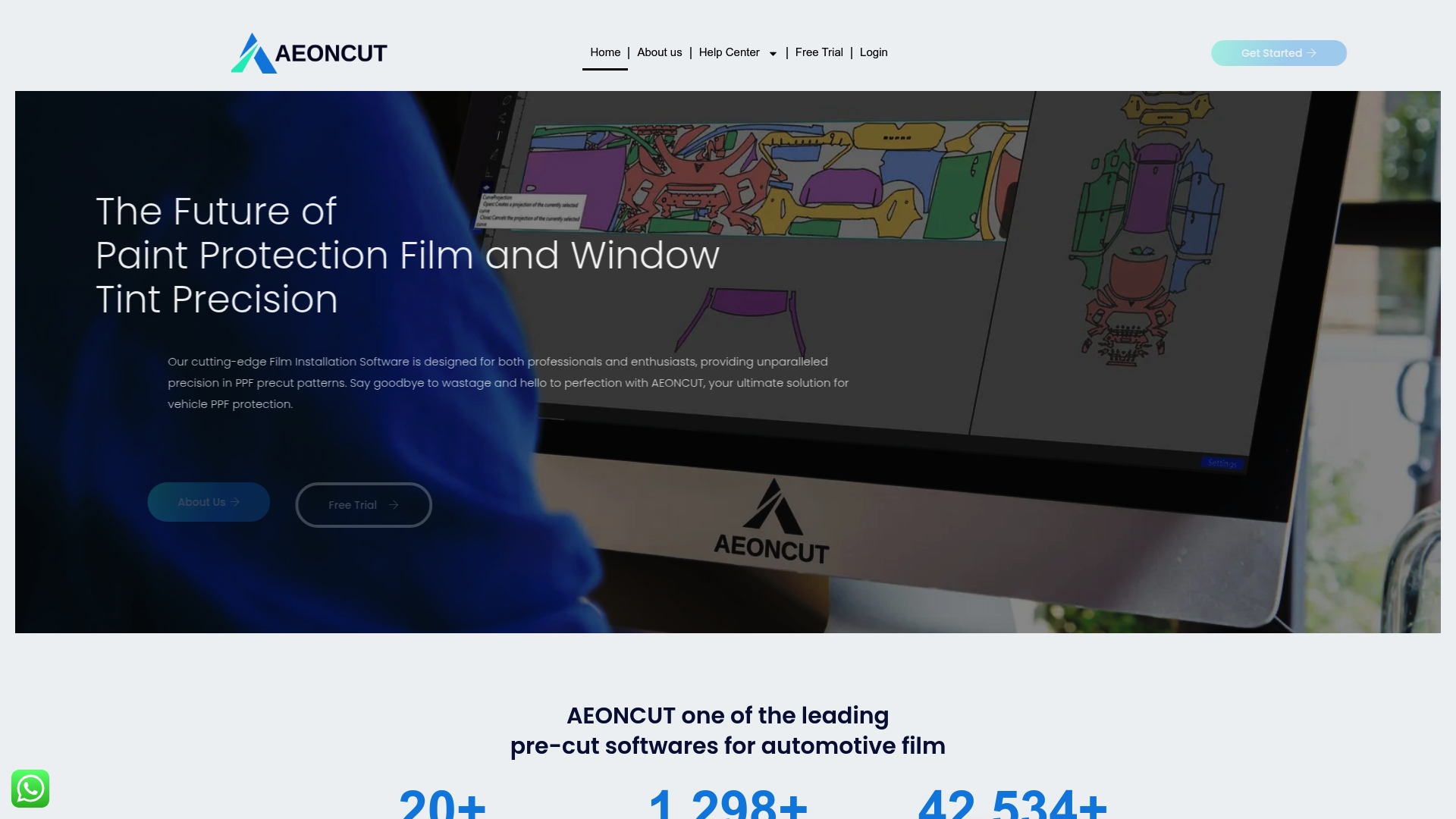
Take control of tinting costs and installation quality today by exploring AEONCUT’s innovative cutting software. Benefit from extensive pattern libraries, AI-driven nesting, and cloud updates all designed to enhance your workflow and boost your business profitability. Visit aeoncutsw.com now and experience the future of automotive window tinting precision.
Frequently Asked Questions
How do regional differences affect car window tinting prices near me?
Car window tinting prices can vary significantly based on your location due to factors like local labour rates, cost of living, and local demand. Research local prices and obtain multiple quotes to understand the specific pricing landscape in your area.
What factors should I consider when evaluating car window tinting costs?
When assessing car window tinting costs, consider material quality, the size and type of your vehicle, and the number of windows being tinted. Request detailed quotes from several installers to compare their prices alongside the quality of materials offered.
Is it more cost-effective to choose professional installation or to attempt DIY window tinting?
While DIY window tinting may appear cheaper initially, professional installation typically ensures better quality and adherence to local regulations. If you’re concerned about long-term quality, consider investing in professional services to avoid costly mistakes down the line.
How does the choice of window film impact the overall price of tinting?
The type of window film you choose directly affects both the initial cost and long-term performance. Opt for films that provide better heat rejection and UV protection for long-lasting value, even if they come at a higher upfront cost.
Why does the size of my vehicle influence tinting prices?
The size of your vehicle significantly impacts tinting costs due to variations in window surface area and the amount of film and labour required. Larger vehicles, such as SUVs and vans, typically incur higher costs than smaller cars, so get specific quotes based on your vehicle’s make and model.
How can I negotiate better prices for window tinting services?
To negotiate better prices for window tinting services, research current market rates and be clear about your needs. Demonstrating consistent business potential can help in securing volume discounts, which could lower costs by as much as 25%.
Recommended
- Cost of Window Tinting: 2025 Guide for Installers – AEONCUT PPF Pre-cut Cutting software
- How Window Tint Works: Essential Guide for Auto Professionals 2025 – AEONCUT PPF Pre-cut Cutting software
- Types of Window Tint: Guide for Installers and Dealers 2025 – AEONCUT PPF Pre-cut Cutting software
- What is Window Tint? Essential Guide for Tinting Pros 2025 – AEONCUT PPF Pre-cut Cutting software