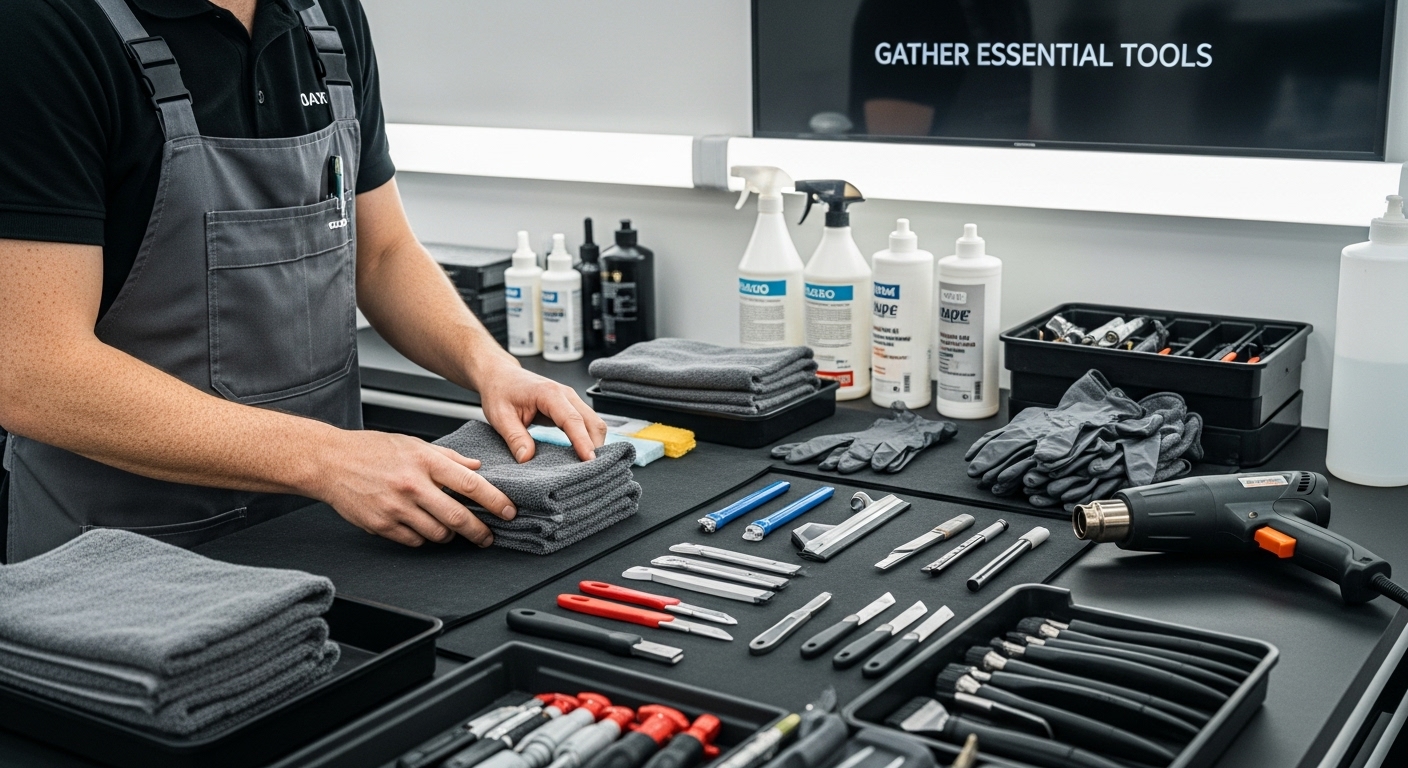
Clients often arrive with strong opinions about paint protection film, expecting flawless performance but misunderstanding its real limitations. For every benefit, misconceptions persist that can damage trust or lead to costly disputes if not addressed directly. By exploring the true drawbacks of PPF, you gain the clarity needed to guide American and Canadian customers, set accurate expectations, and deliver services that distinguish your expertise from less-informed competitors.
Table of Contents
- Paint Protection Film – Definition And Misconceptions
- Types Of PPF And Typical Applications
- Installation Complexities And Common Pitfalls
- Maintenance Demands And Longevity Concerns
- Aesthetic Drawbacks And Cost Implications
Key Takeaways
| Point | Details |
|---|---|
| Understanding PPF Benefits | Paint protection film (PPF) protects vehicles from scratches and UV damage, making it beneficial for both new and older cars. |
| Addressing Misconceptions | Professional installers who educate clients about common myths can significantly improve trust and conversion rates. |
| Importance of Installation Quality | Proper installation is crucial, as poor techniques can lead to defects and warranty issues, adversely affecting reputation. |
| Setting Maintenance Expectations | Clients must be informed about maintenance requirements to ensure longevity and prevent dissatisfaction with their investment. |
Paint protection film – definition and misconceptions
Paint protection film, or PPF, is a transparent thermoplastic urethane layer applied to a vehicle’s exterior surfaces. It acts as a sacrificial barrier, absorbing impacts, UV rays, chemical contaminants, and minor scratches that would otherwise damage the clear coat beneath.
You apply PPF to vulnerable areas like bumpers, bonnets, wing mirrors, and door handles. Some installers cover entire vehicles, whilst others focus on high-risk zones. The film bonds directly to the paint, creating an invisible protective shell.
However, misconceptions about PPF persist in the industry and amongst clients. These myths often prevent homeowners from investing in protection or damage your reputation if they’re not addressed.
Common Misconceptions
Myth 1: PPF damages the original paint
This couldn’t be further from the truth. Modern high-quality films with expert installation actually preserve your paint. Poor installation from unqualified applicators might leave adhesive residue, but proper removal and application won’t harm the finish.
Myth 2: PPF is only for new cars
Many believe older vehicles don’t benefit from protection. In reality, PPF protects against scratches, UV damage, and dirt regardless of vehicle age. Older cars often need it more, as oxidised paint is more vulnerable.
Myth 3: PPF yellows over time
Outdated first-generation films had this problem. Contemporary premium films maintain their clarity indefinitely. Self-healing properties in modern formulations actually keep them looking fresher longer.
Myth 4: PPF is too expensive
Clients often focus on upfront costs. They overlook prevented repair expenses. A £2,000 full-body application avoids thousands in repainting and clear coat restoration later.
Myth 5: PPF requires constant maintenance
The reality is simple. Basic maintenance involves washing with mild soap and water. No special products or elaborate routines needed—just standard car care.
- High-quality films resist staining and discolouration
- Self-healing properties address minor scratches automatically
- Hydrophobic surfaces repel water and contaminants
- UV-stable formulations prevent yellowing
Professional installers who educate clients about these misconceptions build trust and increase conversion rates significantly.
Pro tip: Create a client education handout addressing these five myths—many installers see a 30% increase in bookings after systematically debunking PPF misconceptions during consultations.
Types of PPF and typical applications
Paint protection film isn’t a one-size-fits-all solution. Different formulations serve different purposes, and understanding each type helps you recommend the right protection for your clients’ specific needs and budgets.
The market offers several distinct categories, each with unique characteristics. Your choice impacts durability, maintenance requirements, cost, and overall client satisfaction.
Main PPF Types
Wax-based coatings are the most budget-friendly option. These films provide basic protection against minor scratches and UV exposure. However, they require frequent reapplication—typically every 3-6 months—making them less practical for professional installations. Many installers avoid this type entirely due to poor longevity.
Ceramic coatings represent the quality middle ground. They deliver superior hardness compared to wax, offering excellent hydrophobicity and scratch resistance. Installation is more complex, requiring precise application techniques and proper curing conditions. Clients appreciate their durability, typically lasting 2-5 years with proper maintenance.
Graphene-enhanced formulations are the premium tier. These coatings offer thermal stability and durability, combined with environmental feasibility. They resist extreme temperatures better than ceramic alternatives, making them ideal for vehicles exposed to harsh climates or intense UV.
Hybrid coatings combine multiple technologies into one product. These films integrate self-healing functionalities and multifunctional protective capabilities for comprehensive automotive protection. They represent the cutting edge of PPF technology, though they command premium pricing.
Here is a comparison of common paint protection film types and their distinctive features:
| PPF Type | Durability | Main Advantage | Typical Cost Range |
|---|---|---|---|
| Wax-based | 3-6 months | Cheapest initial outlay | £50–£200 per application |
| Ceramic | 2–5 years | Strong hydrophobic effect | £300–£900 per coating |
| Graphene-enhanced | 5–10 years | Best heat & UV resistance | £700–£1,500 per coating |
| Hybrid | 7–12 years | Self-healing & multi-protect | £900–£2,000 per coating |
Typical Applications
Not every vehicle needs full-body coverage. Understand where protection matters most:
- High-traffic zones: bumpers, bonnet edges, wing mirrors
- Stone-impact areas: windscreen surrounds, lower door panels
- Aesthetic concerns: headlight assemblies, tailgate edges
- Complete protection: full vehicle coverage for showroom or high-value cars
Most clients choose partial coverage initially, protecting vulnerable areas where stone chips and scratches occur most frequently. This approach costs less whilst addressing the genuine risks their vehicles face.
Different PPF types require different application expertise—mismatching film type to installer skill creates warranty issues and damages your reputation.
Pro tip: Stock multiple PPF types to serve diverse client budgets, but focus on mastering one premium ceramic or hybrid formulation first—this builds reputation faster than spreading expertise thinly across all options.
Installation complexities and common pitfalls
PPF installation looks straightforward until you actually attempt it. The reality is far more demanding than it appears, and small mistakes during application cost thousands in rework or client dissatisfaction.
Professional installation requires precision, patience, and strict adherence to chemical and environmental protocols. Skip these details and you’ll face adhesion failures, visible defects, and warranty disputes.
Critical Environmental and Preparation Requirements
Your workspace temperature, humidity, and cleanliness directly determine installation success. PPF won’t adhere properly in cold conditions or high humidity environments. Most manufacturers specify 18-25 degrees Celsius with 40-60% relative humidity as the ideal range.
Surface preparation is non-negotiable. Proper slip solutions and tack solutions are essential for effective film placement and adhesion. Fresh solutions matter—old or contaminated mixtures introduce defects that appear days later.
Common Installation Pitfalls
Experienced installers know where problems hide:
- Air bubbles and wrinkles: Rushing the squeegee process or improper technique traps air underneath
- Poor adhesion: Using incorrect slip solutions or skipping surface decontamination causes film lifting
- Visible seams: Overlapping edges incorrectly or cutting film at wrong angles creates noticeable lines
- Hazing and cloudiness: Contaminated tools or improper solution mixing leaves residue beneath the film
- Edge lifting: Inadequate pressure around borders allows moisture penetration
Each problem requires different remediation approaches. Some demand complete removal and reapplication, which destroys client confidence and eats into profit margins.
Tool and Technique Precision
Using specific tools such as microfibre cloths and squeegees requires careful calibration. Different film brands demand slightly different squeegee pressures and angles. Wrong technique damages the film or leaves it improperly bonded.
Timing is equally critical. Film activation, positioning, and final pressure application follow precise sequences. Rushing any step compounds errors.
Poor installation doesn’t reveal itself immediately—defects emerge weeks later when clients blame you, not their own use.
Pro tip: Invest in climate-controlled workspace and maintain detailed solution preparation logs—tracking your exact mixing ratios and dates prevents mysterious adhesion failures and builds repeatable quality control.
Maintenance demands and longevity concerns
Clients often assume PPF is “set and forget” protection. The reality is different. Proper maintenance directly determines whether their investment lasts five years or ten, and poor care creates ongoing friction between you and dissatisfied customers.
Understanding PPF lifespan constraints helps you manage expectations and position your services strategically. Without this knowledge, you’ll face warranty disputes and reputation damage.
Real Lifespan Expectations
High-quality PPF films typically last between five and ten years, with premium products offering warranties up to 12 years. That timeframe isn’t guaranteed—it depends entirely on material quality, installation accuracy, environmental exposure, and ongoing maintenance.
Clients need this conversation before installation. Many expect film to last 15+ years without effort. Setting realistic expectations prevents disappointment and complaint calls years later.
What Degrades PPF Performance
Three primary factors attack PPF integrity:
- Ultraviolet light exposure: UV rays degrade the film’s polymer structure over time
- Extreme temperature fluctuations: Thermal cycling causes expansion and contraction, weakening adhesion
- Chemical exposure: Road salt, industrial fallout, and harsh cleaning agents deteriorate the film
Each environmental stressor accelerates degradation. A car parked outdoors in hot climates requires different maintenance protocols than one kept in temperate, covered storage.
Maintenance Requirements That Matter
Clients must understand these non-negotiables:
- Wash using only pH-neutral products—acidic or alkaline cleaners damage the film
- Avoid automated car washes with aggressive brushes or high-pressure sprays
- Never park in direct sunlight for extended periods when possible
- Remove contaminants promptly—bird droppings and tree sap accelerate degradation
- Use soft microfibre cloths for drying to prevent scratching
You’ll spend time explaining maintenance during consultations. Frame it as protecting their investment, not as a burden.
Poor maintenance doesn’t excuse your installation quality—clients blame defects on you regardless of their care habits.
Pro tip: Provide printed maintenance cards with every installation listing specific care instructions; this legally protects you whilst helping clients extend film lifespan significantly.
Aesthetic drawbacks and cost implications
PPF promises invisible protection, but the reality is messier. Visible defects, yellowing, and substantial upfront costs create genuine barriers to customer adoption and ongoing service profitability.
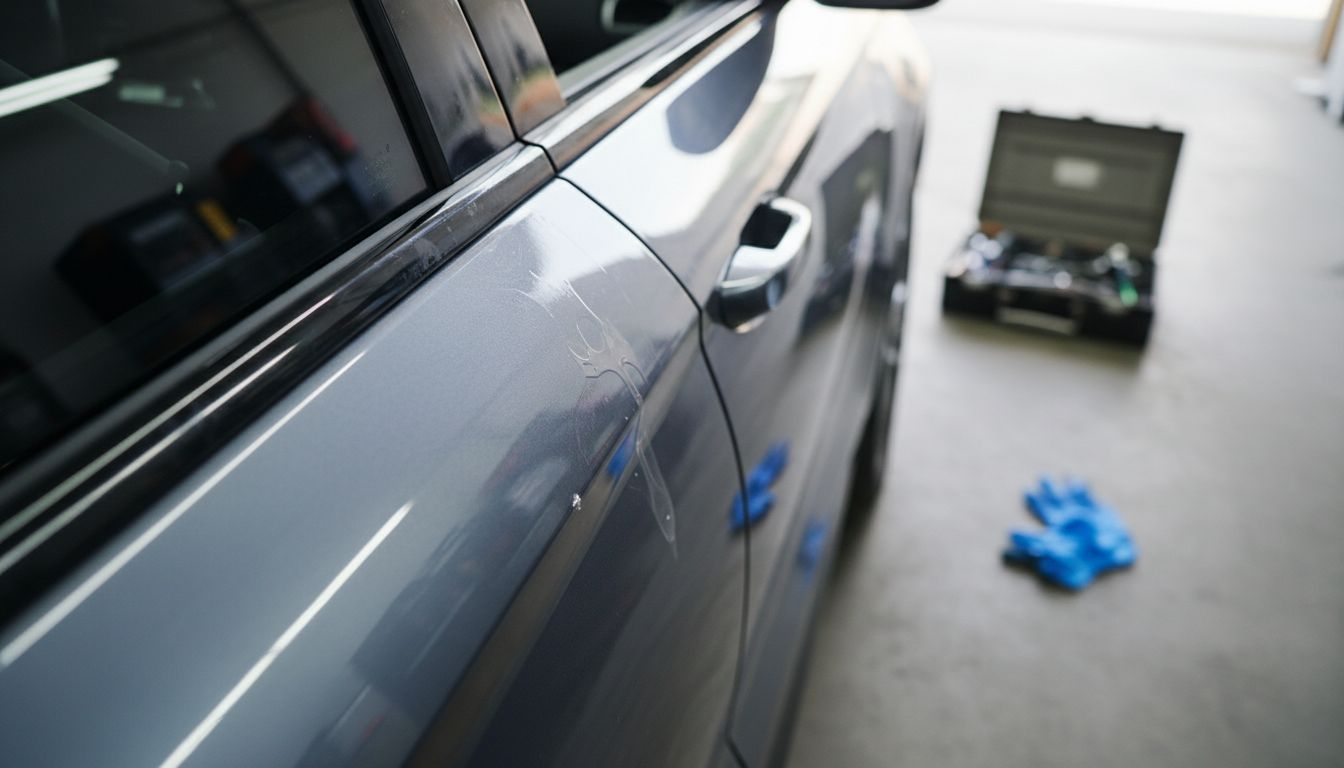
Understanding these aesthetic and financial challenges helps you set realistic client expectations and position yourself as an honest advisor rather than a salesperson pushing expensive solutions.
The Cost Barrier
Installation costs range from several hundred to several thousand pounds depending on vehicle size and film quality. Full-body applications on premium vehicles easily exceed £3,000, which is substantial for most customers.
This cost isn’t just initial expense. Maintenance adds ongoing expenses, and eventual replacement means additional investments years later. Cumulative ownership costs deter budget-conscious buyers who don’t perceive direct daily benefit.
Visible Defects That Destroy Appearance
Poor installation creates obvious visual problems that undermine the entire purpose of protection:
- Visible edges and seams: Improperly cut or overlapped film creates noticeable lines
- Air bubbles and wrinkles: Trapped air or improper squeegee technique leaves permanent defects
- Edge lifting: Film separates from paint edges, collecting dirt and moisture
- Yellowing and discolouration: Lower-quality films degrade over time, turning milky or amber
- Hazing: Cloudiness appears beneath the film, obscuring the paint finish
Each defect is permanent without removal and reapplication. Your reputation suffers immediately when customers see these problems.
Quality Variation Creates Problems
Improper installation or low-quality films result in bubbles, wrinkles, and visible edges that detract from vehicle appearance. Budget customers often choose cheaper films hoping to save money. These films yellow faster, require more maintenance, and look worse within two years.
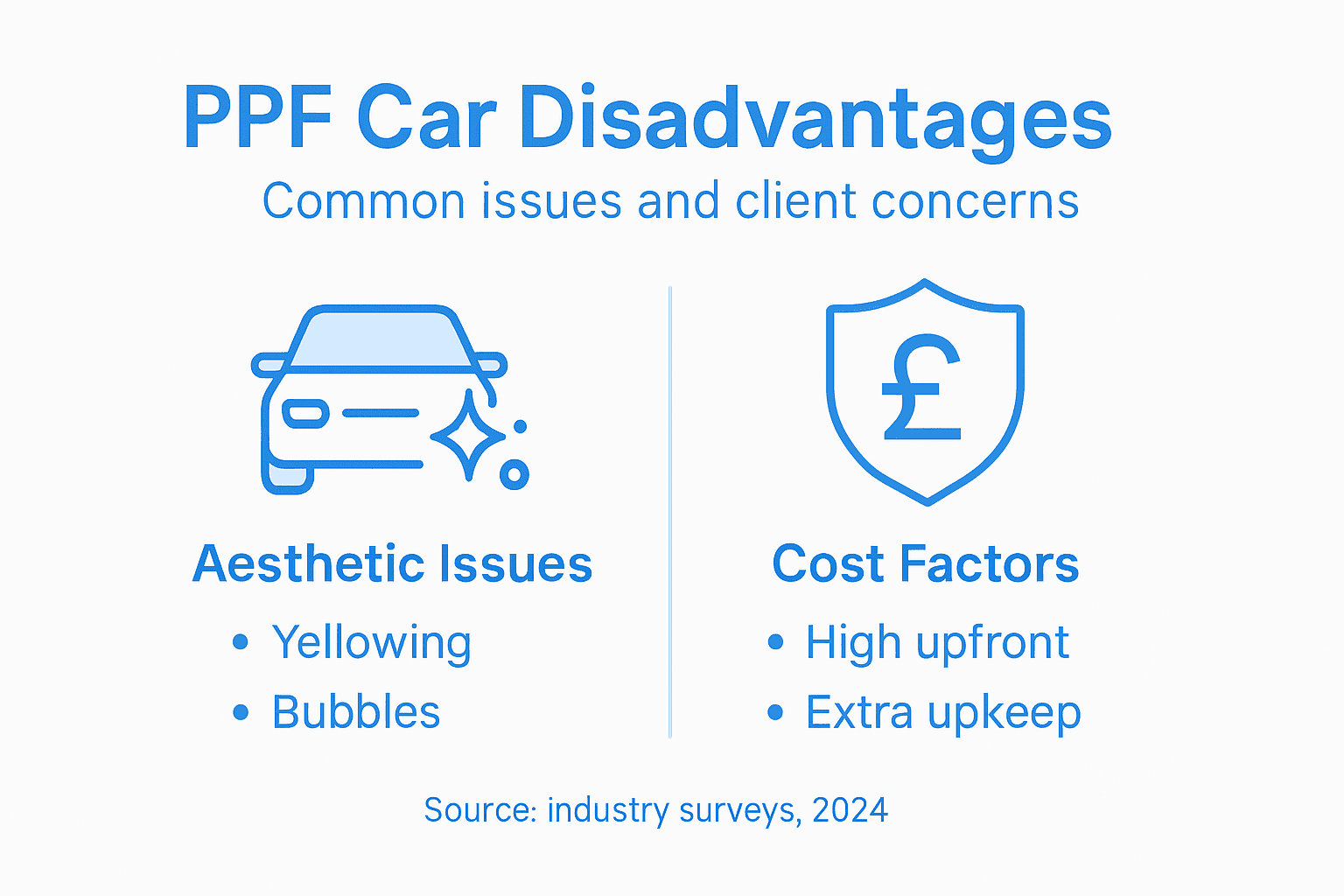
You must educate customers that film quality directly determines longevity and appearance. Recommending premium formulations protects your reputation and client satisfaction.
The table below summarises key factors that influence PPF appearance and longevity:
| Factor | Impact on PPF | Prevention Strategy |
|---|---|---|
| UV exposure | Causes yellowing | Store indoors, use UV-stable film |
| Poor installation | Defects and lifting | Choose certified, experienced installers |
| Harsh chemicals | Accelerates wear | Use pH-neutral car care products |
| Automotive use pattern | Stone chips, marks | Prioritise coverage for high-risk zones |
Managing Client Expectations
Having the cost conversation upfront prevents future disputes. Address these points directly:
- Initial installation is expensive but prevents costly paint repairs
- Some films yellow slightly over 5-10 years regardless of quality
- Maintenance requirements are ongoing, not one-time
- Visible edges may be acceptable trade-offs for protected areas
Cheap PPF creates two problems: unhappy customers blaming you for visible defects, and warranty disputes over premature yellowing.
Pro tip: Create tiered service offerings (partial, full, and premium protection) so customers self-select based on budget; this prevents overselling and reduces complaints about costs clients feel were imposed upon them.
Overcome PPF Installation Challenges with Precision Cutting Software
The article highlights common paint protection film disadvantages such as installation defects, visible seams, and costly errors that damage your professional reputation and client trust. If you are struggling with issues like air bubbles, misaligned edges, or film wastage due to imperfect manual cutting, you need a solution designed specifically to tackle these pain points with accuracy and efficiency. AEONCUT from aeoncutsw.com offers cutting-edge software that provides pre-cut PPF patterns, customisable designs, and AI-powered auto-nesting to minimise waste and ensure flawless fits every time. This technology lets professionals and enthusiasts alike reduce costly mistakes and speed up installation while maintaining the highest standards of finish.
Take control of your PPF services and protect your reputation by switching to precision pattern cutting now. Discover why installers trust AEONCUT for reliable, cloud-updated pattern libraries and comprehensive support that keep you ahead in a competitive market. Visit aeoncutsw.com to start your subscription and experience efficiency and accuracy transforming your workflow today.
Frequently Asked Questions
What are the common disadvantages of PPF on cars?
The disadvantages of paint protection film (PPF) include visible defects such as yellowing, bubble formation, and edge lifting, which can undermine the car’s appearance. Additionally, the installation can be costly, and some lower-quality films may degrade quicker than premium options.
How does PPF impact the longevity of a vehicle’s paint?
PPF acts as a barrier against scratches and UV damage, helping to protect the vehicle’s paint over time. However, poor maintenance and environmental factors can reduce its effectiveness, leading to issues such as yellowing and haze, which may require replacement sooner than expected.
What maintenance is required for PPF after installation?
After installation, PPF requires basic maintenance including gentle washing with pH-neutral products, avoiding automatic car washes, and promptly removing contaminants like bird droppings or tree sap to prevent degradation.
Are there differences in durability between types of PPF?
Yes, different types of PPF vary in durability. Wax-based coatings last only 3-6 months, while ceramic coatings can last 2-5 years, and premium graphene-enhanced films can provide protection for 5-10 years. Hybrid formulations may offer even longer lifespans with additional protective features.
Recommended
- Pros and Cons of PPF: Essential Insights for Installers 2025 – AEONCUT PPF Pre-cut Cutting software
- PPF for Car Price: Complete Expert Breakdown – AEONCUT PPF Pre-cut Cutting software
- Full Car PPF – Minimising Risk and Maximising Value – AEONCUT PPF Pre-cut Cutting software
- PPF for Motorcycles: 2025 Guide for Installers & Detailers – AEONCUT PPF Pre-cut Cutting software