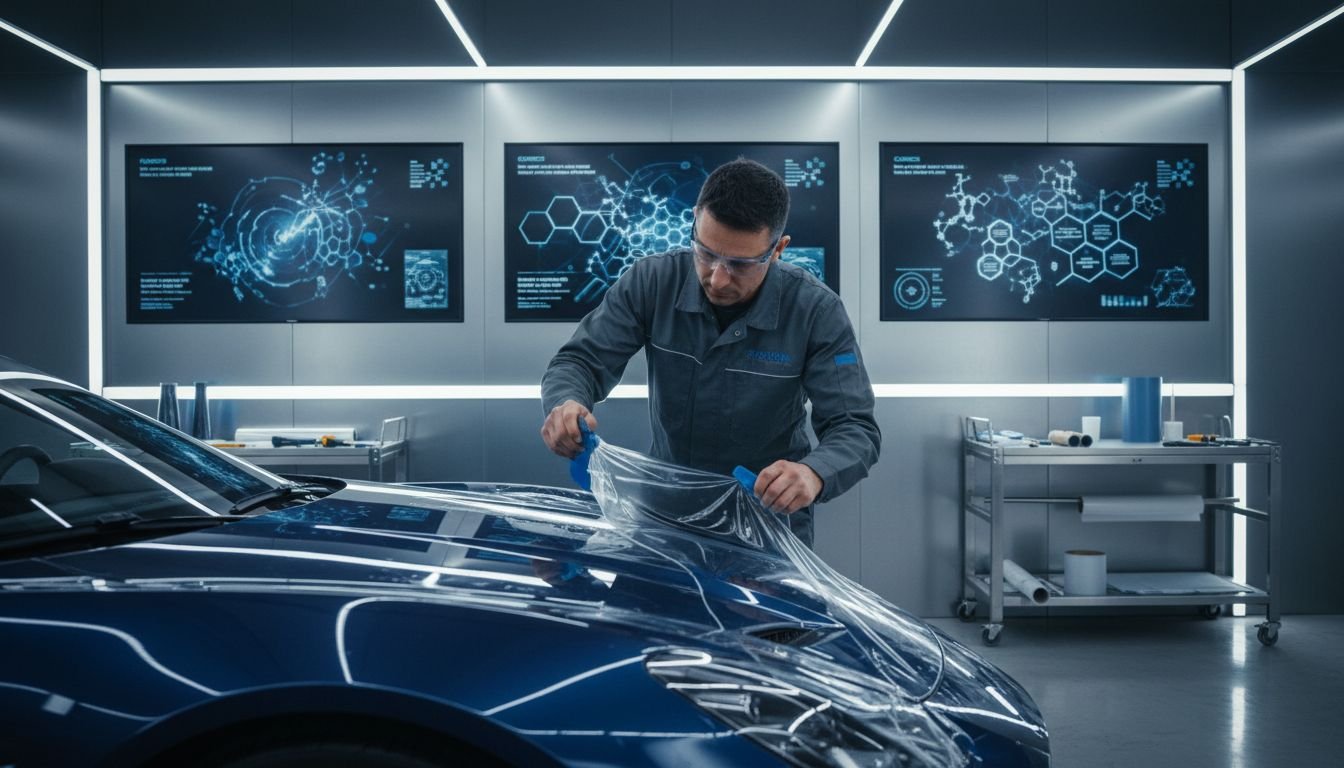
Locating reliable local paint protection specialists can feel like a test of your industry knowledge and attention to detail. When client expectations for flawless protection are high, choosing the right providers becomes critical for your reputation as a professional installer. This guide reveals how to pinpoint specialists offering genuine, manufacturer-certified solutions, what separates true experts from generalists, and which process details safeguard your clients’ vehicles against costly mistakes.
Table of Contents
- Step 1: Identify Local Auto Paint Protection Providers
- Step 2: Evaluate Service Quality And Credentials
- Step 3: Assess Software Compatibility And Pattern Options
- Step 4: Verify Protection Results With Post-Application Checks
Quick Summary
| Key Insight | Explanation |
|---|---|
| 1. Choose Certified Installers | Opt for providers with manufacturer certifications to ensure quality and reliability in paint protection services. |
| 2. Evaluate Technical Knowledge | Discuss surface preparation and seam placement to assess the technician’s expertise and commitment to quality control. |
| 3. Inspect Installation Results | Conduct a post-installation inspection within the first week to identify potential issues, ensuring proper film application. |
| 4. Maintain Regular Checks | Establish a routine inspection schedule to monitor the integrity and performance of the paint protection film over time. |
| 5. Follow Care Guidelines | Use gentle washing techniques and follow recommended maintenance to prolong the life and effectiveness of the protection. |
Step 1: Identify local auto paint protection providers
Finding trustworthy paint protection specialists starts with understanding what you’re looking for. You need providers who specialise in professional-grade solutions, not generalists who dabble in protection as an afterthought.
Begin your search by exploring these proven channels:
- Google Maps and local search results: Search “PPF installation near me” or “paint protection specialists [your city]”. Check ratings, reviews, and response times to gauge professionalism.
- Industry directories: Look for shops certified by paint protection film manufacturers. These partnerships indicate credibility and access to quality materials.
- Referrals from automotive professionals: Mechanics, detailers, and body shop owners know which installers maintain high standards. Their recommendations carry weight because reputation matters in their circles.
- Social media and portfolio reviews: Instagram and Facebook showcase before-and-after installations. You’ll spot quality work immediately, plus see how shops respond to customer questions.
Finding a provider with manufacturer certifications and transparent installation photos separates quality installers from those cutting corners.
When evaluating potential providers, verify they stock genuine paint protection film solutions rather than knockoff products. Ask about their surface preparation methods, warranty coverage, and whether they use precision cutting technology. The difference between hand-cutting and professional software-guided patterns affects long-term durability significantly.
Check whether they offer consultations. Reputable shops will discuss your vehicle’s specific needs, material options, and explain why certain coverage areas matter. They’ll answer technical questions confidently rather than redirecting you.
Verify their experience with your vehicle type. A shop specialising in luxury car protection may approach a utility vehicle differently. Ask how many vehicles they’ve protected annually and whether they’ve worked with your make and model before.
Pro tip: Request references from recent customers and contact them directly about their experience. Ask specifically about the installer’s attention to detail during application and how the protection has held up over months of ownership.
Step 2: Evaluate service quality and credentials
Credentials and quality standards separate professional installers from amateur operators. You need to verify that providers maintain industry certifications and follow rigorous processes that protect your vehicle.
Start by checking for these essential credentials:
- Manufacturer certifications: XPEL, 3M, STEK, and other major brands certify installers who meet strict application standards. Request proof of current certification status.
- Insurance and bonding: Legitimate businesses carry liability insurance and are bonded. This protects you if damage occurs during installation.
- Industry memberships: Look for memberships in automotive associations or detailing organisations that enforce quality standards.
- Training documentation: Ask whether technicians have completed formal PPF installation training programmes and ongoing professional development.
Certified installers who follow industry quality standards deliver measurably better protection performance and longevity.
During your conversations with potential providers, assess their technical knowledge directly. Ask them to explain surface preparation methods, their approach to seam placement, and how they handle complex curves on your vehicle. Knowledgeable installers will discuss these details confidently and explain why each step matters.
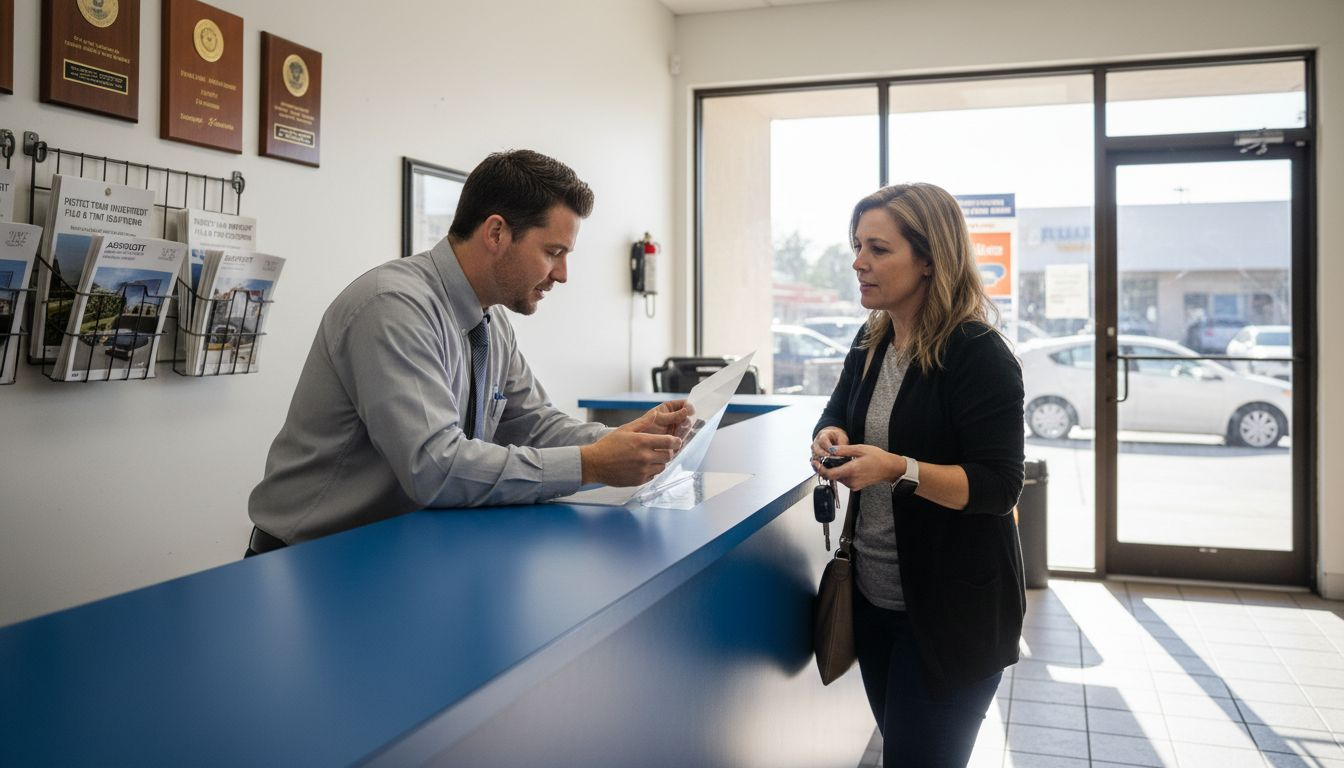
Request to see completed installations in person if possible. Walk around vehicles they’ve protected and examine seam quality, edge work, and overall finish. Ask the shop manager to show you their most challenging installations. Quality work shines immediately.
Verify their warranty offers. Reputable shops stand behind their work with written warranties covering adhesion failure, yellowing, and application defects. Compare warranty terms carefully. A five-year warranty means they’re confident in their process.
Check online reviews on multiple platforms, not just Google. Look for patterns in customer feedback about precision, professionalism, and post-installation support. Pay attention to how shops respond to critical reviews. Professional responses demonstrate accountability.
Pro tip: Ask providers for their defect rate or reject rate during installation. Shops using precision cutting software typically achieve higher quality consistency than those hand-cutting patterns, resulting in fewer installation issues and customer concerns.
Here’s a summary of key differences between professional and amateur PPF installers:
| Aspect | Professional Installer | Amateur Operator |
|---|---|---|
| Certification | Manufacturer trained and certified | Little or no formal training |
| Warranty | Written, multi-year coverage | Minimal or verbal guarantees |
| Material Quality | Uses genuine, tested films | May use cheap or imitation films |
| Installation Process | Precision software-guided cuts | Manual hand-cutting only |
| Aftercare Support | Provides long-term maintenance advice | Limited or no aftercare guidance |
Step 3: Assess software compatibility and pattern options
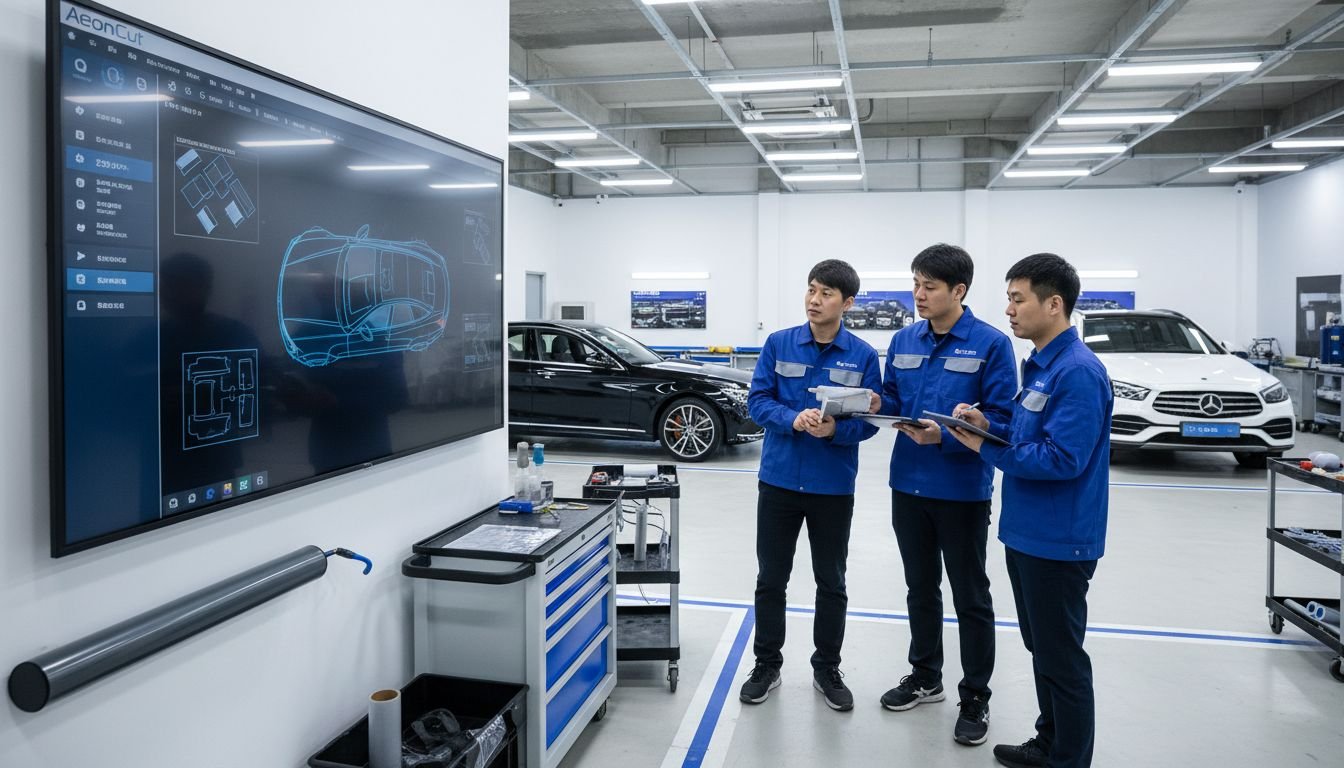
Professional installers rely on cutting software to deliver precision and consistency. You need to understand what pattern libraries and technology your potential provider uses, as this directly affects installation quality and turnaround times.
Ask providers which cutting software platform they use. The main options include:
- Cloud-based pattern marketplaces: These offer access to thousands of pre-designed templates with automatic updates for new vehicle models. They reduce manual work and minimise material waste.
- Proprietary software systems: Some shops use manufacturer-specific platforms that integrate with their plotters and equipment.
- Customisation capabilities: Quality software allows technicians to adjust patterns for specific customer requests or challenging vehicle geometries.
- Plotter compatibility: Verify the software works with their cutting equipment. Different brands require different integrations.
Installers using cloud-based pattern templates achieve faster installation cycles and superior precision compared to hand-cutting methods.
During conversations with providers, ask how frequently their pattern library updates. Vehicle models change annually, and your chosen installer needs access to current patterns. Software that updates weekly or monthly stays ahead of manufacturer releases.
Inquire about their pattern accuracy and nesting efficiency. Advanced software automatically optimises how patterns are arranged on material rolls, reducing waste significantly. This translates to lower costs for you and faster installation schedules.
Verify whether they offer custom pattern design if you need unusual coverage areas. Some software allows technicians to digitally map your vehicle and create bespoke solutions. This capability matters if you want protection on non-standard panels or have specific aesthetic preferences.
Check if providers use software that integrates with vehicle database systems. This ensures they have accurate measurements for your specific make, model, and year. Outdated measurements cause fit problems and rework delays.
Ask about their quality control process. Professional software includes features for inspecting patterns before cutting, catching errors before material is wasted. This efficiency-focused approach reflects a shop’s commitment to precision work.
Pro tip: Request to see a digital preview of how your vehicle’s protection will look before installation begins. Providers using modern pattern software can show you seam placement, coverage areas, and custom design elements on a 3D vehicle model, ensuring you approve the plan beforehand.
Step 4: Verify protection results with post-application checks
Once installation is complete, systematic verification ensures your paint protection film is performing as intended. You need to inspect the work immediately and establish a maintenance routine that preserves protection over time.
Perform these checks within the first week after installation:
- Visual inspection under different lighting: Examine seams, edges, and panel transitions in bright sunlight and artificial light. Look for gaps, wrinkles, or areas where film doesn’t meet panel edges properly.
- Touch and feel assessment: Run your hand across protected surfaces to detect any lifting edges or imperfections. Quality installations feel smooth and seamless.
- Photograph documentation: Take detailed photos of seam placement, coverage areas, and overall finish. These serve as a baseline for future reference.
- Check warranty documentation: Verify you received written warranty details covering adhesion failure, yellowing, and application defects. Confirm coverage periods and claim procedures.
Proper post-application inspection and maintenance following manufacturer guidelines preserves coating performance and protects your investment long-term.
Ask your installer for guidance on initial care. Most PPF requires a curing period before washing, typically seven to fourteen days. Follow these recommendations precisely to avoid compromising adhesion.
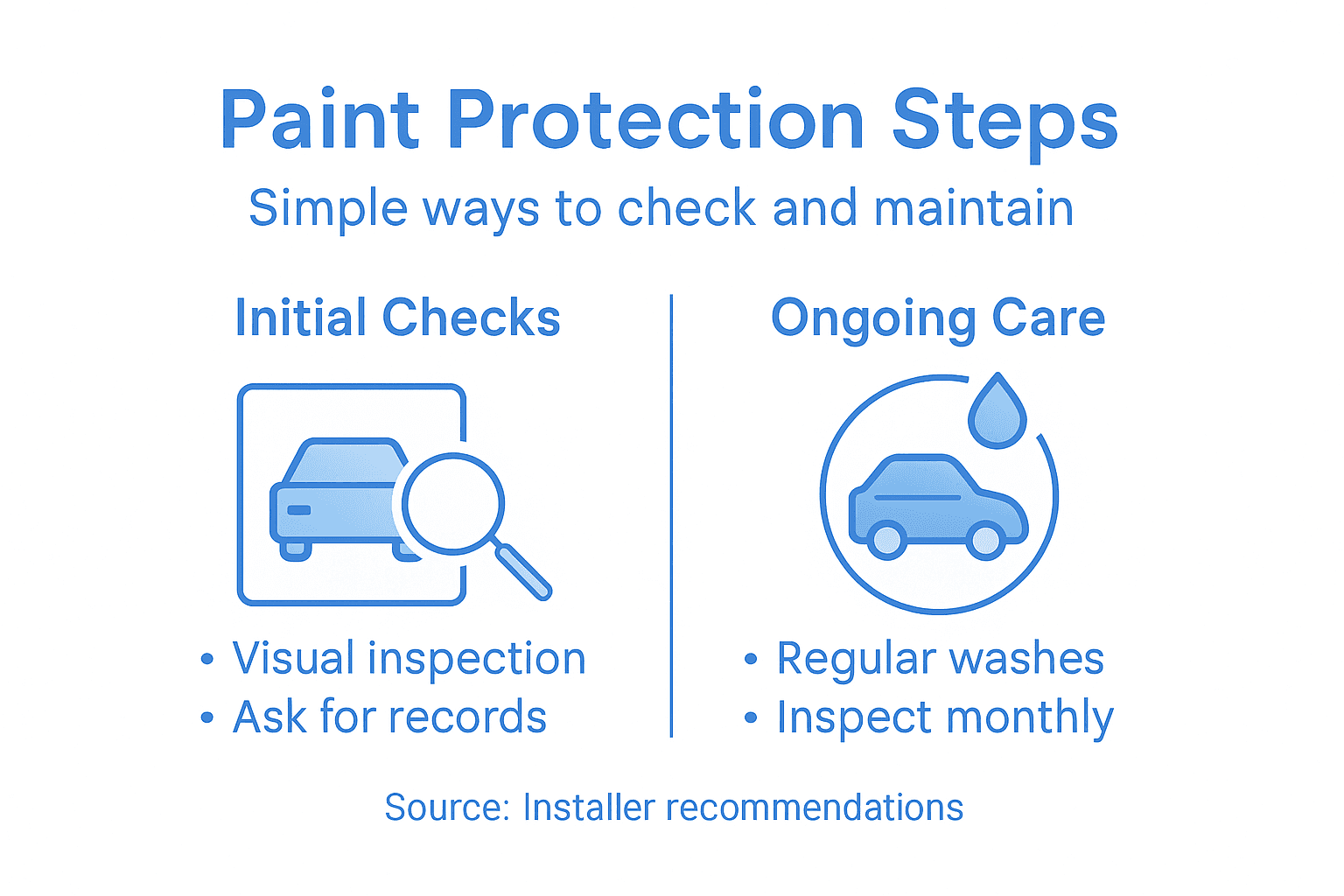
Establish a regular inspection schedule. Check your protected surfaces monthly during the first year, then quarterly thereafter. Look for any signs of edge lifting, film clouding, or adhesion issues. Early detection prevents minor problems becoming major damage.
Learn the proper washing technique for PPF-protected vehicles. Use soft microfibre cloths, avoid abrasive brushes, and select pH-neutral cleaning products. Aggressive washing damages film and shortens its protective lifespan.
Understand what constitutes normal wear versus defects. Minor surface scratches on film are common and don’t affect protection. Yellowing or adhesion failure within warranty periods warrant professional assessment and potential replacement.
Maintain records of inspections and any maintenance performed. Detailed documentation supports warranty claims if issues arise and helps you track the investment’s long-term value.
This table outlines routine maintenance milestones after PPF installation:
| Timeline | What to Inspect | Recommended Action |
|---|---|---|
| First week | All seams and edges under sunlight | Report lifting or film defects |
| End of curing period | Surface clarity and adhesion | Wash gently with pH-neutral soap |
| First year (monthly) | Overall integrity, spot imperfections | Log any changes and consult installer |
| Annually after year one | Signs of wear, yellowing, adhesion | Schedule professional inspection |
Pro tip: Ask your installer for contact details of a trusted detailer who understands PPF care. Professional detailers who follow industry standards for coating maintenance can perform safe washing, decontamination, and periodic inspections, keeping your protection in peak condition.
Unlock Precision and Reliability with AEONCUT for Your Paint Protection Needs
Finding dependable auto paint protection near you means overcoming challenges like verifying quality installers, ensuring access to genuine pre-cut patterns, and managing material waste. The article highlights the importance of certified cutting software, accurate pattern libraries, and efficient installation processes to guarantee long-term protection and a flawless finish.
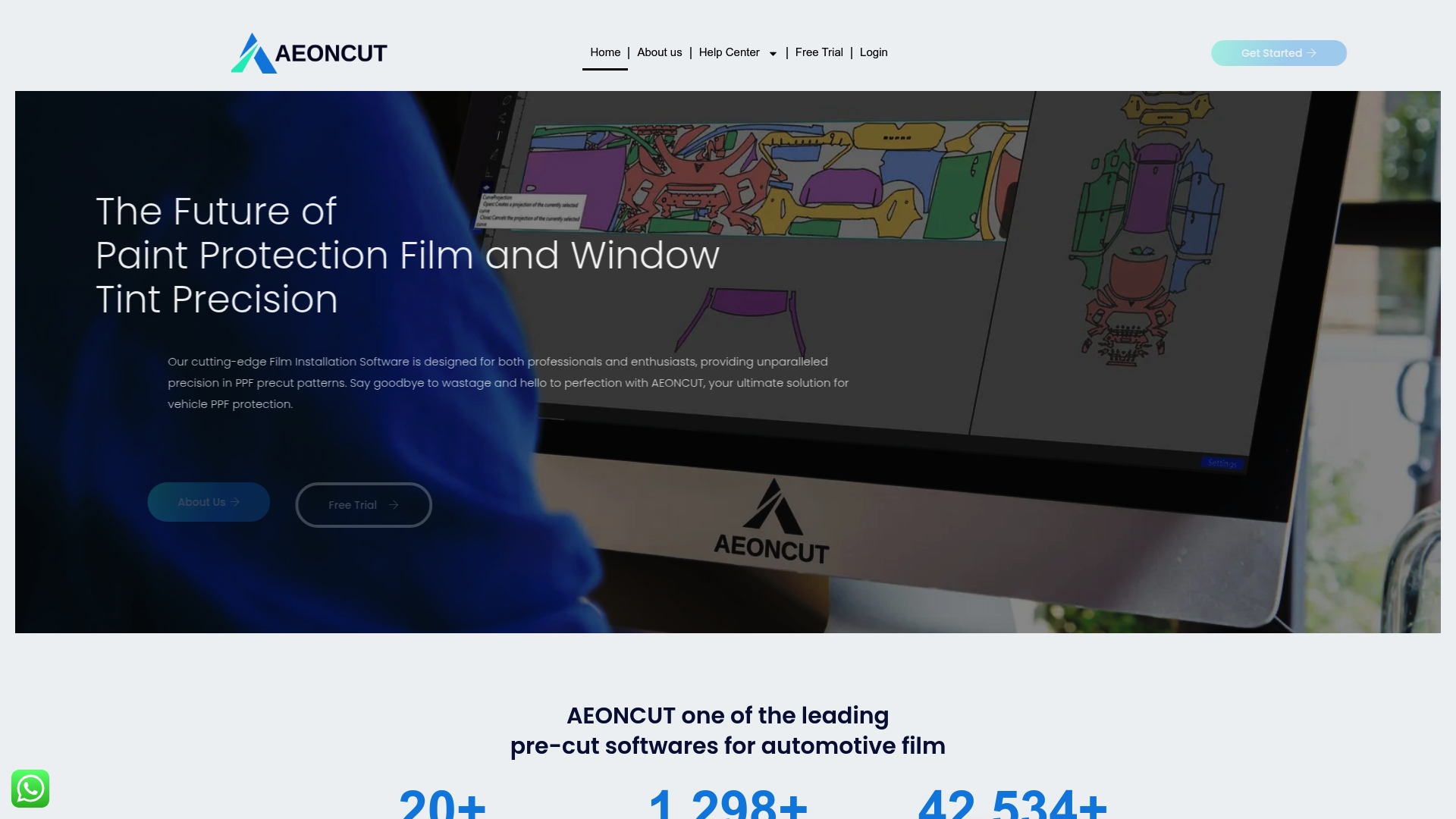
Discover how AEONCUT delivers exactly what professional installers and serious car enthusiasts need to streamline their workflow. With features like unlimited access to cloud-based, AI-driven cutting software and customisable, up-to-date vehicle patterns, AEONCUT minimises errors and boosts precision. Experience faster installations and material savings designed to help you stand out in a competitive market. Don’t wait to elevate your paint protection projects—explore AEONCUT’s cutting-edge software today and gain immediate access to trusted pattern solutions and expert support.
Learn more about how AEONCUT supports installers just like you by visiting the main website. Start crafting flawless vehicle protection solutions right now.
Frequently Asked Questions
How can I find reputable auto paint protection specialists near me?
To find reputable auto paint protection specialists, start by searching online for local installers and checking their reviews. Use specific search terms like “paint protection specialists” followed by your location to view ratings and client feedback.
What should I look for in a local paint protection provider?
When choosing a paint protection provider, ensure they have manufacturer certifications and demonstrate clear, high-quality installation work. Look for shops that use genuine materials and offer consultations to discuss your vehicle’s specific needs.
How important are manufacturer certifications for paint protection installers?
Manufacturer certifications are crucial as they indicate that the installer has met strict application standards set by reputable brands. Verify these certifications to ensure quality work and access to high-grade materials, which can impact the performance and durability of your paint protection.
What factors should I consider when evaluating the quality of a paint protection installation?
Evaluate the quality of a paint protection installation by checking the precision of seams, the finish quality, and whether the technician provided thorough explanations of the installation process. Inspect recent installations to ensure the provider maintains high standards consistently.
How do I verify the effectiveness of my paint protection after installation?
Verify the effectiveness of your paint protection by conducting a visual inspection within the first week after installation. Check for gaps, wrinkles, and ensure all edges are sealed properly, then document your findings with photographs for future reference.
What maintenance should I perform to keep my paint protection effective over time?
To maintain your paint protection, regularly inspect the film for any lifting or imperfections, especially during the first year. Clean the vehicle using pH-neutral products and avoid aggressive washing techniques to help preserve its appearance and protective qualities.
Recommended
- How to Apply New Car Paint Protection Near Me for Professionals – AEONCUT PPF Pre-cut Cutting software
- Complete Guide to New Car Paint Protection – AEONCUT PPF Pre-cut Cutting software
- Car Paint Protection: Everything You Need to Know – AEONCUT PPF Pre-cut Cutting software
- Complete Guide to Car Paintwork Protection – AEONCUT PPF Pre-cut Cutting software