
A single negative review can impact the trust customers place in a british installer’s business, even if their work meets top standards. Reputation is everything in vehicle protection, and savvy professionals understand that thoughtful responses matter more than ever. By applying proven strategies, you can turn criticism into constructive feedback and build credibility quickly. Over 90 percent of global consumers read online reviews before choosing a service, making professional reputation management essential for every installer.
Table of Contents
- 1. Stay Calm And Review Feedback Objectively
- 2. Respond To Negative Reviews Promptly
- 3. Apologise And Offer Solutions
- 4. Highlight Your Business Values
- 5. Encourage Positive Customer Follow-Up
- 6. Monitor Reviews Across Multiple Platforms
- 7. Use Feedback To Improve Your Services
Quick Summary
| Key Message | Explanation |
|---|---|
| 1. Remain Calm and Objective | Staying composed helps focus on constructive aspects of feedback rather than emotional reactions. |
| 2. Respond Quickly to Reviews | Timely responses can enhance your reputation and demonstrate commitment to customer care. |
| 3. Offer Genuine Apologies | A heartfelt apology addressing mistakes can rebuild trust and improve customer relations. |
| 4. Highlight Your Business Values | Clearly communicating your core values establishes authenticity and strengthens customer connections. |
| 5. Leverage Feedback for Improvement | Use customer insights to identify areas for growth and enhance service quality effectively. |
1. Stay Calm and Review Feedback Objectively
Dealing with negative reviews can feel like a personal attack on your professional reputation. However, the key to handling criticism effectively is maintaining emotional composure and approaching feedback with an objective mindset.
When you receive a negative review, your first instinct might be to react defensively. Instead, staying calm allows you to focus on the content without becoming defensive. Emotional regulation is crucial in transforming criticism into a genuine opportunity for professional growth.
Why Objectivity Matters
Objective feedback review involves assessing the critique impartially, separating your emotional response from the actual content. This means understanding that feedback is about improving your performance, not attacking your personal worth. Recognising emotional responses and staying open to surprises can turn criticism into a learning experience.
Practical Steps for Objective Review
• Pause Before Responding: Take a deep breath and resist the urge to reply immediately
• Read the Entire Review Carefully: Look for specific, actionable points
• Identify Constructive Elements: Extract genuine insights that could improve your service
• Separate Emotion from Facts: Distinguish between subjective complaints and objective criticism
Remember, professional installers who view negative reviews as opportunities for improvement often see the most significant growth in their businesses.
Professional Tip: Create a 24-hour cooling-off period before responding to any negative review to ensure your response is measured and professional.
2. Respond to Negative Reviews Promptly
Speed matters when addressing customer complaints. In the world of professional services, your response time can make or break your reputation, transforming a potentially damaging review into an opportunity for demonstrating exceptional customer care.
Timely responses to negative reviews build credibility and trust. Customers want to know they are heard, and a quick acknowledgement can significantly diffuse tension and show your commitment to resolving issues.
Why Prompt Responses Matter
Ignoring a negative review is far more damaging than the review itself. Quick replies within a day or two help demonstrate you listen and care about customer feedback. Professional installers understand that each interaction is a chance to showcase their problem solving skills and customer service excellence.
Strategic Response Guidelines
• Respond Publicly: Address the review where it was posted to show transparency
• Be Timely: Aim to reply within 24 to 48 hours
• Stay Professional: Use a calm, respectful tone
• Acknowledge the Issue: Show genuine understanding of the customer’s concern
• Offer Solutions: Propose concrete steps to resolve the problem
Remember that potential customers read these interactions. A thoughtful, swift response can turn a negative review into a powerful testament to your professionalism.
Professional Tip: Create a response template with a standard structure that allows for quick personalisation, enabling faster and more consistent customer communication.
3. Apologise and Offer Solutions
A genuine, well-crafted apology can transform a negative customer experience into an opportunity for rebuilding trust and demonstrating your professional commitment. When things go wrong, how you respond speaks volumes about your business integrity.
A professional apology involves acknowledging the mistake clearly, taking full responsibility without making excuses, showing empathy for the customer’s experience, and outlining practical steps to resolve the issue.
The Anatomy of an Effective Apology
• Acknowledge the Specific Mistake: Clearly identify what went wrong
• Take Full Responsibility: Avoid blame shifting or making excuses
• Express Genuine Regret: Show sincere understanding of the customer’s disappointment
• Propose Concrete Solutions: Outline specific steps to rectify the situation
• Demonstrate Future Prevention: Explain how you will prevent similar issues
Practical Approach to Apologising
Your apology should feel personal and specific. Generic responses will not rebuild customer confidence. Share exactly how you plan to make things right and what specific actions you will take to resolve their concern.
Key Communication Strategies
• Use a respectful and empathetic tone
• Be specific about the issue and your proposed solution
• Offer a tangible gesture of goodwill
• Follow through on your promised resolution
Remember that a thoughtful apology is not about being perfect but about showing you genuinely care about your customers’ experiences.
Professional Tip: Create a standardised apology framework with personalisation options that allows for quick yet sincere responses while maintaining a professional tone.
4. Highlight Your Business Values
Your business values are more than just words on a website. They represent the core principles that define your professional identity and set you apart in the competitive world of vehicle protection and installation services.
Company values serve as core principles guiding how a business operates and interacts with employees and customers. These fundamental beliefs communicate your commitment to quality, integrity, and customer satisfaction far beyond mere marketing language.
Why Business Values Matter
Customers today seek more than just a service. They want to engage with businesses that demonstrate genuine purpose and ethical standards. Highlighting business values effectively involves sharing authentic stories and exemplifying those values through every customer interaction.
Strategies for Communicating Business Values
• Be Transparent: Share your mission and principles openly
• Tell Authentic Stories: Use real examples that demonstrate your values in action
• Consistent Messaging: Ensure your values are reflected in all communication channels
• Show Rather Than Tell: Demonstrate your principles through actual business practices
Key Value Communication Approaches
Do not just list your values. Illustrate them through concrete examples of how you solve customer problems, maintain high professional standards, and go beyond typical service expectations.
Value Demonstration Examples
• Quality commitment through precision installations
• Respect for customer time and investment
• Continuous learning and technical improvement
• Honesty in customer interactions
Your values are your brand promise. When communicated genuinely, they transform transactions into meaningful relationships.
Professional Tip: Create a brief narrative that connects your business values to your daily operational practices, making them feel tangible and real to potential customers.
5. Encourage Positive Customer Follow-Up
Building lasting customer relationships goes far beyond the initial service delivery. Proactive follow-up transforms a one-time transaction into a potential long term partnership with your business.
Effective customer follow-up involves reaching out after purchase to gauge satisfaction, offer assistance, and invite feedback. This strategic approach helps preempt potential issues and demonstrates your genuine commitment to customer experience.
Why Customer Follow-Up Matters
A structured follow-up process helps foster trust, address concerns early, and differentiate your service from competitors. By consistently communicating with customers, you create opportunities for positive engagement and potential referrals.
Key Follow-Up Strategies
• Personalise Communication: Tailor messages to individual customer experiences
• Timing is Critical: Contact customers within a week after service completion
• Offer Additional Value: Provide maintenance tips or exclusive future service discounts
• Request Constructive Feedback: Use short surveys or direct conversations
• Show Appreciation: Genuinely thank customers for their business
Effective Follow-Up Channels
Utilise multiple communication methods such as personalised emails, text messages, or brief phone calls. Each interaction is an opportunity to reinforce your professional commitment and build customer loyalty.
Best Practices
• Keep follow-up messages concise and genuine
• Focus on customer experience, not just sales
• Create a systematic approach to tracking customer interactions
• Train your team in empathetic communication techniques
Remember that consistent, thoughtful follow-up can transform satisfied customers into enthusiastic brand advocates.
Professional Tip: Create a standardised follow-up workflow with personalisation options to ensure every customer receives timely, meaningful communication.
6. Monitor Reviews Across Multiple Platforms
In the digital age, your business reputation spreads across numerous online platforms. A comprehensive review monitoring strategy is no longer optional its essential for maintaining a strong professional image.
By 2025, managing reviews across multiple platforms will be crucial for businesses seeking to maintain credibility. Your online reputation is a dynamic ecosystem that requires consistent attention and strategic management.
Why Multi Platform Monitoring Matters
Centralized review monitoring software can aggregate reviews from over 100 platforms, helping businesses respond quickly and identify performance trends. This approach allows you to track and manage your reputation efficiently.
Key Monitoring Platforms
• Google Business Profile: Primary local business review platform
• Facebook: Social media review and recommendation hub
• Industry Specific Sites: Specialised automotive and service platforms
• Local Directory Websites: Regional business review channels
• Automotive Specialist Forums: Niche community review spaces
Strategic Monitoring Techniques
• Set up automated alerts for new reviews
• Establish a consistent response protocol
• Track review trends and sentiment
• Compare performance across different platforms
• Analyse feedback for continuous improvement
Remember that comprehensive review monitoring transforms potential criticism into opportunities for demonstrating your commitment to exceptional customer service.
Professional Tip: Invest in a robust review monitoring tool that provides consolidated reporting and allows rapid response across multiple platforms.
7. Use Feedback to Improve Your Services
Feedback is not a criticism but a roadmap for professional excellence. Smart businesses transform customer insights into strategic improvements that elevate their service quality and customer experience.
Effective feedback empowers growth by enabling reflective improvements that focus on enhancing performance and outcomes. Your ability to listen and adapt sets you apart in the competitive vehicle protection industry.
Why Feedback Matters
Understanding and acting on feedback helps identify strengths and weaknesses, guiding future efforts towards higher quality outcomes. Constructive criticism is a powerful tool for continuous professional development.
Strategies for Leveraging Customer Feedback
• Categorise Feedback: Separate actionable insights from generic comments
• Look for Patterns: Identify recurring themes in customer experiences
• Prioritise Improvements: Focus on changes with maximum impact
• Track Progress: Measure service quality before and after implementing changes
• Close the Feedback Loop: Communicate improvements back to customers
Implementation Approach
• Create a systematic method for collecting and reviewing feedback
• Develop a quarterly review process for service improvements
• Train team members to view feedback as an opportunity
• Celebrate team successes derived from customer insights
Remember that continuous improvement is the hallmark of exceptional professional service.
Professional Tip: Establish a monthly team meeting dedicated to reviewing customer feedback and brainstorming service enhancement strategies.
Below is a comprehensive table summarising the strategies and activities discussed in the article for handling consumer feedback effectively to enhance professional reputation and service quality.
| Aspect | Actions and Strategies | Outcomes and Benefits |
|---|---|---|
| Staying Calm During Feedback | Remain objective, pause before reacting, and carefully analyse feedback. | Converts criticism into growth opportunities. |
| Prompt Response to Feedback | Address reviews swiftly using professional and empathetic communication. | Builds trust and establishes a reliable brand image. |
| Offering Apologies and Solutions | Provide clear apologies, accept responsibility, and propose resolutions. | Restores trust and strengthens customer relationships. |
| Emphasising Business Values | Clearly communicate core principles and align actions with these values consistently. | Demonstrates business integrity and builds loyalty. |
| Follow-up Communication | Contact customers post-service to gather feedback and offer support. | Enhances customer satisfaction and encourages loyalty. |
| Multi-Platform Review Monitoring | Regularly track reviews across various platforms and respond promptly while analysing general trends. | Maintains a strong and credible online reputation. |
| Adopting Feedback for Improvement | Systematically analyse and act upon customer feedback to refine services and processes. | Fosters continuous improvement and meets customer needs. |
This table condenses the article’s suggestions to provide a clear and strategic overview of managing and leveraging feedback.
Transform Negative Feedback into Business Growth with Precision Tools
Handling negative reviews requires calm, prompt responses, and continuous improvement to maintain your professional reputation. This article highlights how objective feedback review, timely apologies, and proactive customer follow-ups build trust and demonstrate your commitment to excellence. In the demanding automotive paint protection film and window tint industry, having efficient, precise tools can significantly reduce installation errors that prompt those critical reviews.
AEONCUT software offers professional installers and serious enthusiasts a powerful solution to improve accuracy and efficiency by providing extensive and customisable pre-cut patterns. Using cloud-based updates and AI-driven features ensures minimal material waste and consistent high-quality results. By elevating your service quality with AEONCUT’s cutting-edge software, you can confidently address customer concerns, highlight your commitment to precision craftsmanship and reduce the chances of negative feedback.
Ready to raise your installation standards and win customer trust?
Explore how AEONCUT can refine your workflow and support your professional growth.
Discover AEONCUT’s subscription plans and tutorials to start transforming customer feedback into success today.
AEONCUT Software Official Website
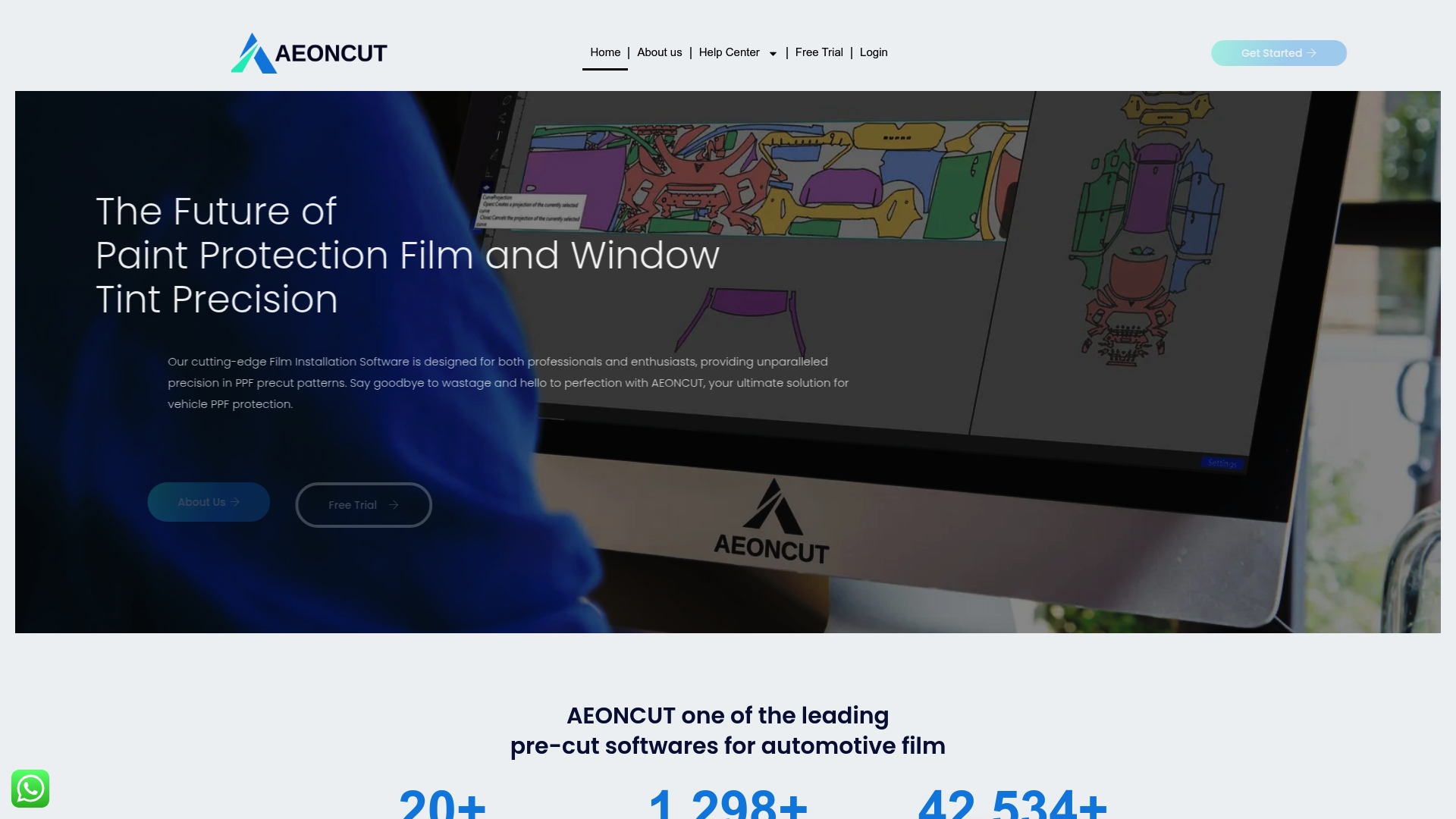
Unlock higher precision, reduce errors, and show your customers that you take feedback seriously. Visit AEONCUT now and make every installation your best yet.
Frequently Asked Questions
How can I stay calm when receiving negative reviews?
Maintaining emotional composure is key when dealing with negative feedback. Take a deep breath, pause before responding, and focus on understanding the critique rather than reacting defensively.
What steps should I take to respond to a negative review?
Respond promptly, ideally within 24 to 48 hours, by addressing the review publicly. Acknowledge the customer’s concerns, remain professional, and propose specific solutions to resolve the issue.
How should I apologise for mistakes mentioned in reviews?
An effective apology includes acknowledging the specific mistake, taking full responsibility, and expressing genuine regret. Outline the steps you will take to rectify the situation, showing that you value the customer’s experience.
Why is highlighting my business values important when responding to reviews?
Communicating your business values helps build trust with customers who seek genuine purpose and ethical standards. Share authentic stories and align your actions with your core values to reinforce customer loyalty.
What follow-up strategies are effective after receiving feedback?
Proactively follow up with customers within a week after their service to gauge satisfaction and invite feedback. Personalise your communication and offer additional value, like maintenance tips or discounts, to enhance their experience.
Recommended
- 8 Key Customer Feedback Strategies for Your Business – AEONCUT PPF Pre-cut Cutting software
- Window Tint & PPF Combo Services: How to Maximize Profit – AEONCUT PPF Pre-cut Cutting software
- Building a PPF Business in 2025: From Tools to First Clients – AEONCUT PPF Pre-cut Cutting software
- Understanding Managing Customer Expectations in Diesel Services – My WordPress