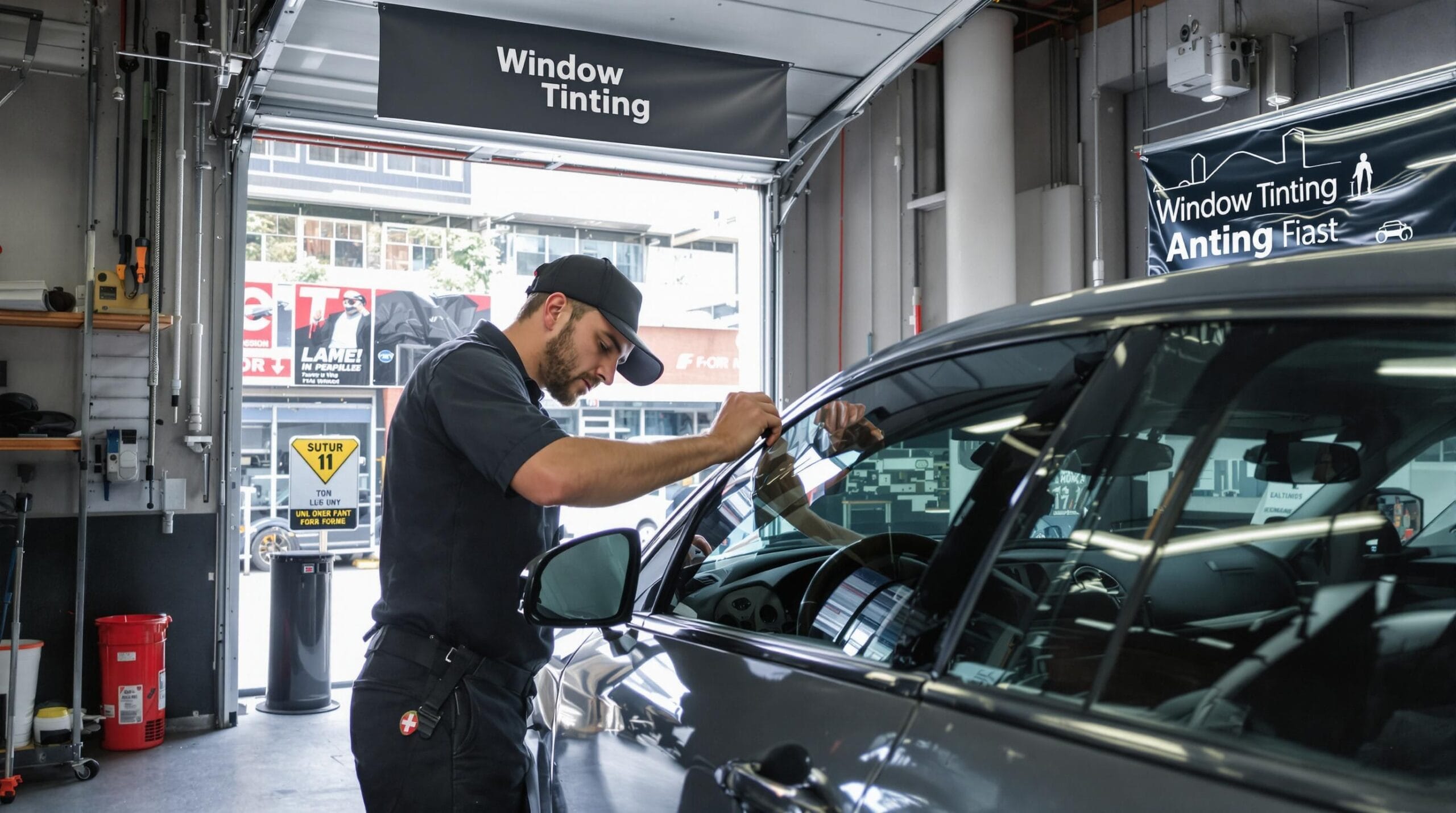
Most british installers know that misaligned or wasted paint protection film can cost hundreds per project. In a field where exact cuts and flawless finishes protect premium vehicles, advanced software makes a measurable difference. Explore how precise digital solutions empower professional installers to minimize waste, ensure millimeter-perfect trimming, and meet the rising standards of clients across Canada, the United States, and throughout Europe.
Table of Contents
- Automotive Protective Film Defined And Debunked
- Types Of Paint Protection And Tint Films
- Key Features And Application Methods
- Software Solutions For Precision Cutting
- Installer Risks, Material Costs, And Avoidable Pitfalls
Key Takeaways
| Point | Details |
|---|---|
| Protective Film Technology | Automotive protective film originated from military applications, specifically designed to preserve vehicle paint from environmental and physical damage. |
| Professional Installation Importance | Expert application is crucial to ensure optimal film performance, requiring precise preparation and installation techniques. |
| Types of Protective Films | Various film types exist, from affordable wax coatings to advanced graphene films, each suited for different protective needs. |
| Installation Risks and Costs | Awareness of potential risks in DIY installations can save costs and preserve the vehicle’s value through professional application and quality materials. |
Automotive Protective Film Defined and Debunked
Automotive protective film represents a sophisticated solution for vehicle paint preservation, originally developed with remarkable military origins. Paint protection film (PPF) is a thermoplastic urethane film engineered to shield automotive surfaces from potential damage caused by road debris, environmental hazards, and minor abrasions.
The technology traces its lineage back to the Vietnam War, where military engineers first developed these protective materials to safeguard helicopter rotor blades from significant wear and tear. Since then, automotive professionals have adapted this innovative technology to protect vehicle paintwork, transforming it from a specialised military application into a standard protective measure for high-end vehicles.
Protective Film Characteristics include remarkable features that make it a preferred choice for automotive enthusiasts and professionals alike:
- Self-healing properties that minimise minor surface scratches
- Hydrophobic coating to repel water and dirt
- UV resistance to prevent paint degradation
- Precise fit for specific vehicle models
Professional installation remains crucial for optimal performance, as the application process demands expertise to ensure seamless coverage without bubbles or misalignment. Certified installers understand the nuanced techniques required to apply these films effectively, protecting your vehicle’s aesthetic and financial value.
Pro Tip: Always request a detailed consultation and portfolio from your PPF installer to verify their technical expertise and precision application skills.
Types of Paint Protection and Tint Films
Automotive protection technologies have evolved dramatically, offering professionals multiple film options to safeguard vehicle surfaces. Automotive paint protection encompasses several sophisticated film types, each designed to address specific protective requirements and environmental challenges.
The primary categories of paint protection films include wax coatings, ceramic coatings, graphene-enhanced coatings, and hybrid films. Wax coatings represent the most affordable option, providing basic protection but demonstrating limited durability. Ceramic coatings offer superior performance with remarkable characteristics:
- Exceptional hardness
- Enhanced UV resistance
- Robust hydrophobic properties
- Extended protective lifespan
Advanced technologies like graphene coatings are emerging as game-changers in vehicle protection. These innovative films deliver unprecedented durability, superior thermal stability, and enhanced resistance to environmental degradation. Hybrid coatings further expand protective capabilities by combining multiple protective functionalities, allowing installers to customise protection strategies based on specific vehicle requirements and environmental conditions.

Here is a comparison of common automotive paint protection films and coatings:
| Protection Type | Durability | Key Advantage | Ideal For |
|---|---|---|---|
| Wax Coating | Short-term (weeks) | Affordable initial cost | Owners seeking quick protection |
| Ceramic Coating | Long-term (years) | Exceptional scratch resistance | Enthusiasts seeking easy care |
| Graphene Coating | Extended (years+) | Maximum heat and chemical defence | Cutting-edge, high-value vehicles |
| Hybrid Films | Customisable | Blends multiple properties | Clients with specific requirements |
Types of window tint guide for professional installers reveals that selecting the appropriate film involves carefully evaluating factors such as budget, expected performance, and client specifications. Professional installers must consider substrate compatibility, application complexity, and long-term protective outcomes when recommending specific film technologies.
Pro Tip: Always conduct a comprehensive surface assessment and discuss client expectations before recommending a specific paint protection film to ensure optimal performance and customer satisfaction.
Key Features and Application Methods
Automotive paint protection film (PPF) represents a sophisticated technology with nuanced application techniques that demand professional expertise. Paint protection film features ultra-transparent, self-healing polyurethane designed to shield vehicle surfaces from environmental damage and aesthetic degradation.
The critical application process involves multiple intricate stages:
- Comprehensive surface preparation
- Thorough cleaning and decontamination
- Precise film positioning
- Seamless edge trimming
- Heat activation and curing
Surface Preparation is arguably the most crucial stage in PPF installation. Professional installers meticulously clean and prepare vehicle surfaces using specialised techniques, including:
- Clay bar treatments to remove microscopic contaminants
- Comprehensive solvent cleaning
- Paint imperfection correction
- Ensuring absolute surface dryness
Top PPF and tint cutting software for professionals enhances installation precision by providing advanced pattern cutting and placement technologies. Expert installers utilise water-based slip solutions, professional-grade squeegees, and specialised tools to achieve bubble-free, perfectly aligned film applications that conform seamlessly to complex vehicle contours.
Pro Tip: Invest in continuous training and stay updated with the latest PPF application technologies to maintain your professional edge and deliver consistently superior results.
Software Solutions for Precision Cutting
Precision cutting technology has revolutionised paint protection film (PPF) installation, transforming what was once a highly manual process into a streamlined, technology-driven approach. Cutting software now enables precise, efficient trimming of protective films by providing comprehensive vehicle databases with extensive pattern libraries covering multiple car manufacturers.
Key Software Capabilities in modern PPF cutting solutions include:
- Extensive vehicle model databases
- Rapid pattern generation
- Minimal material waste calculations
- Automatic pattern adjustments
- Cloud-based updates for continuous improvement
The technological landscape of PPF cutting software demands sophisticated features that go beyond simple pattern generation. Professional installers require solutions that offer:
- Precise measurements down to millimetre accuracy
- Compatibility with multiple vehicle makes and models
- Seamless integration with cutting machinery
- Intuitive user interfaces
PPF Cutting Software Essential Guide for Installers highlights the critical role of advanced software in minimising human error and maximising installation efficiency. Modern cutting solutions leverage artificial intelligence and machine learning to create increasingly sophisticated pattern recognition and auto-nesting capabilities, dramatically reducing material waste and installation time.
Pro Tip: Invest in cutting-edge software solutions that offer regular updates and comprehensive training resources to stay ahead of technological advancements in PPF installation.
Installer Risks, Material Costs, and Avoidable Pitfalls
Navigating the complex landscape of paint protection film (PPF) installation requires profound understanding of potential risks and strategic cost management. DIY installation carries significant risks that professional installers meticulously mitigate, including surface preparation challenges, cutting precision, and material application complexities.
Critical Installation Risks encompass several technical and financial dimensions:
- Trapped contaminants underneath film
- Imprecise measurement and cutting
- Bubble formation during application
- Premature film degradation
- Unexpected material wastage
The economic implications of PPF installation extend far beyond immediate material expenses. Professional service costs are influenced by multiple interconnected factors, including:
- Vehicle surface area
- Current paint condition
- Film quality and brand
- Installer technical expertise
- Warranty coverage
- Local market dynamics
Skilled professionals understand that minimising risks requires investment in advanced technologies, continuous training, and precision tools. High-end films with self-healing properties, UV resistance, and superior scratch protection might increase initial costs but ultimately deliver exceptional long-term value preservation for vehicle owners.

Below is a summary of risks and costs professional installers must consider:
| Risk or Cost Factor | Impact on Installation | Consequence for Owner |
|---|---|---|
| Inadequate preparation | Increased defect chance | Early film failure |
| Material quality | Influences longevity | Higher replacement expenses |
| Cutting precision | Affects edge protection | Visible misalignment |
| Training and tools | Ensures consistency | Enhanced aesthetic outcome |
Pro Tip: Always conduct a comprehensive surface assessment and invest in professional-grade preparation tools to mitigate installation risks and maximise film performance.
Enhance Your Automotive Protective Film Precision with AEONCUT Software
Precision and efficiency are critical when working with automotive paint protection film, especially given challenges like exact surface preparation and flawless cutting detailed in the article. Professional installers and serious enthusiasts demand tools that reduce material waste and guarantee perfect film alignment to protect vehicles and uphold their value. AEONCUT’s Paint Protection Film cutting software offers an extensive vehicle pattern library, AI-driven auto-nesting, and cloud-based updates that meet these needs while simplifying complex application processes.
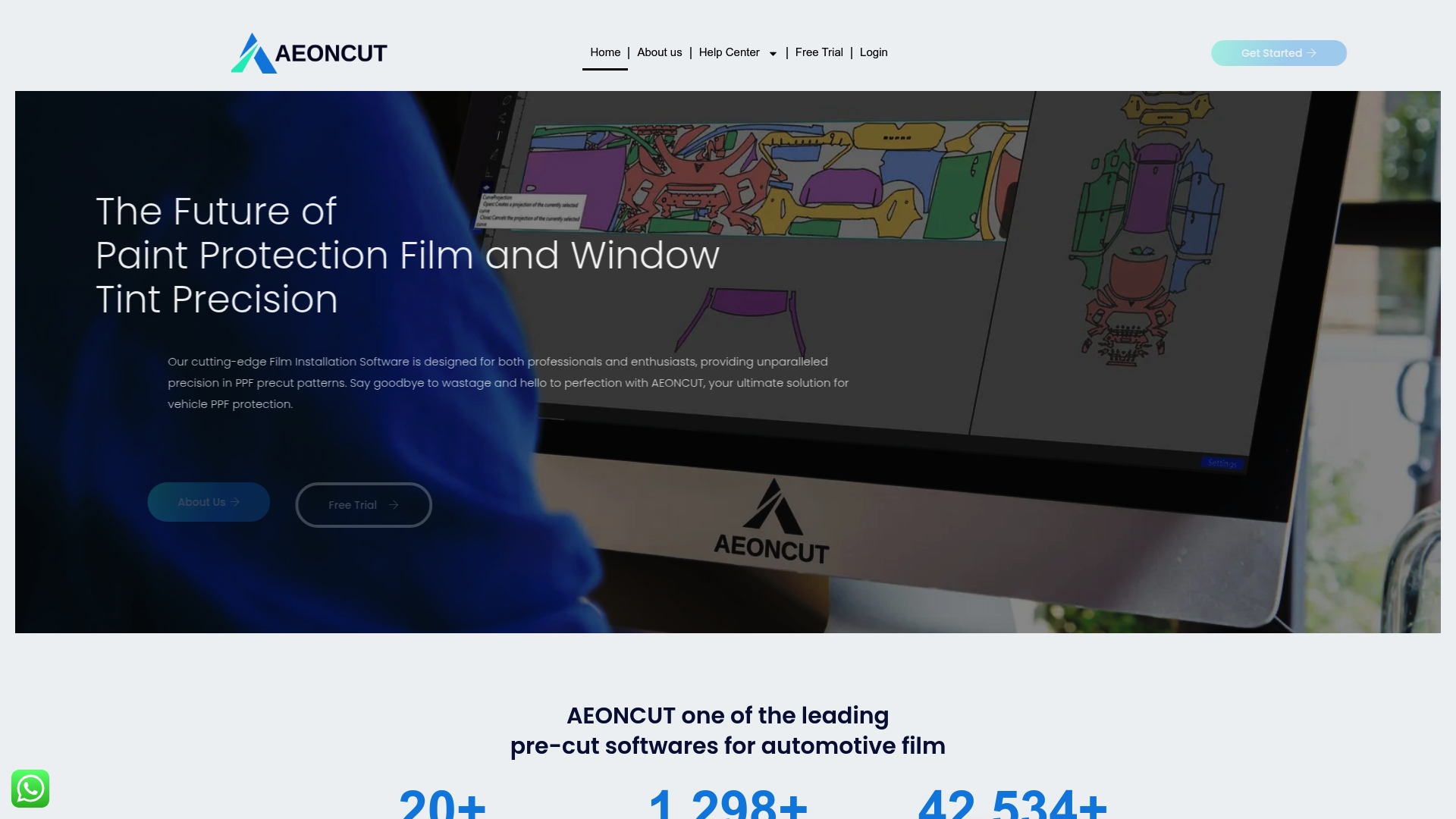
Take control of your installations with AEONCUT’s cutting-edge solutions designed specifically for PPF and window tint application. Join thousands of professionals who trust AEONCUT to deliver accuracy, efficiency, and outstanding results. Visit aeoncutsw.com now to explore subscription plans and access comprehensive resources that will elevate your craft and protect your clients’ investment with confidence.
Frequently Asked Questions
What is automotive protective film (PPF) and what are its benefits?
Automotive protective film (PPF) is a thermoplastic urethane film designed to protect vehicle surfaces from scratches, road debris, and environmental damage. Its benefits include self-healing properties, UV resistance, and a hydrophobic coating that repels dirt and water.
How does the application process of paint protection film work?
The application process of paint protection film involves several intricate stages: comprehensive surface preparation, thorough cleaning, precise film positioning, edge trimming, and heat activation. Professional installation is crucial for optimal results, ensuring seamless coverage without bubbles.
What are the different types of paint protection films and their advantages?
There are several types of paint protection films including wax coatings, ceramic coatings, and graphene-enhanced coatings. Wax coatings are affordable but short-lived; ceramic coatings provide superior durability; and graphene coatings offer advanced heat and chemical resistance, making them ideal for high-value vehicles.
Why is professional installation important for paint protection films?
Professional installation is essential for paint protection films to ensure precise application, preventing issues such as trapped contaminants, bubbles, and misalignment. Certified installers possess the expertise and tools needed for optimal film performance and aesthetic results.
Recommended
- Top Paint Protection Film Benefits for Auto Professionals 2025 – AEONCUT PPF Pre-cut Cutting software
- How Does PPF Work? Guide for Car Care Pros 2025 – AEONCUT PPF Pre-cut Cutting software
- Top PPF Brands in 2025: A Professional’s Buying Guide – AEONCUT PPF Pre-cut Cutting software
- Top PPF Brands in 2025: A Professional’s Buying Guide – AEONCUT PPF Pre-cut Cutting software
- Custom Stickers up to 1 inch, Transparent or White Stickers, Real Foil – BcardsCreation