Nearly every british PPF installation team knows how a single miscut can waste valuable film and time. As demand for flawless vehicle protection grows, the pressure to deliver perfect results with minimal material loss increases for professionals around the world. Discover the impact that specialized software and smart technology can have on PPF application accuracy, efficiency, and profitability in today’s competitive detailing market.
Table of Contents
- What Is Protective Film for Cars?
- Main Types and Material Differences
- How Protective Film Works on Vehicles
- Professional Application and Software Solutions
- Costs, Alternatives, and Common Pitfalls
Key Takeaways
| Point | Details |
|---|---|
| Paint Protection Film (PPF) Provides Essential Defence | PPF is a critical investment for protecting vehicle paint from environmental damage, offering a transparent, self-healing layer against scratches and contaminants. |
| Material Variations Suit Specific Needs | Different types of PPF, including Thermoplastic Urethane, Self-Healing Polyurethane, and Multilayer Polymer Composites, cater to varying levels of protection and durability. |
| Professional Installation Is Crucial | To ensure optimal performance and longevity of PPF, professional installation by certified technicians is recommended. |
| Understanding Costs and Alternatives | PPF installation costs vary significantly; alternatives like ceramic coatings and vinyl wraps offer less physical protection but may suit budget-conscious consumers. |
What Is Protective Film for Cars?
Paint Protection Film (PPF) is a sophisticated automotive defence technology designed to safeguard vehicle paint surfaces against environmental damage and wear. Originally developed for military helicopter blade protection, this advanced polymer shield has revolutionised automotive paint preservation.
Typically composed of thermoplastic urethane, PPF provides a transparent, self-healing layer that defends against multiple potential paint threats. These include stone chips, insect splatter, minor abrasions, ultraviolet radiation, and environmental contaminants. The film’s unique molecular structure allows it to absorb impacts and temporarily repair superficial scratches when exposed to heat.
Professional automotive protection specialists recognise PPF as a critical investment for vehicle maintenance. Thermoplastic urethane films offer remarkable elasticity and hydrophobic properties, creating a near-invisible protective barrier that maintains the original paint’s aesthetic quality while providing robust defence against daily wear and tear.
Pro tip: For optimal protection, always ensure professional installation by certified technicians who understand precise film application techniques and can guarantee seamless coverage.
Main Types and Material Differences
Paint Protection Films (PPF) are not a one-size-fits-all solution, with multiple material variations designed to address specific automotive protection needs. The primary types include clear thermoplastic urethane, self-healing polyurethane, and advanced multilayer polymer composites, each offering unique protective characteristics for vehicle surfaces.
Three primary material categories dominate the PPF market. Clear Thermoplastic Urethane represents the standard protection layer, offering basic scratch resistance and transparency. Self-Healing Polyurethane represents a more advanced option, capable of minimising minor surface imperfections through thermal activation. The most sophisticated Multilayer Polymer Composites provide comprehensive protection with enhanced durability, incorporating multiple defensive mechanisms against environmental damage.
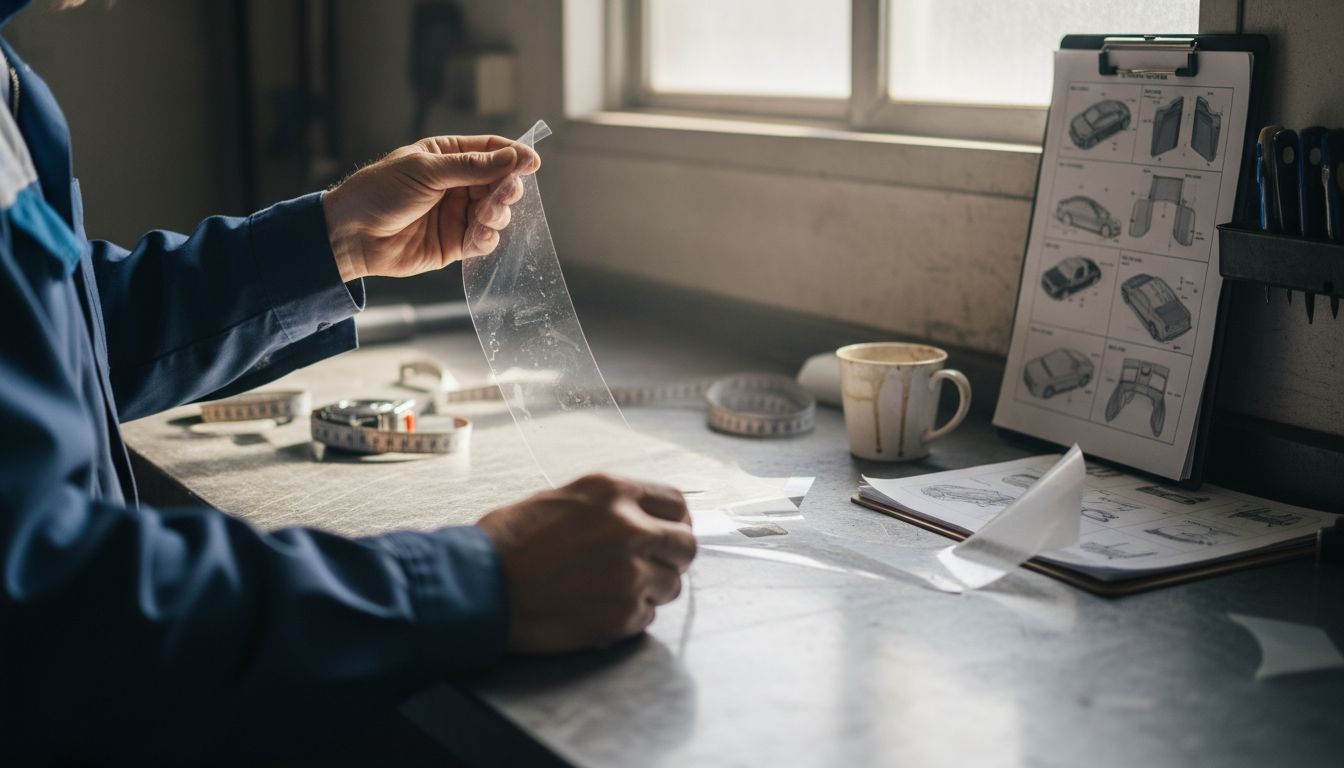
Manufacturers differentiate their PPF products through distinctive material properties. Some films prioritise thickness (ranging from 4-8 millimetres), while others focus on flexibility, UV resistance, and hydrophobic qualities. Professional installers typically recommend advanced polymer technologies that balance protection, aesthetic preservation, and long-term vehicle paint integrity.
Pro tip: Always consult professional detailing experts to match the most appropriate PPF material with your specific vehicle make, model, and typical environmental exposure conditions.
Here’s a summary comparing the main types of car protective film materials:
| Material Type | Key Strengths | Typical Drawbacks |
|---|---|---|
| Thermoplastic Urethane | Transparent, flexible, basic protection | Less impact resistance |
| Self-Healing Polyurethane | Repairs minor scratches, heat activated | Usually higher cost |
| Multilayer Polymer Composite | Enhanced durability, superior defence | More complex and costly to install |
How Protective Film Works on Vehicles
Paint Protection Film (PPF) operates through a sophisticated multi-layered mechanism designed to shield automotive surfaces from environmental and physical damage. The film’s intricate structural composition enables comprehensive protection, transforming how vehicles resist wear and potential aesthetic deterioration.
At its core, PPF functions through a complex multi-layer urethane barrier engineered to absorb and disperse impact energy. The top layer features remarkable self-healing properties, capable of thermal-activated scratch repair. When exposed to heat, the film’s molecular structure realigns, effectively minimising and reducing surface imperfections, thus maintaining the vehicle’s pristine appearance.
The protective mechanism extends beyond physical impact resistance. PPF incorporates advanced technological features including UV ray blocking, chemical contaminant prevention, and hydrophobic treatments. These properties work synergistically to preserve paint colour, repel water and dirt, and facilitate easier cleaning. Professional installers recognise that the film’s bottom adhesive layer bonds securely to vehicle surfaces, creating an almost invisible protective shield that maintains the original paintwork’s integrity.
Pro tip: Ensure professional installation and periodic maintenance to maximise your protective film’s effectiveness and longevity.
Professional Application and Software Solutions
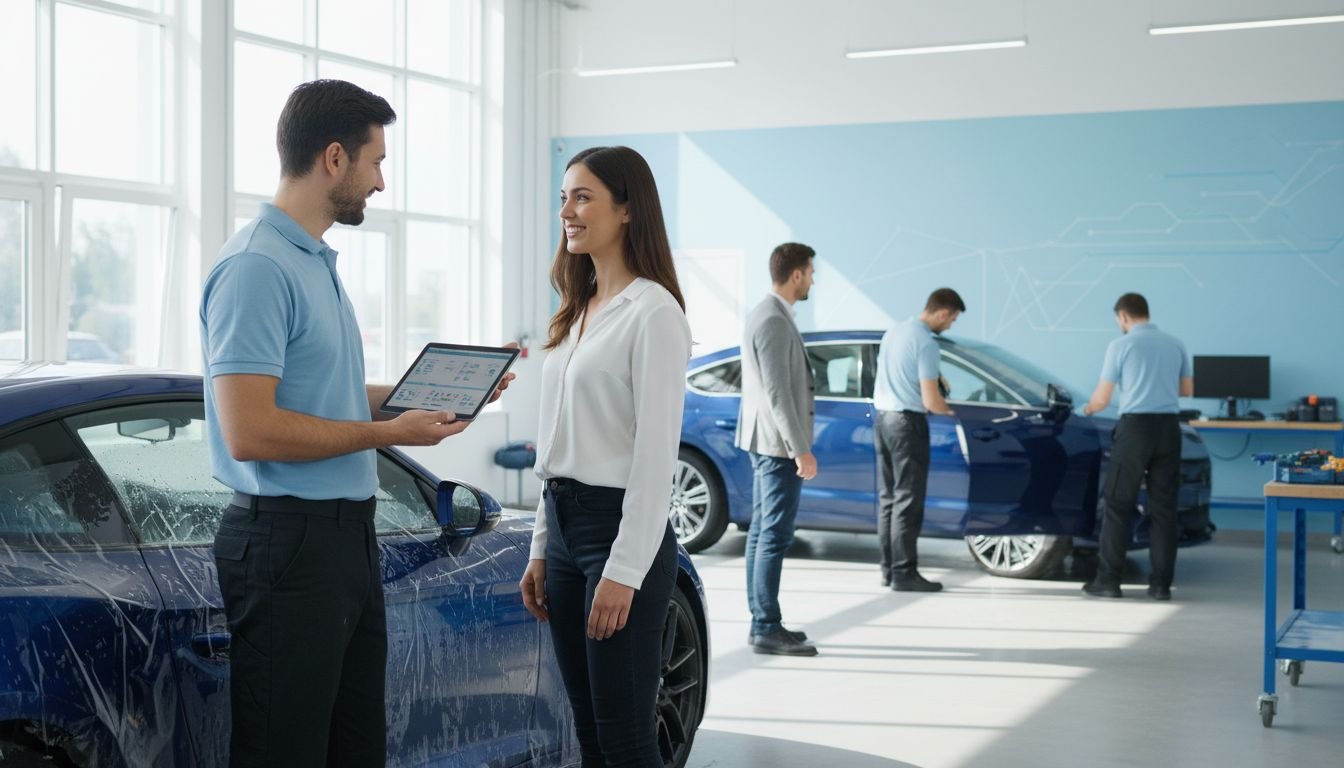
Professional Paint Protection Film (PPF) installation represents a sophisticated intersection of technical expertise, specialised equipment, and advanced technological solutions. The process demands precision, skill, and access to cutting-edge tools that transform automotive surface protection from a standard service to a highly refined craft.
Professional installers leverage specialised water-based application techniques that ensure seamless, bubble-free film adherence. These methods involve meticulous surface preparation, intricate contour mapping, and strategic application strategies that differentiate professional work from amateur attempts. Advanced 3D scanning technologies and computer-aided design software now enable installers to generate custom patterns that fit vehicle surfaces with unprecedented accuracy.
The modern PPF application process integrates sophisticated software solutions that dramatically enhance efficiency and material utilisation. Cutting-edge programs provide pre-cut pattern libraries, AI-driven nesting algorithms, and cloud-based updates that allow installers to quickly adapt to different vehicle models. These technological innovations reduce material waste, minimise installation time, and ensure consistently high-quality results across diverse automotive surfaces.
Pro tip: Invest in continuous training and software updates to stay ahead of emerging PPF application technologies and maintain your professional competitive edge.
Costs, Alternatives, and Common Pitfalls
Paint Protection Film (PPF) represents a significant investment for vehicle owners, with costs and outcomes varying dramatically based on multiple critical factors. Understanding the financial landscape, potential alternatives, and inherent risks becomes crucial for making informed decisions about automotive surface protection.
PPF installation costs are influenced by multiple variables, including film type, vehicle size, and professional expertise. Thermoplastic urethane (TPU) films generally cost more than vinyl alternatives, with professional installation potentially increasing expenses by 30-50% compared to DIY approaches. While budget-conscious vehicle owners might consider do-it-yourself kits, these options carry substantial risks including improper fitment, potential paint damage, and reduced long-term protection.
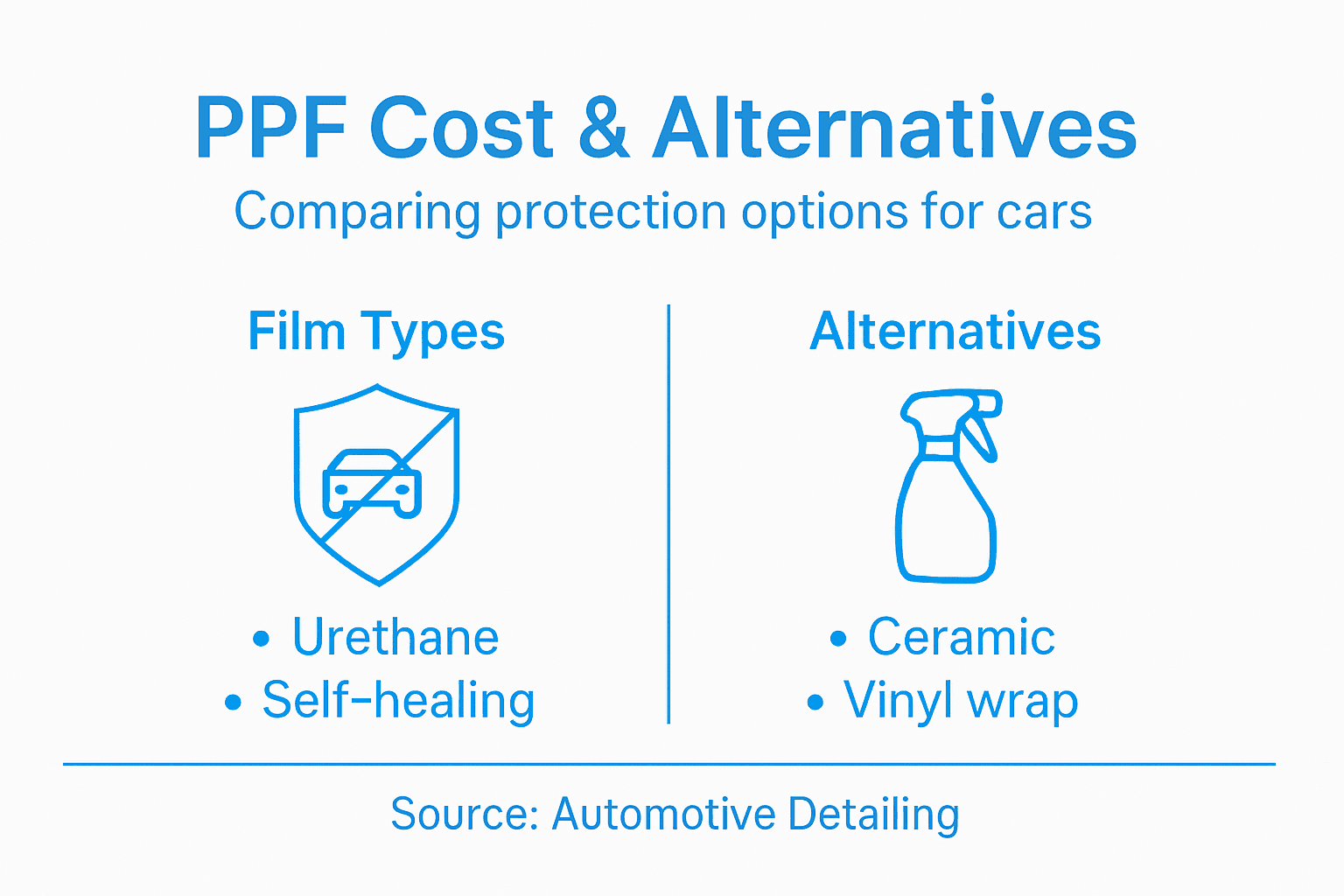
Alternative protective solutions each present unique advantages and limitations. Ceramic coatings offer excellent UV protection and aesthetic enhancement but provide minimal physical impact resistance compared to PPF. Vinyl wraps present a temporary aesthetic solution, while traditional waxing provides minimal protection against substantial environmental damage. Professional-grade PPF remains the most comprehensive solution, offering superior physical protection, self-healing properties, and long-term paint preservation despite higher initial investment.
This table highlights differences between paint protection solutions for vehicles:
| Solution Type | Physical Impact Protection | Longevity | Cost Range |
|---|---|---|---|
| PPF | Excellent | 5-10 years | High (professional) |
| Ceramic Coating | Minimal | Up to 2 years | Moderate |
| Vinyl Wrap | Limited | Short-term (1-3 yrs) | Variable |
| Waxing | Very minimal | Few months | Low |
Pro tip: Always request detailed quotes from multiple professional installers and compare not just pricing, but comprehensive warranty coverage and installation expertise.
Unlock Precision and Efficiency for Your Vehicle Protection Projects
Protecting your car with Paint Protection Film requires pinpoint accuracy and expert handling to avoid costly mistakes and wasted materials. This article highlights crucial challenges such as ensuring perfect fitment, reducing material waste, and managing installation risks — all vital for long-lasting, seamless vehicle protection. The right tools can transform these challenges into confident outcomes by delivering exact pre-cut patterns tailored to each vehicle make and model.
Elevate your PPF installations by leveraging the power of AEONCUT PPF Pre-cut Cutting software that brings AI-driven auto-nesting, extensive pattern libraries, and cloud-based updates directly to your workflow.
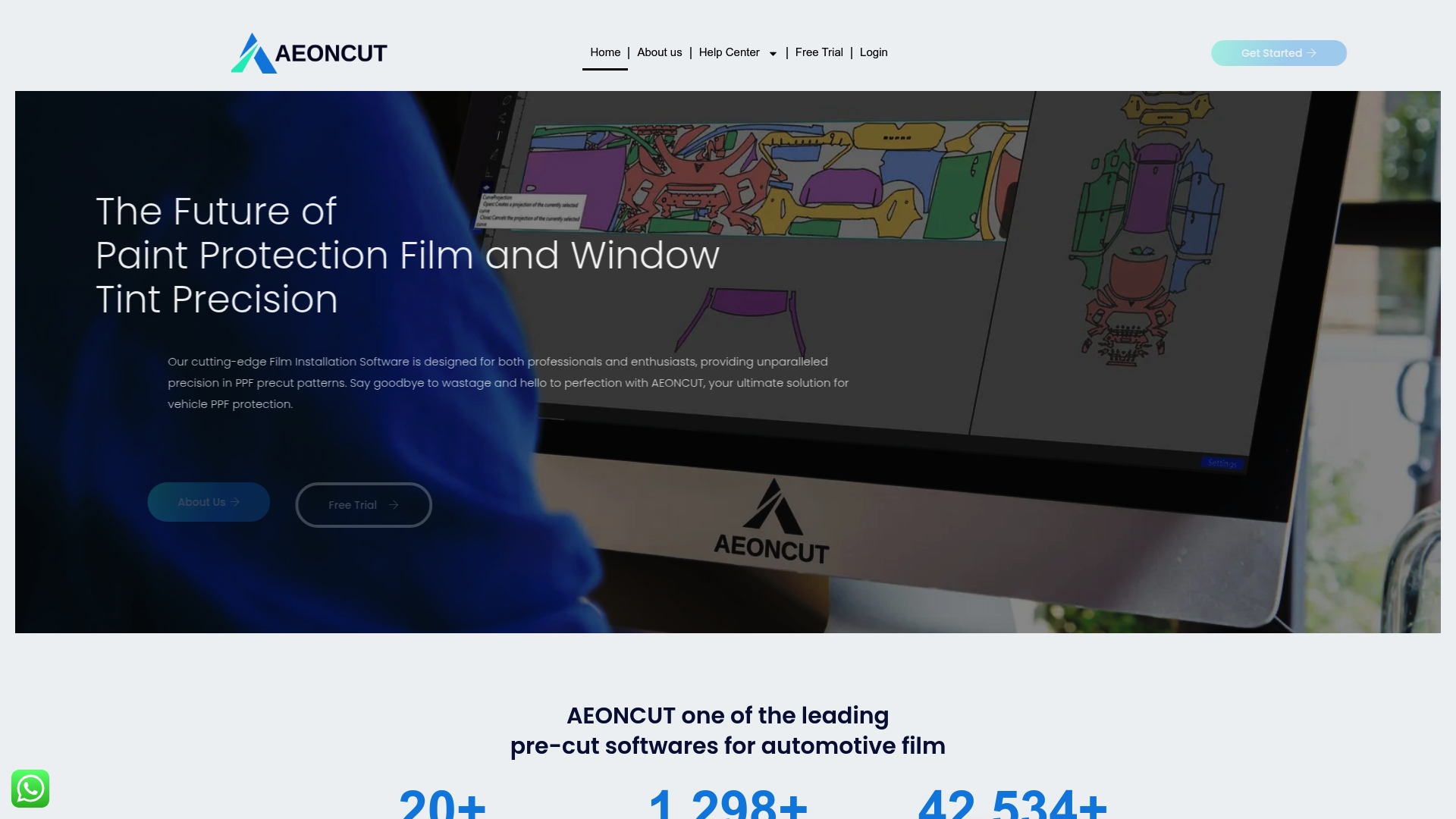
Choose AEONCUT today to benefit from reduced installation time, minimal material waste, and precision cutting that preserves your professional reputation. Whether you are a seasoned installer or an enthusiastic DIYer, explore the advanced capabilities of PPF software – AEONCUT PPF Pre-cut Cutting software and gain access to flexible subscription plans designed to meet your business needs. Start safeguarding your clients’ vehicles the smart way by visiting https://aeoncutsw.com now and take the first step towards mastering the art of flawless paint protection film application.
Frequently Asked Questions
What is paint protection film for cars?
Paint Protection Film (PPF) is a transparent polymer shield designed to protect automotive paint surfaces from environmental damage like stone chips, UV radiation, and minor abrasions.
How does protective film work on vehicles?
PPF operates through a multi-layered mechanism that absorbs impact energy and has self-healing properties, allowing it to repair minor scratches when exposed to heat. Additionally, it provides protection against UV rays and contaminants.
What are the main types of paint protection films?
The main types of PPF include Clear Thermoplastic Urethane, which offers basic protection, Self-Healing Polyurethane, which can repair minor scratches, and Multilayer Polymer Composites that combine multiple protective features for enhanced durability.
What are the costs associated with paint protection film installation?
Costs for PPF installation vary depending on factors such as film type, vehicle size, and professional expertise. Professional installation typically adds 30-50% to the cost compared to DIY kits, but improper installation can lead to paint damage and reduced protection.
Recommended
- How Does PPF Work? Guide for Car Care Pros 2025 – AEONCUT PPF Pre-cut Cutting software
- Understanding Why Interior Protection Films Are the Next Big Trend in Car Care – AEONCUT PPF Pre-cut Cutting software
- Understanding Interior Protection Films: Benefits for Luxury Cars – AEONCUT PPF Pre-cut Cutting software
- Understanding Why Interior Protection Films Are the Next Big Trend in Car Care – AEONCUT PPF Pre-cut Cutting software