Every British installer knows that material costs can quickly add up on complex motorcycle protection jobs. With professional standards rising, finding advanced ways to cut Paint Protection Film (PPF) not only saves money but ensures flawless results that set you apart in a crowded global market. Studies show that adopting AI powered pattern software cuts material waste by up to 30 percent, giving you an edge competitors cannot match. Discover how precise cutting and smart software drive efficiency for professionals worldwide.
Table of Contents
- Understand Motorcycle PPF Materials And Their Benefits
- Measure And Prep Motorcycle Panels For Accurate Coverage
- Select The Right Pre-Cut Pattern Using Cutting Software
- Optimise Material Usage With AI-Driven Auto-Nesting Tools
- Customise Templates For Unique Motorcycle Designs
- Apply PPF Using Professional Techniques For A Flawless Finish
- Troubleshoot Common PPF Installation Challenges
Quick Summary
| Key Insight | Explanation |
|---|---|
| 1. Select Quality PPF Materials | High quality Paint Protection Film from reputable manufacturers ensures maximum protection and longevity for your motorcycle’s paint. |
| 2. Prepare Motorcycle Panels Thoroughly | Clean and prep the motorcycle’s surface rigorously to ensure optimal adhesion and a flawless installation of the PPF. |
| 3. Utilise Cutting Software for Precision | Advanced cutting software streamlines the pattern selection process, reducing waste and enhancing the accuracy of your film application. |
| 4. Implement AI-Driven Auto-Nesting | Utilising AI tools for auto-nesting optimises layout, reducing material waste by up to 30% and improving cost efficiency. |
| 5. Master Professional Application Techniques | Employing techniques such as a slip solution and controlled heating ensures a superior finish and effective conformation to complex surfaces. |
1. Understand Motorcycle PPF Materials and Their Benefits
Motorcycle Paint Protection Film (PPF) represents a sophisticated defence mechanism for your motorcycle’s paintwork, offering far more than a simple cosmetic enhancement. These advanced films provide critical protection against environmental hazards that can compromise your bike’s aesthetic and structural integrity.
Modern PPF materials are engineered with cutting edge polymers that create a nearly invisible barrier between your motorcycle’s surface and potential damage. Critical protective technologies include defence mechanisms against rock chips, chemical stains, bug splatter, minor scuffs, and harmful ultraviolet radiation.
The sophisticated materials utilise self healing technologies that allow minor scratches to disappear with applied heat, ensuring your motorcycle maintains its pristine appearance. Hydrophobic properties integrated into these films mean water and dirt slide off effortlessly, dramatically reducing maintenance time and effort.
Unlike traditional protection methods such as wax or ceramic coatings, PPF offers superior durability and long term preservation. Professional installers can select from multiple film variants including glossy finishes that enhance paint depth and matte options that provide a more understated protective layer.
Key Protective Attributes:
• Rock chip resistance
• Chemical stain protection
• Self healing scratch capabilities
• Ultraviolet radiation defence
• Enhanced surface hydrophobicity
Expert Advice: Select high quality PPF materials from reputable manufacturers and ensure professional installation to maximise protective performance and longevity.
2. Measure and Prep Motorcycle Panels for Accurate Coverage
Successful Paint Protection Film (PPF) installation begins with meticulous panel preparation, a critical step that determines the quality and longevity of your protective film. Precision in measurement and surface preparation can mean the difference between a professional finish and an amateur application.
Before applying PPF, you must create an immaculate surface free from contaminants. Panel preparation techniques involve a systematic cleaning process that eliminates dirt, wax, and embedded debris. Professional installers recommend using clay bars to remove microscopic contaminants, followed by a specialised panel prep solution that ensures a completely residue-free surface.
Measurement accuracy is paramount when working with motorcycle panels. Each panel requires careful assessment and precise film cutting. Experienced installers recommend cutting the PPF with a slight margin larger than the actual panel size. This additional allowance enables perfect alignment and reduces the risk of misalignment during installation.
Key Preparation Steps:
• Thoroughly clean motorcycle panels
• Use clay bars to remove embedded debris
• Apply panel prep solution
• Measure panels precisely
• Cut PPF with extra margin for alignment
Environmental control plays a significant role in successful PPF installation. Ensure your workspace maintains a consistent temperature and is free from dust or airborne particles that could compromise film adhesion.
Expert Advice: Invest in high quality microfibre cloths and create a dust-free workspace to guarantee optimal PPF installation results.
3. Select the Right Pre-Cut Pattern Using Cutting Software
Professional motorcycle Paint Protection Film (PPF) installation demands precision and efficiency, which can only be achieved through sophisticated cutting software. Modern digital tools have revolutionised the way installers approach pattern selection and film preparation.
Cutting software represents a game changing technology for PPF professionals, offering advanced pattern generation tools that dramatically reduce manual measurement and cutting time. These sophisticated platforms provide comprehensive pattern libraries specifically tailored for different motorcycle models, ensuring perfect film coverage with minimal material waste.
The key advantage of professional cutting software lies in its ability to leverage artificial intelligence and extensive vehicle databases. By inputting specific motorcycle make, model, and year, installers can instantly access meticulously crafted pre-cut patterns that match exact panel dimensions. This eliminates the traditional challenges of manual template creation and reduces the potential for human error.
Critical Software Selection Criteria:
• Extensive global pattern database
• AI driven pattern optimization
• Customization editing tools
• Auto layout maximisation features
• Compatibility with multiple cutting devices
When selecting cutting software, consider platforms that offer comprehensive learning resources, including video guides and detailed manuals. The best solutions provide intuitive interfaces that allow quick adaptation, even for technicians with limited digital experience.
Expert Advice: Invest time in mastering your chosen cutting software through manufacturer tutorials to unlock its full potential and improve your installation efficiency.
4. Optimise Material Usage with AI-Driven Auto-Nesting Tools
Maximising material efficiency represents a critical challenge for professional Paint Protection Film (PPF) installers working on motorcycles. Artificial intelligence has transformed traditional cutting processes by introducing sophisticated auto nesting technologies that dramatically reduce waste and improve overall installation productivity.
AI driven auto nesting tools analyse digital patterns with remarkable precision, intelligently arranging multiple film sections to minimise unused material. By algorithmically positioning different pattern pieces, these advanced systems can reduce material waste by up to 30 percent compared to traditional manual cutting methods.
The core benefit of AI powered nesting lies in its ability to create complex optimal layouts that human installers might overlook. These intelligent systems consider multiple variables simultaneously such as film orientation, pattern complexity, and material constraints to generate the most efficient cutting configuration.
Key Auto Nesting Advantages:
• Reduced material wastage
• Enhanced cutting precision
• Faster pattern generation
• Consistent layout optimization
• Lower overall production costs
Professional installers should invest time in understanding and mastering these AI tools, as they represent a significant technological leap in PPF installation efficiency. Learning to leverage these tools can transform your workflow and significantly improve your business profitability.
Expert Advice: Practice using auto nesting software with different film types and motorcycle panel configurations to develop intuitive understanding of its optimization capabilities.
5. Customise Templates for Unique Motorcycle Designs
Professional Paint Protection Film (PPF) installers frequently encounter motorcycles with unique design characteristics that require personalised template solutions. Custom pattern creation represents a critical skill for delivering exceptional protection and aesthetic preservation.
Modern cutting software enables unprecedented flexibility in template customisation, allowing installers to adapt pre existing patterns or create entirely new designs from scratch. This approach is particularly valuable for vintage motorcycles, custom builds, and models with non standard panel configurations.
Successful template customisation involves understanding the intricate relationship between digital design tools and physical film application. Professional installers must develop a keen eye for detail, carefully measuring panel dimensions and considering factors such as panel curvature, surface texture, and potential stress points during installation.
Key Customisation Strategies:
• Utilise advanced digital measurement techniques
• Leverage software editing capabilities
• Consider motorcycle specific panel characteristics
• Account for surface curvature and complexity
• Test fit digital templates before physical cutting
The most sophisticated PPF software platforms offer comprehensive editing tools that enable granular adjustments. These platforms allow precise manipulation of pattern edges, integration of complex curves, and compensation for unique motorcycle geometries.
Expert Advice: Develop a systematic approach to template customisation by creating digital templates first, then performing multiple virtual test fits before committing to physical film cutting.
6. Apply PPF Using Professional Techniques for a Flawless Finish
Precision and technique define a superior Paint Protection Film (PPF) installation on motorcycles, transforming a standard application into a professional grade result. Professional installation techniques require meticulous preparation and execution.
The foundation of an exceptional PPF installation begins with creating the optimal working solution. Professional installers recommend mixing water with a few drops of baby shampoo to create a slip solution that allows controlled film positioning. This specialised solution enables smooth film manipulation while preventing immediate adhesion.
Application requires a systematic approach focusing on air bubble elimination and precise film placement. Start by carefully removing the protective cap sheet and positioning the film onto a wet panel surface. Professional squeegee techniques involve pushing excess solution and air from the center outward using deliberate sweeping motions.
Critical Application Techniques:
• Prepare appropriate slip solution
• Remove cap sheet with precision
• Apply film onto wet panel surface
• Use consistent squeegee motions
• Eliminate air bubbles systematically
• Apply controlled heat for complex curves
Heat application plays a crucial role in conforming the film to complex motorcycle panel geometries. Professionals apply controlled heat to help the film stretch and adhere seamlessly around tight curves and intricate surfaces. However, extreme caution is necessary to prevent overheating, which could compromise film integrity.
Expert Advice: Practice your squeegee technique on test panels before working on actual motorcycle surfaces to develop muscle memory and precision.
7. Troubleshoot Common PPF Installation Challenges
Motorcycle Paint Protection Film (PPF) installation demands precision and technical expertise, with numerous potential challenges that can compromise the final result. PPF installation challenges require systematic approaches and professional problem solving skills.
The most prevalent issues during motorcycle PPF application include film stretching, edge lifting, and difficulties conforming to complex curved surfaces. These challenges stem from inadequate preparation, improper technique, and limited understanding of film behaviour under different environmental conditions.
Professional installers recognise that successful PPF application involves understanding the film’s elastic properties and implementing strategic techniques. Pre heating the film can significantly improve its malleability, allowing for smoother conformance around intricate motorcycle panel geometries. Applying the film in carefully stretched increments enables better control and reduces the likelihood of unwanted wrinkles or distortions.
Critical Troubleshooting Strategies:
• Understand film elastic properties
• Pre heat film for improved malleability
• Apply film in controlled stretched increments
• Use specialised tools for complex curves
• Maintain consistent tension during application
• Address potential edge lifting immediately
Environmental factors such as temperature and humidity play crucial roles in PPF installation. Maintaining a controlled workspace environment with consistent temperature can dramatically improve film application quality and reduce potential installation complications.
Expert Advice: Invest in continuous training and practice on test panels to develop muscle memory and intuitive understanding of film behaviour during installation.
Below is a comprehensive table summarising the main aspects and insights regarding Paint Protection Film (PPF) installation for motorcycles as discussed in the article.
| Topic | Details | Benefits |
|---|---|---|
| Understanding PPF Materials | Advanced polymer films providing resistance to chips, stains, scratches, and UV radiation; hydrophobic properties reducing maintenance. | Enhanced aesthetic preservation and surface durability. |
| Panel Preparation | Immaculate cleaning with clay bars and prep solutions; precise measurement ensuring accurate coverage. | Improved film adherence and professional finish. |
| Utilising Cutting Software | Access to model-specific pre-cut patterns, AI-driven optimisation tools. | Accurate and efficient film cutting, reducing errors and waste. |
| Optimising Material Usage | Employment of AI auto-nesting systems for efficient digital layouts. | Minimised material wastage and improved cost-effectiveness. |
| Template Customisation | Software-enabled adjustment for unique motorcycle designs, ensuring specific panel coverage. | Tailored protection conforming to diverse motorcycle geometries. |
| Professional Application Techniques | Use of slip solutions, controlled film positioning and heat application; air bubble elimination. | Flawless finish with enhanced durability and aesthetics. |
| Troubleshooting Installation Issues | Addressing edge lifting, film stretching through strategic techniques and environmental control. | Improved reliability and reduced installation complications. |
Elevate Your Motorcycle PPF Installations with Precision and Efficiency
Mastering the art of Paint Protection Film installation for motorcycles requires attention to detail, knowledge of materials, and flawless application techniques. This article highlights common challenges such as accurate panel measurement, complex curves, and minimising material waste — goals every installer strives to achieve. If you seek to streamline your workflow, reduce costly errors, and deliver professional results with ease, integrating the right technology is essential.
Boost your efficiency with PPF software – AEONCUT PPF Pre-cut Cutting software designed specifically for automotive protection film needs. This platform offers advanced AI-driven auto-nesting tools, extensive pattern libraries tailored to motorcycles, and customizable templates that tackle even the most unique designs. Witness how precision cutting and digital pattern optimisation save time and material while ensuring perfect coverage.
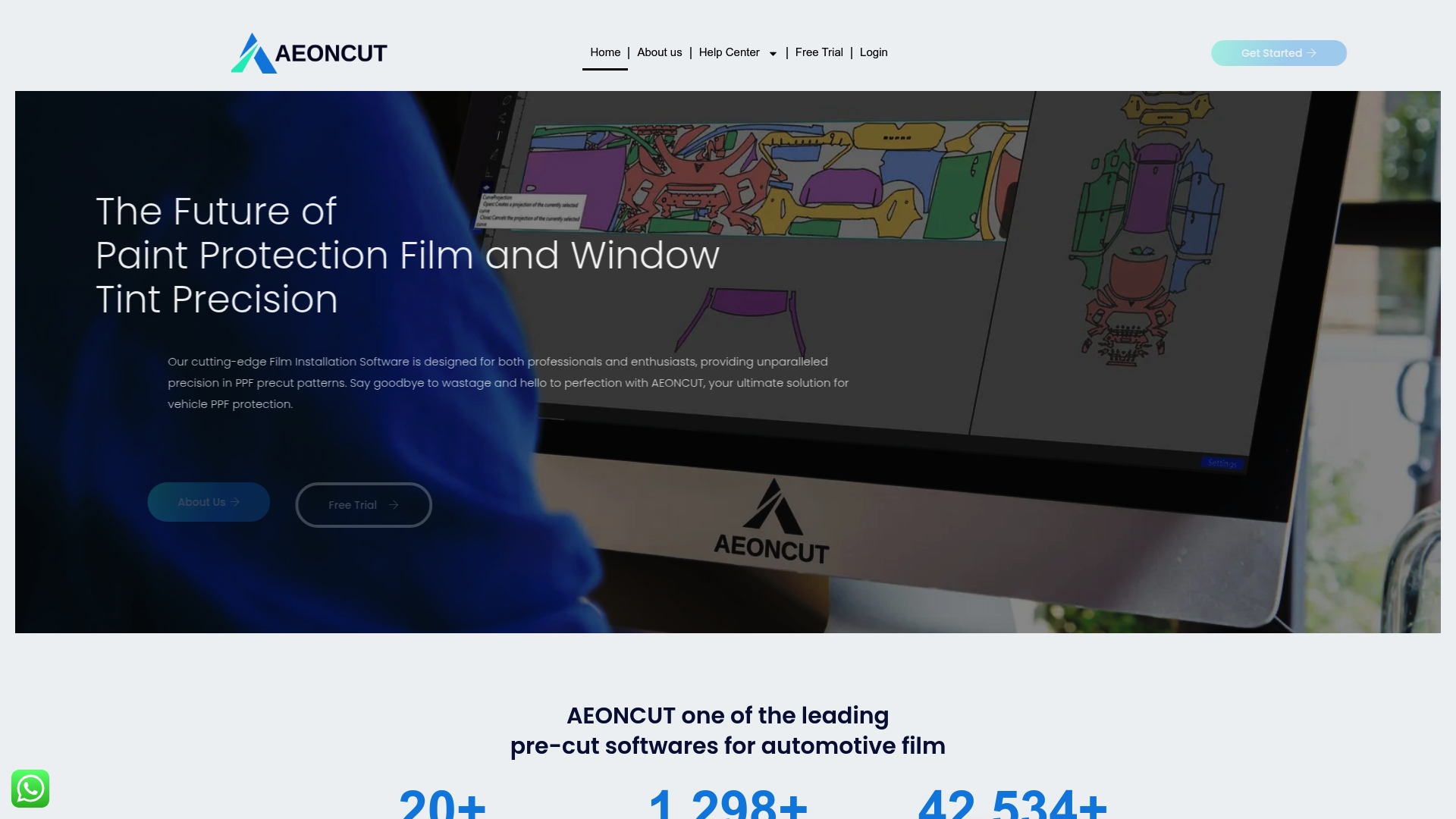
Take the next step in transforming your motorcycle PPF projects by harnessing the power of AEONCUT software. Explore the full range of features on Paint Protection Film – AEONCUT PPF Pre-cut Cutting software and visit aeoncutsw.com to start your subscription today. Experience greater accuracy and professional results now and stay ahead in this competitive industry.
Frequently Asked Questions
What are the key benefits of using Paint Protection Film (PPF) on motorcycles?
Using Paint Protection Film (PPF) on motorcycles provides essential protection against scratches, rock chips, and harmful UV rays. It keeps your bike’s paintwork pristine for longer, meaning less frequent touch-ups are needed, saving time and costs in the long run.
How do I prepare motorcycle panels before applying PPF?
To prepare motorcycle panels, thoroughly clean them to remove dirt and contaminants, and consider using a clay bar for thoroughness. This ensures that the surface is smooth, allowing for better adhesion of the PPF.
What techniques can improve the efficiency of my PPF installation?
Using a slip solution, like water mixed with a few drops of baby shampoo, can make film application easier and more controlled. Make sure to practice squeegee techniques and heat application on test panels before working on actual bike surfaces to avoid mistakes.
How can I troubleshoot common issues during PPF installation?
If you encounter issues like film stretching or edge lifting, pre-heat the film to enhance its flexibility. Additionally, apply the film in controlled, stretched increments to reduce wrinkles and maintain a smooth application.
What is auto-nesting and how can it optimise material usage during installation?
Auto-nesting is a tool that arranges PPF patterns efficiently to minimise waste. By using this technology, you can significantly reduce material usage—by up to 30%—and improve overall productivity in your installations.
How can I customise PPF templates for unique motorcycle designs?
When customising PPF templates, utilise advanced digital tools to adapt existing patterns or create new ones tailored to your motorcycle’s specific dimensions and characteristics. Conduct virtual test fits to ensure the templates conform well before cutting the physical film.
Recommended
- PPF for Motorcycles: 2025 Guide for Installers & Detailers – AEONCUT PPF Pre-cut Cutting software
- Common Mistakes in PPF Installation and How to Avoid Them – AEONCUT PPF Pre-cut Cutting software
- Building a PPF Business in 2025: From Tools to First Clients – AEONCUT PPF Pre-cut Cutting software
- Common Mistakes in PPF Installation and How to Avoid Them – AEONCUT PPF Pre-cut Cutting software