Vehicle wrap and tint specialists know the right window film does much more than transform the look of glass. Effective installation can deliver year-round privacy, UV protection, and energy savings in vehicles and buildings alike. With modern polyester films engineered for enhanced safety, comfort, and efficiency, understanding their true capabilities is vital to staying ahead of client expectations. This guide clears up common misconceptions and reveals cutting-edge techniques to help installers achieve superior privacy solutions and faster, trouble-free applications.
Table of Contents
- Private Window Film Fundamentals And Misconceptions
- Varieties Of Privacy Film For Automotive Use
- Core Benefits: Privacy, UV, And Security
- Professional Installation Techniques And Challenges
- Legal Limits And Global Compliance Standards
- Avoiding Common Mistakes And Customer Complaints
Key Takeaways
| Point | Details |
|---|---|
| Private Window Films Enhance Performance | Modern window films provide benefits such as UV blocking, energy efficiency, and safety, transforming glass into sophisticated barriers. |
| Diverse Automotive Films for Various Needs | Automotive window films come in various types, each tailored to specific privacy and functionality requirements. |
| Professional Installation is Crucial | Proper installation techniques are essential to avoid common mistakes and ensure the longevity of window films. |
| Stay Informed on Legal Compliance | Understanding the specific tint regulations in your area is vital for maintaining compliance and avoiding penalties. |
Private window film fundamentals and misconceptions
Private window film represents a sophisticated solution for managing privacy, solar control, and interior protection across residential, commercial, and automotive environments. These advanced materials are more than simple decorative additions – they are engineered products designed to enhance glass performance and occupant comfort.
Window films are primarily constructed from polyester (PET) materials and are applied directly to glass surfaces, offering multiple functional benefits beyond basic aesthetic improvements. Architectural window film technologies provide comprehensive solutions that address several critical performance parameters:
- UV radiation blocking
- Solar heat reduction
- Enhanced privacy
- Interior furnishing protection
- Safety and security improvements
- Energy efficiency optimization
Common misconceptions about window films often stem from outdated information or limited understanding of modern engineering capabilities. Many individuals incorrectly assume these products serve purely cosmetic purposes or offer minimal practical utility. However, contemporary window films represent sophisticated technological solutions with measurable performance characteristics.
Key Misconceptions about Window Films:
- They only improve aesthetics
- They detract from building appearance
- They are exclusively useful during summer months
- They lack environmental credentials
Modern window films are scientifically engineered to provide year-round benefits, delivering sustainable performance across multiple environmental conditions.
Research consistently demonstrates that high-quality window films can significantly reduce energy consumption by blocking solar heat transmission. Comprehensive studies reveal these products can help maintain consistent interior temperatures, protect furnishings from UV degradation, and enhance overall building efficiency.
Pro tip: When selecting window film, prioritise performance specifications over aesthetic considerations to ensure maximum functional benefits for your specific environment.
Varieties of privacy film for automotive use
Automotive window films represent a sophisticated technological solution for managing vehicle privacy, solar control, and aesthetic enhancement. These highly engineered polyester composites offer vehicle owners multiple options for customising their glass surfaces while addressing critical performance requirements.
Automotive window film technologies provide diverse privacy solutions designed to meet varying driver preferences and environmental conditions. The primary varieties of privacy films include:
- Dark tinted films
- Reflective mirror-finish films
- Frosted obscuration films
- Blackout privacy films
- Digital screen cloaking films
Each film type offers unique characteristics tailored to specific privacy and functional needs. Dark tinted films create visual opacity by reducing light transmission, making interior spaces less visible when external lighting conditions are brighter. Reflective films produce a mirror-like surface that prevents external viewing during daylight hours while maintaining clear outward visibility for the driver.
To clarify the distinct types of automotive privacy films, consider this comparison:
| Film Type | Main Advantage | Typical Use Case |
|---|---|---|
| Dark tinted | Reduces interior visibility | General driver privacy |
| Reflective mirror-finish | Blocks daytime external views | Executive and fleet cars |
| Frosted obscuration | Completes visual diffusion | Commercial vehicles |
| Blackout | Maximum privacy, zero view | Cargo or security vans |
| Digital screen cloaking | Conceals tech screens | High-tech or executive use |
Key Privacy Film Performance Parameters:
- Light transmission percentage
- Reflectivity level
- Interior visibility reduction
- Heat rejection capabilities
- UV protection rating
Privacy window films balance aesthetic preferences with practical performance requirements, transforming vehicle glass into intelligent, adaptive surfaces.
Frosted and blackout films represent more comprehensive privacy solutions, completely diffusing or blocking visual access to vehicle interiors. Modern cloaking films provide an additional sophisticated option, strategically hiding digital screens while permitting sufficient light passage.
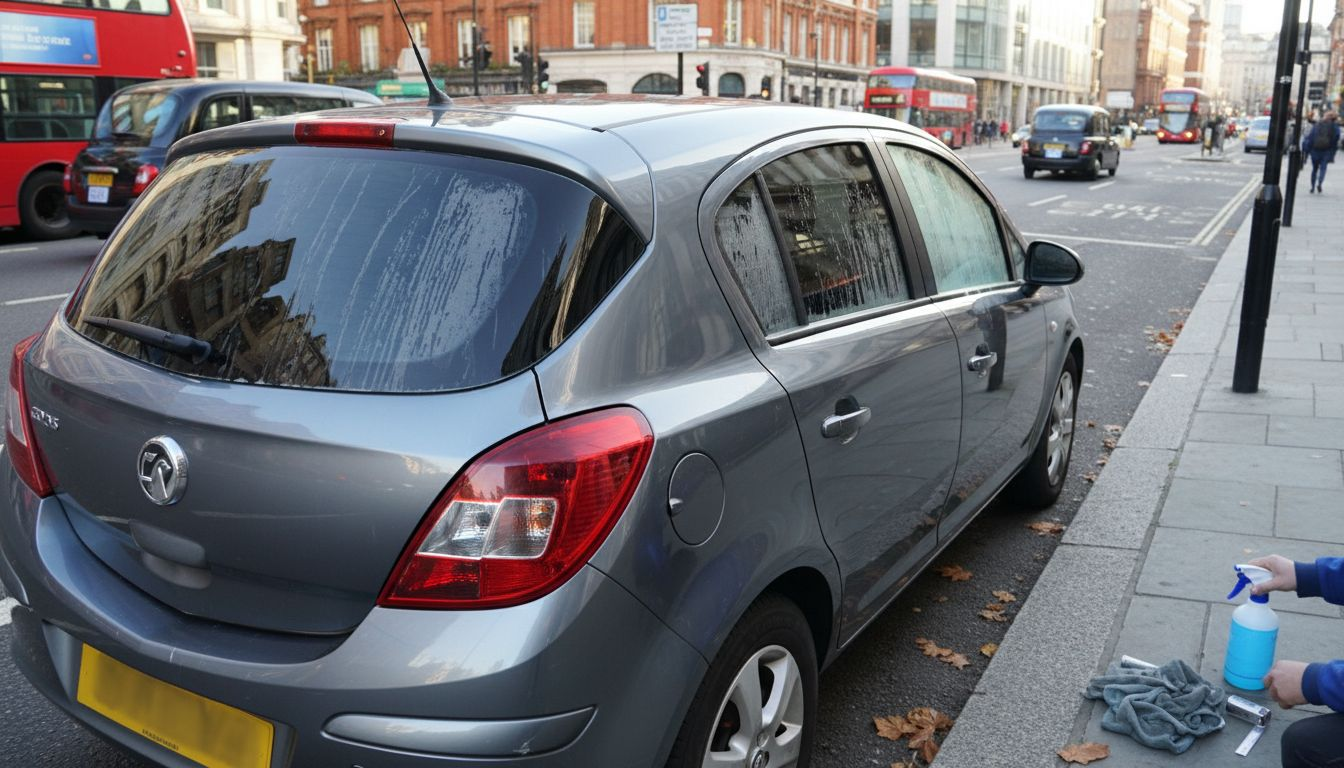
Pro tip: Always verify local vehicle window tinting regulations before selecting and installing privacy films to ensure legal compliance and avoid potential penalties.
Core benefits: privacy, UV, and security
Window films represent a sophisticated technological solution that delivers multiple critical performance benefits for residential, commercial, and automotive environments. These advanced materials are engineered to provide comprehensive protection and enhanced functionality across various applications.
Window film technologies offer a multi-dimensional approach to addressing privacy, ultraviolet protection, and security challenges. The core benefits encompass several key performance parameters:
- Ultraviolet radiation blocking
- Enhanced privacy control
- Improved energy efficiency
- Safety and security enhancement
- Interior furnishing preservation
Ultraviolet protection stands as a paramount benefit, with advanced window films capable of blocking up to 99% of harmful solar radiation. This protective capability significantly reduces interior fading, prevents skin damage, and mitigates potential long-term health risks associated with prolonged sun exposure.
Key Performance Characteristics:
- UV blocking percentage
- Heat rejection capabilities
- Visibility reduction levels
- Structural glass reinforcement
- Energy conservation metrics
Privacy window films transform ordinary glass surfaces into intelligent, adaptive barriers that balance transparency with protection.
Security-enhanced films provide an additional layer of structural protection by holding glass fragments together during impact, effectively deterring potential break-ins and minimising injury risks during accidental glass breakage. These films create a robust barrier that significantly improves the overall safety profile of windows in various environments.
Here is a summary of the core benefits provided by advanced window films:
| Benefit | Example Impact | Typical Application |
|---|---|---|
| UV radiation blocking | Prevents interior fading | Homes and vehicles |
| Energy efficiency | Lowers cooling costs | Offices, residences |
| Security enhancement | Inhibits break-ins | Commercial premises |
| Privacy control | Shields interior from view | Automotive, offices |
Pro tip: Select window films with comprehensive certifications that verify their UV protection, privacy, and security performance to ensure maximum effectiveness and long-term reliability.
Professional installation techniques and challenges
Window film installation represents a complex technical process requiring precision, expertise, and meticulous attention to detail. Professional installers must navigate multiple technical challenges to ensure superior film application and long-term performance.
Professional installation techniques demand comprehensive preparation and sophisticated technical skills. Key professional installation strategies encompass:
- Thorough glass surface cleaning
- Precise measurement techniques
- Correct tension management
- Bubble elimination methods
- Environmental condition assessment
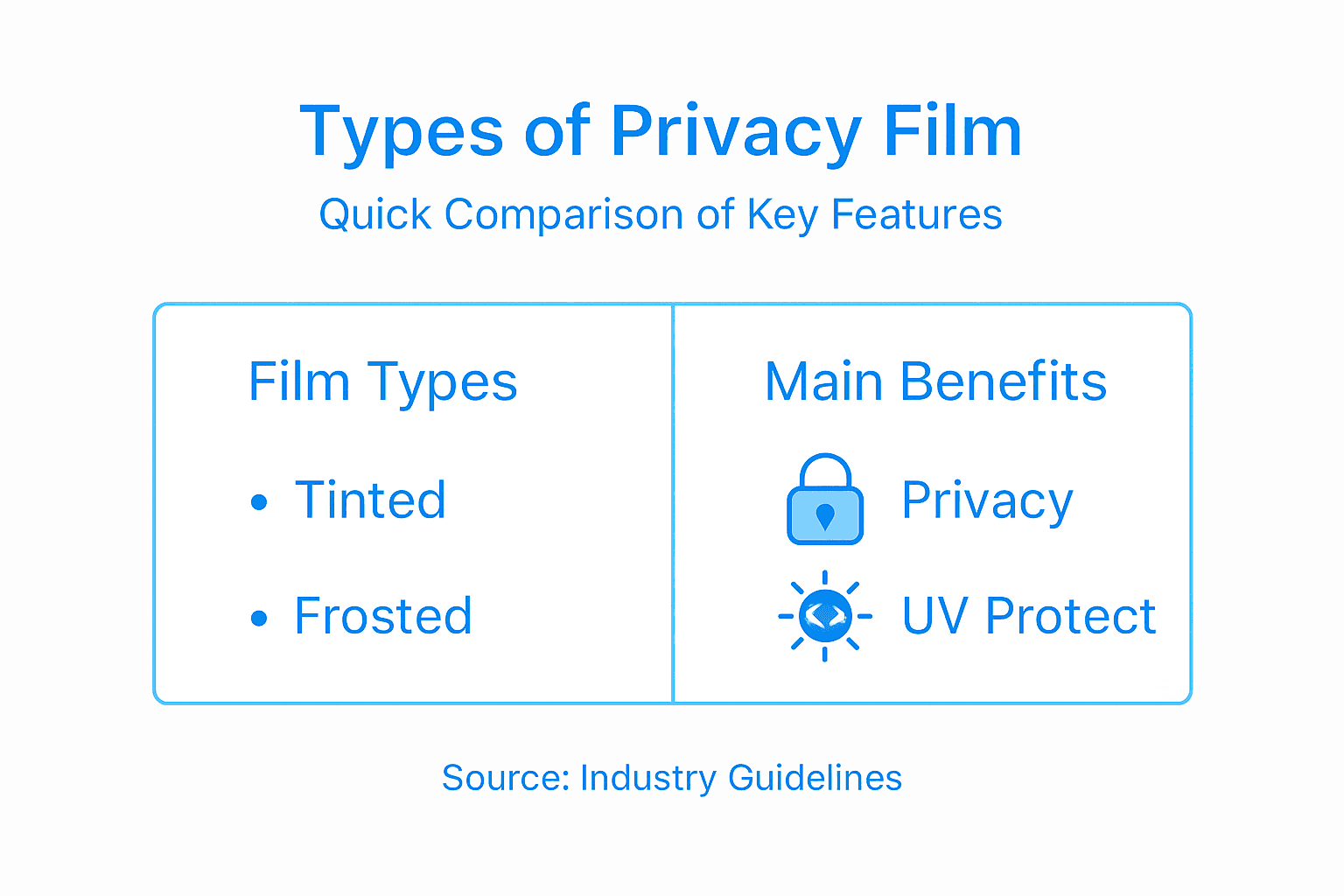
Preparation stands as the most critical phase of window film installation. Installers must thoroughly clean glass surfaces, removing all dust, oils, and contaminants that could compromise film adhesion. This process involves using specialised cleaning solutions and lint-free cloths to create an immaculate surface environment.
Critical Installation Challenges:
- Surface contamination risks
- Humidity and temperature variations
- Film handling complexities
- Tool selection precision
- Alignment and tension control
Professional window film installation transforms technical challenges into seamless, high-performance applications.
Technical expertise becomes paramount when managing complex surfaces, particularly curved or irregularly shaped windows. Installers must maintain consistent tension, use appropriate squeegee techniques, and employ wet application methods to prevent bubbling, wrinkling, and premature film failure.
Pro tip: Invest in ongoing training and high-quality tools to consistently deliver professional-grade window film installations that meet the most demanding performance standards.
Legal limits and global compliance standards
Window tint regulations represent a complex landscape of legislative requirements designed to balance privacy, safety, and vehicle performance across different jurisdictions. Professionals in the automotive film industry must navigate these intricate legal frameworks with precision and comprehensive understanding.
Interactive tint law resources provide crucial guidance for understanding global compliance standards. The primary legal considerations for window film installations encompass several critical parameters:
- Visible Light Transmission (VLT) percentages
- Reflectivity limitations
- Front and rear window restrictions
- Medical exemption protocols
- Colour and opacity regulations
Legal standards typically vary significantly between jurisdictions, with each region establishing unique requirements for vehicle window films. North American states, European countries, and Asia-Pacific nations maintain distinctive approaches to regulating window tint darkness, reflectivity, and transparency.
Key Compliance Dimensions:
- Regional legislative variations
- Vehicle-specific regulations
- Safety-focused restrictions
- Enforcement mechanisms
- Penalty structures
Window tint regulations balance individual privacy rights with public safety concerns through carefully designed legislative frameworks.
Professional installers must remain continuously updated on evolving legal standards, understanding that non-compliance can result in substantial financial penalties, vehicle inspection failures, and potential legal complications. Comprehensive documentation and precise measurement techniques become essential for maintaining regulatory adherence.
Pro tip: Develop a systematic approach to tracking regional tint law variations, utilising professional association resources and government regulatory updates to ensure consistent legal compliance.
Avoiding common mistakes and customer complaints
Window film installation requires precision and expertise to minimise potential errors that could lead to customer dissatisfaction. Professional installers must develop a systematic approach to prevent recurring technical challenges and maintain high-quality service standards.
Common installation mistakes frequently stem from inadequate preparation and inconsistent application techniques. The most prevalent issues include:
- Surface contamination
- Improper film handling
- Inaccurate measurement
- Inconsistent tension application
- Bubble formation
- Alignment inconsistencies
Thorough surface preparation represents the foundation of successful window film installation. Installers must meticulously clean glass surfaces, removing all dust, oils, and microscopic contaminants that could compromise film adhesion and create unsightly imperfections.
Critical Error Prevention Strategies:
- Use lint-free microfibre cloths
- Implement multi-stage cleaning protocols
- Select appropriate cleaning solutions
- Maintain controlled environmental conditions
- Utilise professional-grade application tools
Precision in preparation determines the quality of the final installation.
Professional installers must develop advanced technical skills to manage film tension, eliminate air bubbles, and ensure seamless alignment. This requires continuous training, investment in high-quality tools, and a commitment to perfecting application techniques.
Pro tip: Develop a comprehensive pre-installation checklist to systematically address potential error sources and maintain consistently high-quality window film applications.
Elevate Privacy and Precision with AEONCUT Window Tint Solutions
Achieving the perfect private window film installation requires more than just quality materials. The article highlights key challenges such as precise measurements, tension control, and legal compliance that professional installers and enthusiasts face when upgrading vehicle glass privacy. If your goal is to deliver top-tier privacy films that combine UV protection, heat rejection, and flawless aesthetics, mastering the application process with accurate cutting tools is essential. AEONCUT’s specialised cutting software offers exactly that—enabling you to create customised pre-cut patterns that ensure efficient installation, minimal waste, and consistent results.
Take control of your automotive window tint projects by exploring the advanced features of our window Tint – AEONCUT PPF Pre-cut Cutting software collection. Whether you are a professional installer or a serious car enthusiast, our cloud-updated libraries and AI auto-nesting tools help you meet privacy standards while maintaining compliance with global tint laws. Discover how AEONCUT can transform your workflow today by visiting our main site and browse additional insights in our Uncategorised – AEONCUT PPF Pre-cut Cutting software section. Don’t settle for guesswork when precision can define your success. Act now to ensure your privacy solutions are as advanced as the films you install.
Frequently Asked Questions
What are the main benefits of using private window film?
Private window film offers benefits such as UV radiation blocking, enhanced privacy control, energy efficiency, safety and security enhancements, and interior furnishing protection.
How does privacy window film differ from regular window film?
Privacy window film is specifically designed to provide a level of visual obscurity while maintaining functionality, such as solar control and UV protection, unlike regular window film which may focus predominantly on aesthetic changes.
What types of privacy films are available for automotive use?
The available types of privacy films for automotive use include dark tinted films, reflective mirror-finish films, frosted obscuration films, blackout privacy films, and digital screen cloaking films, each providing unique advantages for controlling visibility and light transmission.
Can private window films be applied to all types of glass surfaces?
While private window films can be applied to most glass surfaces, certain factors such as glass shape, size, and condition can impact adhesion and effectiveness, so professional consultation is advisable for optimal application.
Recommended
- Types of Window Tint: Guide for Installers and Dealers 2025 – AEONCUT PPF Pre-cut Cutting software
- What is Window Tint? Essential Guide for Tinting Pros 2025 – AEONCUT PPF Pre-cut Cutting software
- Understanding The Science of UV & IR Rejection in Automotive Window Films – AEONCUT PPF Pre-cut Cutting software
- Understanding Preventing Interior Fading: How Window Tint Works – AEONCUT PPF Pre-cut Cutting software