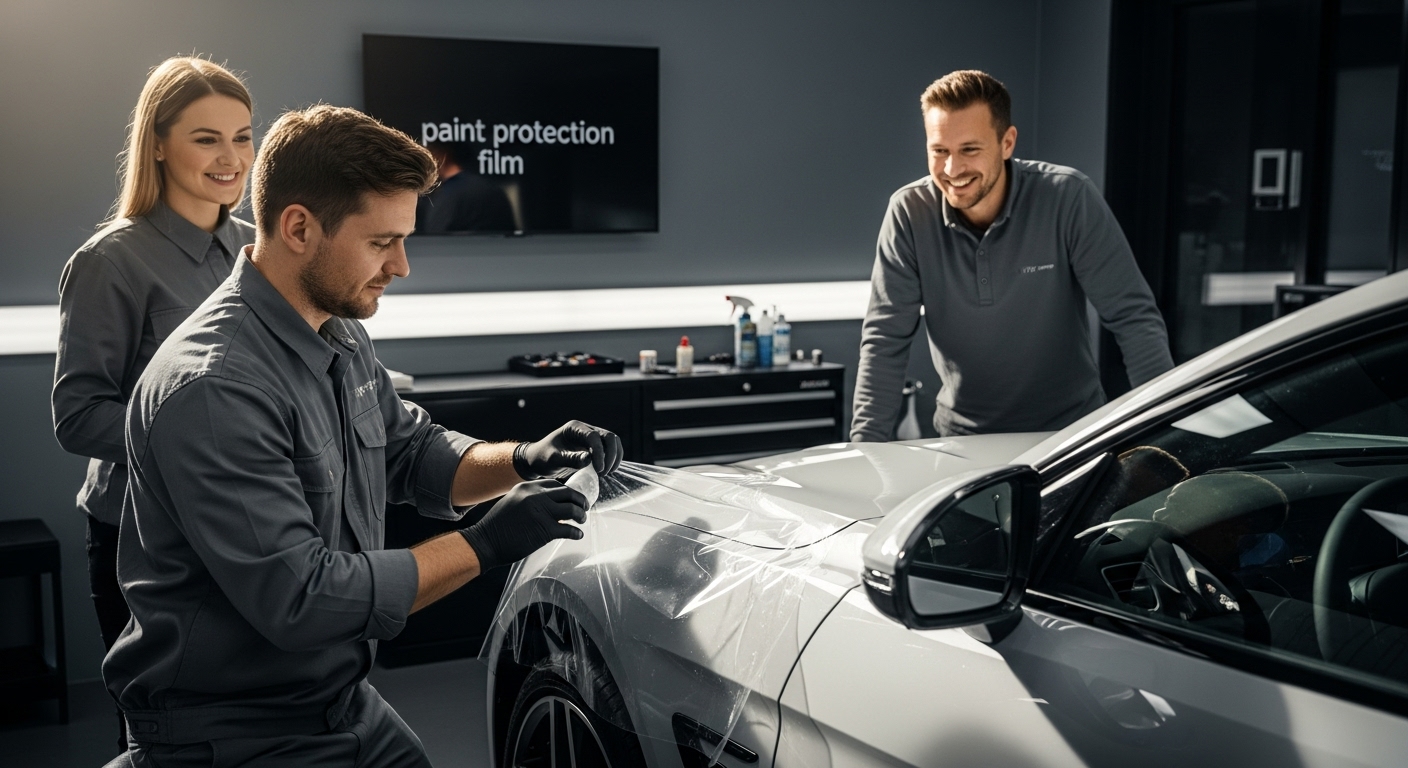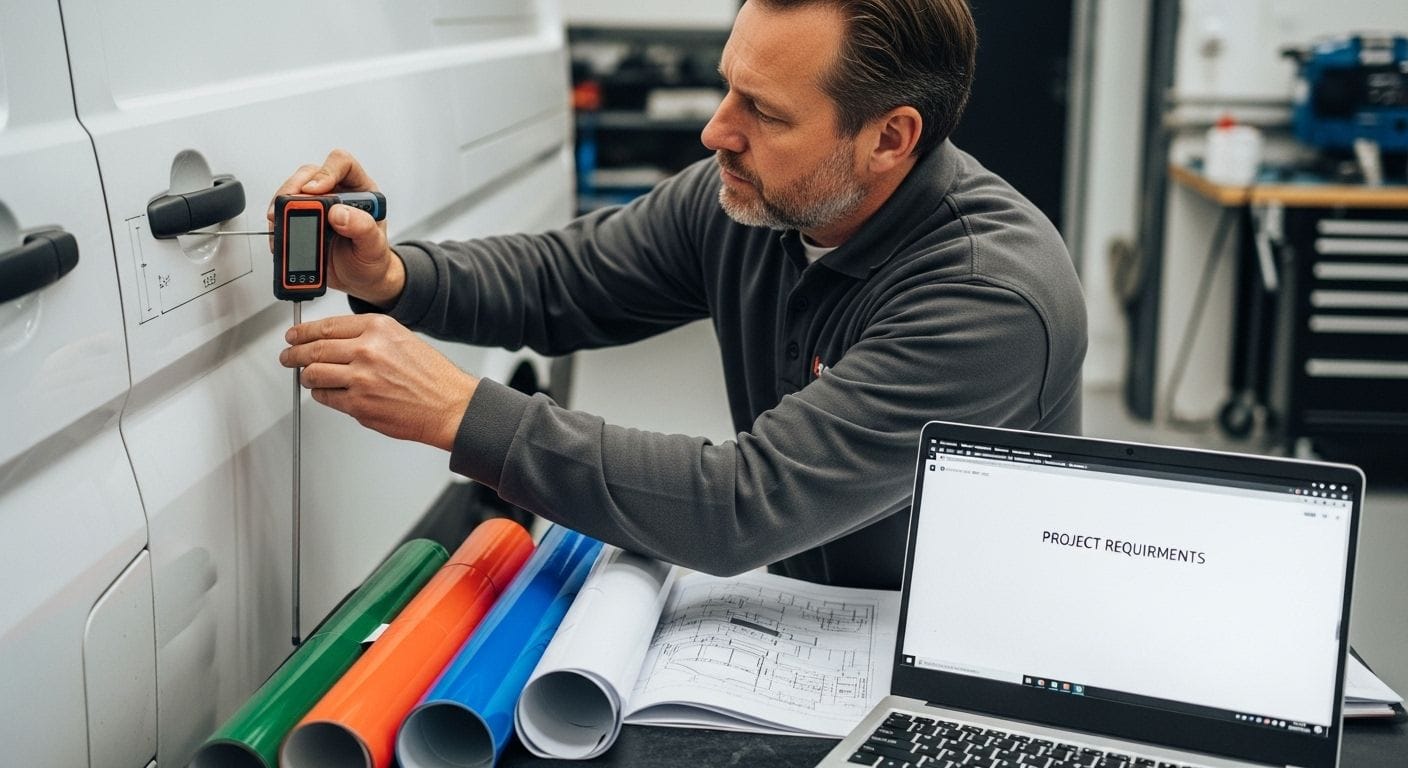
Choosing the right interior protectant can quickly feel confusing when technical claims and product misinformation cloud your decisions. For professional detailers and vehicle wrap installers, a clear understanding of surface protection technologies makes all the difference in results and client satisfaction. This guide cuts through common misconceptions and details the real science behind automotive interior protectants, empowering you to select the most effective solutions for every vehicle and substrate.
Table of Contents
- Defining Interior Protectants And Common Misconceptions
- Types Of Interior Protectants And Their Key Differences
- Application Techniques For Optimal Longevity
- Comparing Costs, Benefits, And Limitations
- Common Pitfalls And Best Practice Solutions
Key Takeaways
| Point | Details |
|---|---|
| Understanding Interior Protectants | They are scientifically formulated solutions that extend the longevity of automotive materials, not merely cosmetic products. |
| Types of Protectants | Various technologies exist, including Ceramic Coatings and UV Sealants, each suited for different materials and protection levels. |
| Application Techniques | Meticulous surface preparation and appropriate environmental conditions are crucial for ensuring effective protectant application. |
| Cost Analysis | Evaluating protectants should consider long-term value rather than just initial costs, as higher-quality options may provide better durability and protection. |
Defining Interior Protectants and Common Misconceptions
Motor vehicle interior protectants represent sophisticated solutions designed to preserve and enhance automotive cabin surfaces against environmental degradation. These specialised treatments create protective barriers that shield upholstery, dashboards, and trim components from ultraviolet radiation, moisture, and mechanical wear.
Understanding interior protectants requires distinguishing between different protective technologies. Interior protection strategies encompass multiple approaches, including:
- Ceramic coatings that provide durable molecular-level surface protection
- UV-blocking treatments preventing colour fading
- Water-resistant sealants repelling liquid contamination
- Thermal barrier applications minimising heat-related material stress
Many vehicle owners harbour misconceptions about interior protectants. Contrary to popular belief, these treatments are not mere cosmetic enhancements but scientifically engineered solutions that extend material longevity. Surface protection involves complex chemical interactions preventing degradation at the microscopic level.
Professional detailers recognise that effective interior protection requires comprehensive understanding of material science, substrate compatibility, and application techniques. High-performance protectants create invisible molecular barriers that resist environmental challenges while maintaining original surface aesthetics.
Pro tip: Always conduct a small patch test when applying new interior protectant treatments to verify compatibility and prevent potential surface discolouration.
Types of Interior Protectants and Their Key Differences
Automotive interior protectants represent a diverse range of specialised treatments designed to safeguard vehicle cabin surfaces from environmental degradation and mechanical stress. Interior protection films offer multiple technological approaches to preserving vehicle interiors across different material compositions.
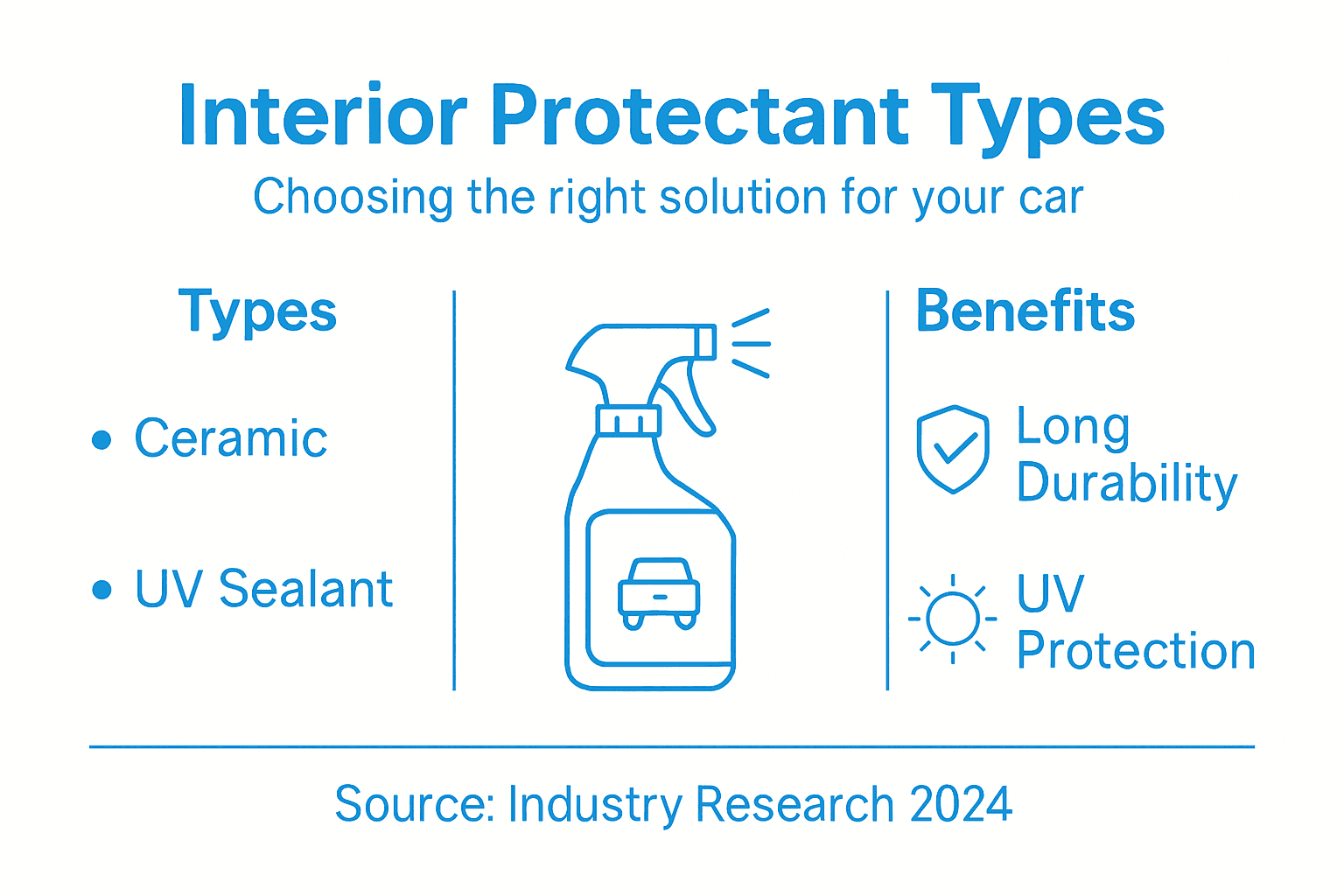
The primary categories of interior protectants include:
- Ceramic Coatings: Advanced molecular-level protection creating hydrophobic surfaces
- UV Sealants: Specialised treatments blocking ultraviolet radiation
- Nano-ceramic Treatments: Microscopic protective layers preventing colour degradation
- Synthetic Polymer Shields: Flexible barrier technologies resisting thermal and mechanical damage
Each protectant technology offers unique advantages depending on specific automotive interior material requirements. Ceramic coatings, for instance, provide exceptional durability and resistance against environmental contaminants, whereas UV sealants focus primarily on preventing colour fading and material breakdown.
Professional detailers understand that selecting appropriate protectant technologies requires comprehensive knowledge of substrate composition, environmental exposure, and anticipated usage patterns. Sophisticated interior protection strategies integrate multiple treatment approaches to create comprehensive preservation solutions.
Pro tip: Conduct thorough material compatibility testing before applying any new interior protectant to ensure optimal performance and prevent potential surface interactions.
The following table compares the main categories of interior protectants, highlighting their protection focus, typical durability, and suitability for interior materials:
| Protectant Type | Main Protective Focus | Typical Durability | Best Suited Materials |
|---|---|---|---|
| Ceramic Coating | Molecular-level contaminant resistance | 2-5 years | Leather, plastics, trims |
| UV Sealant | Preventing colour fading | 12-24 months | Dashboards, fabrics |
| Nano-ceramic Treatment | Microscopic UV and chemical defence | 1-3 years | Synthetic surfaces, leather |
| Synthetic Polymer Shield | Thermal and mechanical stress | 6-18 months | Vinyl, plastics, rubber |
Application Techniques for Optimal Longevity
Successful interior protectant application demands meticulous preparation and precise execution. Professional protection techniques require systematic approaches that ensure comprehensive surface coverage and long-term performance.
Critical steps for optimal protectant application include:
- Surface Preparation: Complete removal of existing contaminants
- Controlled Environment: Application in temperature-controlled, dust-free spaces
- Precise Application Tools: Utilising microfibre applicators and specialised equipment
- Layer Technique: Multiple thin, uniform protective layers
- Curing Protocol: Allowing appropriate drying and bonding time between applications
Professional detailers recognise that surface preparation represents the most crucial phase of protectant application. Microscopic surface imperfections can dramatically compromise coating adhesion and overall protective performance, necessitating thorough cleaning, decontamination, and potentially light mechanical surface correction.
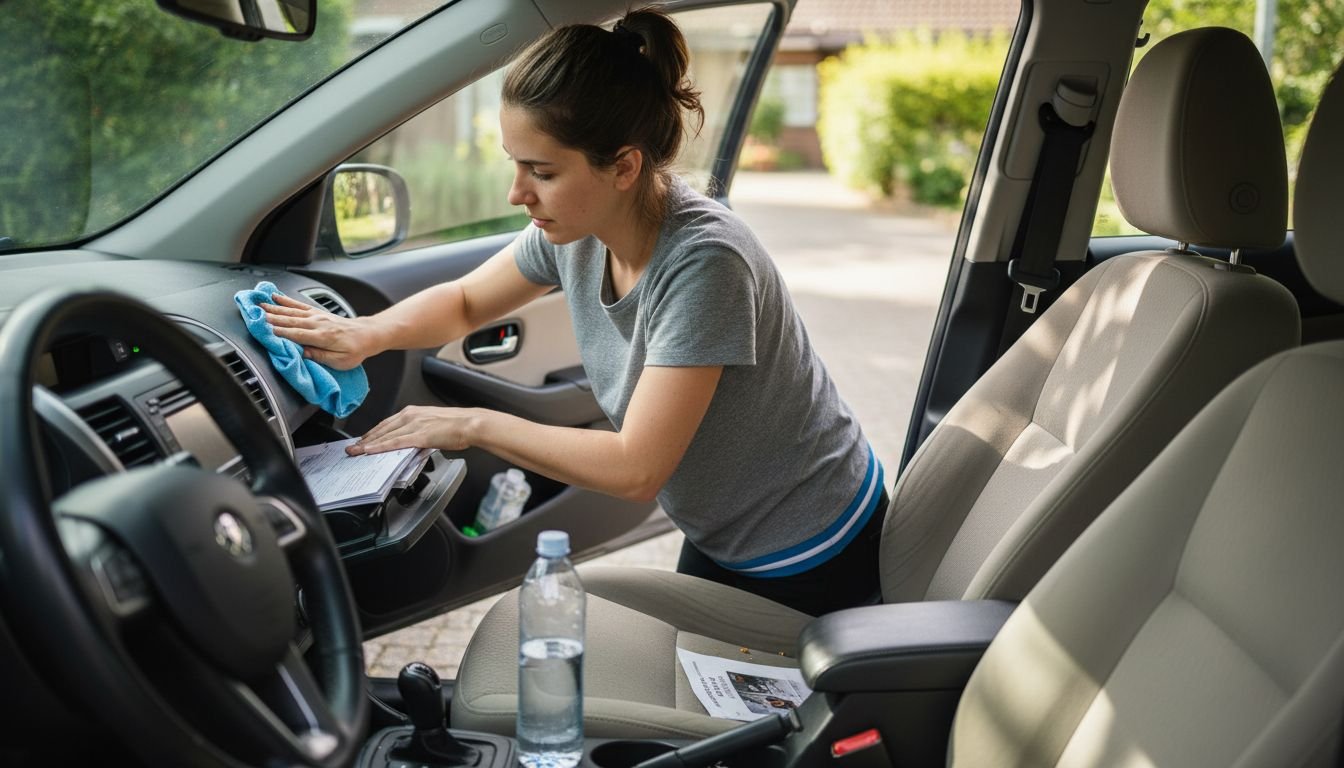
Advanced application methodologies integrate multi-stage processes that account for material-specific characteristics. Different substrate compositions—leather, vinyl, fabric, and synthetic materials—demand tailored approaches to ensure optimal molecular bonding and long-term protective performance.
Pro tip: Invest in professional-grade surface preparation kits and conduct comprehensive substrate testing before full protectant application to guarantee maximum adhesion and durability.
Comparing Costs, Benefits, and Limitations
Comprehensive evaluation of automotive interior protectants requires nuanced understanding of their economic and functional trade-offs. Clear bra protection strategies provide critical insights into the complex landscape of protective technologies.
Cost considerations across different protectant categories include:
- Entry-Level Protection: Budget-friendly silicone-based treatments (£50-£150)
- Mid-Range Solutions: Advanced synthetic polymer shields (£150-£350)
- Premium Ceramic Coatings: High-performance molecular treatments (£350-£750)
- Professional-Grade Systems: Comprehensive multi-layer protection (£750-£1,500)
Cost variations reflect the sophisticated engineering behind each protection technology. Professional-grade treatments offer superior durability and performance, with molecular-level bonding that provides exponentially greater protection compared to basic surface treatments.
Each protectant technology presents unique limitations. Ceramic coatings, while offering exceptional protection, require precise application and can be challenging for inexperienced installers. Budget treatments often provide minimal protection, potentially requiring more frequent reapplication and offering limited defence against environmental degradation.
Pro tip: Calculate long-term value by comparing initial investment against expected protection duration and potential repair costs, rather than focusing solely on upfront pricing.
Common Pitfalls and Best Practice Solutions
Navigation of automotive interior protectant application requires sophisticated understanding of potential challenges and strategic mitigation techniques. Professional protection methods illuminate critical considerations for successful implementation.
Common pitfalls in interior protectant application include:
- Inadequate Surface Preparation: Applying treatments on contaminated surfaces
- Inappropriate Environment: Applying protectants in suboptimal temperature or humidity conditions
- Incorrect Application Technique: Using improper tools or inconsistent coverage
- Incompatible Product Selection: Choosing protectants misaligned with substrate requirements
- Insufficient Curing Time: Rushing installation process
Professional detailers recognise that comprehensive surface preparation represents the most critical intervention point. Microscopic contaminants can dramatically compromise coating adhesion, necessitating systematic cleaning protocols that remove oils, residues, and particulate matter before treatment application.
Quality control demands rigorous methodology, including comprehensive substrate analysis, precise environmental management, and meticulous application techniques. Advanced professionals employ systematic approaches that integrate material science principles with practical installation strategies, ensuring optimal protective performance across diverse automotive interior environments.
Here is a summary of common application pitfalls and professional solutions to reduce installation risks:
| Common Pitfall | Impact on Results | Best Practice Solution |
|---|---|---|
| Inadequate surface preparation | Weak bonding, patchiness | Deep cleaning before treatment |
| Incorrect application technique | Streaks, uneven coverage | Use professional microfibre tools |
| Incompatible product selection | Material damage, failure | Verify substrate compatibility |
| Insufficient curing time | Reduced protection strength | Allow full drying as per guidelines |
Pro tip: Invest in professional-grade surface testing equipment and maintain a controlled application environment to minimise potential installation complications.
Elevate Your Car Interior Protection with Precision Software Solutions
Preserving your vehicle’s interior with advanced protectants demands not only expert application but also exact measurements and customised patterns for comprehensive coverage. Achieving flawless installation that complements sophisticated treatments like ceramic coatings and UV sealants means overcoming the challenge of cut accuracy and material waste.
At AEONCUT, we understand that professional installers and serious enthusiasts seek tools that reduce errors and enhance efficiency when applying protective films. Our cutting-edge window Tint – AEONCUT PPF Pre-cut Cutting software delivers precision pre-cut patterns tailored to your specific vehicle model. This reduces installation time and prevents costly mistakes, ensuring your interior protectants form invisible molecular barriers that last longer.
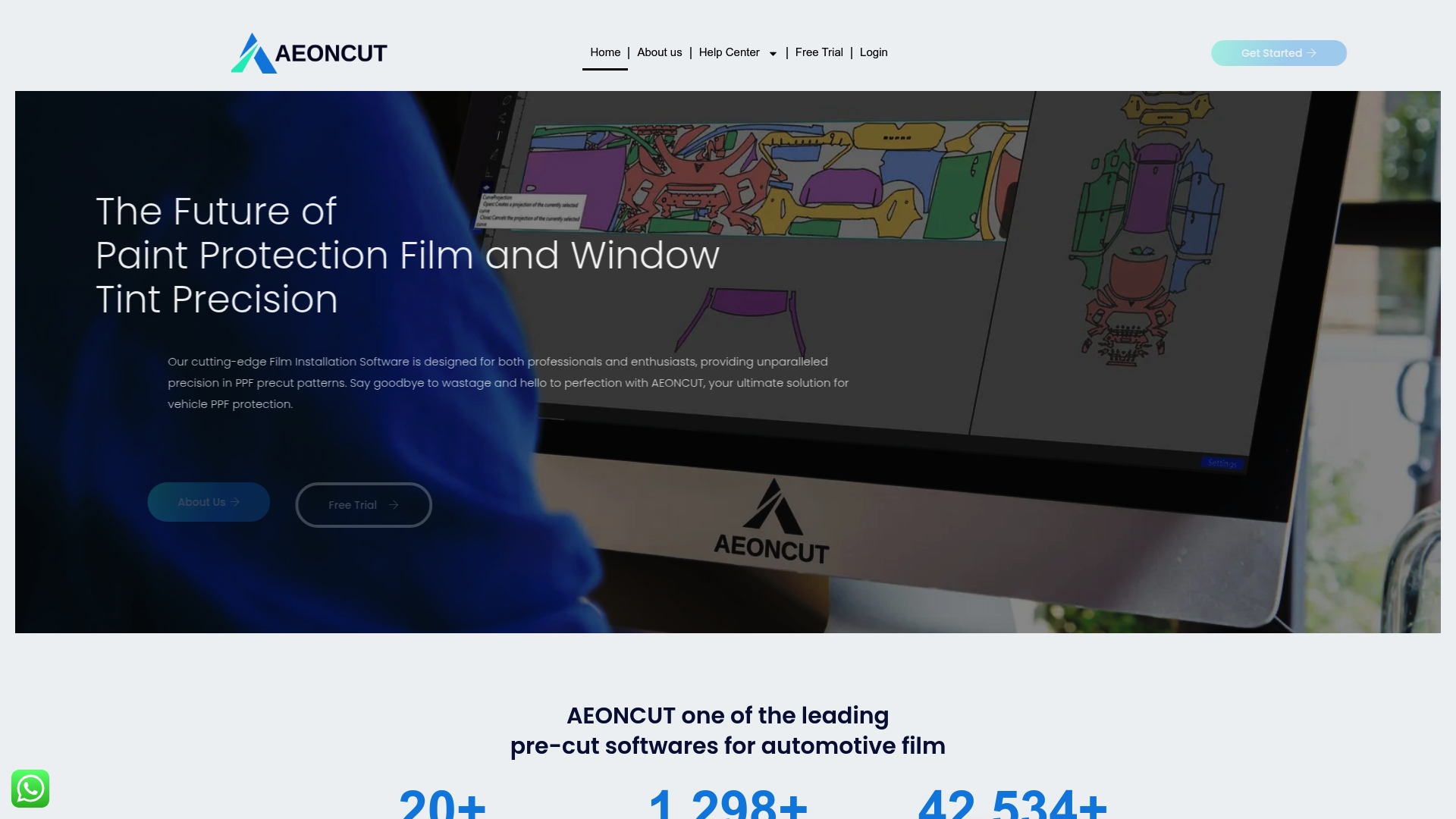
Unlock the full potential of your interior protection efforts by harnessing technology designed for exactness and reliability. Explore our Featured – AEONCUT PPF Pre-cut Cutting software for innovative tools that complement your protection strategies perfectly. Visit AEONCUT today to start your subscription and experience why professionals trust our platform for seamless, high-quality pattern solutions.
Frequently Asked Questions
What are the different types of interior protectants for car interiors?
Interior protectants can be classified into several types, including ceramic coatings, UV sealants, nano-ceramic treatments, and synthetic polymer shields. Each type has its unique protective focus, such as molecular-level resistance, UV defence, or thermal and mechanical stress resistance.
How do I properly apply an interior protectant to ensure maximum effectiveness?
To ensure maximum effectiveness, follow critical steps such as thorough surface preparation, applying in a controlled environment, using precise application tools, layering thin coats, and allowing adequate curing time between applications.
What are the benefits of using a ceramic coating compared to other protectants?
Ceramic coatings offer advanced molecular-level protection that creates a hydrophobic surface, providing exceptional durability and resistance against environmental contaminants, making them more effective than basic treatments that may require more frequent reapplication.
How can I determine which interior protectant is suitable for my car’s upholstery?
To determine the suitable interior protectant, consider the material composition of your upholstery (e.g., leather, fabric, synthetic) and consult compatibility guidelines for each product type. Professional detailers can also guide you in selecting the best protectant based on usage and exposure conditions.
Recommended
- Understanding Why Interior Protection Films Are the Next Big Trend in Car Care – AEONCUT PPF Pre-cut Cutting software
- Understanding Why Interior Protection Films Are the Next Big Trend in Car Care – AEONCUT PPF Pre-cut Cutting software
- Understanding Interior Protection Films: Benefits for Luxury Cars – AEONCUT PPF Pre-cut Cutting software
- Understanding Why Interior Protection Films Are the Next Big Trend in Car Care – AEONCUT PPF Pre-cut Cutting software