Picking the wrong paint protection film can turn a premium service into a recurring headache for you and your customers. Choosing poor-quality products means dealing with yellowed finishes, difficult installations, and films that fail long before they should. If you want to maintain your reputation and deliver real results, the right film choice is essential.
This guide breaks down solutions trusted by professionals, from industry-leading brands with reliable self-healing properties to films that keep a showroom-quality gloss under tough conditions. You will unlock the practical factors that matter most, such as film thickness, clarity, brand support, and compatibility with cutting tools.
Get ready to discover the expert insights that will save you time, cut down on costly call-backs, and keep your customers coming back for more.
Table of Contents
- Understand Key Qualities of High-Grade PPF
- Compare Leading Brands for Consistent Results
- Evaluate Thickness and Durability for Tough Environments
- Assess Clarity and Finish for Superior Customer Appeal
- Check Compatibility with Professional Cutting Software
- Review Warranty and Manufacturer Support Options
- Calculate Overall Cost and Potential Material Savings
Quick Summary
| Key Message | Explanation |
|---|---|
| 1. Use High-Grade PPF | Quality PPF enhances installation results and customer satisfaction significantly through superior materials like urethane. |
| 2. Prioritise Brand Reputation | Choose reputable brands such as XPEL or ARMOR UP for reliable performance and warranty support, ensuring long-lasting installations. |
| 3. Focus on Film Thickness | Opt for 8-mil films for a balance of protection and flexibility, adapting to specific environmental challenges. |
| 4. Emphasise Clarity and Finish | Premium PPF maintains optical clarity and a glossy finish, enhancing the vehicle’s appearance and customer satisfaction over time. |
| 5. Evaluate Warranty and Support | Thoroughly review warranty terms and manufacturer support to ensure product longevity and effective resolution of installation issues. |
1. Understand Key Qualities of High-Grade PPF
High-grade paint protection film separates professionals from amateurs. The difference between a mediocre product and an exceptional one comes down to specific material characteristics that directly affect your installation results and customer satisfaction.
Quality PPF starts with the base film composition. The best films use urethane as their foundation, which provides superior elasticity and self-healing properties. When a customer’s vehicle encounters minor scratches or swirl marks from carwashing, a genuine self-healing PPF actually rebounds when exposed to heat or sunlight. This isn’t marketing hype. The polymer chains in quality films literally relax and fill in superficial damage. Budget alternatives lack this capability, leaving marks permanently etched into the film.
The clarity of the film matters enormously. Professional-grade PPF maintains optical transparency indefinitely without yellowing or hazing. Cheaper films develop a cloudy appearance within months, particularly in intense sunlight or high-heat environments. Your customers notice this immediately, and it reflects poorly on your workmanship even though the degradation comes from the film itself. Always specify films with UV stabilisers and optical clarity guarantees.
Thickness deserves careful attention. Standard professional PPF typically measures between 6 to 8 mils (thousandths of an inch). Thicker isn’t automatically better, but thinner films compromise protection and durability. Verify the exact specification from your supplier. Some manufacturers advertise protection without clearly stating thickness, which is a red flag. You need films rated for genuine impact protection and abrasion resistance.
Adhesive performance separates lasting installations from failures. High-quality PPF uses aggressive adhesive systems that bond permanently to clearcoat without leaving residue or causing adhesion failure. The adhesive should remain stable across temperature extremes, from frozen Canadian winters to scorching Australian summers. Test how the film handles removal after 5 years. Quality products come off cleanly without damaging the underlying paint or leaving sticky residue that requires hours of cleanup.
Tear resistance and flexibility prevent edge lifting and premature failure. Professional PPF stretches without tearing during installation, accommodates curved surfaces, and maintains dimensional stability over time. Low-grade films become brittle, crack at edges, and lift away from body lines. When you’re working on intricate bumpers or complex panels, premium flexibility means faster installation and superior results.
The conformability of the film directly impacts your application speed. High-quality PPF flows smoothly over contours without creating bubbles or wrinkles that require rework. Budget films resist conforming, demand excessive heat manipulation, and often leave imperfections that demand customer callbacks. This translates to lost time and reduced profitability on each job.
Water beading longevity indicates overall film quality. Superior PPF maintains its hydrophobic properties for years, keeping the vehicle looking cleaner between washes. Poor-quality films lose water beading characteristics within months as the topcoat degrades. Your customers expect lasting protection, and they measure success partly on how well water sheets off the surface.
Recognise that installation difficulty correlates with film quality. Premium films have predictable behaviour, cut cleanly, and respond reliably to heat application. Budget alternatives behave unpredictably, tear unexpectedly, and require constant problem-solving. Over a year of installations, this compounds into significant time losses and increased customer dissatisfaction.
When specifying PPF for your business, request technical documentation showing concrete specifications for self-healing properties, optical clarity benchmarks, adhesive strength ratings, and tear resistance metrics. Suppliers offering vague promises without measurable data rarely provide professional-grade products. Compare warranty periods carefully. Manufacturers confident in their products typically back them with 5 to 10-year warranties. Shorter warranty periods suggest lower confidence in longevity.
Pro tip: Create a simple test protocol for new PPF suppliers by applying sample pieces to test panels, then deliberately expose them to sunlight, heat, and carwashing for 3 months before formally committing to bulk orders. This reveals yellowing, adhesion issues, and clarity problems before they become customer problems.
2. Compare Leading Brands for Consistent Results
Choosing between PPF brands can feel overwhelming when you’re managing multiple installation projects monthly. The reality is that brand reputation matters less than understanding what specific formulations deliver for your particular market and customer expectations.
Leading brands in the PPF industry have established themselves through consistent performance across diverse applications. XPEL, ARMOR UP, TRACKDAYPPF, HOHOFILM, and HIDNY represent the tier of manufacturers that professional installers trust for reliable results. These brands don’t just sell film. They provide systems backed by warranty support, training resources, and proven track records across thousands of installations.
XPEL stands out for professional-grade protection specifically engineered for high-impact zones. If your customer base includes sports car enthusiasts or drivers who tackle harsh environments, XPEL’s formulations deliver superior impact resistance. The film maintains optical clarity without yellowing, and the self-healing properties activate reliably across temperature variations. You’ll notice faster installation times because the film conforms predictably to complex curves without requiring excessive heat manipulation.
ARMOR UP emphasises seamless installation through TPU-based formulations that stretch smoothly over body lines. TPU technology provides flexibility without compromising protection, making it ideal if you’re handling vehicles with challenging panel geometry. The brand focuses on hydrophobic properties that persist longer than budget alternatives, keeping customer vehicles looking cleaner between washes. Your labour costs decrease because the film applies more intuitively, reducing rework time.
Other established brands prioritise hydrophobic and scratch-resistant coatings that appeal to customers seeking long-term aesthetic protection alongside impact resistance. Top-rated auto paint protection films feature varied thicknesses and protective coatings designed to cater for different environments and vehicle surfaces. This means you can match specific film characteristics to individual customer needs rather than installing identical products on every vehicle regardless of its intended use.
When comparing brands, consider warranty offerings as a direct indicator of manufacturer confidence. Premium brands typically back their products with 5 to 10-year warranties covering yellowing, clarity loss, and adhesion failure. Shorter warranty periods suggest either lower confidence in longevity or an attempt to position products as budget alternatives. Your customers will ask about warranty length, and standing behind a reputable brand gives you credibility when discussing coverage terms.
Installation consistency varies dramatically between brands, and this affects your bottom line directly. Premium formulations from established brands behave predictably in your climate conditions. You encounter fewer surprises during application, which means faster project completion and reduced material waste. Budget brands introduce variables that cost time. A film that tears unexpectedly, resists conforming, or requires constant heat adjustment adds hours to each installation.
Performance consistency across diverse driving conditions separates professional-grade brands from budget alternatives. A film that performs excellently in mild climates but fails in extreme heat or cold-weather environments creates customer problems that reflect poorly on your reputation. Established brands test their formulations across temperature extremes, salt spray environments, and UV intensity variations. When you install products from these manufacturers, you’re applying films engineered for genuine durability rather than theoretical protection.
The availability of technical support matters when problems arise. Reputable manufacturers employ customer service teams that understand your installation challenges and can troubleshoot issues quickly. They provide detailed technical specifications, compatibility information, and application guidance. Budget suppliers often lack this infrastructure, leaving you to solve problems independently when customers report issues months after installation.
Create a simple comparison matrix for brands you’re considering. List specifications like thickness, self-healing activation temperature, warranty length, and claimed durability period. Contact manufacturers directly and request technical documentation supporting their claims. Brands confident in their products willingly provide detailed specifications. Those that deflect or provide vague answers rarely offer professional-grade quality.
Build relationships with 2 to 3 reputable brands rather than constantly switching based on price fluctuations. Consistency in your supplier relationships allows you to develop expertise with specific formulations, understand their behaviour patterns, and provide better service to your customers. You’ll also qualify for better pricing through volume commitments and develop priority access when supply constraints occur.
Pro tip: Order sample kits from leading brands and conduct side by side applications on test vehicles parked in various sunlight exposures for 6 months, then compare yellowing, clarity retention, and water beading performance before committing to bulk orders for your business.
3. Evaluate Thickness and Durability for Tough Environments
Thickness selection determines whether your PPF installation protects effectively or fails prematurely in demanding conditions. This single parameter influences impact resistance, flexibility, optical clarity, and long-term durability more than almost any other factor you’ll control as a professional installer.
Automotive PPF thickness ranges between 6 and 14 mils, with approximately 8 mils representing the optimal balance between durability and flexibility for most applications. Think of thickness as a spectrum rather than a fixed requirement. Thinner films stretch more easily over complex curves and maintain better optical clarity, but they sacrifice impact protection. Thicker films absorb energy from stone chips and road debris more effectively, yet they become brittle and resist conforming to curved surfaces.
Understanding your customer’s environment transforms thickness selection from guesswork into strategy. A vehicle facing Australian outback conditions with intense UV exposure and extreme temperature swings demands different specifications than a car garaged in mild Northern European climates. Similarly, a delivery van navigating gravel roads requires thicker protection on vulnerable zones compared to a luxury vehicle primarily driven on motorways.
The 8-mil standard exists for good reason. This thickness provides genuine impact protection against typical road hazards whilst maintaining the flexibility necessary for installers to apply the film without excessive heat and manipulation. Films thinner than 6 mils become difficult to handle during installation and offer marginal protection improvement over regular clearcoat. Films thicker than 10 mils start compromising your ability to conform them to complex body panels and hood curves without visible wrinkles or edge lifting.
Durability factors extend far beyond raw thickness measurements. Resistance to yellowing, cracking, and adhesion longevity ensures protection in tough environments without compromising appearance. A thicker film that yellows after two years provides worse customer outcomes than a thinner film maintaining optical clarity for ten years. Premium formulations maintain structural integrity across temperature extremes, preventing the brittleness that causes cracking in cold climates and the softening that leads to adhesion failure in extreme heat.
Consider partial coverage applications when evaluating thickness. Your customer’s budget might not accommodate full-vehicle protection, so prioritise high-impact zones with thicker specifications. Front bumpers, bonnet leading edges, door handles, and mirror backs take the most abuse. These areas warrant 8 to 10-mil films that genuinely absorb impact energy. Lower-impact zones like roof panels and door sides can utilise 6 to 8-mil films, balancing protection with cost management.
Adhesion longevity directly correlates with durability performance. Quality PPF with premium adhesive formulations maintains bond strength across temperature cycles and moisture exposure that would cause budget films to lift at the edges. Poor adhesion fails first at panel seams and curved transitions, creating visible gaps that invite dirt and moisture underneath. This turns a protective investment into an eyesore that damages your reputation.
Yellowing resistance matters enormously in sunny climates. A thick film that yellows after eighteen months creates customer dissatisfaction even though it technically still provides protection. You’re applying something customers see every day, and visual degradation becomes the primary metric they use to judge success. Premium thick films from established manufacturers maintain optical clarity indefinitely because they incorporate UV stabilisers and optical coatings that work reliably across decades.
Cracking resistance determines whether your installation survives temperature extremes common in continental climates. Films with poor flexibility become brittle in freezing temperatures, developing small cracks that propagate as the vehicle moves and body panels flex. These cracks compromise protection and create uneven appearance. Films engineered for durability maintain molecular flexibility regardless of temperature fluctuations.
When specifying PPF for tough environments, consider stacking different thicknesses strategically. Apply 10-mil film to maximum exposure areas, 8-mil to standard protection zones, and 6-mil to lower-risk panels. This approach maximises protection where it matters most whilst managing material costs and maintaining optical consistency across the vehicle.
Request detailed durability specifications from your suppliers. Ask about yellowing resistance measured in outdoor exposure hours, adhesion strength tested under temperature cycling, and cracking resistance across temperature ranges from minus 20 to plus 60 degrees Celsius. Manufacturers confident in their products provide these specifications backed by independent testing. Those offering vague durability claims rarely deliver professional-grade performance in extreme conditions.
Pro tip: Create a thickness recommendation matrix for your market conditions listing specific film thicknesses for different panel locations based on customer climate, typical driving patterns, and coverage budget, then use this consistently across all installations to ensure customers receive optimal protection matched to their actual environment.
4. Assess Clarity and Finish for Superior Customer Appeal
Customers see PPF before they feel it. Optical clarity and surface finish determine whether your installation looks invisible or screams “there’s film on this car”. These visual characteristics directly influence customer satisfaction and word-of-mouth referrals regardless of how well the underlying protection actually performs.
Optical clarity represents the film’s ability to maintain perfect transparency indefinitely. Premium PPF uses optical-grade coatings that enhance gloss without altering the vehicle’s original paint colour. What this means in practical terms is that customers cannot distinguish between protected and unprotected panels when viewing the vehicle from any angle. Budget films develop a hazy appearance within months, creating visible boundaries that look like imperfections even though the protection remains functional.
The culprit behind clarity loss is typically yellowing caused by UV exposure and oxidation. Advanced films incorporate UV inhibitors and anti-yellowing agents that maintain transparency over time. These chemical additives cost money, which is why budget manufacturers skip them. A customer might accept that protective film exists on their expensive vehicle, but they absolutely will not accept visible yellowing that makes the car look aged or poorly maintained.
Surface finish quality separates professional installations from amateur results. High-quality PPF provides a glossy finish that boosts paint brightness and visual depth, making the underlying clearcoat appear richer and more vibrant than the unprotected panels. This creates an unexpected benefit for your customers. The protected areas often look superior to unprotected zones, which actually encourages them to protect additional areas during future service visits.
The self-healing topcoat integrated into premium films restores smoothness by eliminating minor scratches. When your customer washes their vehicle, minor swirls and dust marks that would normally embed themselves in the clearcoat can simply disappear when the film experiences gentle heat from sunlight or warm water. This capability extends apparent freshness and maintains the showroom-quality appearance that customers expect from protected vehicles.
Hydrophobic and oleophobic coatings deserve specific attention because customers interact with these properties constantly. These surface treatments cause water to bead and roll off rather than spreading into sheets that dry with mineral spots. Contaminants including bird droppings, tree sap, and industrial fallout slide off more easily rather than bonding permanently to the surface. Your customer literally sees cleaner vehicles between washes, which reinforces their perception of protection value. When hydrophobic properties fade after two years, customers notice and become disappointed, even though the underlying PPF still protects paint.
The glossiness of the finish matters for emotional appeal. Most customers choose PPF precisely because they want their vehicles to look pristine. A matte or satin finish might provide legitimate functional benefits, but it violates customer expectations unless specifically requested. Premium gloss finishes create depth perception that makes painted surfaces appear more dimensional and higher quality. This visual enhancement alone justifies premium PPF pricing in customer minds.
Colour matching becomes crucial when applying partial coverage. If you’re protecting only the front bumper or bonnet, the finish must integrate seamlessly with unprotected panels. Different film brands produce subtly different gloss levels that become obvious when comparing protected to unprotected surfaces. Always test finish consistency on your customer’s specific vehicle under natural sunlight before committing to the full installation. Overhead lighting in your workshop masks finish differences that become glaringly obvious in daylight.
Optical clarity testing reveals quality differences immediately. Place a protected and unprotected panel side by side in strong sunlight. Premium films remain optically neutral, while budget alternatives show visible haze or slight yellowing. Your customers will conduct this exact test mentally, comparing how their protected vehicle panels appear relative to unprotected areas. This single visual assessment influences their perception of whether they received value.
Building customer expectations around clarity and finish transforms a protective service into an aesthetic upgrade. When you explain that PPF maintains their paint’s appearance while protecting it, you’re selling both insurance and cosmetic enhancement. Customers understand this value proposition immediately and become advocates who recommend your services to friends and family.
Request detailed optical clarity specifications from film manufacturers. Ask about haze values measured optically, gloss levels compared to bare clearcoat, and water contact angles demonstrating hydrophobic performance. Premium manufacturers provide these measurements because they exceed industry standards. Budget suppliers provide vague descriptions of “crystal clear” or “glossy finish” without supporting data.
Pro tip: Create before and after photo documentation showing the same vehicle panels protected and unprotected under consistent sunlight conditions, then use these images in your marketing materials to demonstrate the clarity and gloss benefits that justify premium PPF pricing to potential customers.
5. Check Compatibility with Professional Cutting Software
Your PPF choice means nothing if cutting software doesn’t support precise pre-cut patterns for the vehicles your customers drive. Compatibility between film and cutting software represents the operational backbone of modern professional installations, directly affecting waste rates, installation speed, and edge quality.
Leading PPF brands understand that professional installers depend on cutting software to remain competitive. They develop and maintain cut pattern databases compatible with industry-standard plotters and digital cutting systems. This compatibility streamlines your fitting process dramatically. Rather than hand-cutting approximations or wasting expensive material on trial cuts, you apply pre-engineered patterns that fit specific vehicle makes and models with precision.
When PPF brands don’t invest in software compatibility, your team absorbs the consequences. You either hand-cut patterns using traditional methods, which demands significant skill and time, or you waste material experimenting with generic patterns that don’t account for specific vehicle contours. Both scenarios reduce profitability and increase customer complaints when edge lines don’t align perfectly with body panel boundaries.
The financial impact of software compatibility becomes apparent quickly. A single full-vehicle installation might require cutting and applying 8 to 12 separate film pieces across different panels. Hand-cutting each piece consumes 45 to 90 minutes of skilled labour plus material waste from trial and error. Pre-cut patterns delivered through compatible software reduce this to 15 to 25 minutes of cutting time with minimal waste. Across monthly installations, this efficiency compounds into thousands of pounds of recovered material costs and labour savings.
Edge finishing quality demonstrates why software compatibility matters beyond speed. Digital cutting produces clean, precise edges that align perfectly with panel boundaries, body lines, and contours. Hand-cut edges inevitably show minor irregularities and inconsistencies that become visible under sunlight. Your customers specifically hired you to protect paint, but they’ll evaluate success partly on whether edge lines look clean and professional. Leading PPF brands provide cut patterns compatible with professional plotters and cutting software, which streamline the fitting process and ensure consistent results.
Consistency across vehicle variations represents another compatibility benefit. A customer purchases a new model vehicle that your existing hand-cutting expertise doesn’t cover. Rather than struggling with unfamiliar body lines or making educated guesses about protection zones, compatible software already includes tested patterns for that specific model. You deliver the same quality and precision you’ve maintained for familiar vehicles without learning curve complications.
Database maintenance separates quality software from outdated systems. As manufacturers release new vehicle models annually, updated pattern databases become essential. Premium brands commit to ongoing software development and pattern creation for emerging vehicles. Budget PPF brands often lack this infrastructure, meaning their patterns don’t support recently released models. This creates pressure to hand-cut modern vehicles whilst relying on pre-cuts for older ones, which defeats the purpose of software investment.
Waste reduction directly translates to customer value and margin improvement. Film costs represent 40 to 60 percent of your PPF project expenses. Reducing material waste through compatible software means either improving margins on existing pricing or offering more competitive rates that secure additional jobs. A single installation that saves 10 to 15 percent on material costs through efficient cutting covers your software subscription costs within months.
When evaluating PPF brands, specifically ask about their software compatibility and pattern library. Which cutting systems do they support? How often do they update vehicle patterns? Do they provide technical support if patterns don’t fit specific vehicles correctly? Manufacturers confident in their software integration answer these questions directly with specific information. Those that deflect or provide vague answers likely lack robust pattern infrastructure.
Test compatibility before committing to bulk PPF purchases. Download sample patterns for vehicles your customers typically drive. Cut test pieces and verify that the edges align properly with actual body lines. Does the software account for curve compensation at panel transitions? Do patterns match your specific cutter’s capabilities without modification? This validation prevents discovering compatibility problems after you’ve purchased inventory you cannot efficiently utilise.
Consider your team’s skill level when evaluating software compatibility importance. Highly experienced installers might hand-cut acceptably, but even they benefit from speed improvements that software provides. Newer installers depend on accurate pre-cut patterns to deliver professional results. As you train additional installers to scale your business, compatible software becomes increasingly valuable because it standardises quality regardless of individual skill variation.
Pro tip: Before selecting a PPF brand, verify that your chosen cutting software contains current patterns for at least 80 percent of vehicles your customers typically drive, then test those patterns on actual vehicles to confirm edge alignment before purchasing production quantities.
6. Review Warranty and Manufacturer Support Options
Warranty terms separate manufacturers who stand behind their products from those selling commodities. The warranty package you choose directly impacts how you position your business and how confidently customers invest in protection.
Manufacturer warranties serve multiple purposes beyond legal protection. They represent confidence in product performance. A brand offering a 10-year warranty against yellowing and adhesion failure demonstrates internal testing proving the film maintains these characteristics across that timeframe. A brand offering only 2-year coverage either lacks data supporting longer claims or prices products for rapid replacement cycles rather than longevity. Customers understand this distinction, and warranty length influences their perception of value.
Warranty packages typically include coverage for discoloration, adhesive failure, and premature wear. Discoloration coverage protects against yellowing from UV exposure and oxidation. Adhesive failure coverage addresses edge lifting, bubble formation, and delamination caused by manufacturing defects. Premature wear coverage handles unexpected degradation of protective properties. These three categories represent the most common failure modes that customers encounter.
However, warranty terms contain crucial exclusions that protect manufacturers. Most warranties don’t cover damage from accidents, improper installation, or maintenance failures. If your customer neglects to use recommended cleaning methods or applies harsh chemicals incompatible with PPF, the manufacturer won’t replace the film even if it fails prematurely. Understanding these exclusions prevents customer disputes when claims arise.
Manufacturer support infrastructure distinguishes professional-grade suppliers from budget alternatives. Leading brands offer comprehensive manufacturer support including dedicated customer service teams, installation guidelines, and replacement policies. This means when problems emerge, you can contact a technical team that understands PPF and can troubleshoot issues quickly. Budget suppliers often lack this infrastructure entirely, forcing you to solve problems independently or accept customer dissatisfaction.
Dedicated customer service teams provide tangible value beyond warranty claims. When you have technical questions about installation procedures, compatibility issues with specific vehicles, or clarification about warranty coverage, responsive support saves time and prevents mistakes. A manufacturer support team might identify that your installation technique caused a problem, allowing you to correct the procedure before it becomes systemic across your business.
Installation guidelines from manufacturers represent decades of accumulated knowledge. They address known challenges specific to vehicle makes, recommend equipment settings for optimal results, and provide troubleshooting approaches when standard procedures don’t work. Budget PPF brands rarely provide detailed installation guidance beyond generic instructions. This forces experienced installers to develop workarounds independently and newer installers to learn through mistakes that damage materials and customer relationships.
Replacement policies define your recourse when defective film arrives or fails prematurely under warranty. Premium manufacturers typically offer rapid replacement with prepaid shipping, accepting returns from your location without requiring you to handle complex logistics. Budget suppliers might require you to ship defective material at your expense, withhold replacements until they receive original material, or dispute whether failures qualify for coverage. These friction points cost time and money that should have been protected by warranty.
Warranty transferability matters for vehicles that change ownership. Some manufacturers allow warranty coverage to transfer to subsequent owners, which increases resale value and appeals to buyers seeking protection assurance. Others limit warranty to the original purchaser, reducing the protection’s perceived value if the vehicle changes hands. This distinction influences how you market warranty benefits to customers.
Price protection warranties deserve specific attention if offered. Some manufacturers guarantee that you won’t need to repurchase film for a specific period, ensuring protection remains active even if the film fails. Others require replacement material purchases when coverage expires, regardless of whether the original film met performance expectations. The former approach demonstrates confidence whilst the latter transfers ongoing costs to customers.
Before committing to a PPF brand, request warranty documentation and review it thoroughly. What specifically is covered and for how long? What events or conditions void coverage? How do customers file claims and what documentation is required? What happens if the manufacturer disputes a claim? Can you contact the manufacturer directly or must communication flow through distributors? Manufacturers confident in their products provide clear, detailed answers. Those that deflect or provide vague information rarely offer adequate support when problems arise.
Build warranty information into your customer communications and contracts. Clearly explain what is covered, for how long, and what responsibilities customers bear for maintenance and care. This transparency prevents misunderstandings that create disputes when issues emerge. Many warranty disputes stem from customer confusion rather than legitimate product failure.
Create relationships with manufacturer support teams for brands you regularly install. Introduce yourself, understand their technical experts’ contact information, and establish communication channels for when questions arise. Manufacturers appreciate installers who engage professionally and often provide additional support to trusted partners including priority access to new patterns, technical training, or exclusive product offerings.
Pro tip: Request warranty documentation from your PPF supplier in writing and compare specific coverage terms across brands you’re considering, then review any exclusions with your legal advisor to ensure you fully understand what you’re guaranteeing to customers before marketing warranty benefits.
7. Calculate Overall Cost and Potential Material Savings
PPF pricing confuses many installers because comparing upfront costs without analysing long-term value creates poor business decisions. Premium films cost more initially, but the total cost of ownership often reveals significant savings that justify higher price points.
Cost considerations for PPF depend on film thickness, brand reputation, and coverage extent. A basic 6-mil film from a budget manufacturer might cost 30 to 40 percent less per square metre than premium 8-mil from established brands. However, this comparison ignores durability differences that compound over years of operation. Budget films yellowing after 18 months force costly replacement cycles. Premium films maintaining clarity and protection for 10 years spread costs across a vastly longer timeframe, reducing annual expenses dramatically.
Calculate total cost of ownership by tracking expenses across three categories: material costs, labour time, and customer replacement costs. Material costs include the PPF itself plus any application solutions or protective coatings. Labour time encompasses cutting, installation, and rework when problems occur. Customer replacement costs emerge when defective films fail under warranty, requiring you to reinstall products without additional revenue.
The relationship between quality and waste deserves careful analysis. Premium films conform predictably during installation, requiring fewer heat cycles and less rework. Budget films often tear unexpectedly, wrinkle despite repeated heating, or lift at edges, creating visible failures. Each failure demands either customer acceptance of imperfect results or reinstallation using additional material. A single failed installation on a full-vehicle project might waste enough material to offset price savings from choosing budget PPF.
Material savings achieve significance through precision cutting technologies that minimise waste during installation. Rather than hand-cutting patterns with 10 to 15 percent material loss, pre-cut patterns optimised through AI nesting techniques reduce waste to 3 to 5 percent. Across annual installations, this efficiency compounds into thousands of pounds of recovered material value. Budget PPF brands lacking advanced cutting software support force installers to hand-cut inefficiently, negating any initial price advantage.
Investing in high-quality PPF translates into significant cost savings over time because these films protect against costly paint repairs and maintain vehicle resale value. A customer avoiding a £1,500 respray after stone chip damage recoups premium PPF costs multiple times over. Extended film durability means customers retain protection longer, reducing replacement frequency and spreading costs across extended periods.
Labour efficiency creates hidden cost advantages for premium brands. Installing PPF optimised for your cutting equipment and driver training takes 25 to 30 percent less time compared to hand-cutting generic patterns. This speed advantage matters enormously when scaling your business. Additional installations completed in recovered time generate revenue that exceeds any PPF price premium. A business completing 20 percent more installations annually through efficiency gains dramatically improves profitability.
Calculate your business specific cost analysis by tracking metrics across several months. Record material costs per installation, labour hours spent on cutting and application, rework hours addressing installation failures, and customer complaint rates. Compare these metrics across different PPF brands you might use. The data reveals whether cheaper films actually reduce costs or simply transfer expenses to labour and customer management.
Partial coverage strategies provide cost control without sacrificing protection. Rather than protecting entire vehicles at premium film prices, protect high-impact zones with superior quality and lower-impact areas with more basic specifications. This approach reduces material costs whilst maintaining protection where damage risk is highest. Customers often appreciate this tiered approach because it respects their budgets whilst still delivering meaningful protection.
Budget customers frequently request price comparisons, asking why your installation costs more than competitors offering PPF. This becomes an education opportunity where you explain that premium films provide better protection, longer durability, and lower replacement frequency. A customer paying £1,200 for professional PPF protecting their vehicle for 10 years actually spends £120 annually. A budget alternative at £600 that fails after 3 years costs £200 annually. Presenting costs as annual expenses rather than upfront prices reframes the value proposition.
Track warranty claims and replacement costs because these impact your actual profitability. A brand offering aggressive pricing but requiring 5 percent of installations to be redone under warranty creates hidden costs that destroy margins. Premium brands with robust quality control and lower failure rates reduce these replacement expenses, improving overall profitability even if material costs are higher.
Request detailed pricing information from suppliers including volume discounts that might apply as you scale installations. Bulk purchasing power combined with efficiency improvements from premium software support can shift cost dynamics substantially. A supplier offering 15 percent discounts on orders exceeding certain thresholds might deliver lower effective costs than budget competitors even with higher per-unit pricing.
Pro tip: Create a detailed cost tracking spreadsheet recording material costs, labour hours, rework requirements, and warranty claims for each PPF brand you use, then analyse this data quarterly to identify which brands deliver the lowest total cost of ownership rather than relying on upfront price comparisons alone.
The table below summarises the key factors and considerations for selecting and implementing premium Paint Protection Film (PPF) as discussed in the article.
| **Aspect** | **Details** | **Implications** |
|---|---|---|
| **Base Material Composition** | High-quality PPFs utilise urethane, providing superior elasticity, self-healing properties, and durability against surface scratches. | Ensures long-lasting aesthetic and protective benefits for vehicles. |
| **Optical Clarity** | Professional films retain clarity without yellowing, supported by UV stabilisers and anti-yellowing agents. | Improves visual appeal and customer satisfaction over time. |
| **Thickness Range** | Optimal thickness spans from 6 to 8 mils, balancing flexibility with impact resistance. | Enhances protection while allowing easy installation. |
| **Adhesion and Durability** | Premium adhesives ensure clean removal and adherence across diverse temperatures. | Prevents film failure and preserves paint integrity. |
| **Surface Finish** | PPF features gloss-enhancing coatings and hydrophobic properties for greater longevity and cleanliness. | Elevates vehicle appearance and simplifies maintenance. |
| **Cutting Software Compatibility** | Advanced brands offer pre-cut patterns compatible with plotters, reducing waste and improving edge precision. | Enhances installer efficiency and reduces material costs. |
| **Warranty Coverage** | Extensive warranties of 5 to 10 years on films covering yellowing, adhesion, and wear instil trust. | Fosters customer confidence in the product’s performance longevity. |
Enhance Your PPF Installations with AEONCUT Cutting Software
Choosing the best paint protection film requires precision, durability, and clarity but meeting those high standards in installations demands cutting-edge tools. The challenge of maintaining film integrity, minimising waste, and ensuring perfect edge lines can slow your workflow and impact customer satisfaction. With the AEONCUT platform, you gain access to a powerful PPF software solution designed specifically to streamline your cutting process using extensive, up-to-date PPF precut pattern libraries that guarantee precise fits for every vehicle model.
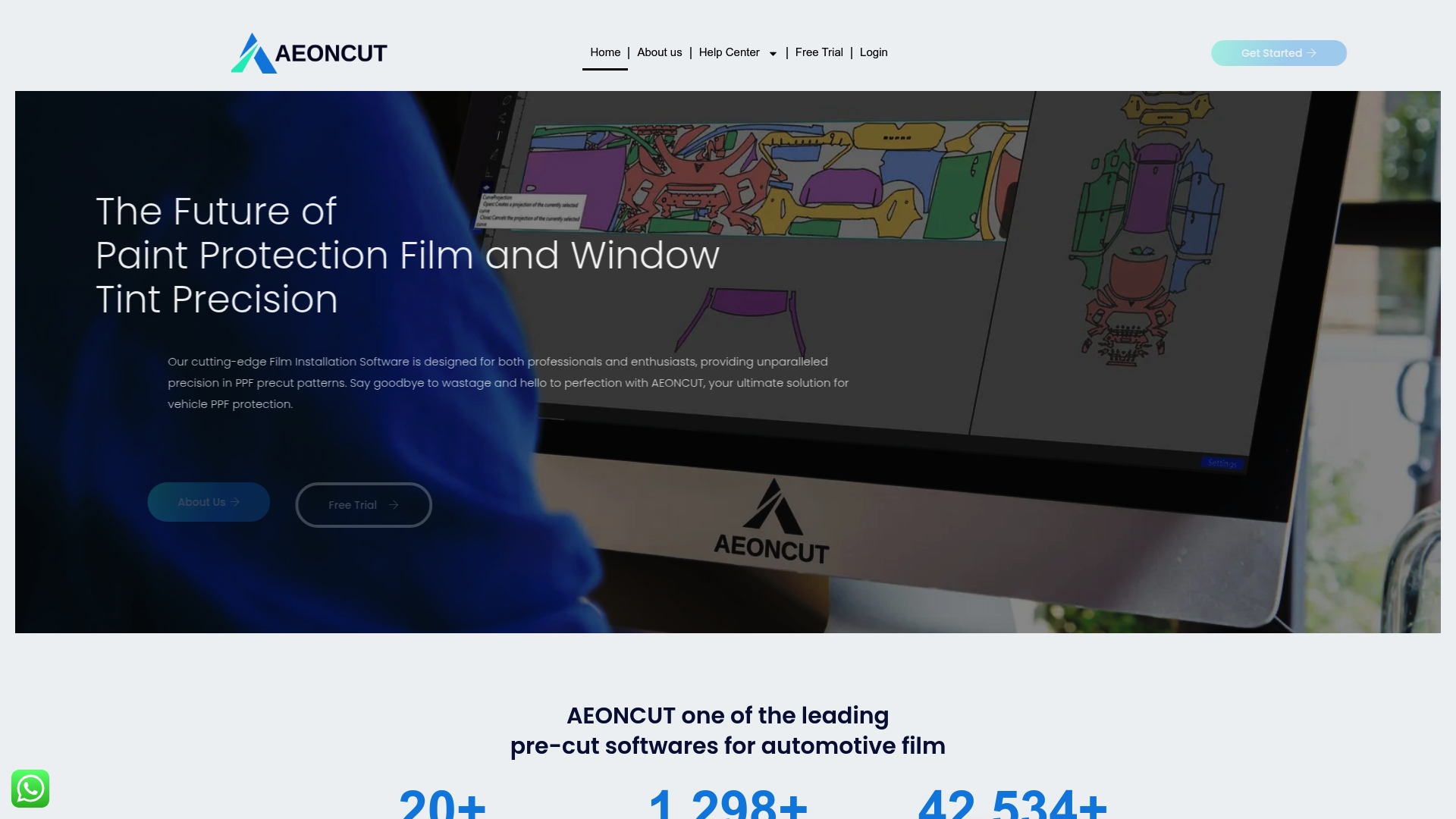
Stop wasting time with hand-cut errors and material overspend. Leverage AEONCUT to boost installation speed and accuracy, reduce rework, and deliver flawless results that match the highest industry standards highlighted in the “7 Expert Tips for Choosing the Best PPF for Cars” article. Explore how you can optimise your workflow and protect your clients’ investment with smarter cutting technology at AEONCUT. Take the next step today and transform the way you approach paint protection film applications.
Frequently Asked Questions
What qualities should I look for in high-grade paint protection film (PPF)?
High-grade paint protection film should have superior elasticity, self-healing properties, and optical clarity. Look for films that maintain their transparency without yellowing and are thick enough (typically between 6 to 8 mils) to provide effective protection.
How can I assess the durability of a PPF in tough environments?
Evaluate the film’s thickness, yellowing resistance, and cracking resistance to determine its durability. Aim for films that can withstand extreme temperature variations and maintain their appearance over time.
What factors should I consider when comparing PPF brands?
Focus on warranty offerings, performance consistency, and manufacturer support when comparing PPF brands. Brands that back their products with long warranties (5 to 10 years) typically demonstrate higher confidence in their films’ durability and effectiveness.
How important is the optical clarity of PPF and how can I test it?
Optical clarity is crucial as it affects the visual appeal of your installation. To test it, place a protected panel next to an unprotected one under strong sunlight; premium films should remain optically neutral, while lower-quality films may appear hazy or yellowed.
What role does cutting software compatibility play in choosing PPF?
Compatibility with cutting software is vital for ensuring precise installations and minimising material waste. To evaluate this, check if the PPF brand provides cut pattern databases that align with your cutting equipment for efficient application.
How can I calculate the total cost of ownership for different PPF options?
Consider three categories: material costs, labour time, and customer replacement costs due to warranty issues. Track expenses for several months to compare different PPF options effectively and identify which film delivers long-term savings.
Recommended
- Top PPF Brands in 2025: A Professional’s Buying Guide – AEONCUT PPF Pre-cut Cutting software
- Top PPF Brands in 2025: A Professional’s Buying Guide – AEONCUT PPF Pre-cut Cutting software
- Top PPF Brands in 2025: A Professional’s Buying Guide – AEONCUT PPF Pre-cut Cutting software
- Top PPF Brands in 2025: A Professional’s Buying Guide – AEONCUT PPF Pre-cut Cutting software
- 5 powodów, by wybrać fronty meblowe z powłoką AntiFinger