Professional installers face mounting pressure to deliver premium paint protection while meeting sustainability expectations from environmentally conscious clients and regulatory bodies. Selecting eco-friendly PPF materials no longer means compromising on durability or self-healing performance. This guide provides actionable strategies for choosing sustainable thermoplastic polyurethane films, optimising installation techniques to minimise waste, and verifying material credentials. You’ll learn which materials deliver both environmental benefits and long-term protection, how precise cutting reduces resource consumption, and what standards confirm genuine sustainability claims.
Table of Contents
- Key takeaways
- Understanding eco-friendly PPF materials and their benefits
- Preparing for installation of eco-friendly PPF materials
- Step-by-step installation tips for sustainable PPF application
- Verifying results and maintaining sustainability post-installation
- Explore AEONCUT solutions for precise and sustainable PPF work
- Frequently asked questions about eco-friendly PPF materials
Key Takeaways
| Point | Details |
|---|---|
| Eco friendly TPU PPF | Choosing aliphatic TPU PPF delivers durability and self healing while remaining recyclable at end of life. |
| Avoid PET and PVC | PET and PVC should be avoided due to limited self healing, rigidity on curved surfaces, and disposal challenges. |
| Multi layer TPU nano ceramics | Multi layer TPU nano ceramics deliver enhanced scratch resistance and UV stability while keeping the film recyclable. |
| Thinner TPU films | Reducing thickness from 8 mil to 6 mil lowers weight by 25 percent, reducing transport emissions and material consumption. |
Understanding eco-friendly PPF materials and their benefits
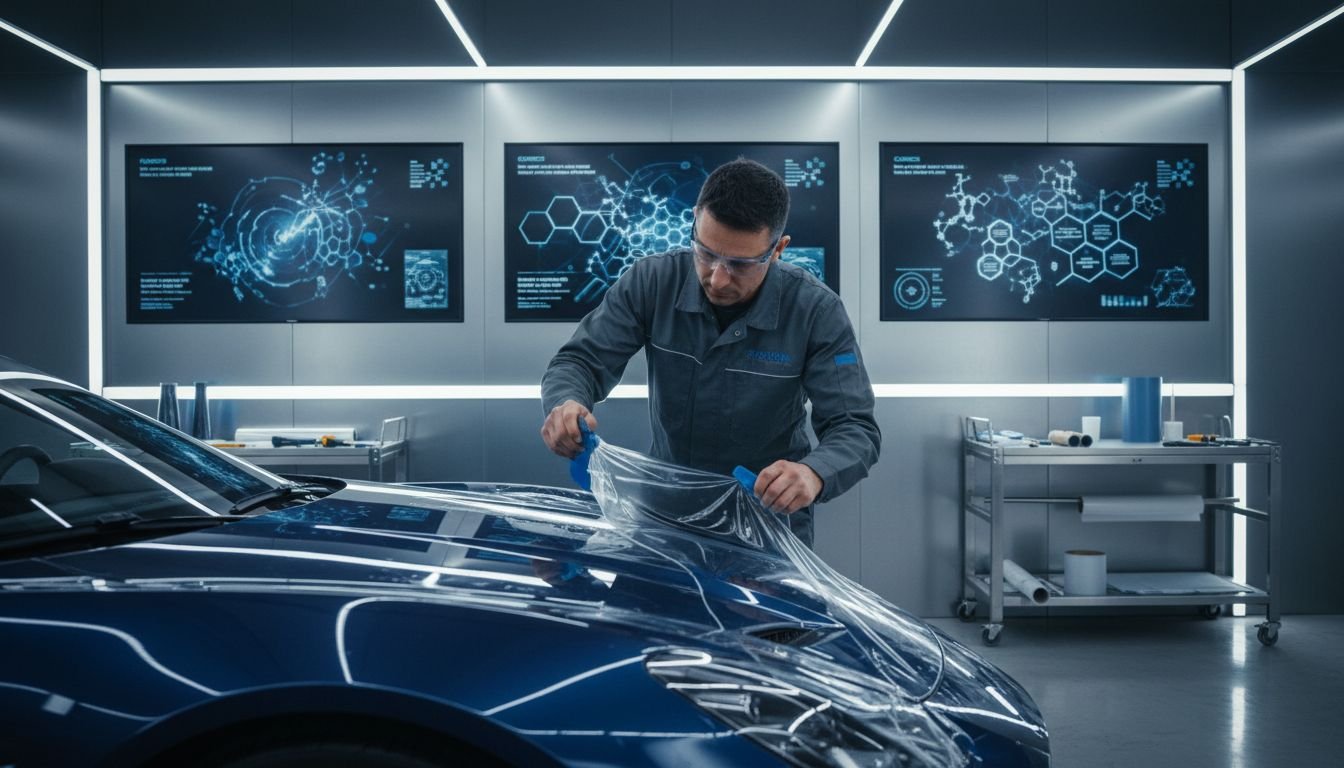
Thermoplastic polyurethane remains the gold standard for sustainable paint protection film applications. Unlike polyvinyl chloride or polyethylene terephthalate alternatives, TPU-based PPF manufacturing involves multi-layer extrusion with aliphatic TPU topcoats containing nano-ceramics and fluorinated resins for self-healing and hydrophobic surfaces. This advanced composition delivers exceptional durability whilst maintaining recyclability at end of life.
Multi-layer TPU films incorporate nano-ceramic particles that enhance scratch resistance and UV stability without adding toxic additives. The fluorinated resin topcoat creates a hydrophobic barrier that repels contaminants and simplifies maintenance. These technical advantages translate directly into extended service life, reducing replacement frequency and associated environmental costs. Professional installers benefit from materials that perform reliably across diverse climate conditions whilst supporting sustainability commitments.
Avoid polyethylene terephthalate and polyvinyl chloride options despite lower upfront costs. PET proves unsuitable for PPF applications due to rigidity that causes cracking on curved surfaces and complete absence of self-healing properties. PVC and thermoplastic polyolefin variants introduce brittleness concerns and leach plasticisers over time, compromising both performance and environmental safety. These materials create disposal challenges and fail to meet professional installation standards.
Thinner TPU formulations offer compelling sustainability advantages without performance penalties. Reducing film thickness from 8 mil to 6 mil decreases material weight by 25%, lowering transportation emissions and raw material consumption. Advanced manufacturing techniques maintain protective properties whilst improving optical clarity. Installers gain easier handling characteristics and reduced visual impact, particularly valuable for clients seeking invisible protection solutions.
Material selection priorities for sustainable PPF:
- Choose aliphatic TPU over aromatic variants for superior UV resistance and colour stability
- Verify nano-ceramic content for enhanced scratch resistance without heavy metal additives
- Confirm fluorinated topcoat presence for hydrophobic performance and easier cleaning
- Select thinner gauge films where vehicle usage patterns permit reduced thickness
- Request manufacturer recyclability documentation and end-of-life disposal guidance
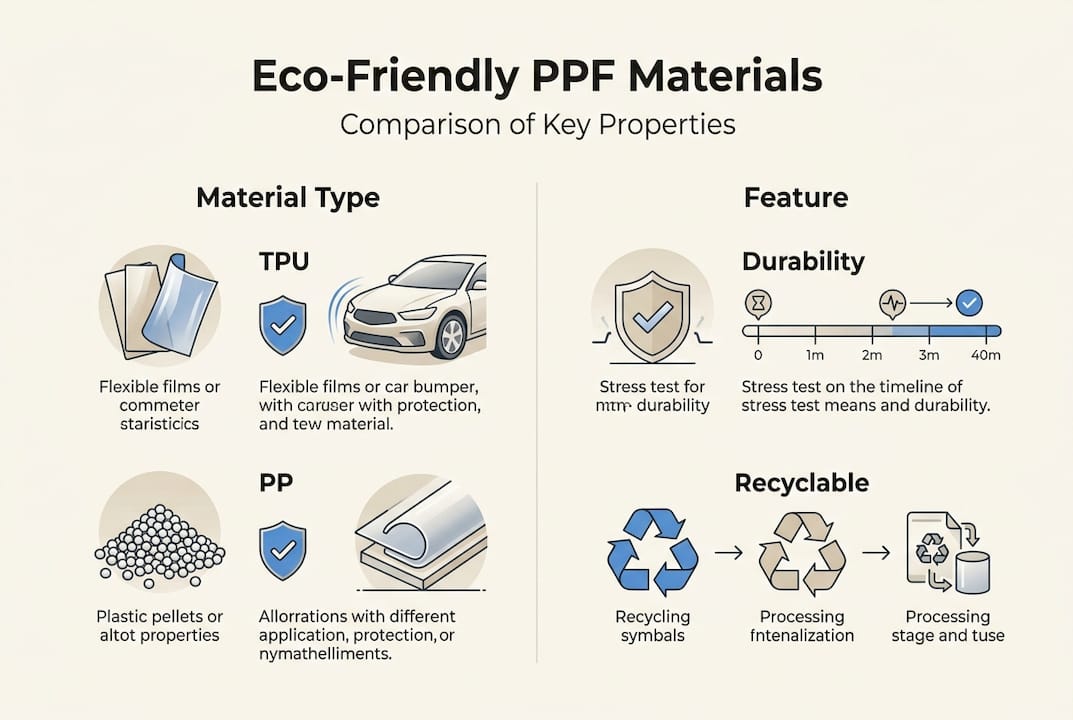
Polypropylene films serve specific applications in automotive trim protection but don’t directly replace TPU for full paint protection coverage. PP materials excel in interior applications and non-critical exterior trim pieces where impact resistance requirements remain lower. Their primary advantage lies in simplified recycling through monomaterial construction. Understanding each material’s appropriate application prevents mismatched expectations and ensures optimal environmental outcomes.
Pro Tip: Request third-party certification documentation for environmental claims before committing to new material suppliers. Look for ISO 14001 environmental management certification and specific recycled content percentages rather than vague sustainability marketing language.
Preparing for installation of eco-friendly PPF materials
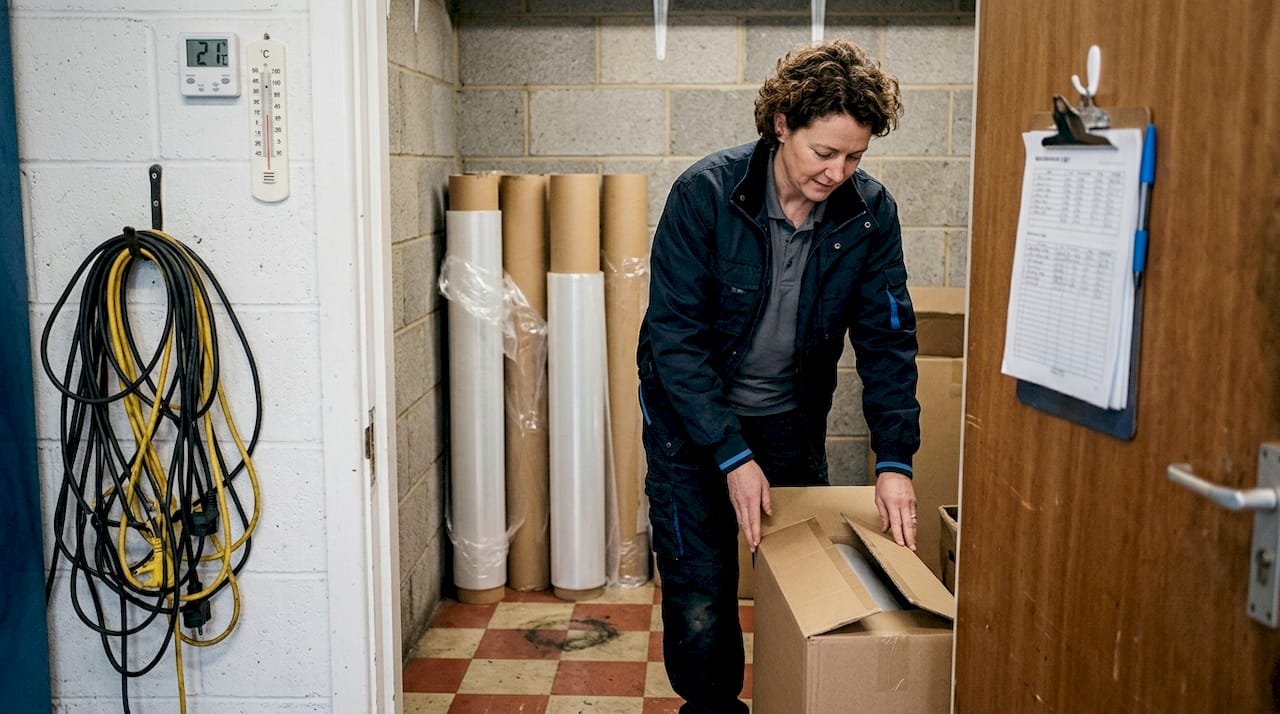
Proper material handling preserves the environmental benefits engineered into sustainable TPU films. Store rolls in climate-controlled environments between 18-24°C to prevent premature adhesive activation or film distortion. Contamination from dust, oils, or chemical residues compromises adhesion and forces wasteful reapplication. Designate clean storage areas away from bodywork chemicals and maintain consistent temperature conditions.
Precision cutting software transforms material efficiency by eliminating manual trimming waste. Understanding automotive paint protection film applications reveals how digital pattern libraries reduce overcut margins from 50mm to 10mm, saving substantial material per vehicle. Computer-controlled plotters execute complex curves with millimetre accuracy, ensuring first-time fit success. This precision directly reduces scrap rates whilst accelerating installation timelines.
Acclimatisation prevents installation failures that waste materials and labour. Remove film rolls from packaging 24 hours before application, allowing them to equalise with workshop temperature and humidity. Rapid temperature changes cause dimensional instability, leading to poor adhesion or lifting edges. Thinner durable TPU films reduce material cost and weight whilst improving invisibility, but they demand careful temperature management to maintain handling properties.
Surface preparation determines adhesion success and long-term durability. Use pH-neutral cleaning solutions that remove contaminants without leaving residues that interfere with adhesive bonding. Isopropyl alcohol wipes provide final decontamination immediately before film application. Inadequate surface preparation accounts for 60% of premature film failures, forcing removal and replacement that doubles material consumption.
Essential preparation steps for sustainable installation:
- Verify film batch numbers match specifications for thickness and composition
- Inspect rolls for manufacturing defects before cutting to avoid mid-installation discoveries
- Calibrate cutting equipment weekly to maintain pattern accuracy within 0.5mm tolerance
- Prepare eco-friendly slip solutions using distilled water and biodegradable surfactants
- Document ambient conditions (temperature, humidity) to troubleshoot any adhesion issues
Pro Tip: Select thinner TPU films for vehicles with garage storage and moderate environmental exposure. The reduced material thickness cuts costs by 20%, decreases waste, and improves optical clarity without compromising protection for well-maintained vehicles. Reserve thicker films for commercial vehicles and harsh-environment applications where maximum impact resistance justifies additional material use.
Step-by-step installation tips for sustainable PPF application
Thorough surface decontamination establishes the foundation for successful eco-friendly PPF installation. Begin with pH-neutral automotive shampoo to remove road grime and organic contaminants. Follow with clay bar treatment to extract embedded particles that create adhesion barriers. Finish with isopropyl alcohol wipes immediately before film placement. This three-stage process ensures chemical-free bonding that maximises film lifespan and eliminates premature failures requiring replacement.
Wet application techniques using eco-friendly slip solutions reduce film waste during positioning. Mix distilled water with 2-3 drops of biodegradable surfactant per litre to create a solution that allows film repositioning without compromising adhesive strength. Apply generously to both vehicle surface and film adhesive side. The lubrication layer prevents premature bonding, giving you time to achieve perfect alignment before squeegeeing out solution.
Avoid excessive stretching that permanently distorts TPU molecular structure. Modern multi-layer films incorporate controlled elasticity for complex curves, but overstretching creates stress points that fail prematurely. Limit stretch to 5-8% of original dimensions on compound curves. Heat application softens material for forming, but excessive temperature degrades protective properties. Maintain heat gun distance at 15-20cm and surface temperature below 70°C.
- Position precut pattern using alignment marks and verify coverage before removing liner
- Spray application area and film adhesive side with slip solution for repositioning flexibility
- Remove backing liner progressively whilst maintaining solution coverage to prevent premature adhesion
- Align film to reference points and verify pattern placement before initial tacking
- Squeegee from centre outward using overlapping strokes to evacuate solution and air bubbles
- Apply controlled heat to edges and complex curves whilst maintaining 15cm distance from surface
- Post-heat entire installation to 60°C for 10 minutes to activate adhesive and improve conformability
- Inspect edges, seams, and high-stress areas for proper adhesion and address any lifting immediately
- Allow 24-hour cure time before vehicle exposure to moisture or washing
- Document installation with photos and material batch numbers for warranty and quality tracking
Quality verification against industry standards confirms your installation meets professional benchmarks. ASTM G154, SAE J400, and ISO 527 standards confirm durability and performance of advanced TPU PPFs through accelerated weathering, adhesion testing, and tensile strength measurement. Request material data sheets showing compliance with these specifications. Third-party certification provides credibility when explaining environmental benefits to clients.
Pro Tip: Incorporate precise precut patterns from digital libraries to eliminate trimming waste and reduce installation time by 30-40%. Automotive protective film precision directly impacts material efficiency, with computer-generated patterns reducing scrap rates from 15% to under 3%. The investment in pattern software pays for itself within 20-30 vehicle installations through material savings alone.
Verifying results and maintaining sustainability post-installation
Post-installation quality checks ensure your eco-friendly PPF delivers promised protection and longevity. Examine film clarity under varied lighting angles to identify trapped contaminants or adhesive hazing. Test edge adhesion by running a fingernail along seams, checking for lifting or gaps. Verify self-healing function by applying light scratches to inconspicuous areas and observing recovery after heat application. These checks confirm proper installation whilst materials remain workable for corrections.
Documenting waste quantities establishes baselines for continuous improvement. Weigh scrap material from each installation and calculate waste percentages against total film used. Target waste rates below 5% for full-vehicle installations using precut patterns. Track waste sources (trimming excess, damaged sections, contaminated pieces) to identify improvement opportunities. Digital pattern systems reduce waste substantially compared to bulk roll installations that require extensive on-vehicle trimming.
TPU scrap segregation enables recycling programmes where available. Separate clean TPU waste from contaminated materials and liner backing. Contact film manufacturers about take-back programmes that recycle production waste into new products. Some suppliers offer credit incentives for returning clean scrap in quantities above 10kg. Even without formal programmes, segregating recyclable materials prevents unnecessary landfill disposal and demonstrates environmental commitment to clients.
Sustainable post-installation practices:
- Educate clients on proper maintenance using pH-neutral cleaning products that extend film life
- Schedule periodic inspections at 6-month intervals to identify and address minor issues before they require replacement
- Maintain detailed records of material batch numbers, installation dates, and environmental conditions for warranty support
- Train installation team on waste reduction techniques and environmental benefits of sustainable materials
- Communicate material lifecycle advantages to clients, emphasising reduced replacement frequency and recyclability
Polypropylene films offer additional sustainability benefits in specific applications. PP film decor products enable monomaterialisation making recycling easier and contribute to lightweighting that saves fuel and reduces CO2 emissions. Whilst not suitable for primary paint protection, PP films excel in interior trim applications and non-critical exterior components. Their simplified recycling process and reduced vehicle weight impact make them valuable components of comprehensive sustainability strategies.
| Material type | Recyclability | Typical lifespan | Environmental impact | Best application |
|---|---|---|---|---|
| Multi-layer TPU | Moderate (specialist facilities) | 7-10 years | Low VOC, durable | Full paint protection |
| PVC | Poor (releases toxins) | 3-5 years | High (plasticiser leaching) | Avoid for PPF |
| PET | Limited (rigid, cracks) | 2-4 years | Moderate (energy-intensive production) | Avoid for PPF |
| Polypropylene | High (monomaterial) | 5-7 years | Low (lightweight, recyclable) | Interior trim, non-critical exterior |
Client education amplifies sustainability benefits beyond individual installations. Explain how car paint interior protection using eco-friendly materials reduces long-term environmental impact through extended service life and reduced replacement frequency. Provide care instructions that maximise film longevity, emphasising that proper maintenance extends protection duration by 2-3 years. This consultative approach positions your business as an environmental partner rather than just a service provider.
Explore AEONCUT solutions for precise and sustainable PPF work
Professional installers seeking to maximise material efficiency whilst delivering premium protection should explore precision cutting solutions that reduce waste and improve installation outcomes. AEONCUT software provides extensive digital pattern libraries engineered for exact vehicle coverage with minimal excess material. The platform’s AI-driven auto-nesting optimises material usage across multiple jobs, reducing scrap rates significantly compared to manual cutting approaches.
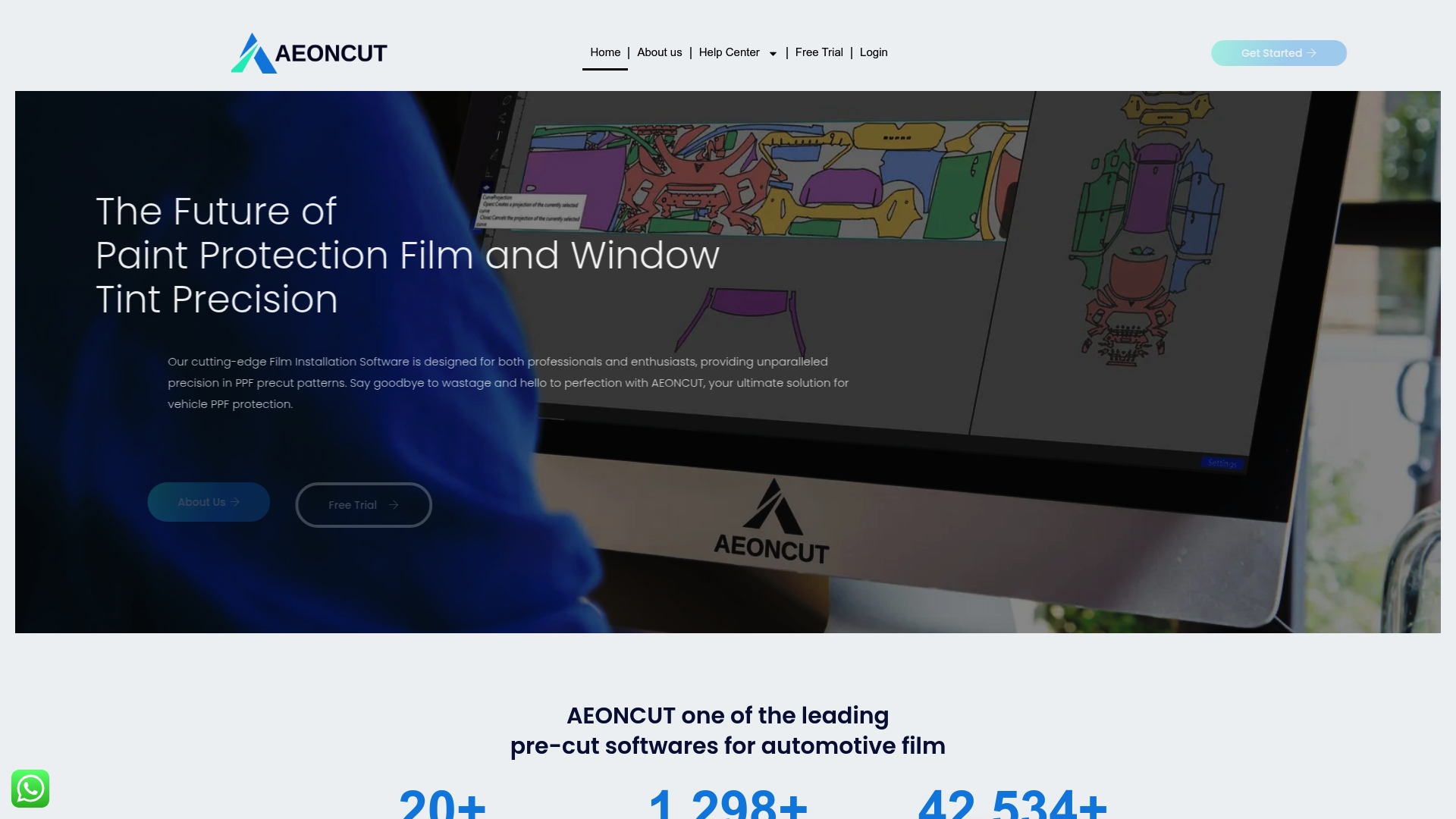
Cloud-based pattern updates ensure you always work with the latest vehicle models and design variations. This eliminates the trial-and-error waste associated with developing custom patterns for new vehicles. Understanding automotive paint protection film applications through precise digital templates accelerates installation whilst supporting sustainability goals. Professional and enterprise subscription plans offer unlimited pattern access, comprehensive technical support, and continuous software updates that keep your operation at the cutting edge of efficient, eco-friendly PPF installation.
Integrating automotive protective film precision value into your workflow transforms material efficiency and client satisfaction. The platform’s tutorials and resources help installers optimise techniques for clear car paint protection film applications, ensuring you extract maximum value from sustainable materials whilst delivering invisible protection that exceeds client expectations.
Frequently asked questions about eco-friendly PPF materials
Which PPF materials are best for sustainability and durability?
Multi-layer thermoplastic polyurethane films with nano-ceramic reinforcement offer the optimal balance of environmental responsibility and long-term protection. These materials provide 7-10 year service life with self-healing properties and recyclability through specialist facilities. Avoid polyvinyl chloride and polyethylene terephthalate options that compromise both performance and environmental outcomes.
How can I reduce waste during PPF installation?
Precision cutting software with digital pattern libraries reduces material waste by 15-25% compared to manual cutting methods. Precut patterns eliminate excessive trimming margins and ensure first-time fit accuracy. Proper surface preparation prevents installation failures that require material replacement, whilst wet application techniques allow repositioning without film damage.
Are eco-friendly PPFs more expensive than traditional films?
Advanced TPU films typically cost 10-20% more than basic polyvinyl chloride alternatives, but their extended lifespan and superior protection deliver better long-term value. Thinner gauge sustainable films reduce costs whilst maintaining performance for appropriate applications. Material waste reduction through precision cutting often offsets the higher per-metre cost within 25-30 vehicle installations.
Can TPU PPF be recycled after use?
Thermoplastic polyurethane is technically recyclable through specialist facilities that process automotive plastics, though availability varies by region. Contact film manufacturers about take-back programmes that recycle production waste. Segregating clean TPU scrap from contaminated materials maximises recycling potential and prevents unnecessary landfill disposal even where formal programmes don’t exist.
What performance standards should sustainable PPF meet?
Look for materials certified to ASTM G154 for UV resistance, SAE J400 for adhesion performance, and ISO 527 for tensile strength. These standards confirm that eco-friendly films deliver protection equivalent to conventional options. Third-party certification provides verification of environmental claims and performance specifications, ensuring you install materials that meet professional quality benchmarks.
Recommended
- How to Choose PPF: Essential Guide for Vehicle Installers – AEONCUT PPF Pre-cut Cutting software
- PPF vs Coating: Key Differences for Installers – AEONCUT PPF Pre-cut Cutting software
- How to Maintain PPF: Expert Tips for Installers 2025 – AEONCUT PPF Pre-cut Cutting software
- Pros and Cons of PPF: Essential Insights for Installers 2025 – AEONCUT PPF Pre-cut Cutting software
- Environmentally Friendly Window Treatments: A 2025 Guide for UK Homes | Shutter World