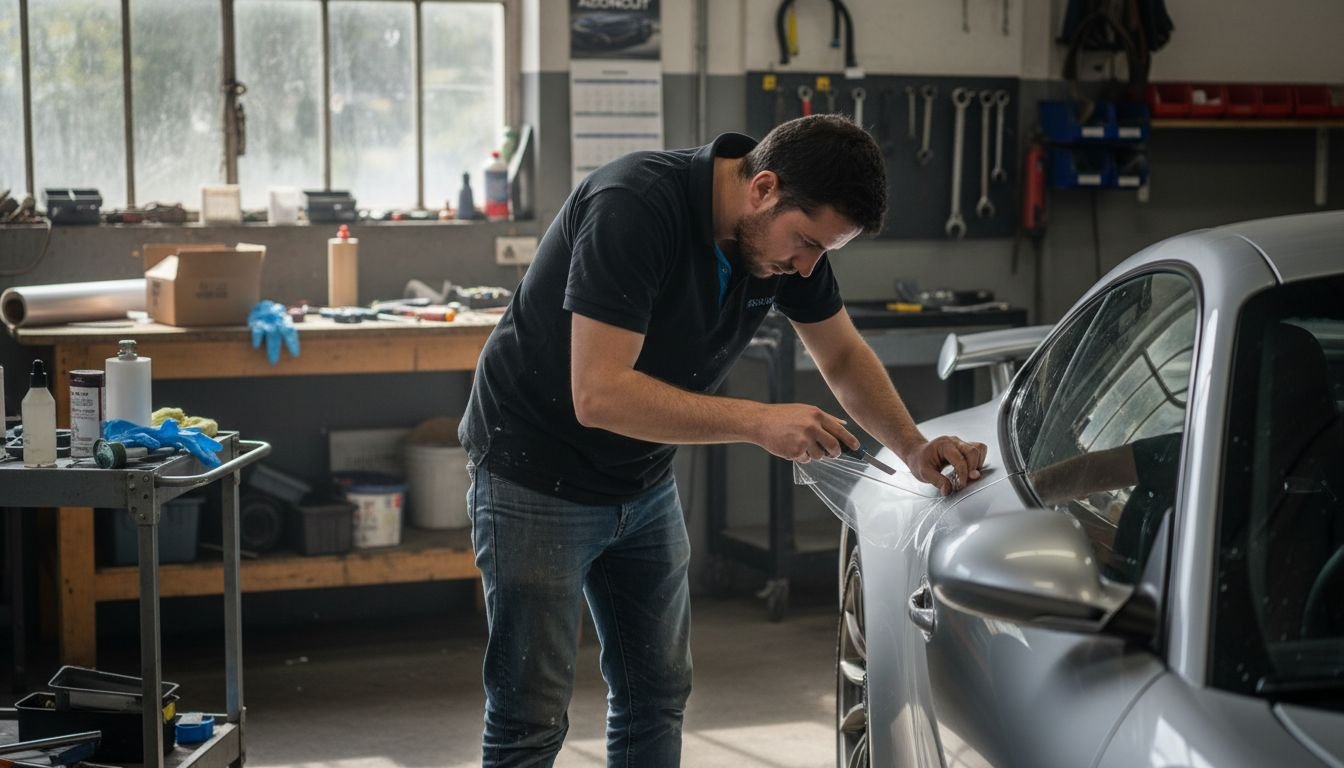
Up to 35% of car owners notice and are concerned about visible seams and edges after paint protection film installation. Despite its protective benefits, PPF presents significant operational challenges that directly impact customer satisfaction and long-term results. This guide clarifies the key drawbacks professional installers face, equipping you with practical insights to enhance service quality and client trust.
Table of Contents
- Introduction To Paint Protection Film And Its Role
- Installation Complexities And Common Pitfalls
- Cost Implications And Long-Term Considerations
- Aesthetic Drawbacks And Maintenance Challenges
- Setting Maintenance Expectations And Client Communications
- Common Misconceptions About PPF
- Conclusion: Balancing Benefits With Drawbacks For Optimal Service
- Explore Aeoncut’s Cutting Software For Precise PPF Installation
Key takeaways
| Point | Details |
|---|---|
| Installation precision | Poor technique causes bubbles, lifting edges, and warranty claims that erode client confidence. |
| Financial impact | High upfront costs and 5-10 year replacement cycles affect client decisions and service profitability. |
| Aesthetic concerns | Visible seams on dark vehicles and potential yellowing reduce visual appeal over time. |
| Maintenance demands | Regular cleaning and care protocols are essential to prevent premature degradation and extend lifespan. |
| Client education | Clear communication about realistic outcomes and maintenance needs reduces disputes and enhances satisfaction. |
Introduction to paint protection film and its role
Understanding these challenges begins with knowing what PPF is and why professionals continue to rely on it. PPF is a transparent thermoplastic urethane film commonly applied on vulnerable vehicle parts like bumpers and hoods. Its self-healing properties and scratch resistance make it a popular choice for high-end vehicles and clients seeking long-term paint preservation.
Professional installers favour PPF because it offers measurable protection against stone chips, scratches, and environmental contaminants. The film creates a sacrificial barrier that absorbs impact and prevents damage from reaching the original paintwork. When properly installed, it maintains vehicle resale value and reduces long-term repair costs.
Typical application areas include:
- Front bumpers and bonnet leading edges where stone chips are most frequent
- Door edges and handles prone to scratching during entry and exit
- Rear bumper loading areas vulnerable to scrapes and abrasions
- Wing mirrors and A-pillars exposed to road debris
- Full vehicle coverage for maximum protection on premium models
Despite its protective advantages, PPF presents distinct challenges that require careful consideration. Installation complexity, visible aesthetics, and maintenance demands can significantly impact client satisfaction if not properly managed. Understanding paint protection film for cars in depth helps you anticipate these issues and deliver superior results.
Installation complexities and common pitfalls
Moving from theory to practice reveals the precision required for professional PPF application. Installation errors such as bubbles and lifting edges significantly affect film durability and appearance, leading to costly rework and damaged client relationships. The application process demands meticulous surface preparation, controlled environmental conditions, and expert handling techniques.
Complex vehicle geometries amplify error rates. Curved panels, deep recesses, and sharp body lines require advanced stretching and heat application skills. Installers working on sports cars or vehicles with aggressive styling face higher failure rates when templates lack precision or technique falls short.
Common installation mistakes include:
- Inadequate surface cleaning leaving contaminants under the film
- Excessive heat application causing film distortion or adhesive failure
- Poor squeegee technique trapping air bubbles and moisture
- Improper edge sealing leading to premature lifting and peeling
- Rushed installation without proper curing time between stages
These errors directly impact warranty claims and client satisfaction. Visible bubbles require time-consuming rework. Edge lifting progresses rapidly, exposing paint to damage and undermining the film’s protective purpose. Clients expect flawless results, and any visible defect erodes trust in your professional capabilities.
Pro Tip: Advanced cutting software eliminates template errors by providing precise, vehicle-specific patterns. Digital accuracy reduces material waste and dramatically improves installation outcomes, especially on complex curves.
PPF installer best practices emphasise systematic preparation, controlled application environments, and thorough quality checks at each stage. Mastering these fundamentals separates professional results from amateur attempts and builds the reputation that sustains your business.
Cost implications and long-term considerations
Following installation challenges, the financial realities of PPF service require careful client communication. High upfront investment and eventual film replacement costs affect client decisions and installer service models, making transparent pricing and value justification essential.
PPF costs vary significantly based on coverage area and film quality. Partial coverage protecting high-impact zones typically ranges from £500 to £1,200, while full vehicle wraps can exceed £4,000 to £6,000 for premium films. These figures include professional installation labour, which accounts for 40 to 50% of total project costs.
Comparing initial investment to long-term savings helps clients understand value:
- PPF prevents paint damage costing £800 to £2,500 per panel to repair professionally
- Maintained film preserves resale value by protecting original factory finish
- Quality installation reduces replacement frequency and associated costs
- Alternative ceramic coatings cost less upfront but offer no physical impact protection
Film replacement cycles create ongoing financial considerations. Most PPF requires replacement every 5 to 10 years depending on environmental exposure, maintenance quality, and film grade. Clients must budget for this eventuality when calculating total ownership costs.
| Cost Factor | Partial Coverage | Full Vehicle |
|---|---|---|
| Initial installation | £500 – £1,200 | £4,000 – £6,000 |
| Expected lifespan | 5 – 10 years | 5 – 10 years |
| Replacement cost | £450 – £1,000 | £3,500 – £5,500 |
| Annual cost (amortised) | £90 – £200 | £700 – £1,100 |
Financial trade-offs between protection options require honest assessment. PPF offers superior physical defence but demands higher investment. Calculating ROI practically helps clients make informed decisions aligned with their vehicle use, ownership duration, and budget constraints. Your role includes presenting these realities clearly to build trust and realistic expectations.
Aesthetic drawbacks and maintenance challenges
Building from cost considerations, aesthetic concerns and upkeep demands significantly influence long-term PPF value and client satisfaction. Up to 35% of customers express concern about visible edges post-installation, especially on dark-coloured vehicles where seams stand out more prominently.
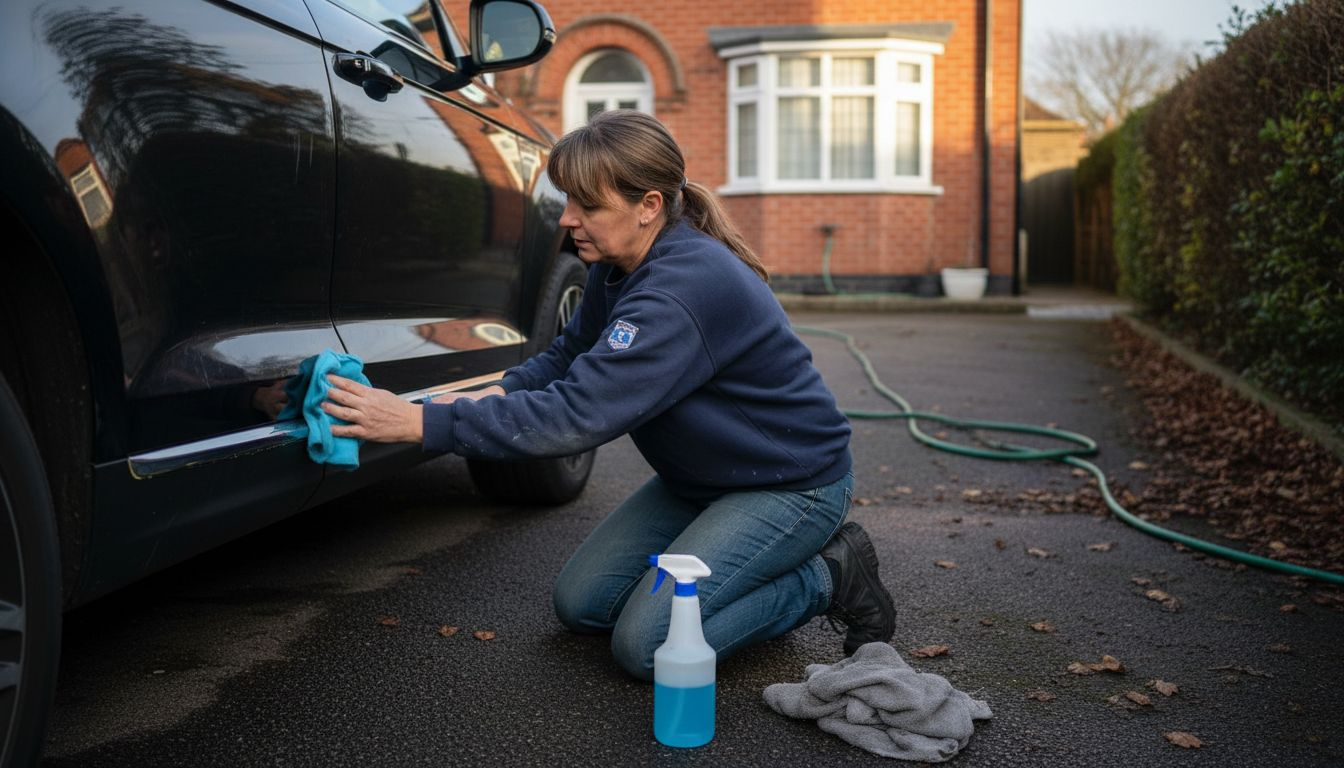
Visible seams occur at panel boundaries where film edges meet or overlap. Even expert installation cannot eliminate these lines completely. On black, navy, or dark grey vehicles, light reflection highlights these transitions, creating an obvious grid pattern that some clients find objectionable. The aesthetic impact varies with viewing angle, lighting conditions, and film thickness.
Yellowing and discolouration pose additional aesthetic risks over time. Lower-quality films degrade faster under UV exposure, developing a noticeable amber tint within 3 to 5 years. Premium films resist yellowing longer but are not immune. Environmental factors like industrial fallout, road salt, and harsh cleaners accelerate discolouration, particularly on horizontal surfaces like bonnets and roofs.
Maintenance requirements to preserve appearance and performance include:
- Regular washing every 2 to 4 weeks using pH-neutral, film-safe products
- Immediate removal of bird droppings, tree sap, and industrial fallout
- Quarterly application of PPF-specific sealants to maintain hydrophobic properties
- Annual professional inspection to identify edge lifting or contamination
- Avoiding automatic car washes with harsh brushes that scratch film surfaces
Consistent maintenance extends film lifespan by 30 to 40% compared to neglected installations, directly impacting client satisfaction and perceived value.
Clients often underestimate the ongoing care PPF requires. Without proper maintenance, films degrade prematurely, losing clarity and protective properties. This creates disappointment and potential disputes about product quality or installation competence. PPF maintenance and aesthetics education should begin during the sales consultation, not after installation complaints arise.
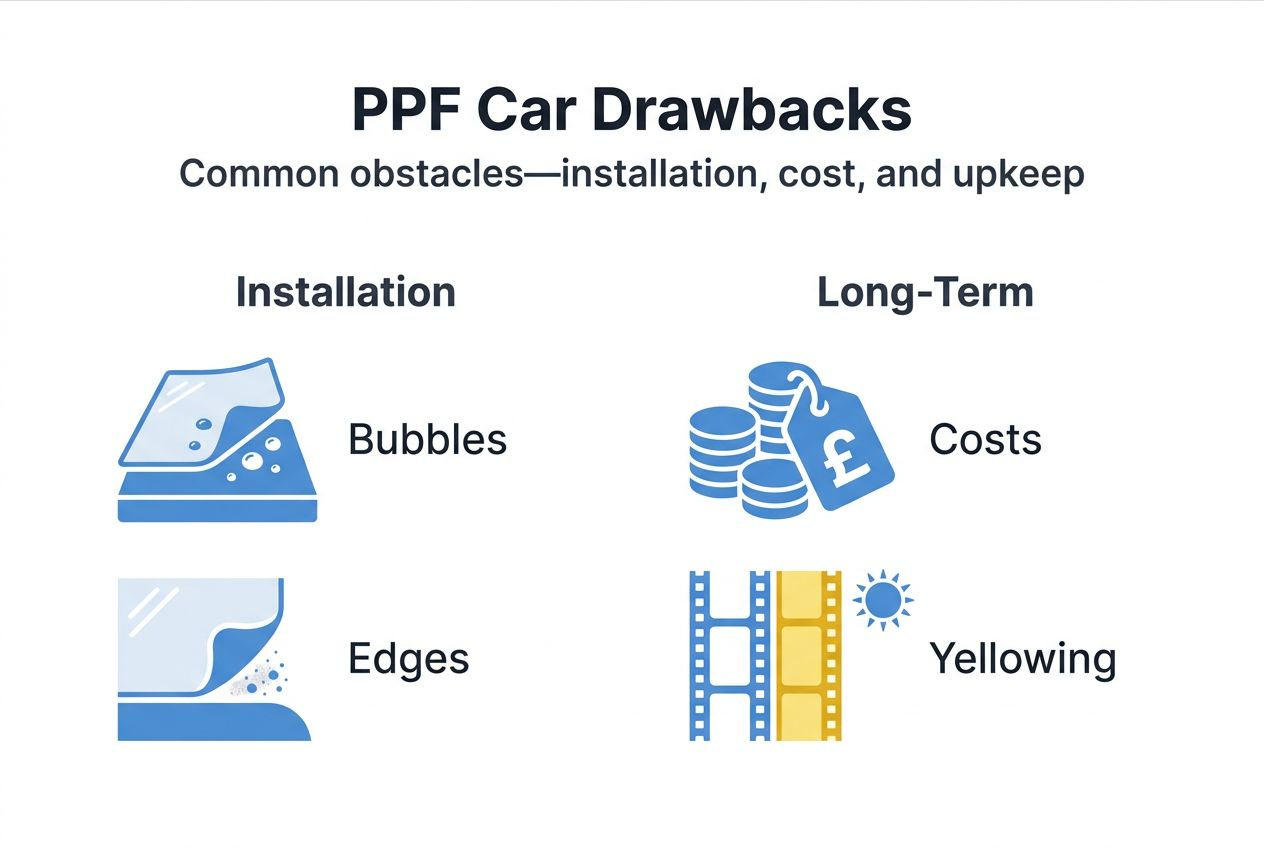
Setting realistic expectations about visible seams, potential yellowing, and maintenance demands protects your professional reputation. Clients who understand these realities upfront make informed decisions and experience higher satisfaction with results, even when minor aesthetic compromises exist.
Setting maintenance expectations and client communications
After discussing aesthetic and maintenance challenges, proactive client communication becomes your most effective tool for satisfaction and dispute prevention. Proper client education reduces warranty claims and improves overall satisfaction by aligning expectations with reality from the start.
Clear communication about film lifespan prevents disappointment. Most clients assume PPF lasts indefinitely once installed. Explaining the 5 to 10 year replacement cycle during initial consultations establishes realistic timelines and prevents future conflict. Discussing factors that influence longevity, such as environmental exposure and maintenance quality, empowers clients to maximise their investment.
Recommended cleaning and care procedures should be documented and explained thoroughly:
- Provide written maintenance instructions at handover, including product recommendations and techniques
- Demonstrate proper washing methods, emphasising gentle pressure and pH-neutral cleaners
- Explain which products to avoid, particularly petroleum-based solvents and abrasive compounds
- Schedule follow-up inspections at 3, 6, and 12 months to reinforce care habits
- Offer maintenance packages that include professional cleaning and inspection services
Managing client expectations on appearance requires honest assessment. Show examples of visible seams on similar vehicles before installation. Discuss how lighting and paint colour affect seam visibility. Acknowledge that perfection is unattainable but professional execution minimises aesthetic compromises.
Pro Tip: Use before-and-after photos and visual aids showing typical seam patterns during consultations. This concrete demonstration prevents surprise and builds trust through transparency.
Replacement needs should be framed as planned maintenance rather than product failure. Explaining that film degradation is normal and expected removes the stigma of “needing repairs” and positions you as a knowledgeable partner in long-term vehicle care. PPF professional installation guide resources help structure these conversations professionally.
Client education transforms potential complaints into opportunities for ongoing service relationships. When clients understand maintenance requirements and film limitations upfront, they become partners in preserving results rather than critics of imperfections.
Common misconceptions about PPF
Concluding the educational sections, addressing prevalent myths reinforces clarity and installer confidence while managing client expectations effectively. Misconceptions create unrealistic demands and undermine trust when reality fails to match false beliefs.
Myth: PPF damages original paint during removal. Fact: Properly installed high-quality PPF preserves paint integrity with minimal risk of damage when removed correctly. The adhesive is designed for clean removal without paint transfer. Damage occurs only with improper removal techniques, such as excessive heat or aggressive pulling, or when film is left beyond its service life and adhesive bonds too strongly.
Myth: PPF requires no maintenance and lasts forever. Fact: PPF demands regular cleaning and care to maintain protective properties and appearance. Environmental contaminants degrade film over time, and neglected installations fail prematurely. The 5 to 10 year replacement cycle is inherent to the product, not a sign of poor quality or installation.
Myth: Installation is simple and anyone can achieve professional results. Fact: PPF application requires specialised training, experience, and precision equipment. Complex vehicle geometries, proper surface preparation, and controlled application environments are essential for quality outcomes. DIY attempts frequently result in bubbles, creases, and premature failure.
Myth: Seams are completely invisible after professional installation. Fact: Visible seams are unavoidable on most vehicles due to panel geometry and film width limitations. Professional installation minimises seam visibility through strategic placement and precise alignment, but complete invisibility is impossible, particularly on dark-coloured vehicles.
Common client concerns include:
- Belief that film prevents all paint damage, including dents and deep scratches
- Expectation that PPF requires no more care than factory paint
- Assumption that warranty coverage includes normal wear and environmental degradation
- Misunderstanding of film thickness and its impact on protection level
Addressing these misconceptions during consultations builds realistic expectations and positions you as a trusted expert. Clients who understand PPF limitations make informed decisions and experience higher satisfaction with results. Mastering PPF application includes not just technical skill but also the communication expertise to manage client beliefs effectively.
Conclusion: balancing benefits with drawbacks for optimal service
Summarising insights from previous sections into actionable conclusions, professional success requires acknowledging PPF disadvantages while implementing strategies to mitigate their impact. Installation complexity, high costs, aesthetic compromises, maintenance demands, and limited lifespan represent significant challenges that directly affect client satisfaction and business profitability.
Installation quality remains the foundation of successful PPF service. Precision templates, meticulous surface preparation, and expert application techniques minimise bubbles, creases, and edge lifting that undermine results. Investing in professional training and advanced cutting software reduces error rates and improves efficiency.
Client education bridges the gap between expectations and reality. Transparent communication about visible seams, maintenance requirements, and replacement cycles prevents disappointment and builds trust. Providing detailed care instructions and follow-up support transforms one-time installations into ongoing service relationships.
Advanced cutting software offers measurable advantages for tackling installation challenges. Digital precision eliminates template errors, reduces material waste, and improves outcomes on complex vehicle geometries. Professional installers using technology-driven solutions achieve higher success rates and client satisfaction.
Balancing PPF pros and cons requires honest assessment of each client’s needs, budget, and expectations. Not every vehicle or owner is an ideal candidate for PPF. Your expertise includes identifying situations where alternative protection methods or partial coverage better serve client interests. Pro-level PPF installation tips provide additional strategies for optimising outcomes and building professional reputation.
Explore AEONCUT’s cutting software for precise PPF installation
Transitioning from professional precision strategies to actionable software solutions, AEONCUT directly addresses installation challenges that compromise results and client satisfaction. Our cutting software delivers vehicle-specific patterns with digital accuracy, eliminating template errors that cause bubbles, misalignment, and material waste.
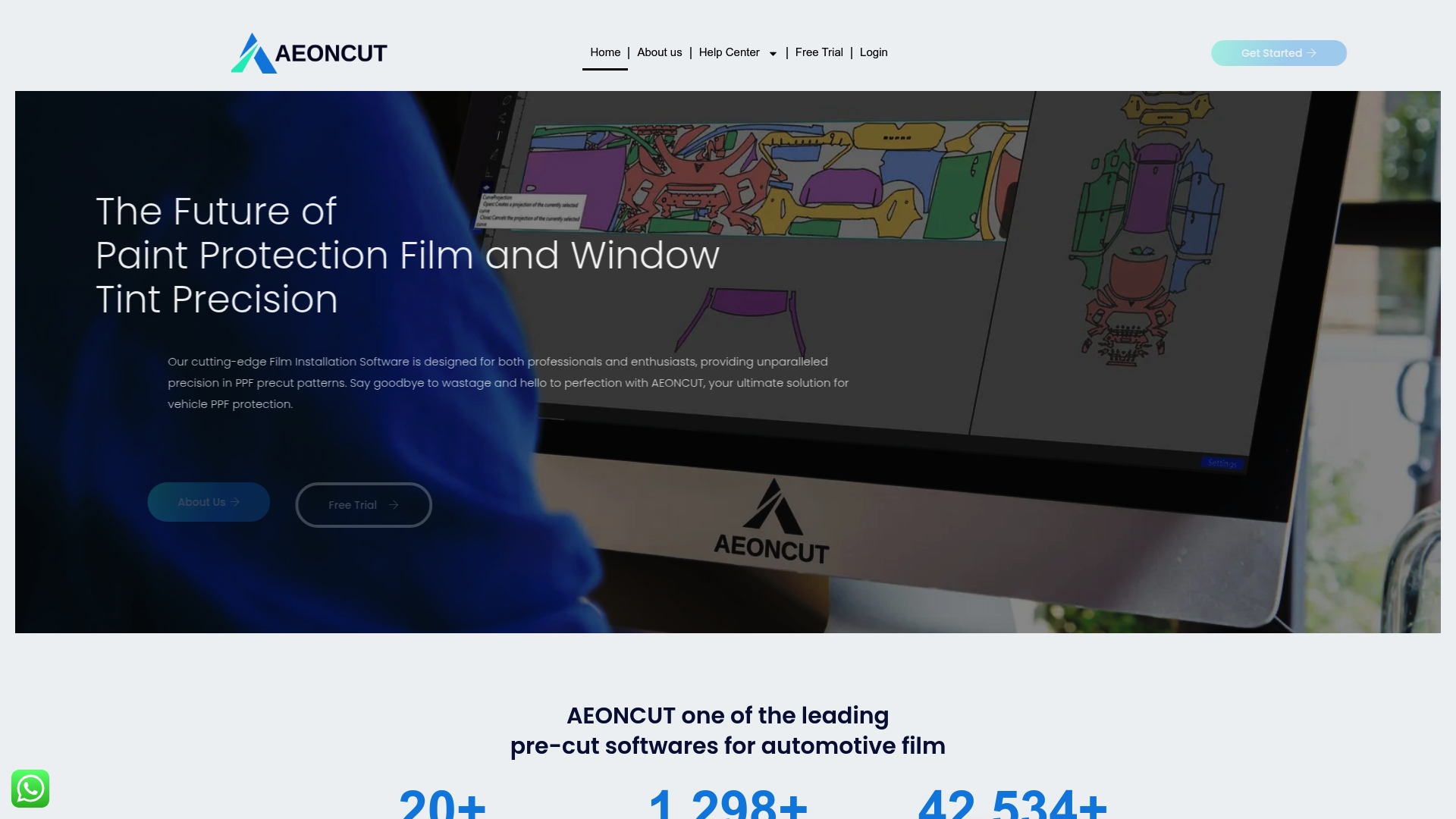
Precision cutting reduces installation time by 30 to 40% compared to manual template creation. Our extensive pattern library covers thousands of vehicle makes and models, with cloud-based updates ensuring access to the latest designs. AI-driven auto-nesting optimises material usage, reducing waste and improving project profitability.
Automotive protective film precision value extends beyond efficiency to client trust. Flawless cuts demonstrate professionalism and competence, building confidence in your capabilities. Combining advanced software with expert technique positions your business as the premium choice for discerning clients.
Explore pro-level PPF installation tips and our comprehensive PPF professional installation guide to leverage cutting technology for superior results and sustained business growth.
Frequently asked questions
How long does PPF typically last before replacement?
Quality PPF lasts 5 to 10 years depending on environmental exposure, maintenance quality, and film grade. Premium films with UV inhibitors resist yellowing longer, while neglected installations degrade faster. Regular maintenance and professional inspections extend lifespan significantly.
What are the most frequent installation errors to avoid?
Inadequate surface preparation, excessive heat application, poor squeegee technique, and rushed curing cause most installation failures. These errors create bubbles, edge lifting, and adhesive failure that require costly rework. Systematic preparation and controlled application environments prevent these issues.
Does PPF damage vehicle paint if removed?
Properly installed PPF removes cleanly without paint damage when using correct techniques and timing. Adhesive is designed for clean removal within the film’s service life. Damage occurs only with improper removal methods or when film is left beyond its intended lifespan.
How visible are seams and edges after installation?
Seam visibility varies with vehicle colour, lighting, and viewing angle. Dark-coloured vehicles show seams more prominently than light colours. Professional installation minimises visibility through strategic placement, but complete invisibility is impossible due to panel geometry and film width limitations.
What maintenance practices best extend PPF lifespan?
Regular washing every 2 to 4 weeks with pH-neutral cleaners, immediate removal of environmental contaminants, quarterly sealant application, and annual professional inspections extend lifespan by 30 to 40%. Avoiding harsh chemicals and automatic car washes preserves film clarity and protective properties.
Recommended
- Pros and Cons of PPF: Essential Insights for Installers 2025 – AEONCUT PPF Pre-cut Cutting software
- PPF for Car Price: Complete Expert Breakdown – AEONCUT PPF Pre-cut Cutting software
- PPF Car Disadvantages – Impact on Professional Services – AEONCUT PPF Pre-cut Cutting software
- PPF Car Protection: Essential Guide for 2025 Installers – AEONCUT PPF Pre-cut Cutting software
- Blog – Odkup rabljenih vozil