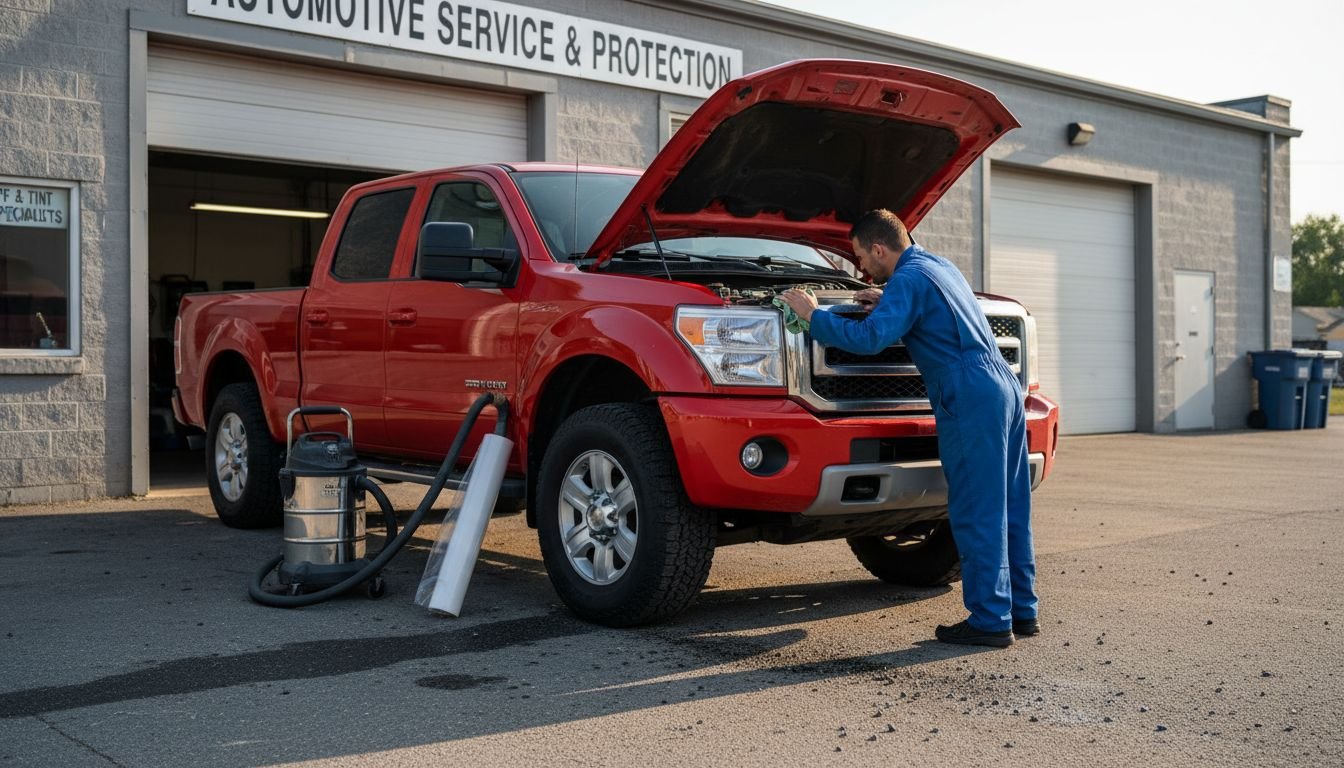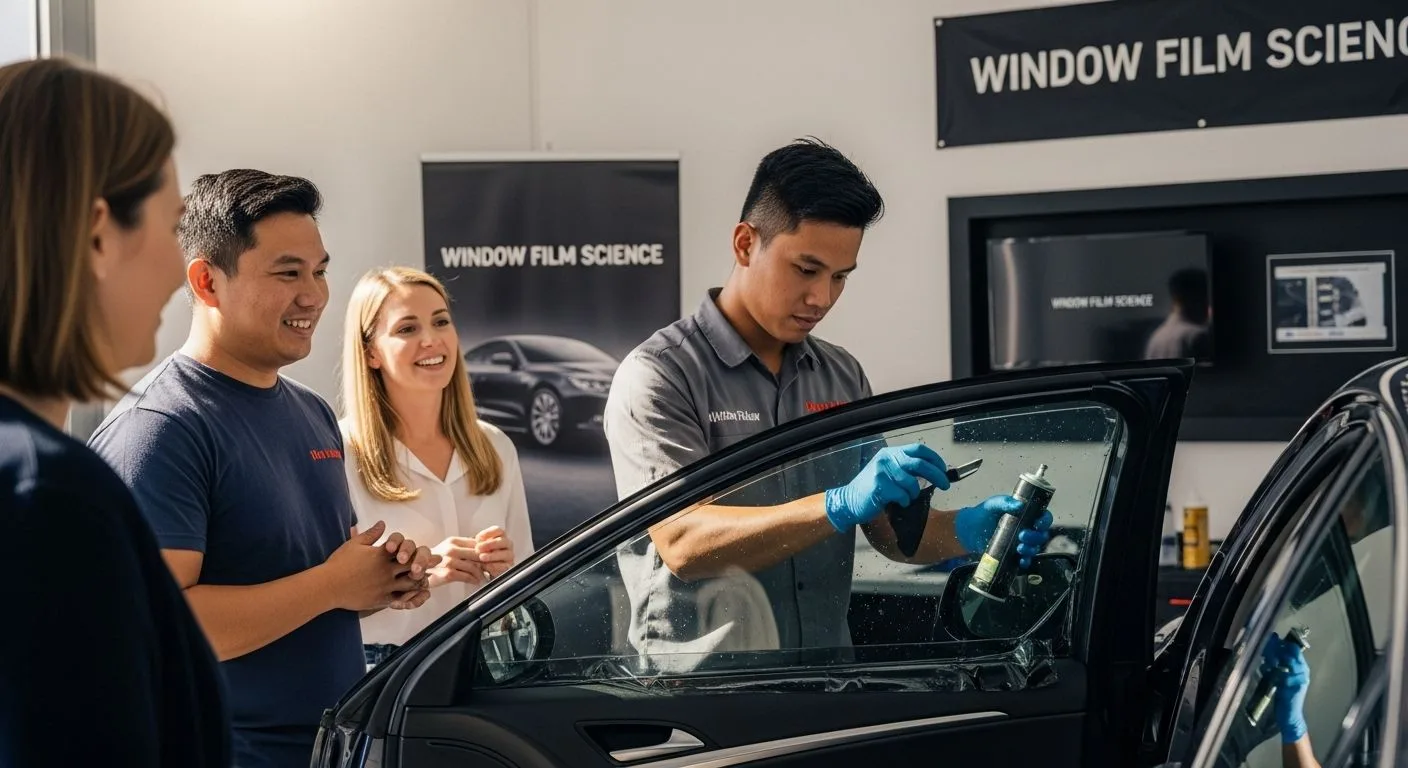
Professional vehicle wrap and window tint installers face significant cost variation when replacing car windows, with standard replacements ranging from $100 to $800 depending on window type and vehicle technology. Advanced driver assistance systems introduce hidden expenses through mandatory sensor recalibration, whilst cutting software tools like AEONCUT reduce material waste and labour time. This guide breaks down essential cost factors, technology impacts, and optimisation strategies for professional installers managing complex vehicle window replacements.
Table of Contents
- How To Choose The Right Car Window Replacement: Key Cost Factors
- Cost Breakdown By Window Type: Side, Rear, Windscreen, And Speciality Windows
- OEM Vs Aftermarket Glass: Quality, Cost, And ADAS Compatibility
- Advanced Vehicle Technologies And Their Impact On Replacement Costs
- Cutting Software For Cost Optimisation: Benefits For Professional Installers
- Labour And Installation Complexity: Regional Variations And Special Cases
- Cost Optimisation Strategies: Getting Better Quotes And Budgeting Smarter
- Summary Comparison And Situational Recommendations For Professional Installers
- Improve Precision And Reduce Costs With AEONCUT Software
- Frequently Asked Questions
Key takeaways
| Point | Details |
|---|---|
| Cost variation | Car window replacement costs vary widely by window type, vehicle model, and advanced technology features such as ADAS. |
| OEM necessity | OEM glass costs 30-50% more than aftermarket but ensures precise fit for ADAS sensor integration and safety compliance. |
| ADAS recalibration | Advanced driver assistance systems require sensor recalibration adding $150-$700 to total replacement costs. |
| Software efficiency | Cutting software reduces material waste by up to 40% and decreases labour time by 10-15% through precise patterns. |
| Labour complexity | Labour costs range from $60 to $180 but increase significantly for luxury vehicles requiring specialised tools and procedures. |
How to choose the right car window replacement: key cost factors
Understanding the critical cost factors influencing car window replacements empowers professional installers to make informed decisions and accurately budget for client projects. Each replacement involves multiple variables that directly affect both material and labour expenses.
Window type fundamentally determines cost range. Side windows typically use simpler tempered glass, whilst windscreens involve laminated materials with embedded sensors. Most standard car window replacements cost between $100 and $500, with windscreens ranging from $250 to $800 or more due to complexity and size differences.
Glass quality choice creates significant price variation. OEM glass matches exact vehicle specifications, ensuring proper fit for advanced sensors and maintaining manufacturer warranties. Aftermarket alternatives offer lower initial costs but may compromise sensor accuracy in ADAS-equipped vehicles, potentially creating liability issues for professional installers.
Advanced vehicle technology introduces substantial cost variables through calibration requirements. Vehicles equipped with lane departure warnings, automatic emergency braking, or adaptive cruise control require precise sensor recalibration after glass replacement. These systems depend on accurate positioning and alignment, making proper calibration essential for safety and functionality.
Labour complexity varies dramatically based on vehicle features and regional markets. Standard side window replacement might take 30 minutes, whilst ADAS-equipped windscreen replacement with calibration can require 3-4 hours. Regional labour rates and installer expertise levels further influence final pricing.
Key cost factors professional installers must evaluate:
- Window type and size determining base material costs
- OEM versus aftermarket glass quality affecting fit and sensor compatibility
- ADAS technology requiring calibration equipment and specialised training
- Labour complexity influenced by vehicle features and accessibility
- Regional market rates and competitive pricing pressures
Pro Tip: Advanced cutting software optimises material usage and labour time across multiple service lines. When combined with window replacement services, tools like AEONCUT reduce overall operational costs by minimising waste on tint and paint protection film installations, improving total job profitability.
Cost breakdown by window type: side, rear, windscreen, and speciality windows
Each window type presents distinct cost profiles based on materials, installation complexity, and integrated technology features. Professional installers benefit from understanding these variations to provide accurate quotes and manage client expectations effectively.
Side windows cost between $150 and $400 because they use simpler tempered glass without embedded sensors or heating elements. Installation typically involves straightforward procedures, making labour costs predictable. Door panel removal and reassembly constitute the primary time investment.
Rear window replacements range from $200 to $800 or more due to larger surface areas and integrated defrost systems. Heating elements embedded in rear glass require careful electrical connection during installation. Hatchbacks and estate cars often feature larger rear windows with complex curves, increasing both material and labour costs.
Windscreen replacements represent the highest cost category, spanning $250 to $1,500 or more depending on vehicle specifications. Laminated safety glass, rain sensors, heads-up display integration, and ADAS cameras create significant price variation. Luxury vehicles with acoustic glass or heated windscreens command premium pricing.
Speciality windows including vent glass and quarter panels cost more relative to their size due to unique shapes and limited availability. Custom fabrication or specialised ordering often applies, extending lead times and increasing material expenses.
| Window Type | Cost Range | Complexity Factors | Typical Labour Time |
|---|---|---|---|
| Side windows | £150-£400 | Tempered glass, door panel removal | 30-60 minutes |
| Rear windows | £200-£800+ | Size, defrost elements, curves | 1-2 hours |
| Windscreens | £250-£1,500+ | ADAS sensors, laminated glass, size | 2-4 hours |
| Speciality/vent | £200-£600 | Custom shapes, limited availability | 45-90 minutes |
Installation complexity considerations:
- Adhesive curing time affecting vehicle return scheduling
- Trim removal and replacement requiring specialised tools
- Electrical connections for heating and sensor systems
- Weather sealing verification preventing future leaks
Pro Tip: Bundling multiple window replacements or combining with tint installation services creates opportunities for efficient scheduling and improved margins. Precise cutting patterns from advanced software ensure consistent quality across all glass types whilst reducing material waste on accompanying tint applications.
OEM vs aftermarket glass: quality, cost, and ADAS compatibility
Glass quality selection directly impacts installation success, vehicle safety systems, and long-term client satisfaction. Professional installers must balance cost considerations with technical requirements, particularly for vehicles equipped with advanced driver assistance systems.
OEM glass matches exact vehicle specifications and costs significantly more than aftermarket alternatives, typically 30-50% premium pricing. This precision ensures proper fit for embedded sensors, cameras, and heating elements. Manufacturers design OEM glass to exact thickness tolerances critical for ADAS calibration accuracy.
Aftermarket glass offers lower material costs but introduces potential compatibility issues. Thickness variations of even 0.5mm can affect camera focus and sensor accuracy in ADAS-equipped vehicles. Whilst aftermarket options work adequately for older vehicles without advanced sensors, they create liability risks when installed in technology-dependent safety systems.
ADAS functionality depends on precise sensor positioning and calibration. Lane departure warning systems use cameras mounted behind windscreens to monitor road markings. Even minor glass thickness variations or optical distortions compromise these systems’ ability to function correctly, potentially creating dangerous situations for drivers.
Professional installers increasingly recommend OEM glass for any vehicle manufactured after 2018, when ADAS features became standard across most vehicle categories. The marginal cost increase provides essential protection against liability claims and ensures proper system functionality.
Critical considerations for glass selection:
- Insurance coverage often specifies OEM requirements for ADAS vehicles
- Warranty implications of using non-OEM glass in newer vehicles
- Optical clarity standards affecting sensor performance
- Legal liability exposure from sensor malfunction after aftermarket installation
- Client education about safety system dependencies on proper glass specifications
Manufacturer certifications and installer training programmes emphasise OEM glass importance for vehicles with embedded technology. Professional installers protect their reputation and reduce liability exposure by defaulting to OEM specifications for ADAS-equipped vehicles, reserving aftermarket options for older models without sensor dependencies.
Advanced vehicle technologies and their impact on replacement costs
Advanced driver assistance systems fundamentally altered the windscreen replacement process, transforming what was once straightforward glass installation into a precision technology service. Professional installers must understand these systems’ cost implications and technical requirements.
ADAS recalibration adds $150 to $700 to total replacement costs depending on vehicle make and calibration method required. Static calibration uses specialised targets and cameras in controlled environments, whilst dynamic calibration requires test drives with diagnostic equipment monitoring sensor performance.
Calibration complexity varies significantly across manufacturers. Tesla vehicles require proprietary software and certified technicians, often pushing costs towards the upper range. European luxury brands like Mercedes-Benz and BMW integrate multiple sensor types requiring comprehensive recalibration procedures. Japanese manufacturers generally design more accessible calibration processes, reducing associated costs.
Luxury and electric vehicles present heightened ADAS cost factors. Premium models often incorporate multiple camera systems, radar sensors, and lidar technology requiring simultaneous calibration. Electric vehicles frequently feature advanced autonomous driving capabilities with strict calibration tolerances, extending labour time and equipment requirements.
ADAS systems requiring calibration after glass replacement:
- Forward collision warning and automatic emergency braking
- Lane departure warning and lane keeping assist
- Adaptive cruise control with distance monitoring
- Traffic sign recognition and heads-up display systems
- Pedestrian detection and cross-traffic alert features
Best practices for ADAS cost communication with clients:
- Provide detailed quotes separating glass costs from calibration fees
- Explain safety implications of proper calibration for system functionality
- Document pre-installation ADAS testing to establish baseline performance
- Offer calibration verification reports demonstrating proper system operation
- Maintain manufacturer certification documentation for client confidence
Vehicles manufactured after 2022 increasingly feature standard ADAS across all trim levels, making calibration costs nearly universal rather than luxury-specific. Professional installers must invest in calibration equipment or establish partnerships with certified calibration centres to remain competitive in the evolving automotive glass market.
Cutting software for cost optimisation: benefits for professional installers
Advanced cutting software represents a strategic investment for professional installers seeking to reduce operational costs whilst improving service quality across multiple revenue streams. These tools deliver measurable efficiency gains that directly impact profitability.
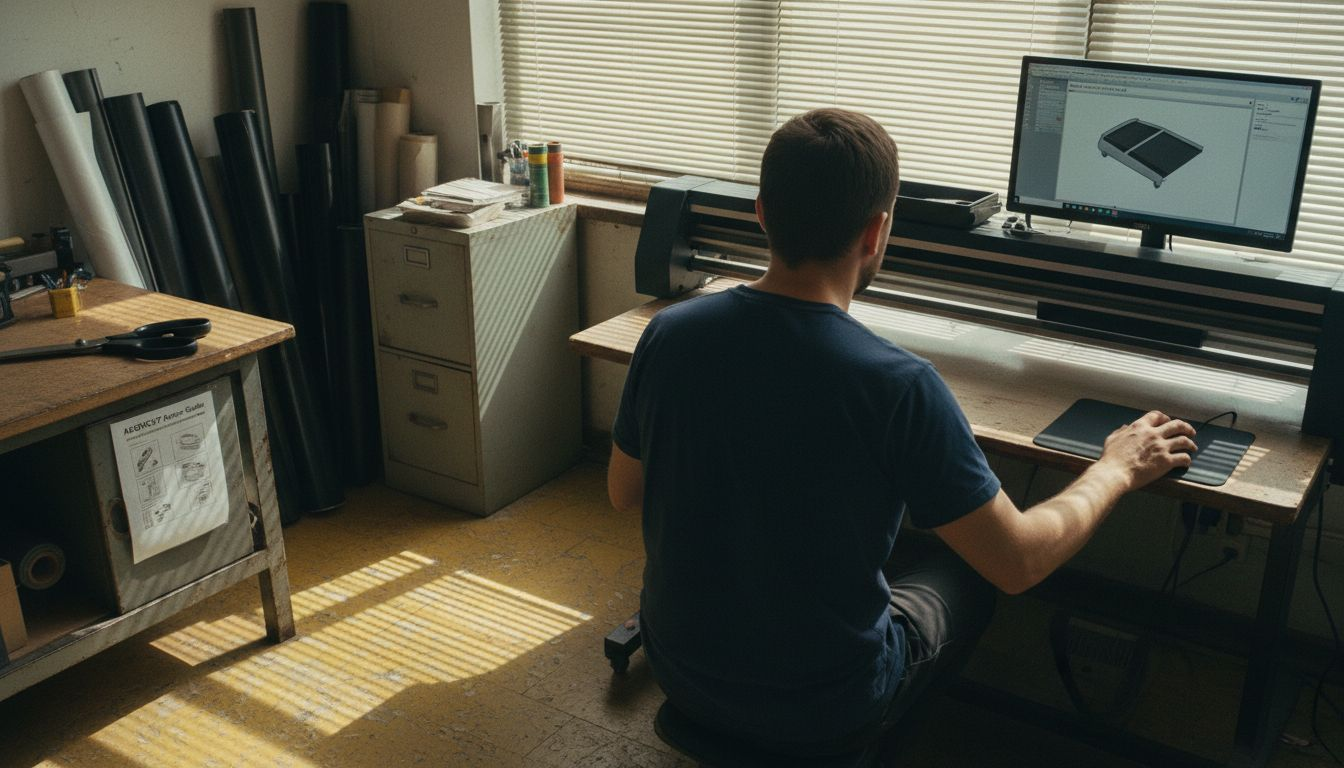
AEONCUT cutting software features comprehensive pattern libraries for window tint applications and advanced auto-nesting algorithms that optimise material layout. The software calculates the most efficient arrangement of patterns on film rolls, minimising waste and maximising usable material from each purchase.
Material waste reduction reaches up to 30% compared to manual cutting methods, translating directly to lower material costs per installation. When installers purchase film in bulk, software optimisation extends inventory further, reducing reorder frequency and associated shipping expenses. This efficiency compounds across hundreds of annual installations.
Labour time decreases 10-15% through precise digital patterns eliminating manual measurement and cutting errors. Pre-cut patterns from software reduce installation time whilst improving consistency across technicians with varying experience levels. Training new installers becomes more efficient when software provides exact specifications for each vehicle model.
Software integration spans tint and paint protection film workflows, creating workflow efficiencies across service lines. Installers servicing vehicle window replacements can simultaneously offer tinting with minimal additional labour investment. Cloud-based pattern updates ensure access to the latest vehicle models without manual database maintenance.
Measurable efficiency improvements from cutting software:
- 30-40% reduction in film waste through optimised nesting
- 10-15% faster installation times with precise pre-cut patterns
- Consistent quality across technicians regardless of experience level
- Reduced training time for new installers using digital specifications
- Enhanced profit margins through combined material and labour savings
Pro Tip: Calculate your current monthly film waste percentage by tracking material purchases against completed installations. Implementing cutting software typically recovers its subscription cost within 2-3 months through waste reduction alone, before accounting for labour time savings and improved installation consistency.
Labour and installation complexity: regional variations and special cases
Labour costs constitute a significant portion of total replacement expenses, varying dramatically based on geographical location, vehicle complexity, and installer expertise. Understanding these variations enables accurate pricing and competitive positioning within local markets.
Labour costs range from $60 to $180 on average across different regions, with metropolitan areas commanding premium rates due to higher operating costs and wage expectations. Rural markets often feature lower labour rates but may lack specialised equipment for ADAS calibration, creating service gaps.
Regional cost variation reflects local economic conditions and competitive landscapes. Coastal urban centres in the UK typically charge 20-30% more than midland regions for identical services. Installer concentration affects pricing, with saturated markets driving competitive pressure whilst underserved areas support premium positioning.
Special tools and sensor recalibration procedures can add £100 or more in labour fees for luxury vehicles requiring manufacturer-specific equipment. Calibration frames, diagnostic computers, and specialised adhesives represent significant capital investments that installers must recover through labour charges.
Luxury vehicle installations demand extended labour time due to complex trim assemblies, advanced sensor arrays, and strict quality standards expected by premium vehicle owners. A standard vehicle windscreen replacement might require 90 minutes, whilst a Range Rover with head-up display and multiple cameras can extend to 4 hours including calibration.
| Region Type | Average Labour Rate | ADAS Calibration | Typical Total Labour |
|---|---|---|---|
| Urban coastal | £80-£120/hour | £200-£350 | £250-£470 |
| Suburban | £60-£90/hour | £150-£250 | £180-£340 |
| Rural/midland | £50-£70/hour | £120-£200 | £140-£270 |
| Premium mobile | £90-£140/hour | £250-£400 | £300-£540 |
Factors increasing installation complexity and labour costs:
- Acoustic glass requiring specialised adhesives and curing procedures
- Heads-up display integration demanding precise alignment
- Rain sensors and automatic dimming features requiring electrical connections
- Panoramic windscreens with extended surface areas and complex curves
Installer expertise and certification levels justify premium labour rates. Technicians with manufacturer certifications for brands like Tesla, Porsche, or Ferrari command higher hourly rates based on specialised training investments and reduced error rates on complex installations.
Cost optimisation strategies: getting better quotes and budgeting smarter
Strategic quote management and supplier relationship optimisation create significant cost reduction opportunities for professional installers without compromising service quality. Implementing systematic approaches to procurement and pricing improves bottom-line profitability.
Multiple quotes and confirming inclusions help installers budget accurately and avoid unexpected costs that erode job margins. Requesting detailed breakdowns separating glass costs, labour, calibration, and additional fees enables meaningful comparison across suppliers.
Verifying quote comprehensiveness prevents mid-job cost surprises. Confirm whether calibration services, OEM glass specifications, adhesive materials, and disposal fees appear in initial pricing. Hidden costs frequently emerge during installation when quotes lack detailed scope documentation.
Bundle pricing for multiple window replacements or combined services generates efficiency gains and improved margins. Scheduling multiple vehicles from fleet clients or offering package deals combining replacement with tinting services reduces per-unit costs through optimised material usage and labour scheduling.
Supplier negotiations and relationship building create ongoing cost advantages. Establishing preferred vendor status with glass distributors often unlocks volume discounts, priority allocation during shortages, and extended payment terms improving cash flow management.
Systematic cost optimisation approaches for installers:
- Maintain relationships with 3-4 glass suppliers for competitive bidding
- Document all quote details including calibration, adhesives, and disposal
- Negotiate volume discounts based on projected quarterly glass purchases
- Clarify warranty coverage and replacement policies before committing
- Review supplier pricing quarterly to identify market trends and opportunities
- Bundle related services like tinting to maximise per-vehicle revenue
Expected savings through strategic procurement:
- 5-8% through multi-supplier competitive quoting
- 3-5% via volume purchase commitments with preferred vendors
- 4-7% from bundled service packages increasing per-job revenue
- 2-4% through systematic waste reduction and material optimisation
Pro Tip: Create standardised quote request templates specifying all required inclusions for consistent supplier comparison. Track actual costs against quotes to identify suppliers consistently delivering accurate pricing, building long-term partnerships with reliable vendors whilst maintaining competitive alternatives.
Summary comparison and situational recommendations for professional installers
Consolidating cost factors, technology requirements, and optimisation strategies into actionable frameworks enables professional installers to make rapid, informed decisions across diverse client scenarios. Situational awareness drives profitability and client satisfaction.
| Scenario | Recommended Glass | Expected Total Cost | Key Considerations |
|---|---|---|---|
| Pre-2018 vehicle, side window | Aftermarket acceptable | £180-£350 | No ADAS concerns, focus on fit quality |
| 2019-2023 standard sedan windscreen | OEM recommended | £400-£700 | Basic ADAS likely, verify sensor presence |
| 2024+ luxury vehicle windscreen | OEM required | £800-£1,500+ | Multiple sensors, complex calibration |
| Electric vehicle any glass | OEM required | £500-£1,800+ | Strict tolerances, manufacturer protocols |
| Fleet vehicle rear window | Quality aftermarket | £250-£500 | Balance cost with durability needs |
ADAS-equipped vehicles demand OEM glass regardless of age due to sensor dependency and calibration accuracy requirements. The marginal cost increase protects against liability whilst ensuring proper safety system functionality. Non-ADAS vehicles manufactured before 2018 safely accept quality aftermarket glass, optimising material costs.
Advanced cutting software delivers maximum value when installers offer multiple services across window replacement, tinting, and paint protection film. The compounding efficiency gains from reduced waste and labour time justify subscription costs within 2-3 months for shops performing 20+ installations monthly.
Labour complexity assessment determines appropriate pricing tiers. Standard vehicles without ADAS warrant competitive base pricing, whilst luxury models with multiple sensor arrays justify premium rates reflecting extended installation time and specialised equipment requirements. Clear client communication about these distinctions builds trust and manages expectations.
Strategic recommendations by installer focus:
- High-volume shops: Invest in cutting software and bulk glass purchasing for maximum efficiency
- Luxury specialists: Prioritise manufacturer certifications and premium OEM relationships
- Mobile installers: Focus on common vehicle models and portable calibration equipment
- Fleet services: Develop aftermarket supplier relationships for cost-effective volume work
Understanding car window tinting cost factors alongside replacement pricing enables bundled service offerings that increase per-vehicle revenue whilst providing client value. Combined services leverage existing labour efficiency, improving overall shop profitability beyond single-service margins.
Electric vehicle growth creates expanding opportunities for installers equipped with manufacturer-specific training and calibration capabilities. Early investment in Tesla, Rivian, and Lucid certifications positions shops advantageously as these vehicles require specialised service networks. Premium pricing for electric vehicle work reflects both technical demands and limited competition in emerging markets.
Improve precision and reduce costs with AEONCUT software
Professional installers managing car window replacements alongside tinting and protection film services gain substantial competitive advantages through AEONCUT cutting software. The platform delivers measurable efficiency improvements that directly enhance profitability across all service lines.
AEONCUT features extensive pattern libraries covering thousands of vehicle models, ensuring precise fit without manual measurement errors. Auto-nesting algorithms optimise material layout, reducing film waste by up to 40% compared to traditional cutting methods.
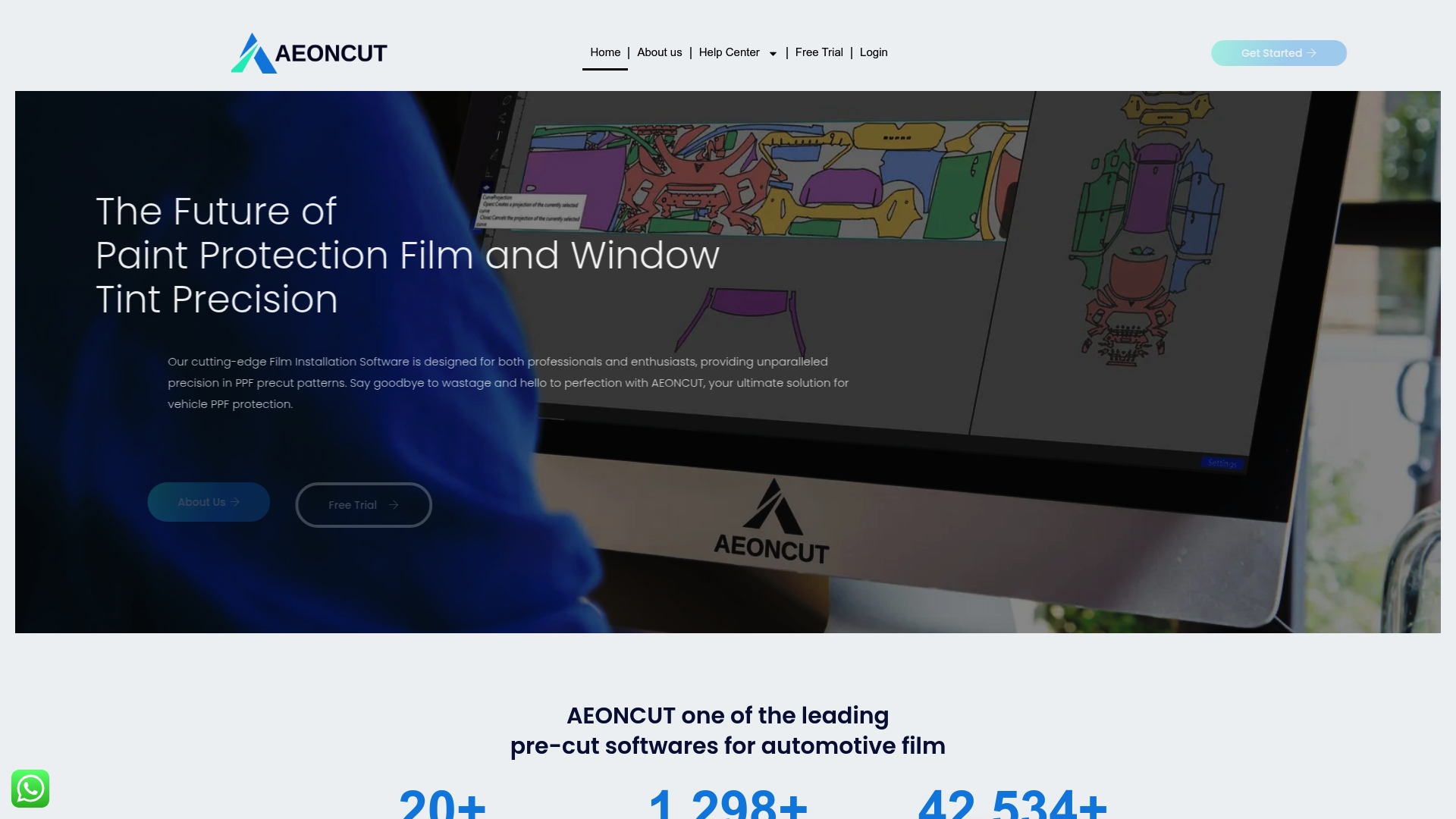
Advanced PPF precut patterns combine with window tint specifications in unified workflows, enabling installers to maximise efficiency across multiple revenue streams. Cloud-based updates ensure immediate access to new vehicle models without software reinstallation or manual database management.
Professional installers report significant labour time savings, with installations completing 10-15% faster using precise digital patterns. This efficiency allows shops to increase daily vehicle throughput whilst maintaining consistent quality standards. Professional PPF installers switching to cutting software cite improved margins and reduced material costs as primary adoption drivers.
Try AEONCUT to experience how precut software reduces film waste whilst accelerating installations and improving precision across your entire service portfolio.
Frequently asked questions
What factors most affect car window replacement costs?
Window type creates the primary cost variation, with side windows ranging £150-£400 whilst windscreens span £250-£1,500 based on size and technology. ADAS sensor presence adds £150-£700 for mandatory recalibration, significantly impacting total project costs. Glass quality choice between OEM and aftermarket options introduces 30-50% price differences, with OEM required for sensor-equipped vehicles.
How does ADAS technology impact the total replacement cost?
Advanced driver assistance systems require precise sensor recalibration after windscreen replacement, adding £150-£700 to standard glass and labour costs. Calibration ensures proper functionality of safety features like automatic emergency braking and lane keeping assistance. Vehicles manufactured after 2018 typically include ADAS features, making recalibration nearly universal rather than luxury-specific.
When should installers prefer OEM glass over aftermarket options?
OEM glass proves essential for any vehicle equipped with ADAS sensors, cameras, or heads-up displays due to exact thickness tolerances required for calibration accuracy. Vehicles manufactured after 2018 generally warrant OEM specifications to ensure proper sensor functionality and maintain manufacturer warranties. Aftermarket glass suits older vehicles without embedded technology, offering cost savings without compromising safety system performance.
Can cutting software really improve profitability for window installers?
Cutting software reduces material waste by 30-40% through optimised pattern nesting, directly lowering film costs per installation. Labour time decreases 10-15% using precise digital patterns, enabling increased daily vehicle throughput without additional staffing. These combined savings typically recover software subscription costs within 2-3 months for shops performing 20+ monthly installations.
How do regional labour costs affect overall replacement pricing?
Labour rates vary 40-60% between urban coastal markets and rural areas, with metropolitan installers charging £80-£120 hourly compared to £50-£70 in less populated regions. ADAS calibration services add regional variation, ranging £120-£400 based on equipment availability and competitive market density. Total replacement costs reflect these geographical differences, with identical services costing 25-35% more in premium urban locations.
Recommended
- Cost of Window Tinting: 2025 Guide for Installers – AEONCUT PPF Pre-cut Cutting software
- Window Tinting Cheapest Price: Save 50% with Dyed Films in 2026 – AEONCUT PPF Pre-cut Cutting software
- How to Price Window Tinting for Maximum Profitability – AEONCUT PPF Pre-cut Cutting software
- 6 Essential Factors Shaping House Window Tinting Prices – AEONCUT PPF Pre-cut Cutting software
- Car Rental vs Taxi: Which Car Rental Taxi Wins in 2026? – Capital Cars