Finding affordable window tint materials without sacrificing quality is a constant challenge for automotive installers. Many assume the cheapest films equal poor performance, but smart selection based on criteria like durability, installation ease, and customer needs can deliver excellent margins. This guide walks you through evaluating low-cost tint options, comparing material types, and leveraging efficiency tools to maximize profitability while keeping clients satisfied.
Table of Contents
- Selection Criteria For Affordable Window Tint Materials
- Types Of Window Tint Films And Price Ranges
- Pricing Benchmarks And Installation Considerations
- Durability And Longevity Tradeoffs
- Installation Efficiency And Cost Reduction
- Supplier And Distributor Options In The U.S.
- Expert Evaluations And Situational Recommendations
- Optimize Tinting Profits With AEONCUT Cutting Software
- Frequently Asked Questions
Key Takeaways
| Point | Details |
|---|---|
| Cost per square foot varies widely | Dyed films start at $3/sq.ft., ceramic can reach $20/sq.ft., impacting margins directly. |
| Durability affects long-term profitability | Cheaper films may require replacement sooner, while premium options last 7-10 years. |
| Installation efficiency reduces waste | Software tools cut material waste by up to 40%, amplifying savings on budget films. |
| Volume discounts lower material costs | Bulk purchasing can reduce prices by 20%, making affordable films even cheaper. |
| Match film type to customer needs | Budget clients suit dyed films, while mid-tier customers benefit from carbon or metalized options. |
Selection Criteria for Affordable Window Tint Materials
When choosing the cheapest window tint films, installers must look beyond sticker price. Material cost per square foot is your baseline, but durability and lifespan determine whether a low upfront cost translates to long-term profitability or repeat work. A film that fades within three years forces you to choose between unhappy customers and eating the cost of replacement.
Installation ease directly impacts labor costs. Films that shrink easily, resist bubbling, and adhere cleanly save time and reduce waste. Common selection criteria include material cost, durability, installation ease, heat rejection, and warranty coverage, forming the foundation of smart purchasing decisions. Heat rejection and UV protection ensure customers get value, even from budget films, reducing the risk of complaints.
Warranty and supplier support mitigate risks. A solid warranty covers defects and fading, protecting your reputation without additional expense. Supplier relationships can unlock technical guidance, faster shipping, and better pricing. Combining these factors with installation efficiency benefits lets you confidently choose affordable films that perform.
Pro Tip: Always test a new affordable film on a single vehicle before committing to bulk orders. Real-world installation reveals issues like difficult shrinking or adhesion problems that specs don’t capture.
Types of Window Tint Films and Price Ranges
Understanding tint types helps you match materials to customer budgets and expectations. Each category offers distinct performance and price profiles that shape your service offerings.
Dyed Films: Dyed window tint films typically cost $3 to $8 per square foot, making them the cheapest widely available option. They block glare and provide basic privacy but offer limited heat rejection. Dyed films are perfect for budget-conscious customers who prioritize appearance over performance. Installation is straightforward, though fading over time in sunny climates is a known tradeoff.
Metalized Films: Priced between $6 and $12 per square foot, metalized films reflect heat using metallic particles. They deliver better heat rejection than dyed options and resist fading more effectively. However, they can interfere with GPS, radio, and mobile signals, which you must communicate to customers upfront. Metalized films suit clients seeking durability on a moderate budget.
Carbon Films: Carbon window tint films cost between $8 to $15 per square foot, offering better UV protection. Carbon films don’t fade like dyed options and provide superior heat rejection without signal interference. They’re ideal for mid-tier customers who want longevity and performance without jumping to premium pricing. Installation is slightly more demanding but manageable with practice.
Ceramic Films: At $10 to $20 per square foot, ceramic films are the premium yet affordable choice. They offer maximum heat rejection, superior UV protection, and the longest lifespan. Ceramic films resist fading and maintain clarity over time, making them excellent for customers willing to invest upfront for long-term value. Installation requires precision, but the results justify the effort.
| Film Type | Cost per Sq.Ft. | Heat Rejection | Lifespan | Best For |
|---|---|---|---|---|
| Dyed | $3-$8 | Low | 3-5 years | Budget customers |
| Metalized | $6-$12 | Moderate | 5-7 years | Mid-budget, heat-conscious clients |
| Carbon | $8-$15 | High | 6-8 years | Durability seekers |
| Ceramic | $10-$20 | Highest | 7-10 years | Premium customers |
Pro Tip: For window tint price factors, consider regional climate. Southern installers should steer budget clients toward carbon or ceramic to avoid rapid fading complaints.
Pricing Benchmarks and Installation Considerations
Material cost is only part of the equation. Installation labor and volume discounts significantly impact your bottom line. Installed cost ranges vary significantly between dyed and ceramic films, with labor time differing by film type. Dyed films install quickly, but the time saved is often marginal compared to metalized or carbon films.
Ceramic films demand more careful handling and longer installation times, yet they reduce rework because their superior adhesion and shrinkage properties minimize errors. When you factor in fewer do-overs, the labor cost difference narrows. Volume discounts up to 20% from suppliers dramatically lower material costs, making even mid-tier films competitive with retail-priced dyed options.
1. Calculate total cost per job: Add material, labor, and overhead to understand true profitability.
2. Negotiate supplier terms: Commit to volume purchases for deeper discounts and priority support.
3. Track rework rates: Higher rework on cheap films can erase apparent savings.
4. Use software for reducing waste: Precision cutting minimizes offcuts and errors, amplifying savings on budget films.
| Film Type | Avg. Material Cost (sedan) | Avg. Labor Time | Total Installed Cost |
|---|---|---|---|
| Dyed | $40-$80 | 2-3 hours | $150-$250 |
| Metalized | $75-$120 | 2.5-3.5 hours | $200-$350 |
| Carbon | $100-$150 | 3-4 hours | $250-$450 |
| Ceramic | $120-$200 | 3.5-4.5 hours | $300-$550 |
Balancing these factors means choosing films that align with your shop’s efficiency and customer base. Installation cost benchmarks reveal that ceramic films, while pricier upfront, can deliver better margins due to fewer callbacks and higher customer satisfaction.
Durability and Longevity Tradeoffs
Lifespan differences between cheapest and premium films reshape long-term profitability. Cheapest dyed films last 3-5 years and risk fading in southern U.S. climates, whereas premium films offer 7-10 years lifespan. Fading not only looks bad but also undermines the UV protection customers expect, leading to dissatisfaction.
In hot, sunny states like Arizona, Florida, and Texas, dyed films degrade faster, turning purple or bubbling within a few years. Carbon and ceramic films resist these issues, maintaining appearance and performance longer. Durability impacts resale value for customers who plan to sell their vehicles, making premium films a selling point for detail-conscious clients.
Premium films cost more upfront but reduce repeat installations, freeing up your schedule for new customers rather than warranty work. Warranties covering fading and defects transfer some risk to manufacturers, protecting your reputation. Consider climate and customer expectations when selecting tint. A budget film in Seattle may outlast the same film in Phoenix by years.
Pro Tip: Educate customers on lifespan tradeoffs upfront. Transparency builds trust and reduces complaints when budget films fade on schedule. For installation practices to maximize durability, proper cleaning and curing extend the life of any film.
Installation Efficiency and Cost Reduction
Maximizing profits on affordable tint films requires tight installation efficiency. Software cutting tools reduce material waste by up to 15-40%, directly impacting your cost per job. Improved cutting precision lowers installation errors, reducing rework that eats into margins. Cloud-based pattern libraries speed up prep and reduce downtime, letting you process more jobs per day.
Best practices in measurement and application reduce labor time. Accurate templates mean less trimming and fewer bubbles, especially with budget films that can be less forgiving. Tight installation efficiency amplifies savings on low-cost films, turning thin margins into solid profits. Software tools like AEONCUT integrate seamlessly, providing precise patterns that match vehicle contours perfectly.
Pro Tip: Track your waste percentage per film type. If waste exceeds 10%, you’re losing money that software or training could recover. Investing in software benefits in installation pays for itself within weeks through reduced material costs and faster turnaround.
- Precision cutting: Eliminates oversized offcuts, reducing film waste.
- Pattern libraries: Save measurement time and reduce errors.
- Automated nesting: Optimizes film layout to maximize usable area.
- Error reduction: Fewer mistakes mean less rework and happier customers.
For installers relying on precise installation software, the combination of affordable films and efficient workflows creates a competitive edge. You can undercut competitors on price while maintaining quality, expanding your customer base.
Supplier and Distributor Options in the U.S.
Accessing the cheapest window tint films requires smart supplier relationships. Major suppliers like 3M, XPEL, and regional distributors offer varying price tiers, with volume discounts up to 20% available for bulk purchases. These discounts make mid-tier films cost-competitive with retail-priced budget options, expanding your service offerings without breaking the bank.
Supplier warranties cover defects and fading, ensuring customer trust without additional expense on your end. Choosing local or national distributors impacts delivery speed and costs. Local suppliers may offer faster turnaround but fewer volume discounts, while national distributors provide better pricing at the cost of longer shipping times.
Building relationships with suppliers unlocks additional support and deals. Regular orders demonstrate commitment, often leading to priority service, technical advice, and early access to new products. Diversifying suppliers reduces risk if one runs short on inventory or raises prices unexpectedly.
- 3M: Premium films with strong warranty support, higher cost but reliable.
- XPEL: Mid to high-tier films, excellent distributor network.
- Regional distributors: Competitive pricing, faster local delivery.
- Online wholesalers: Lowest prices but less personal support.
Evaluate suppliers on price, delivery reliability, warranty terms, and technical support. A supplier who answers installation questions or rushes a replacement for a defective roll saves you time and frustration, even if their base price is slightly higher.
Expert Evaluations and Situational Recommendations
Experts agree that the cheapest window tint isn’t always the best choice, but smart selection makes budget films highly profitable. Dyed films are preferred for budget-conscious customers due to lowest cost, delivering acceptable performance for clients prioritizing appearance over longevity. Metalized or carbon films suit medium durability needs, balancing price and performance for customers who want heat rejection without premium pricing.
Ceramic films are recommended for premium yet affordable options when combined with waste-reducing software. Expert consensus emphasizes balancing upfront cost with lifespan and installation factors. Pragmatic choices depend on client budget, climate, and durability requirements. A southern installer might default to carbon films for budget clients to avoid fading complaints, while a northern shop can confidently offer dyed films.
Pro Tip: Create tiered service packages. Offer dyed films as your budget option, carbon as mid-tier, and ceramic as premium. This lets customers self-select based on needs, maximizing conversions across price points.
| Customer Type | Recommended Film | Reasoning |
|---|---|---|
| Budget-focused | Dyed | Lowest cost, acceptable short-term performance |
| Heat-conscious | Metalized/Carbon | Better heat rejection, moderate price |
| Long-term value | Ceramic | Best durability, justify higher upfront cost |
| Hot climates | Carbon/Ceramic | Resist fading, maintain appearance longer |
“Choosing the cheapest tint without considering installation efficiency and customer expectations is a recipe for thin margins and complaints. Smart installers balance material cost with tools that reduce waste and labor time.”
For insights on broader material trends, explore industry expert insights to understand how evolving technologies influence affordable options.
Optimize Tinting Profits with AEONCUT Cutting Software
Affordable window tint films maximize profits when combined with efficient installation workflows. AEONCUT software improves cutting precision, reducing tint film waste by up to 40%, directly boosting your bottom line on every job. Seamlessly integrating with your existing processes, AEONCUT saves labor and material costs without disrupting operations.
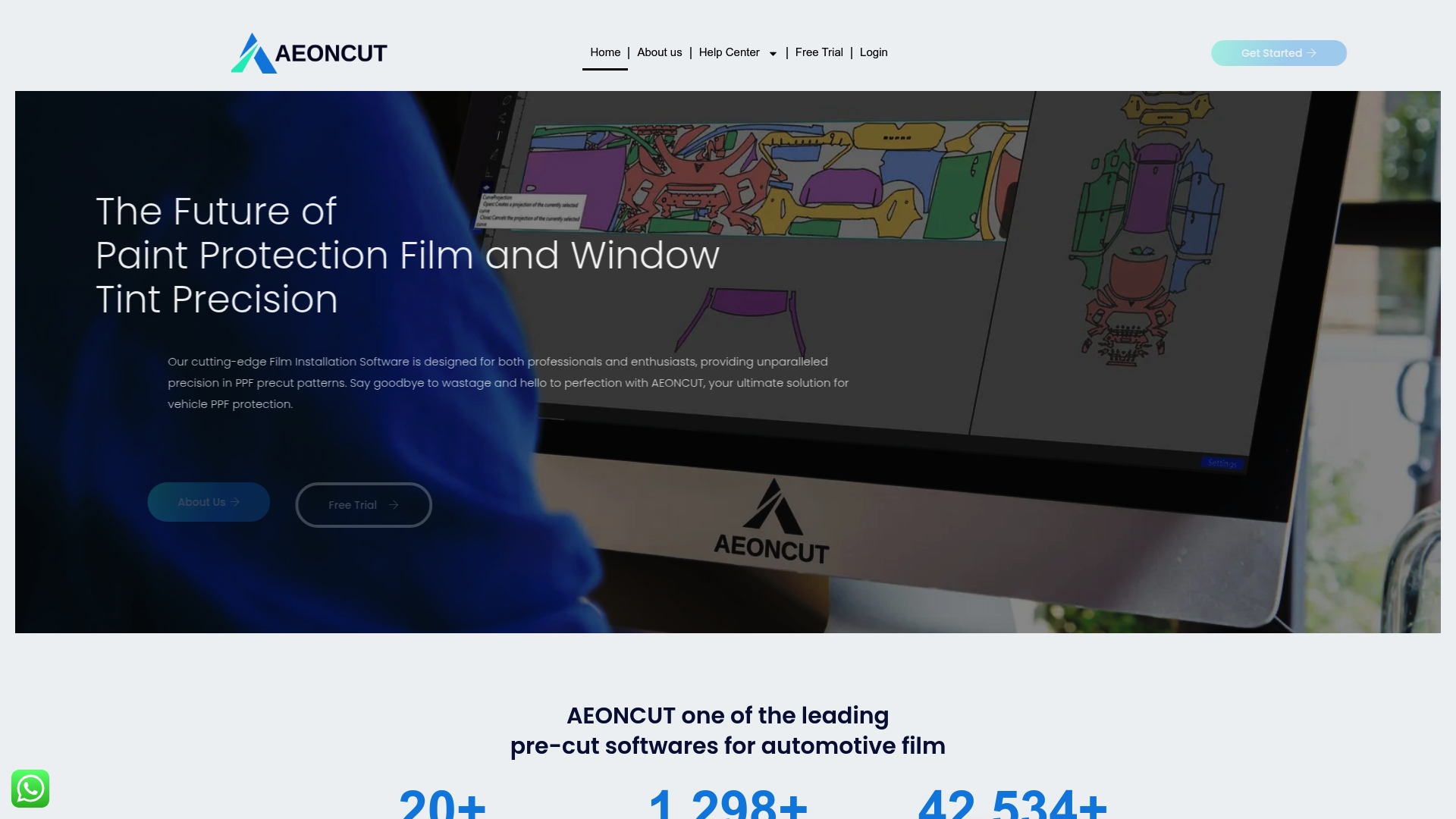
Supporting use of affordable tint films by maximizing material efficiency, AEONCUT turns budget films into profit centers. Cloud-based pattern libraries, automated nesting, and precise templates eliminate guesswork, reducing errors and rework. Whether you’re installing dyed films or premium ceramic, the software ensures every cut counts. Visit the AEONCUT official website to discover how master window tint software can transform your tinting business.
Frequently Asked Questions
What is the cheapest window tint film currently available?
Dyed films priced at $3 to $8 per square foot are the cheapest widely-used option in 2026. They provide basic glare reduction and privacy, making them ideal for budget-conscious customers who prioritize cost over long-term durability.
How does climate affect the lifespan of cheap tints?
Hot southern states like Arizona, Florida, and Texas accelerate fading of dyed films, reducing lifespan to 3-5 years. Cooler climates extend durability, making budget films more viable in northern regions where UV exposure is lower.
Are volume discounts significant when buying tint film?
Yes, volume discounts up to 20% dramatically lower costs for installers who commit to bulk purchases. These savings make mid-tier films cost-competitive with retail-priced budget options, expanding your service offerings affordably.
Can software really reduce tint film waste?
Absolutely. Tools like AEONCUT can cut waste by up to 40% through precision cutting and automated nesting. This efficiency amplifies savings on low-cost films, turning thin margins into solid profits while reducing environmental impact. Explore installation efficiency comparison to see real-world results.
Should I always choose the cheapest film?
Not necessarily. Balance cost with durability, installation ease, and customer needs. Budget films work well for short-term needs or cooler climates, but investing slightly more in carbon or ceramic films reduces complaints and repeat work, protecting your reputation and margins.
Recommended
- Cost of Window Tinting: 2025 Guide for Installers – AEONCUT PPF Pre-cut Cutting software
- 7 Key Insights Into Car Window Tinting Prices Near Me – AEONCUT PPF Pre-cut Cutting software
- 7 Ways to Compare Window Tinting Near Me with Prices – AEONCUT PPF Pre-cut Cutting software
- Why Ceramic Window Tint Cuts House Cooling by 63% – AEONCUT PPF Pre-cut Cutting software