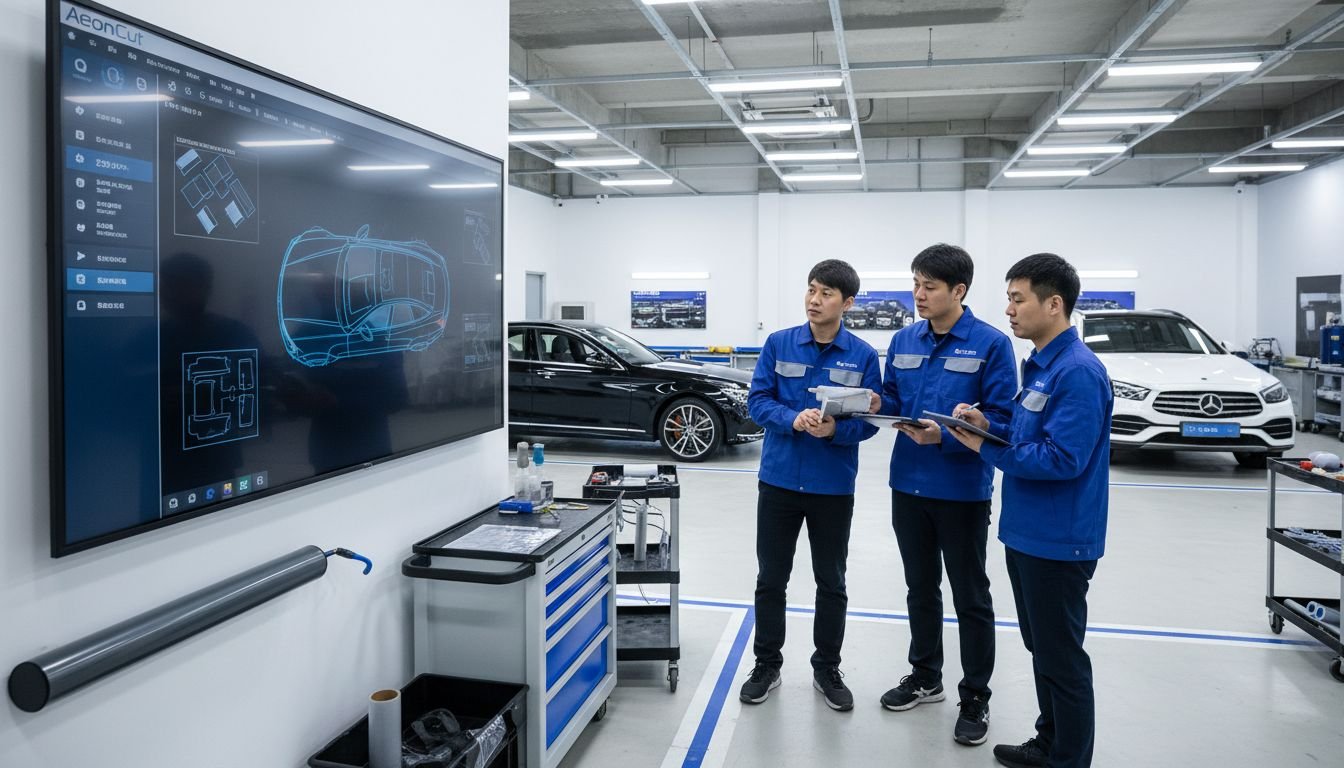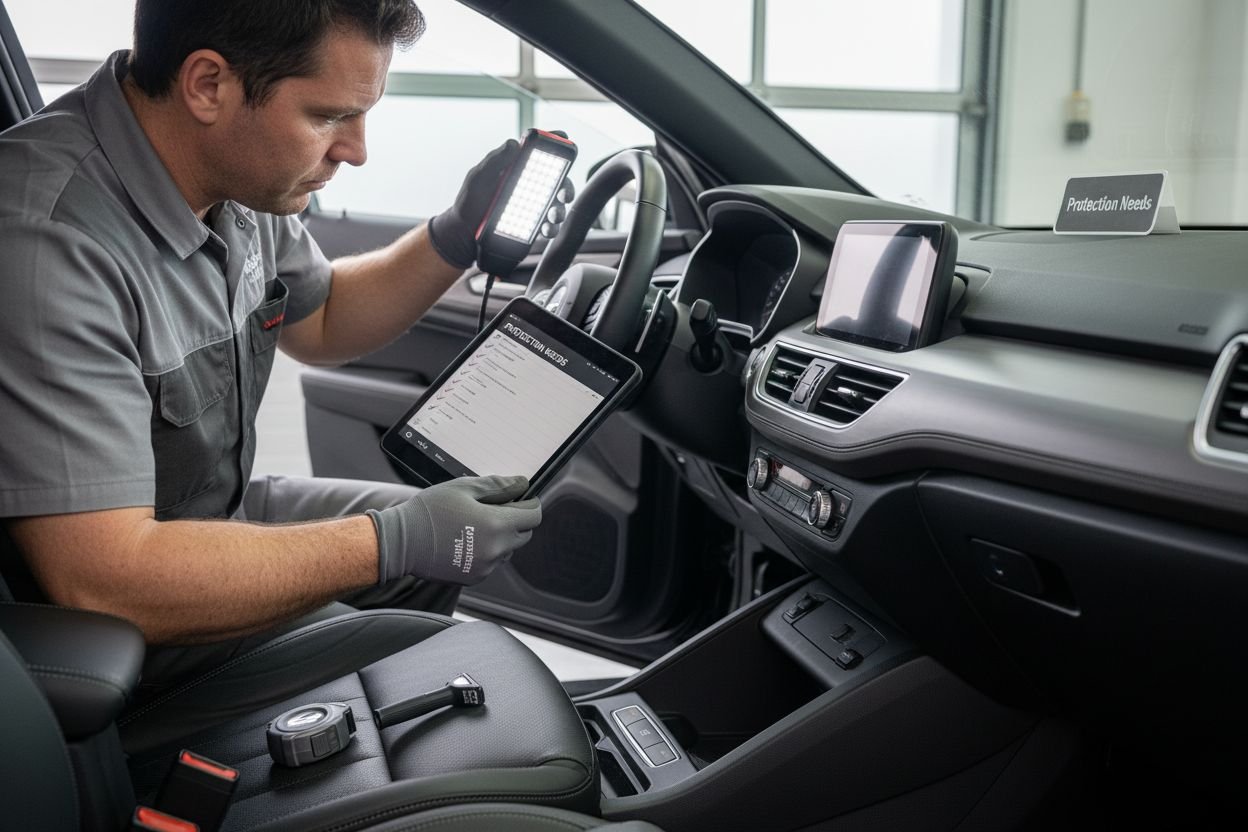
Most british car owners are surprised to learn that professional paint protection film can cost anywhere from £1,200 to £5,000 depending on coverage and quality. With so many choices and such wide price ranges, it is easy to get confused about what drives these costs. Whether you drive a compact hatchback or a luxury sedan, understanding the real factors behind paint protection pricing helps you make smart decisions to maintain your vehicle’s value.
Table of Contents
- Paint Protection Cost Defined And Debunked
- Types Of Paint Protection Films And Services
- Material Quality And Coverage Explained
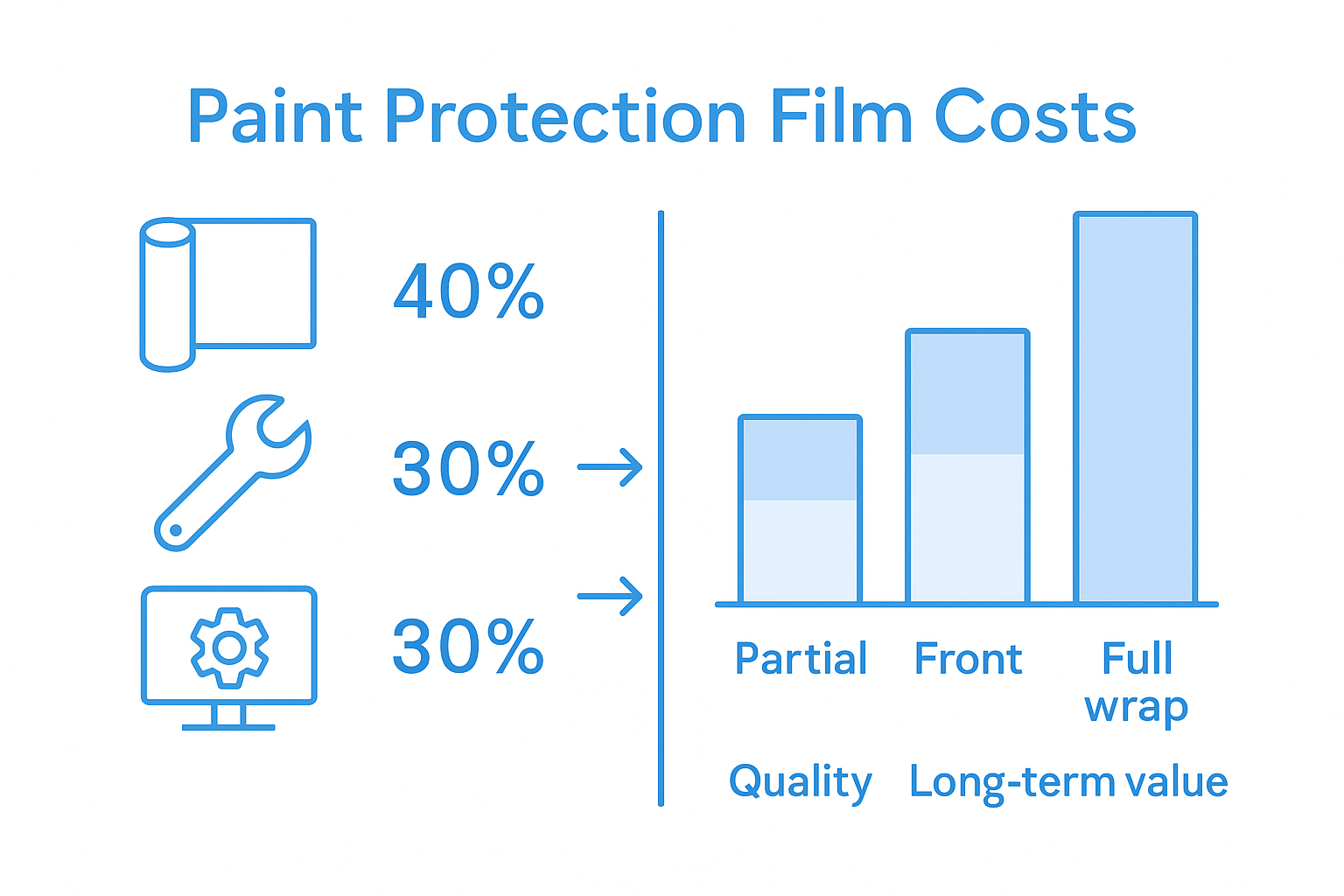
- Labour, Technology, And Software Costs
- Comparing Diy Versus Professional Applications
Key Takeaways
| Point | Details |
|---|---|
| Investment in PPF | Paint protection film (PPF) is a strategic investment for preserving vehicle aesthetics and enhancing longevity. Initial costs translate into maintained value and reduced maintenance. |
| Factors Influencing Cost | Key pricing determinants include material quality, installation complexity, vehicle type, and regional labour rates. Professional installations typically range from £1,200 to £3,500. |
| Professional vs DIY Applications | Professional installations provide superior results and warranties, while DIY options may result in uneven finishes and potential errors. Costs favour DIY, but the long-term benefits of professional treatment are significant. |
| Material Quality Importance | High-quality PPF materials offer better protection, durability, and aesthetic preservation. Investing in advanced films is crucial for effective long-term vehicle defence. |
Paint Protection Cost Defined and Debunked
Paint protection film (PPF) represents a sophisticated investment for automotive professionals seeking to preserve vehicle aesthetics and structural integrity. Understanding the nuanced pricing factors requires examining multiple dimensions beyond simple surface-level calculations. Coating mechanics research indicates protective treatments offer substantial long-term value by preventing significant environmental damage and reducing maintenance expenses.
Professional PPF pricing typically encompasses several critical components that influence overall cost. These include film quality, vehicle size, complexity of installation, and the specific protective technology being applied. Material grades range from entry-level protective films to premium ceramic-infused options, with prices varying dramatically based on technological sophistication. Professionally installed films for a standard sedan might range from £1,200 to £3,500, depending on coverage area and selected film specifications.
Cost variations become particularly pronounced when examining application methods and professional expertise. Protective coating studies reveal that shop applications can average around £80 per square metre, while specialised on-site treatments may escalate to £300 per square metre. Automotive professionals must therefore consider not just immediate expenses, but potential long-term savings through high-quality installation and superior protective technologies.
Key pricing determinants include:
- Vehicle surface area and model complexity
- Film manufacturer and technological grade
- Installer’s professional certification and experience
- Extent of coverage (partial vs full vehicle)
- Regional market conditions and labour rates
Ultimately, paint protection represents a strategic investment in vehicle preservation, where initial costs translate directly into maintained aesthetic value and enhanced longevity.
Types of Paint Protection Films and Services
Paint protection films (PPF) represent a sophisticated range of automotive preservation technologies, offering professionals multiple options for vehicle surface defence. Comprehensive PPF terminology research reveals diverse materials and application systems that cater to varying professional requirements. These protective solutions typically encompass polyurethane and polyvinyl chloride compositions, each presenting unique characteristics for automotive preservation.
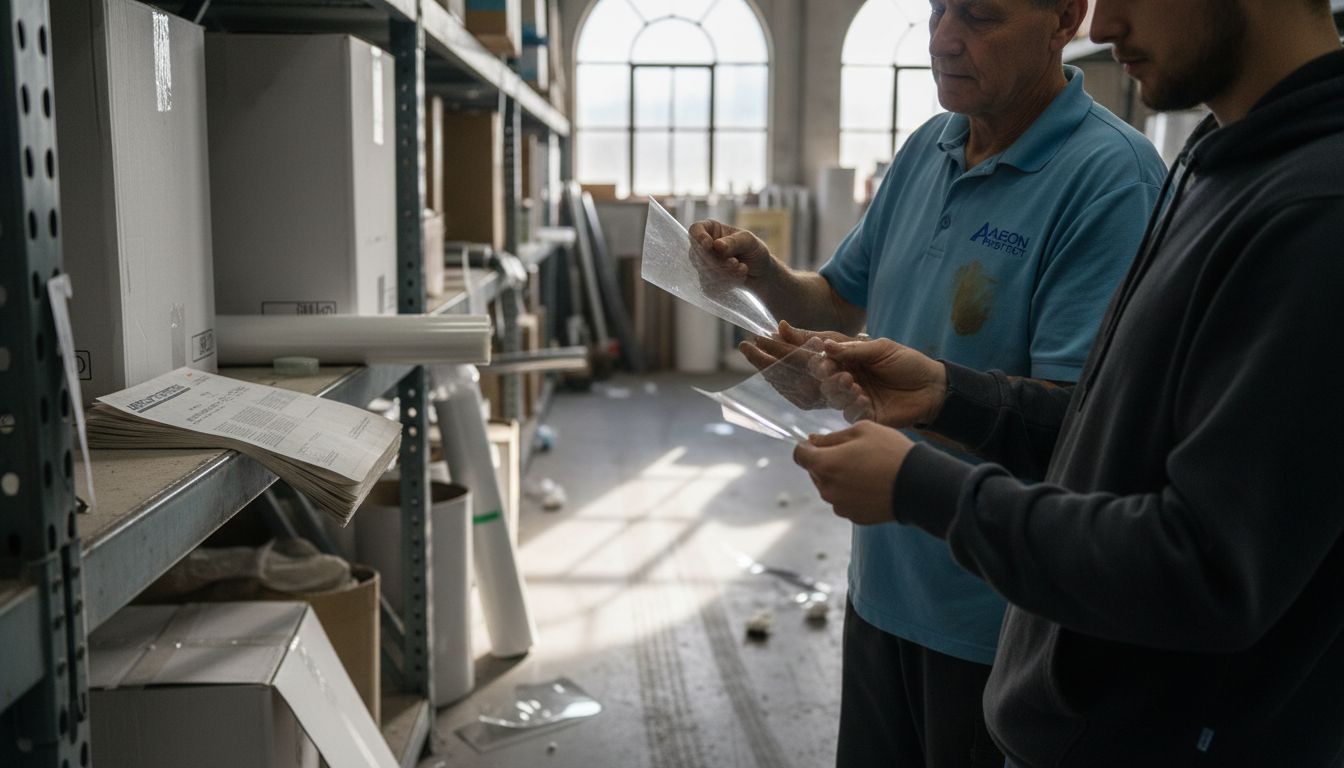
The market offers several distinct PPF categories, each engineered with specific performance attributes. Clear bra films represent entry-level protection, providing basic surface defence, while advanced ceramic-infused options deliver superior durability and self-healing properties. Detailed PPF classification studies highlight nuanced differences in elasticity, thickness, UV resistance, and adhesion properties that distinguish professional-grade films.
Professional services within the PPF ecosystem can be categorised into several specialised offerings:
- Partial vehicle coverage
- Full vehicle wrapping
- Custom design and pattern application
- Ceramic-enhanced film installations
- Precision edge and corner treatments
Modern PPF technologies integrate advanced features like hydrophobic coatings, self-healing polymers, and enhanced optical clarity. Automotive professionals must consider factors such as film manufacturer reputation, technological innovation, installation expertise, and long-term performance guarantees when selecting protective solutions. The investment in high-quality paint protection represents a strategic approach to maintaining vehicle aesthetic and structural integrity.
Material Quality and Coverage Explained
Material quality represents the foundational cornerstone of effective paint protection film (PPF) performance, determining the longevity and protective capabilities of automotive surface treatments. Coating mechanics research demonstrates that superior material compositions can significantly mitigate environmental damage, offering robust defence against UV radiation, temperature fluctuations, and mechanical stress.
Professional installers must critically evaluate PPF materials across multiple dimensions. Comprehensive automotive protection guides highlight that material quality directly correlates with protection levels, with premium films offering enhanced characteristics such as:
- Superior self-healing properties
- Advanced optical clarity
- Enhanced UV resistance
- Greater elasticity and flexibility
- Improved chemical and stain resistance
Coverage options range from minimal protection to comprehensive vehicle wrapping, each presenting unique cost and performance considerations. Entry-level partial coverage might protect high-impact areas like bonnets and front bumpers, while full vehicle wraps provide complete surface defence. Pricing typically escalates with increased coverage area and material sophistication, with professional-grade installations ranging from £1,500 to £5,000 depending on vehicle size and selected protection level.
Ultimately, automotive professionals must balance material quality, coverage extent, and budget constraints. Investing in high-performance PPF represents a strategic approach to long-term vehicle preservation, where initial expenditure translates into sustained aesthetic appeal and enhanced surface protection.
Labour, Technology, and Software Costs
The landscape of paint protection film (PPF) installation involves intricate cost considerations spanning labour expertise, technological sophistication, and advanced software solutions. Protective coating application research reveals that professional installation costs can vary dramatically, with on-site applications potentially costing substantially more than traditional shop-based treatments.
Labour costs represent a significant component of PPF pricing, with skilled technicians commanding premium rates based on their expertise and precision. Automotive protection guides highlight that professional installation typically encompasses several critical elements:
- Precise surface preparation
- Meticulous film alignment
- Seamless edge trimming
- Complex contour management
- Quality assurance inspections
Technological investments significantly influence pricing structures, with modern PPF installations requiring sophisticated equipment such as:
- Computer-aided design (CAD) cutting systems
- Precision measuring instruments
- Advanced surface preparation tools
- High-resolution film application technologies
- Digital pattern recognition software
Software solutions have revolutionised PPF installation, enabling unprecedented accuracy and efficiency. Professional-grade cutting software can reduce material waste, optimise pattern creation, and streamline the entire installation process. Automotive professionals investing in cutting-edge technological solutions can expect higher initial costs but benefit from improved long-term productivity and reduced material expenditure.
Comparing DIY Versus Professional Applications
Choosing between do-it-yourself (DIY) and professional paint protection film (PPF) applications involves carefully weighing multiple technical and financial considerations. Automotive paint protection investigations reveal significant disparities between professional and DIY approaches, with professional services consistently delivering superior protection and finish quality.
Cost comparison highlights substantial differences in investment and potential outcomes. Professional installations range from £800 to £2,500, while DIY kits typically cost between £100 to £500. However, professional applications offer critical advantages:
- Precision surface preparation
- Expert film alignment
- Guaranteed workmanship
- Advanced technological application
- Comprehensive warranty coverage
DIY enthusiasts face numerous technical challenges that professional installers routinely navigate. These include:
- Complex surface contour management
- Eliminating air bubbles and imperfections
- Achieving seamless film edges
- Understanding material behaviour
- Maintaining consistent film tension
Ultimately, ceramic coating analysis underscores that while DIY options present initial cost savings, professional applications provide superior long-term protection, aesthetic quality, and vehicle value preservation. Automotive professionals should carefully evaluate their technical capabilities, available resources, and desired outcome before selecting an installation approach.
Maximise Your Paint Protection Investment with Precision Cutting Software
Understanding the factors that impact professional paint protection film (PPF) pricing highlights the importance of efficient installation and material optimisation. The article reveals challenges such as managing complex vehicle contours, minimising material waste, and ensuring flawless film alignment to reduce labour costs and enhance long-term protection. These are the very pain points that AEONCUT software addresses by providing highly accurate pre-cut PPF patterns designed for professional installers and serious car enthusiasts alike.
Boost your installation efficiency and reduce costly errors with our intelligent CAD cutting technology, AI-driven auto-nesting, and a vast pattern library tailored for a broad range of vehicle models. By integrating AEONCUT into your workflow, you gain confidence in delivering premium-quality film applications that preserve vehicle aesthetics while controlling expenses.
Discover our complete suite of solutions for paint protection film at Paint Protection Film – AEONCUT PPF Pre-cut Cutting software and explore innovative tools designed to streamline professional installations. Ready to transform your business offerings and increase profitability? Experience the ultimate precision and cost control today by visiting https://aeoncutsw.com.
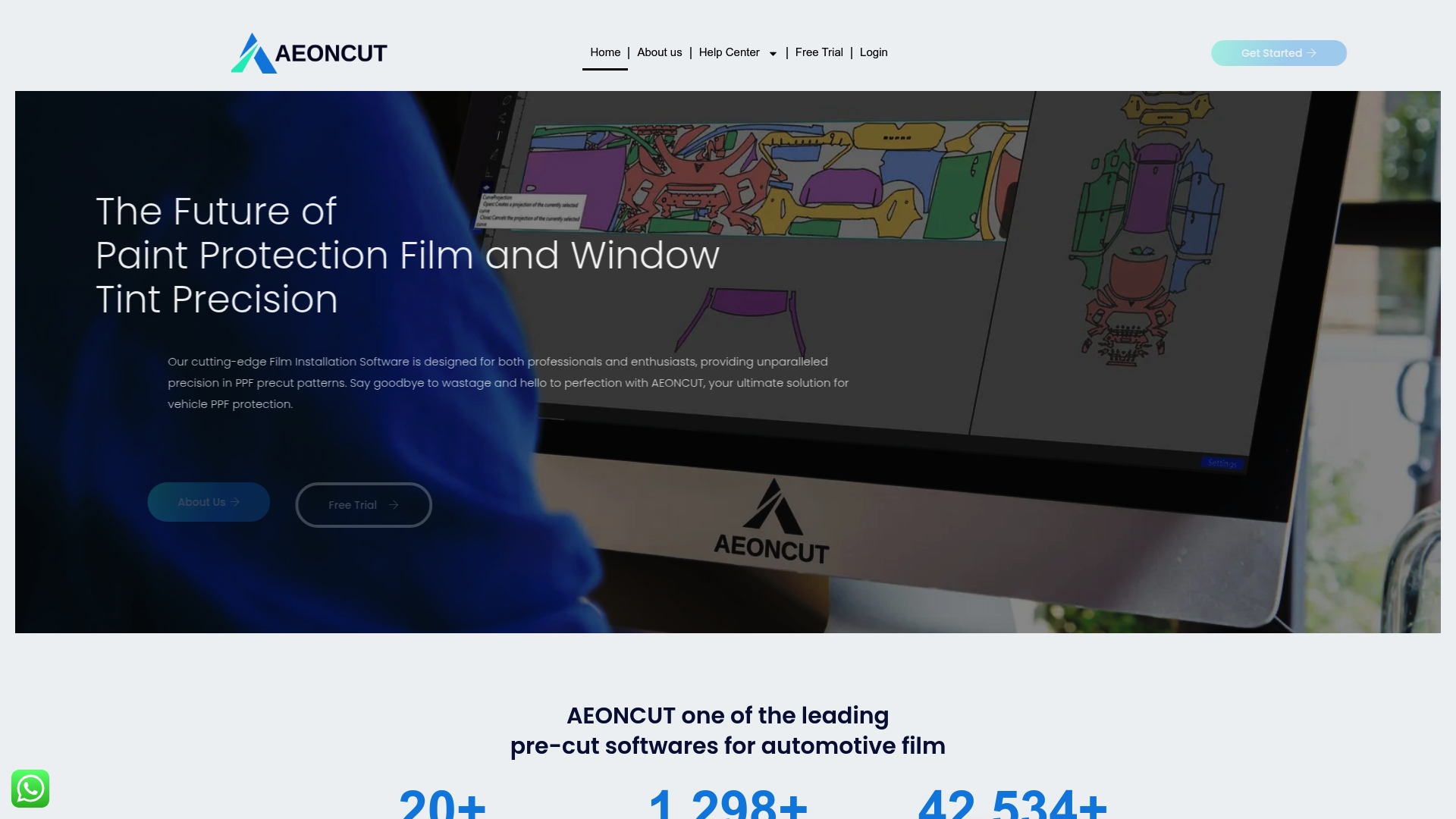
Start mastering paint protection with cutting software that empowers professionals. Visit https://aeoncutsw.com now to choose a subscription plan that fits your needs and unlock access to the latest patterns, updates, and expert support.
Frequently Asked Questions
What factors influence the cost of paint protection film (PPF) installation?
The cost of paint protection film installation is influenced by several factors, including the quality of the film, the size and complexity of the vehicle, the skill level of the installer, and the specific protective technology being applied.
How does the type of paint protection film affect pricing?
Different types of paint protection films vary in price based on their material quality and protective features. Premium films, such as ceramic-infused options, tend to be more expensive due to their advanced durability and self-healing properties compared to entry-level clear bra films.
What are the potential long-term savings of investing in high-quality paint protection?
Investing in high-quality paint protection film can lead to long-term savings by reducing maintenance costs, preventing environmental damage, and preserving the vehicle’s aesthetic appeal, ultimately enhancing its resale value.
Is it worth paying for professional installation over DIY options?
Professional installation is generally recommended as it offers advantages such as precise surface preparation, guaranteed workmanship, and advanced application technologies. While DIY options may save initial costs, they often lack the same level of quality and protection, which could lead to higher expenses in the long run.
Recommended
- PPF Versus Ceramic Coating: Best Choice for Automotive Pros 2025 – AEONCUT PPF Pre-cut Cutting software
- Building a PPF Business in 2025: From Tools to First Clients – AEONCUT PPF Pre-cut Cutting software
- Building a PPF Business in 2025: From Tools to First Clients – AEONCUT PPF Pre-cut Cutting software
- Matte PPF vs Gloss PPF: Professional Comparison 2025 – AEONCUT PPF Pre-cut Cutting software