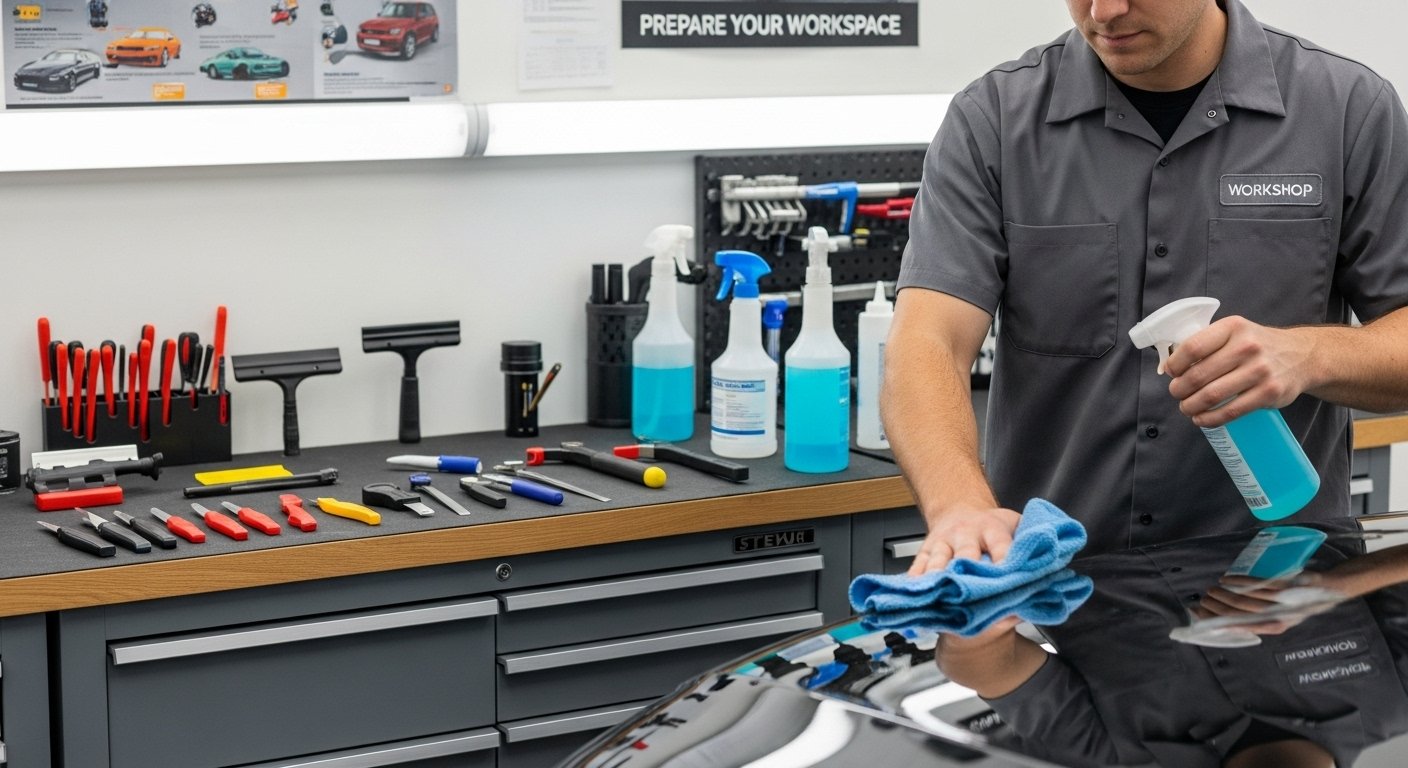
Professional installers know the frustration: a flawless PPF application undermined by interior dust, adhesive stains, or accidental tool damage. Workshops implementing comprehensive interior protection report up to a 40% decrease in customer complaints related to interior dust, stains, and damage. This guide arms you with advanced protection strategies that safeguard vehicle interiors, boost customer satisfaction, and protect your reputation.
Table of Contents
- The Importance of Interior Protection in Vehicle Wrapping
- Common Misconceptions About Auto Armor Interior Protection
- Function and Types of Auto Armor Interior Protection Products
- Material Technologies and Advances in Protection Films and Covers
- How Interior Protection Enhances Workflow and Customer Satisfaction
- Implementing Auto Armor Interior Protection in Professional Installations
- Elevate Your Installations With AEONCUT Interior Protection Solutions
Key Takeaways
| Point | Details |
|---|---|
| Interior damage ruins reputation | Dust, adhesives, and tool contact during installations create customer complaints that harm your business credibility. |
| Advanced protection cuts complaints 40% | Systematic use of seat covers, floor mats, and steering wheel protectors dramatically reduces interior contamination risks. |
| Polyurethane films outperform vinyl | 8 mil polyurethane PPF provides self-healing protection that vinyl wraps cannot match for durability and scratch resistance. |
| Technology accelerates workflows | Dry-install films like 3M Protection Wrap reduce installation time by half while minimizing interior contact contamination. |
| Implementation requires strategy | Balancing reusable and disposable products based on job requirements optimizes cost efficiency and protection effectiveness. |
The Importance of Interior Protection in Vehicle Wrapping
Every vehicle that enters your workshop carries the risk of interior damage during PPF or wrap installation. Installers face challenges protecting interiors from dust, adhesives, and tools during wrap and PPF installations. The consequences extend beyond immediate cleanup.
Customer trust evaporates when they discover adhesive residue on leather seats or scratches on dashboard trim. Your reputation suffers, repeat business disappears, and negative reviews multiply. Interior contamination transforms a technical success into a customer service failure.
The main threats to vehicle interiors during installations include:
- Airborne dust and particulates settling on upholstery and surfaces
- Adhesive overspray or drips contaminating seats, carpets, and trim
- Tool contact scratching or denting interior panels and controls
- Accidental spills of cleaning solutions or application fluids
- Hand contact transferring oils and dirt to steering wheels and door panels
Protecting interiors is not optional. It is fundamental to delivering professional service that customers recommend. Implementing interior protection tips for professionals separates competent installers from exceptional ones.
Common Misconceptions About Auto Armor Interior Protection
Installers operating under misconceptions compromise their work quality before they begin. The first damaging myth is that vinyl wraps and polyurethane PPF offer equivalent interior protection capabilities. Vinyl wraps offer only moderate protection, whereas polyurethane PPF films are thicker, self-healing, and more durable against scratches and impacts.
Another widespread error is treating interior protection as an optional step that adds unnecessary time to installations. This thinking ignores the cost of customer complaints, rework, and reputation damage. Protection is not a luxury; it is insurance against expensive mistakes.
Many installers also misunderstand the economics of reusable versus disposable protection products. Disposable items seem cheaper per unit, but reusable covers deliver superior cost efficiency over hundreds of jobs when properly maintained. The key is matching product type to specific job requirements rather than defaulting to one approach.
Common installer mistakes stemming from these misconceptions include:
- Skipping seat protection for quick jobs, risking adhesive contact
- Using inadequate floor coverage that allows debris accumulation
- Failing to protect steering wheels and gear shifts from hand oils
- Removing protection products carelessly, leaving residue behind
- Neglecting to communicate protection measures to customers, missing trust-building opportunities
Correct these misunderstandings by studying best practices for vehicle protection and learning from common PPF installation mistakes. Knowledge prevents costly errors. Additional guidance appears in Armor Up FAQs on protection materials for material selection clarity.
Function and Types of Auto Armor Interior Protection Products
Effective interior protection relies on specialized products designed for specific vehicle surfaces. Understanding each product’s function helps you build comprehensive protection systems that address all vulnerable areas.
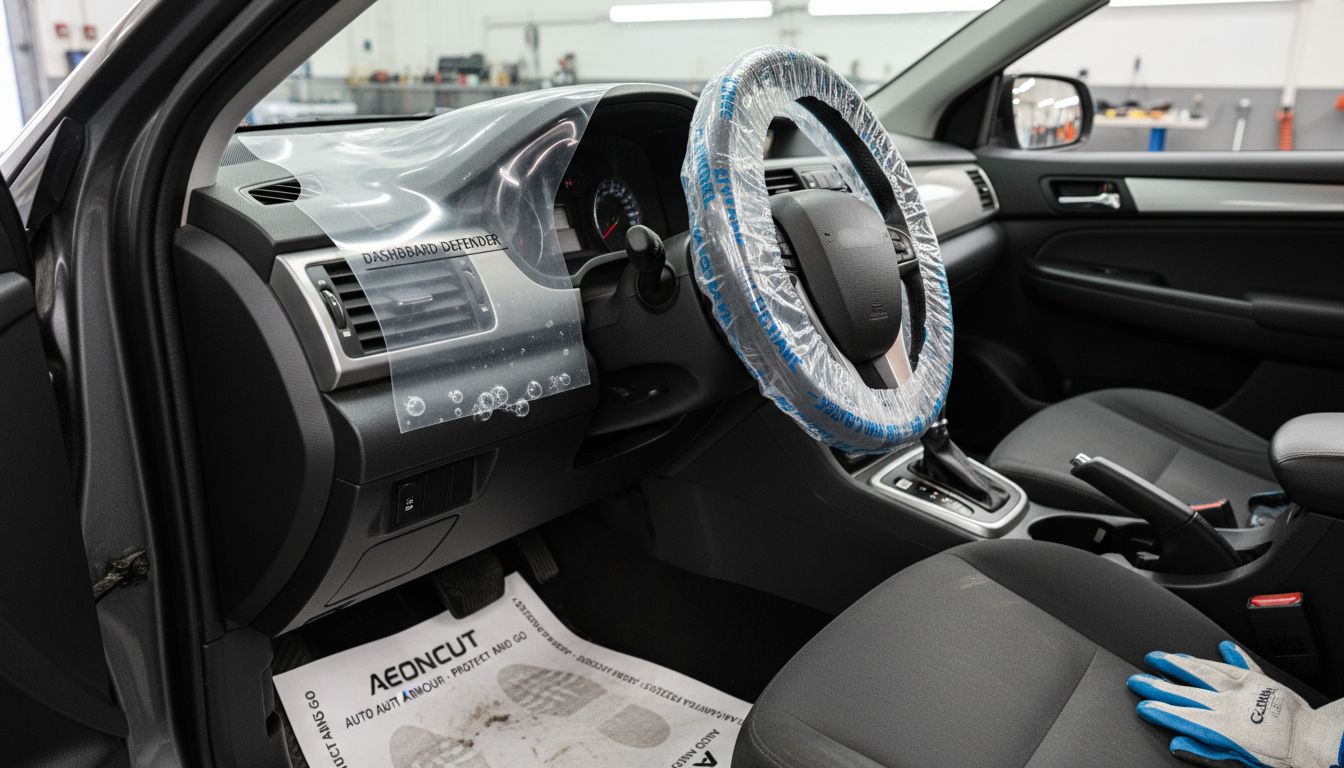
Seat covers form your first defense line. High-quality covers resist adhesive penetration while preventing dust accumulation on upholstery. Look for covers with non-slip backing that stays positioned during extended installations.
Disposable floor mats capture dirt, adhesive drips, and tool debris before they contact carpets. These mats offer quick deployment and removal, making them ideal for high-volume shops. Disposable options eliminate cross-contamination between vehicles.
Steering wheel and gear shift protectors prevent oil transfer from installer hands. These small but critical items preserve leather and trim finishes that customers touch daily. Reusable elastic covers provide excellent protection when laundered regularly.
Dashboard shields guard against accidental tool contact and adhesive overspray. Flexible polyethylene shields conform to complex dashboard contours while remaining easy to position and remove.
Typical PPF thickness is around 8 mil (0.008 inches), providing robust protection with self-healing capabilities improving longevity of the vehicle finish by up to 5 years. Self-healing polyurethane films represent the premium tier of protection technology. Minor scratches and swirl marks disappear with heat application, maintaining pristine appearance throughout the film’s lifespan.
| Product Type | Primary Benefits | Typical Use Cases |
|---|---|---|
| Seat Covers | Adhesive resistance, dust prevention | All PPF and wrap installations |
| Disposable Floor Mats | Quick deployment, zero cross-contamination | High-volume shops, quick turnaround jobs |
| Steering Wheel Protectors | Oil transfer prevention, easy cleaning | Extended installations, luxury vehicles |
| Dashboard Shields | Tool contact protection, overspray barrier | Complex installations, confined workspaces |
| Polyurethane Films | Self-healing, scratch resistance, durability | Premium protection packages, high-value vehicles |
Explore top auto interior protection products to identify solutions matching your workshop needs. Comprehensive product knowledge from sources like Armor Up Paint Protection Film enhances your selection strategy.
Material Technologies and Advances in Protection Films and Covers
Material science innovations continuously improve protection film performance and installation efficiency. Understanding these advances helps you select products that maximize both protection quality and workflow speed.
Polyurethane film technology centers on thickness, durability, and self-healing properties. The standard 8 mil thickness provides robust impact resistance while maintaining flexibility for complex curves. Self-healing capabilities activate with heat, erasing minor surface damage that would permanently mar lesser materials.
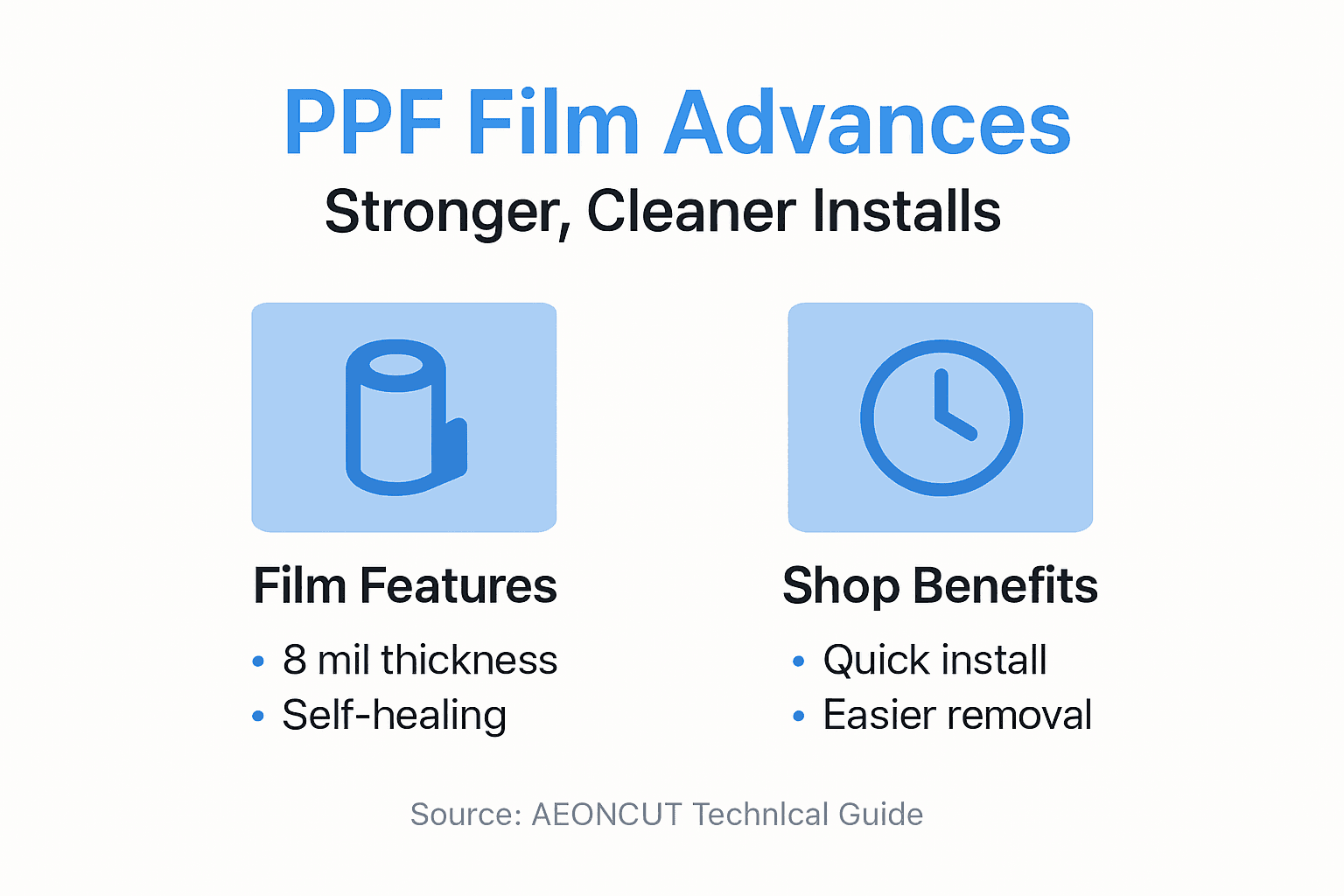
Dry-install technology represents a significant advance over traditional wet application methods. 3M Protection Wrap Film installs twice as fast as traditional wet-applied PPF products, improving workshop throughput and reducing risk of interior contact contamination. Faster installation means less time for dust accumulation and fewer opportunities for accidental interior contact.
Key material technology benefits include:
- Enhanced conformability allowing films to wrap complex contours without lifting or bubbling
- Improved adhesive formulations that bond securely yet remove cleanly without residue
- UV-resistant coatings preventing yellowing and maintaining optical clarity for years
- Hydrophobic surface treatments repelling water, dirt, and contaminants
- Increased tear resistance reducing installation errors from film splitting or tearing
Pro Tip: Match film technology to your installation volume and workflow requirements. High-volume shops benefit most from dry-install films that accelerate throughput, while precision-focused boutique installers may prefer traditional wet application for maximum positioning flexibility on complex curves.
Staying current with interior protection tips ensures you leverage the latest material advances. Technical details from 3M Protection Wrap Film technology documentation provide deeper insights into application techniques.
How Interior Protection Enhances Workflow and Customer Satisfaction
The business case for interior protection extends beyond preventing damage. Systematic protection implementation delivers measurable improvements in efficiency, customer retention, and profitability.
Reduction of customer complaints by up to 40% with interior protection correlates directly with improved client retention. Customers notice clean interiors. They appreciate installers who respect their vehicles. This appreciation translates into positive reviews, referrals, and repeat business.
Operational efficiencies emerge from using reusable protection accessories. Initial investment in quality covers pays dividends through reduced consumable expenses. Reusable seat covers and steering wheel protectors last hundreds of jobs when maintained properly, dramatically lowering per-job material costs.
Workflow benefits include:
- Reduced post-installation cleanup time, accelerating vehicle turnaround
- Fewer application errors from contamination, cutting rework requirements
- Faster installations with dry-install films that eliminate drying delays
- Improved installer confidence leading to better work quality
- Enhanced customer communication opportunities highlighting your professionalism
Customers experience tangible benefits that strengthen their satisfaction and loyalty. Clean interiors upon pickup exceed expectations. Absence of adhesive residue or dust demonstrates attention to detail. Visible protection measures during installation communicate respect for their property.
Your business reputation compounds these advantages. Positive reviews mentioning interior cleanliness attract quality-conscious customers willing to pay premium rates. Your workshop becomes known for comprehensive service that protects the entire vehicle, not just exterior surfaces.
Learn more about interior protection benefits and implement lasting interior protection techniques to maximize these business advantages.
Implementing Auto Armor Interior Protection in Professional Installations
Translating knowledge into action requires systematic implementation of interior protection in your daily workflow. Follow this proven approach to optimize protection effectiveness while maintaining installation efficiency.
- Assess each vehicle’s protection requirements based on interior condition, material types, and installation complexity.
- Select appropriate protection products matching identified requirements, balancing reusable and disposable options.
- Apply protection products systematically before beginning installation work, ensuring complete coverage of vulnerable areas.
- Protect actively during installation by maintaining awareness of interior proximity and adjusting techniques to minimize contact risk.
- Remove protection products carefully post-installation, inspecting for any residue or overlooked contamination.
- Communicate protection measures to customers during vehicle walkaround, building trust through transparency.
Balancing reusable and disposable products optimizes both cost and effectiveness. Use reusable seat covers and steering wheel protectors for standard installations where laundering between jobs maintains hygiene. Deploy disposable floor mats for all jobs to eliminate cross-contamination risk and accelerate cleanup.
Avoiding residue and damage during application and removal requires attention to product quality and technique. Proper application and removal of interior protection prevents residue and damage, maintaining vehicle integrity and client satisfaction. Choose covers with non-adhesive attachment methods for delicate leather surfaces. Remove covers slowly, checking underneath for trapped debris.
Client communication about protection measures builds trust and justifies premium pricing. Point out seat covers, floor mats, and steering wheel protectors during initial walkaround. Explain how these measures protect their investment. Customers appreciate visible evidence of your professionalism.
Pro Tip: Maintain reusable covers through regular washing with mild detergent and air drying. Inspect covers before each use for tears or adhesive buildup that could transfer to customer vehicles. Replace damaged covers immediately to maintain protection quality. Resources like long-term maintenance of foam covers provide additional care guidance.
Implement best practices for flawless protection to ensure consistent results across all installations.
Elevate Your Installations with AEONCUT Interior Protection Solutions
Professional installers deserve tools and products that match their commitment to quality. AEONCUT delivers advanced interior protection solutions designed specifically for demanding PPF and wrap installation environments.
Our comprehensive product range includes precision-engineered seat covers, steering wheel protectors, and floor protection systems that integrate seamlessly into your workflow. These solutions reduce interior damage risks while accelerating installation throughput. Discover top auto interior protection products engineered for professional use.
AEONCUT’s cutting software complements physical protection with digital precision. Our PPF precut installation guide and car paint protection film guide help you achieve flawless results that keep customers returning. When you combine advanced interior protection with precise precut patterns, you deliver installations that exceed expectations.
FAQ
What types of interior protection products are must-haves during PPF installation?
Seat covers, disposable floor mats, steering wheel protectors, gear shift covers, and dashboard shields form the essential protection toolkit. Each product targets specific vulnerable areas: seat covers prevent adhesive contact with upholstery, floor mats capture debris before it reaches carpets, and steering wheel protectors prevent oil transfer from installer hands.
How do polyurethane films outperform vinyl wraps in interior protection?
Polyurethane PPF films are thicker, self-healing, and more durable against scratches and impacts compared to vinyl wraps, which offer only moderate protection. The standard 8 mil polyurethane thickness provides robust defense that vinyl cannot match. Self-healing properties allow polyurethane to recover from minor damage that would permanently mar vinyl surfaces. Review Armor Up FAQs on vinyl vs polyurethane for detailed comparisons.
What are the best practices for applying and removing interior protection covers?
Apply covers carefully to avoid wrinkles and gaps that allow contamination. Smooth covers completely, ensuring edges seal against seats and surfaces. Proper application and removal of interior protection prevents residue and damage, maintaining vehicle integrity and client satisfaction. Remove covers systematically post-installation, checking underneath for trapped debris. Train all staff on proper techniques to maintain consistent interior cleanliness. Study best practices for flawless protection for comprehensive guidance.
Can reusable interior protection products reduce installation costs?
Reusable gear shift covers and seat protectors significantly reduce material expenses when maintained properly through regular washing and inspection. Initial investment costs are recovered within months through eliminated consumable purchases. Reusable products help workshops lower waste generation and recurring supply costs while maintaining protection effectiveness across hundreds of installations.
Recommended
- Inside Car Protection: Enhancing Safety and Value – AEONCUT PPF Pre-cut Cutting software
- Vehicle Interior Protection Tips for Professional Results – AEONCUT PPF Pre-cut Cutting software
- Best Interior Car Protection: Minimising Wear and Costly Repairs – AEONCUT PPF Pre-cut Cutting software
- Car Interior Exterior Protection: Techniques That Last – AEONCUT PPF Pre-cut Cutting software
- Οδηγός Προστασίας Στρώματος: Άνεση, Υγεία και Διάρκεια | Afrokoptiki