Selecting the right tint color for professional automotive installations requires balancing heat rejection, UV protection, aesthetics, legal compliance, and cost. Ceramic tints provide up to 50% better heat rejection than traditional dyed films, yet many installers struggle to confidently guide clients through the expanding palette of options. This article equips you with data-driven insights on dyed, metalized, carbon, ceramic, and emerging colored tints so you can recommend the ideal solution for every customer.
Table of Contents
- How To Choose The Right Car Tint Color: Selection Criteria
- Common Types Of Car Tint Colors And Their Performance
- Innovative And Emerging Tint Colors
- Performance Comparison Of Popular Tint Types
- Legal And Regulatory Considerations For Tint Colors
- Pricing, Availability, And Installer Recommendations
- Situational Picks: Best Tint Colors For Specific Use Cases
- Optimize Your Tint Installations With Aeoncut Software
Key Takeaways
| Point | Details |
|---|---|
| Heat rejection varies widely | Ceramic tints outperform dyed films by up to 50%, with carbon and metalized options in between. |
| Legal compliance is critical | State tint darkness limits range from 35% to 85% VLT for front and rear windows. |
| Signal interference matters | Reflective and metalized tints disrupt electronics in roughly 30% of vehicles, while ceramic and carbon do not. |
| Colored tints are trending | Custom hues appeal to style-conscious clients and boost installer revenue opportunities. |
| Cost varies by performance | Ceramic films cost 2-3 times more than dyed, with carbon and metalized at mid-range pricing. |
How to Choose the Right Car Tint Color: Selection Criteria
Professional installers must evaluate multiple factors to match tint colors with customer needs and vehicle requirements. Heat rejection capability sits at the top of most criteria lists, as infrared radiation drives interior temperatures up and accelerates material degradation.
UV protection levels matter equally for long-term client satisfaction. Quality tints block 99% of harmful ultraviolet rays, preventing dashboard cracking and upholstery fading. However, performance varies significantly across tint types.
Legal compliance cannot be overlooked. State laws restrict tint darkness differently on front versus rear windows, with visible light transmission (VLT) ranges from 35% to 85%. Always verify local tint regulations before finalizing product selection to avoid costly rework and potential penalties.
Signal interference potential impacts vehicles relying on GPS, cellular, and radio communications. Metalized and reflective films can disrupt these signals, frustrating tech-savvy customers who expect seamless connectivity.
Aesthetic considerations include color tone, reflectivity, and finish (matte versus gloss). Customer preferences drive these choices, but you must balance style with functional performance. Cost versus performance tradeoffs complete the decision matrix, helping you tailor recommendations to client budgets without compromising critical protection.
Key Selection Factors:
- Heat rejection percentage for occupant comfort and interior preservation
- UV blockage level to prevent sun damage
- VLT compliance with state-specific legal limits
- Electronic signal compatibility for modern vehicle systems
- Visual appearance matching customer aesthetic goals
- Price point alignment with budget constraints
Pro Tip: Create a simple checklist covering these six criteria for every consultation. Walking clients through each factor builds trust and positions you as the expert guiding their investment.
Common Types of Car Tint Colors and Their Performance
Four mainstream tint types dominate professional installations, each delivering distinct performance profiles and price points. Understanding material properties helps you match products to customer priorities.
Dyed films offer the most affordable entry point for basic window darkening. Dyed tint provides 35-50% UV block with minimal heat rejection, making it suitable for budget-conscious clients seeking privacy and moderate sun protection. These films cause no electronic interference, a significant advantage for signal-dependent vehicles.
Metalized films step up heat rejection through reflective metal particles embedded in the film. Metalized tint delivers 40-60% infrared rejection and superior durability, appealing to customers in hot climates. The reflective appearance adds a distinctive look, though potential signal disruption requires disclosure to clients relying heavily on GPS and cellular connectivity.
Carbon films balance performance and aesthetics with a matte black finish that eliminates reflective glare. Carbon tint blocks about 40% of infrared heat without interfering with electronic signals, positioning it as a mid-tier option for privacy-focused customers. The non-reflective surface suits luxury vehicles where subtlety matters.
Ceramic films represent premium technology, using nano-ceramic particles to achieve exceptional performance. Ceramic tint delivers up to 50% better heat rejection than dyed films while maintaining perfect signal clarity. This superior protection commands higher prices but delivers unmatched comfort and interior preservation for discerning clients.
Performance Summary:
- Dyed: Budget-friendly, 35-50% UV block, minimal heat rejection, no signal issues
- Metalized: Enhanced heat rejection, reflective style, possible signal interference
- Carbon: Matte finish, 40% infrared blockage, signal-compatible, mid-range pricing
- Ceramic: Premium heat and UV protection, zero interference, highest cost
Offering a range of common tint types lets you serve diverse budgets while maintaining professional standards across all installations.
Innovative and Emerging Tint Colors
Beyond traditional black and grey options, innovative tint colors expand your product portfolio and attract style-conscious customers. These emerging options blend aesthetics with functional performance, opening new revenue streams.
Iridium tints introduce blue and purple hues that shift depending on viewing angle and lighting conditions. These films provide moderate heat rejection while delivering a luxurious visual impact perfect for high-end vehicles. Customers seeking distinctive appearance without sacrificing too much performance find iridium tints particularly appealing.
Colored tint popularity is rising at 18% annually among younger demographics who view their vehicles as personal style statements. Red, blue, green, and bronze options let clients customize their ride while maintaining reasonable heat and UV protection. These specialty films typically deliver performance comparable to carbon tints.
Reflective colors offer maximum privacy through mirrored exteriors that prevent outside viewing while maintaining interior visibility. However, these films can cause GPS and cellular signal interference in approximately 30% of vehicles, particularly those with extensive electronic systems. Always discuss this tradeoff with clients before installation.
The trend toward custom tint colors creates opportunities for installers willing to expand their inventory beyond basics. Offering colored and iridium tints differentiates your business and increases average transaction values as customers pay premium prices for unique aesthetics.
Emerging Options:
- Iridium: Blue/purple hues, moderate heat rejection, luxury appeal
- Colored films: Red, blue, green options, stylish differentiation, carbon-level performance
- Reflective: Maximum privacy, potential signal interference, distinctive mirrored look
- Custom shades: Growing demand among style-focused demographics
Pro Tip: Photograph completed installations featuring innovative colors for your portfolio. Visual proof of stunning results helps convert hesitant customers considering premium color options.
Performance Comparison of Popular Tint Types
Quantitative performance data empowers you to guide clients with confidence rather than relying on vague claims. This comparison clarifies the real-world differences between tint types across critical metrics.
Ceramic tint offers up to 50% better heat rejection than carbon options and costs 2-3 times more than dyed films, reflecting the advanced nano-ceramic technology. Carbon and metalized tints occupy the middle ground for both performance and pricing.
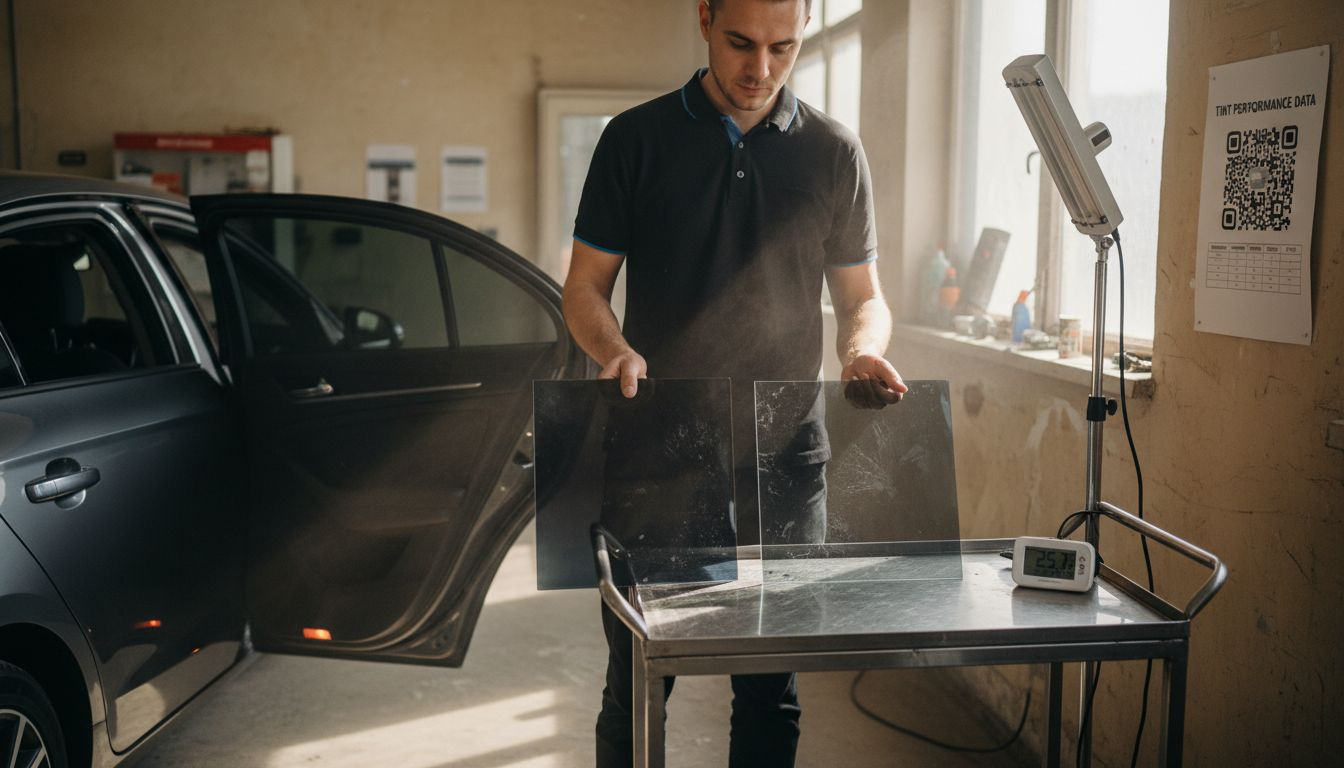
UV protection reaches 99% or higher across ceramic, metalized, and quality carbon films. Dyed tints are the least effective for heat and UV protection, typically blocking only 35-50% of ultraviolet radiation.
Signal interference primarily affects metalized and reflective tints due to metal content that blocks radio frequencies. Ceramic, carbon, and dyed films maintain full electronic compatibility, a crucial consideration for modern vehicles packed with wireless technology.
| Tint Type | Heat Rejection | UV Protection | Signal Interference | Relative Cost |
|---|---|---|---|---|
| Ceramic | 60-80% | 99%+ | None | High (3x dyed) |
| Carbon | 35-45% | 99% | None | Medium (2x dyed) |
| Metalized | 40-60% | 99% | Possible (30% vehicles) | Medium (1.5x dyed) |
| Dyed | 15-25% | 35-50% | None | Low (baseline) |
| Colored/Iridium | 35-45% | 95-99% | Minimal | Medium-High |
Performance Rankings:
- Heat rejection: Ceramic > Metalized > Carbon > Colored > Dyed
- UV protection: Ceramic = Metalized = Carbon > Colored > Dyed
- Signal compatibility: Ceramic = Carbon = Dyed > Colored > Metalized
- Price: Ceramic > Colored > Metalized = Carbon > Dyed
Use this data to create transparent comparisons for customers, helping them understand exactly what they gain at each price point. Detailed performance metrics justify premium recommendations when clients prioritize comfort and protection.
Legal and Regulatory Considerations for Tint Colors
Navigating tint regulations protects your business from liability while ensuring customer satisfaction. Legal requirements vary dramatically across jurisdictions, making compliance knowledge essential for professional installers.
State laws restrict tint darkness differently on front and rear windows, with VLT percentages ranging from 35% to 85% depending on location and window position. Front side windows typically face stricter limits than rear windows and back glass.
Some states prohibit certain tint colors entirely, particularly red and amber shades that might be confused with emergency vehicle lighting. Reflective tints face restrictions in multiple jurisdictions due to potential distraction to other drivers.
Visible light transmission compliance is mandatory and enforceable through traffic stops and vehicle inspections. Non-compliant installations result in customer citations, damage to your reputation, and potential removal/reinstallation at your expense. Installer awareness of local laws is critical to avoid violations and costly rework.
Medical exemptions exist in most states for drivers with photosensitivity conditions, allowing darker tints with proper documentation. Understanding exemption processes helps you serve customers with legitimate medical needs.
Regulations change periodically as legislatures respond to safety concerns and new technologies. Bookmark official motor vehicle department resources and check for updates quarterly to maintain current knowledge.
Compliance Essentials:
- Verify VLT limits for each window position in your service area
- Check prohibited colors and reflectivity restrictions
- Document customer acknowledgment of legal specifications
- Maintain updated reference materials from state authorities
- Review regulations quarterly for legislative changes
Providing customers with written tinting legal limits documentation protects both parties and demonstrates your professionalism.
Pricing, Availability, and Installer Recommendations
Cost structures across tint types directly impact your ability to serve diverse customer segments while maintaining healthy margins. Understanding pricing dynamics helps you stock appropriate inventory and guide budget conversations.
Ceramic films command premium prices justified by superior technology and performance. Customers investing in ceramic expect maximum heat rejection, perfect signal clarity, and long-term durability. Ceramic tints cost 2-3 times more than dyed films, reflecting the advanced nano-ceramic manufacturing process.
Carbon and metalized tints offer balanced cost-performance for mid-budget buyers who want meaningful improvements over basic dyed films without ceramic pricing. These options represent your volume sweet spot, satisfying most customers seeking quality protection at reasonable prices.
Dyed films remain popular for budget-conscious customers prioritizing basic darkening and privacy over maximum heat rejection. While margins per installation run lower, dyed film volume can sustain baseline business and introduce customers to your services.
Stock availability varies by region and supplier relationships. Maintaining inventory depth across multiple tint types prevents delays and lost sales when customers are ready to move forward. Colored and specialty films may require longer lead times, so set customer expectations accordingly.
Expanding your color selections improves customer satisfaction and repeat business. Research shows offering a wider tint palette can improve satisfaction by 25%, as clients appreciate having options that match their specific preferences.
Pricing Strategy:
- Stock entry, mid-range, and premium options in every color category
- Use ceramic as the benchmark for maximum performance claims
- Position carbon and metalized as value choices with real benefits
- Maintain dyed inventory for budget-sensitive customers
- Track tint pricing and availability trends quarterly
Transparent pricing builds trust, while product range ensures you capture every potential sale regardless of budget.
Situational Picks: Best Tint Colors for Specific Use Cases
Matching tint types to customer situations simplifies your consultation process and demonstrates expertise. These scenario-based recommendations help you quickly identify optimal solutions.
Hot Climate Heat Rejection: Ceramic tints are best for hot climates needing maximum heat rejection. Clients in desert regions or tropical areas benefit most from superior infrared blockage that keeps interiors comfortable and protects dashboards from thermal damage. The heat rejection importance in hot climates cannot be overstated for customer comfort.
Budget-Conscious Darkening: Dyed films serve budget-conscious clients with adequate darkening and UV protection. First-time tint customers or those with older vehicles often prioritize cost savings over maximum performance, making dyed films appropriate for their needs.
Luxury and Style Appeal: Iridium and colored tints appeal to luxury vehicle owners and younger demographics seeking distinctive appearance. Premium automotive customers appreciate unique aesthetics that set their vehicles apart while maintaining reasonable protection.
Privacy with Signal Clarity: Carbon tints suit privacy-focused customers requiring signal clarity without reflective glare. Drivers who spend significant time using mobile devices, GPS navigation, or streaming services need interference-free films.
Maximum Privacy: Metalized and reflective films offer strongest privacy through exterior opacity but warn clients about potential signal disruption in approximately 30% of modern vehicles. Customers prioritizing privacy above connectivity may accept this tradeoff.
These situational tint recommendations streamline consultations and increase closing rates by demonstrating you understand specific customer needs.
Optimize Your Tint Installations with AEONCUT Software
Precision cutting transforms good tint installations into exceptional ones that build your reputation and minimize waste. Professional installers investing in quality films deserve tools that maximize material value and installation speed.
AEONCUT software delivers precise pre-cut patterns for automotive tint and PPF applications, reducing material waste by up to 30% through optimized nesting. Digital pattern libraries covering thousands of vehicle makes and models ensure perfect fits every time.
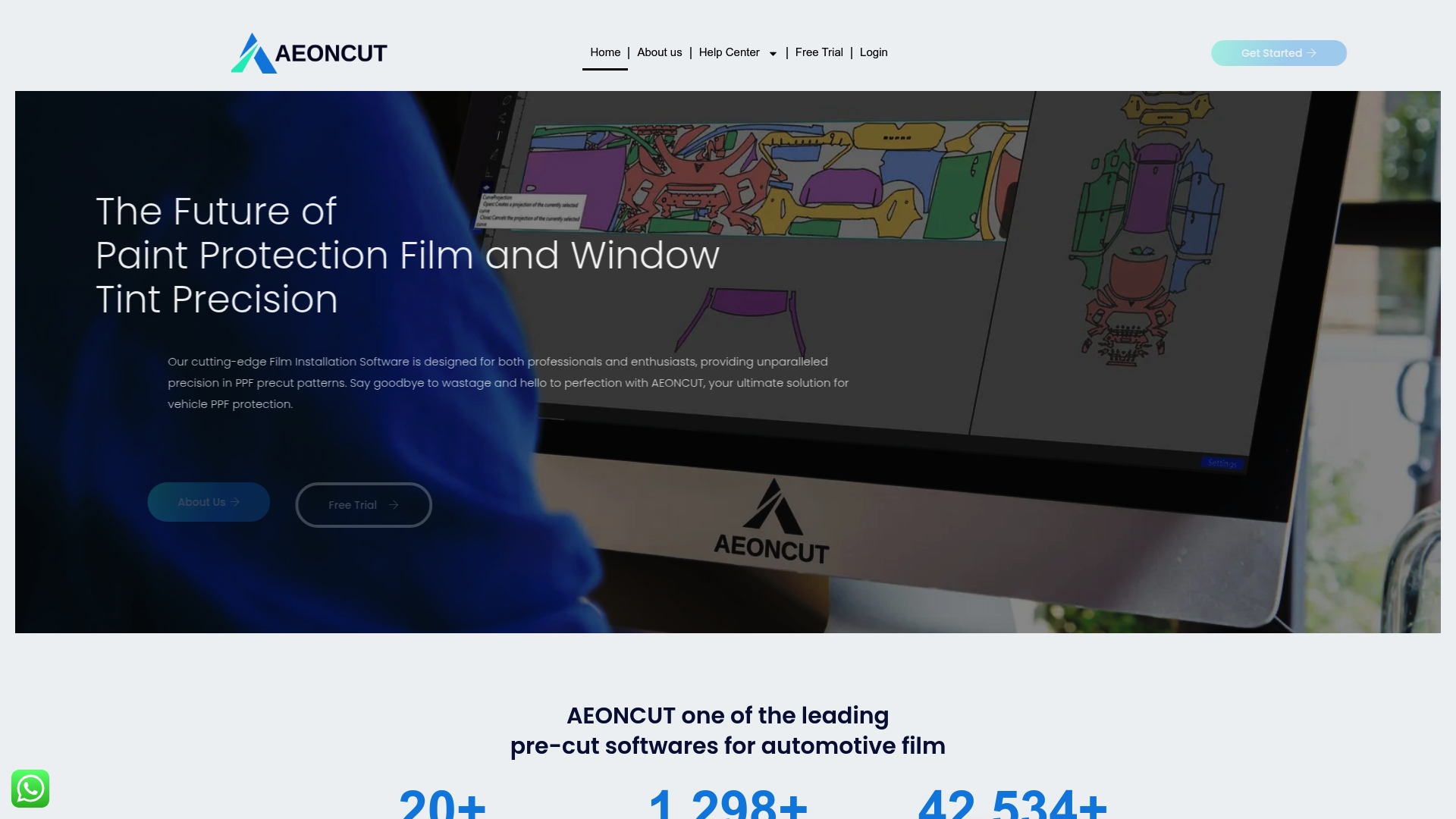
The AI AutoNest feature intelligently arranges patterns to minimize film consumption, protecting your investment in premium ceramic and colored tints. Cloud-based updates keep your pattern library current with new vehicle releases, eliminating the guesswork from custom applications. Master window tint software integration helps you deliver consistent quality across every installation.
Integrating AEONCUT into your workflow maximizes the value of premium tint investments by reducing errors and speeding up production. Visit the AEONCUT official website to explore how cutting-edge software complements your expertise in selecting and installing optimal tint colors.
What are the most heat-rejecting car tint colors?
What are the most heat-rejecting car tint colors?
Ceramic tints lead all options with 60-80% infrared heat rejection, outperforming carbon (35-45%) and metalized (40-60%) alternatives. The nano-ceramic particles in premium films block heat without adding darkness, allowing customers to stay within legal VLT limits while maximizing comfort. Carbon and metalized tints offer solid mid-range heat rejection for clients balancing performance and budget. Explore detailed heat rejection window film comparisons to guide customer decisions.
How do legal tint limits vary across U.S. states?
Front side window VLT requirements range from 35% in some states to 70% or higher in others, while rear windows often permit darker tints. Some jurisdictions specify different limits for sedans versus SUVs and trucks, complicating compliance for multi-state installers. Color restrictions prohibit red and amber tints in many areas due to emergency vehicle confusion concerns. Always consult current window tinting legal limits before finalizing installations to protect customers from citations.
Can tinted films interfere with vehicle electronics?
Metalized and reflective films containing metal particles can disrupt GPS, cellular, and radio signals in approximately 30% of vehicles, particularly those with extensive electronic systems. Signal interference frustrates tech-dependent customers who rely on navigation and connectivity for work or travel. Ceramic, carbon, and dyed films maintain full electronic compatibility, making them preferred choices for modern vehicles packed with wireless technology. Review UV window tint interference data when recommending films for signal-sensitive applications.
How to ensure car tint colors comply with U.S. state laws?
Verify exact VLT percentages, color restrictions, and reflectivity limits for your service area before starting any installation. Provide customers with written documentation of legal specifications and obtain their acknowledgment to protect your business from liability. State regulations change periodically, so bookmark official motor vehicle department resources and check quarterly for updates. Consult tint legal limits guides regularly to maintain compliance knowledge that protects both you and your customers.
Which tint colors best suit luxury or style-conscious customers?
Iridium tints with blue and purple hues deliver distinctive appearance that appeals to luxury vehicle owners seeking unique aesthetics. Colored films in red, blue, green, and bronze satisfy younger demographics viewing vehicles as personal style statements, with popularity rising 18% annually in this segment. These specialty options typically deliver carbon-level heat rejection (35-45%) while commanding premium prices that boost your average transaction value. Showcase luxury tint colors through portfolio photography to convert style-focused customers considering premium options.
Recommended
- Ceramic Window Tint Benefits: Essential Guide for 2025 – AEONCUT PPF Pre-cut Cutting software
- Why Ceramic Window Tint Cuts House Cooling by 63% – AEONCUT PPF Pre-cut Cutting software
- Understanding Heat Rejection Window Film for Vehicles – AEONCUT PPF Pre-cut Cutting software
- 6 Essential Tint Types for Cars Every Installer Should Know – AEONCUT PPF Pre-cut Cutting software
- Overheating TM52 Solutions for a Cooler, Greener Future – Complete EPC