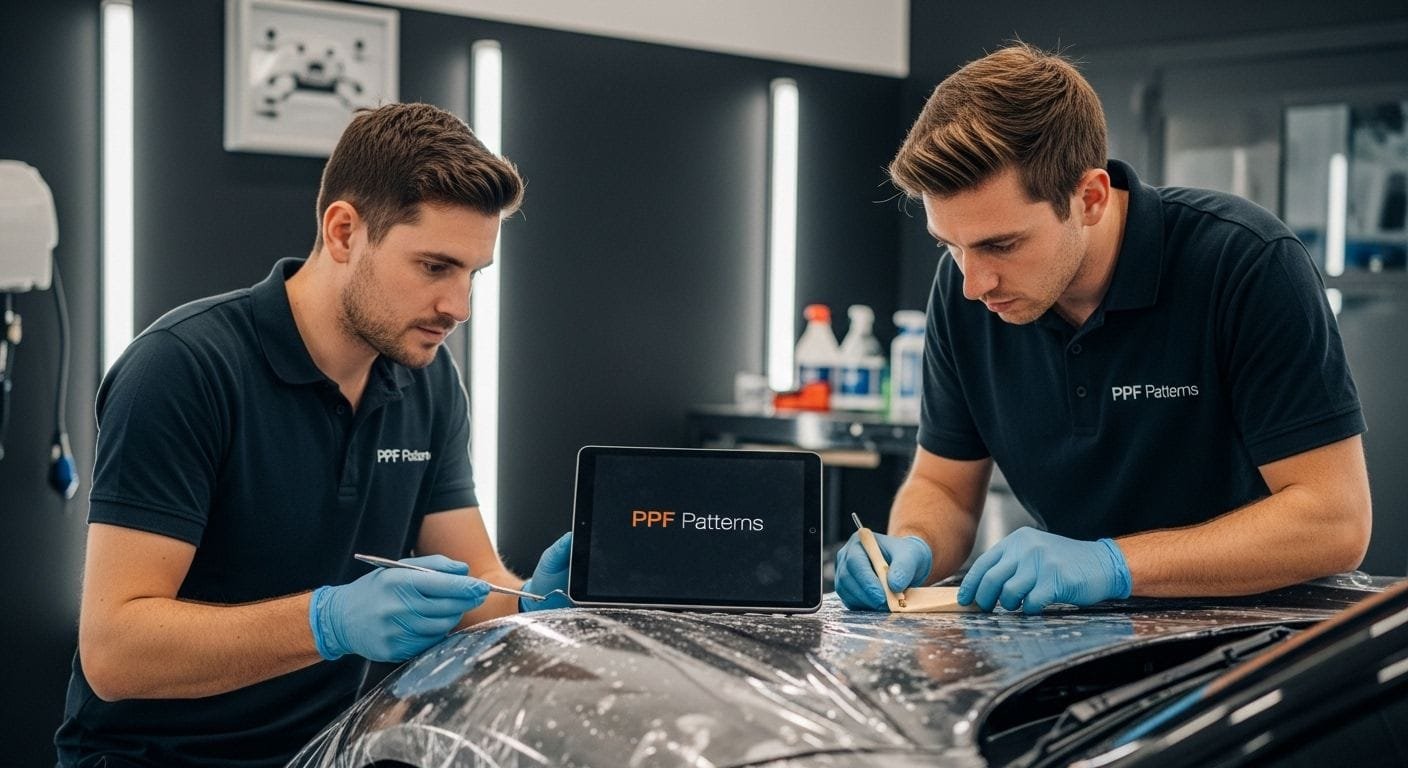
Many installers and businesses mistakenly think all window tints darken windows heavily but ceramic films block heat without reducing visible light significantly. Professional selection and installation impact energy efficiency and customer satisfaction. This guide will walk you through film types, installation best practices, and material waste reduction techniques to elevate your residential tinting services.
Table of Contents
- Introduction To Residential Window Tinting
- Types Of Window Tint Films For Residences
- Technical Considerations For Film Selection
- High-Precision Installation Techniques
- Material Waste Reduction Strategies
- Quantified Benefits Of Residential Window Tinting
- Common Misconceptions And Installation Pitfalls
- Conclusion And Practical Recommendations
- Upgrade Your Residential Window Tint Installations With AEONCUT
- Frequently Asked Questions About Residential Window Tinting
Key Takeaways
| Point | Details |
|---|---|
| Film selection matters | Ceramic window films offer up to 97% infrared heat rejection with high visible light transmission. |
| Precision reduces defects | Advanced cutting technologies minimize installation defects and material waste significantly. |
| Glass compatibility crucial | Proper film-glass matching prevents damage and maximizes performance. |
| Energy savings substantial | Residential window tinting can reduce cooling costs by up to 63% and block up to 99% UV rays. |
| Professional installation pays | Expert application ensures warranty coverage and long-term durability. |
Introduction to Residential Window Tinting
Window tint films are thin layers applied to glass surfaces to control heat, UV light, and visibility. Unlike automotive applications, residential tinting addresses larger window areas, varied glass types, and aesthetic concerns unique to home environments. Professional installation becomes essential to achieve optimal results.
The residential window tint benefits extend far beyond simple heat reduction. According to This Old House, high-quality residential window tints can block up to 70% of solar heat entering through untreated glass, substantially lowering indoor temperatures and cooling costs. This performance directly translates to improved comfort and reduced energy bills for homeowners.
Key benefits include:
- Heat reduction lowering air conditioning demand by 30-63%
- UV protection blocking up to 99% of harmful rays
- Enhanced privacy without sacrificing natural light
- Glare reduction improving screen visibility and comfort
- Energy efficiency cutting monthly utility expenses
- Furniture and flooring protection from sun damage
Professional installers who understand these distinctions can position themselves as expert consultants rather than simple service providers. Your knowledge of film chemistry, glass compatibility, and precise application techniques sets you apart in a competitive market.
Types of Window Tint Films for Residences
Selecting the right film requires understanding the distinct properties and performance characteristics of each type. Different compositions yield dramatically different results in heat rejection, visibility, and longevity.
According to Engineer Fix, ceramic window films can block up to 97% of infrared heat and over 99% of UV rays while maintaining high visible light transmission, allowing homeowners to reduce heat without darkening their windows significantly. Research from This Old House confirms that different types of window films serve targeted functions such as heat reduction, privacy enhancement, and glass reinforcement.
| Film Type | Composition | Heat Rejection | UV Blockage | Visible Light | Key Advantages | Drawbacks |
|---|---|---|---|---|---|---|
| Ceramic | Non-metallic nano-ceramic particles | 95-97% | 99%+ | 60-90% | No signal interference, superior heat control | Higher cost |
| Metallic | Aluminum or metal layers | 60-80% | 99% | 50-75% | Reflective appearance, durable | Blocks cell/WiFi signals |
| Dyed | Polyester base with dye layers | 40-60% | 95-99% | 30-60% | Affordable, good privacy | Fades over time |
| Decorative | Etched or frosted patterns | 20-40% | 85-95% | 20-80% | Aesthetic appeal, privacy | Limited heat control |
| Security | Thick polyester with adhesives | 30-50% | 99% | 70-85% | Glass reinforcement, safety | Primarily security focused |
For comprehensive window tint film types, understanding application contexts helps match homeowner needs with film capabilities.
Typical applications by film type:
- Ceramic films: South-facing windows, sunrooms, hot climates
- Metallic films: Commercial spaces needing durability and reflectivity
- Dyed films: Budget-conscious projects prioritizing privacy over maximum heat rejection
- Decorative films: Bathrooms, entry doors, office partitions
- Security films: Ground floor windows, sliding glass doors, high-risk areas
Pro Tip: In sunny climates, recommend ceramic or nano-ceramic films to customers seeking maximum heat rejection without the darkness. My Home Pros notes that invisible nano-ceramic films offer superior heat and UV protection with high visibility, increasing customer satisfaction. These films deliver performance that justifies premium pricing while avoiding common complaints about darkened interiors.
Understanding the best window tint types for residences positions you as a trusted advisor who can navigate homeowner priorities and budget constraints effectively.
Technical Considerations for Film Selection
Selecting film without understanding the underlying glass substrate risks thermal stress, seal failure, and warranty voiding. Residential windows present varied substrates that demand careful evaluation before installation.
Home windows typically fall into three categories: single pane, double pane, and Low-E coated glass. Single pane windows accept most film types without risk. Double pane and Low-E windows require special attention because improper films can trap heat between panes, causing thermal stress and seal failure. According to This Old House, compatibility with Low-E and double-pane glass is essential as improper films can cause thermal stress and seal failure.
Key considerations before film selection:
- Glass thickness and pane count affecting heat absorption
- Presence of Low-E coatings that may conflict with certain films
- Window orientation and direct sun exposure hours
- Existing glass stress from structural settling or temperature extremes
- Manufacturer specifications and warranty requirements
- Local building codes and HOA restrictions
Compatibility guidelines for professional reference:
- Always verify glass type through manufacturer labels or professional assessment
- Avoid dark films on double pane windows facing direct sun for extended periods
- Select lighter films with lower solar absorption for Low-E glass
- Consult film manufacturer guidelines for approved glass substrates
- Document glass specifications before ordering materials
- Educate customers about risks of mismatched film and glass combinations
Professional installers who thoroughly evaluate film selection factors for residential windows prevent costly callbacks and damage claims. Taking time upfront to understand glass and film compatibility protects your reputation and ensures customer satisfaction.
When in doubt, consult with film manufacturers directly. Most provide technical support teams who can review specific glass and exposure scenarios to recommend appropriate products. This extra diligence separates professional installers from amateurs cutting corners.
High-Precision Installation Techniques
Mastering installation technique transforms good materials into exceptional results. Precision at every step minimizes defects, reduces material waste, and builds customer confidence in your expertise.
According to
professional installation research, proper professional window film installation eliminates bubbles and wrinkles, ensuring long-lasting adhesion and minimal material waste, reducing defects by over 30%. This performance gap between professional and amateur work directly impacts customer satisfaction and referral rates.
Step-by-step installation process:
- Surface Preparation: Clean glass thoroughly with professional-grade solutions, removing all dirt, oils, and residue. Inspect for existing damage that could affect adhesion.
- Accurate Measuring: Measure each window precisely, accounting for frame depth and edge clearances. Document dimensions for pattern cutting.
- Film Cutting: Use precision installation software to generate exact patterns, reducing manual measurement errors and material waste.
- Application: Apply slip solution generously, position film carefully, and use professional squeegees to remove solution and air bubbles.
- Edge Sealing: Work edges methodically with proper pressure, ensuring complete adhesion without creating stress points.
- Final Inspection: Check for bubbles, gaps, or edge lifting before leaving the job site. Address any imperfections immediately.
Pro Tip: Always double-check window cleanliness by running your hand across the glass surface. Any grit or residue will create bubbles or scratch the film during application. Use consistent squeegee pressure at a 45-degree angle, working from center outward in overlapping strokes.
Advanced digital cutting software delivers pattern precision impossible with manual methods. These tools account for window curves, frame obstructions, and edge tolerances automatically. Comparing professional versus DIY installation reveals significant differences in defect rates and long-term durability.
Proper edge treatment deserves special attention. Edges are where most film failures begin, as inadequate adhesion allows moisture infiltration and peeling. Spend extra time ensuring edges are completely sealed and free of gaps. This attention to detail extends film life dramatically and prevents warranty claims.
Material Waste Reduction Strategies
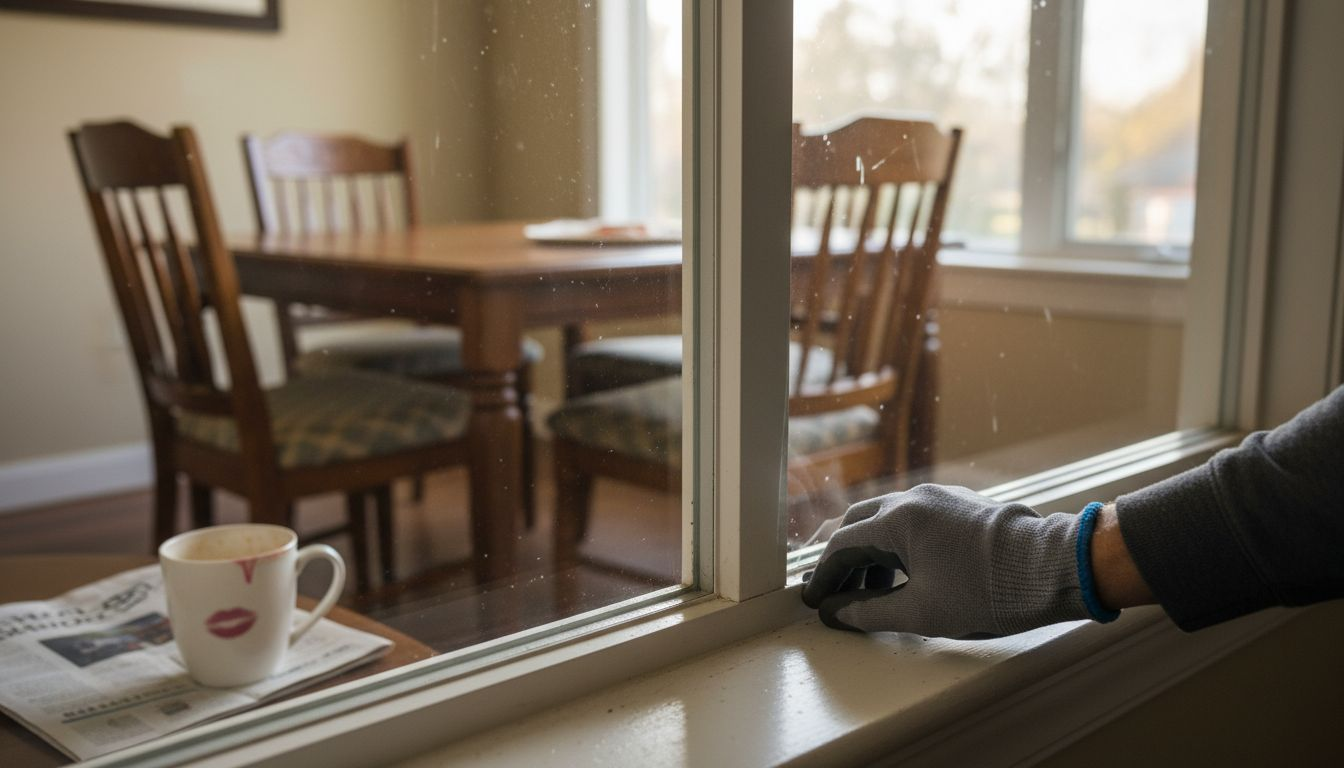
Reducing film waste directly improves profitability while supporting sustainable business practices. Manual cutting methods typically waste 15-25% of film through imprecise measurements and inefficient layout planning.
AI-based nesting software revolutionizes material efficiency by automatically arranging multiple patterns on film rolls to maximize usage. Instead of cutting patterns sequentially with gaps between, intelligent nesting algorithms position patterns tightly together, minimizing unused space.
| Cutting Method | Typical Waste % | Pattern Prep Time | Material Cost Impact |
|---|---|---|---|
| Manual cutting | 20-25% | 45-60 min | Baseline |
| Template-based | 15-18% | 30-40 min | 10% savings |
| Digital software | 8-12% | 15-25 min | 25% savings |
| AI-optimized nesting | 4-7% | 10-15 min | 40% savings |
Benefits of advanced cutting technology:
- Cost savings from reduced film waste improving profit margins
- Environmental sustainability through minimized material consumption
- Faster job preparation allowing more installations per day
- Consistent pattern accuracy reducing installation defects
- Digital pattern libraries eliminating repeat measurements
- Scalability supporting business growth without proportional material cost increases
Pro Tip: Build a library of common window patterns in your service area. Residential developments often use identical window models across multiple homes. Creating reusable digital patterns for these common sizes eliminates measurement time and ensures perfect fits every time.
The AI-driven cutting software benefits extend beyond waste reduction. Digital workflows improve job scheduling, inventory management, and quality control. Pattern libraries for complex windows grow more valuable as your business expands into new service areas.
Advanced optimization principles similar to those used in AI optimization for film cutting demonstrate how artificial intelligence transforms traditional manual processes into efficient, data-driven operations. This technological shift separates forward-thinking installers from competitors stuck in outdated methods.
Quantified Benefits of Residential Window Tinting
Concrete data proves value to customers and justifies professional pricing. Documented performance metrics transform window tinting from a luxury purchase into a quantifiable investment with measurable returns.
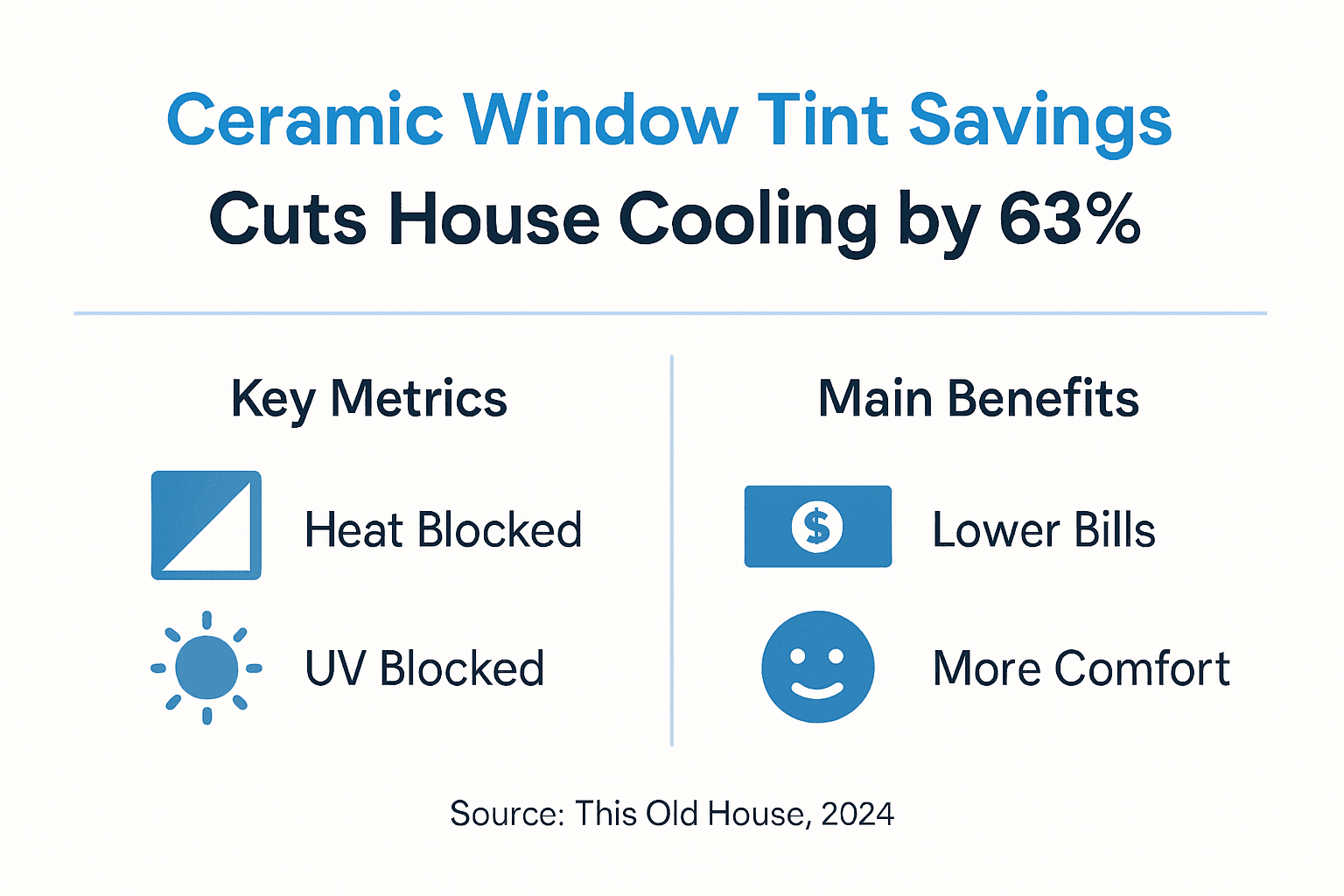
According to This Old House, professionally installed residential window tint can reduce cooling costs by 30-63% and block up to 99% of UV rays. These figures represent substantial long-term savings that offset initial installation costs within 3-5 years for most homes.
Energy Savings Alert: Homes with professionally installed ceramic window tint experience indoor temperature drops of 5-10°F during peak summer hours, directly translating to reduced air conditioning runtime and lower monthly utility bills.
Quantified benefits include:
- Cooling cost reduction ranging from 30% to 63% depending on climate, glass type, and film selection
- UV ray blockage up to 99% protecting furnishings, flooring, and artwork from fading
- Reduced glare improving screen visibility and occupant comfort
- Lower AC loads extending HVAC system lifespan
- Interior temperature stabilization creating more consistent comfort
- Long-term savings accumulating over 10-15 year film lifespan
- Improved home resale value through energy efficiency upgrades
These window tinting energy savings create compelling sales narratives. Present customers with annual cost projections showing break-even timelines and lifetime savings. This data-driven approach positions tinting as smart financial planning rather than optional cosmetic work.
Customer satisfaction metrics improve when installers explain these quantified benefits upfront. Homeowners who understand the science behind heat rejection and UV protection become advocates who refer friends and neighbors. Your expertise in communicating technical performance in accessible terms builds trust and differentiates your business.
Documenting before and after temperature measurements adds credibility to your claims. Simple infrared thermometers cost little but provide powerful demonstration tools during consultations. Showing a 15-degree temperature difference between tinted and untinted windows makes abstract benefits tangible and immediate.
Common Misconceptions and Installation Pitfalls
Clearing confusion prevents costly mistakes and improves customer education. Many homeowners and even some installers hold incorrect beliefs about window film performance and application.
The most persistent myth suggests darker films always provide better heat rejection. Reality proves the opposite. Ceramic films with high visible light transmission often outperform dark dyed films in infrared heat rejection. Color and performance are independent variables determined by film chemistry, not appearance.
Distinguishing terminology matters professionally. Window film refers broadly to any thin polymer applied to glass for functional or aesthetic purposes. Window tint specifically describes films designed to reduce visible light transmission. All tints are films, but not all films are tints. Using precise language with customers demonstrates expertise.
DIY installation limitations frequently surprise homeowners. Without proper tools, slip solutions, and experience, DIY attempts produce bubbles, wrinkles, and poor edge adhesion. Most film warranties require professional installation, meaning DIY work voids coverage regardless of application quality. These realities create opportunities for professionals who explain value beyond simple labor costs.
Common pitfalls to avoid:
- Using incompatible films on Low-E or double pane windows causing thermal stress
- Inadequate surface preparation leaving contaminants that prevent proper adhesion
- Manual cutting errors wasting material and creating poor fits
- Rushing application before slip solution allows proper positioning
- Insufficient edge sealing leading to premature film failure
- Skipping manufacturer training on new film products
- Failing to document glass specifications before ordering materials
Actionable solutions:
- Always verify glass type and manufacturer specifications before selecting films
- Invest in professional-grade cleaning solutions and lint-free application tools
- Adopt digital cutting software to eliminate measurement and pattern errors
- Allow adequate time for each installation step without rushing
- Focus extra attention on edge sealing and final inspection
- Pursue ongoing education through manufacturer training programs
- Build comprehensive documentation practices for every project
Educating customers about these realities positions you as a trusted advisor. When homeowners understand why professional installation costs more than DIY kits, price objections decrease. Your expertise in navigating these complexities justifies premium pricing and builds long-term client relationships.
Conclusion and Practical Recommendations
Professional window tint installation combines material science, technical skill, and customer service. Success requires choosing the right film for each window’s glass type and exposure, leveraging advanced cutting technology for precision, and executing flawless installation technique.
Advanced digital cutting software transforms efficiency while reducing material waste by up to 40%. These tools pay for themselves quickly through saved materials and faster job preparation. Professional installation advantages extend beyond immediate results, preventing defects that cause callbacks and ensuring long-term durability that builds reputation.
Immediate action steps:
- Audit your current film inventory to ensure you offer ceramic options for heat-conscious customers
- Invest in digital pattern cutting software to improve precision and reduce waste
- Develop a glass assessment checklist to verify compatibility before every job
- Create customer education materials explaining film types and performance metrics
- Document successful installations with before/after temperature measurements
- Build relationships with film manufacturers for technical support and ongoing training
Continuous learning separates top-tier installers from competitors. Manufacturers regularly introduce improved formulations and application techniques. Staying current ensures you can offer the latest solutions while commanding premium pricing for superior expertise.
Using technology to differentiate service quality creates sustainable competitive advantages. Customers increasingly expect data-driven recommendations and precision execution. Meeting these expectations positions your business for growth in a competitive market.
Upgrade Your Residential Window Tint Installations with AEONCUT
Professional installers who adopt cutting-edge software tools deliver superior results while improving profitability. AEONCUT provides precision and speed cutting software specifically designed for residential and automotive window tint applications.
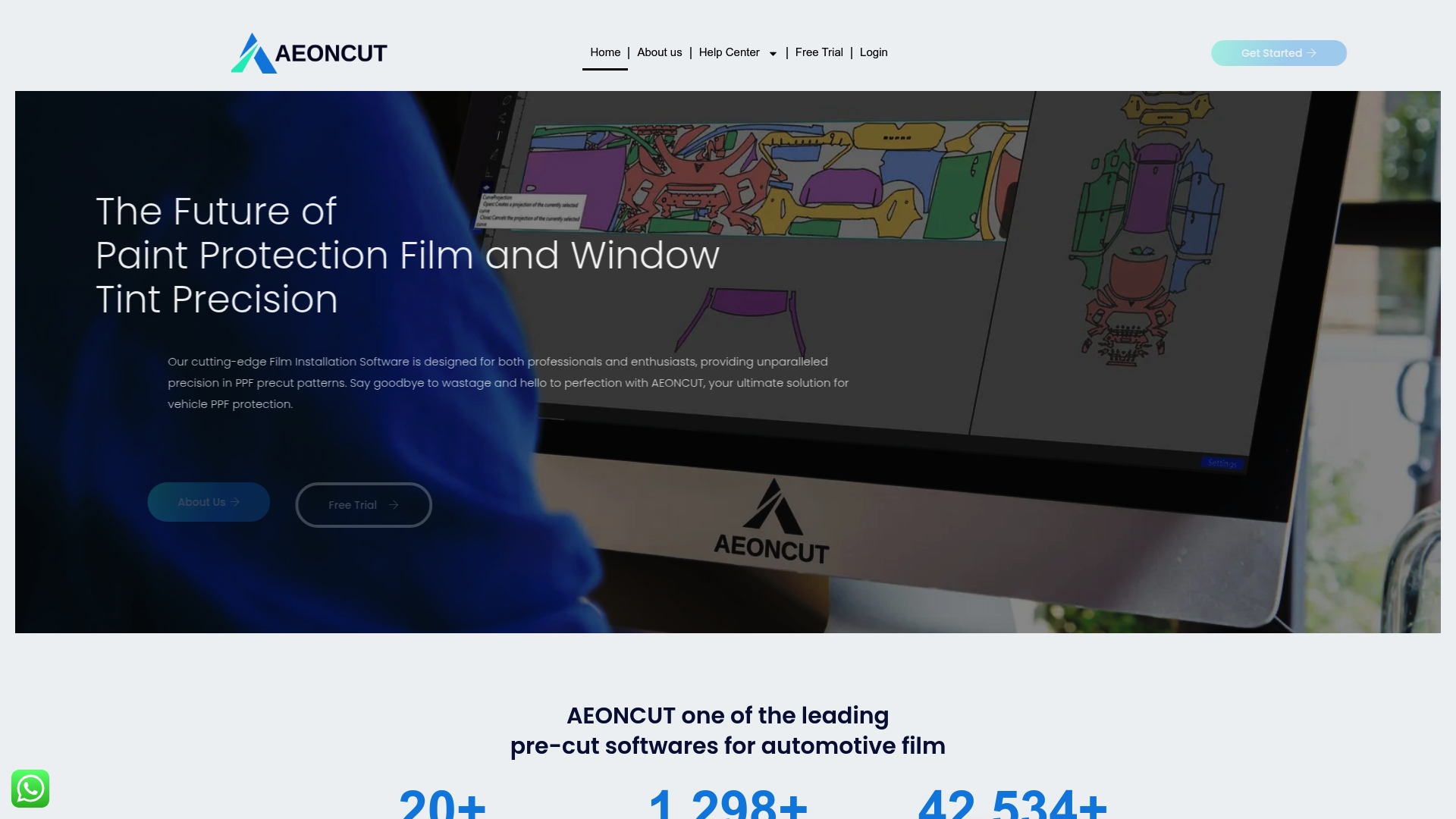
The platform’s AI AutoNest film waste reduction technology minimizes material waste by up to 40% through intelligent pattern arrangement. This efficiency directly improves your bottom line while supporting sustainable business practices. Combined with extensive pattern libraries covering common residential window configurations, AEONCUT eliminates time-consuming manual measurements and reduces installation defects.
Professionals who master window tint software gain competitive advantages through faster job preparation, consistent quality, and reduced material costs. These benefits translate to higher customer satisfaction and increased referrals, driving sustainable business growth.
Frequently Asked Questions About Residential Window Tinting
What is the difference between window tint and window film?
Window film encompasses all thin polymer layers applied to glass for functional or aesthetic purposes including heat control, UV protection, safety, and decoration. Window tint specifically refers to films designed to reduce visible light transmission, creating darker appearances. All tints are films, but films include many non-tinting applications.
Why is professional installation preferred over DIY for residential window tinting?
Professional installation eliminates bubbles, wrinkles, and edge failures through proper tools, techniques, and experience. Most manufacturer warranties require professional installation, meaning DIY work voids coverage regardless of quality. Professionals achieve adhesion and longevity impossible with consumer-grade tools and amateur technique.
How can I identify my home’s window glass type to select compatible film?
Check for manufacturer labels in window corners or review original purchase documentation. Window suppliers can often identify glass types from home addresses and construction dates. Professional glass assessment services use specialized tools to determine pane count, coatings, and specifications when labels are missing.
What maintenance is required after installing residential window tint?
Clean tinted windows with mild detergents and soft microfiber cloths, avoiding abrasive cleaners or rough materials that scratch film surfaces. Wait 30 days after installation before cleaning to allow adhesives to fully cure. Avoid sharp objects near edges and inspect periodically for lifting or damage.
What cooling cost savings can customers expect with ceramic window tint?
Typical cooling cost reductions range from 30% to 63% depending on climate, window orientation, glass type, and film selection. Homes in hot climates with significant south and west-facing glass see maximum savings. Precise results vary but most homeowners achieve payback within 3-5 years through reduced utility bills.
Recommended
- Ceramic Window Tint Benefits: Essential Guide for 2025 – AEONCUT PPF Pre-cut Cutting software
- 6 Essential Factors Shaping House Window Tinting Prices – AEONCUT PPF Pre-cut Cutting software
- Window Glass Sun Protection Film: Maximising Efficiency – AEONCUT PPF Pre-cut Cutting software
- Heat Shrinking Window Tint: 2025 Guide for Installers – AEONCUT PPF Pre-cut Cutting software
- Understanding Copper vs Ceramic Cookware: Key Insights – Brass & Steel